
The Hidden Dangers of Herbal Stress Supplements: A Safety Alert

Welcome to Mind Care Guide, your trusted companion on the journey to mental well-being.
Feeling overwhelmed by stress and anxiety? You're not alone. Many are turning to herbal supplements for relief, but are they truly safe? Before you reach for that bottle, delve into our crucial article: "The Hidden Dangers of Herbal Stress Supplements: A Safety Alert." Discover the potential risks and learn how to make informed choices for your mental health. Your well-being is our priority, let's explore this together.
The Hidden Dangers of Herbal Stress Supplements: A Safety Alert | Mental Wellness Insights
- Herbal Supplements for Stress & Anxiety: Are They Really Safe?
- The Allure of Herbal Remedies for Stress & Anxiety: A Closer Look
- Hidden Dangers of Herbal Supplements for Stress and Anxiety
- Making Informed Decisions: Safe and Effective Stress Management Strategies
- Conclusion: Prioritizing Safety and Well-being in Your Quest for Stress Relief.
-
Frequently Asked Questions
- What are the potential dangers associated with taking herbal supplements for stress and anxiety?
- Why is it important to be cautious when considering herbal supplements for stress and anxiety relief?
- How can I ensure my safety if I choose to take herbal supplements for stress and anxiety?
- What are some common herbal supplements marketed for stress and anxiety relief, and what are their potential risks?
- Where can I find reliable information about the safety and efficacy of herbal supplements for stress and anxiety relief?
- Final Reflection: Unmasking the Truth Behind Herbal Stress Relief
- Unlock Your Path to Stress-Free Living
Herbal Supplements for Stress & Anxiety: Are They Really Safe?
Introduction: Understanding the Appeal of "Natural" Remedies
In today's fast-paced world, stress and anxiety have become pervasive issues for many. As people seek ways to manage these challenges, there's a growing interest in alternatives to conventional prescription medications. This often leads individuals down the path of exploring "natural" remedies, with herbal supplements for stress and anxiety relief gaining significant popularity. The appeal lies in the perception that products derived from plants are inherently safer, gentler, and less likely to cause adverse effects compared to pharmaceutical drugs.
This inclination towards herbal options is understandable. Many individuals are wary of the potential side effects associated with some prescription medications, or they may be looking for readily available solutions without needing a doctor's visit. The concept of using nature's bounty to soothe the mind and body resonates deeply with a desire for holistic wellness. However, while the term "natural" evokes a sense of safety and purity, it's crucial to understand that this label alone does not guarantee efficacy or freedom from risk.
The Allure of Herbal Remedies for Stress & Anxiety: A Closer Look
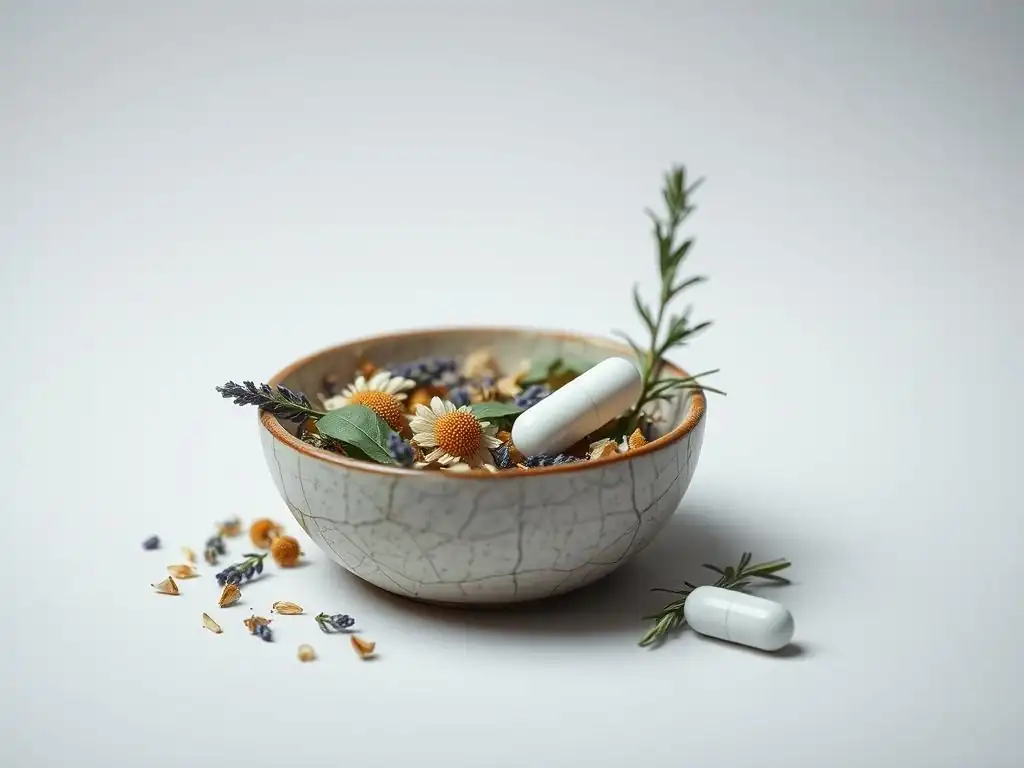
Popular Herbal Supplements Marketed for Anxiety and Stress Relief
The market is flooded with various herbal supplements marketed specifically for their calming or adaptogenic properties, aiming to provide herbal supplements stress anxiety relief. Among the most commonly sought after are Kava, known for its traditional use in promoting relaxation and reducing anxiety; Valerian, often used as a natural sleep aid which can indirectly help with stress; Passionflower, sometimes used for anxiety and insomnia; Rhodiola Rosea, an adaptogen purported to help the body resist stressors; Lemon Balm, used for its calming effects; and Ashwagandha, another adaptogen believed to help the body manage stress.
These herbs are available in numerous forms, including capsules, tinctures, teas, and powders, making them easily accessible through health food stores, pharmacies, and online retailers. Their widespread availability and extensive marketing often position them as simple, non-prescription solutions for individuals struggling with daily stress, occasional anxiety, or even more persistent feelings of unease. The sheer volume of products and the ease with which they can be purchased contribute significantly to their allure as a first-line approach to mental wellness challenges.
The Rise of "Natural" Anxiety Solutions: A Trend to Be Wary Of?
The increasing demand for herbal supplements for stress and anxiety relief reflects a broader trend towards self-care and a desire for perceived control over one's health. This trend is fueled by a wellness culture that often champions natural living and alternative therapies. While empowering in some ways, it can also inadvertently lead consumers to believe that because something is "natural," it is automatically safe and effective, potentially overlooking crucial safety considerations.
This perspective can be particularly concerning when applied to complex issues like stress and anxiety, which may have underlying causes requiring professional assessment and evidence-based treatment. Many products promise significant or rapid herbal supplements stress anxiety relief without sufficient scientific backing. The lack of stringent oversight in the supplement industry, unlike pharmaceutical drugs, means that consumers are often relying on manufacturer claims rather than independent verification of safety, quality, and efficacy, raising questions about whether this trend is always in the consumer's best interest.
Lack of Regulation and Quality Control: A Serious Concern
One of the most significant hidden dangers of herbal supplements for stress and anxiety relief stems from the regulatory landscape. In the United States, for example, the Food and Drug Administration (FDA) regulates supplements under a different set of regulations than conventional foods and drug products. Manufacturers are responsible for ensuring their products are safe and that claims made about them are truthful and not misleading, but they do not need FDA approval before marketing their products. The FDA's role primarily involves post-market surveillance, stepping in if a product is proven unsafe or makes illegal drug claims.
This system results in considerable variability in product quality and content. Studies have repeatedly shown that what's on the label might not match what's in the bottle. For instance, research has found herbal supplements containing incorrect plant species, undisclosed fillers, variable amounts of the active ingredient (sometimes none, sometimes too much), and even contaminants like heavy metals (e.g., lead, mercury) or pesticides.
A 2013 study by the University of Guelph found significant discrepancies in labeling for many herbal products, with some containing entirely different herbs than listed or including undisclosed allergens. This lack of standardized quality control means consumers cannot be certain of the product's purity, potency, or even its true identity, making the quest for herbal supplements stress anxiety relief potentially risky.
Drug Interactions: When "Natural" Becomes Dangerous
A critical, yet often overlooked, danger is the potential for herbal supplements to interact negatively with prescription medications, over-the-counter drugs, and even other supplements or foods. These interactions can have serious consequences, altering how medications are absorbed, metabolized, or excreted by the body. This can lead to reduced effectiveness of necessary medications, increased risk of side effects, or even dangerous toxicity.
For example, St. John's Wort, sometimes used for mild depression and anxiety, is a potent inducer of liver enzymes that metabolize many drugs. This means it can significantly decrease the levels of medications like antidepressants, birth control pills, blood thinners (such as warfarin), medications for heart disease, HIV/AIDS drugs, and transplant anti-rejection drugs, rendering them less effective and potentially putting the patient at risk. Kava, while used for anxiety, has been linked to liver toxicity and can dangerously enhance the effects of alcohol, benzodiazepines, and other sedatives, leading to excessive drowsiness or impaired coordination.
Valerian, often taken for sleep or anxiety, can also interact with sedatives and alcohol. Ignoring these potential interactions turns the pursuit of herbal supplements stress anxiety relief into a significant health gamble.
Side Effects and Allergic Reactions: More Common Than You Think
Despite the perception of being gentle, herbal supplements can cause a range of side effects, from mild discomfort to severe health problems. The nature and severity of side effects can vary depending on the herb, dosage, individual sensitivity, and product quality. Because supplements are not subject to the same rigorous clinical trials as drugs before reaching the market, the full spectrum of potential side effects may not be well-documented or understood.
Common mild side effects associated with herbal supplements stress anxiety relief include digestive upset (nausea, diarrhea), headaches, dizziness, and fatigue. However, more serious reactions can occur. As mentioned, Kava has been associated with rare but potentially severe liver damage. Valerian can cause headaches, vivid dreams, or residual drowsiness.
Some herbs can affect blood pressure or heart rate. Allergic reactions, ranging from skin rashes to anaphylaxis, are also possible with any plant-derived product. Furthermore, contaminants present due to poor manufacturing practices can introduce entirely unrelated side effects or toxicities. For instance, some traditional herbal preparations have been found to contain heavy metals like lead or mercury, which can have cumulative toxic effects over time.
Misleading Claims and Unproven Benefits: Separating Fact from Fiction
The marketing surrounding herbal supplements for stress and anxiety relief often involves compelling testimonials and broad claims about their effectiveness. However, many of these claims are not supported by strong scientific evidence from well-designed clinical trials. While some herbs may have a long history of traditional use or show promise in preliminary research, this does not equate to proven efficacy or safety under modern medical standards.
Consumers are frequently exposed to marketing language that suggests these products can treat, cure, or prevent conditions like anxiety or chronic stress. Under FDA regulations, supplements are not allowed to make such claims; they can only claim to affect the structure or function of the body (e.g., "promotes relaxation"). However, the line is often blurred in advertising and online content.
Relying solely on marketing information for herbal supplements stress anxiety relief can lead individuals to waste money on ineffective products or, worse, delay seeking evidence-based treatments that could provide real relief and address underlying issues. It is crucial to approach claims with skepticism and look for evidence from reputable, unbiased sources.
Making Informed Decisions: Safe and Effective Stress Management Strategies
Consulting with Healthcare Professionals: A Must Before Starting Any Supplement
Given the hidden dangers, the single most important step before starting any herbal supplement for stress or anxiety is to consult with a qualified healthcare professional. This includes your doctor, psychiatrist, or pharmacist. These professionals have a comprehensive understanding of your health history, existing medical conditions, and current medications. They can assess whether a particular herb might be appropriate for your specific situation, advise on potential risks and interactions, and help determine if your symptoms warrant a different course of treatment.
Discussing all supplements, including herbal remedies, vitamins, and minerals, with your healthcare provider is essential for your safety. They can check for potential interactions with your prescription medications, which could otherwise lead to serious health complications. They can also offer guidance based on the limited available research on specific herbs and recommend reputable resources for information. This professional guidance is invaluable in navigating the complex world of supplements and ensuring your approach to stress and anxiety management is safe and informed.
Evidence-Based Alternatives for Stress and Anxiety Relief
Fortunately, there are many safe and effective strategies for managing stress and anxiety that are supported by extensive scientific evidence. These approaches often address the root causes of stress and build long-term resilience, offering reliable stress anxiety relief without the risks associated with unregulated supplements. Psychotherapy, such as Cognitive Behavioral Therapy (CBT) or Acceptance and Commitment Therapy (ACT), teaches practical skills to challenge negative thought patterns and behaviors associated with anxiety and stress.
Lifestyle interventions also play a crucial role. Regular physical exercise is a powerful stress reducer, releasing endorphins and improving mood. Mindfulness meditation and deep breathing exercises can help calm the nervous system and increase self-awareness. Ensuring adequate, quality sleep is fundamental, as sleep deprivation significantly exacerbates stress and anxiety. Other effective strategies include practicing yoga, engaging in hobbies, spending time in nature, maintaining a healthy diet, and building a strong social support network. These methods have a proven track record and offer a holistic path to well-being.
Choosing Herbal Supplements Wisely (If You Still Decide to Use Them)
If, after consulting with a healthcare professional, you still decide to explore herbal supplements for stress and anxiety relief, there are steps you can take to minimize risks. Prioritize products from reputable manufacturers that adhere to strict quality control standards. Look for supplements that have been third-party tested by independent organizations like USP (United States Pharmacopeia), NSF International, or ConsumerLab. These certifications indicate that the product has been tested for purity, potency, and absence of contaminants, offering a higher degree of assurance about what you are consuming.
Start with the lowest possible dose and monitor your body's reaction. Be patient, as the effects of herbal remedies may not be immediate and can take several weeks to become noticeable, if at all. Be vigilant for any unusual symptoms or side effects and discontinue use immediately if they occur.
Continuously research the specific herb you are considering, looking for information from scientific databases and medical sources rather than just marketing materials. Most importantly, keep your healthcare provider informed about any and all supplements you are taking, even those you consider "natural," to ensure ongoing safety and avoid dangerous interactions.
Conclusion: Prioritizing Safety and Well-being in Your Quest for Stress Relief.
Frequently Asked Questions
What are the potential dangers associated with taking herbal supplements for stress and anxiety?
Herbal supplements, while often perceived as natural, can have serious side effects and interact negatively with medications. They are not always regulated or tested to the same standards as prescription drugs.
Why is it important to be cautious when considering herbal supplements for stress and anxiety relief?
Many herbal supplements lack sufficient scientific evidence to support their claims of effectiveness. Additionally, inconsistent dosages and potential contamination can pose health risks.
How can I ensure my safety if I choose to take herbal supplements for stress and anxiety?
Always consult with a qualified healthcare professional before starting any new supplement. Research the product thoroughly and choose brands with third-party testing to ensure quality and purity.
What are some common herbal supplements marketed for stress and anxiety relief, and what are their potential risks?
Supplements like St. John's Wort, Kava, and Valerian Root have been linked to liver damage, medication interactions, and drowsiness. It's crucial to be aware of these potential adverse effects.
Where can I find reliable information about the safety and efficacy of herbal supplements for stress and anxiety relief?
Consult your doctor, pharmacist, or reputable websites like the National Institutes of Health (NIH) or the National Center for Complementary and Integrative Health (NCCIH) for evidence-based information and potential risks.
Final Reflection: Unmasking the Truth Behind Herbal Stress Relief
The seemingly innocuous world of herbal stress supplements hides a complex reality: many products lack rigorous scientific backing, posing significant risks to consumers seeking natural anxiety relief. This isn't simply about choosing the "right" supplement; it's about understanding the potential dangers of unregulated products and advocating for transparency within the industry. The consequences of unchecked herbal supplement use can be severe, impacting both physical and mental well-being.
The pervasive marketing of herbal remedies for stress and anxiety reflects a societal yearning for natural solutions, a desire I deeply understand and respect. However, this desire must be tempered with caution and critical thinking. We must move beyond the alluring promises of quick fixes and instead prioritize informed decision-making. The best doctor is the one who knows when to do nothing.
– William Osler. This quote, while seemingly unrelated, highlights the importance of careful consideration before resorting to potentially harmful interventions, even those presented as "natural." The pressure to find immediate relief shouldn't overshadow the need for safety and responsible self-care.
You, the reader, are now equipped with a more critical understanding of the herbal supplement market. Don't let marketing hype dictate your health choices. Take the time to research thoroughly, consult with healthcare professionals, and prioritize evidence-based approaches to managing stress and anxiety. Your well-being is paramount, and making informed decisions is the first step towards achieving lasting mental and physical health. Let's work together to create a safer and more transparent landscape for those seeking natural solutions to stress and anxiety.
Unlock Your Path to Stress-Free Living
Thanks for taking the time to learn about the hidden dangers lurking in some herbal stress supplements. We hope this article empowered you with the knowledge to make safer, more informed choices about your wellbeing. Now, let's turn that knowledge into action!
- Prioritize your health: Schedule a checkup with your doctor or healthcare provider to discuss your stress management strategies and supplement use. This is your most important step towards a healthier, happier you.
- Share this vital information: Spread the word by sharing this article with friends and family who may also be using herbal supplements. Help them stay safe and informed!
- Explore natural, safer stress relievers: Research and explore alternative stress-reducing techniques like mindfulness, exercise, or spending time in nature.
What natural stress-relief techniques are you already using, and what new ones will you explore based on what you learned today?