
The GutBrain Connection in Action: RealLife Examples and Case Studies


Welcome to Mind Care Guide, a place dedicated to nurturing your mental well-being.
Ever wondered if your anxiety is more than just in your head? Delve into the fascinating world of the Gutbrain connection anxiety relief, and discover how your digestive system profoundly impacts your mental state. This article explores real-life examples and case studies, offering a glimpse into the powerful link and providing a path toward understanding – and potentially alleviating – your anxiety. What if the key to calming your mind lies within your gut? Let's explore.
- The Gut-Brain Connection in Action: Real-Life Examples and Case Studies - Mind Care Guide
- Real-Life Examples: Gut Health's Impact on Anxiety
- Practical Strategies: Leveraging the Gut-Brain Connection for Anxiety Relief
- The Future of Gut-Brain Research and Anxiety Treatment
-
Frequently Asked Questions
- How does the gut-brain connection actually impact anxiety?
- What are some real-life examples of people using gut health to manage anxiety?
- What specific dietary changes are most effective for gut-brain connection anxiety relief?
- Besides diet, what other lifestyle factors influence the gut-brain connection and anxiety?
- How long does it typically take to see noticeable anxiety relief through gut-brain connection interventions?
- Final Reflection: Unlocking Anxiety Relief Through the Gut-Brain Axis
- Unlock Your Gut's Wisdom: Take Control of Your Wellbeing
The Gut-Brain Connection in Action: Real-Life Examples and Case Studies - Mind Care Guide
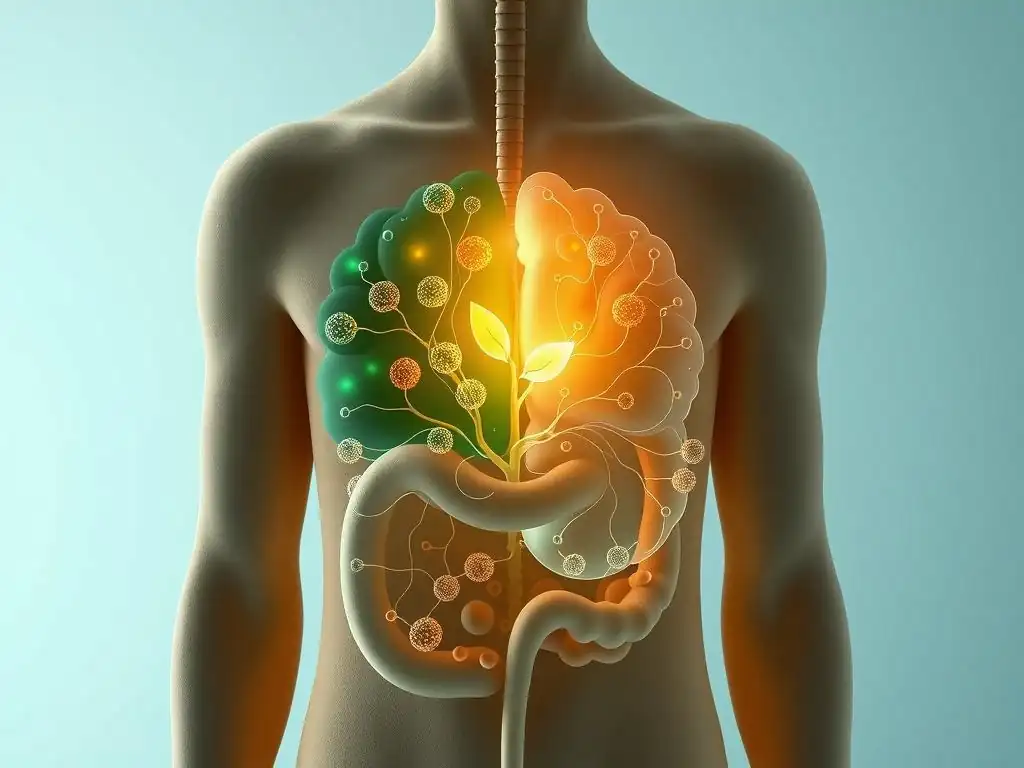
The Science Behind the Gut-Brain Connection
The intricate relationship between the gut and the brain, known as the gut-brain axis, is a complex bidirectional communication system involving neural, hormonal, and immunological pathways. This axis allows the brain to influence gut functions like motility and secretion, while the gut simultaneously impacts brain activity, mood, and even cognitive function.
Key players in this communication include the vagus nerve, the enteric nervous system (often called the "second brain"), neurotransmitters, and the vast community of microorganisms residing in the gut, collectively known as the gut microbiome. Understanding this axis is fundamental to exploring how gut-brain connection anxiety relief is possible.
Neurotransmitters play a crucial role in this communication. For instance, a significant portion of the body's serotonin, a neurotransmitter heavily involved in mood regulation, is produced in the gut. Similarly, gamma-aminobutyric acid (GABA), an inhibitory neurotransmitter known for its calming effects, is also influenced by gut bacteria.
Disruptions in the production or balance of these chemicals within the gut can send signals to the brain that may contribute to feelings of anxiety and stress. Research continues to uncover the precise mechanisms by which these signals are transmitted and interpreted, highlighting the gut's profound influence on our mental state and the potential for targeting the gut-brain connection for anxiety relief.
How Gut Health Influences Mental Well-being
A healthy gut is characterized by a diverse and balanced community of microbes, a strong intestinal barrier, and proper digestive function. When this balance is disrupted, a state known as dysbiosis occurs, which can lead to inflammation, increased intestinal permeability (often called "leaky gut"), and altered production of microbial metabolites. These disruptions can activate immune responses and send inflammatory signals along the gut-brain axis, potentially impacting brain function and contributing to mental health challenges, including anxiety.
Furthermore, the gut microbiome produces various compounds, including short-chain fatty acids (SCFAs) like butyrate, which provide energy for colon cells and have anti-inflammatory properties. These SCFAs can also influence brain function and behavior. A suboptimal gut environment may result in reduced production of beneficial SCFAs and increased production of less beneficial or even harmful metabolites, further impacting the gut-brain axis and potentially exacerbating anxiety symptoms. Supporting gut health is increasingly recognized as a viable strategy for enhancing overall mental well-being and achieving gut-brain connection anxiety relief.
The Role of the Microbiome in Anxiety Disorders
The composition and activity of the gut microbiome have been linked to various mental health conditions, including anxiety disorders. Studies in both animals and humans suggest that differences in microbial diversity and specific bacterial species are associated with anxiety-like behaviors and symptoms. For example, some research indicates that individuals with anxiety may have lower levels of certain beneficial bacteria, such as Lactobacillus and Bifidobacterium species, compared to healthy individuals.
Specific microbial metabolites and signaling molecules produced by gut bacteria can directly or indirectly affect brain circuits involved in fear and anxiety. For instance, certain bacteria can influence the production of neurotransmitters or interact with the immune system, triggering inflammatory responses that cross the blood-brain barrier. While the exact causal relationships are still being explored, the growing body of evidence underscores the significant role the gut microbiome plays in the complex etiology of anxiety disorders and highlights its potential as a target for novel therapeutic interventions aimed at gut-brain connection anxiety relief.
Real-Life Examples: Gut Health's Impact on Anxiety
Case Study 1: Sarah's Journey to Anxiety Relief Through Dietary Changes
Sarah, a 34-year-old marketing manager, had struggled with generalized anxiety disorder for several years, experiencing persistent worry, restlessness, and difficulty concentrating. She had tried various therapies and medications with limited success. Additionally, she frequently experienced digestive discomfort, including bloating and irregular bowel movements, which she had previously considered unrelated to her mental health. Inspired by articles she read about the gut-brain connection, she decided to explore dietary interventions for her anxiety relief.
Working with a nutritionist specializing in gut health, Sarah underwent testing that revealed signs of gut dysbiosis, including an overgrowth of certain less beneficial bacteria and low levels of beneficial Lactobacillus. Based on these findings, the nutritionist recommended a comprehensive dietary overhaul. This involved eliminating highly processed foods, reducing sugar intake significantly, and increasing her consumption of fiber-rich vegetables, fruits, and whole grains. She also began incorporating fermented foods like sauerkraut and kimchi daily and started a high-quality multi-strain probiotic supplement specifically chosen for its potential impact on the gut-brain axis and anxiety.
Identifying Gut Imbalances Contributing to Anxiety
Sarah's initial consultations and testing were crucial in pinpointing potential gut issues underlying her anxiety. Beyond subjective reports of digestive discomfort, stool analysis provided objective data on her microbial composition and metabolic activity. This analysis showed a pattern often observed in individuals with anxiety and digestive issues: reduced microbial diversity and an imbalance favoring bacteria associated with inflammation or less favorable metabolic profiles. The presence of inflammatory markers in her stool also suggested a compromised gut barrier.
This process of identifying specific gut imbalances moved beyond simply assuming a connection. It provided a personalized roadmap for intervention. Understanding which beneficial bacteria were deficient and which potentially problematic ones were present allowed the nutritionist to tailor the dietary and probiotic recommendations precisely. This targeted approach is a key aspect of leveraging the gut-brain connection for effective anxiety relief, moving beyond generic advice to address the individual's unique microbial profile.
Dietary Changes and Probiotic Interventions for Anxiety Reduction
Sarah's dietary changes were systematic and phased. Initially, she focused on removing inflammatory triggers like refined sugars and processed seed oils. Within a few weeks, she noticed a reduction in bloating. The introduction of high-fiber foods like lentils, berries, and leafy greens provided prebiotics, which nourish beneficial gut bacteria. Simultaneously, incorporating daily servings of fermented foods and a targeted probiotic supplement aimed to directly increase beneficial microbial populations known to influence mood and stress response.
Over the course of three months, Sarah reported a noticeable improvement in her anxiety levels. She felt less restless, her persistent worry decreased by an estimated 40%, and she found it easier to manage stressful situations. While not a complete cure, the reduction in anxiety symptoms was significant and coincided directly with the improvements in her digestive comfort. This case illustrates how targeted dietary changes and probiotic supplementation, aimed at rebalancing the gut microbiome, can serve as powerful tools for gut-brain connection anxiety relief.
Monitoring Progress and Sustaining Gut Health for Long-Term Well-being
Sarah's journey didn't end after the initial improvement. She continued to work with her nutritionist to monitor her progress. This involved tracking both her anxiety symptoms using standardized scales and her digestive health. Periodically, follow-up stool tests were considered to assess changes in her microbiome composition, though symptom improvement was the primary metric. Sustaining the dietary changes became a way of life rather than a temporary fix.
Maintaining long-term gut health requires ongoing commitment. Sarah learned to view her diet not just as fuel but as a primary way to nurture her gut microbiome. She incorporated strategies for dealing with social events or travel that might disrupt her routine, such as packing her own snacks or continuing her probiotic supplement. This focus on sustainability is crucial for maintaining the gut-brain connection anxiety relief she achieved, highlighting that managing gut health is an ongoing component of overall mental well-being.
Case Study 2: John's Experience with IBS, Anxiety, and Gut-Directed Hypnotherapy
John, a 52-year-old accountant, had a long history of Irritable Bowel Syndrome (IBS), primarily characterized by abdominal pain, bloating, and alternating constipation and diarrhea. Alongside his debilitating physical symptoms, John also experienced significant health anxiety, constantly worrying about his digestive issues and how they would impact his daily life. He often found that stress exacerbated both his IBS symptoms and his anxiety, creating a vicious cycle. Traditional treatments for his IBS provided only partial relief, and his anxiety remained high.
Seeking a more integrated approach, John's gastroenterologist recommended exploring gut-directed hypnotherapy, a non-pharmacological treatment specifically designed for IBS that also has demonstrated benefits for related anxiety. This therapy focuses on teaching relaxation techniques and using hypnotic suggestion to address gut motility, sensation, and pain perception. It also implicitly acknowledges the powerful influence of the gut-brain axis on both conditions, aiming to leverage this connection for symptom reduction.
Managing Irritable Bowel Syndrome (IBS) to Reduce Anxiety Symptoms
IBS is a classic example of a disorder where the gut-brain axis is clearly implicated. People with IBS often have heightened visceral sensitivity (meaning they feel normal gut sensations as painful) and altered gut motility. Stress is a well-known trigger for IBS flare-ups, and conversely, living with chronic, unpredictable IBS symptoms can significantly increase anxiety and depression. John's experience perfectly illustrated this bidirectional relationship; his anxiety made his gut symptoms worse, and his gut symptoms fueled his anxiety.
Effective management of IBS itself is often a crucial step towards achieving gut-brain connection anxiety relief in these cases. By addressing the underlying gut dysfunction and reducing physical discomfort, the constant stream of distressing signals from the gut to the brain is lessened. This provides a foundation upon which anxiety can be more effectively managed. Treatments like dietary modifications (e.g., a low-FODMAP diet, though this wasn't the focus of John's hypnotherapy), stress reduction, and therapies like gut-directed hypnotherapy directly target this intertwined relationship.
Stress Management Techniques and the Gut-Brain Axis
Gut-directed hypnotherapy for IBS and anxiety relief specifically incorporates stress management techniques. Sessions often begin with relaxation exercises, teaching patients how to calm their nervous system. Hypnotic suggestions are then used to promote a sense of control over gut function, normalize motility, and reduce the perception of pain. For John, learning these relaxation and self-hypnosis techniques provided him with tools to interrupt the stress-IBS-anxiety cycle. He practiced these techniques daily, particularly during times of increased stress or when he felt his IBS symptoms starting to flare.
The ability to actively reduce his physiological stress response had a direct calming effect on his gut. Within a couple of months of starting hypnotherapy, John reported that while his IBS wasn't completely gone, his flare-ups were less severe and less frequent. Crucially, his health anxiety significantly decreased because he felt more empowered and less at the mercy of his symptoms. This case highlights how addressing the stress component, a major modulator of the gut-brain axis, can lead to substantial gut-brain connection anxiety relief.
The Importance of a Holistic Approach to IBS and Anxiety Treatment
John's successful outcome underscores the value of a holistic approach when dealing with conditions like IBS and anxiety that are deeply intertwined via the gut-brain axis. Relying solely on treatments targeting only the gut or only the mind often yields limited results. By addressing both the physiological aspects (like gut sensitivity and motility) and the psychological factors (like stress and anxiety) through therapies like gut-directed hypnotherapy, John achieved a level of relief he hadn't experienced with previous, more siloed treatments.
His case serves as a powerful example that true gut-brain connection anxiety relief often requires looking beyond single symptoms or systems. It necessitates considering the whole person and the dynamic interplay between their digestive health, mental state, and lifestyle. Integrating approaches that acknowledge and leverage the bidirectional communication of the gut-brain axis offers a more comprehensive and potentially more effective path towards managing complex conditions where gut and mental health are inextricably linked.
Practical Strategies: Leveraging the Gut-Brain Connection for Anxiety Relief

The Gut-Brain Diet: Foods to Include and Avoid
Diet is one of the most direct ways to influence the gut microbiome and, consequently, the gut-brain axis. Adopting a "gut-brain diet" involves prioritizing foods that nourish beneficial bacteria and reduce inflammation, while limiting those that can disrupt the microbial balance or irritate the gut lining. Focusing on this dietary approach is a fundamental strategy for promoting gut-brain connection anxiety relief.
A key principle is increasing dietary fiber, which serves as prebiotics, feeding beneficial gut microbes. Aim for a wide variety of plant-based foods to support microbial diversity. Simultaneously, reducing the intake of processed foods, excessive sugar, and unhealthy fats is crucial, as these can promote the growth of less beneficial bacteria and increase inflammation, potentially worsening both gut symptoms and anxiety.
Probiotic-Rich Foods for Anxiety Reduction
Incorporating probiotic-rich foods into your daily diet can introduce beneficial bacteria directly into your gut. These foods are created through a process of fermentation. Examples include yogurt with live and active cultures, kefir (a fermented milk drink), sauerkraut (fermented cabbage), kimchi (spicy fermented vegetables), tempeh (fermented soybeans), and kombucha (fermented tea).
While the amount and types of bacteria vary greatly among these foods, regular consumption can contribute to a more diverse and potentially healthier gut microbiome. Some studies suggest that certain probiotic strains, particularly Lactobacillus and Bifidobacterium species, may have a positive impact on mood and reduce anxiety symptoms, supporting the use of these foods as part of a strategy for gut-brain connection anxiety relief.
Prebiotic-Rich Foods for a Healthy Gut Microbiome
Prebiotics are non-digestible fibers that selectively stimulate the growth and activity of beneficial bacteria in the colon. Think of them as fertilizer for your good gut bugs. Including a variety of prebiotic-rich foods ensures your beneficial microbes have the fuel they need to thrive and produce beneficial compounds like short-chain fatty acids.
Excellent sources of prebiotics include garlic, onions, leeks, asparagus, bananas (especially slightly green ones), oats, barley, apples, flaxseeds, and chicory root (often found in some coffee substitutes and fiber supplements). Consuming a diverse range of these foods daily helps create an environment where a wide variety of beneficial bacteria can flourish, contributing to a robust gut-brain axis and supporting gut-brain connection anxiety relief.
Foods That Can Trigger Anxiety and Gut Problems
Just as some foods support gut health and mood, others can negatively impact the gut-brain axis and potentially exacerbate anxiety. Highly processed foods often contain low fiber, unhealthy fats, and additives that can disrupt the microbiome and promote inflammation. Excessive sugar intake can feed less beneficial bacteria and contribute to gut imbalances.
Other potential triggers include excessive caffeine and alcohol, which can irritate the gut lining and disrupt sleep, both of which impact the gut-brain connection. Some individuals may also react negatively to artificial sweeteners. Identifying and reducing consumption of these triggering foods can be a significant step in reducing gut discomfort and potentially lessening associated anxiety, contributing to overall gut-brain connection anxiety relief.
Lifestyle Changes to Support Gut Health and Mental Well-being
Diet is foundational, but lifestyle factors also play a critical role in shaping the gut microbiome and influencing the gut-brain axis. Integrating healthy habits beyond just food can amplify efforts to improve gut health and promote mental well-being. These strategies work synergistically with dietary changes to provide comprehensive support for gut-brain connection anxiety relief.
Chronic stress, lack of sleep, and sedentary lifestyles can all negatively impact the diversity and function of gut bacteria, while also directly affecting brain function and increasing anxiety. Conversely, adopting practices that mitigate stress, improve sleep, and encourage physical activity can positively influence both the gut and the brain, reinforcing their beneficial connection.
The Role of Exercise in Gut Health and Anxiety
Regular physical activity has numerous benefits for both physical and mental health, and emerging research highlights its positive impact on the gut microbiome. Studies suggest that moderate, consistent exercise can increase the diversity of gut bacteria and promote the growth of beneficial species. For example, athletes often show greater microbial diversity compared to sedentary individuals.
The mechanisms are still being explored, but exercise may influence gut motility, reduce inflammation, and even directly impact the production of SCFAs. By improving gut health, exercise indirectly supports the gut-brain axis, potentially leading to reduced inflammation and improved neurotransmitter balance, contributing to gut-brain connection anxiety relief alongside its direct mood-boosting effects.
The Importance of Sleep for a Healthy Gut-Brain Axis
Sleep and the gut microbiome have a bidirectional relationship mediated by the gut-brain axis. Poor sleep quality or insufficient sleep can negatively impact gut microbial diversity and increase gut permeability. Conversely, disruptions in the gut microbiome can affect sleep patterns and quality. This creates a feedback loop where poor sleep worsens gut health, which in turn can further disrupt sleep and exacerbate anxiety.
Prioritizing consistent, quality sleep (aiming for 7-9 hours per night for most adults) is essential for maintaining a healthy gut and supporting the gut-brain connection. Establishing a regular sleep schedule, creating a relaxing bedtime routine, and ensuring a dark, quiet sleep environment can significantly improve sleep quality and, by extension, support both digestive health and mental well-being, aiding in gut-brain connection anxiety relief.
Mindfulness and Stress Reduction Techniques for Gut Health
Chronic stress is a major disruptor of the gut-brain axis. It can alter gut motility, increase inflammation, and negatively impact the microbiome composition. Learning effective stress management techniques is therefore crucial for both gut health and anxiety relief. Practices like mindfulness meditation, deep breathing exercises, yoga, and spending time in nature can activate the body's relaxation response.
These techniques can help regulate the autonomic nervous system, shifting from the "fight or flight" sympathetic state to the "rest and digest" parasympathetic state, which is beneficial for gut function. By reducing the physiological impact of stress, these practices indirectly support a healthier gut environment and more balanced gut-brain communication, providing a powerful tool for gut-brain connection anxiety relief.
The Future of Gut-Brain Research and Anxiety Treatment
Emerging Therapies Targeting the Gut Microbiome for Mental Health
Research into the gut-brain connection is a rapidly evolving field, leading to the exploration of novel therapeutic approaches for mental health conditions, including anxiety disorders. Beyond conventional probiotics and prebiotics, scientists are investigating the potential of psychobiotics – live organisms that, when ingested in adequate amounts, produce a health benefit in patients suffering from mental illness. This includes exploring specific bacterial strains or consortia that have demonstrated anxiolytic (anxiety-reducing) effects in studies.
Other emerging therapies include fecal microbiota transplantation (FMT), which involves transferring fecal matter from a healthy donor to a recipient to restore a balanced microbial community. While primarily used for recurrent Clostridioides difficile infection, research is exploring its potential for other conditions, including mood and anxiety disorders, although it remains experimental for these uses. Targeting specific microbial metabolites or pathways is also an area of intense research, aiming to develop more precise interventions for gut-brain connection anxiety relief.
Personalized Approaches to Gut Health and Anxiety Relief
As our understanding of the gut microbiome deepens, the future of gut-brain connection anxiety relief is likely to involve increasingly personalized approaches. Just as individuals have unique genetic profiles, their gut microbiomes are also highly individual. Future diagnostics may involve detailed microbiome sequencing and analysis to identify specific imbalances contributing to an individual's anxiety.
Based on this personalized data, interventions could be tailored. This might involve recommending specific dietary changes based on how an individual's microbes process certain foods, prescribing targeted probiotic or prebiotic formulations containing strains identified as beneficial for their specific microbial profile, or even utilizing phages (viruses that infect bacteria) to selectively remove problematic bacteria. This move towards precision gut health aims to optimize the gut-brain axis for more effective and individualized anxiety relief.
The Importance of Consulting with a Healthcare Professional
While exploring dietary and lifestyle changes for gut-brain connection anxiety relief can be incredibly beneficial, it is crucial to do so under the guidance of qualified healthcare professionals. Mental health conditions like anxiety disorders require proper diagnosis and treatment from doctors or mental health specialists. Self-treating anxiety solely through gut-focused interventions without professional oversight can be ineffective and potentially delay necessary conventional treatments.
Furthermore, significant dietary changes or the use of high-dose supplements should ideally be discussed with a doctor or a registered dietitian or nutritionist, especially if you have underlying health conditions or are taking medications. They can help ensure that the changes are safe, appropriate for your individual needs, and integrated into a comprehensive treatment plan that addresses all aspects of your health, including your mental well-being and pursuit of gut-brain connection anxiety relief.
Frequently Asked Questions
How does the gut-brain connection actually impact anxiety?
The gut-brain connection uses the vagus nerve to communicate between the digestive system and the brain. Imbalances in the gut microbiome can send signals that trigger or worsen anxiety symptoms. This makes the gut microbiome a key target for anxiety relief.
What are some real-life examples of people using gut health to manage anxiety?
Many individuals have found relief by incorporating probiotic-rich foods or supplements into their diets. Case studies show that improving gut health can lead to a noticeable reduction in anxiety levels and improved mood.
What specific dietary changes are most effective for gut-brain connection anxiety relief?
Focus on a diet rich in fiber, prebiotics, and probiotics. Examples include fermented foods like yogurt and kimchi, along with plenty of fruits, vegetables, and whole grains. These nourish the gut and can reduce anxiety.
Besides diet, what other lifestyle factors influence the gut-brain connection and anxiety?
Stress, sleep, and exercise all play a crucial role. Chronic stress can negatively impact the gut microbiome, which in turn exacerbates anxiety. Prioritizing sleep and regular physical activity can improve gut health and reduce anxiety.
How long does it typically take to see noticeable anxiety relief through gut-brain connection interventions?
The timeline varies depending on the individual and the severity of their anxiety. Some people may experience improvements within a few weeks, while others might require several months of consistent effort and lifestyle changes to see significant results. It is important to be patient and consistent.
Final Reflection: Unlocking Anxiety Relief Through the Gut-Brain Axis
The intricate relationship between our gut and brain is no longer a theoretical concept; it's a powerful force shaping our mental and physical well-being, with profound implications for anxiety relief. Understanding this connection offers a revolutionary approach to managing anxiety, moving beyond solely pharmaceutical or psychological interventions to encompass a holistic perspective that prioritizes gut health. This understanding is more crucial than ever in our increasingly stressful world.
The impact of the gut-brain axis on our daily lives is undeniable, influencing not only our digestive health but also our moods, cognitive function, and even our emotional resilience. The pervasive nature of anxiety in modern society underscores the urgency of exploring this connection. The gut is the second brain,
a phrase often used, is more than just a catchy slogan; it's a testament to the profound bidirectional communication system that governs our overall health. Ignoring this vital link is akin to ignoring half the equation when it comes to achieving lasting mental well-being.
Consider the information presented in this article – the case studies, the scientific evidence, the practical strategies. Now, I invite you to take a moment for self-reflection. What steps can you take today to nurture your gut health and, in turn, alleviate anxiety? Perhaps it's incorporating more fiber into your diet, reducing stress through mindfulness practices, or seeking professional guidance to address underlying gut imbalances. The journey to a calmer, more resilient you begins with understanding and nurturing this remarkable gut-brain connection. Embrace this knowledge, and embark on a path toward a healthier, happier you.
Unlock Your Gut's Wisdom: Take Control of Your Wellbeing
Thanks for diving deep into the fascinating world of the gut-brain connection! We hope you gained valuable insights into how your gut health impacts your overall wellbeing. Now it's time to put that knowledge into action.
- Prioritize Gut-Friendly Foods: Start incorporating more fiber-rich foods, fermented products, and prebiotics into your diet this week. Notice how you feel!
- Track Your Progress (and Share Your Wins!): Keep a food journal to monitor how different foods affect your mood and energy levels. Share your experience and tips in the comments below—let’s build a supportive community!
- Explore Gentle Movement: Consider adding a little gentle exercise to your routine, like a short walk or yoga session, as a complementary way to support your gut health.
What small step will you take today to nurture your gut-brain connection and unlock a healthier, happier you?