
A Beginner's Guide to AntiInflammatory Eating for Mental Wellbeing


Welcome to Mind Care Guide, a sanctuary for your mental well-being.
Feeling overwhelmed? Know that you're not alone. Discover how something as simple as what you eat can profoundly impact your mental state. Our latest guide delves into the fascinating connection between antiinflammatory eating mental health, revealing how nourishing your body can nourish your mind. Eager to unlock the secrets to a happier, healthier you? Let's explore this transformative journey together...
A Beginner's Guide to Anti-Inflammatory Eating for Mental Wellbeing
- Understanding the Connection: Inflammation, Diet, and Mental Health
- Key Principles of an Anti-Inflammatory Diet for Mental Health
- Top Anti-Inflammatory Foods to Boost Your Mental Health
- Foods to Limit or Avoid for Optimal Mental Wellbeing
- Creating Your Anti-Inflammatory Meal Plan for Mental Health
- Practical Tips for Transitioning to Anti-Inflammatory Eating
- Beyond Diet: Complementary Strategies for Mental Wellbeing
- Monitoring Your Progress and Seeking Professional Guidance
-
Frequently Asked Questions
- What is anti-inflammatory eating and how does it relate to mental health?
- What are some key foods to include in an anti-inflammatory diet for mental health?
- What foods should I avoid on an anti-inflammatory diet to improve my mental wellbeing?
- How quickly can I expect to see results in my mental health after adopting an anti-inflammatory diet?
- Is an anti-inflammatory diet a replacement for traditional mental health treatments like therapy or medication?
- Final Reflection: Sowing the Seeds of Mental Wellness Through Food
- Unlock Your Mind's Potential: Start Eating for Mental Wellness Today!
Understanding the Connection: Inflammation, Diet, and Mental Health
The link between what we eat and how we feel mentally is becoming increasingly clear. It's not just about mood swings after a sugary snack; it's about the profound, long-term impact of dietary patterns on brain health and the risk of developing or managing mental health challenges. Adopting an anti-inflammatory eating pattern is emerging as a powerful, natural approach to supporting mental wellbeing. This guide will help you understand the fundamental connection between inflammation, diet, and your mind, and how you can start incorporating anti-inflammatory foods into your daily life.
Decades of research have illuminated the complex interplay between the body's inflammatory response and brain function. While acute inflammation is a necessary protective mechanism, chronic low-grade inflammation can silently wreak havoc throughout the system, including the brain. This persistent state of inflammation is now recognized as a potential contributing factor in the development and exacerbation of various mental health conditions. Understanding this connection is the first step towards leveraging the power of anti-inflammatory eating for mental health benefits.
The Gut-Brain Axis: How Your Diet Impacts Your Mind
The gut and the brain are in constant communication through a complex bidirectional network known as the gut-brain axis. This connection involves neurological pathways, hormonal signaling, and the immune system, heavily influenced by the trillions of microorganisms residing in your gut – the gut microbiome. What you eat directly impacts the composition and function of this microbiome, which in turn affects the signals sent to your brain.
Your diet feeds not only you but also your gut bacteria. A diet rich in fiber and diverse plant foods promotes a healthy, diverse microbiome that produces beneficial compounds like short-chain fatty acids (SCFAs). These SCFAs, such as butyrate, nourish gut cells, reduce inflammation, and can even cross the blood-brain barrier to influence brain function and mood. Conversely, a diet high in processed foods, sugar, and unhealthy fats can foster an imbalance (dysbiosis), leading to increased gut permeability and systemic inflammation, sending distress signals to the brain that can contribute to anxiety and depressive symptoms.
Chronic Inflammation's Role in Mental Health Conditions
Chronic low-grade inflammation in the body is increasingly implicated in the pathology of mental health conditions like depression, anxiety disorders, and even neurodegenerative diseases. Inflammatory molecules called cytokines, released by immune cells, can travel to the brain and interfere with neurotransmitter function, neurogenesis (the creation of new brain cells), and synaptic plasticity (the brain's ability to adapt and change).
Studies have shown that individuals experiencing depression often exhibit higher levels of inflammatory markers like C-reactive protein (CRP) and pro-inflammatory cytokines in their blood compared to healthy individuals. This inflammation can disrupt the delicate balance of neurotransmitters like serotonin and dopamine, which are crucial for mood regulation. By reducing systemic inflammation through anti-inflammatory eating, it may be possible to alleviate some of these inflammatory burdens on the brain and support improved mental wellbeing.
Anti-Inflammatory Eating: A Natural Approach to Mental Wellbeing
Given the strong link between inflammation and mental health, adopting a dietary pattern that actively reduces inflammation is a logical and promising strategy. Anti-inflammatory eating focuses on consuming foods rich in antioxidants, omega-3 fatty acids, fiber, and other beneficial compounds, while minimizing foods known to trigger inflammation. This approach provides the brain with the nutrients it needs to function optimally and helps calm the inflammatory processes that can undermine mental health.
Shifting towards an anti-inflammatory diet is not about strict deprivation but about emphasizing nutrient-dense foods that nourish both body and mind. It's a sustainable lifestyle change that can have profound effects beyond physical health, offering a natural pathway to support emotional resilience, cognitive function, and overall mental wellbeing. Incorporating principles of anti-inflammatory eating for mental health can be a powerful tool in your self-care toolkit.
Key Principles of an Anti-Inflammatory Diet for Mental Health
Adopting an anti-inflammatory eating pattern is centered around making conscious choices about the foods you consume daily. It's less about counting calories and more about focusing on the quality and impact of food on your body's inflammatory state and, consequently, your mental health. The core principles are straightforward and emphasize whole, unprocessed foods that are packed with nutrients beneficial for brain function and inflammation reduction.
This dietary approach provides the essential building blocks and protective compounds your brain needs to thrive. By consistently choosing foods that dampen inflammation and support cellular health, you create an internal environment conducive to better mood stability, improved cognitive function, and greater resilience against stress. Understanding these key principles is vital for successfully implementing anti-inflammatory eating for mental health benefits.
Emphasizing Whole, Unprocessed Foods for Mental Clarity
The foundation of an anti-inflammatory diet lies in prioritizing whole, unprocessed foods. These are foods that are as close to their natural state as possible, meaning they haven't been refined, heavily processed, or loaded with artificial ingredients. Examples include fresh fruits, vegetables, whole grains (like oats, brown rice, quinoa), legumes (beans, lentils), nuts, seeds, and lean protein sources.
Whole foods are naturally rich in fiber, vitamins, minerals, and phytonutrients – compounds from plants that have powerful antioxidant and anti-inflammatory properties. Fiber, in particular, is crucial as it feeds beneficial gut bacteria, leading to the production of SCFAs which benefit both gut and brain health. Choosing whole foods over their processed counterparts provides a steady supply of nutrients that support brain function and help maintain stable blood sugar levels, preventing the energy crashes and mood swings often associated with highly processed diets.
Prioritizing Nutrient-Dense Foods for Brain Health
While all whole foods are generally beneficial, an anti-inflammatory diet for mental health specifically highlights foods that are exceptionally nutrient-dense, providing high amounts of vitamins, minerals, and other compounds known to support brain function and reduce inflammation. This includes foods rich in omega-3 fatty acids, B vitamins (especially folate and B12), magnesium, zinc, and antioxidants.
Omega-3 fatty acids, found abundantly in fatty fish, are critical components of brain cell membranes and have significant anti-inflammatory effects. Folate and B12 are essential for neurotransmitter synthesis and nerve function. Magnesium plays a role in stress response and nerve transmission, while zinc is important for synaptic function. Antioxidants protect brain cells from damage caused by oxidative stress, which is often linked to inflammation. Focusing on these nutrient powerhouses ensures your brain receives the optimal fuel for peak performance and resilience.
Minimizing Processed Foods, Sugar, and Unhealthy Fats: The Inflammation Triggers
Just as important as what you include in your diet is what you choose to limit or avoid. Processed foods, refined sugars, and unhealthy fats are major drivers of inflammation in the body. These items often lack essential nutrients, are high in calories, and contain additives that can disrupt gut health and trigger inflammatory pathways.
Added sugars, found in sugary drinks, candies, baked goods, and many processed items, cause rapid spikes in blood sugar followed by crashes, which can negatively impact mood and energy. Excessive sugar also fuels pro-inflammatory pathways. Unhealthy fats, such as trans fats (often found in fried foods and baked goods) and excessive amounts of saturated fats, can increase inflammation and negatively affect cholesterol levels, impacting overall cardiovascular and brain health. Minimizing these inflammation triggers is a critical step in adopting anti-inflammatory eating for mental health.
Top Anti-Inflammatory Foods to Boost Your Mental Health
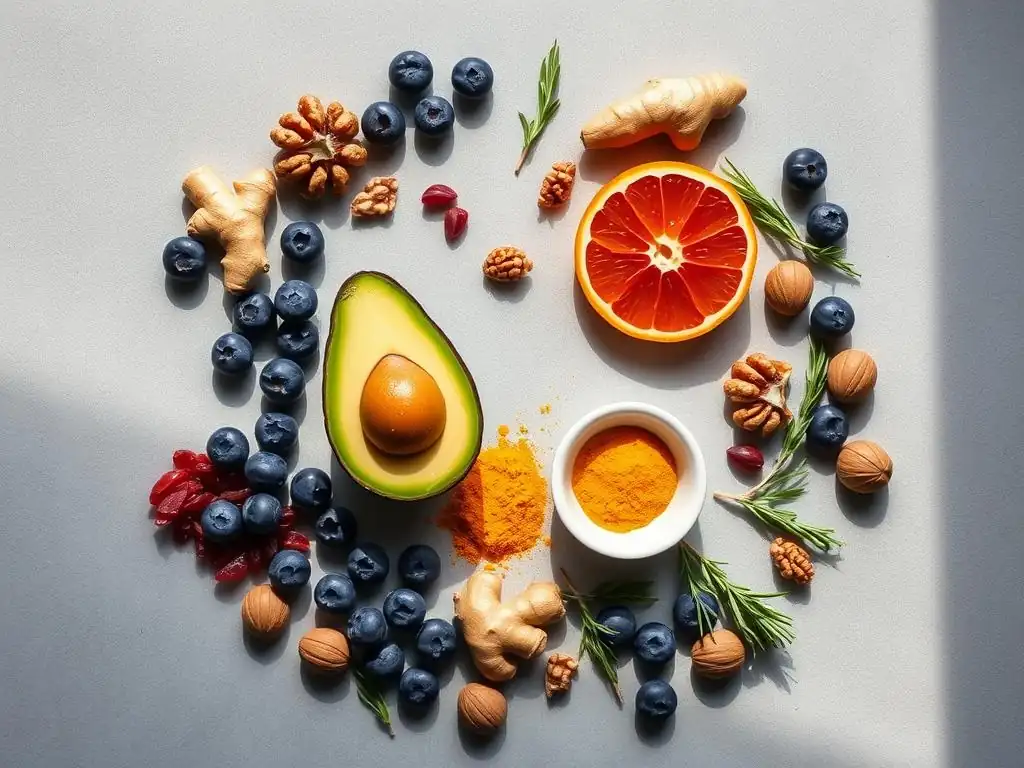
Incorporating specific foods known for their potent anti-inflammatory properties is a cornerstone of this dietary approach. These foods are not only delicious and versatile but also provide a concentrated dose of beneficial compounds that can actively work to reduce inflammation throughout the body and support optimal brain function. Making these items staples in your kitchen is a practical way to embrace anti-inflammatory eating for mental health.
Building your meals around these nutrient-rich ingredients ensures you are consistently providing your body and brain with the tools they need to combat inflammation and promote mental wellbeing. From vibrant fruits and vegetables to healthy fats and potent spices, the options are plentiful and can make healthy eating an enjoyable experience.
Fruits and Vegetables: Antioxidant Powerhouses for Brain Protection
Fruits and vegetables are the bedrock of an anti-inflammatory diet. They are packed with vitamins, minerals, fiber, and thousands of phytonutrients, many of which act as powerful antioxidants. Antioxidants help neutralize free radicals, unstable molecules that can cause cellular damage and contribute to inflammation and oxidative stress in the brain.
Consuming a wide variety of colorful fruits and vegetables ensures you get a broad spectrum of these protective compounds. Aim for a rainbow on your plate – the different colors often indicate different types of antioxidants and beneficial nutrients. For example, deep red and purple fruits are rich in anthocyanins, while leafy greens are high in folate and vitamin K. Incorporating several servings throughout the day is crucial for maximizing their anti-inflammatory and brain-protective effects.
Berries: The Brain-Boosting Benefits of Anthocyanins
Berries like blueberries, strawberries, raspberries, and blackberries are particularly celebrated for their high antioxidant content, especially anthocyanins, which give them their vibrant colors. Research suggests that anthocyanins can cross the blood-brain barrier and accumulate in brain regions important for learning and memory.
Studies have linked regular berry consumption to improved cognitive function and a reduced risk of cognitive decline. For instance, some population studies have shown that older adults who consume more berries tend to have better memory and executive function. A typical serving of blueberries (about half a cup) contains approximately 85 calories and provides a good source of vitamin C and K, along with significant antioxidant activity, making them an excellent addition to your anti-inflammatory eating plan for mental health.
Leafy Greens: Folate and Cognitive Function
Leafy green vegetables such as spinach, kale, collard greens, and Swiss chard are nutritional powerhouses, offering a wealth of vitamins, minerals, and fiber. They are particularly rich in folate (vitamin B9), a B vitamin essential for neurotransmitter synthesis and DNA repair, both critical processes for brain health.
Low levels of folate have been associated with an increased risk of depression. For example, a cup of cooked spinach contains roughly 260 micrograms of folate, which is about 65% of the recommended daily intake for adults. Beyond folate, leafy greens provide vitamin K, lutein, and zeaxanthin, compounds linked to cognitive protection and reduced inflammation. Making leafy greens a daily part of your diet supports not only physical health but also provides crucial nutrients for maintaining mental clarity and stability.
Healthy Fats: Essential for Brain Structure and Function
Not all fats are created equal. While unhealthy fats contribute to inflammation, healthy fats are absolutely essential for brain structure and function. The brain is composed of about 60% fat, and incorporating the right types of fats into your diet is critical for maintaining the integrity of brain cells, supporting communication between neurons, and managing inflammation.
These beneficial fats include monounsaturated and polyunsaturated fats, particularly omega-3 fatty acids. They play a vital role in building healthy cell membranes, reducing oxidative stress, and providing anti-inflammatory effects throughout the body, including the brain. Choosing sources of healthy fats is a key component of successful anti-inflammatory eating for mental health.
Omega-3 Fatty Acids: The Importance of Fish, Flaxseeds, and Chia Seeds
Omega-3 fatty acids, especially EPA (eicosapentaenoic acid) and DHA (docosahexaenoic acid), are perhaps the most well-known anti-inflammatory fats. They are crucial for brain development and function throughout life and have been shown to reduce levels of inflammatory markers in the body.
Fatty fish like salmon, mackerel, sardines, and anchovies are the richest dietary sources of EPA and DHA. For example, a 3-ounce serving of cooked salmon can provide over 1,000 mg of total omega-3s. Plant-based sources like flaxseeds, chia seeds, and walnuts contain alpha-linolenic acid (ALA), which the body can convert into EPA and DHA, though the conversion rate is relatively low. Regular consumption of omega-3-rich foods is strongly linked to a lower risk of depression and improved mood, highlighting their importance in anti-inflammatory eating for mental health.
Olive Oil: A Cornerstone of the Anti-Inflammatory Mediterranean Diet
Extra virgin olive oil is a staple of the Mediterranean diet, a dietary pattern consistently linked to lower rates of chronic diseases, including depression. It is rich in monounsaturated fats and contains powerful antioxidants and anti-inflammatory compounds called polyphenols.
Oleocanthal, a specific polyphenol found in extra virgin olive oil, has been shown to have anti-inflammatory properties similar to ibuprofen. Using extra virgin olive oil as your primary cooking oil and in salad dressings provides a significant source of beneficial fats and antioxidants. For instance, just two tablespoons of extra virgin olive oil contain about 24 grams of monounsaturated fats and various polyphenols, contributing significantly to the anti-inflammatory effects of this dietary pattern.
Lean Protein: Building Blocks for Neurotransmitters
Protein is essential for building and repairing tissues throughout the body, including the brain. It provides the amino acids necessary for synthesizing neurotransmitters like serotonin, dopamine, and norepinephrine, which play crucial roles in regulating mood, motivation, and cognitive function. Choosing lean protein sources as part of your anti-inflammatory eating pattern supports these vital processes.
Lean protein sources are generally lower in saturated fat compared to fatty cuts of meat, aligning better with an anti-inflammatory approach. Ensuring adequate protein intake at each meal helps maintain stable blood sugar levels and supports satiety, preventing energy dips that can negatively impact mood.
Fish: A Source of Omega-3s and Essential Amino Acids
Fatty fish, mentioned for their omega-3 content, also provide high-quality lean protein. Beyond the anti-inflammatory fats, they offer essential amino acids necessary for neurotransmitter production. Including fish in your diet a couple of times a week provides a dual benefit for mental health.
A 3-ounce serving of cooked salmon provides about 22 grams of protein along with its substantial omega-3 content. Other lean fish options like cod, tilapia, and tuna (consumed in moderation due to mercury concerns) are also good protein sources. The combination of omega-3s and quality protein makes fish an excellent food choice for supporting brain health and managing inflammation.
Legumes: Plant-Based Protein and Fiber for Gut Health
Legumes, including beans, lentils, chickpeas, and peas, are fantastic plant-based sources of protein and fiber. They are also rich in B vitamins, iron, magnesium, potassium, and zinc – nutrients important for brain function and energy production.
A cup of cooked lentils, for example, provides about 18 grams of protein and 16 grams of fiber, along with significant amounts of folate and iron. The high fiber content is particularly beneficial for feeding gut bacteria, promoting a healthy microbiome that supports the gut-brain axis and reduces gut-related inflammation. Incorporating legumes regularly is an excellent way to boost protein and fiber intake within an anti-inflammatory eating framework for mental health.
Spices and Herbs: Natural Anti-Inflammatory Compounds
Many common spices and herbs are potent sources of antioxidants and compounds with natural anti-inflammatory properties. Adding them generously to your cooking is an easy way to enhance the flavor of your meals while also boosting their health benefits.
These powerful plant compounds can help reduce oxidative stress and inhibit inflammatory pathways at a cellular level. Using a variety of spices and herbs not only makes anti-inflammatory eating more enjoyable but also adds another layer of defense against chronic inflammation that can impact mental health.
Turmeric: The Power of Curcumin for Brain Health
Turmeric, a vibrant yellow spice commonly used in curry dishes, contains a powerful compound called curcumin. Curcumin is a polyphenol with strong antioxidant and anti-inflammatory properties. It has been studied for its potential to improve symptoms of depression and anxiety, possibly by influencing neurotransmitter levels and reducing inflammation in the brain.
Research suggests that curcumin may help increase levels of brain-derived neurotrophic factor (BDNF), a protein that supports the survival and growth of brain cells and is often low in individuals with depression. While the amount of curcumin in turmeric powder varies, incorporating it regularly into meals, often with black pepper (which enhances absorption), is a simple way to leverage its potential benefits for anti-inflammatory eating and mental health.
Ginger: Reducing Inflammation and Supporting Digestion
Ginger is another popular spice known for its potent anti-inflammatory and antioxidant effects, primarily due to compounds like gingerols. It has a long history of use in traditional medicine to treat various inflammatory conditions.
Beyond its direct anti-inflammatory action, ginger is well-known for its ability to soothe the digestive system. Given the strong connection between gut health and brain health via the gut-brain axis, supporting healthy digestion with ginger can indirectly contribute to improved mental wellbeing. Adding fresh or ground ginger to teas, stir-fries, smoothies, or baked goods is an easy way to incorporate this beneficial spice into your anti-inflammatory eating plan.
Foods to Limit or Avoid for Optimal Mental Wellbeing
While focusing on what to eat is key, understanding which foods can actively harm your mental health by promoting inflammation is equally important. Limiting or avoiding these items is a crucial step in adopting an effective anti-inflammatory eating pattern. These foods tend to be highly processed, stripped of nutrients, and loaded with ingredients that trigger inflammatory responses and disrupt metabolic balance.
Minimizing your intake of these inflammation triggers helps reduce the burden on your body's systems and allows the anti-inflammatory foods you consume to work more effectively. This shift is not about being perfect but about making conscious choices most of the time to support your brain and overall wellbeing.
Processed Foods: Empty Calories and Inflammation
Processed foods are typically high in unhealthy fats, added sugars, refined carbohydrates, and artificial additives, while being low in fiber, vitamins, and minerals. Items like packaged snacks, sugary cereals, fast food, and convenience meals fall into this category.
These foods contribute to systemic inflammation and can negatively impact the gut microbiome. For example, a single serving of certain processed snacks might contain more added sugar than recommended for an entire day, alongside trans fats and artificial colors. Consuming these regularly provides little nutritional value and actively works against your efforts to reduce inflammation and support mental clarity. Prioritizing whole, unprocessed foods is the antidote to this.
Sugary Drinks and Snacks: Fueling Inflammation and Mood Swings
Sugary beverages (soda, fruit juices with added sugar, energy drinks) and sugary snacks (candies, cookies, pastries) are among the worst offenders when it comes to promoting inflammation and negatively impacting mood. The high load of rapidly absorbed sugar causes sharp spikes in blood glucose, leading to an insulin response and subsequent energy and mood crashes.
Beyond the immediate blood sugar rollercoaster, excessive sugar intake promotes chronic low-grade inflammation throughout the body. For instance, drinking just one can of soda daily has been linked in some studies to increased inflammatory markers. This constant cycle of blood sugar dysregulation and inflammation can exacerbate symptoms of anxiety and depression. Swapping sugary drinks for water, herbal tea, or unsweetened sparkling water, and choosing fruit or nuts over sugary snacks, is a simple yet powerful change in anti-inflammatory eating for mental health.
Refined Carbohydrates: Impact on Blood Sugar and Mental Clarity
Refined carbohydrates, such as white bread, white rice, pasta made from refined flour, and many baked goods, have been stripped of their fiber and nutrient content during processing. Like sugar, they are rapidly digested and absorbed, leading to quick spikes in blood sugar levels.
This rapid absorption and subsequent insulin response can contribute to inflammation and metabolic dysfunction over time. While they provide quick energy, this is often followed by a crash, which can affect concentration, energy levels, and mood. Opting for whole-grain alternatives (whole wheat bread, brown rice, quinoa, oats) provides fiber and nutrients, leading to a slower, more stable release of glucose into the bloodstream, supporting sustained energy and mental clarity within an anti-inflammatory eating pattern.
Excessive Alcohol Consumption: Effects on Brain Function and Inflammation
While moderate alcohol consumption is debated, excessive or chronic alcohol intake is clearly detrimental to both physical and mental health. Alcohol can disrupt sleep, interfere with neurotransmitter function, and damage brain cells. It also promotes inflammation throughout the body, including in the gut and brain.
Heavy alcohol use can exacerbate symptoms of depression and anxiety and can interfere with the effectiveness of mental health treatments. For example, chronic alcohol use can impair the gut barrier, leading to increased gut permeability and systemic inflammation. Limiting alcohol intake, or avoiding it altogether, is an important consideration when focusing on anti-inflammatory eating for mental health.
Creating Your Anti-Inflammatory Meal Plan for Mental Health
Transitioning to anti-inflammatory eating doesn't have to be complicated. The key is to build your meals around the principles discussed: emphasizing whole, unprocessed foods, prioritizing nutrient-dense options, and minimizing inflammation triggers. Planning your meals can make this process much easier and ensure you consistently nourish your body and brain.
A well-structured meal plan helps you make healthier choices automatically, reduces decision fatigue, and can prevent impulsive unhealthy eating. Here are some simple ideas for building anti-inflammatory meals throughout the day, focusing on variety and nutrient density to support your mental wellbeing.
Sample Anti-Inflammatory Breakfast Ideas
Breakfast is a great opportunity to start your day with anti-inflammatory nutrients.
- Option 1: Oatmeal made with rolled oats (whole grain) topped with berries (antioxidants), chia seeds (omega-3s, fiber), and a sprinkle of walnuts (omega-3s). Use unsweetened plant-based milk or water.
- Option 2: Scrambled eggs (protein) cooked with spinach (folate) and mushrooms, served with a side of avocado (healthy fats) and a slice of whole-grain toast.
- Option 3: Greek yogurt (probiotics for gut health, protein) topped with mixed berries, a spoonful of ground flaxseed (omega-3s), and a few almonds (healthy fats, magnesium). Choose plain, unsweetened yogurt.
Sample Anti-Inflammatory Lunch Ideas
Lunch provides sustained energy and nutrients for cognitive function throughout the afternoon.
- Option 1: Large salad with mixed greens (folate, antioxidants), grilled salmon (omega-3s, protein), cucumber, tomatoes, bell peppers, and a dressing made with extra virgin olive oil and lemon juice.
- Option 2: Lentil soup (protein, fiber, B vitamins) with a side of whole-grain bread dipped in extra virgin olive oil.
- Option 3: Quinoa salad (whole grain, protein) mixed with black beans (protein, fiber), corn, diced avocado, cilantro, and a lime-based dressing.
Sample Anti-Inflammatory Dinner Ideas
Dinner can be a relaxing time to enjoy nutrient-rich, anti-inflammatory foods.
- Option 1: Baked chicken breast or chickpeas (protein) with roasted broccoli and sweet potatoes (fiber, vitamins). Season with turmeric and ginger.
- Option 2: Stir-fry with lean protein (tofu, shrimp) and plenty of colorful vegetables (broccoli, carrots, snap peas) cooked in a small amount of sesame oil, seasoned with ginger and garlic, served over brown rice.
- Option 3: Baked cod or other white fish (lean protein) with a side of steamed asparagus and a scoop of quinoa. Drizzle with extra virgin olive oil and lemon.
Smart Snacking: Anti-Inflammatory Options for Sustained Energy
Snacks can help maintain stable blood sugar and energy levels between meals, but choosing the right ones is key for anti-inflammatory eating.
- A small handful of nuts (almonds, walnuts) and seeds (pumpkin, sunflower).
- Apple slices with a spoonful of almond butter.
- Carrot sticks or celery sticks with hummus (made from chickpeas).
- A small bowl of berries.
- Plain Greek yogurt with a few berries.
Task List:
- [ ] Choose 3-4 anti-inflammatory breakfast options to rotate through the week.
- [ ] Plan lunches for work or home, focusing on leftovers or easy-to-assemble components.
- [ ] Select 4-5 anti-inflammatory dinner recipes to try each week.
- [ ] Prepare anti-inflammatory snacks in advance to have on hand.
Practical Tips for Transitioning to Anti-Inflammatory Eating

Making dietary changes can feel daunting, but you don't have to overhaul your entire diet overnight. Gradual changes are often more sustainable and allow you to adjust and find what works best for you. Implementing anti-inflammatory eating for mental health is a journey, not a race.
Focus on incorporating one or two new habits at a time. Be patient with yourself and celebrate small victories. These practical tips can help make the transition smoother and increase your chances of long-term success.
Start Small: Gradual Changes for Lasting Results
Instead of trying to change everything at once, pick one or two areas to focus on initially. For example, you might start by replacing sugary drinks with water and adding a serving of vegetables to your lunch each day. Or, you could swap your refined grain breakfast cereal for oatmeal.
Once those changes feel comfortable and have become habits, introduce another one or two. This might involve incorporating fatty fish into your dinner rotation once a week or ensuring you have a handful of nuts as a snack instead of a processed bar. Gradual adjustments are less overwhelming and build confidence, making anti-inflammatory eating a sustainable part of your lifestyle.
Becoming a conscious consumer by reading food labels is crucial, especially when trying to minimize processed foods, added sugars, and unhealthy fats. Manufacturers often hide sugars under various names (corn syrup, fructose, sucrose, maltodextrin, etc.) and include trans fats (partially hydrogenated oils) or excessive saturated fats.
Look at the ingredients list and the nutrition facts panel. Pay attention to "added sugars" and the type of fats listed. Aim for products with shorter ingredient lists composed primarily of whole foods. For example, a jar of tomato sauce might contain surprising amounts of added sugar; choosing one with just tomatoes, herbs, and maybe olive oil is a better anti-inflammatory choice. This skill empowers you to make informed decisions that support your anti-inflammatory eating goals for mental health.
Plan Your Meals: Setting Yourself Up for Success
Meal planning is one of the most effective strategies for maintaining an anti-inflammatory diet. When you know what you're going to eat ahead of time, you're less likely to resort to less healthy convenience options when you're hungry or short on time.
Dedicate some time each week (e.g., Sunday afternoon) to plan your meals and snacks for the upcoming days. Create a shopping list based on your plan and stick to it at the grocery store. You can also batch cook certain components, like quinoa, roasted vegetables, or grilled chicken, to make meal assembly quicker during the week. Planning reduces stress and increases the likelihood of consistently choosing anti-inflammatory foods that benefit your mental health.
Stay Hydrated: The Importance of Water for Brain Function
While not a food, adequate hydration is fundamental for overall health, including brain function, and can indirectly support anti-inflammatory efforts. Dehydration can lead to fatigue, headaches, and difficulty concentrating, all of which can negatively impact mental wellbeing.
Water is essential for transporting nutrients, removing waste products, and maintaining optimal cellular function throughout the body, including the brain. Aim to drink plenty of water throughout the day. Herbal teas and unsweetened sparkling water are also good options. Proper hydration supports metabolic processes and can help the body function more efficiently, complementing your anti-inflammatory eating efforts.
Beyond Diet: Complementary Strategies for Mental Wellbeing
While anti-inflammatory eating is a powerful tool for supporting mental health, it's most effective when combined with other healthy lifestyle practices. Mental wellbeing is multifaceted, and a holistic approach that addresses various aspects of your life is key. Integrating dietary changes with other supportive habits creates a synergistic effect, enhancing overall resilience and promoting a greater sense of wellbeing.
Considering these complementary strategies alongside your anti-inflammatory eating efforts provides a comprehensive approach to nurturing your mental health. They work in concert with diet to reduce inflammation, manage stress, improve mood, and support brain function.
Stress Management Techniques: Meditation, Yoga, and Mindfulness
Chronic stress is a significant contributor to inflammation in the body. Learning and practicing stress management techniques can help mitigate the physiological response to stress and reduce inflammation levels. Practices like meditation, deep breathing exercises, yoga, and mindfulness can calm the nervous system and promote a sense of peace.
Studies have shown that regular mindfulness practice can alter brain structure and function in ways that improve emotional regulation and reduce stress reactivity. For example, just 10-15 minutes of meditation daily can help lower cortisol levels, a stress hormone linked to inflammation. Incorporating stress management into your routine complements anti-inflammatory eating for mental health by addressing another major inflammation driver.
Regular Exercise: Boosting Mood and Reducing Inflammation
Physical activity is a potent anti-inflammatory agent and has well-documented benefits for mental health. Exercise helps reduce inflammatory markers, improves circulation, and promotes the release of endorphins, natural mood boosters. It also supports brain health by increasing blood flow and stimulating the production of BDNF, the protein that supports brain cell growth.
Aim for regular moderate-intensity exercise, such as brisk walking, jogging, cycling, or swimming, for at least 150 minutes per week, or 75 minutes of vigorous activity. Even shorter bursts of activity can be beneficial. For instance, a 30-minute brisk walk can reduce stress and improve mood immediately, while consistent exercise over time leads to lasting anti-inflammatory effects. Pairing regular movement with anti-inflammatory eating for mental health creates a powerful synergy.
Prioritizing Sleep: Essential for Brain Repair and Mental Health
Adequate, quality sleep is critical for both physical and mental restoration. During sleep, the brain clears out waste products, consolidates memories, and repairs itself. Chronic sleep deprivation is linked to increased inflammation, impaired cognitive function, and a higher risk of mental health issues like depression and anxiety.
Aim for 7-9 hours of quality sleep per night. Establish a consistent sleep schedule, create a relaxing bedtime routine, and ensure your sleep environment is dark, quiet, and cool. For example, avoiding screens for an hour before bed and limiting caffeine and alcohol in the evening can significantly improve sleep quality. Prioritizing sleep supports the brain's restorative processes and works hand-in-hand with anti-inflammatory eating to promote optimal mental wellbeing.
Monitoring Your Progress and Seeking Professional Guidance
As you embark on your journey with anti-inflammatory eating for mental health, it's helpful to pay attention to how you feel. While dietary changes can have a significant impact, they are not a magic bullet, and individual responses can vary. Monitoring your progress allows you to see the effects of your efforts and make adjustments as needed.
Remember that anti-inflammatory eating is a supportive strategy within a broader approach to mental health. If you are experiencing significant mental health challenges, it is crucial to seek professional help. Diet can be a powerful complementary tool, but it is not a substitute for therapy, medication, or other prescribed treatments.
Tracking Your Symptoms and Mood
Keeping a simple journal can be incredibly insightful as you adopt anti-inflammatory eating. Note down what you eat, how you feel physically, your energy levels, your mood, anxiety levels, sleep quality, and any other symptoms you are monitoring.
Over time, you may start to see patterns emerging. For instance, you might notice that on days you prioritize leafy greens and omega-3s, your energy is more stable, or that reducing sugary snacks leads to fewer mood swings. This self-monitoring helps you understand the specific impact of anti-inflammatory eating on your personal mental wellbeing and motivates you to continue making positive choices.
Working with a Nutritionist or Registered Dietitian
While this guide provides foundational information, a qualified nutritionist or registered dietitian can offer personalized guidance tailored to your specific needs, health status, and dietary preferences. They can help you create a customized anti-inflammatory meal plan, address any nutrient deficiencies, and navigate potential challenges.
A nutrition professional can provide expert advice on implementing anti-inflammatory eating for mental health effectively and sustainably. They can also help ensure your diet is balanced and meets all your nutritional requirements, which is particularly important if you have underlying health conditions or dietary restrictions.
Consulting with a Mental Health Professional
If you are struggling with depression, anxiety, or other mental health conditions, it is essential to consult with a mental health professional, such as a therapist, counselor, psychologist, or psychiatrist. They can provide accurate diagnosis, evidence-based therapies, and appropriate medical treatment if needed.
Anti-inflammatory eating is a valuable complementary strategy, but it should be integrated into a comprehensive care plan developed with your healthcare team. Openly discussing your dietary changes with your mental health provider can also be beneficial, as they can help you understand how diet fits into your overall treatment and recovery process. Your mental health is paramount, and professional support is available and effective.
Frequently Asked Questions
What is anti-inflammatory eating and how does it relate to mental health?
Anti-inflammatory eating focuses on consuming foods that reduce inflammation in the body. This is thought to impact mental health because chronic inflammation has been linked to conditions like depression and anxiety. Essentially, what you eat can influence your mood and overall mental wellbeing.
What are some key foods to include in an anti-inflammatory diet for mental health?
Focus on incorporating foods rich in omega-3 fatty acids, such as fatty fish and flaxseeds, as well as colorful fruits and vegetables packed with antioxidants. Also, consider incorporating fermented foods like yogurt and kimchi for gut health, which is linked to mental well-being.
What foods should I avoid on an anti-inflammatory diet to improve my mental wellbeing?
Limit your intake of processed foods, sugary drinks, and refined carbohydrates, as these can promote inflammation in the body. Also, try to reduce your consumption of red meat and dairy products, which may exacerbate inflammatory responses in some individuals.
How quickly can I expect to see results in my mental health after adopting an anti-inflammatory diet?
Results can vary, but many people report feeling improvements in mood and energy levels within a few weeks of consistently following an anti-inflammatory diet. However, remember that dietary changes are just one part of the puzzle, and overall lifestyle factors also play a crucial role.
Is an anti-inflammatory diet a replacement for traditional mental health treatments like therapy or medication?
No, an anti-inflammatory diet should not be considered a replacement for professional mental health treatment. It's best viewed as a complementary approach that can support overall wellbeing alongside therapy, medication, or other interventions recommended by a healthcare professional.
Final Reflection: Sowing the Seeds of Mental Wellness Through Food
The connection between what we eat and how we feel is undeniable, and the power of anti-inflammatory eating for mental wellbeing is a rapidly growing area of research and personal experience. This isn't just about managing physical symptoms; it's about cultivating a resilient mind, capable of navigating the stresses of modern life with greater ease and clarity. The information presented in this guide offers a starting point, a pathway toward a healthier, happier you.
The impact of inflammation on mental health is profound, extending far beyond the physical realm. It touches upon our emotional stability, our cognitive function, and even our capacity for joy. The body keeps the score,
as Bessel van der Kolk so poignantly states, highlighting the deep connection between our physical and emotional experiences. Understanding this link and actively choosing anti-inflammatory foods allows us to participate in our own healing journey, fostering a sense of agency and empowerment over our mental wellbeing. This isn't about perfection; it's about progress, about making conscious choices that support a healthier mind and body.
Consider the foods you consume today. Are they nurturing your mental landscape, or contributing to the inflammation that can cloud your thoughts and dampen your spirit? I invite you to take this knowledge and begin experimenting with anti-inflammatory recipes, gradually incorporating more whole foods into your diet. Start small, be patient with yourself, and celebrate every step forward. Your mental wellbeing is worth the effort, and the journey towards a more vibrant, resilient you begins with the food you choose to nourish your body and mind.
Unlock Your Mind's Potential: Start Eating for Mental Wellness Today!
Thanks for taking the time to explore the power of anti-inflammatory eating for better mental wellbeing! You've just unlocked valuable knowledge to improve your cognitive function and mood. Now, let's put that knowledge into action.
- Prioritize 3 anti-inflammatory foods this week: Think colorful veggies, fatty fish, or berries – even small changes make a big impact! This is your first step towards a healthier mind.
- Explore new recipes: Find inspiring anti-inflammatory meals online or in cookbooks. Experimenting in the kitchen can be a fun and rewarding way to support your mental health.
- Share your journey: Inspire others! Share your experiences and recipes on social media using #MindCareGuideAntiInflammatory.
Ready to feel the difference anti-inflammatory eating can make on your mental clarity and emotional balance? What's the first anti-inflammatory food you'll add to your diet this week?