
Light Up Your Mood: Using Light Therapy for Seasonal Wellbeing

Welcome to Mind Care Guide.
Feeling the winter blues creeping in? You're not alone. We understand the impact seasonal changes can have on your mental well-being. This is why we're delving into a powerful tool to help you reclaim your joy: seasonal light therapy. Curious about how a little light can make a big difference in your mood? Let's explore the surprising benefits together and discover if it's the right path for you.
Light Up Your Mood: Using Light Therapy for Seasonal Wellbeing
- Understanding Seasonal Affective Disorder (SAD) and Its Impact on Mood
- Exploring the Benefits of Light Therapy for Seasonal Mood Improvement
- Choosing the Right Light Therapy Device for Seasonal Wellbeing
- Implementing Light Therapy Effectively for Optimal Results
- Maximizing Seasonal Wellbeing: Lifestyle Adjustments for a Brighter Winter
- Addressing Common Concerns and Myths About Light Therapy
- Long-Term Strategies for Managing Seasonal Mood Fluctuations
- The Future of Light Therapy in Mental Health Treatment
-
Frequently Asked Questions
- How does seasonal light therapy work to improve mood?
- What are the key benefits of using light therapy for seasonal affective disorder (SAD)?
- How long should I use a light therapy box each day to see results?
- Are there any potential side effects associated with seasonal light therapy?
- Where can I find reliable resources and information about using light therapy for mental well-being?
- Final Reflection: Illuminating the Path to Seasonal Wellbeing
- Unleash Your Inner Sunshine: Boost Your Mood Today!
Understanding Seasonal Affective Disorder (SAD) and Its Impact on Mood
Seasonal Affective Disorder, often abbreviated as SAD, is a type of depression that's linked to changes in seasons. For most individuals affected, SAD symptoms begin in the fall and continue into the winter months, draining their energy and making them feel moody. Less commonly, SAD can occur in the spring or early summer. It's more than just the "winter blues"; it's a recognized clinical mood disorder that can significantly impact daily functioning and overall quality of life.
The cyclical nature of SAD means that symptoms typically appear and disappear at roughly the same time each year. This predictability can be both challenging and validating for those experiencing it, as it helps them understand the pattern of their mood changes. While the exact cause of SAD isn't fully understood, research points to biological factors influenced by reduced sunlight exposure, including disruptions to the body's internal clock (circadian rhythm), decreased serotonin levels, and altered melatonin production.
Defining Seasonal Affective Disorder (SAD): A Mood Disorder Linked to Seasons
Seasonal Affective Disorder is classified as a major depressive disorder with a seasonal pattern. This means it meets the criteria for major depression but follows a distinct seasonal onset and remission. The pattern is usually consistent year after year, with symptoms typically starting in the colder, darker months and subsiding in the spring or summer. While the term "seasonal depression" is often used colloquially, the clinical diagnosis of SAD underscores its seriousness as a mental health condition requiring attention and potential treatment.
The prevalence of SAD varies significantly with geography, particularly latitude. Studies suggest that SAD is more common in regions farther north or south of the equator, where winter days are shorter and sunlight is less intense. For example, estimates indicate that SAD affects about 1% of the population in Florida but jumps to around 9% in Alaska. This geographical variation strongly supports the link between sunlight exposure and the onset of SAD symptoms, highlighting how environmental light changes can trigger depressive episodes in susceptible individuals.
How Seasonal Changes Affect Your Mental Health and Wellbeing
Seasonal changes, particularly the reduction in natural light during fall and winter, can have a profound impact on our biological rhythms and neurochemistry, directly influencing mental health and wellbeing. The decrease in daylight hours and sunlight intensity can disrupt the body's circadian rhythm, the internal clock that regulates sleep-wake cycles, mood, and energy levels. This disruption can lead to feelings of fatigue, difficulty concentrating, and changes in sleep patterns, all of which are common in SAD.
Furthermore, reduced sunlight exposure is thought to affect the production of key neurotransmitters like serotonin, which plays a crucial role in regulating mood. Lower serotonin levels are often associated with depression. Simultaneously, the body may produce more melatonin, a hormone that regulates sleep, leading to increased sleepiness and lethargy during the day. These combined effects of altered circadian rhythms, serotonin, and melatonin contribute significantly to the depressive symptoms experienced by individuals with SAD, demonstrating a clear biological link between seasonal light changes and mental health.
Symptoms of SAD: Identifying the Signs of Winter Blues
Recognizing the symptoms of SAD is the first step toward seeking help and implementing strategies like light therapy. While symptoms can vary in severity, common signs of winter-onset SAD often include feelings of depression, hopelessness, and worthlessness. Individuals may experience a loss of interest or pleasure in activities they normally enjoy, which is known as anhedonia. This can make engaging in hobbies, social events, or even daily tasks feel overwhelmingly difficult.
Other hallmark symptoms include significant changes in appetite and weight, often involving increased cravings for carbohydrates and subsequent weight gain. Sleep patterns are also frequently affected, with many people experiencing hypersomnia (excessive sleepiness) or difficulty waking up in the morning, despite long hours in bed. Fatigue, low energy, difficulty concentrating, and irritability are also prevalent. It's important to note that these symptoms typically emerge in the fall or winter and improve in the spring, following the distinct seasonal pattern characteristic of SAD.
Exploring the Benefits of Light Therapy for Seasonal Mood Improvement
Light therapy, also known as phototherapy, has emerged as a leading treatment option for Seasonal Affective Disorder. It involves daily exposure to a special type of artificial light that mimics natural outdoor light. The goal is to compensate for the lack of sunlight during the darker months, thereby helping to regulate the body's internal clock and improve mood. Research consistently shows that using seasonal light therapy benefits mood significantly for many individuals struggling with winter depression.
This non-invasive therapy is relatively easy to incorporate into a daily routine, often done while eating breakfast, reading, or working. Its effectiveness lies in its ability to influence the biological mechanisms believed to be responsible for SAD symptoms. By providing the necessary light cues, light therapy can help reset the circadian rhythm, modulate neurotransmitter levels, and ultimately alleviate the depressive symptoms associated with seasonal changes.
What is Light Therapy and How Does it Work?
Light therapy for SAD typically involves sitting near a light box that emits bright, full-spectrum light, usually at an intensity of 10,000 lux. This is significantly brighter than standard indoor lighting, which is typically around 50-100 lux. The therapy is usually performed for a set duration, often 20-30 minutes, within the first hour of waking up in the morning. The light is absorbed through the eyes, which are connected to the brain regions that control circadian rhythms and mood.
The mechanism by which light therapy works is believed to involve the suppression of melatonin production and the regulation of serotonin. Exposure to bright light, particularly in the morning, signals the brain to decrease melatonin, helping to promote wakefulness and reset the body's internal clock. Simultaneously, increased light exposure is thought to boost serotonin levels, similar to the effect of natural sunlight. By addressing these biological imbalances, light therapy helps to alleviate the lethargy, oversleeping, and low mood characteristic of SAD.
Light Therapy Benefits Mood: A Natural Approach to Combating SAD
One of the primary reasons light therapy is so popular is its effectiveness and relatively natural approach. Numerous studies have demonstrated that seasonal light therapy benefits mood considerably, often showing results comparable to antidepressant medication for mild to moderate SAD. For example, research suggests that between 50% and 80% of individuals with SAD experience significant improvement in their symptoms after consistent light therapy use. This makes it a powerful tool in managing winter-related depression.
The improvement in mood is often accompanied by increased energy levels, reduced carbohydrate cravings, and a return to more typical sleep patterns. Many users report feeling more alert and motivated, making it easier to engage in daily activities and maintain social connections during the darker months. The fact that seasonal light therapy benefits mood through a non-pharmacological method is particularly appealing to those seeking alternatives to medication or looking to complement other treatment strategies.
The Science Behind Light Therapy: How Light Affects Brain Chemistry
The scientific understanding of how light therapy benefits mood centers on its impact on neurobiological processes. When light enters the eyes, it travels along the optic nerve to the suprachiasmatic nucleus (SCN) in the hypothalamus, often called the body's master clock. The SCN regulates the circadian rhythm by sending signals to the pineal gland, which produces melatonin. Bright light exposure, especially in the morning, inhibits melatonin production, helping to regulate sleep-wake cycles and combat the excessive sleepiness associated with SAD.
Beyond melatonin, light also influences the brain's production and regulation of serotonin. Serotonin is a neurotransmitter involved in mood, appetite, and sleep. While the exact mechanism is still being studied, research indicates that light exposure can increase serotonin turnover in the brain, potentially leading to elevated mood and reduced symptoms of depression. This intricate interplay between light, the SCN, melatonin, and serotonin provides a compelling scientific basis for why seasonal light therapy benefits mood and is an effective treatment for SAD.
Choosing the Right Light Therapy Device for Seasonal Wellbeing
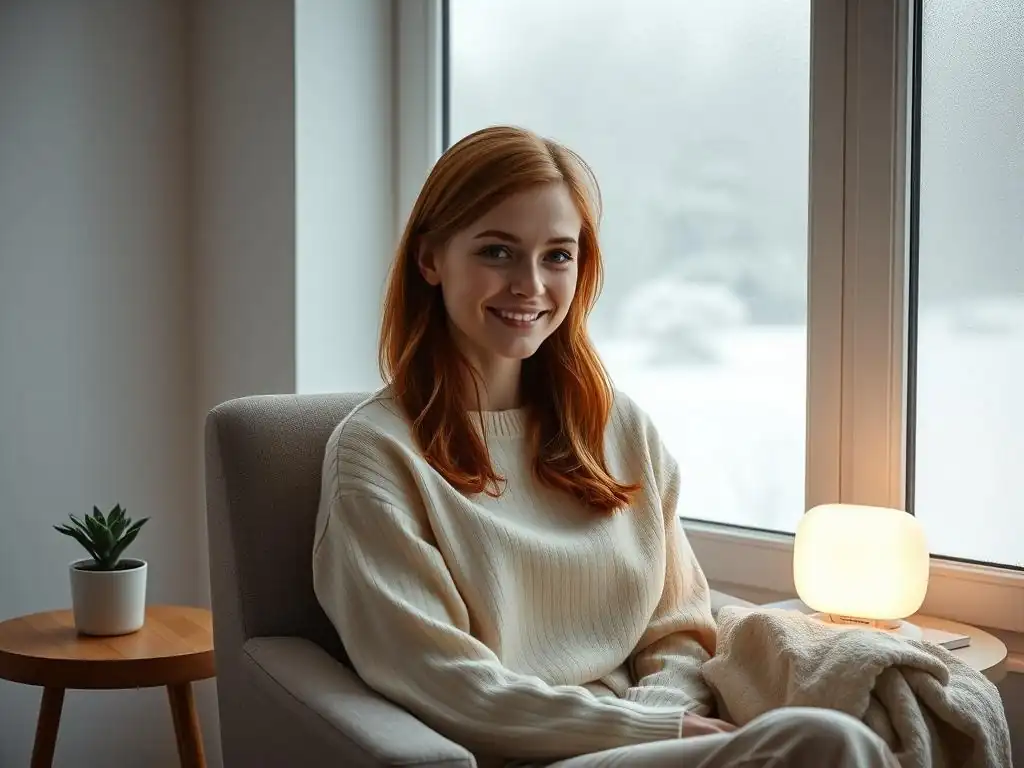
Selecting the appropriate light therapy device is crucial for ensuring effectiveness and safety. With various models and features available, understanding the key specifications and types of lamps can help you make an informed decision. Not all lamps marketed as "light therapy" are suitable for treating SAD; the device needs to meet specific criteria regarding light intensity and type.
Considering factors like the device's size, portability, and design can also influence how easily you can incorporate it into your daily routine. The goal is to find a device that delivers the necessary therapeutic light effectively while being convenient and comfortable to use consistently throughout the season. Choosing wisely ensures you can maximize how seasonal light therapy benefits mood in your personal experience.
Types of Light Therapy Lamps: Comparing Different Models
Light therapy lamps for SAD come in several forms, primarily differing in size, shape, and design. The most common type is the light box, a rectangular device that emits light from a panel. These are often placed on a table or desk and are designed for sitting in front of for a set period. Some light boxes are large, providing a wider field of light, while others are more compact and portable for travel.
Another option is a dawn simulator, which gradually increases light in your bedroom in the morning, mimicking a natural sunrise. While these can help regulate sleep-wake cycles, they typically do not provide the high intensity (10,000 lux) required for direct light therapy treatment of SAD symptoms, though they can be a helpful complementary tool. Visor-style devices, which position light near the eyes, are also available but less common than light boxes. When looking for how seasonal light therapy benefits mood most effectively, a 10,000-lux light box is generally the recommended device.
Key Features to Consider When Selecting a Light Therapy Box
When choosing a light therapy box, several features are paramount. The most critical is light intensity, which should be 10,000 lux at a comfortable distance. Many devices specify the distance at which they achieve this intensity, usually between 12 and 24 inches. Ensure the device you select meets this standard to ensure therapeutic effectiveness.
- Light Intensity: Must be 10,000 lux at the recommended distance.
- UV Filtering: The device should filter out harmful ultraviolet (UV) light. While some UV exposure has benefits, prolonged exposure from a light box is unnecessary and potentially damaging to the eyes and skin.
- Light Type: Look for full-spectrum or broad-spectrum white light. Blue light devices exist, but research is less extensive than for white light, and some concerns exist about potential retinal damage with prolonged blue light exposure, although reputable devices filter harmful wavelengths.
- Size and Portability: Consider where you will use the device and if you need to travel with it. Larger boxes may be less portable but can allow you to sit farther away while still receiving 10,000 lux.
- Ergonomics and Design: Is it easy to position? Does it have an adjustable stand? Is the light panel angled correctly?
- Safety Certifications: Check for certifications from relevant safety standards bodies (e.g., FDA registration in the US, CE marking in Europe).
Considering these features will help you choose a device that is safe, effective, and convenient for consistent daily use, thereby maximizing how seasonal light therapy benefits mood throughout the winter months.
Light Intensity, Wavelength, and Safety: Understanding the Specifications
Understanding the technical specifications of a light therapy device is crucial for both effectiveness and safety. As mentioned, the standard therapeutic intensity for SAD is 10,000 lux. Using a device with lower intensity, such as 2,500 lux, would require sitting in front of it for significantly longer periods (potentially 1-2 hours) to achieve a similar effect, which may not be practical. Conversely, intensities much higher than 10,000 lux are generally not necessary and could potentially increase the risk of side effects like eye strain or headaches.
The wavelength of the light is also important. Most effective SAD light boxes use white light, which contains a range of wavelengths across the visible spectrum. While some devices use blue light because it is particularly effective at suppressing melatonin, concerns about potential long-term retinal health have led many experts to recommend white light devices that filter out UV rays. Reputable manufacturers ensure their devices emit safe light that is free from harmful UV radiation, which is critical for protecting your eyes and skin during daily use. Always check the product specifications and safety information provided by the manufacturer.
Implementing Light Therapy Effectively for Optimal Results
Simply owning a light therapy device is not enough; consistency and correct usage are key to achieving the best results. Establishing a regular routine, optimizing your environment, and understanding how to integrate light therapy into your daily life will significantly impact its effectiveness in managing seasonal mood changes. The goal is to make light therapy a seamless and beneficial part of your winter self-care strategy.
Effective implementation involves more than just turning on the light. It requires understanding the optimal timing, duration, and positioning of the light source relative to your eyes. By following recommended practices, you can maximize how seasonal light therapy benefits mood and overall energy levels throughout the darker seasons.
Setting Up Your Light Therapy Routine: Timing and Duration
The timing of your light therapy session is often considered the most critical factor for regulating your circadian rhythm. For winter-onset SAD, morning use is typically recommended, ideally within the first hour of waking up. This helps reset your internal clock early in the day, promoting wakefulness and energy when you need it most. Using the light later in the day could potentially interfere with your sleep-wake cycle and make it harder to fall asleep at night.
The recommended duration for a 10,000-lux light box is usually 20 to 30 minutes per day. If using a lower intensity device (which is generally not recommended for SAD treatment), the session would need to be longer. It's crucial to be consistent; daily use, even on weekends, is important, especially during the peak SAD season. While some individuals may notice improvements within a few days, it can take 1-2 weeks of consistent daily use to experience the full benefits of how seasonal light therapy benefits mood.
Optimizing Your Environment: Light Placement and Considerations
Proper placement of the light therapy device is essential for ensuring the light reaches your eyes effectively. The light box should be positioned at an angle to your face, typically about 12 to 24 inches away, depending on the device's specifications for achieving 10,000 lux. You don't need to stare directly into the light, but it should be within your peripheral vision. This allows the light to enter your eyes and reach the necessary parts of the brain without causing discomfort.
Task list for setup:
- [ ] Place the light box on a flat surface like a table or desk.
- [ ] Position the light box at the manufacturer's recommended distance (e.g., 18 inches).
- [ ] Angle the light so it is off to the side, slightly above or below eye level.
- [ ] Ensure the light is within your peripheral vision while you engage in activities.
- [ ] Avoid placing objects between you and the light source.
Choose a comfortable spot where you can sit for the duration of the session while doing something else, such as eating breakfast, reading, working on a computer (with the light box positioned correctly), or knitting. Making it part of an existing routine increases the likelihood of consistent use.
Combining Light Therapy with Other Seasonal Wellbeing Strategies
While seasonal light therapy benefits mood significantly, it is often most effective when used as part of a broader strategy for managing seasonal wellbeing. Combining light therapy with other healthy habits can amplify its positive effects and provide more comprehensive support during the winter months. This holistic approach addresses multiple aspects of mental and physical health.
Complementary strategies can include maintaining a regular sleep schedule, engaging in regular physical activity, and practicing mindfulness or meditation. A balanced diet, rich in fruits, vegetables, and omega-3 fatty acids, can also support mood. Social connection is vital; making an effort to stay connected with friends and family can combat feelings of isolation often associated with winter. By integrating light therapy with these other self-care techniques, individuals can build a robust defense against seasonal mood fluctuations and enhance their overall wellbeing.
Maximizing Seasonal Wellbeing: Lifestyle Adjustments for a Brighter Winter
Beyond targeted treatments like light therapy, making conscious lifestyle adjustments can play a significant role in navigating the challenges of winter and maintaining a positive mood. Focusing on habits that support physical and mental health can create a foundation for resilience against seasonal changes.
These adjustments involve paying attention to fundamental needs like sunlight exposure, physical activity, nutrition, and social engagement. While the reduced daylight hours of winter present a challenge, proactive steps can help mitigate their impact and contribute to a brighter, more energetic season. Understanding how seasonal light therapy benefits mood is important, but it's part of a larger picture of self-care.
The Importance of Sunlight Exposure for Overall Health
Even during winter, maximizing exposure to natural sunlight whenever possible is beneficial for overall health and mood. While winter sun may not be as intense as summer sun or provide the targeted intensity of a light box, spending time outdoors during daylight hours can still help regulate your circadian rhythm and provide a modest boost to vitamin D levels (though supplementation is often needed in winter in higher latitudes).
Aim to get outside for a walk during the sunniest part of the day, even if it's only for 15-20 minutes. Exposure to natural light, even on cloudy days, is significantly brighter than indoor artificial light. This daily dose of natural light, in addition to your morning light therapy session, can contribute to better sleep patterns, increased alertness, and improved mood, reinforcing the benefits of how seasonal light therapy benefits mood by working in synergy with natural light cues.
Other Self-Care Techniques to Complement Light Therapy
Incorporating a variety of self-care techniques alongside light therapy can create a powerful synergy for managing seasonal mood challenges. Physical activity is a well-documented mood booster; aiming for at least 30 minutes of moderate exercise most days of the week can help reduce stress and improve energy levels. This could be anything from brisk walking to indoor workouts or winter sports.
Mindfulness, meditation, or yoga can help manage stress and improve emotional regulation. Engaging in hobbies or activities you enjoy, setting realistic goals for the season, and maintaining social connections are also crucial. For example, scheduling regular video calls with distant family or planning indoor activities with friends can combat isolation. These practices don't replace light therapy but complement how seasonal light therapy benefits mood by addressing other contributing factors to winter blues.
Maintaining a Healthy Lifestyle During Winter Months
Maintaining a healthy lifestyle during winter can feel challenging due to colder weather, shorter days, and increased social pressures around holidays. However, prioritizing consistent routines is essential. This includes aiming for 7-9 hours of quality sleep per night, eating a balanced diet that minimizes processed foods and excessive sugar, and staying hydrated.
It's also important to be mindful of alcohol consumption, as it can disrupt sleep and worsen depressive symptoms. Planning ahead for social engagements can help manage stress and ensure you still get enough rest and maintain healthy habits. By consciously choosing to prioritize these aspects of self-care, you build resilience and create an environment where seasonal light therapy benefits mood most effectively, supporting your overall wellbeing through the colder season.
Addressing Common Concerns and Myths About Light Therapy
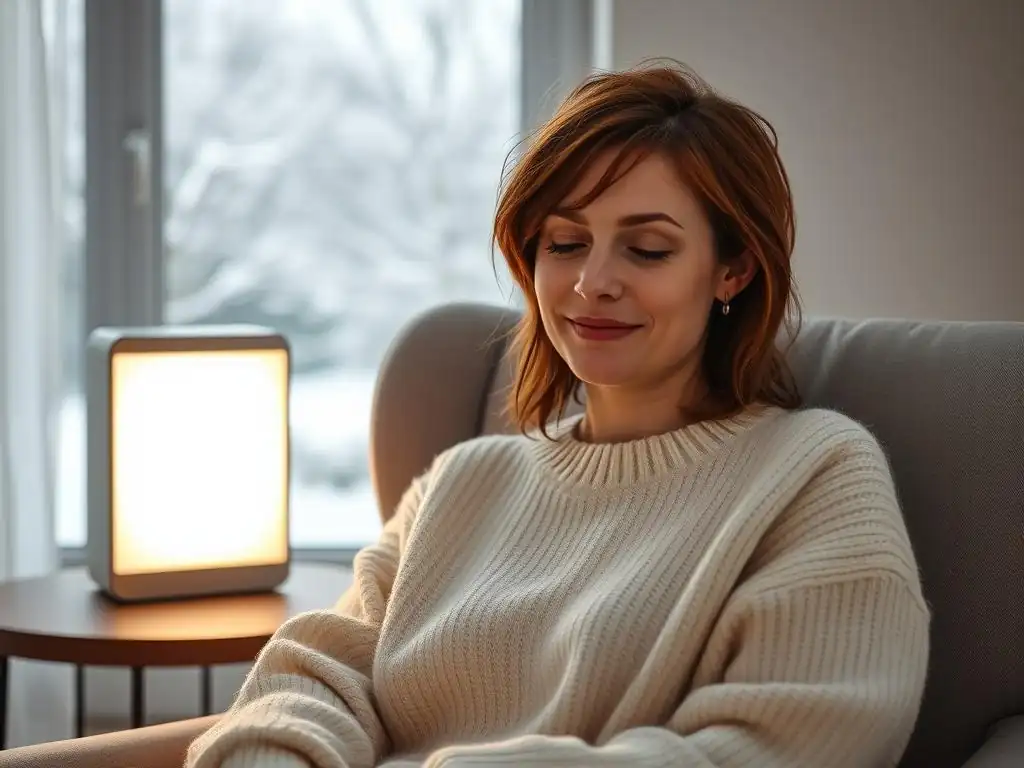
Like any therapy, light therapy can come with questions and misconceptions. Understanding potential side effects, debunking common myths, and knowing when to seek professional guidance are important steps for anyone considering or currently using light therapy for SAD. Having accurate information helps ensure safe and effective use and manages expectations.
Addressing these concerns openly and honestly allows individuals to approach light therapy with confidence and make informed decisions about their mental health care. It's crucial to rely on evidence-based information rather than anecdotal stories or unfounded claims when evaluating how seasonal light therapy benefits mood and its potential risks.
Light Therapy Side Effects: What to Expect and How to Manage Them
While light therapy is generally well-tolerated, some individuals may experience mild side effects, particularly during the first few days of use. The most common side effects include eye strain, headaches, and nausea. These are often temporary and may subside as your body adjusts to the therapy. Using the light at the correct distance and angle can help minimize eye strain.
Other potential side effects can include irritability or feeling "wired," especially if the light is used too late in the day. In some cases, it might trigger hypomania or mania in individuals with bipolar disorder, although this is less common. If side effects are persistent or bothersome, adjusting the session duration, distance from the light, or timing may help. For example, reducing the session to 10-15 minutes and gradually increasing it. If side effects persist or are severe, it's important to consult a healthcare professional.
Debunking Myths: Addressing Common Misconceptions About Light Therapy
Several myths surround light therapy for SAD. One common misconception is that any bright light will work, such as a tanning bed or a standard lamp. This is false; tanning beds emit harmful UV rays and are not designed for therapeutic light exposure, while standard lamps are not bright enough (typically less than 500 lux) to have a therapeutic effect on SAD. Only specific light therapy devices designed for SAD, typically emitting 10,000 lux and filtering UV, are effective.
Another myth is that more light is always better. Using a light box for significantly longer than recommended or at an intensity higher than 10,000 lux does not necessarily increase effectiveness and may increase the risk of side effects. Consistency and correct usage are more important than excessive exposure. Understanding these facts helps individuals correctly utilize how seasonal light therapy benefits mood without falling prey to ineffective or potentially harmful practices.
When to Consult a Professional: Seeking Expert Advice on Light Therapy
While light therapy is available over-the-counter, consulting a healthcare professional, such as a doctor or mental health therapist, is highly recommended before starting treatment. They can confirm a SAD diagnosis, rule out other potential causes for your symptoms (like thyroid issues or other forms of depression), and provide personalized recommendations for light therapy duration, timing, and intensity based on your specific needs and medical history.
Consulting a professional is especially important if you have pre-existing eye conditions (like glaucoma, cataracts, or retinal problems), skin conditions that make you sensitive to light, or if you are taking medications that increase light sensitivity. They can also help you integrate light therapy with other treatments, such as psychotherapy or antidepressant medication, and monitor your progress. If your symptoms do not improve with light therapy, worsen, or if you experience severe side effects, seeking professional help is crucial.
Long-Term Strategies for Managing Seasonal Mood Fluctuations
Managing seasonal mood fluctuations, particularly SAD, is often an ongoing process that extends beyond a single winter season. Developing long-term strategies involving consistent habits and proactive planning can help individuals build resilience and minimize the impact of seasonal changes year after year. This includes maintaining routines even when symptoms are mild or absent.
A long-term approach focuses not just on treating symptoms when they appear but on creating a sustainable plan that supports mental wellbeing throughout the entire year. This involves consistency with effective therapies like light therapy and addressing potential underlying vulnerabilities to seasonal changes.
Building a Sustainable Light Therapy Routine for Year-Round Wellbeing
For individuals prone to SAD, maintaining a sustainable light therapy routine can be a key component of year-round wellbeing, even if the therapy is primarily used during the fall and winter. This means having the device ready and incorporating it into your morning routine as soon as the days start to shorten, often in early autumn. Consistency from the onset of the season is more effective than waiting until symptoms are severe.
Consider making light therapy a non-negotiable part of your morning from September or October through March or April, depending on your location and the typical pattern of your symptoms. Even if you have periods where you feel better, maintaining the routine can help prevent symptom recurrence or reduce their severity. Thinking of it as preventive maintenance for your mood can help reinforce its importance in your daily life.
Identifying and Addressing Underlying Factors Contributing to SAD
While reduced light is a primary trigger for SAD, other factors can contribute to its severity and impact. Identifying and addressing these underlying factors is essential for long-term management. These might include chronic stress, poor sleep hygiene, lack of social support, nutritional deficiencies, or co-occurring mental health conditions like generalized anxiety disorder or bipolar disorder.
Working with a therapist can help identify personal vulnerabilities and develop coping strategies. For instance, learning stress management techniques or improving sleep habits through cognitive behavioral therapy for insomnia (CBT-I) can significantly support overall mood regulation. Addressing these factors alongside using seasonal light therapy benefits mood more comprehensively, creating a more robust defense against seasonal challenges.
Creating a Personalized Seasonal Wellbeing Plan
The most effective long-term strategy for managing seasonal mood fluctuations is creating a personalized wellbeing plan. This plan should be tailored to your specific symptoms, triggers, and lifestyle. It might include a combination of light therapy, regular exercise, specific dietary adjustments, planned social activities, stress-reduction techniques, and potentially psychotherapy or medication if recommended by a healthcare professional.
Develop a written plan that outlines your strategies for the fall and winter months. Include specific actions like "Start light therapy daily by October 1st," "Schedule a walk outside during lunch break," "Plan one social outing per week," or "Practice mindfulness for 10 minutes daily." Having a proactive plan in place allows you to take control of your seasonal wellbeing rather than reacting to symptoms as they arise, ensuring you consistently leverage how seasonal light therapy benefits mood and integrate other supportive practices.
The Future of Light Therapy in Mental Health Treatment
Light therapy has already proven itself as a valuable tool, particularly for SAD, but research continues to explore its potential applications and refine existing methods. The future holds promise for even more effective and accessible light-based treatments for various mental health conditions. Ongoing studies are investigating different light parameters, delivery methods, and combinations with other therapies.
As our understanding of the brain's response to light deepens, we can expect innovations that make light therapy more targeted, convenient, and potentially applicable to a wider range of mood and sleep disorders. The growing recognition of how seasonal light therapy benefits mood is just one example of light's therapeutic potential.
Emerging Research on the Benefits of Light Therapy
Research into the benefits of light therapy is expanding beyond SAD. Studies are investigating its potential effectiveness in treating non-seasonal depression, bipolar disorder (used cautiously and often in conjunction with other treatments), sleep disorders like insomnia and circadian rhythm disorders, and even conditions like jet lag. Early findings in some areas are promising, suggesting that controlled light exposure can influence mood, sleep, and cognitive function in various contexts.
Specific areas of research include exploring the optimal timing and intensity of light for different conditions, investigating the role of different light wavelengths (like blue light) more thoroughly, and understanding the long-term effects of light therapy on brain structure and function. This ongoing research continues to build the evidence base for light as a therapeutic tool, demonstrating its potential far beyond just how seasonal light therapy benefits mood.
Innovations in Light Therapy Technology
Technological advancements are making light therapy devices more sophisticated, user-friendly, and potentially more effective. Future innovations may include personalized light therapy devices that adjust intensity or timing based on individual circadian rhythms or symptom patterns, perhaps guided by wearable technology or smartphone apps.
Improvements in LED technology are leading to smaller, more portable, and energy-efficient devices. There is also interest in exploring novel delivery methods, such as light therapy glasses or specialized lighting systems for homes and workplaces designed to support mental wellbeing during darker months. These technological strides aim to make light therapy more accessible and seamlessly integrated into daily life, enhancing how seasonal light therapy benefits mood for a wider population.
Light Therapy as Part of a Holistic Approach to Mental Health
The future of mental health treatment increasingly emphasizes holistic approaches that combine various evidence-based therapies. Light therapy is well-positioned to be a key component of such integrated care plans, especially for mood and sleep-related disorders. It offers a non-pharmacological option that can be used alone or in conjunction with medication, psychotherapy (like CBT), lifestyle changes, and other complementary therapies.
Viewing light therapy not just as a standalone treatment but as one tool among many allows for a more personalized and comprehensive approach to mental wellbeing. As research continues and technology evolves, light therapy is likely to become an even more integral part of the toolkit for managing seasonal mood fluctuations and contributing to overall mental health across the year. Its proven ability to influence biological rhythms and neurochemistry makes it a powerful ally in the journey toward better mental health.
Frequently Asked Questions
How does seasonal light therapy work to improve mood?
Seasonal light therapy, or bright light therapy, works by mimicking natural sunlight. This helps to regulate your body's circadian rhythm and increase levels of serotonin, a mood-boosting neurotransmitter.
What are the key benefits of using light therapy for seasonal affective disorder (SAD)?
The main benefits include reduced symptoms of SAD, such as fatigue, depression, and irritability. It can also improve sleep patterns and increase energy levels during the darker months.
How long should I use a light therapy box each day to see results?
The recommended duration varies, but typically ranges from 20 to 30 minutes per day. Start with a shorter duration and gradually increase it, as needed, while monitoring for any side effects.
Are there any potential side effects associated with seasonal light therapy?
Some people may experience mild side effects like headaches, eye strain, or nausea. These are usually temporary and can often be resolved by adjusting the intensity or duration of treatment. Consult a doctor if concerns arise.
Where can I find reliable resources and information about using light therapy for mental well-being?
Mind Care Guide offers a comprehensive guide to mental well-being, including information, support, and resources for understanding and implementing seasonal light therapy. You can also consult with a mental health professional for personalized advice.
Final Reflection: Illuminating the Path to Seasonal Wellbeing
The pervasive gloom of seasonal affective disorder (SAD) affects millions, yet the simple solution of light therapy remains surprisingly underutilized. Its effectiveness in combating the winter blues is undeniable, offering a tangible path towards brighter days, both literally and metaphorically. This accessible and often overlooked treatment deserves wider recognition and implementation.
The impact of light on our mood is profound, extending far beyond the simple regulation of our circadian rhythms. It touches upon our fundamental connection with nature, our sense of vitality, and our overall emotional equilibrium. As the great philosopher, Henry David Thoreau, once wrote: I went to the woods because I wished to live deliberately, to front only the essential facts of life, and see if I could not learn what it had to teach, and not, when I came to die, discover that I had not lived.
Light therapy, in its own way, helps us to live more deliberately, to confront the seasonal darkness and embrace the light within and without.
Consider the power you hold to influence your own wellbeing. This article has explored the science and benefits of light therapy, but ultimately, the choice to embrace this simple yet powerful tool rests with you. Take the first step towards a brighter, more energized you. Invest in your mental health, explore the options available, and let the light guide you towards a more vibrant and fulfilling life.
Unleash Your Inner Sunshine: Boost Your Mood Today!
Thanks for taking the time to explore the power of light therapy for seasonal wellbeing! We hope you gained valuable insights into how light can brighten your days. Now, it's time to put that knowledge into action.
- Schedule your light therapy session: Even 15-20 minutes a day can make a significant difference. Find a quiet space, set a timer, and let the light work its magic. This is your primary step towards feeling better.
- Share your experience: Tell us (or someone you know!) about your journey with light therapy. Did you notice any improvements? Sharing your story can inspire others.
- Explore light therapy variations: Investigate different types of light boxes or dawn simulators. Finding the perfect fit for your lifestyle is key to long-term success.
Ready to embrace the brighter side of winter? What's one small change you can implement today to improve your mood?