
The Brain's Command Center Under Siege: Prefrontal Cortex Dysfunction in Depression

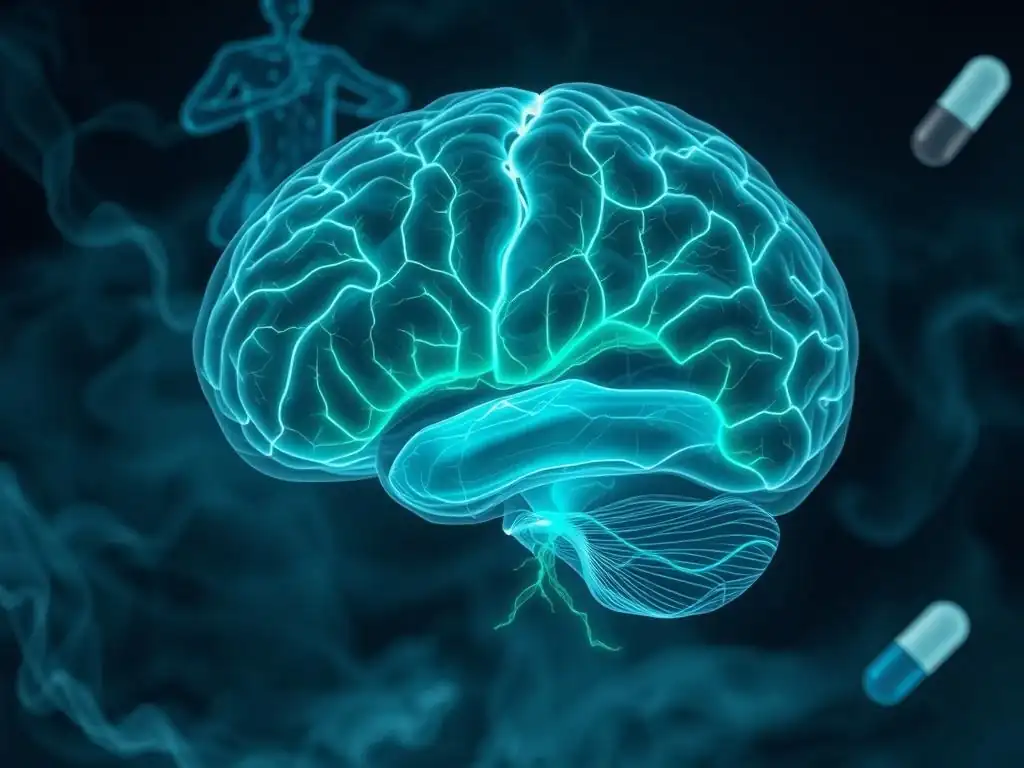
Welcome to Mind Care Guide, a safe space for understanding and nurturing your mental well-being. Feeling like your brain's command center is offline? It's more common than you think. We delve into the intricate connection between depression and the prefrontal cortex, exploring the latest research and potential prefrontal cortex depression treatment options that could offer a path towards renewed clarity and control. Curious to learn more about how neuroscience is shaping mental health care? Let's begin.
The Brain's Command Center Under Siege: Prefrontal Cortex Dysfunction in Depression
- Understanding the Prefrontal Cortex and Its Role in Mental Well-being
- The Link Between Prefrontal Cortex Dysfunction and Depression
- Prefrontal Cortex Depression Treatment Options: A Comprehensive Guide
- Diagnosing Prefrontal Cortex Dysfunction in Depression
- The Long-Term Outlook: Managing Prefrontal Cortex Dysfunction in Depression
- The Future of Prefrontal Cortex Depression Treatment
-
Frequently Asked Questions
- What is the role of the prefrontal cortex in depression?
- What are some common symptoms associated with prefrontal cortex dysfunction in depression?
- What are some traditional treatment options for depression that might indirectly impact the prefrontal cortex?
- Are there any specific treatment options that directly target the prefrontal cortex for depression?
- Besides medical interventions, are there any lifestyle changes that can support prefrontal cortex function in managing depression?
- Final Reflection: Reclaiming the Command Center: Hope and Healing in Prefrontal Cortex Dysfunction
- Unlock Your Brain's Potential: Take Charge of Your Mental Wellbeing
Understanding the Prefrontal Cortex and Its Role in Mental Well-being
Executive Functions of the Prefrontal Cortex: Attention, Working Memory, and Cognitive Flexibility
The prefrontal cortex (PFC), located at the very front of the brain, is often referred to as the brain's executive control center. It is critically involved in a suite of high-level cognitive processes known as executive functions.
These functions are essential for goal-directed behavior and include abilities such as sustaining attention on a task despite distractions, holding and manipulating information in working memory, and adapting behavior in response to changing circumstances, known as cognitive flexibility. These capacities allow us to plan, make decisions, solve problems, regulate our emotions, and inhibit impulsive actions, forming the bedrock of complex thought and adaptive behavior.
Beyond these core functions, the prefrontal cortex plays a vital role in personality expression, social behavior, and moderating correct social conduct. Damage or dysfunction in this area can significantly impair a person's ability to navigate their daily lives, manage responsibilities, and interact effectively with others. It's the region that helps us prioritize tasks, organize information, foresee consequences, and manage time. When these processes are compromised, simple activities can become overwhelmingly difficult, impacting everything from personal relationships to professional performance.
How a Healthy Prefrontal Cortex Impacts Daily Life
A healthy and optimally functioning prefrontal cortex is fundamental to navigating the complexities of daily life with ease and efficiency. It enables individuals to set long-term goals and devise realistic plans to achieve them. For instance, it allows a student to manage their study schedule effectively, a professional to prioritize projects, or a parent to juggle household responsibilities. The ability to focus on a task for an extended period, filter out irrelevant stimuli, and maintain a clear train of thought are all direct results of robust prefrontal activity.
Furthermore, a well-functioning prefrontal cortex is crucial for emotional regulation. It helps us interpret social cues, understand the perspectives of others, and modulate our emotional responses in a socially appropriate manner. This allows for stable relationships, effective communication, and overall emotional resilience. When this part of the brain is healthy, individuals are better equipped to handle stress, recover from setbacks, and maintain a positive outlook, contributing significantly to overall mental well-being and quality of life.
The Link Between Prefrontal Cortex Dysfunction and Depression
The Neuroscience of Depression: Focusing on the Prefrontal Cortex
Neuroscientific research has consistently implicated the prefrontal cortex in the pathophysiology of major depressive disorder (MDD). Studies using brain imaging techniques like fMRI have revealed structural and functional abnormalities in the PFC of individuals with depression. Specifically, there is often observed hypoactivity (reduced activity) in certain areas of the prefrontal cortex, particularly the dorsolateral prefrontal cortex (DLPFC), which is heavily involved in executive functions. Conversely, some areas, like the ventromedial prefrontal cortex (VMPFC), which is linked to emotional processing, may show altered activity, sometimes hyperactivity, in response to negative stimuli.
This dysregulation in prefrontal cortex activity is thought to disrupt the intricate neural circuits that govern mood, cognition, and behavior. The prefrontal cortex is densely interconnected with other brain regions, including the amygdala (involved in processing emotions like fear) and the hippocampus (involved in memory and stress response). Imbalances in these circuits, driven by prefrontal dysfunction, can contribute to the persistent negative mood, cognitive deficits, and altered emotional reactivity characteristic of depression. Research suggests that these structural and functional changes can include reduced grey matter volume in certain PFC subregions, although the exact mechanisms are still being explored.
Identifying Prefrontal Cortex Impairment in Depressed Individuals
Identifying prefrontal cortex impairment in individuals with depression often involves a combination of clinical observation, self-report questionnaires, and objective assessments such as neuropsychological testing and brain imaging. Clinically, impairment manifests as difficulties with executive functions – patients might report struggling with decision-making, finding it hard to concentrate, feeling overwhelmed by tasks that require planning or organization, or experiencing mental "fog." These subjective reports align with the known roles of the PFC.
Neuropsychological tests specifically designed to assess executive functions, such as the Wisconsin Card Sorting Test (cognitive flexibility), the Stroop Test (inhibitory control), or tests measuring working memory capacity, can provide objective evidence of these deficits. For example, a depressed individual might perform significantly worse than healthy controls on tasks requiring them to switch rules or inhibit prepotent responses.
Brain imaging, while not typically used for routine diagnosis, can show reduced metabolic activity in key prefrontal areas or structural changes like reduced cortical thickness in research or complex cases, further supporting the link between PFC dysfunction and the cognitive symptoms of depression.
Common Symptoms of Prefrontal Cortex Dysfunction in Depression
The symptoms of prefrontal cortex dysfunction in depression are often referred to as cognitive symptoms and can be just as debilitating as the mood symptoms. They directly reflect the impairment of executive functions. Common manifestations include significant difficulty concentrating, leading to impaired performance at work or school. Individuals may experience problems with memory, particularly working memory, making it hard to follow conversations, remember instructions, or keep track of tasks.
Another prominent symptom is indecisiveness; simple choices can become agonizingly difficult due to impaired planning and evaluation abilities. Problems with problem-solving, impaired judgment, and a lack of mental flexibility (difficulty adapting to change or shifting perspectives) are also frequently reported. These cognitive deficits contribute significantly to the overall burden of depression, impacting a person's ability to function independently, maintain relationships, and achieve recovery. The feeling of being unable to think clearly or effectively is a hallmark of PFC dysfunction in this context.
Prefrontal Cortex Depression Treatment Options: A Comprehensive Guide
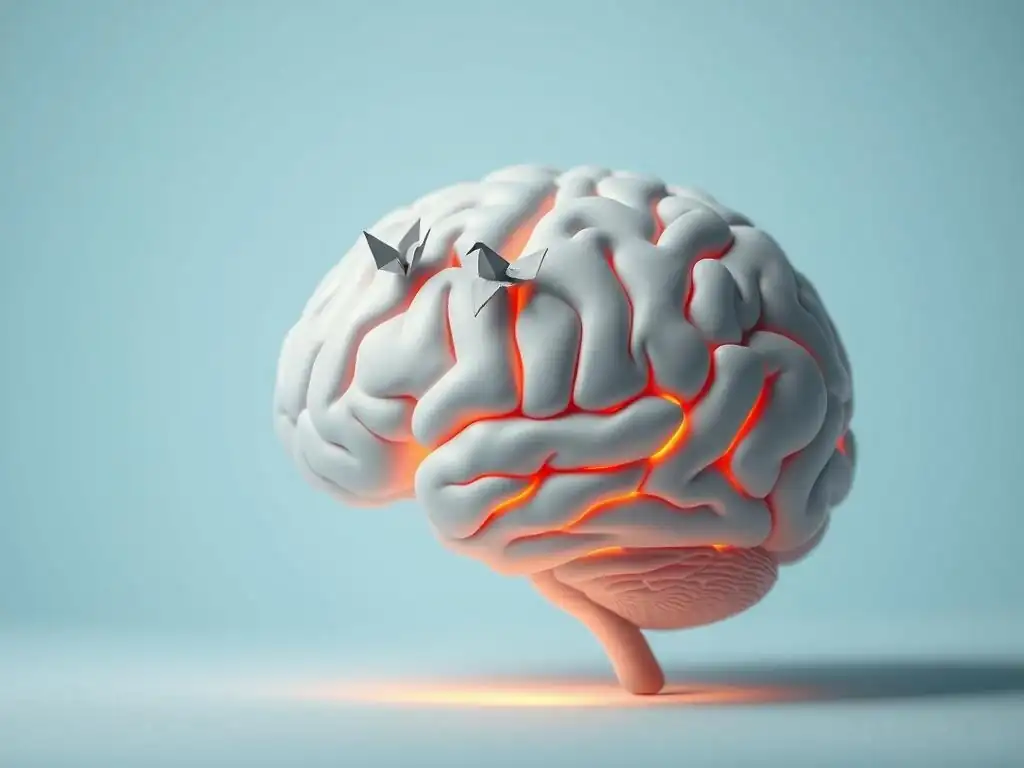
Exploring effective Prefrontal cortex depression treatment options is crucial for addressing both the mood and cognitive symptoms associated with the disorder. Treatment strategies often target the neural circuits involving the PFC, aiming to restore its function and improve executive control. A multi-faceted approach combining pharmaceutical interventions, psychotherapy, brain stimulation techniques, and lifestyle modifications is typically most effective in managing depression and its impact on prefrontal function. Understanding the various Prefrontal cortex depression treatment options available can empower individuals seeking help.
Effective Prefrontal cortex depression treatment options must consider the complex interplay between mood regulation and cognitive function. Therapies that specifically address executive function deficits alongside mood symptoms are often beneficial. This can involve interventions that directly or indirectly modulate prefrontal activity, aiming to improve attention, working memory, planning, and decision-making abilities. The goal is not just to lift the mood but to restore the brain's command center to optimal operation.
Pharmaceutical Interventions Targeting the Prefrontal Cortex in Depression
Antidepressants and the Prefrontal Cortex: A Closer Look
Many commonly prescribed antidepressants, particularly selective serotonin reuptake inhibitors (SSRIs) and serotonin-norepinephrine reuptake inhibitors (SNRIs), are thought to exert their therapeutic effects, in part, by influencing prefrontal cortex activity. While their primary mechanism involves increasing neurotransmitter levels in the synapse, these changes propagate throughout the brain, including the PFC. Chronic administration of antidepressants has been shown in some studies to normalize altered prefrontal activity patterns and potentially promote neuroplasticity, the brain's ability to reorganize itself by forming new neural connections.
For example, research suggests that successful treatment with SSRIs can lead to increased activity in hypoactive areas of the DLPFC in depressed patients. This normalization of activity is thought to contribute to the improvement in both mood and cognitive symptoms. While the effects aren't immediate and can take several weeks to become apparent, modulating neurotransmitter systems influenced by antidepressants is a key component of many Prefrontal cortex depression treatment options. Other classes of antidepressants, like bupropion, which primarily affects dopamine and norepinephrine, also impact prefrontal function and can be particularly helpful for cognitive symptoms.
Other Medications and Their Effects on Executive Function
Beyond traditional antidepressants, other medications are sometimes used as adjunctive treatments or for specific symptom profiles, and some may also impact prefrontal function. For instance, certain stimulant medications, typically used for ADHD, have shown some potential in improving executive functions like attention and focus in depressed individuals with significant cognitive deficits, although their use in depression treatment is not standard practice and requires careful evaluation. Atypical antipsychotics, sometimes prescribed as augmentation strategies for treatment-resistant depression, can also influence dopamine and serotonin systems that modulate PFC activity, though they come with their own set of potential side effects.
Medications targeting other neurotransmitter systems or pathways involved in mood and cognition are also being explored as potential Prefrontal cortex depression treatment options. For example, ketamine, a rapid-acting antidepressant, is thought to influence glutamate signaling, a major excitatory neurotransmitter system with significant involvement in prefrontal cortex function and plasticity. While not a first-line treatment, its rapid effects on mood and potential impact on neural circuits, including those in the PFC, represent an exciting area of research for severe or treatment-resistant depression.
Non-Pharmacological Approaches to Prefrontal Cortex Dysfunction Treatment
Cognitive Behavioral Therapy (CBT) for Improving Executive Function
Cognitive Behavioral Therapy (CBT) is a highly effective psychotherapy for depression and is considered a crucial part of Prefrontal cortex depression treatment options. CBT helps individuals identify and challenge negative thought patterns and develop more adaptive coping mechanisms. While not directly stimulating the brain, the process of engaging in CBT requires and simultaneously trains executive functions. Patients learn to monitor their thoughts (attention), evaluate their validity (cognitive flexibility, critical thinking), plan behavioral experiments (planning, problem-solving), and practice new skills (inhibitory control, working memory).
Through repeated practice of these cognitive and behavioral strategies, CBT is thought to strengthen the neural circuits involving the prefrontal cortex. Neuroimaging studies have shown that successful CBT treatment is associated with changes in prefrontal cortex activity patterns, sometimes normalizing activity in regions that were previously dysregulated. By actively engaging the cognitive processes mediated by the PFC, CBT helps individuals build mental habits that counteract the deficits caused by depression, improving problem-solving, planning, and emotional regulation in daily life.
Mindfulness-Based Interventions and Prefrontal Cortex Activation
Mindfulness-based interventions, such as Mindfulness-Based Cognitive Therapy (MBCT) or Mindfulness-Based Stress Reduction (MBSR), are increasingly recognized as valuable Prefrontal cortex depression treatment options. These approaches teach individuals to pay attention to the present moment without judgment, cultivating awareness of thoughts, feelings, and bodily sensations. This practice requires focused attention and inhibitory control – key executive functions mediated by the prefrontal cortex.
Regular mindfulness practice has been shown to lead to structural and functional changes in the brain, including increased activity and grey matter density in areas of the prefrontal cortex associated with attention regulation, emotional control, and self-awareness. By training the ability to disengage from rumination (a common symptom of depression) and focus on the present, mindfulness strengthens prefrontal control over limbic regions involved in emotion. This can enhance emotional regulation, reduce reactivity to negative thoughts, and improve overall cognitive control, making it a supportive approach for individuals dealing with prefrontal dysfunction in depression.
Brain Stimulation Therapies: An Overview of Options
Brain stimulation therapies represent a class of advanced Prefrontal cortex depression treatment options that directly target specific brain regions to modulate neural activity. These interventions are often considered for individuals with moderate to severe depression, particularly when they haven't responded adequately to medication and psychotherapy. They offer a more direct way to influence the dysfunctional circuits involving the prefrontal cortex. While some are non-invasive, others are more involved surgical procedures.
These therapies are based on the understanding that depression involves alterations in brain activity, particularly in the prefrontal cortex and its connections to other areas. By applying electrical or magnetic stimulation, these treatments aim to excite or inhibit neural activity in targeted regions, working to restore a more balanced and healthy pattern of brain function. They are often delivered in a clinical setting under the supervision of trained medical professionals and are tailored to the individual patient's needs.
Transcranial Magnetic Stimulation (TMS) for Depression and the Prefrontal Cortex
Transcranial Magnetic Stimulation (TMS) is a non-invasive brain stimulation technique that has become a widely accepted Prefrontal cortex depression treatment option, particularly for treatment-resistant depression. It involves placing an electromagnetic coil against the scalp, typically over the dorsolateral prefrontal cortex (DLPFC). This coil generates magnetic pulses that pass through the skull and induce electrical currents in the underlying brain tissue, modulating neuronal activity.
TMS protocols for depression usually involve stimulating the left DLPFC, which is often hypoactive in depressed individuals, aiming to increase its activity. Treatment typically consists of daily sessions (around 5 days a week) for several weeks, often 4 to 6 weeks in total. Studies have shown that TMS can lead to significant reductions in depressive symptoms, with remission rates in treatment-resistant populations ranging from approximately 20% to 40%. The effects are thought to extend beyond the stimulated area, influencing interconnected brain regions involved in mood regulation, including deeper limbic structures, by normalizing prefrontal control.
Deep Brain Stimulation (DBS) and its Potential Benefits
Deep Brain Stimulation (DBS) is a more invasive neurosurgical procedure that involves implanting electrodes within specific brain regions and connecting them to a pulse generator (like a pacemaker) placed under the skin. While primarily used for movement disorders like Parkinson's disease, research has explored DBS as a potential Prefrontal cortex depression treatment option for very severe, chronic, and treatment-resistant depression. The targets for DBS in depression have included areas within the prefrontal cortex circuit, such as the subgenual cingulate cortex (part of the VMPFC) or areas connected to it.
The mechanism of action is complex but is thought to involve modulating abnormal activity patterns within depressive circuits, potentially by normalizing activity flow between the prefrontal cortex and limbic regions. DBS is a highly experimental treatment for depression, reserved only for the most severe cases where all other Prefrontal cortex depression treatment options have failed. While some patients have shown remarkable improvements, the response is variable, and it carries the risks associated with brain surgery. Research is ongoing to better understand optimal targets and patient selection for DBS in depression.
Lifestyle Modifications to Support Prefrontal Cortex Health
Lifestyle modifications are accessible and supportive Prefrontal cortex depression treatment options that can complement medical and psychological interventions. Simple changes in daily habits can have a profound impact on overall brain health, including the function of the prefrontal cortex. These strategies are often recommended as part of a comprehensive treatment plan for depression.
Implementing healthy lifestyle practices requires consistency and effort, but the benefits for mood, energy levels, and cognitive function can be substantial. They work by promoting neurogenesis, improving blood flow, reducing inflammation, and balancing neurotransmitter levels, all of which support optimal prefrontal function.
The Role of Diet and Exercise in Brain Function
Diet and exercise are powerful factors influencing brain health and can be considered foundational Prefrontal cortex depression treatment options. A diet rich in omega-3 fatty acids (found in fish), antioxidants (from fruits and vegetables), and complex carbohydrates supports brain structure and function. Conversely, diets high in processed foods, sugar, and unhealthy fats can contribute to inflammation and oxidative stress, negatively impacting cognitive function and potentially worsening depressive symptoms and prefrontal dysfunction. Maintaining adequate hydration is also essential for optimal brain performance.
Regular physical exercise has well-documented antidepressant effects and is also known to improve executive functions. Aerobic exercise increases blood flow to the brain, including the prefrontal cortex, promoting the growth of new neurons and synapses (neuroplasticity) and increasing levels of brain-derived neurotrophic factor (BDNF), a protein vital for neuron survival and growth. Even moderate exercise, like brisk walking for 30 minutes several times a week, has been shown to improve mood and cognitive flexibility, making it a simple yet effective component of managing depression and supporting prefrontal health.
Sleep Hygiene and its Impact on the Prefrontal Cortex
Poor sleep is a common symptom of depression and can significantly impair prefrontal cortex function. Chronic sleep deprivation or disrupted sleep patterns negatively impact attention, working memory, decision-making, and emotional regulation – all functions heavily reliant on the PFC. Establishing good sleep hygiene is therefore a critical, though often overlooked, aspect of Prefrontal cortex depression treatment options.
This involves maintaining a consistent sleep schedule, ensuring the bedroom is dark, quiet, and cool, avoiding caffeine and alcohol before bed, and limiting screen time close to sleep. Prioritizing 7-9 hours of quality sleep per night can help restore normal prefrontal cortex activity, leading to improvements in concentration, mood stability, and overall cognitive clarity. Addressing sleep disturbances should be a priority in any comprehensive treatment plan for depression.
Diagnosing Prefrontal Cortex Dysfunction in Depression
Diagnosing prefrontal cortex dysfunction in depression isn't a separate clinical diagnosis but rather an assessment of the cognitive deficits that are part of the depressive syndrome and linked to PFC impairment. It involves evaluating the specific executive function difficulties an individual is experiencing. This process helps clinicians understand the full scope of the disorder and tailor Prefrontal cortex depression treatment options more effectively.
Assessment methods aim to objectively measure cognitive abilities and, in some cases, visualize brain activity or structure. While subjective reports from the patient are crucial, objective measures provide a clearer picture of the extent and nature of the cognitive impairment.
Neuropsychological Testing for Assessing Executive Function
Neuropsychological testing is a standard method used to objectively assess cognitive abilities, including executive functions mediated by the prefrontal cortex. These tests are administered by trained psychologists or neuropsychologists and involve a battery of tasks designed to measure specific cognitive domains. For example, tests might evaluate:
- Attention and Concentration: Tasks requiring sustained focus or selective attention.
- Working Memory: Tasks requiring holding and manipulating information mentally.
- Planning and Problem Solving: Tasks requiring sequencing steps or overcoming obstacles.
- Cognitive Flexibility: Tasks requiring switching between different rules or concepts.
- Inhibitory Control: Tasks requiring suppressing automatic responses.
Performance on these tests is compared to normative data for age and education level to identify areas of significant impairment. A profile of deficits in multiple executive function domains can strongly suggest prefrontal cortex dysfunction contributing to the depressive symptoms. This detailed assessment helps guide the selection of appropriate Prefrontal cortex depression treatment options, such as recommending specific cognitive rehabilitation strategies or therapies known to target executive function.
Brain Imaging Techniques: fMRI, PET, and EEG
Brain imaging techniques are powerful research tools that can provide insights into the structural and functional state of the prefrontal cortex in depression, although they are not typically used for routine clinical diagnosis of PFC dysfunction. Functional Magnetic Resonance Imaging (fMRI) measures brain activity by detecting changes in blood flow. In depressed individuals, fMRI often shows reduced activity in areas like the DLPFC during cognitive tasks or rest, and altered connectivity within prefrontal circuits.
Positron Emission Tomography (PET) uses radioactive tracers to measure metabolic activity, blood flow, or neurotransmitter binding in the brain. PET studies have also revealed altered glucose metabolism in various prefrontal regions in depression, consistent with functional hypoactivity. Electroencephalography (EEG) measures electrical activity in the brain using electrodes placed on the scalp.
EEG studies can identify altered brain wave patterns in depressed patients, reflecting changes in neural oscillations and connectivity within prefrontal networks. While these techniques offer valuable insights into the neural underpinnings of depression and prefrontal dysfunction, their primary role remains in research and complex cases rather than standard clinical assessment guiding routine Prefrontal cortex depression treatment options.
The Long-Term Outlook: Managing Prefrontal Cortex Dysfunction in Depression

Managing prefrontal cortex dysfunction in depression is often a long-term process that goes hand-in-hand with managing the depression itself. While treatment can significantly improve both mood and cognitive symptoms, some individuals may continue to experience residual executive function challenges. The long-term outlook is generally positive with consistent treatment and the implementation of effective coping strategies aimed at supporting prefrontal health and function.
The goal is to not only alleviate acute symptoms but also to build resilience and improve overall quality of life by addressing the underlying cognitive difficulties. This involves a combination of continued therapeutic engagement, lifestyle maintenance, and learning practical strategies to navigate daily challenges posed by executive function deficits.
Strategies for Coping with Executive Function Challenges
Developing effective coping strategies is essential for individuals dealing with persistent executive function challenges related to prefrontal cortex dysfunction in depression. These strategies aim to compensate for difficulties with planning, organization, attention, and memory.
- Break down large tasks into smaller, manageable steps.
- Use external aids like planners, calendars, apps, or checklists to keep track of tasks and appointments.
- Minimize distractions when trying to focus on a task.
- Establish routines and schedules to provide structure.
- Practice mindfulness techniques to improve attention and reduce rumination.
- Delegate tasks when possible.
- Allow for extra time for tasks that require significant planning or concentration.
- Engage in cognitive rehabilitation exercises or brain-training activities designed to target specific executive functions.
These strategies can significantly improve daily functioning and reduce feelings of overwhelm. Learning to anticipate challenges and proactively use these tools empowers individuals to better manage their lives despite cognitive difficulties.
Building Resilience and Improving Quality of Life
Building resilience and improving quality of life are central to the long-term management of depression and its associated prefrontal cortex dysfunction. Resilience involves the ability to adapt well in the face of adversity. For individuals with depression, this means developing skills to cope with symptoms, manage relapses, and maintain progress.
This includes continuing with prescribed Prefrontal cortex depression treatment options, whether medication, therapy, or lifestyle changes. It also involves nurturing social connections, pursuing enjoyable activities, managing stress effectively through techniques like meditation or yoga, and maintaining physical health through diet and exercise. Focusing on strengths, setting realistic goals, and practicing self-compassion are also vital components. By actively engaging in these practices, individuals can strengthen their capacity to navigate challenges, reduce the impact of cognitive deficits, and build a fulfilling life despite the presence of a chronic illness.
The Future of Prefrontal Cortex Depression Treatment
The field of neuroscience and psychiatry is continuously advancing, promising more targeted and effective Prefrontal cortex depression treatment options in the future. Research is focused on gaining a deeper understanding of the precise neural circuits involved in depression and how interventions specifically impact the prefrontal cortex. This includes exploring novel therapeutic targets and developing personalized approaches based on individual brain profiles.
The goal is to move towards treatments that are not only more effective but also have fewer side effects and are tailored to the unique biological and psychological characteristics of each patient. This involves leveraging advancements in genetics, neuroimaging, and computational modeling.
Emerging Therapies and Research Directions
Research into emerging Prefrontal cortex depression treatment options is exploring a variety of novel approaches. These include compounds that target the glutamate system, like ketamine and its analogs, which show promise for rapid antidepressant effects potentially mediated by changes in prefrontal plasticity. Psychedelic-assisted therapy, using substances like psilocybin or MDMA in controlled clinical settings, is another area of active research; these substances are thought to induce profound changes in consciousness and neural connectivity, potentially impacting prefrontal function and emotional processing in beneficial ways.
Non-invasive brain stimulation techniques are also being refined, with new protocols and devices being developed to target prefrontal subregions more precisely or deliver stimulation more efficiently (e.g., intermittent theta burst stimulation, personalized TMS based on individual brain anatomy). Research is also investigating the potential of neurofeedback, allowing individuals to learn to modulate their own brain activity patterns in real-time, potentially targeting prefrontal function. These emerging therapies represent exciting avenues for future Prefrontal cortex depression treatment options.
Personalized Medicine Approaches for Depression Treatment
The future of Prefrontal cortex depression treatment options is increasingly moving towards personalized medicine. Recognizing that depression is a heterogeneous disorder with varying underlying biological profiles, researchers are working to identify biomarkers (e.g., genetic markers, specific patterns seen on brain imaging, or cognitive profiles) that can predict how an individual will respond to different treatments.
For example, future approaches might use fMRI scans to identify specific prefrontal activity patterns in a patient and then recommend the brain stimulation protocol or antidepressant medication most likely to normalize that particular pattern. Genetic testing might help predict how a patient will metabolize certain medications.
Integrating data from neuropsychological tests, brain imaging, genetics, and clinical symptoms will allow clinicians to select the most appropriate Prefrontal cortex depression treatment options for each individual, leading to higher remission rates and better long-term outcomes. This shift towards precision psychiatry holds significant promise for revolutionizing how depression, and its impact on the prefrontal cortex, is treated.
Frequently Asked Questions
What is the role of the prefrontal cortex in depression?
The prefrontal cortex, the brain's command center, is often dysfunctional in individuals with depression. This dysfunction can lead to problems with executive functions like decision-making, planning, and emotional regulation.
What are some common symptoms associated with prefrontal cortex dysfunction in depression?
Symptoms can include difficulty concentrating, impaired working memory, reduced motivation, and problems with emotional control. People may also experience increased negative thoughts and feelings.
What are some traditional treatment options for depression that might indirectly impact the prefrontal cortex?
Traditional treatments like antidepressant medications (SSRIs, SNRIs) and psychotherapy (CBT, IPT) can help regulate neurotransmitter levels and improve thought patterns, indirectly improving prefrontal cortex function.
Are there any specific treatment options that directly target the prefrontal cortex for depression?
Yes, there are. Treatments such as Transcranial Magnetic Stimulation (TMS) and Deep Brain Stimulation (DBS) are designed to directly stimulate or modulate the activity of the prefrontal cortex and other brain regions.
Besides medical interventions, are there any lifestyle changes that can support prefrontal cortex function in managing depression?
Absolutely! Regular exercise, a healthy diet, and mindfulness practices can promote neuroplasticity and improve the overall health and function of the prefrontal cortex, aiding in depression management.
Final Reflection: Reclaiming the Command Center: Hope and Healing in Prefrontal Cortex Dysfunction
The prefrontal cortex, our brain's executive control center, is profoundly impacted by depression, leading to a cascade of debilitating symptoms. Understanding this neurological reality is not just an academic exercise; it's crucial for developing effective and targeted treatments, offering real hope to millions struggling with this pervasive mental health condition. The implications are far-reaching, impacting not only individual well-being but also societal productivity and overall human flourishing.
The ongoing research into prefrontal cortex dysfunction in depression highlights the complex interplay between biology, psychology, and environment. This understanding has shifted the paradigm of treatment, moving beyond simplistic approaches to embrace a more holistic and personalized medicine approach. The mind is not a vessel to be filled, but a fire to be kindled.
– Plutarch. This quote resonates deeply, emphasizing the need to nurture and reignite the inherent potential within the prefrontal cortex, rather than simply treating symptoms in isolation. The journey to healing is a personal one, and recognizing the brain's intricate role in depression is a critical step towards empowerment.
Now, consider your own life. Have you experienced periods of diminished executive function, difficulty with decision-making, or persistent negative thought patterns? This article has explored the neurological underpinnings of these experiences, offering a framework for understanding and seeking appropriate help. Take this knowledge and use it to advocate for yourself or a loved one. Research treatment options tailored to prefrontal cortex dysfunction, connect with mental health professionals who understand this nuanced aspect of depression, and remember that healing is possible. Embrace the journey towards reclaiming your brain's command center and unlocking your full potential.
Unlock Your Brain's Potential: Take Charge of Your Mental Wellbeing
Thanks for diving deep into the fascinating (and sometimes challenging!) world of the prefrontal cortex and its role in depression. You've now gained valuable insights into a key aspect of mental health. Let's put this knowledge into action!
- Prioritize one small step today: Identify one area where you can actively nurture your prefrontal cortex—whether it's through mindful breathing exercises, engaging in a hobby you love, or simply setting aside time for self-reflection. Make it a habit!
- Share your learnings: Discuss this article with a friend, family member, or in an online community. Sharing knowledge empowers us all!
- Explore additional resources: Search "Mind Care Guide" online for more articles focused on strengthening cognitive function and mental resilience.
Ready to take control of your mental wellbeing and unlock your brain's amazing potential? What small step will you take today to nurture your prefrontal cortex?