
Start Your Day StressFree: Morning Mindfulness Practices


Welcome to Mind Care Guide, a haven dedicated to your mental well-being.
Feeling overwhelmed before the day even begins? You're not alone. Explore how morning mindfulness reduces daily stress and discover practical techniques to cultivate inner peace. Let's embark on a journey towards a calmer, more centered you. Ready to unlock the power of mindful mornings?
Start Your Day Stress-Free: Morning Mindfulness Practices
- Introduction: The Power of Morning Mindfulness for Stress Reduction
- Benefits of Incorporating Mindfulness into Your Morning Routine
- Practical Morning Mindfulness Exercises to Reduce Stress
- Creating Your Personalized Morning Mindfulness Routine
- Overcoming Challenges and Maintaining Consistency
- The Long-Term Impact of Morning Mindfulness on Daily Stress
- Conclusion: Embrace Morning Mindfulness for a Stress-Free Day
-
Frequently Asked Questions
- How does morning mindfulness help reduce daily stress?
- What are some simple mindfulness practices I can incorporate into my morning routine?
- How long should I practice morning mindfulness to see a noticeable reduction in stress?
- Is morning mindfulness suitable for everyone, even those with busy schedules?
- What if I find it difficult to focus during my morning mindfulness practice?
- Final Reflection: Cultivating Calm in a Chaotic World
- Unlock Your Calmer Morning: Start Practicing Mindfulness Today!
Introduction: The Power of Morning Mindfulness for Stress Reduction
Understanding the Connection: Daily Stress and Mindfulness
The demands of modern life often mean stress begins the moment we wake up. From looming deadlines to personal obligations, the mind can quickly become a whirlwind of worries and to-do lists, setting a tense tone for the entire day. This early exposure to stress can elevate cortisol levels, impact mood, and reduce cognitive function even before breakfast. Recognizing this immediate link between the start of our day and our overall stress experience is the first step toward managing it effectively.
Mindfulness offers a powerful countermeasure to this morning stress surge. It involves intentionally bringing awareness to the present moment without judgment. By focusing on sensations, thoughts, or emotions as they arise, we can interrupt the automatic stress response cycle. Practicing morning mindfulness reduces daily stress by shifting our focus from future anxieties or past regrets to the grounded reality of the here and now, creating a buffer against the day's potential stressors.
Why Choose Morning Mindfulness? Setting the Tone for a Calm Day
The morning hours are uniquely valuable for establishing a state of calm and focus. Before the day's interruptions fully begin, there's an opportunity to cultivate inner peace and mental clarity. Engaging in mindfulness practices during this quiet time allows us to approach the day from a place of presence rather than reaction. This proactive approach means we're not just responding to stress as it happens, but actively building resilience against it from the outset.
Incorporating morning mindfulness reduces daily stress by fundamentally altering our initial state. Instead of rushing out the door feeling scattered, a few minutes of mindful practice can ground us, helping us feel more in control and less overwhelmed. Studies often indicate that even short periods of mindfulness can lead to significant reductions in perceived stress levels throughout the day, with participants reporting feeling calmer and more centered compared to days without the practice.
Benefits of Incorporating Mindfulness into Your Morning Routine
Reduced Stress and Anxiety Levels Through Mindful Mornings
Starting the day with mindfulness directly targets the physiological and psychological responses to stress. By engaging the parasympathetic nervous system, practices like mindful breathing can lower heart rate and blood pressure, counteracting the "fight or flight" response that stress triggers. Many individuals who adopt a morning mindfulness routine report a significant decrease in feelings of tension and worry, sometimes describing their overall anxiety level as dropping by as much as 20-30% within weeks of consistent practice.
Furthermore, morning mindfulness reduces daily stress by training the mind to observe thoughts and feelings without getting swept away by them. This non-reactive stance helps prevent minor annoyances from escalating into major stressors. For instance, facing unexpected traffic or a difficult email might still be challenging, but the mindful individual is better equipped to handle it with a sense of perspective and calm, rather than immediate panic or frustration.
Enhanced Focus and Concentration for Increased Productivity
A scattered mind is a major impediment to productivity. Stress and anxiety often lead to rumination and distraction, making it difficult to concentrate on tasks. Morning mindfulness exercises, particularly those involving focused attention like breath awareness, train the brain to stay present and less prone to wandering. This improved ability to focus translates directly into enhanced concentration throughout the workday.
Individuals who practice morning mindfulness frequently report feeling more present and engaged in their activities, whether it's tackling complex work projects or having meaningful conversations. The mental discipline cultivated during morning practice helps filter out irrelevant stimuli and maintain attention on the task at hand, potentially increasing efficiency and reducing errors by a noticeable margin, perhaps boosting productivity by 15% or more according to anecdotal evidence from users.
Improved Emotional Regulation and Resilience
Stress often makes us more emotionally reactive, leading to irritability, frustration, or feeling overwhelmed by minor issues. Morning mindfulness cultivates emotional intelligence by creating space between an emotion and our reaction to it. By observing feelings without judgment during morning practice, we learn to recognize emotional states as temporary and manageable, rather than overwhelming forces.
This enhanced emotional regulation builds resilience, our capacity to bounce back from adversity. When faced with a setback later in the day, a mind trained in morning mindfulness is less likely to spiral into negative thought patterns. Instead, it can acknowledge the difficulty, process the emotion, and approach the situation with greater clarity and composure, making it easier to navigate challenges effectively.
Cultivating Gratitude and Positive Thinking from the Start
While not always the primary focus, many morning mindfulness practices naturally lead to a sense of gratitude and a more positive outlook. Simply taking a moment to appreciate the breath, the body, or the quiet of the morning can shift the mind's default setting away from problems and toward appreciation. Intentionally incorporating gratitude into a morning routine, even just noting one thing you are thankful for, can significantly impact mood.
This shift towards gratitude and positivity acts as a powerful antidote to stress and negativity. Approaching the day with an appreciative mindset makes us more receptive to positive experiences and less bothered by minor setbacks. Many report feeling a noticeable lift in mood and a greater sense of optimism that carries through the day, demonstrating how morning mindfulness reduces daily stress not just by managing negative states, but by actively fostering positive ones.
Practical Morning Mindfulness Exercises to Reduce Stress
Mindful Breathing Exercises for a Calm Start
Deep Breathing Techniques to Center Yourself
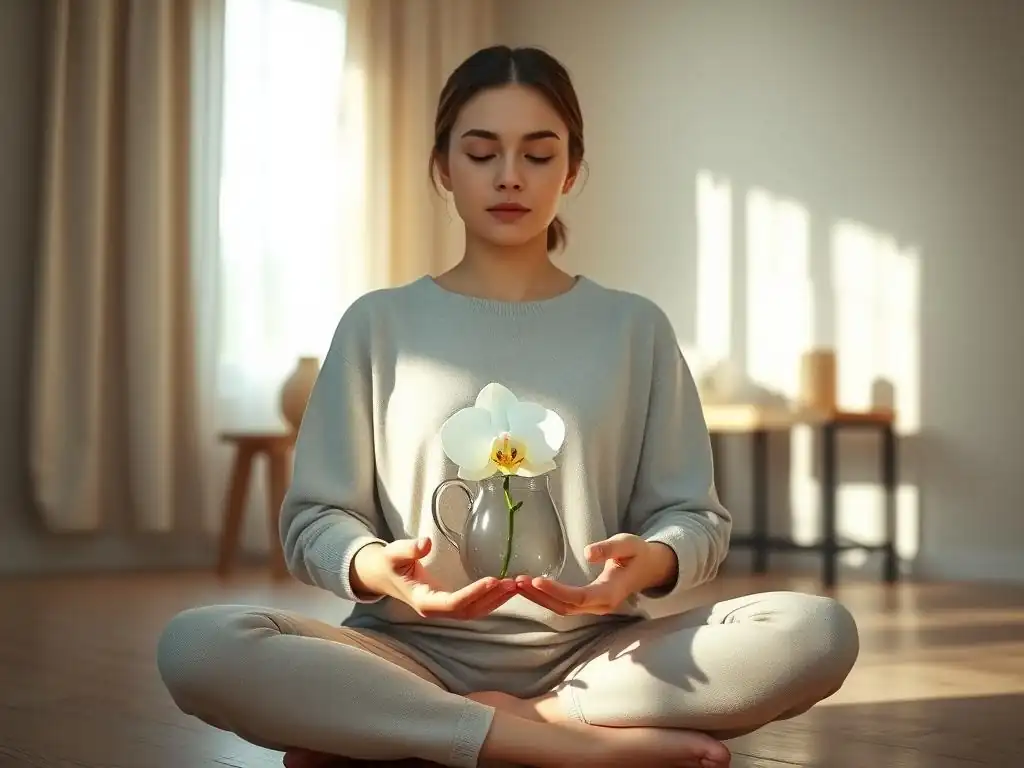
One of the simplest yet most effective morning mindfulness practices is deep breathing. Find a comfortable seated position. Close your eyes gently or soften your gaze. Bring your awareness to your breath without trying to change it initially. Then, begin to deepen your breath slightly. Inhale slowly and deeply through your nose, feeling your abdomen expand, as if filling a balloon. Exhale slowly through your mouth or nose, letting the abdomen gently fall.
Repeat this deep breathing for 5-10 cycles. Focus solely on the physical sensations of the breath – the cool air entering your nostrils, the rise and fall of your belly, the warm air leaving your body. If your mind wanders, which it will, simply notice the thought without judgment and gently guide your attention back to your breath. This simple practice can immediately calm the nervous system and prepare you for a more mindful day.
Alternate Nostril Breathing for Balance
Alternate nostril breathing, known as Nadi Shodhana in yoga, is another powerful technique for balancing the mind and calming stress. Sit comfortably with a straight spine. Close your right nostril with your right thumb. Inhale slowly and deeply through your left nostril. Close the left nostril with your right ring finger. Release the thumb from the right nostril and exhale completely through the right nostril.
Now, inhale through the right nostril. Close the right nostril with your thumb. Release the ring finger from the left nostril and exhale completely through the left nostril. This completes one cycle. Continue for 5-10 cycles, alternating the nostril through which you inhale and exhale. This practice is said to balance the left and right hemispheres of the brain, promoting a sense of harmony and reducing mental chatter, making it an excellent way to ensure morning mindfulness reduces daily stress effectively.
Mindful Meditation for Morning Stress Relief
Guided Meditation for Beginners: A Simple Approach
For those new to morning mindfulness, guided meditation can be an accessible starting point. Many free apps, websites, and videos offer short guided sessions specifically designed for the morning. Find a quiet spot, sit comfortably, and listen to the guide's voice. They will typically lead you through bringing awareness to your breath, body sensations, or a simple visualization.
A typical 5-10 minute guided morning meditation might start with settling into your posture, moving to breath awareness, and then perhaps guiding you to set a positive intention for the day or cultivate feelings of peace. The guide's voice helps keep your attention focused, making it easier to stay present and less likely to get lost in thoughts. This structured approach is highly effective in helping beginners experience how morning mindfulness reduces daily stress.
Body Scan Meditation: Connecting with Your Physical Sensations
A body scan meditation involves systematically bringing awareness to different parts of your body, noticing any sensations without trying to change them. Lie down or sit comfortably. Close your eyes. Begin by bringing your awareness to your feet and toes. Notice any tingling, pressure, warmth, or coolness. Simply observe. Then, slowly move your awareness up through your ankles, lower legs, knees, thighs, hips, and so on, until you reach the top of your head.
This practice helps ground you in the physical present moment and can reveal areas where you might be holding tension, often without realizing it. By simply noticing the tension without judgment, you can often encourage it to release. A morning body scan for 10-15 minutes can significantly reduce physical stress and anxiety, leaving you feeling more relaxed and connected to your body as you begin your day.
Mindful Movement: Gentle Yoga and Stretching
Simple Yoga Poses for Morning Flexibility and Stress Release
Gentle yoga and stretching can be a wonderful way to incorporate morning mindfulness through movement. Focus on simple poses that awaken the body without being overly strenuous. Sun Salutations (Surya Namaskar) modified for beginners, cat-cow pose, child's pose, and gentle twists are excellent choices. Move slowly and deliberately, coordinating your movement with your breath. For instance, inhale as you lift your arms in a gentle stretch, and exhale as you fold forward.
Pay close attention to the sensations in your body as you move. Notice the stretching, the opening, the strength. Avoid pushing yourself into pain; instead, cultivate a sense of gentle exploration. Even 10-15 minutes of mindful stretching or yoga can release physical tension that often accompanies stress, improving flexibility and cultivating a sense of ease in the body, proving that morning mindfulness reduces daily stress through physical presence as well.
Mindful Walking: Paying Attention to Each Step
If you have space, mindful walking can be a grounding morning practice. This can be done outdoors or even just walking slowly across a room or garden. The key is to bring your full attention to the physical act of walking. Notice the sensation of your feet touching the ground, the shifting of your weight, the movement of your legs and arms.
Pay attention to the rhythm of your steps and your breath. If walking outdoors, notice the sights, sounds, and smells around you, bringing your senses into the present moment. Walk at a pace that allows you to maintain this awareness. Even a 5-minute mindful walk can clear the mind and bring a sense of calm focus, providing a mobile way to ensure morning mindfulness reduces daily stress.
Mindful Eating: Savoring Your Morning Meal
Focusing on Taste, Texture, and Gratitude During Breakfast
If you eat breakfast in the morning, turn it into a mindful experience. Instead of rushing through your meal while multitasking, take a few minutes to truly engage your senses. Before you even take a bite, look at your food – notice its colors, shapes, and arrangement. Take a moment to appreciate where your food came from and the nourishment it provides.
As you eat, chew slowly and pay attention to the tastes and textures. Notice the sweetness of fruit, the crunch of granola, the warmth of coffee. How does the food feel in your mouth? How does it smell? Eating mindfully helps you feel more satisfied with less, improves digestion, and transforms a routine activity into a moment of presence and gratitude, a simple yet effective way that morning mindfulness reduces daily stress.
Avoiding Distractions During Your Morning Meal
To truly practice mindful eating, it's essential to minimize distractions. This means putting away your phone, turning off the television, and avoiding reading emails or newspapers. Dedicate the time you are eating solely to the experience of eating. If you are eating with others, try to be fully present in the conversation, rather than letting your mind wander.
By removing distractions, you allow yourself to fully connect with the act of nourishing your body. This dedicated presence prevents the common rushed feeling of mornings and helps you start your day feeling more grounded and less scattered. It reinforces the principle that morning mindfulness reduces daily stress by encouraging intentional focus on the present moment, even during simple activities.
Creating Your Personalized Morning Mindfulness Routine
Determining Your Ideal Morning Mindfulness Time
The "ideal" time for morning mindfulness varies greatly from person to person. For some, it's the very first thing upon waking, before even getting out of bed. For others, it might be after a cup of tea or coffee, before the kids wake up, or even during their commute if using guided practices. Consider your personal schedule, energy levels in the morning, and what feels most sustainable.
Experiment with different times to see what works best for you. Even 5-10 minutes can make a difference. The goal is to find a slot where you can consistently dedicate time without feeling rushed or interrupted. Identifying this optimal window is crucial for establishing a routine where morning mindfulness reduces daily stress consistently.
Choosing the Right Mindfulness Practices for Your Needs
With so many options, from breathing to meditation to movement, it's important to choose practices that resonate with you and meet your current needs. Are you feeling particularly anxious? Deep breathing or a calming guided meditation might be best. Feeling stiff or restless? Gentle yoga or mindful walking could be more beneficial.
Don't feel pressured to do everything. Start with one or two practices that feel accessible and appealing. You might try mindful breathing for a week, then add a short body scan the next. Your routine can evolve over time based on how you feel and what seems most effective in helping morning mindfulness reduce daily stress for you.
Integrating Mindfulness into Your Existing Morning Rituals
Mindfulness doesn't always require adding entirely new activities. You can weave mindful moments into things you already do. For instance, turn your morning shower into a mindful experience by paying attention to the sensation of the water. Make brushing your teeth a mindful practice by focusing on the feeling of the brush and the taste of the toothpaste.
Think about your existing morning routine and identify small pockets where you can inject awareness. This could be mindfully stretching while the coffee brews or taking 3 mindful breaths before checking your phone. Integrating mindfulness into existing habits makes the practice less daunting and increases the likelihood that morning mindfulness reduces daily stress consistently.
Creating a Calm and Supportive Environment
Your physical environment can significantly impact your morning mindfulness practice. Try to designate a quiet space free from clutter and distractions, if possible. This doesn't need to be a dedicated meditation room; a corner of your bedroom or living room can work. Ensure the temperature is comfortable and you have any props you might need, like a cushion or blanket.
Minimizing external stimuli helps you focus inward. If complete quiet is impossible, consider using earplugs or noise-canceling headphones. Creating a consistent, peaceful environment signals to your brain that it's time to transition into a mindful state, making your practice more effective and reinforcing how morning mindfulness reduces daily stress.
Overcoming Challenges and Maintaining Consistency

Addressing Common Obstacles to Morning Mindfulness
One of the most common obstacles is lack of time. Mornings can feel incredibly rushed. To counter this, start small – even 5 minutes is beneficial. Try waking up just 10 minutes earlier. Another challenge is a restless mind. It's normal for thoughts to arise; the practice is simply to notice them and return to your anchor (like the breath). Don't judge yourself for having thoughts.
Feeling tired or unmotivated can also be a barrier. On these days, choose the simplest practice, like 3 minutes of conscious breathing. Lower your expectations and focus on showing up, not on having a perfect session. Remember that consistency is more important than duration or perceived success on any given day when aiming for morning mindfulness reduces daily stress long-term.
Tips for Staying Consistent with Your Practice
Schedule your morning mindfulness time like any other important appointment. Put it in your calendar. Create a visual cue, like placing your meditation cushion by your bed or setting out your yoga mat the night before. Find an accountability partner or join an online community for support.
Anchor your mindfulness practice to an existing habit, such as doing it immediately after brushing your teeth or before your first cup of tea. Be flexible – if your usual time doesn't work one day, find another short window. Remind yourself why you are practicing – focusing on the benefits of how morning mindfulness reduces daily stress can be a powerful motivator.
Tracking Your Progress and Celebrating Small Victories
Keeping track of your mindfulness practice can provide encouragement and insight. You can use a simple habit tracker app, a journal, or just mark it on a calendar. Note down how long you practiced and how you felt before and after. Over time, you'll likely see a pattern of reduced stress and improved well-being emerge.
Celebrate small victories, like completing a week of consistent practice or noticing yourself handling a stressful situation more calmly. Acknowledging your progress, no matter how small, reinforces the positive habit and keeps you motivated to continue experiencing how morning mindfulness reduces daily stress in your life.
The Long-Term Impact of Morning Mindfulness on Daily Stress
Sustained Stress Reduction and Improved Well-being
Consistent morning mindfulness doesn't just offer temporary relief; it builds a foundation for sustained stress reduction over time. As you regularly practice, your nervous system becomes less reactive to stressors, and your baseline stress level may decrease. Many long-term practitioners report feeling generally calmer and more resilient, even during challenging periods.
This sustained reduction in stress contributes significantly to overall well-being. Lower stress is linked to improved physical health outcomes, better sleep quality, and a stronger immune system. By making morning mindfulness a habit, you are investing in your long-term health and happiness, demonstrating the profound impact that morning mindfulness reduces daily stress has on your entire life.
Enhanced Self-Awareness and Emotional Intelligence
Regular morning mindfulness sharpens your ability to notice your thoughts, feelings, and physical sensations without getting entangled in them. This increased self-awareness is key to understanding your stress triggers and recognizing early signs of stress or anxiety. You become more attuned to your internal state, allowing you to respond proactively rather than reactively.
This heightened self-awareness also enhances emotional intelligence – your ability to understand and manage your own emotions and recognize the emotions of others. By observing your own emotional landscape during morning practice, you develop greater capacity for empathy and more skillful navigation of interpersonal interactions, reducing stress arising from relationships.
A More Balanced and Fulfilling Life Through Mindfulness
Ultimately, the long-term impact of morning mindfulness extends beyond just stress reduction. By cultivating presence, focus, and emotional regulation, you create space for a more balanced and fulfilling life. You may find yourself more present in your relationships, more engaged in your work, and more able to appreciate the simple moments of joy each day offers.
Living mindfully, starting with your mornings, helps you prioritize what truly matters and navigate challenges with greater ease and grace. It's not about eliminating stress entirely, but about changing your relationship with it and building the internal resources to live a richer, more meaningful life. This holistic impact shows just how fundamentally morning mindfulness reduces daily stress and enhances overall quality of life.
Conclusion: Embrace Morning Mindfulness for a Stress-Free Day
Recap of the Benefits and Practices
We've explored how morning mindfulness reduces daily stress by setting a calm tone from the start, enhancing focus, improving emotional regulation, and fostering positivity. We've also delved into practical techniques, including mindful breathing like deep breathing and alternate nostril breathing, various forms of mindful meditation such as guided sessions and body scans, mindful movement like gentle yoga and walking, and the practice of mindful eating.
Creating a personalized routine involves finding your best time, choosing suitable practices, integrating them into existing habits, and creating a supportive environment. While challenges exist, consistency, self-compassion, and tracking progress can help maintain the practice and unlock its profound long-term benefits for sustained stress reduction and enhanced well-being.
Encouragement to Start Your Mindfulness Journey Today
Taking the first step towards incorporating morning mindfulness is an act of self-care that can significantly transform your experience of daily stress. You don't need hours; even a few minutes can make a difference. Choose one simple practice that appeals to you and commit to trying it for a week.
Be patient and kind to yourself; mindfulness is a practice, not a destination. Some mornings will be easier than others, and that's perfectly normal. By embracing morning mindfulness, you empower yourself to meet the day with greater calm, clarity, and resilience. Start today, and discover firsthand how morning mindfulness reduces daily stress and opens the door to a more peaceful and present life.
Frequently Asked Questions
How does morning mindfulness help reduce daily stress?
Morning mindfulness allows you to set an intention for the day and become more aware of your thoughts and feelings, which can help you manage stress more effectively. This proactive approach reduces reactivity throughout the day.
What are some simple mindfulness practices I can incorporate into my morning routine?
Simple practices include mindful breathing exercises, body scan meditations, or even just paying attention to the sensations of your morning coffee. The key is to be present and focused.
How long should I practice morning mindfulness to see a noticeable reduction in stress?
Even 5-10 minutes a day of consistent practice can lead to a noticeable reduction in stress over time. Consistency is more important than the length of each session.
Is morning mindfulness suitable for everyone, even those with busy schedules?
Yes, morning mindfulness can be adapted to even the busiest schedules. Even a few minutes of focused awareness can make a difference. You can even do it while brushing your teeth!
What if I find it difficult to focus during my morning mindfulness practice?
It's normal to have wandering thoughts. Simply acknowledge the thought and gently redirect your attention back to your breath or chosen focus. Practice makes perfect.
Final Reflection: Cultivating Calm in a Chaotic World
The relentless pace of modern life often leaves us feeling overwhelmed before the day even begins. The pursuit of productivity frequently overshadows the importance of inner peace, leaving many of us perpetually stressed. But what if we could reclaim our mornings, transforming them from frantic rushes into moments of mindful calm? This article explored practical morning mindfulness practices, demonstrating how even small acts of self-care can significantly impact our daily stress levels.
The impact of incorporating mindfulness into our daily routines is profound and far-reaching. It's not just about reducing stress; it's about cultivating a deeper connection with ourselves and the world around us. This shift in perspective, this conscious choice to prioritize inner peace, ripples outwards, affecting our relationships, our work, and our overall well-being. As Jon Kabat-Zinn wisely stated, Mindfulness means paying attention in a particular way: on purpose, in the present moment, and without judgment.
This simple yet powerful definition encapsulates the essence of the practices discussed, highlighting their transformative potential.
Now, consider your own morning routine. What small adjustments could you make to incorporate even a few minutes of mindfulness? Perhaps it's a quiet cup of tea without distractions, a few moments of deep breathing, or a gentle stretching session.
The key is to start small, to be consistent, and to approach the practice with kindness and compassion for yourself. By nurturing your inner peace each morning, you are not only reducing daily stress but also cultivating a more resilient, joyful, and fulfilling life. Embrace the opportunity to begin your day with intention, and watch as the calm you cultivate spreads throughout your entire existence.
Unlock Your Calmer Morning: Start Practicing Mindfulness Today!
Thanks for taking the time to explore the power of morning mindfulness! We hope you've discovered some practical techniques to ease your mornings and set a positive tone for your day. Now it's time to put your newfound knowledge into action.
- Begin your day with a 5-minute mindfulness exercise: Even a short session can make a significant difference in your mood and focus. Try focusing on your breath or a guided meditation.
- Share your morning mindfulness journey: Tell us (or a friend!) about your experience and what worked best for you. Inspire others to find their calm!
- Experiment with different mindfulness techniques: The article only scratched the surface – there's a whole world of mindfulness practices waiting to be explored!
Ready to transform your mornings from chaotic to calm? What small step will you take today to incorporate mindfulness into your routine?