
Norepinephrine in ADHD: Is It Just About Dopamine or More Complex?


Welcome to Mind Care Guide, where we delve deep into the complexities of mental well-being. Feeling overwhelmed by the information surrounding ADHD treatment? You're not alone. Many believe dopamine is the sole player in ADHD, but what if there's another key neurotransmitter at play? Join us as we explore the potential of Norepinephrine ADHD treatment options and uncover a more nuanced understanding of this condition. Ready to unlock a new perspective on ADHD and its management?
Norepinephrine in ADHD: Is It Just About Dopamine or More Complex?
- Understanding ADHD: Beyond Dopamine's Role
- Norepinephrine's Function in the Brain: Focus, Attention, and More
- The Interplay Between Dopamine and Norepinephrine in ADHD
- Norepinephrine ADHD Treatment Options: Medications and Beyond
- Alternative Approaches to Boosting Norepinephrine Levels Naturally
- The Future of ADHD Treatment: Targeting Norepinephrine More Precisely
- Conclusion: A Holistic View of ADHD and Norepinephrine
-
Frequently Asked Questions
- What role does norepinephrine play in ADHD, and how does it differ from dopamine's role?
- What are the common Norepinephrine ADHD treatment options available?
- Are there any non-medication approaches to managing ADHD symptoms by targeting norepinephrine?
- What are the potential side effects of medications that target norepinephrine for ADHD treatment?
- How can I determine if a norepinephrine-focused treatment approach is right for my ADHD symptoms?
- Final Reflection: Beyond Dopamine: Unveiling the Complex Role of Norepinephrine in ADHD
- Unlock Your Focus: Take Control of Your ADHD
Understanding ADHD: Beyond Dopamine's Role
The Traditional View: Dopamine Deficiency in ADHD
For many years, the prevailing scientific understanding of Attention-Deficit/Hyperactivity Disorder (ADHD) centered heavily on dopamine dysfunction. This perspective arose from observations that stimulant medications, which primarily increase dopamine levels in the brain, were highly effective in managing core ADHD symptoms like inattention and hyperactivity. Dopamine is a crucial neurotransmitter involved in reward pathways, motivation, pleasure, and executive functions such as working memory and attention. The "dopamine deficiency" hypothesis suggested that individuals with ADHD might have fewer dopamine transporters, leading to less available dopamine in synapses, particularly in areas like the prefrontal cortex.
This view was reinforced by early neuroimaging studies and genetic research linking variations in dopamine receptor and transporter genes (like DAT1 and DRD4) to ADHD risk. The focus on dopamine provided a compelling, albeit simplified, model for understanding the neurobiological basis of ADHD.
It helped explain why activities that provide immediate rewards or high stimulation might be easier for individuals with ADHD to engage with, as these activities naturally boost dopamine levels. However, as research progressed, it became clear that dopamine alone could not fully account for the complex array of symptoms and the varying responses to different treatments seen in the ADHD population.
Why Norepinephrine Matters in ADHD: A Deeper Dive
While dopamine undoubtedly plays a significant role, modern neuroscience recognizes that norepinephrine (also known as noradrenaline) is equally, if not more, critical in the neurobiology of ADHD. Norepinephrine is another key neurotransmitter involved in the body's "fight or flight" response, but also fundamentally regulates alertness, arousal, vigilance, and attention. It helps the brain filter out irrelevant stimuli, maintain focus on tasks, and regulate activity levels. Dysfunction in the norepinephrine system can profoundly impact an individual's ability to stay alert, concentrate, and inhibit impulsive behaviors.
Research indicates that imbalances or dysregulation in norepinephrine pathways contribute significantly to the core symptoms of ADHD, including difficulties with sustained attention, executive function deficits, and emotional regulation challenges. Studies using neuroimaging and pharmacological probes have shown altered norepinephrine transporter availability and receptor sensitivity in individuals with ADHD. Furthermore, many effective norepinephrine ADHD treatment options, including both stimulant and non-stimulant medications, directly target this neurotransmitter system, highlighting its central importance in managing the disorder. Understanding norepinephrine's role provides a more comprehensive picture beyond the dopamine-centric model.
Norepinephrine's Function in the Brain: Focus, Attention, and More
Norepinephrine's Role in Attention and Concentration
Norepinephrine plays a pivotal role in modulating the brain's state of arousal and vigilance, which are essential for paying attention and concentrating. The primary source of norepinephrine in the brain is the locus coeruleus (LC), a small nucleus located in the brainstem. From the LC, norepinephrine fibers project throughout the brain, including heavily to the prefrontal cortex, parietal cortex, and other areas involved in cognitive processing. By signaling through various adrenergic receptors (alpha and beta types), norepinephrine helps to optimize neural circuits for processing relevant information and filtering out distractions.
Optimal levels of norepinephrine are crucial for maintaining sustained attention. Too little norepinephrine can lead to a state of low arousal and difficulty focusing, while excessive levels can cause anxiety and distractibility. In individuals with ADHD, dysregulation in the LC-norepinephrine system is thought to impair the brain's ability to maintain an optimal level of arousal and effectively filter sensory input. This can result in difficulty focusing on one task for extended periods, being easily distracted by external stimuli, and struggling to shift attention appropriately, all hallmark symptoms of inattention in ADHD.
The Impact of Norepinephrine on Impulse Control and Hyperactivity
Beyond attention, norepinephrine significantly influences inhibitory control and motor activity, impacting the impulsive and hyperactive symptoms of ADHD. Norepinephrine signaling, particularly through alpha-2A adrenergic receptors in the prefrontal cortex, is critical for inhibiting inappropriate responses and regulating motor behavior. This pathway helps the brain "put the brakes on" automatic impulses, allowing for more deliberate and controlled actions.
Dysfunction in norepinephrine pathways can weaken these inhibitory signals, leading to increased impulsivity—manifesting as interrupting others, acting without thinking, or difficulty waiting. Similarly, altered norepinephrine activity can contribute to restlessness and hyperactivity. While dopamine's role in motor control is well-established (as seen in Parkinson's disease), norepinephrine's influence on the regulation and inhibition of movement is also vital. Many effective norepinephrine ADHD treatment options work by enhancing this inhibitory signaling, leading to improvements in impulse control and a reduction in hyperactive behaviors.
Norepinephrine and Cognitive Function in ADHD
Norepinephrine's influence extends to broader aspects of cognitive function, including working memory, planning, and problem-solving—all key components of executive function often impaired in ADHD. By modulating activity in the prefrontal cortex and other cognitive centers, norepinephrine helps to enhance signal-to-noise ratio in neural networks, allowing for more efficient processing of information. It supports the ability to hold information in mind (working memory), organize tasks, and think flexibly.
Deficits in norepinephrine signaling can therefore contribute to difficulties with executive functions commonly observed in individuals with ADHD. This might include struggles with planning and organizing tasks, poor working memory (forgetting instructions or details), and challenges with problem-solving or shifting between different mental sets. Addressing norepinephrine dysfunction through appropriate norepinephrine ADHD treatment options can lead to improvements not just in attention but also in these broader cognitive abilities, helping individuals with ADHD manage daily tasks more effectively.
The Interplay Between Dopamine and Norepinephrine in ADHD
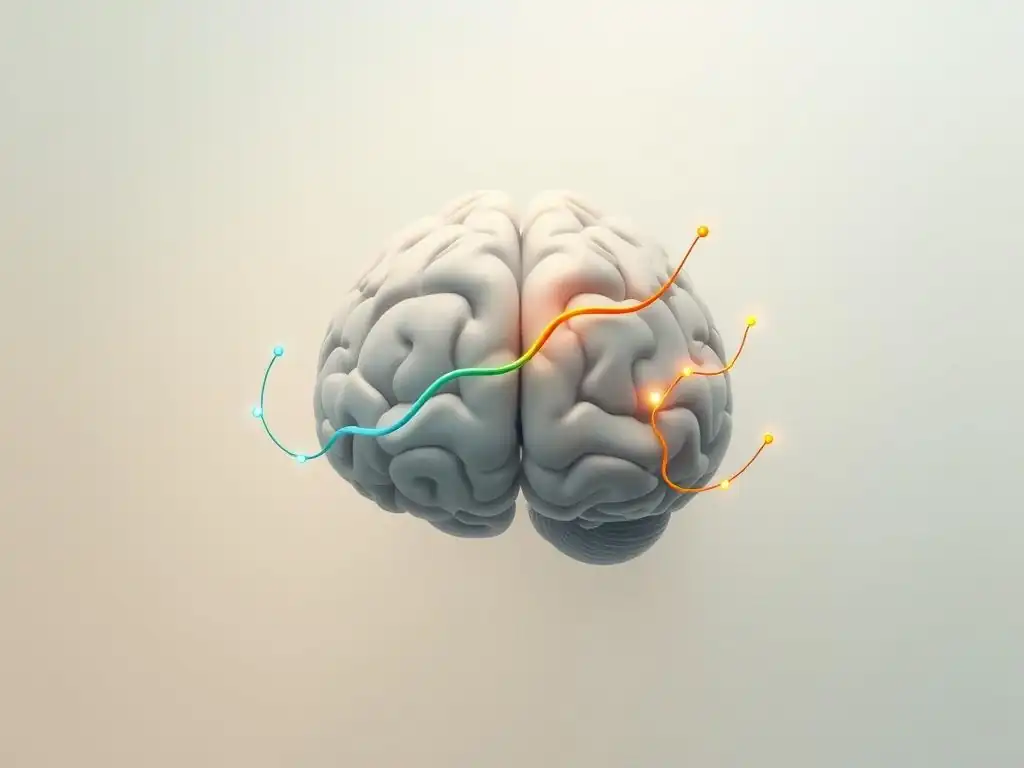
How Dopamine and Norepinephrine Pathways Interact
The relationship between dopamine and norepinephrine is intricate and deeply intertwined in the brain. Biochemically, dopamine is actually a precursor to norepinephrine; the enzyme dopamine beta-hydroxylase converts dopamine into norepinephrine in the neurons that produce NE. This means that factors affecting dopamine synthesis or metabolism can indirectly impact norepinephrine levels. Furthermore, neurons that release dopamine and norepinephrine often project to similar brain regions, particularly the prefrontal cortex, where they interact and modulate each other's effects through various receptor subtypes.
These interactions are not simply additive; they are complex modulations. For example, norepinephrine signaling can influence dopamine release, and vice versa. This close functional relationship means that a dysregulation in one system often impacts the other, contributing to the multifaceted nature of ADHD symptoms. Understanding this interplay is crucial because many effective norepinephrine ADHD treatment options don't just affect one neurotransmitter in isolation, but rather influence the balance between them.
The Combined Effect on Executive Function
Executive functions—the set of cognitive skills that help us plan, organize, remember details, and manage time—are heavily reliant on the coordinated activity of both dopamine and norepinephrine in the prefrontal cortex. Dopamine is critical for maintaining information in working memory and for flexibility in switching tasks, while norepinephrine is essential for maintaining the state of alertness and focus needed to engage with and process information effectively. Optimal executive function requires a delicate balance and interaction between these two neurotransmitter systems.
When there is dysfunction in either dopamine or norepinephrine pathways, or in their interaction, executive function abilities are compromised. In ADHD, the combined impact of dysregulated dopamine and norepinephrine can lead to significant challenges with planning, organization, time management, and self-regulation. Many effective norepinephrine ADHD treatment options aim to restore a more optimal balance of both neurotransmitters in the prefrontal cortex to improve these crucial cognitive skills.
Brain Regions Involved: Prefrontal Cortex and Locus Coeruleus
Two brain regions are particularly central to the interplay of dopamine and norepinephrine in ADHD: the prefrontal cortex (PFC) and the locus coeruleus (LC). The LC is the brain's primary source of norepinephrine, sending widespread projections throughout the brain, including dense connections to the PFC. The PFC, often considered the brain's executive control center, receives significant input from both dopamine neurons originating in the ventral tegmental area (VTA) and norepinephrine neurons from the LC.
In the PFC, dopamine and norepinephrine work together to modulate neuronal activity, influencing attention, working memory, impulse control, and decision-making. Dysregulation in the LC's firing patterns or altered sensitivity of adrenergic and dopaminergic receptors in the PFC are strongly implicated in the pathophysiology of ADHD. Effective norepinephrine ADHD treatment options target these pathways, aiming to optimize neurotransmitter signaling in these critical brain regions to alleviate symptoms.
Norepinephrine ADHD Treatment Options: Medications and Beyond
Stimulant Medications: Targeting Both Dopamine and Norepinephrine
Stimulant medications are among the most commonly prescribed and effective norepinephrine ADHD treatment options. While often thought of primarily as dopamine enhancers, most stimulants also significantly impact norepinephrine levels in the brain. They work by blocking the reuptake of both dopamine and norepinephrine back into the neurons that released them, and in some cases, by increasing the release of these neurotransmitters from storage vesicles. This dual action helps to increase the availability of both dopamine and norepinephrine in the synaptic cleft, particularly in the prefrontal cortex, which is crucial for improving attention and executive function.
The effectiveness of stimulants in treating ADHD symptoms is well-established, with studies indicating that approximately 70-80% of individuals with ADHD respond positively to one type of stimulant medication. Their action on both dopamine and norepinephrine pathways contributes to their broad impact on symptoms like inattention, hyperactivity, and impulsivity. Understanding this dual mechanism is important when considering norepinephrine ADHD treatment options, as it highlights why these medications are often so effective.
Methylphenidate (Ritalin, Concerta): Its Effects on Norepinephrine
Methylphenidate, commonly known by brand names like Ritalin or Concerta, is a widely used stimulant medication for ADHD. While it is often characterized as a dopamine reuptake inhibitor, methylphenidate also significantly inhibits the reuptake of norepinephrine. This action increases the concentration of both neurotransmitters in the synaptic space, particularly in brain regions like the prefrontal cortex.
By blocking the norepinephrine transporter (NET) alongside the dopamine transporter (DAT), methylphenidate enhances norepinephrine signaling. This contributes to its effects on improving alertness, sustained attention, and the ability to filter distractions. The degree to which methylphenidate affects dopamine versus norepinephrine reuptake can vary slightly depending on the specific preparation and individual neurochemistry, but its influence on the norepinephrine system is a key component of its therapeutic effect as a norepinephrine ADHD treatment option.
Amphetamine-Based Medications (Adderall, Vyvanse): Norepinephrine Influence
Amphetamine-based medications, such as Adderall and Vyvanse, are another class of stimulants frequently prescribed for ADHD. These medications work slightly differently than methylphenidate; they not only block the reuptake of dopamine and norepinephrine but also promote their release from presynaptic neurons. This mechanism generally leads to a larger increase in extracellular concentrations of both neurotransmitters compared to methylphenidate.
Amphetamines tend to have a potent effect on both dopamine and norepinephrine systems, often with a relatively strong influence on norepinephrine release and reuptake blockade. This robust action on norepinephrine contributes significantly to their effectiveness in treating core ADHD symptoms, including hyperactivity and impulsivity, in addition to attention deficits. Like methylphenidate, the precise balance of effects varies, but their impact on norepinephrine is a critical aspect of how these medications function as norepinephrine ADHD treatment options.
Non-Stimulant Medications: Focusing on Norepinephrine
For individuals who do not respond well to stimulants, experience significant side effects, or have co-occurring conditions where stimulants are contraindicated, non-stimulant medications offer alternative norepinephrine ADHD treatment options. These medications often specifically target the norepinephrine system, providing a different pharmacological approach to managing symptoms. They typically have a slower onset of action compared to stimulants, often taking several weeks to reach full therapeutic effect, but can provide consistent symptom control throughout the day.
Non-stimulants that target norepinephrine are particularly valuable for their ability to improve attention, reduce hyperactivity and impulsivity, and sometimes address associated symptoms like anxiety or tics. While they may be less potent for some individuals compared to stimulants, they represent crucial norepinephrine ADHD treatment options that can be highly effective for others, either alone or in combination with other therapies.
Atomoxetine (Strattera): A Selective Norepinephrine Reuptake Inhibitor (SNRI)
Atomoxetine (brand name Strattera) is a selective norepinephrine reuptake inhibitor (SNRI) and one of the primary non-stimulant norepinephrine ADHD treatment options. Unlike stimulants, atomoxetine works almost exclusively by blocking the reuptake of norepinephrine, leading to increased norepinephrine levels in the synapse, particularly in the prefrontal cortex. It has minimal effect on dopamine reuptake.
Because it selectively targets norepinephrine, atomoxetine can be a good choice for individuals who need consistent symptom control throughout the day or those with concerns about stimulant use. Clinical trials show atomoxetine is effective in reducing symptoms of inattention, hyperactivity, and impulsivity, with response rates often reported in the range of 50-60% of patients. Its non-stimulant nature means it is not a controlled substance, which can be a factor for some individuals and families when considering norepinephrine ADHD treatment options.
Guanfacine (Intuniv): Targeting Alpha-2A Adrenergic Receptors
Guanfacine (brand names Tenex, Intuniv) is another non-stimulant medication used as a norepinephrine ADHD treatment option. It works by selectively stimulating alpha-2A adrenergic receptors, particularly those located in the prefrontal cortex. These receptors are crucial for mediating norepinephrine's effects on attention, working memory, and impulse control. By acting as an agonist at these receptors, guanfacine essentially mimics the positive effects of norepinephrine signaling in these areas.
Guanfacine is often particularly effective for reducing hyperactivity, impulsivity, and emotional dysregulation in individuals with ADHD. It can also help with sleep difficulties sometimes associated with ADHD. It is available in both immediate-release (Tenex) and extended-release (Intuniv) formulations. Its unique mechanism of action, targeting specific norepinephrine receptors rather than reuptake transporters, makes it a valuable alternative among norepinephrine ADHD treatment options, sometimes used alone or in combination with stimulants.
Comparing Stimulant and Non-Stimulant Norepinephrine ADHD Treatment Options
When considering norepinephrine ADHD treatment options, the choice between stimulants and non-stimulants often depends on individual factors, symptom profiles, and response to medication. Stimulants, which affect both dopamine and norepinephrine, typically offer faster and often more robust symptom relief for a majority of individuals. They are generally considered first-line treatment due to their high efficacy rates, often around 70-80% response. However, they are controlled substances and can have side effects like appetite suppression, sleep problems, and increased heart rate or blood pressure.
Non-stimulants, focusing primarily on norepinephrine (like atomoxetine) or specific norepinephrine receptors (like guanfacine), offer alternative norepinephrine ADHD treatment options. They work more gradually but provide consistent, 24-hour symptom control without the potential for misuse. They may be preferred for individuals with anxiety, tics, or substance use history. Response rates can be lower than stimulants (e.g., 50-60% for atomoxetine), and side effects can differ, potentially including drowsiness or gastrointestinal issues. The decision on the best norepinephrine ADHD treatment options should always be made in consultation with a healthcare provider after a thorough evaluation.
Medication Comparison: Mechanism, Benefits, and Side Effects
Here is a brief comparison of common norepinephrine ADHD treatment options:
- Methylphenidate (Ritalin, Concerta)
- Mechanism: Blocks reuptake of dopamine and norepinephrine.
- Benefits: Rapid onset (within 30-60 min), effective for attention, hyperactivity, impulsivity. High response rate (70-80%).
- Side Effects: Decreased appetite, sleep problems, increased heart rate/blood pressure, anxiety.
- Amphetamine Salts (Adderall, Vyvanse)
- Mechanism: Blocks reuptake and increases release of dopamine and norepinephrine.
- Benefits: Rapid onset, often very effective, similar benefits to methylphenidate. High response rate (70-80%).
- Side Effects: Similar to methylphenidate, potentially stronger cardiovascular effects for some.
- Atomoxetine (Strattera)
- Mechanism: Selective norepinephrine reuptake inhibitor (SNRI).
- Benefits: Non-stimulant, non-controlled, 24/7 symptom control, can help with anxiety. Slower onset (weeks). Response rate (50-60%).
- Side Effects: Nausea, fatigue, decreased appetite, potential liver issues (rare), suicidal ideation (rare, boxed warning).
- Guanfacine (Intuniv)
- Mechanism: Alpha-2A adrenergic receptor agonist.
- Benefits: Non-stimulant, effective for hyperactivity, impulsivity, emotional regulation, tics. Slower onset (weeks).
- Side Effects: Drowsiness, fatigue, decreased blood pressure, dizziness.
This comparison highlights the diverse ways norepinephrine ADHD treatment options work and their varied profiles, emphasizing the need for personalized treatment approaches.
Alternative Approaches to Boosting Norepinephrine Levels Naturally

Lifestyle Modifications for Enhancing Norepinephrine
While medication is a cornerstone of norepinephrine ADHD treatment options for many, lifestyle modifications can also play a supportive role in modulating neurotransmitter systems, including norepinephrine. These approaches work by promoting overall brain health and function, which can indirectly support optimal neurotransmitter balance. While they are not typically sufficient on their own to manage moderate to severe ADHD symptoms, integrating them into a comprehensive treatment plan can enhance well-being and potentially support the effectiveness of other interventions.
Understanding how daily habits impact neurochemistry can empower individuals with ADHD. Implementing strategies that naturally support norepinephrine pathways can be a valuable complement to pharmacological norepinephrine ADHD treatment options. These strategies focus on behaviors known to influence stress response, energy levels, and overall brain vitality.
The Role of Exercise in Norepinephrine Production
Regular physical exercise is a powerful lifestyle intervention that significantly impacts brain health and neurotransmitter levels, including norepinephrine. Aerobic exercise, in particular, has been shown to increase the release and synthesis of norepinephrine (and dopamine) in various brain regions, including those involved in attention and executive function. This neurochemical boost contributes to the immediate post-exercise improvements in mood, focus, and cognitive performance that many people experience.
For individuals with ADHD, incorporating consistent exercise into their routine can be a beneficial adjunctive strategy. Studies and clinical observations suggest that regular physical activity can help reduce symptoms like hyperactivity and improve attention and executive control. While not a direct substitute for pharmacological norepinephrine ADHD treatment options, exercise provides a natural way to support the very neurotransmitter systems targeted by medication. Aiming for at least 30 minutes of moderate-intensity exercise most days of the week is a common recommendation.
Diet and Nutrition: Supporting Norepinephrine Synthesis
Proper nutrition provides the necessary building blocks for neurotransmitter synthesis, including norepinephrine. Norepinephrine is synthesized from the amino acid tyrosine (which is derived from phenylalanine). Therefore, consuming adequate protein, which contains these amino acids, is important. Additionally, several vitamins and minerals act as cofactors in the enzymatic steps required to convert tyrosine into norepinephrine. These include Vitamin B6, Vitamin C, copper, and magnesium.
Ensuring a balanced diet rich in lean proteins, fruits, vegetables, and whole grains provides the raw materials and cofactors needed for healthy neurotransmitter production. While simply taking supplements without a diagnosed deficiency is generally not recommended as a primary norepinephrine ADHD treatment option, ensuring nutritional adequacy is a foundational element of overall brain health. Avoiding excessive sugar and processed foods, which can lead to energy crashes and potentially impact mood and focus, is also advisable.
Stress Management Techniques: Minimizing Norepinephrine Depletion
Chronic stress can significantly impact the norepinephrine system. While acute stress causes a surge in norepinephrine (part of the 'fight or flight' response), prolonged or chronic stress can lead to dysregulation and potentially depletion of norepinephrine stores over time. This can exacerbate ADHD symptoms like difficulty focusing, irritability, and fatigue. Therefore, effective stress management is an important, albeit indirect, approach to supporting healthy norepinephrine levels.
Techniques such as mindfulness meditation, deep breathing exercises, yoga, spending time in nature, and ensuring sufficient sleep can help regulate the body's stress response system. By reducing the impact of chronic stress, these practices can help prevent the detrimental effects on norepinephrine pathways. Integrating stress management alongside pharmacological norepinephrine ADHD treatment options can contribute to more stable mood and improved ability to cope with daily challenges.
Dietary and Exercise Recommendations
Specific dietary recommendations to support norepinephrine synthesis include ensuring sufficient intake of protein sources like lean meats, fish, eggs, dairy, legumes, nuts, and seeds, which provide tyrosine and phenylalanine. Consuming foods rich in Vitamin B6 (like bananas, potatoes, chickpeas), Vitamin C (citrus fruits, berries, bell peppers), copper (nuts, seeds, legumes, dark chocolate), and magnesium (leafy greens, nuts, seeds, whole grains) can also be beneficial. Hydration is also key for overall brain function.
For exercise, the goal is regular, moderate-intensity activity. This could include brisk walking, jogging, cycling, swimming, or team sports. Consistency is more important than intensity. Finding activities that are enjoyable increases the likelihood of sticking with them. Even short bursts of physical activity throughout the day can be helpful. These natural strategies complement pharmacological norepinephrine ADHD treatment options by promoting a healthier brain environment.
The Future of ADHD Treatment: Targeting Norepinephrine More Precisely
Research into Novel Norepinephrine-Based Therapies
The growing understanding of norepinephrine's complex role in ADHD is fueling research into novel therapeutic approaches that target this system more precisely. Current norepinephrine ADHD treatment options like atomoxetine and guanfacine have proven valuable, but there is ongoing work to develop medications with improved efficacy profiles, fewer side effects, or more specific actions on particular norepinephrine receptor subtypes or brain circuits. For instance, researchers are exploring compounds that might selectively modulate alpha-1 or beta adrenergic receptors, which also play roles in attention and behavior, but are less targeted by current medications.
Furthermore, research is delving into the possibility of developing drugs that modulate the locus coeruleus itself or enzymes involved in norepinephrine synthesis and breakdown. The goal is to create norepinephrine ADHD treatment options that can fine-tune the activity of specific neural pathways implicated in ADHD symptoms, potentially leading to better outcomes for individuals who don't fully respond to existing treatments or experience significant side effects. This research represents the cutting edge of psychopharmacology for ADHD.
Personalized Medicine: Tailoring Treatment to Individual Neurotransmitter Profiles
A significant area of future research in norepinephrine ADHD treatment options involves personalized medicine. The recognition that ADHD is heterogeneous and likely involves variations in multiple neurotransmitter systems (dopamine, norepinephrine, serotonin, etc.) across individuals suggests that a one-size-fits-all approach to treatment may not be optimal. Future directions aim to identify individual neurobiological profiles to predict which type of medication or intervention will be most effective.
This could involve genetic testing to look for variations in genes related to dopamine or norepinephrine transporters or receptors that might influence medication response. It might also include neuroimaging techniques to assess the activity or structure of brain regions involved in these neurotransmitter pathways. The vision is to move towards a model where norepinephrine ADHD treatment options are selected based on an individual's specific neurobiological makeup, maximizing efficacy and minimizing trial-and-error prescribing.
Advanced Treatments: Gene Therapies and Neurofeedback
Looking further into the future, advanced therapeutic approaches are being explored, although they are still largely in experimental or early research stages. Gene therapies, for example, could theoretically target specific enzymes or receptors involved in norepinephrine synthesis or signaling to correct underlying dysregulations. This is a complex area with significant technical and ethical hurdles, but it represents a potential avenue for highly targeted intervention.
Neurofeedback is another area showing promise, aiming to train individuals to self-regulate brain activity patterns associated with attention and executive function. While not directly manipulating norepinephrine levels, successful neurofeedback may influence the activity of brain circuits modulated by norepinephrine and dopamine, potentially enhancing the effectiveness of or reducing the need for pharmacological norepinephrine ADHD treatment options for some individuals. These advanced treatments highlight the evolving landscape of ADHD care beyond traditional medication.
Conclusion: A Holistic View of ADHD and Norepinephrine
The Importance of Considering Norepinephrine in ADHD Management
Understanding the critical role of norepinephrine alongside dopamine is fundamental to comprehending the full neurobiological picture of ADHD. It moves beyond a simplistic "chemical imbalance" model to recognize the intricate interplay of neurotransmitter systems that regulate attention, impulse control, and executive function. Norepinephrine's influence on alertness, vigilance, and the ability to filter distractions is indispensable for focused behavior, and its dysfunction is a key contributor to core ADHD symptoms.
For individuals seeking effective management strategies, recognizing norepinephrine's importance opens up a wider array of potential norepinephrine ADHD treatment options. It explains why medications specifically targeting norepinephrine can be highly effective, either as first-line treatments or alternatives to stimulants. It also underscores why a comprehensive approach that considers multiple neurochemical pathways, rather than focusing solely on dopamine, is essential for successful diagnosis and treatment planning.
Seeking Comprehensive ADHD Care: A Mind Care Guide Perspective
ADHD is a complex neurodevelopmental condition requiring a nuanced approach to diagnosis and treatment. While norepinephrine ADHD treatment options, particularly medications, are powerful tools in managing symptoms for many individuals, they are often most effective when integrated into a comprehensive care plan. This plan should ideally include behavioral therapies, educational support, coaching, and lifestyle adjustments, alongside appropriate pharmacological interventions.
A Mind Care Guide perspective emphasizes seeking professional evaluation and guidance from qualified healthcare providers specializing in ADHD. They can accurately assess symptoms, consider co-occurring conditions, and recommend the most suitable norepinephrine ADHD treatment options based on an individual's unique needs and circumstances. Effective ADHD management is a journey that benefits from a holistic view, combining neurobiological understanding with personalized, multi-modal strategies to support individuals in thriving.
Frequently Asked Questions
What role does norepinephrine play in ADHD, and how does it differ from dopamine's role?
Norepinephrine is a neurotransmitter crucial for focus and attention, while dopamine is primarily involved in reward and motivation. ADHD involves deficiencies in both, making it more complex than solely a dopamine issue.
What are the common Norepinephrine ADHD treatment options available?
Treatment options include stimulant medications that boost both dopamine and norepinephrine, as well as non-stimulant medications focusing primarily on norepinephrine. Lifestyle changes can also help support norepinephrine levels.
Are there any non-medication approaches to managing ADHD symptoms by targeting norepinephrine?
Yes, strategies like mindfulness meditation, regular exercise, and a balanced diet can positively impact norepinephrine levels and improve ADHD symptoms. These approaches are often used alongside medication.
What are the potential side effects of medications that target norepinephrine for ADHD treatment?
Common side effects may include increased blood pressure, insomnia, and decreased appetite. It's crucial to discuss these potential side effects with a healthcare professional before starting any medication.
How can I determine if a norepinephrine-focused treatment approach is right for my ADHD symptoms?
A thorough assessment by a psychiatrist or qualified healthcare provider is essential. They will evaluate your specific symptoms, medical history, and response to previous treatments to determine the most appropriate approach.
Final Reflection: Beyond Dopamine: Unveiling the Complex Role of Norepinephrine in ADHD
The under-recognized role of norepinephrine in ADHD is not merely an academic curiosity; it's a crucial piece of the puzzle in understanding and treating this complex neurodevelopmental disorder. Failing to fully appreciate the intricate interplay between dopamine and norepinephrine significantly limits our ability to develop truly effective and personalized treatment strategies for individuals struggling with ADHD. This oversight has real-world consequences for millions.
The ongoing research into norepinephrine's influence on ADHD symptoms, particularly regarding attention, focus, and emotional regulation, highlights the limitations of a solely dopamine-centric approach. Understanding this nuanced neurochemical picture allows us to move beyond simplistic explanations and embrace a more holistic understanding of the condition. The brain is a symphony, not a solo instrument,
and ADHD treatment should reflect this complexity. This quote underscores the need for a multi-faceted approach that considers the intricate dance of neurotransmitters within the brain. The impact of this research extends beyond the clinical realm, influencing how we perceive and support individuals with ADHD in their daily lives.
Consider the implications of this newfound understanding. You are now equipped with a deeper appreciation for the complexities of ADHD. This knowledge empowers you to engage in more informed conversations with your healthcare providers, advocate for personalized treatment plans, and ultimately, improve your own well-being or that of someone you care about. Don't settle for a one-size-fits-all approach. Explore the possibilities offered by a more comprehensive understanding of norepinephrine's role in ADHD and actively participate in shaping a future where treatment is tailored to the unique neurochemical profile of each individual.
Unlock Your Focus: Take Control of Your ADHD
Thanks for exploring the fascinating world of norepinephrine and its role in ADHD with us! We hope you gained a clearer understanding of this complex neurotransmitter and its impact on focus and attention. Ready to take the next step?
- Dive deeper into personalized strategies: Consider journaling your experiences with focus and energy levels over the next week. Identify patterns and triggers. This self-reflection can be incredibly insightful!
- Share your insights: Let's build a supportive community! Share your thoughts and experiences in the comments below. What resonated most with you from this article?
- Explore complementary approaches: Research mindfulness techniques or explore dietary changes to potentially support norepinephrine balance. Even small steps can make a big difference.
What simple strategy will you try first to enhance your focus and manage ADHD symptoms?