
The Neurobiological Basis of StressInduced Hyperarousal

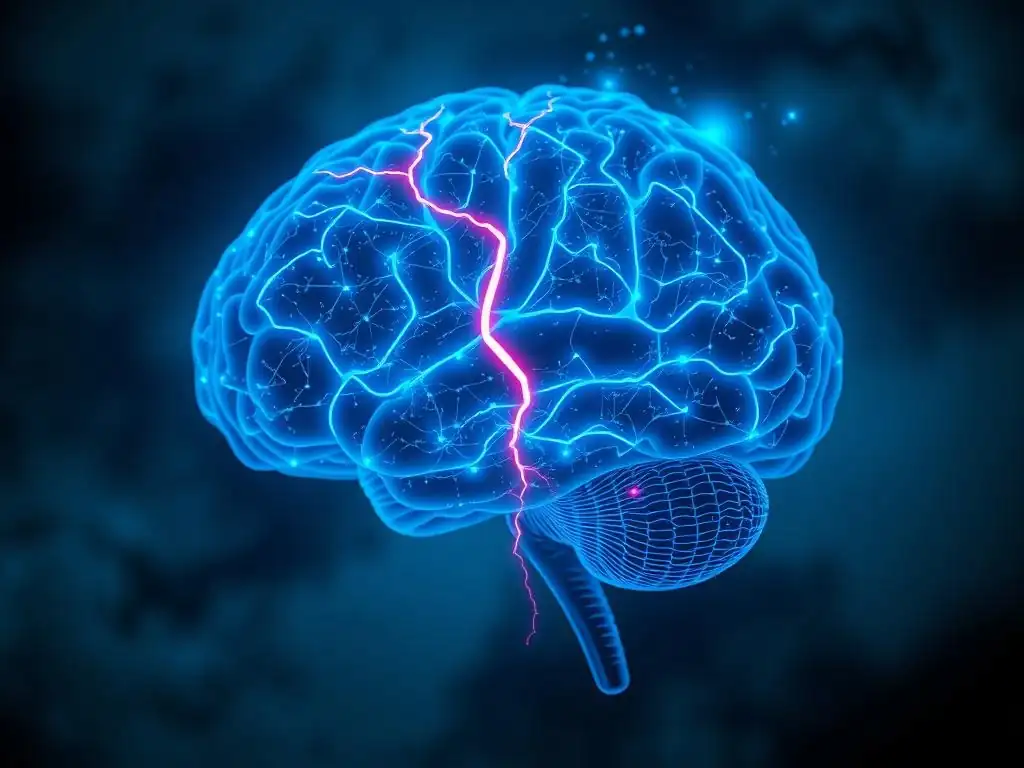
Welcome to Mind Care Guide, your sanctuary for understanding and nurturing mental well-being.
Feeling overwhelmed by stress? Dive into our exploration of " Stress hyperarousal neurobiology explained" and unlock the secrets behind your body's response to pressure. Discover how neuroscience illuminates the path to reclaiming your calm and building resilience. Let's begin your journey towards a more balanced you.
The Neurobiological Basis of Stress-Induced Hyperarousal: A Comprehensive Guide
- Introduction: Understanding Stress Hyperarousal and Its Neurobiological Roots
- Defining Stress Hyperarousal: A Neurobiological Perspective
- The Brain Regions Involved in Stress and Hyperarousal
- Neurotransmitters and Stress-Induced Hyperarousal: A Detailed Look
- Genetic and Environmental Factors in Stress Hyperarousal Neurobiology
- The Impact of Chronic Stress on Brain Structure and Function
- Diagnosing and Assessing Stress-Induced Hyperarousal
-
Managing and Treating Stress Hyperarousal: Neurobiological Approaches
- Therapeutic Interventions: Targeting the Neurobiological Pathways of Stress
- Cognitive Behavioral Therapy (CBT) and Neuroplasticity
- Mindfulness and Meditation: Calming the Hyperaroused Brain
- Pharmacological Interventions: Medications for Anxiety and Arousal
- Lifestyle Modifications: Diet, Exercise, and Sleep Hygiene for Stress Reduction
- The Future of Research in Stress Hyperarousal Neurobiology
- Conclusion: Empowering Individuals to Manage Stress and Promote Brain Health
- Frequently Asked Questions
- Final Reflection: Unraveling the Enigma of Stress-Induced Hyperarousal
- Unlock Your Calm: Practical Steps to Manage Hyperarousal
Introduction: Understanding Stress Hyperarousal and Its Neurobiological Roots
The Importance of Recognizing Stress-Induced Hyperarousal
Stress-induced hyperarousal is a state where an individual's nervous system remains on high alert, even after a stressful event has passed. Recognizing this state is crucial because it significantly impacts daily functioning and long-term health. Unlike a typical stress response that subsides once the threat is gone, hyperarousal persists, leading to chronic anxiety, difficulty sleeping, irritability, and an exaggerated startle response. This persistent state of alert taxes the body and mind, contributing to a range of physical and psychological issues. Understanding the stress hyperarousal neurobiology explained in this guide is the first step towards effective management and recovery.
Failure to recognize and address stress-induced hyperarousal can lead to a cascade of negative outcomes. For example, chronic sleep deprivation, a common symptom, impairs cognitive function, decision-making, and emotional regulation. Persistent muscle tension and elevated heart rate can contribute to cardiovascular problems over time. Furthermore, the constant feeling of being "on edge" strains relationships and reduces overall quality of life. Early identification allows for timely intervention, mitigating these potential long-term consequences and supporting the individual's journey toward mental well-being.
This comprehensive guide delves into the intricate relationship between stress and the brain, specifically focusing on the neurobiological underpinnings of hyperarousal. We will explore the key brain regions, neurotransmitters, and hormonal pathways involved in the stress response and how their dysregulation contributes to a state of chronic alertness. The aim is to provide a clear, detailed explanation of the stress hyperarousal neurobiology explained through scientific research and clinical observations.
Navigating the complexities of stress and the brain requires understanding not just the "what" but the "how" and "why." We will break down the sophisticated biological mechanisms that govern our reactions to perceived threats, examining how genetic predispositions and environmental factors like early life trauma can shape these responses. By illuminating these complex processes, this guide empowers individuals with the knowledge needed to understand their experiences and explore effective strategies for managing hyperarousal, fostering resilience, and promoting brain health.
Defining Stress Hyperarousal: A Neurobiological Perspective
What is Stress Hyperarousal? Symptoms and Manifestations
Stress hyperarousal, from a neurobiological perspective, represents a persistent activation of the sympathetic nervous system and the brain's threat detection circuits. It's a state where the "fight or flight" response remains partially or fully engaged even in the absence of immediate danger. This can manifest in a variety of ways, differing slightly from person to person but often including a core set of symptoms related to heightened physiological and psychological reactivity.
Common symptoms include:
- Difficulty falling or staying asleep (insomnia)
- Irritability or outbursts of anger
- Difficulty concentrating
- Hypervigilance (feeling constantly watchful for danger)
- Exaggerated startle response (jumping easily at sudden noises or movements)
- Physical tension (muscle tightness, jaw clenching)
- Restlessness or feeling keyed up
These symptoms are direct manifestations of the underlying neurobiological changes, such as elevated levels of stress hormones and increased activity in brain regions associated with fear and arousal. The persistent state of alertness consumes significant energy and prevents the body and mind from entering restorative states necessary for health and balance.
Differentiating Hyperarousal from Other Stress Responses
While hyperarousal is a response to stress, it's distinct from acute stress reactions or general anxiety. An acute stress response is a temporary reaction to an immediate threat, like slamming on brakes to avoid an accident. Physiological changes occur (heart rate increases, adrenaline surges), but they quickly return to baseline once the threat passes. General anxiety, while involving worry and apprehension, doesn't always include the same level of persistent physiological activation and exaggerated reactivity characteristic of hyperarousal.
Hyperarousal is often associated with trauma or chronic stress exposure and represents a more ingrained alteration in the brain's stress response system. Unlike the adaptive, short-term changes of acute stress, the neurobiology of stress hyperarousal involves more enduring changes in neural circuits and hormonal regulation. This distinction is vital for accurate diagnosis and effective treatment, as interventions for hyperarousal may need to target specific neurobiological pathways that are chronically overactive.
The Brain Regions Involved in Stress and Hyperarousal
The Amygdala: The Brain's Fear Center and Hyperarousal
The amygdala, a pair of almond-shaped structures deep within the temporal lobes, is often referred to as the brain's fear center. It plays a critical role in processing emotions, particularly fear and threat detection. When faced with a perceived threat, the amygdala quickly activates, triggering the initial stages of the stress response, including the release of stress hormones. In individuals experiencing stress-induced hyperarousal, the amygdala often shows heightened activity and reactivity.
Research using fMRI (functional magnetic resonance imaging) has demonstrated increased amygdala size and activity in individuals with conditions linked to hyperarousal, such as Post-Traumatic Stress Disorder (PTSD). For instance, studies have shown that the amygdala of someone with PTSD might be significantly more active when exposed to trauma-related cues compared to a healthy individual or someone with general anxiety. This persistent overactivity contributes directly to hypervigilance and the exaggerated startle response seen in hyperarousal, highlighting the amygdala's central role in this neurobiological state.
The Hypothalamus: Orchestrating the Stress Response
The hypothalamus, located at the base of the brain, acts as the command center for the body's stress response system, specifically the Hypothalamic-Pituitary-Adrenal (HPA) axis. Upon receiving signals from the amygdala about a potential threat, the hypothalamus releases corticotropin-releasing hormone (CRH). This hormone signals the pituitary gland, initiating a hormonal cascade that culminates in the release of cortisol from the adrenal glands. The hypothalamus effectively translates emotional signals from the amygdala into physiological responses.
In stress hyperarousal neurobiology explained, the hypothalamus may become dysregulated, leading to chronic overproduction of CRH. This persistent signaling keeps the HPA axis in a state of chronic activation, contributing to the sustained high levels of stress hormones characteristic of hyperarousal. This dysregulation can be influenced by chronic stress or trauma, essentially 'recalibrating' the hypothalamus's sensitivity and threshold for initiating the stress response, making the individual more prone to remaining in a state of alert.
The Prefrontal Cortex: Cognitive Control and Hyperarousal Regulation
The prefrontal cortex (PFC), located at the front of the brain, is responsible for higher-level cognitive functions such as planning, decision-making, working memory, and emotional regulation. It plays a crucial role in inhibiting or modulating the activity of the amygdala and the stress response initiated by the hypothalamus. A healthy PFC can help put perceived threats into context and signal to the lower brain regions that the danger has passed, allowing the stress response to subside.
However, chronic stress and trauma, often underlying stress hyperarousal, can impair PFC function. Studies have shown reduced volume and decreased activity in certain areas of the PFC in individuals with chronic stress-related disorders. This weakened cognitive control means the PFC is less effective at dampening the overactive amygdala and regulating the HPA axis. The result is a reduced capacity to manage fear and anxiety, contributing significantly to the persistence of hyperarousal symptoms like difficulty concentrating and emotional dysregulation.
The HPA Axis: Hormonal Regulation of Stress and Arousal
The Hypothalamic-Pituitary-Adrenal (HPA) axis is a complex system of interactions between the hypothalamus, pituitary gland, and adrenal glands. It is the body's primary neuroendocrine pathway for responding to stress. When the hypothalamus releases CRH, the pituitary gland releases adrenocorticotropic hormone (ACTH), which then stimulates the adrenal glands to produce cortisol, the main stress hormone. Cortisol prepares the body for "fight or flight" by increasing blood sugar, suppressing the immune system, and enhancing memory formation related to the stressor.
In a healthy system, cortisol levels rise during stress but then return to baseline as the HPA axis receives feedback signals indicating the threat is over. This feedback loop involves cortisol binding to receptors in the hypothalamus and hippocampus (another brain region involved in memory and stress regulation), signaling them to reduce CRH and ACTH production. In stress hyperarousal neurobiology explained, this feedback loop is often impaired.
Chronic stress can damage neurons in the hippocampus, reducing its ability to detect cortisol and signal the HPA axis to stand down. This leads to sustained high cortisol levels, perpetuating the state of hyperarousal and contributing to its wide-ranging effects on the body and brain.
Neurotransmitters and Stress-Induced Hyperarousal: A Detailed Look
Cortisol: The Stress Hormone's Role in Hyperarousal
Cortisol, produced by the adrenal glands under the command of the HPA axis, is the primary hormone involved in the prolonged stress response. While essential for immediate survival, chronic elevation of cortisol is central to stress-induced hyperarousal. High levels of cortisol maintain the body in a state of alert, affecting numerous physiological processes. For example, sustained cortisol can keep heart rate and blood pressure elevated, contribute to muscle tension, and disrupt sleep patterns, all hallmark symptoms of hyperarousal.
Beyond the immediate physical effects, chronic cortisol significantly impacts brain function. It can impair the hippocampus, affecting memory and the ability to regulate the HPA axis itself. It can also enhance the reactivity of the amygdala, making the individual more sensitive to perceived threats. Studies have consistently found elevated baseline cortisol levels or altered diurnal cortisol patterns (where levels don't drop normally at night) in individuals with chronic stress and hyperarousal, underscoring its critical role in perpetuating this state.
Norepinephrine (Noradrenaline): The Arousal Neurotransmitter
Norepinephrine, also known as noradrenaline, is both a neurotransmitter and a hormone. In the brain, it plays a key role in vigilance, arousal, attention, and the "fight or flight" response. It is released from neurons in the locus coeruleus, a brainstem nucleus, in response to stress signals. Norepinephrine increases heart rate, blood pressure, and respiratory rate, preparing the body for action. Its activity is closely linked to the sympathetic nervous system.
In stress hyperarousal neurobiology explained, there is often dysregulation in the norepinephrine system. Chronic stress can lead to an overactive locus coeruleus, resulting in excessive release of norepinephrine. This contributes significantly to the hypervigilance, exaggerated startle response, and difficulty sleeping characteristic of hyperarousal. For instance, research indicates that individuals with PTSD show heightened norepinephrine responses to stimuli, demonstrating how this neurotransmitter's dysregulation drives key hyperarousal symptoms.
Serotonin: Its Impact on Anxiety and Hyperarousal
Serotonin is a neurotransmitter that plays a complex role in mood, anxiety, sleep, and stress response. While often associated with mood regulation, serotonin also modulates the activity of the amygdala and the HPA axis. Its effects on anxiety and hyperarousal are multifaceted and depend on the specific serotonin receptor subtypes involved and the brain region. Generally, optimal serotonin levels are thought to help regulate the stress response and promote emotional stability.
Dysregulation of serotonin signaling has been implicated in various anxiety disorders and conditions involving hyperarousal. For example, some research suggests that altered serotonin transporter function, potentially influenced by genetics or early stress, can affect an individual's vulnerability to developing hyperarousal symptoms. Many pharmacological treatments for anxiety and related conditions that involve hyperarousal target the serotonin system, aiming to restore a more balanced neurotransmitter environment to help dampen the overactive stress response.
GABA: The Inhibitory Neurotransmitter and Hyperarousal
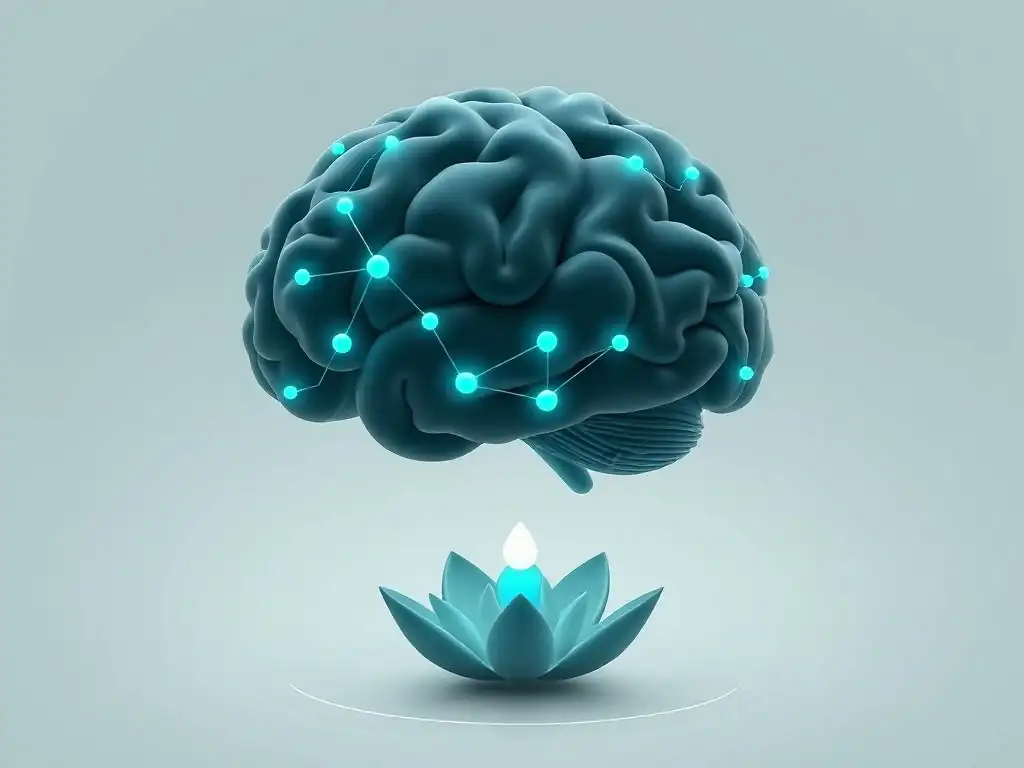
Gamma-aminobutyric acid (GABA) is the primary inhibitory neurotransmitter in the central nervous system. Its main function is to reduce neuronal excitability, essentially acting as the brain's "brake." GABA counteracts the excitatory effects of neurotransmitters like glutamate and norepinephrine, helping to calm neural activity. In the context of stress and arousal, GABAergic signaling helps to modulate the activity of stress-related brain regions, including the amygdala and the locus coeruleus.
Deficiencies or impaired function of the GABA system are strongly linked to increased anxiety, excitability, and hyperarousal. If GABA is unable to effectively inhibit neuronal firing in stress circuits, these circuits remain overactive, contributing to a state of chronic alertness and reactivity. For instance, benzodiazepines, a class of medications sometimes used to treat acute anxiety and sleep issues related to hyperarousal, work by enhancing GABAergic transmission, thereby increasing inhibition and calming the nervous system. This highlights the crucial role of a healthy GABA system in preventing and reducing stress-induced hyperarousal.
Dopamine: Reward, Motivation, and Stress Response
Dopamine is a neurotransmitter most famously associated with the brain's reward and motivation system. However, it also plays a significant role in modulating the stress response and influencing emotional processing. Dopamine interacts with other neurotransmitter systems, including norepinephrine and serotonin, and influences activity in brain regions involved in stress, such as the prefrontal cortex and the amygdala. Its role in hyperarousal is complex and less direct than that of cortisol or norepinephrine, but still important.
Stress, particularly unpredictable or chronic stress, can significantly alter dopamine signaling. This can affect motivation, pleasure perception, and contribute to symptoms like irritability or difficulty finding joy in activities, which can accompany hyperarousal. Furthermore, dopamine pathways interact with those involved in vigilance and threat processing, potentially contributing to the heightened reactivity seen in hyperarousal. While not the primary driver of the 'alert' state, dopamine dysregulation can exacerbate the emotional and motivational difficulties experienced by individuals with stress-induced hyperarousal.
Genetic and Environmental Factors in Stress Hyperarousal Neurobiology
Genetic Predisposition to Stress Sensitivity and Hyperarousal
Individual differences in stress sensitivity and the propensity for developing hyperarousal can be partly attributed to genetic factors. Variations in genes that code for components of the HPA axis, neurotransmitter systems (like serotonin or norepinephrine transporters), or receptors in stress-related brain regions can influence how an individual's brain and body respond to stressors. For example, certain genetic polymorphisms have been associated with altered cortisol responses or differences in amygdala reactivity.
While no single gene dictates whether someone will experience stress hyperarousal, specific genetic profiles can confer a higher vulnerability. This means that even when exposed to similar stressors, individuals with a genetic predisposition might be more likely to develop persistent hyperarousal symptoms compared to those without. Understanding this genetic component is part of the stress hyperarousal neurobiology explained by modern research, helping to identify individuals at higher risk and potentially guiding personalized prevention or treatment strategies.
Early Life Stress and Its Long-Term Impact on Brain Development
Early life stress (ELS), such as childhood trauma, neglect, or chronic adversity, has a profound and lasting impact on brain development and significantly influences stress hyperarousal neurobiology. The developing brain is highly plastic and particularly sensitive to environmental influences. Exposure to severe or prolonged stress during critical developmental periods can permanently alter the structure and function of stress-related circuits, including the amygdala, hippocampus, and prefrontal cortex, as well as the HPA axis.
Studies have shown that individuals who experienced ELS often exhibit persistent changes such as increased amygdala reactivity, reduced hippocampal volume (sometimes by 10-15% compared to control groups in severe cases), and impaired PFC function later in life. These neurobiological alterations make individuals more susceptible to developing stress-related disorders characterized by hyperarousal, such as PTSD or complex trauma. The brain essentially becomes 'wired' to perceive the world as dangerous, maintaining a heightened state of alert even decades after the initial stressor.
Beyond early life experiences, various environmental factors throughout life can trigger or exacerbate stress-induced hyperarousal. Acute trauma, such as a serious accident or assault, is a well-known trigger, often leading to PTSD where hyperarousal is a core symptom cluster. The intense stress response during the traumatic event can "sensitize" the brain's fear circuits, making them overly reactive to future stimuli.
Chronic environmental stressors, such as persistent chronic pain (e.g., fibromyalgia, chronic back pain), long-term social isolation, or ongoing exposure to a high-stress work environment, can also lead to hyperarousal. These sustained stressors keep the HPA axis and sympathetic nervous system chronically active, eventually leading to the dysregulations seen in hyperarousal neurobiology. For instance, chronic pain patients often report sleep disturbances and irritability, reflecting the body's prolonged state of stress-induced alert.
Social isolation can be perceived as a threat by the brain, activating similar stress pathways. These examples underscore how diverse environmental inputs can converge on the same neurobiological pathways to produce hyperarousal.
The Impact of Chronic Stress on Brain Structure and Function
Neuroplasticity and the Hyperaroused Brain: Alterations in Amygdala Volume and PFC Connectivity
Chronic stress significantly impacts brain structure and function through processes of neuroplasticity – the brain's ability to change and adapt. While neuroplasticity is often discussed in positive terms (e.g., learning new skills), it can also lead to maladaptive changes in response to adverse experiences. In the hyperaroused brain, chronic stress can lead to structural alterations, notably in the amygdala and prefrontal cortex.
As mentioned, the amygdala can become enlarged and hyperactive with chronic stress exposure, essentially becoming more dominant in processing information. Conversely, areas of the prefrontal cortex, particularly those involved in executive function and emotional regulation, may show reduced volume and decreased functional connectivity with other brain regions. This imbalance – an overactive fear center and an impaired control center – is a key feature of the stress hyperarousal neurobiology explained by structural changes. For example, studies have shown a negative correlation between cumulative stress exposure and gray matter volume in specific PFC subregions.
The Link Between Chronic Stress, Hyperarousal, and Mental Health Disorders
Chronic stress and the resulting state of hyperarousal are strongly linked to the development and maintenance of various mental health disorders. Conditions like Post-Traumatic Stress Disorder (PTSD), Generalized Anxiety Disorder (GAD), panic disorder, and even depression often feature prominent hyperarousal symptoms. The persistent state of physiological and psychological alert is not just a symptom but can also exacerbate the underlying disorder.
The neurobiological changes driven by chronic stress and hyperarousal – including HPA axis dysregulation, amygdala hyperactivity, and PFC impairment – are core features shared across many of these conditions. For instance, the constant vigilance and exaggerated startle response in PTSD are direct manifestations of the hyperaroused state. Similarly, the restlessness, irritability, and sleep disturbances in GAD reflect an underlying heightened state of nervous system activation. Understanding this link is crucial for developing effective, targeted treatments that address the root neurobiological causes of these debilitating symptoms.
Diagnosing and Assessing Stress-Induced Hyperarousal
Clinical Evaluation and Diagnostic Criteria
Diagnosing stress-induced hyperarousal primarily relies on clinical evaluation, which involves a detailed interview with a mental health professional. The clinician will gather information about the individual's symptoms, their onset, duration, severity, and the contexts in which they occur. They will inquire about potential stressors, past trauma, medical history, and family history of mental health conditions. The Diagnostic and Statistical Manual of Mental Disorders (DSM-5) provides specific criteria for disorders where hyperarousal is a key component, such as PTSD.
For example, the DSM-5 criteria for PTSD include a cluster of symptoms related to alterations in arousal and reactivity, such as irritable behavior, angry outbursts, reckless or self-destructive behavior, hypervigilance, exaggerated startle response, problems with concentration, and sleep disturbance. While hyperarousal can exist outside of a formal PTSD diagnosis, its presence is a significant indicator of a dysregulated stress response system. A thorough clinical interview helps differentiate hyperarousal from other conditions and understand its specific manifestations in an individual.
Physiological Measures of Hyperarousal: Heart Rate Variability, Skin Conductance
Beyond subjective reporting, physiological measures can provide objective data about the body's state of arousal. These measures assess the activity of the autonomic nervous system, which is directly involved in the stress response. Common physiological measures include:
- Heart Rate Variability (HRV): HRV measures the variation in time between heartbeats. Low HRV is often associated with chronic stress and increased sympathetic nervous system activity (linked to fight-or-flight), while higher HRV indicates better regulation and parasympathetic activity (linked to rest-and-digest). Individuals with hyperarousal often exhibit reduced HRV, indicating a nervous system stuck in a high-alert state.
- Skin Conductance (Electrodermal Activity): Skin conductance measures how easily electrical signals pass through the skin, which is influenced by sweat gland activity. Sweat glands are innervated by the sympathetic nervous system, so increased skin conductance reflects higher physiological arousal and stress. Individuals with hyperarousal may show elevated baseline skin conductance or exaggerated skin conductance responses to stimuli.
These physiological assessments offer valuable objective insights into the stress hyperarousal neurobiology explained through bodily responses, complementing clinical interviews and self-report measures.
Self-Assessment Tools for Hyperarousal
Several self-assessment tools and questionnaires can help individuals identify and track symptoms of hyperarousal. These tools are typically used in conjunction with clinical evaluation, not as standalone diagnostic instruments. They provide a structured way for individuals to report on the frequency and intensity of their symptoms.
Examples of domains covered in self-assessment tools include:
- Sleep disturbances (difficulty falling/staying asleep, nightmares)
- Irritability and anger
- Concentration problems
- Feeling jumpy or easily startled
- Feeling on guard or watchful
- Physical tension (muscle tightness, shaking)
Using such tools can help individuals become more aware of their symptoms and provide clinicians with valuable information over time. While not providing direct neurobiological data, these tools capture the subjective experience of the dysregulated neurobiological state, offering a practical way to assess the presence and severity of stress-induced hyperarousal.
Managing and Treating Stress Hyperarousal: Neurobiological Approaches
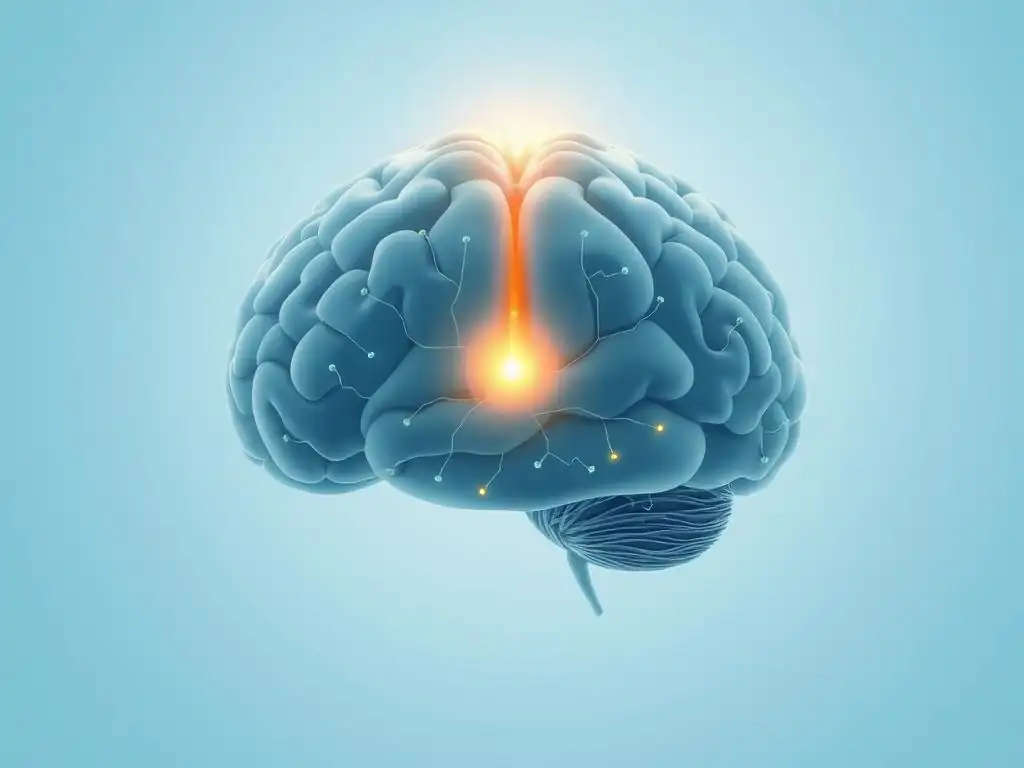
Therapeutic Interventions: Targeting the Neurobiological Pathways of Stress
Effective management and treatment of stress-induced hyperarousal often involve therapeutic interventions specifically designed to target the underlying neurobiological dysregulations. The goal is to calm the overactive stress response system, regulate the HPA axis, dampen amygdala reactivity, and enhance prefrontal cortex control. This can be achieved through a combination of psychological therapies and potentially pharmacological interventions, depending on the severity and specific manifestations of hyperarousal.
Therapies that focus on processing traumatic memories or altering maladaptive thought patterns can directly influence the brain circuits involved in hyperarousal. For instance, therapies like Trauma-Focused Cognitive Behavioral Therapy (TF-CBT) or Eye Movement Desensitization and Reprocessing (EMDR) aim to help the brain reprocess distressing experiences, reducing the reactivity of the amygdala and strengthening the regulatory capacity of the PFC. Understanding the stress hyperarousal neurobiology explained in this context helps tailor these interventions for maximum effectiveness.
Cognitive Behavioral Therapy (CBT) and Neuroplasticity
Cognitive Behavioral Therapy (CBT) is a widely used psychotherapy that focuses on identifying and changing negative thought patterns and behaviors that contribute to psychological distress. For stress-induced hyperarousal, CBT techniques can help individuals challenge distorted thoughts about safety and threat, which are often fueled by an overactive amygdala. By learning to reappraise situations and reduce catastrophizing, individuals can decrease the signals of danger sent to the brain's stress centers.
CBT also leverages neuroplasticity. By practicing new ways of thinking and behaving, individuals can strengthen neural pathways associated with calm, rational processing (involving the PFC) and weaken pathways associated with fear and reactivity (involving the amygdala). Techniques like exposure therapy (gradually confronting feared situations in a safe environment) can help desensitize the amygdala's response. Skills training in relaxation techniques, often part of CBT, directly activates the parasympathetic nervous system, counteracting the sympathetic overdrive characteristic of hyperarousal.
Mindfulness and Meditation: Calming the Hyperaroused Brain
Mindfulness and meditation practices are increasingly recognized for their ability to modulate the stress response and calm the hyperaroused brain. These practices involve paying attention to the present moment without judgment, which can help detach from anxious thoughts and physical sensations associated with hyperarousal. Regular mindfulness practice has been shown to have tangible effects on brain structure and function.
Studies utilizing neuroimaging have demonstrated that consistent meditation can lead to decreased amygdala volume and activity, as well as increased gray matter density in areas of the prefrontal cortex associated with attention and emotional regulation. By training the mind to observe thoughts and feelings without getting swept away by them, mindfulness strengthens the PFC's ability to regulate the amygdala and helps individuals become less reactive to internal and external stressors. This provides a powerful, non-pharmacological approach to managing the neurobiological underpinnings of stress hyperarousal.
Pharmacological Interventions: Medications for Anxiety and Arousal
In some cases, pharmacological interventions may be used to help manage severe or persistent symptoms of stress-induced hyperarousal, particularly when they significantly impair functioning. Medications can target specific neurotransmitter systems implicated in hyperarousal to help restore balance.
Common classes of medications used include:
- SSRIs (Selective Serotonin Reuptake Inhibitors): These antidepressants are often first-line treatments for anxiety disorders and PTSD. They work by increasing serotonin availability in the brain, which can help regulate mood and dampen amygdala activity.
- SNRIs (Serotonin-Norepinephrine Reuptake Inhibitors): These medications affect both serotonin and norepinephrine levels and can be effective for both anxiety and some of the physical symptoms of hyperarousal.
- Beta-blockers: These medications block the effects of norepinephrine on the heart and blood vessels, helping to reduce physical symptoms like rapid heart rate and trembling. They can be used to manage physical manifestations of hyperarousal.
- Alpha-2 adrenergic agonists (e.g., clonidine, guanfacine): These medications can help reduce norepinephrine signaling, particularly in the brainstem (like the locus coeruleus), which can decrease hypervigilance and exaggerated startle response.
It's important to note that medication is typically used as part of a broader treatment plan that includes psychotherapy and lifestyle changes. The choice of medication depends on the individual's specific symptoms, diagnosis, and response. Understanding the stress hyperarousal neurobiology explained by the role of neurotransmitters helps guide these pharmacological choices.
Lifestyle Modifications: Diet, Exercise, and Sleep Hygiene for Stress Reduction
Lifestyle modifications play a crucial role in managing stress-induced hyperarousal by supporting overall brain health and regulating the body's stress response. Simple, consistent changes can have a significant impact on neurobiological function.
- Diet: A balanced diet rich in omega-3 fatty acids, antioxidants, and complex carbohydrates supports brain health and can influence neurotransmitter production and regulation. Avoiding excessive caffeine and sugar is also important, as they can exacerbate anxiety and disrupt sleep, worsening hyperarousal symptoms.
- Exercise: Regular physical activity is a powerful stress reducer. Exercise helps regulate the HPA axis, reduces cortisol levels, and increases the production of endorphins, which have mood-boosting effects. It can also help process excess adrenaline and norepinephrine, calming the nervous system. Aiming for at least 30 minutes of moderate exercise most days of the week can be beneficial.
- Sleep Hygiene: Establishing a consistent sleep schedule and creating a relaxing bedtime routine is critical, as sleep disturbances are central to hyperarousal. Poor sleep exacerbates stress and impairs PFC function. Good sleep hygiene helps regulate circadian rhythms and promotes restorative sleep, allowing the brain and body to recover from the day's stress.
These lifestyle factors directly influence the neurobiological state of the individual, providing practical, accessible ways to reduce the severity of stress-induced hyperarousal and promote long-term well-being.
The Future of Research in Stress Hyperarousal Neurobiology
Emerging Therapies: Neurofeedback, Transcranial Magnetic Stimulation (TMS)
The field of neuroscience is continuously advancing, leading to the exploration of novel therapies for stress-induced hyperarousal that directly target brain function. Emerging techniques like neurofeedback and Transcranial Magnetic Stimulation (TMS) show promise in modulating the neurobiological pathways involved.
Neurofeedback is a type of biofeedback that uses real-time displays of brain activity (often via EEG) to teach individuals how to self-regulate their brainwaves. For hyperarousal, neurofeedback training might aim to increase activity in brainwave patterns associated with calm or focus (e.g., alpha or theta waves) while decreasing patterns associated with anxiety or hypervigilance (e.g., high beta waves), particularly in relevant brain regions like the PFC or amygdala circuits. While still considered experimental for some applications, it holds potential for directly training the brain out of a hyperaroused state.
Transcranial Magnetic Stimulation (TMS) is a non-invasive procedure that uses magnetic pulses to stimulate specific areas of the brain. It has been approved for treating depression and OCD and is being researched for PTSD and anxiety disorders, which involve hyperarousal. TMS can be used to excite or inhibit activity in targeted brain regions, such as stimulating areas of the prefrontal cortex thought to be underactive in hyperarousal or inhibiting an overactive amygdala. Early research suggests it may help modulate the neural circuits underlying hyperarousal symptoms, offering a potential future treatment avenue.
Personalized Medicine: Tailoring Treatments Based on Neurobiological Profiles
One of the exciting future directions in managing stress-induced hyperarousal is personalized medicine. As our understanding of the stress hyperarousal neurobiology explained by individual differences deepens, it may become possible to tailor treatment approaches based on a person's unique neurobiological profile. This could involve using genetic testing, advanced neuroimaging (like fMRI or PET scans), or physiological measures (like HRV) to identify specific dysregulations in their brain circuits or hormonal systems.
For example, if neuroimaging reveals particularly strong amygdala hyperactivity but relatively intact PFC function, treatment might prioritize therapies focused on fear extinction or pharmacological agents that specifically dampen amygdala signaling. Conversely, if the profile shows significant HPA axis dysregulation with altered cortisol patterns, interventions targeting hormonal balance or the brain regions involved in feedback regulation (like the hippocampus) might be emphasized. This personalized approach moves beyond a one-size-fits-all model, aiming for more precise and potentially more effective interventions.
Understanding the Long-Term Effects of Stress on Brain Health
Ongoing research is dedicated to further understanding the long-term effects of chronic stress and hyperarousal on overall brain health, including cognitive function and the risk of neurodegenerative diseases. The prolonged exposure of the brain to high levels of stress hormones like cortisol is known to be detrimental to neurons, particularly in the hippocampus, which is crucial for memory. Chronic inflammation, another consequence of chronic stress, is also implicated in various neurological conditions.
Future studies will continue to investigate the precise mechanisms by which hyperarousal contributes to long-term brain changes and explore interventions that can mitigate these effects. This includes research into the role of neuroinflammation, oxidative stress, and telomere shortening in the context of chronic hyperarousal. A deeper understanding of these long-term consequences will be vital for developing preventative strategies and therapies aimed at preserving cognitive function and overall brain health throughout the lifespan for individuals susceptible to or experiencing chronic stress and hyperarousal.
Conclusion: Empowering Individuals to Manage Stress and Promote Brain Health
Key Takeaways: Understanding Stress Hyperarousal Neurobiology for Better Mental Well-being
Understanding the neurobiological basis of stress-induced hyperarousal provides a powerful framework for individuals to better comprehend their experiences and take proactive steps towards managing their symptoms. The key takeaways are that hyperarousal is not simply a feeling but a state rooted in specific changes in brain structure, function, neurotransmitter activity, and hormonal regulation. The amygdala's role in threat detection, the HPA axis's hormonal cascade driven by the hypothalamus, and the prefrontal cortex's capacity for regulation are central to this process.
Furthermore, recognizing that genetic vulnerability, early life stress, and ongoing environmental factors all contribute to shaping an individual's stress hyperarousal neurobiology explained here highlights the complexity of this condition. However, it also underscores the potential for intervention. The brain's neuroplasticity means that with targeted therapeutic approaches like CBT and mindfulness, lifestyle modifications, and sometimes pharmacological support, individuals can actively work to remodel these neural circuits, reduce the overactive stress response, and regain a sense of calm and control.
Resources for Stress Management and Mental Health Support
Managing stress-induced hyperarousal and promoting brain health is an ongoing journey, and support is available. Individuals experiencing persistent symptoms of hyperarousal should consider reaching out to mental health professionals, such as therapists, psychologists, or psychiatrists, who can provide accurate diagnosis and personalized treatment plans.
Many organizations offer resources, information, and support groups for stress management, anxiety disorders, and trauma-related conditions. These resources can provide valuable tools, coping strategies, and a sense of community for those navigating the challenges of hyperarousal. Remember that seeking help is a sign of strength, and effective strategies grounded in our understanding of stress hyperarousal neurobiology explained in this guide can significantly improve quality of life and foster long-term mental well-being.
Frequently Asked Questions
What is stress hyperarousal?
Stress hyperarousal is a state of increased vigilance and reactivity to stimuli, often resulting from chronic or intense stress. It involves an overactivation of the body's fight-or-flight response.
How does neurobiology explain stress hyperarousal?
Neurobiologically, stress hyperarousal involves the dysregulation of the hypothalamic-pituitary-adrenal (HPA) axis and the sympathetic nervous system. This leads to increased levels of stress hormones like cortisol and adrenaline.
What brain regions are most affected by stress-induced hyperarousal?
Key brain regions affected include the amygdala (involved in fear processing), the hippocampus (involved in memory), and the prefrontal cortex (involved in executive functions). These areas become overactive or dysregulated under chronic stress.
What are the common symptoms of stress hyperarousal?
Common symptoms include insomnia, anxiety, irritability, difficulty concentrating, and being easily startled. Physical symptoms like muscle tension, rapid heart rate, and digestive issues may also occur.
Can stress hyperarousal be treated or managed?
Yes, stress hyperarousal can be managed through various strategies like therapy (CBT, EMDR), medication, mindfulness practices, and lifestyle changes. Addressing the underlying causes of stress is crucial for effective management.
Final Reflection: Unraveling the Enigma of Stress-Induced Hyperarousal
The intricate dance between stress and the nervous system, as detailed in this article, is not merely an academic exercise; it's a crucial understanding for navigating the complexities of modern life. The prevalence of stress-related disorders underscores the urgent need to decipher the neurobiological mechanisms driving hyperarousal, paving the way for more effective prevention and treatment strategies. Understanding the pathways involved is the first step towards reclaiming control over our responses to stress.
The exploration of the amygdala, HPA axis, and the sympathetic nervous system's role in stress-induced hyperarousal has profoundly impacted my own understanding of mental health. It's no longer just a matter of "managing stress"; it's about recognizing the very real physiological changes occurring within the body. This knowledge empowers us to approach stress with a deeper level of empathy and self-awareness. The mind is its own place, and in itself can make a Heaven of Hell, a Hell of Heaven.
– John Milton, Paradise Lost. This quote highlights the power of our internal landscape, shaped significantly by our neurobiological responses to stress.
Consider the implications of this knowledge. How can you integrate this understanding of your body's stress response into your daily life? Are you actively engaging in practices that support the regulation of your nervous system? Perhaps it's time to prioritize mindfulness, exercise, or sufficient sleep – actions that directly influence the neurobiological pathways discussed. Take this opportunity to reflect on your own relationship with stress and explore strategies for cultivating resilience and well-being. The journey towards a calmer, more balanced state begins with understanding the intricate mechanisms at play within your own brain and body.
Here's a Call to Action (CTA) tailored for an article on "The Neurobiological Basis of Stress-Induced Hyperarousal" on MindCareGuide.org:
Unlock Your Calm: Practical Steps to Manage Hyperarousal
Thank you for taking the time to explore the fascinating—and sometimes daunting—world of stress-induced hyperarousal. We hope you gained valuable insights into the neurobiological mechanisms at play. Now it’s time to translate that knowledge into practical action.
- Prioritize mindful breathing exercises: Start with just five minutes daily to cultivate a sense of calm and regulate your nervous system. This is your primary step toward managing hyperarousal.
- Explore additional stress-management techniques: Consider researching other techniques like progressive muscle relaxation or yoga, which can complement mindful breathing.
- Share your experience: Join the conversation in the comments below and share what resonant most with you or any questions you may have. Let’s build a supportive community together.
What small step will you take today to better understand and manage your own response to stress?