
Your First Steps: Getting Started with Transcendental Meditation


Welcome to Mind Care Guide.
Feeling overwhelmed? You're not alone. We understand the journey to mental well-being can feel daunting, but it doesn't have to be. Here, we offer comprehensive guidance and support to navigate life's challenges. Perhaps you've heard of Transcendental Meditation and its potential benefits? This ancient practice, now accessible to all, could be the key to unlocking inner peace. Ready to take your first steps and discover how Transcendental Meditation for beginners can transform your life? Let's explore together...
Transcendental Meditation: A Practical Guide to Inner Peace
- Introduction to Transcendental Meditation: Cultivating Mindfulness
- Understanding Transcendental Meditation (TM)
- Preparing for TM Practice
- Performing Transcendental Meditation: A Practical Approach
- Incorporating TM into Your Daily Life
- Enhancing Your TM Practice
- Resources for Continued Learning
- TM: A Journey Towards Inner Harmony
-
Frequently Asked Questions
- What exactly is Transcendental Meditation (TM), and how does it differ from other meditation techniques?
- Is Transcendental Meditation difficult to learn, especially for beginners?
- How much time commitment is required for Transcendental Meditation, and when is the best time to practice?
- What are some of the potential benefits of practicing Transcendental Meditation regularly?
- How do I find a qualified teacher to learn Transcendental Meditation from, and what can I expect from the initial training?
- Final Reflection: Embracing the Quiet Revolution of TM
- Unlock Your Inner Calm: Start Your TM Journey Today!
Introduction to Transcendental Meditation: Cultivating Mindfulness
Embarking on a journey towards inner peace and enhanced well-being often begins with finding effective techniques to calm the mind and reduce stress. For many seeking a structured yet effortless path, Transcendental Meditation (TM) offers a distinct approach. Unlike some other forms of meditation that require focused concentration or mindful observation of thoughts, TM involves the use of a specific mantra to allow the mind to settle inward naturally.
This practice is designed to be easily integrated into daily life, making it accessible for individuals of all backgrounds, including those looking for Transcendental Meditation for beginners. The goal is to access a state of deep rest and expanded awareness, which proponents say leads to significant benefits for both mental and physical health.
This guide provides a comprehensive overview of Transcendental Meditation, detailing its origins, how it differs from other meditation practices, and the practical steps involved in getting started. We will explore the foundational principles that make TM unique, discuss the evidence-backed benefits, and walk you through the process of learning and practicing this technique.
Whether you are completely new to meditation or exploring different methods, understanding the specifics of TM is crucial. For those interested in Transcendental Meditation for beginners, this article aims to demystify the process and outline what you need to know to take your first steps towards experiencing its transformative potential.
Understanding Transcendental Meditation (TM)
Origins and Foundational Principles of TM
Transcendental Meditation was introduced to the West by Maharishi Mahesh Yogi in the late 1950s. Its roots, however, are deeply embedded in the ancient Vedic tradition of India, tracing back thousands of years. Maharishi systematized this ancient knowledge into a technique that he claimed was simple, natural, and highly effective, making it suitable for modern life.
The foundational principle of TM is the concept of "transcending," which refers to the experience of settling the active mind down to a state of silent, restful alertness – a state often described as the "least excited state of consciousness." This is achieved effortlessly through the use of a specific, personally assigned mantra, which is a sound or vibration. The mantra is not meant to be focused on or contemplated, but rather used as a vehicle for the mind to spontaneously settle inward.
Unlike meditations that involve concentration or contemplation, TM is characterized by its effortlessness. Practitioners are instructed not to try to make the mind blank or control thoughts, but simply to use the mantra as directed and allow the process to unfold naturally. This technique is taught through a standardized, seven-step course by certified TM teachers.
The belief is that accessing this deep state of rest allows the nervous system to release accumulated stress and tension, leading to improvements in various aspects of life. The universal nature of the technique, applicable to anyone regardless of belief system or lifestyle, is a key aspect emphasized by the TM organization, making it particularly appealing as Transcendental Meditation for beginners.
TM Compared to Mindfulness and Guided Meditation
While all forms of meditation aim to bring about positive changes in the practitioner, Transcendental Meditation differs significantly from mindfulness and guided meditation in its technique and approach. Mindfulness meditation typically involves paying attention to the present moment without judgment, often focusing on the breath, bodily sensations, or thoughts as they arise and pass. The emphasis is on awareness and acceptance of current experience.
Guided meditations involve following instructions from a teacher or recording, which might include visualization, body scans, or specific contemplative exercises. These methods often require a degree of concentration or active engagement with the content provided by the guide.
In contrast, Transcendental Meditation is a mantra-based technique that does not involve concentration, contemplation, or monitoring of thoughts. The practice is described as effortless and mechanical; the mantra is used to allow the mind to spontaneously settle inward to a state of deep rest. There is no focus on the present moment in the same way as mindfulness, nor is there external guidance during the 20-minute practice session.
This distinction is crucial for understanding why some individuals find TM easier to learn and sustain, especially those who find it difficult to quiet their minds through effortful concentration. For someone exploring Transcendental Meditation for beginners, understanding these differences helps in choosing the practice that best suits their temperament and goals.
Benefits of TM: Stress Reduction, Improved Focus, and Well-being
Extensive research, much of it funded or conducted by the TM organization, suggests a wide range of benefits associated with consistent Transcendental Meditation practice. One of the most cited benefits is significant stress reduction.
Studies, such as those published in the Journal of the American Medical Association and Circulation: Cardiovascular Quality and Outcomes, have indicated that TM can lower blood pressure and reduce the risk of cardiovascular disease, effects often linked to its ability to alleviate chronic stress. For example, a study funded by the National Institutes of Health found that TM practice led to a 48% reduction in the risk of heart attack, stroke, and death in patients with coronary heart disease.
Beyond physiological benefits, TM is also reported to improve mental clarity, focus, and cognitive function. Practitioners often report feeling more alert, less anxious, and experiencing improved mood. Research has explored TM's impact on conditions like anxiety and depression, with some studies showing reductions in symptoms comparable to or exceeding those achieved with psychotherapy.
Furthermore, TM is associated with enhanced self-awareness and a greater sense of well-being. The deep rest achieved during TM is said to be physiologically deeper than sleep, allowing the body and mind to recuperate and function more optimally. These documented benefits make Transcendental Meditation for beginners an appealing option for those seeking tangible improvements in their mental and physical health.
Preparing for TM Practice
Locating Certified TM Instructors
Learning Transcendental Meditation requires instruction from a certified teacher. This is a non-negotiable aspect of the TM technique as taught by the global TM organization. The specific mantra given to each individual is carefully selected based on traditional criteria, and the instruction involves personalized guidance to ensure the technique is practiced correctly and effortlessly. Attempting to learn TM from books, online videos, or uncertified individuals is strongly discouraged by the organization, as they assert it will not lead to the authentic experience of transcending.
To find a certified TM instructor, the official Transcendental Meditation website is the primary resource. This website provides a directory allowing prospective students to search for centers and teachers by location. These centers offer free introductory talks where the basic principles and benefits of TM are explained, and potential students can meet a certified teacher and ask questions.
The process of learning the technique itself involves a structured course, typically consisting of several sessions over a few days, followed by ongoing support. Ensuring you learn from a certified teacher is the essential first step for anyone serious about Transcendental Meditation for beginners.
The Significance of Personalized TM Instruction
The personalized nature of Transcendental Meditation instruction is considered fundamental to its effectiveness. Unlike generic meditation guidance found in apps or online, TM instruction involves a one-on-one session where the student receives their specific mantra. This mantra is not randomly assigned but is chosen based on specific criteria from ancient Vedic texts, although the exact process and criteria are not publicly disclosed by the TM organization. The teacher also provides detailed, personalized instructions on how to use the mantra effortlessly and how to handle thoughts and experiences during meditation.
Furthermore, the initial learning course includes group sessions where students can share their experiences and receive clarification and further guidance from the teacher. This interaction helps consolidate the correct practice and addresses any misunderstandings. The ongoing support offered by TM centers, often through follow-up sessions and group meditations, reinforces the proper technique and helps practitioners integrate TM into their daily lives. This tailored approach ensures that each individual learns to transcend in a way that is natural and effective for them, highlighting the importance of certified, personalized instruction for Transcendental Meditation for beginners.
What to Anticipate in a TM Introductory Session
The journey into Transcendental Meditation typically begins with a free introductory talk, which is open to the public and requires no commitment. These sessions are usually held at a local TM center or online. The purpose of the introductory session is to provide potential students with a clear understanding of what TM is, how it works, and the benefits it offers, often supported by references to scientific research. A certified TM teacher leads the session and explains the difference between TM and other forms of meditation.
During the talk, the teacher will discuss the effortless nature of the technique and how it allows the mind to settle to a state of deep rest. They will also outline the structure of the full TM course, explaining the steps involved and the cost. There is ample opportunity to ask questions and address any concerns. This session is designed to help individuals decide if TM is the right fit for them before committing to the full course. It serves as a crucial first contact point, providing essential information for anyone considering Transcendental Meditation for beginners.
Performing Transcendental Meditation: A Practical Approach
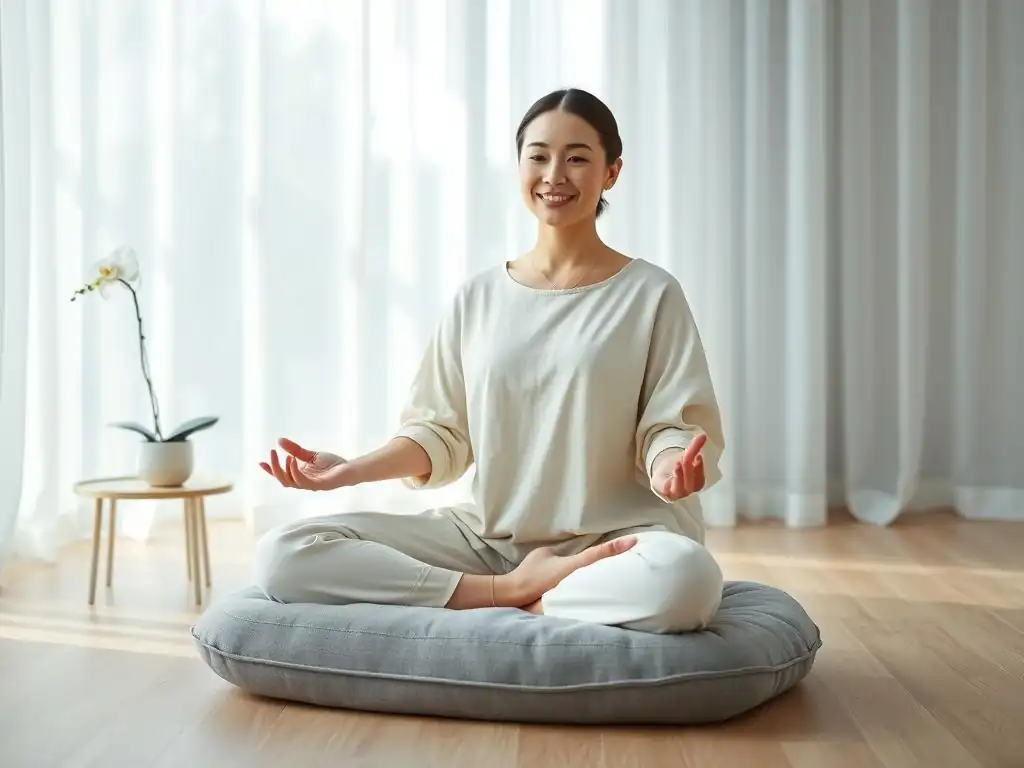
Step 1: Creating a Calm and Relaxing Meditation Environment
Creating a conducive environment is the first practical step before beginning a Transcendental Meditation session. While TM can be practiced almost anywhere, choosing a quiet, comfortable space free from interruptions can significantly enhance the experience, especially when you are starting out with Transcendental Meditation for beginners. Find a place where you can sit comfortably without being disturbed for about 20 minutes. This could be a corner of your living room, a quiet office space, or even a park bench if the surroundings are peaceful.
Ensure you are sitting in a comfortable position, whether on a chair with back support or cross-legged on a cushion. The key is to be relaxed and stable so you don't feel the need to shift or adjust frequently during the meditation. Dimming the lights or closing curtains can help create a calmer atmosphere, although it's not strictly necessary. The main goal is to minimize external distractions so you can easily settle inward without being pulled back to your surroundings.
Step 2: Preparing the Mind for Meditation
Before starting the actual technique, it's helpful to take a moment to transition from your daily activities to a state of rest. This doesn't involve any complex rituals or trying to empty your mind, which is contrary to the TM technique. Instead, it's a simple process of settling down. Find your comfortable seat and gently close your eyes. Take a few easy breaths, not trying to control them, but just allowing them to be natural.
The purpose of this brief preparatory phase is simply to shift your attention inward and let go of any immediate external demands. There's no need to actively try to relax or clear your mind; the TM technique itself facilitates this process. For Transcendental Meditation for beginners, this step is about creating a smooth transition into the practice without adding any effort or concentration. Just sit quietly for a moment with your eyes closed before beginning the use of your mantra.
Step 3: Utilizing Your Mantra for TM
This is the core of the Transcendental Meditation technique. Once you are settled with eyes closed, you begin the effortless use of your personal mantra. The mantra is a specific sound or word given to you by your certified TM teacher. You are instructed to think the mantra easily and without effort. The instruction is not to repeat it mechanically or concentrate on it, but to allow the mind to think it spontaneously and effortlessly.
The mantra acts as a vehicle for the mind to settle inward. As you think the mantra easily, the mind naturally moves towards quieter levels of thought. If the mantra seems to fade, change, or disappear, that is perfectly fine; it indicates the mind is settling. If thoughts arise, you simply return to thinking the mantra easily when you notice you've drifted. The key is effortlessness – there is no trying, no forcing, and no control involved. This gentle, natural use of the mantra is what distinguishes Transcendental Meditation for beginners from techniques that require concentration.
Step 4: Allowing Thoughts to Naturally Arise and Pass
During Transcendental Meditation, it is completely natural for thoughts to arise. These thoughts are not a sign of failure or that you are doing the technique incorrectly. In fact, thoughts are considered part of the process of the mind settling down and releasing stress. When you notice you are thinking a thought and are no longer thinking the mantra, the instruction is simply to return to thinking the mantra easily. There is no need to analyze the thoughts, judge them, or try to push them away.
The technique involves allowing thoughts to come and go naturally, like waves on the ocean. You don't engage with them or try to stop them. As soon as you realize your attention has been caught by a thought, you effortlessly return to the mantra. This gentle, non-judgmental approach to thoughts is crucial for the effortless nature of TM. Understanding that thoughts are normal and not a problem is a key element for anyone practicing Transcendental Meditation for beginners.
Step 5: Transitioning Back to Full Awareness
After meditating for the recommended 20 minutes (or the time advised by your teacher), it's important to transition back to your outer activity gradually. Do not open your eyes immediately after the meditation period ends. Instead, stop using the mantra and simply sit quietly with your eyes closed for a couple of minutes. This allows the mind and body to fully integrate the deep rest experienced during the practice.
This transition period helps you maintain the calm and settled state you achieved during meditation as you re-engage with the world. After a few minutes of sitting quietly with eyes closed, you can slowly open your eyes and take a moment to be aware of your surroundings before getting up and resuming your daily activities. This gentle transition is a small but important step in the TM practice, ensuring you carry the benefits of the meditation into your day. It helps solidify the experience for Transcendental Meditation for beginners and experienced practitioners alike.
Incorporating TM into Your Daily Life
Establishing a Regular TM Schedule
Consistency is key to experiencing the full benefits of Transcendental Meditation. The standard recommendation is to practice TM twice a day, usually for 20 minutes each time. The most common times are early in the morning, before starting the day's activities, and in the late afternoon or early evening, before dinner. Establishing a regular schedule helps make TM a non-negotiable part of your routine, much like brushing your teeth.
Finding specific times that work consistently within your daily schedule is crucial. For many, practicing upon waking helps set a calm tone for the day, reducing the likelihood of stress building up. The afternoon session helps release accumulated stress from the day, preventing it from carrying over into the evening and sleep. Even on busy days, prioritizing these two 20-minute sessions can make a significant difference in overall stress levels and well-being. Making TM a consistent habit is perhaps the most vital step after learning the technique for Transcendental Meditation for beginners.
Overcoming Challenges and Maintaining Focus
Like any new habit, incorporating TM into daily life can present challenges. Busy schedules, travel, fatigue, or simply forgetting can disrupt consistency. It's important to approach these challenges with an empathetic and non-judgmental attitude. If you miss a session, don't view it as a failure; simply aim to resume your regular schedule as soon as possible. Perfection is not the goal; consistent effort is.
Maintaining focus during the 20-minute session itself can also be a concern for Transcendental Meditation for beginners. Remember that having thoughts is normal and part of the process. The technique is designed to work effortlessly, even with thoughts present. Simply returning to the mantra easily whenever you notice you've been thinking is the correct approach. If you find external distractions are persistent, re-evaluating your meditation environment might be helpful. Connecting with your TM teacher or other practitioners can also provide support and practical tips for overcoming hurdles and staying consistent.
The Value of Ongoing TM Support and Guidance
Learning Transcendental Meditation is not just about the initial course; it includes lifelong access to support and guidance from certified TM teachers and centers. This ongoing support is a valuable resource for maintaining a correct and effective practice. TM centers often offer free checking sessions, where you can meet with a teacher to review your practice and ensure you are using the technique effortlessly. This is particularly beneficial if you feel your meditations are not going well or if you have questions that arise over time.
Group meditations, often held at TM centers, provide an opportunity to meditate with others, which some practitioners find enhances their experience. These gatherings also foster a sense of community and provide a platform for sharing experiences and insights. Utilizing these resources helps reinforce the correct technique, addresses any deviations that may have crept into your practice, and provides motivation. For Transcendental Meditation for beginners, knowing that support is readily available can be reassuring and vital for long-term adherence and success.
Enhancing Your TM Practice
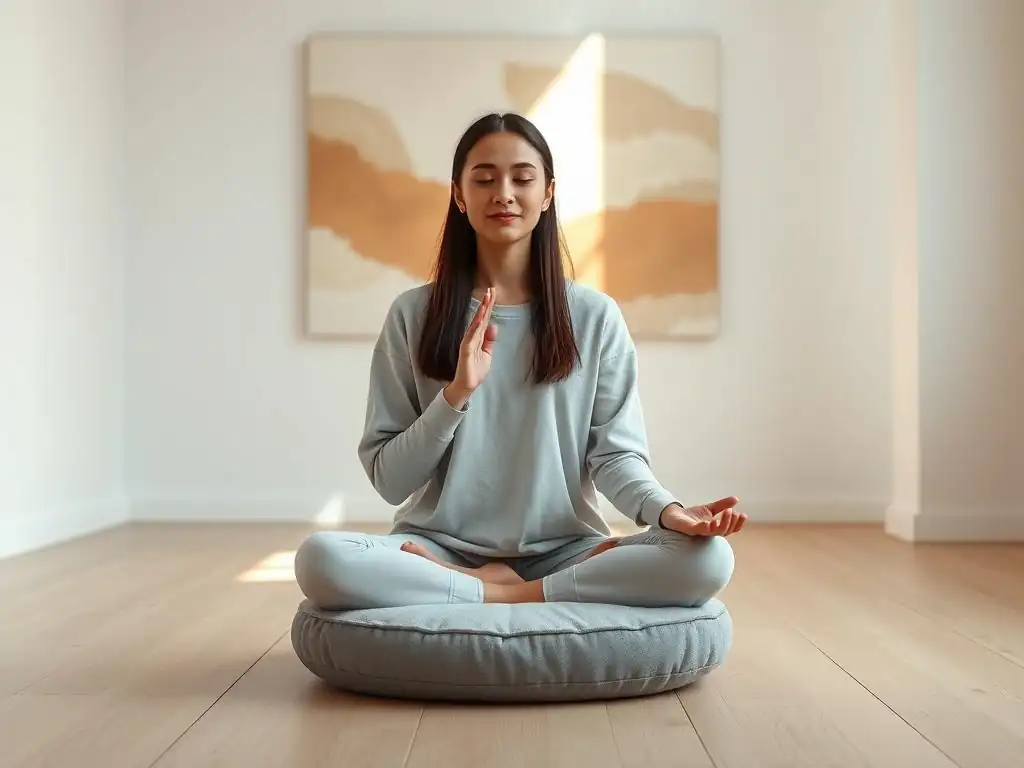
Long-Term Benefits of Consistent TM Practice
Consistent practice of Transcendental Meditation over months and years is associated with deeper and more profound benefits. While initial improvements in stress and relaxation are often felt relatively quickly, long-term practitioners frequently report more significant and stable positive changes. These can include sustained reductions in anxiety and depression, improved cognitive function such as enhanced creativity and problem-solving abilities, and greater emotional stability.
Research supports the idea of cumulative benefits. For instance, studies on long-term TM practitioners have shown more pronounced physiological changes, such as greater coherence in brain wave activity (measured by EEG) and more stable autonomic nervous system function, compared to newer practitioners or control groups. Individuals often describe experiencing a greater sense of inner peace, increased energy levels, and improved relationships.
The effortless nature of the technique makes it sustainable over the long term, allowing these cumulative benefits to unfold naturally. For those starting out with Transcendental Meditation for beginners, understanding these potential long-term outcomes can serve as significant motivation.
Resources for Continued Learning
Recommended TM Books and Online Resources
While learning TM requires instruction from a certified teacher, several books and online resources can provide further context, deepen understanding, and offer insights into the science and philosophy behind the technique. Books by Maharishi Mahesh Yogi, such as "Science of Being and Art of Living," delve into the theoretical underpinnings of TM and its application to all areas of life. Other authors have written about their personal experiences with TM or explored the scientific research in more detail.
The official Transcendental Meditation website is the primary online resource, offering information about the technique, research findings, finding a local center, and details about the learning process. It often features articles, videos, and testimonials. Reputable research databases and academic journals can also be explored for peer-reviewed studies on TM's effects on various aspects of health and well-being.
While these resources should not be used to learn the technique itself, they are invaluable for expanding knowledge and staying informed about developments and research related to TM. They complement the practical learning process for anyone interested in Transcendental Meditation for beginners and beyond.
Connecting with the TM Community
Connecting with other Transcendental Meditation practitioners and the broader TM community can be a rewarding aspect of the journey. TM centers often host group meditations, lectures, and events that provide opportunities to meet fellow meditators, share experiences, and feel connected. This sense of community can offer support, encouragement, and a deeper appreciation for the collective impact of the practice.
Online forums, social media groups, and local meetups organized by practitioners can also serve as platforms for connection. Sharing insights, discussing challenges, and celebrating progress with others who understand the practice can be motivating and enriching. While TM is a deeply personal practice performed individually, connecting with the community provides an external support system that reinforces consistency and commitment. For Transcendental Meditation for beginners, engaging with the community can make the initial learning phase feel less solitary and provide ongoing encouragement.
TM: A Journey Towards Inner Harmony
Tips for Long-Term Success in TM
Achieving long-term success with Transcendental Meditation hinges on consistency, patience, and embracing the effortless nature of the technique. Prioritize your two daily 20-minute sessions, treating them as essential self-care appointments rather than optional activities. Be patient with yourself; the benefits unfold gradually, and some meditations will feel deeper or calmer than others. Avoid judging your sessions or trying to achieve a specific outcome; the value lies in the regular practice itself, regardless of your subjective experience during any given session.
Embrace the principle of effortlessness. If you find yourself trying to concentrate or control your thoughts, gently return to the simple, easy thinking of your mantra. Utilize the support available from your certified TM teacher and local center – attend checking sessions or group meditations if possible. Reflect periodically on the positive changes you notice in your life, whether reduced stress, improved sleep, or greater clarity, to reinforce your motivation. These simple tips can help sustain a fulfilling and beneficial TM practice for years to come, guiding Transcendental Meditation for beginners towards becoming experienced practitioners.
TM and Mental Wellness: An Integrated Approach
Transcendental Meditation can be a powerful tool within a broader approach to mental wellness. While TM itself offers significant benefits for reducing stress, anxiety, and promoting overall well-being, it is often most effective when integrated with other healthy lifestyle choices and, when necessary, professional mental healthcare. TM is not presented as a substitute for medical or psychological treatment, but rather as a complementary practice that supports mental and emotional health.
Incorporating TM alongside regular exercise, a balanced diet, sufficient sleep, and healthy social connections creates a robust foundation for mental resilience. For individuals managing mental health conditions, TM can be a valuable adjunct to therapy or medication, helping to manage symptoms and improve quality of life, as suggested by some research. Discussing TM with your healthcare provider is advisable, especially if you have pre-existing health conditions.
By viewing TM as one essential component of a holistic approach to well-being, practitioners can maximize its potential to foster inner harmony and support a healthy mind. This integrated perspective is key for those exploring Transcendental Meditation for beginners as a path to enhanced mental wellness.
Frequently Asked Questions
What exactly is Transcendental Meditation (TM), and how does it differ from other meditation techniques?
Transcendental Meditation is a specific type of mantra meditation that involves silently repeating a personalized mantra. It differs from other techniques by emphasizing effortless practice and not requiring concentration or control of thoughts.
Is Transcendental Meditation difficult to learn, especially for beginners?
No, TM is designed to be easy to learn and practice. Instruction is typically provided by a certified teacher, and the technique focuses on allowing the mind to settle naturally without forcing it.
How much time commitment is required for Transcendental Meditation, and when is the best time to practice?
The recommended practice is 20 minutes, twice a day. Many find that morning and evening are ideal times, but you can adapt the schedule to fit your daily routine.
What are some of the potential benefits of practicing Transcendental Meditation regularly?
Regular practice can lead to reduced stress and anxiety, improved focus and concentration, and increased feelings of inner peace and well-being, as highlighted by Mind Care Guide.
How do I find a qualified teacher to learn Transcendental Meditation from, and what can I expect from the initial training?
Visit the official Transcendental Meditation organization's website to find a certified teacher near you. Initial training usually involves a multi-day course covering the technique and its principles.
Final Reflection: Embracing the Quiet Revolution of TM
The simple act of settling into stillness, of finding the quiet space within, is more relevant today than ever before. In a world saturated with noise – digital distractions, relentless demands, and constant information overload – the practice of Transcendental Meditation offers a powerful antidote, a refuge from the storm. It's not just a technique; it's a pathway to a deeper understanding of self and a more resilient, peaceful existence.
The profound impact of TM extends far beyond individual experience; it ripples outwards, influencing our relationships, our communities, and even the global consciousness. The ability to cultivate inner calm, to access a state of effortless awareness, has the potential to transform how we interact with the world, fostering empathy, compassion, and a greater sense of interconnectedness. As Maharishi Mahesh Yogi so eloquently stated, The purpose of life is to know yourself, to love yourself, and to realize your full potential.
This is precisely what the practice of TM helps us to achieve, unlocking our innate capacity for peace and fulfillment.
Now, consider your own journey. What quiet space exists within you, waiting to be discovered? I invite you to take that first step, to explore the transformative power of Transcendental Meditation. Don't let the busyness of life overshadow the quiet revolution happening within. Begin your practice, and witness the profound and lasting changes it can bring to your life, your relationships, and the world around you. The journey begins with a single breath, a single moment of stillness. Embrace it.
Unlock Your Inner Calm: Start Your TM Journey Today!
Thanks for taking the time to explore the world of Transcendental Meditation with Mind Care Guide! We hope you found this article insightful and empowering. Now it's time to translate that knowledge into practice. Ready to experience the transformative power of TM?
- Begin your free guided meditation session: We've prepared a short, introductory guided meditation to help you experience the initial benefits of deep relaxation. This is your first step towards a calmer, more focused you.
- Share your experience: Tell us about your first meditation session! Let the Mind Care Guide community know what resonated with you and what surprised you. Your feedback inspires us!
- Explore further resources: Dive deeper into the science and practice of TM by exploring the wealth of information available on our website (MindCareGuide.org) or your local TM center.
Ready to embark on this incredible journey of self-discovery? What small step will you take today to prioritize your mental wellbeing?