
Targeting Neuroinflammation: A New Frontier in Mental Health Treatment


Welcome to Mind Care Guide.
Feeling like your mental health journey is missing a piece? You're not alone. Emerging research suggests a powerful connection between inflammation in the brain and mental well-being. Dive into our Neuroinflammation mental health treatment guide and discover how targeting neuroinflammation could unlock a new frontier in your path to healing and resilience. Curious about the science and potential solutions? Let's explore together.
Targeting Neuroinflammation: A New Frontier in Mental Health Treatment - Mind Care Guide
- Introduction: Understanding Neuroinflammation and its Impact on Mental Health
- Neuroinflammation: A Deep Dive into the Science
- The Connection Between Neuroinflammation and Specific Mental Health Conditions
- Diagnosing Neuroinflammation in Mental Health Patients
-
Novel Neuroinflammation Mental Health Treatment Guide: Exploring Therapeutic Strategies
- Anti-inflammatory Medications for Mental Health: NSAIDs, Minocycline, Statins
- Lifestyle Interventions to Reduce Neuroinflammation: Diet, Exercise, and Stress Management
- Dietary Strategies for Reducing Inflammation: Focus on Omega-3 Fatty Acids, Polyphenols, and Fiber
- The Gut-Brain Axis and Neuroinflammation: Probiotics and Mental Health
- Promising Research: Novel Therapies Targeting Neuroinflammation
- The Future of Neuroinflammation Treatment for Mental Illness
- Neuroinflammation Mental Health Treatment Guide: A Holistic Approach
- Conclusion: Hope and Progress in Targeting Neuroinflammation for Improved Mental Health Outcomes
-
Frequently Asked Questions
- What is neuroinflammation and how is it related to mental health?
- How does targeting neuroinflammation offer a new approach to mental health treatment?
- What are some potential treatments that target neuroinflammation?
- Is there a specific diet recommended for reducing neuroinflammation and improving mental health?
- Where can I find more information and support for neuroinflammation and mental health?
- Final Reflection: Reimagining Mental Health Through the Lens of Neuroinflammation
- Unlock Your Brain's Potential: Take Charge of Your Mental Wellbeing
Introduction: Understanding Neuroinflammation and its Impact on Mental Health
The Growing Link Between Neuroinflammation and Mental Disorders
For decades, the prevailing view of mental health conditions like depression, anxiety, and schizophrenia centered primarily on imbalances in neurotransmitters. However, a significant shift is occurring in neuroscience, with a rapidly expanding body of research revealing a crucial connection between inflammation in the brain – known as neuroinflammation – and the development and persistence of various mental disorders. This growing understanding points towards immune system dysfunction within the central nervous system as a key player, offering new avenues for both research and treatment.
This paradigm shift is supported by compelling evidence from numerous studies. For instance, large-scale analyses have consistently shown elevated levels of systemic inflammatory markers, such as C-reactive protein (CRP) and pro-inflammatory cytokines like Interleukin-6 (IL-6) and Tumor Necrosis Factor-alpha (TNF-alpha), in individuals diagnosed with major depressive disorder (MDD) compared to healthy controls.
Some studies estimate that up to one-third of patients with MDD exhibit clinically significant increases in these markers, suggesting that inflammation isn't just a byproduct but potentially a contributing factor to the illness itself. Similar findings link elevated inflammatory markers to conditions like bipolar disorder, schizophrenia, and PTSD, highlighting a common biological thread across seemingly disparate mental health challenges.
Why Neuroinflammation Matters for Mental Well-being
Understanding the role of neuroinflammation is crucial because it provides a potential explanation for why traditional neurotransmitter-focused treatments may not be effective for everyone. If inflammation is actively disrupting neural circuits, altering neurotransmitter function, and impairing neurogenesis (the growth of new brain cells), simply adjusting chemical levels might not fully address the underlying problem. Chronic low-grade neuroinflammation can impair synaptic plasticity – the brain's ability to adapt and form new connections – which is vital for learning, memory, and emotional regulation.
Furthermore, recognizing neuroinflammation as a factor opens the door to entirely new therapeutic strategies. Instead of solely targeting neurotransmitters, future treatments could focus on calming the brain's immune response, protecting neurons from inflammatory damage, and restoring healthy brain function. This offers hope, particularly for individuals who haven't responded well to existing medications. Exploring a neuroinflammation mental health treatment guide means considering approaches that dampen the inflammatory cascade, potentially leading to more profound and lasting improvements in mental well-being.
Neuroinflammation: A Deep Dive into the Science
What is Neuroinflammation? A Simplified Explanation
Neuroinflammation is essentially the inflammatory response that occurs within the brain or spinal cord. Like inflammation elsewhere in the body, it's the brain's immune system reacting to potential threats, such as infections, injuries, toxins, or chronic stress. In its acute phase, neuroinflammation can be beneficial – helping to clear debris, fight off pathogens, and initiate repair processes. It's a vital part of maintaining brain health.
However, when this inflammatory response becomes chronic, dysregulated, or excessive, it shifts from being protective to being harmful. Persistent neuroinflammation can lead to a hostile environment within the brain, damaging neurons, disrupting communication between brain cells (synapses), and impairing the function of crucial brain regions involved in mood, cognition, and behavior. Unlike systemic inflammation which might cause swelling and redness, neuroinflammation often occurs without these visible signs, making its detection and understanding more complex.
The Role of Immune Cells in Brain Inflammation
The primary immune cells of the central nervous system are called microglia. These versatile cells act as the brain's resident macrophages, constantly surveying the environment. In their resting state, microglia are crucial for maintaining brain health, pruning synapses, and clearing cellular waste. However, when activated by a threat, they change shape and function, becoming reactive.
Activated microglia release a variety of molecules, including pro-inflammatory cytokines, chemokines, and reactive oxygen species. While intended to clear threats, excessive or prolonged release of these substances can damage surrounding neurons and glial cells (like astrocytes), contributing to neurotoxicity and synaptic dysfunction. Other immune cells, such as astrocytes, also play a significant role by releasing inflammatory mediators and interacting with microglia. Under certain conditions, peripheral immune cells from the bloodstream can even cross the blood-brain barrier and contribute to the inflammatory process within the brain.
Key Inflammatory Markers in the Brain: Cytokines, Chemokines, Microglia Activation
Understanding neuroinflammation involves identifying specific molecular signals and cellular changes. Cytokines are small proteins that act as signaling molecules for the immune system. Pro-inflammatory cytokines like IL-1beta, IL-6, and TNF-alpha are frequently implicated in neuroinflammation associated with mental illness. These molecules can directly influence neuronal activity, alter neurotransmitter synthesis and reuptake, and impair the survival and growth of brain cells.
Chemokines are another type of signaling molecule that attracts immune cells to a site of inflammation. Elevated levels of certain chemokines can draw microglia and potentially other immune cells into specific brain regions, exacerbating the inflammatory response. Beyond these molecules, the state of microglia activation itself is a key marker. Neuroimaging techniques like Positron Emission Tomography (PET) scans can use specific tracers (such as those targeting the translocator protein, TSPO) to visualize and quantify the level of microglia activation in different brain areas of living individuals, providing direct evidence of neuroinflammation.
The Connection Between Neuroinflammation and Specific Mental Health Conditions
Neuroinflammation and Depression: Exploring the Link
The link between neuroinflammation and depression is arguably the most extensively studied. Research consistently shows that individuals with depression often exhibit elevated levels of inflammatory markers in their blood and cerebrospinal fluid. This is particularly true for treatment-resistant depression and depression that co-occurs with chronic medical conditions known to cause inflammation, such as autoimmune diseases or cardiovascular disease. Studies have found that patients with high levels of CRP (e.g., above 3 mg/L) are less likely to respond to standard antidepressant medications compared to those with lower CRP levels.
Several mechanisms explain this connection. Inflammatory cytokines can interfere with the metabolism of tryptophan, an amino acid precursor to serotonin, potentially leading to reduced serotonin availability. They can also activate enzymes that break down kynurenine into neurotoxic metabolites. Furthermore, inflammation can disrupt the function of the hypothalamic-pituitary-adrenal (HPA) axis, the body's main stress response system, and impair neurogenesis and synaptic function in brain regions critical for mood regulation, such as the hippocampus and prefrontal cortex.
Anxiety Disorders and Brain Inflammation: A Closer Look
While the evidence might be less pronounced than for depression, a growing number of studies suggest that neuroinflammation also plays a role in anxiety disorders. Individuals with generalized anxiety disorder (GAD), panic disorder, or social anxiety disorder have sometimes shown elevated levels of inflammatory markers like CRP, IL-6, and TNF-alpha. Chronic stress, a known contributor to anxiety, is also a potent activator of inflammatory pathways in both the body and the brain.
Potential mechanisms linking inflammation to anxiety involve its impact on brain circuits responsible for processing fear and threat. Inflammation can influence the activity of the amygdala, the brain's fear center, potentially leading to heightened reactivity to perceived threats. It may also affect neurotransmitter systems like GABA (inhibitory) and glutamate (excitatory), altering the balance that is crucial for regulating anxiety levels. The overlap in symptoms between inflammation-induced "sickness behavior" (fatigue, social withdrawal, reduced appetite) and symptoms of depression and anxiety further supports a shared biological basis involving inflammatory processes.
Schizophrenia and Neuroinflammation: Unraveling the Complex Relationship
The idea that immune system dysfunction is involved in schizophrenia dates back decades, potentially linked to prenatal infections or early life events. Modern research using PET imaging has provided direct evidence of increased microglia activation in certain brain regions, such as the prefrontal cortex and temporal lobe, in individuals with schizophrenia, particularly during the early stages of the illness or during psychotic episodes. Post-mortem studies have also revealed increased levels of inflammatory cytokines and other immune markers in the brains of patients with schizophrenia.
Neuroinflammation in schizophrenia is thought to contribute to the range of symptoms observed. It can disrupt dopamine and glutamate neurotransmission, which are critically involved in psychosis. Inflammation may also impair synaptic pruning and myelination, processes essential for healthy brain development and connectivity, potentially contributing to cognitive deficits and negative symptoms (like social withdrawal and lack of motivation). Identifying a "high-inflammation" subtype of schizophrenia could be crucial for developing a targeted neuroinflammation mental health treatment guide for these individuals.
Neuroinflammation in Bipolar Disorder: Emerging Evidence
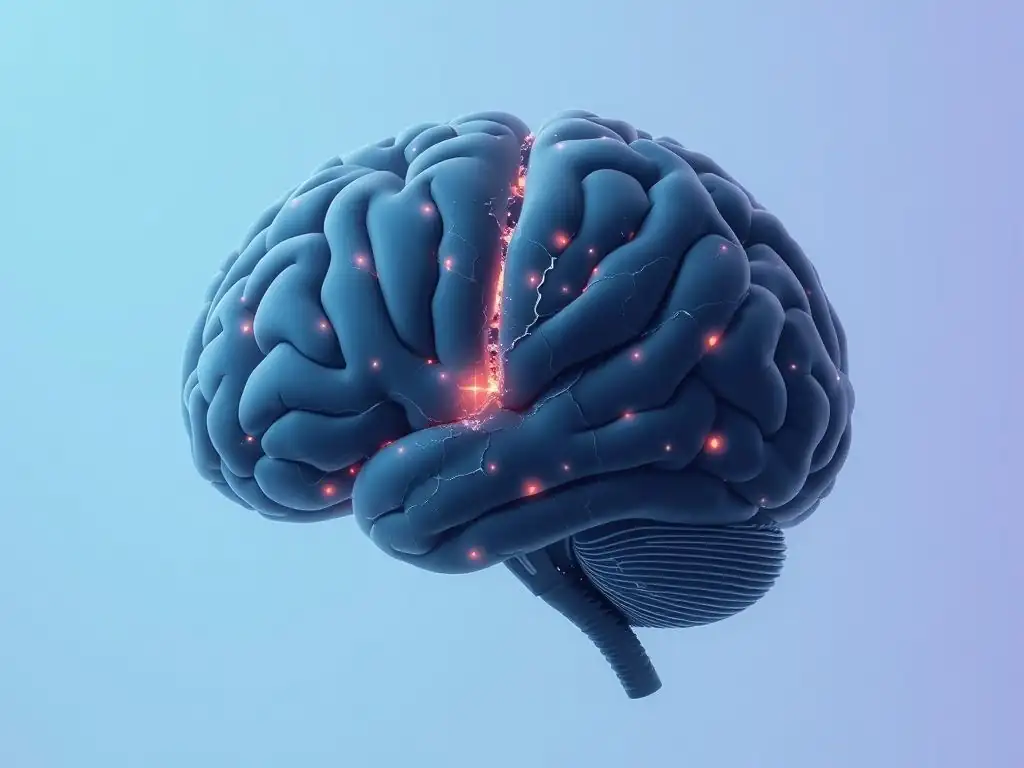
Bipolar disorder is characterized by extreme mood swings, and research suggests that inflammation may play a role in the pathophysiology of both manic and depressive episodes. Studies have consistently found elevated levels of inflammatory markers like CRP, IL-6, and TNF-alpha in individuals with bipolar disorder, with some evidence suggesting these levels may be higher during acute mood episodes compared to periods of remission.
The mechanisms linking inflammation to bipolar disorder are complex and likely involve multiple pathways. Inflammation may contribute to oxidative stress and mitochondrial dysfunction, both implicated in the disorder. It could also affect neuroprotection and neurogenesis, impacting brain regions involved in mood stability. The fluctuating nature of inflammation in line with mood states suggests it could be both a driver and a consequence of the illness, highlighting the need for a comprehensive neuroinflammation mental health treatment guide that considers these dynamic changes.
The Role of Neuroinflammation in PTSD
Post-traumatic stress disorder (PTSD) develops after exposure to severe trauma, and chronic stress is a powerful trigger for inflammation. Individuals with PTSD often exhibit elevated levels of systemic inflammatory markers, such as CRP, IL-6, and TNF-alpha, compared to trauma-exposed individuals who do not develop the disorder. This persistent inflammatory state is thought to contribute to the enduring symptoms of PTSD.
Neuroinflammation in PTSD may impact the brain circuits involved in fear processing, memory consolidation, and stress response regulation. It could exacerbate the hyperarousal symptoms, contribute to the intrusive re-experiencing of traumatic memories, and impair the function of the prefrontal cortex, which is involved in regulating emotional responses. Targeting this inflammatory component could become an important part of a multifaceted neuroinflammation mental health treatment guide for individuals struggling with the long-term effects of trauma.
Diagnosing Neuroinflammation in Mental Health Patients
Current Methods for Detecting Brain Inflammation: fMRI, PET Scans, C-Reactive Protein (CRP) Tests
Currently, there is no single, routine clinical test to definitively diagnose neuroinflammation specifically in the context of mental illness. However, several methods are used in research and sometimes clinically to assess inflammatory status. Blood tests for systemic inflammatory markers like high-sensitivity C-Reactive Protein (hs-CRP) are the most accessible. Elevated hs-CRP (e.g., >3 mg/L) indicates systemic inflammation, which can correlate with neuroinflammation, but it's not specific to the brain.
Neuroimaging techniques offer more direct insights. PET scans using tracers that bind to the translocator protein (TSPO), which is upregulated in activated microglia, can visualize and quantify neuroinflammation in specific brain regions in living individuals. For example, studies have used TSPO PET to show increased microglia activation in areas like the prefrontal cortex and hippocampus in patients with depression or schizophrenia. Functional MRI (fMRI) measures brain activity and connectivity, and while not directly measuring inflammation, changes observed in fMRI can sometimes be linked to inflammatory processes disrupting neural function.
Diagnosing neuroinflammation specifically as a cause or contributor to mental illness presents significant challenges. First, the brain is relatively protected by the blood-brain barrier, making it difficult to directly measure inflammatory molecules or immune cell activity without invasive procedures like lumbar punctures (to sample cerebrospinal fluid) or brain biopsies, which are not feasible for routine diagnosis. Blood markers like CRP are indirect and can be elevated by many other conditions unrelated to mental health.
Second, neuroinflammation is a complex process that can vary in intensity, location, and the specific types of cells and molecules involved depending on the individual and the specific condition. There isn't a single "inflammatory signature" that applies universally to all cases of depression, anxiety, or schizophrenia. Furthermore, inflammation might be a primary driver of the illness in some patients, a consequence of the illness in others (e.g., stress from symptoms), or a comorbidity linked to other health issues. Distinguishing these scenarios is crucial for developing an effective neuroinflammation mental health treatment guide.
The Future of Neuroinflammation Diagnostics for Mental Health
The field is actively working towards developing more precise and accessible diagnostic tools. Future approaches may involve panels of multiple blood biomarkers that are more specific to neuroinflammation, such as certain cytokines, chemokines, or markers released by activated glial cells. Researchers are also exploring markers found in extracellular vesicles (tiny sacs released by cells) in the blood that might provide a window into the inflammatory state of brain cells.
Advancements in neuroimaging are also promising. This includes developing new, more specific PET tracers for different aspects of neuroinflammation or making existing techniques more widely available and affordable. Ultimately, the future of diagnosing neuroinflammation related to mental illness will likely involve integrating information from various sources – blood biomarkers, advanced imaging, genetic profiles, and clinical symptoms – to identify subtypes of patients who are most likely to benefit from therapies targeting inflammation, guiding a personalized neuroinflammation mental health treatment guide.
Novel Neuroinflammation Mental Health Treatment Guide: Exploring Therapeutic Strategies
Anti-inflammatory Medications for Mental Health: NSAIDs, Minocycline, Statins
Given the link between inflammation and mental health, researchers have explored the potential of existing anti-inflammatory medications as part of a neuroinflammation mental health treatment guide. Non-Steroidal Anti-Inflammatory Drugs (NSAIDs) like aspirin or ibuprofen have shown modest antidepressant effects in some studies, particularly when used as an adjunctive treatment in patients with elevated inflammatory markers like high CRP. For example, a meta-analysis suggested that adding NSAIDs to antidepressants resulted in a small but significant improvement in depressive symptoms. However, long-term use of NSAIDs carries risks, including gastrointestinal issues and cardiovascular side effects, limiting their widespread use for mental health.
Minocycline, a tetracycline antibiotic, possesses anti-inflammatory, antioxidant, and neuroprotective properties independent of its antibiotic action. It has been investigated in clinical trials for conditions like schizophrenia, depression, and bipolar disorder. While some studies have shown promising results, particularly for negative symptoms in schizophrenia or as an adjunct in depression, other trials have yielded mixed or inconclusive findings. Statins, primarily prescribed to lower cholesterol, also have anti-inflammatory effects and are being explored for their potential role in mental health, though direct evidence for treating mental illness with statins is still limited.
Lifestyle Interventions to Reduce Neuroinflammation: Diet, Exercise, and Stress Management
Lifestyle modifications are a cornerstone of any comprehensive neuroinflammation mental health treatment guide and have a significant impact on systemic and potentially neuroinflammation. Regular physical exercise is a powerful anti-inflammatory intervention. Engaging in aerobic exercise, for instance, has been shown to reduce levels of pro-inflammatory cytokines like IL-6 and TNF-alpha and increase anti-inflammatory markers. Aiming for at least 150 minutes of moderate-intensity exercise per week, as recommended for general health, can contribute to lowering chronic inflammation.
Stress management techniques are equally vital. Chronic psychological stress is a major driver of inflammation through the activation of the HPA axis and release of stress hormones like cortisol. Practices such as mindfulness meditation, yoga, deep breathing exercises, and cognitive behavioral therapy (CBT) can help regulate the stress response, reduce cortisol levels, and thereby mitigate inflammation. Incorporating these practices into daily life can be a simple yet effective part of managing inflammation linked to mental health issues.
Dietary Strategies for Reducing Inflammation: Focus on Omega-3 Fatty Acids, Polyphenols, and Fiber
Diet plays a crucial role in regulating inflammation throughout the body, including the brain. An anti-inflammatory diet, often characterized by principles found in the Mediterranean diet, emphasizes foods rich in Omega-3 fatty acids, polyphenols, and fiber. Omega-3s, found abundantly in fatty fish (salmon, mackerel, sardines), flaxseeds, chia seeds, and walnuts, are precursors to resolvins and protectins, molecules that actively resolve inflammation. Aiming for two servings of fatty fish per week or considering a high-quality Omega-3 supplement (under medical guidance) can be beneficial.
Polyphenols are powerful antioxidants and anti-inflammatory compounds found in colorful fruits (especially berries), vegetables, green tea, dark chocolate, and spices like turmeric. These compounds can directly scavenge free radicals and modulate inflammatory signaling pathways. Fiber, found in whole grains, legumes, fruits, and vegetables, is essential for feeding beneficial gut bacteria. These bacteria produce short-chain fatty acids (SCFAs) like butyrate, which have anti-inflammatory effects and can influence the gut-brain axis. Prioritizing these nutrient-dense foods is a practical step in any neuroinflammation mental health treatment guide.
The Gut-Brain Axis and Neuroinflammation: Probiotics and Mental Health

The gut-brain axis refers to the complex bidirectional communication network between the gastrointestinal tract and the central nervous system. The trillions of microorganisms living in the gut (the gut microbiome) play a critical role in this communication. An imbalance in the gut microbiome (dysbiosis) can lead to increased permeability of the gut lining, allowing inflammatory molecules to enter the bloodstream and potentially contribute to systemic and neuroinflammation.
Research into the gut-brain axis is rapidly evolving, exploring how modulating the gut microbiome might impact mental health and neuroinflammation. Probiotics (beneficial bacteria) and prebiotics (fibers that feed beneficial bacteria) are being investigated for their potential to restore gut balance and reduce inflammation.
While the evidence for using specific probiotics to treat mental illness is still emerging and requires more robust clinical trials, some studies suggest certain strains may influence mood and reduce inflammatory markers. Supporting a healthy gut microbiome through diet rich in fiber and fermented foods is a promising area within a holistic neuroinflammation mental health treatment guide.
Promising Research: Novel Therapies Targeting Neuroinflammation
Beyond existing medications and lifestyle, significant research is focused on developing novel therapies specifically designed to target neuroinflammation. This includes investigating drugs that selectively inhibit pro-inflammatory cytokines like IL-1beta or TNF-alpha, similar to biologics used for inflammatory diseases like rheumatoid arthritis, but tailored for brain delivery.
Other promising avenues include developing molecules that can modulate the activity of microglia, shifting them from a pro-inflammatory state to a more beneficial, pro-resolving state. Therapies aimed at strengthening the integrity of the blood-brain barrier to prevent the entry of peripheral inflammatory factors are also being explored. Neuromodulation techniques, such as transcranial magnetic stimulation (TMS), are being studied for their potential to influence neuroinflammatory pathways in the brain. This active research landscape is continuously identifying new potential components for future neuroinflammation mental health treatment guides.
The Future of Neuroinflammation Treatment for Mental Illness
Personalized Medicine: Tailoring Treatments Based on Individual Neuroinflammatory Profiles
A major goal in the future of mental health treatment is personalized medicine, and targeting neuroinflammation fits perfectly into this approach. The understanding that not all cases of depression or schizophrenia involve significant neuroinflammation suggests that identifying individuals who do have a prominent inflammatory component is key. Future diagnostics will likely aim to profile a patient's specific inflammatory status using a combination of biomarkers and potentially advanced imaging.
Based on this individual profile, treatments could be tailored. Patients identified as "high-inflammation" responders might be prioritized for adjunctive anti-inflammatory therapies, specific lifestyle interventions known to reduce inflammation, or novel anti-neuroinflammatory drugs as they become available. This contrasts with the current trial-and-error approach and holds the potential for more effective and targeted interventions, making a truly personalized neuroinflammation mental health treatment guide a reality.
Clinical Trials and Research Advancements in Neuroinflammation and Mental Health
The field of neuroinflammation and mental health is one of the most active areas of research in neuroscience today. Numerous clinical trials are underway globally, investigating the efficacy of various anti-inflammatory agents as treatments for mental disorders. These trials range from repurposing existing drugs to testing entirely new compounds designed to target specific inflammatory pathways in the brain.
Research is also focused on better understanding the precise timing and mechanisms of neuroinflammation in different stages of illness and in different individuals. Large-scale studies are collecting genetic, biological (including inflammatory markers), and clinical data to identify subtypes of patients and predict treatment response. These advancements are crucial for refining diagnostic tools, developing more effective therapies, and building a comprehensive neuroinflammation mental health treatment guide based on solid scientific evidence.
Overcoming Challenges in Developing Effective Neuroinflammation Therapies
Developing effective therapies targeting neuroinflammation for mental illness comes with significant challenges. One major hurdle is ensuring that drugs can safely and effectively cross the blood-brain barrier to reach the brain tissue in sufficient concentrations without causing widespread immune suppression in the rest of the body. The brain's immune system is complex, and broadly suppressing it could lead to increased susceptibility to infections.
Another challenge is identifying the right patient population for these therapies. As discussed, not all patients with mental illness have significant neuroinflammation, or the inflammation might be a secondary factor. Developing reliable biomarkers to identify those who will benefit most is critical. Furthermore, the inflammatory pathways involved are intricate, and targeting one aspect might have unintended consequences on other beneficial functions of glial cells. Rigorous clinical trials are needed to demonstrate efficacy and safety before these therapies can become standard components of a neuroinflammation mental health treatment guide.
Neuroinflammation Mental Health Treatment Guide: A Holistic Approach
Integrating Neuroinflammation Treatment with Traditional Mental Health Care
For most individuals, addressing neuroinflammation is unlikely to replace traditional mental health treatments like psychotherapy (e.g., CBT, dialectical behavior therapy) and established psychiatric medications (e.g., antidepressants, antipsychotics, mood stabilizers). Instead, targeting neuroinflammation is best viewed as an adjunctive strategy – something that can be used in addition to standard care, particularly for patients who haven't achieved full remission with conventional treatments or those with evidence of significant inflammation.
A comprehensive neuroinflammation mental health treatment guide will emphasize integrating these approaches. For example, a patient might continue their antidepressant medication and psychotherapy while also implementing dietary changes to reduce inflammation and incorporating regular exercise. For patients with high inflammatory markers, a clinician might consider adjunctive anti-inflammatory medications where appropriate and supported by evidence, always weighing potential benefits against risks. The goal is to create a synergistic treatment plan that addresses multiple contributing factors to the individual's mental health challenges.
The Importance of a Multidisciplinary Approach to Mental Well-being
Given the multifaceted nature of mental illness and the involvement of factors like inflammation, a multidisciplinary approach is essential for optimal well-being. Effective care often requires collaboration among various healthcare professionals. This could include psychiatrists who manage medication, psychologists or therapists who provide psychotherapy and stress management techniques, nutritionists or dietitians who offer guidance on anti-inflammatory diets, and potentially exercise physiologists or physical therapists.
In a model that incorporates a neuroinflammation mental health treatment guide, these professionals work together to develop a holistic plan. A nutritionist might help a patient identify inflammatory foods and build a diet rich in Omega-3s and polyphenols. A therapist might teach mindfulness techniques to reduce stress-induced inflammation. The psychiatrist would oversee medication while considering the patient's inflammatory profile. This collaborative approach ensures that biological, psychological, and lifestyle factors contributing to mental health are addressed comprehensively.
Finding Support and Resources for Neuroinflammation and Mental Health
Navigating mental health challenges, especially when considering complex factors like neuroinflammation, requires seeking appropriate support and information. If you suspect inflammation might be playing a role in your mental health symptoms, it's important to discuss this with a healthcare professional, such as your primary care physician or a psychiatrist. They can evaluate your symptoms, medical history, and potentially order tests like a high-sensitivity CRP blood test to assess systemic inflammation.
While research is ongoing, focusing on modifiable lifestyle factors known to impact inflammation is a proactive step you can take. Resources on anti-inflammatory diets, exercise guidelines, and stress reduction techniques are widely available from reputable health organizations. Remember that incorporating strategies from a neuroinflammation mental health treatment guide should ideally be done in consultation with healthcare providers who can offer personalized advice and ensure these approaches complement any existing treatments you are receiving.
Conclusion: Hope and Progress in Targeting Neuroinflammation for Improved Mental Health Outcomes
The emerging understanding of neuroinflammation's role in mental health represents a significant frontier in psychiatric research and treatment. While not the sole cause of mental illness, inflammation is increasingly recognized as a key biological pathway that can contribute to the development, severity, and treatment resistance of conditions like depression, anxiety disorders, schizophrenia, bipolar disorder, and PTSD.
The promising advancements in diagnosing and targeting neuroinflammation, from novel biomarkers and imaging techniques to anti-inflammatory medications and lifestyle interventions, offer new hope. As research continues to unravel the complex interplay between the immune system and the brain, we move closer to developing more personalized, effective, and comprehensive neuroinflammation mental health treatment guides that can improve outcomes and enhance the well-being of individuals affected by these challenging conditions.
Frequently Asked Questions
Neuroinflammation refers to inflammation in the brain that can disrupt normal brain function. It's increasingly recognized as a contributing factor to various mental health conditions, such as depression and anxiety.
How does targeting neuroinflammation offer a new approach to mental health treatment?
Traditional treatments often focus on neurotransmitters, while targeting neuroinflammation addresses a potential root cause of mental illness. This approach could lead to more effective and lasting relief for some individuals.
What are some potential treatments that target neuroinflammation?
Research is exploring various options, including dietary changes, supplements, and anti-inflammatory medications to reduce inflammation in the brain. Clinical trials are ongoing to assess their effectiveness.
Is there a specific diet recommended for reducing neuroinflammation and improving mental health?
While no single diet fits all, a diet rich in omega-3 fatty acids, antioxidants, and fiber, while low in processed foods and sugar, may help reduce inflammation. Consult with a healthcare professional for personalized advice.
Where can I find more information and support for neuroinflammation and mental health?
The Mind Care Guide website offers a comprehensive guide to mental well-being, including resources and information on neuroinflammation. Talk to your doctor or a mental health professional for personalized guidance.
Final Reflection: Reimagining Mental Health Through the Lens of Neuroinflammation
The understanding and treatment of mental illness are undergoing a profound shift, moving beyond traditional approaches to embrace the crucial role of neuroinflammation. This emerging field offers a powerful new lens through which to view conditions like depression, anxiety, and schizophrenia, potentially revolutionizing diagnosis and treatment strategies. The implications are vast, promising more effective and personalized interventions for millions struggling with mental health challenges.
The exploration of neuroinflammation's impact on mental health has profoundly altered my own perspective on these complex conditions. It's no longer sufficient to simply address symptoms; we must delve deeper into the underlying biological mechanisms. This shift in understanding resonates deeply with the growing recognition of the interconnectedness of physical and mental well-being. The mind is not separate from the body; it is an integral part of it.
This simple truth underscores the importance of considering the intricate interplay between inflammation, the immune system, and mental health.
Now, consider this: what steps can you take to support your own brain health? This isn't just about seeking professional help when needed; it's about proactively nurturing your well-being through lifestyle choices. Explore the potential benefits of a balanced diet rich in anti-inflammatory foods, regular exercise, stress management techniques, and sufficient sleep. By embracing a holistic approach that prioritizes both mental and physical health, you can empower yourself to navigate the complexities of mental well-being and contribute to a future where neuroinflammation-informed treatments are readily available and accessible to all.
Unlock Your Brain's Potential: Take Charge of Your Mental Wellbeing
Thanks for exploring the fascinating world of neuroinflammation and its impact on mental health with Mind Care Guide! We hope you found the information insightful and empowering. Now it's time to put this knowledge into action.
- Prioritize your brain health: Identify three small, sustainable changes you can make to your daily routine that reduce stress and promote better sleep. This could be anything from starting a mindfulness practice to adjusting your sleep schedule. This is your primary focus for improved mental wellness.
- Share your insights: Discuss this article with a friend, family member, or healthcare professional. Sharing knowledge can be a powerful way to support one another and find community.
- Explore further: Search for "neuroinflammation-reducing foods" or "mindfulness techniques for stress management" to delve deeper into practical strategies.
What small step will you take today to nurture your brain health and unlock its full potential?