
Creating Rituals: Meaningful Ways to Grieve and Remember After Suicide

Welcome to Mind Care Guide.
Losing someone to suicide leaves a unique and profound ache. If you're navigating the complex landscape of grief after such a loss, know that you're not alone. We understand the need for healing and remembrance. Explore our guide on grieving suicide rituals remembrance support, where we delve into creating meaningful rituals that can help you honor your loved one and find solace in the midst of sorrow. What steps can you take today to begin your journey towards healing?
Creating Rituals: Meaningful Ways to Grieve and Remember After Suicide
- Understanding Grief After Suicide Loss: A Unique Bereavement
- Why Create Rituals for Grieving Suicide Loss?
-
Types of Grieving Rituals for Suicide Loss
- Memorial Services and Celebrations of Life: Honoring Their Memory
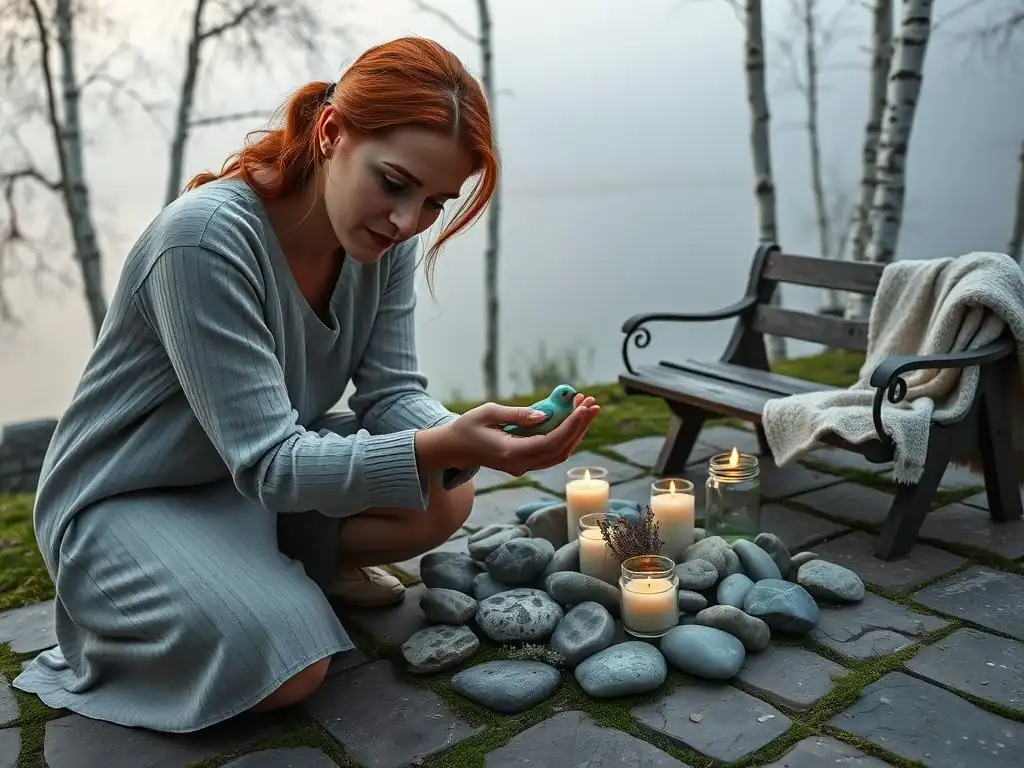
- Creating a Memory Table or Shrine: A Personal Space for Remembrance
- Writing Letters or Journals: Expressing Unspoken Thoughts and Feelings
- Engaging in Creative Arts: Painting, Music, or Sculpture as Grief Outlets
- Symbolic Acts of Release: Balloon Release, Planting a Tree, or Scattering Ashes
- Participating in Suicide Prevention Walks or Events: Finding Community and Purpose
- Designing Personalized Grieving Rituals: Tailoring to Your Needs
- Examples of Meaningful Remembrance Rituals After Suicide
- The Importance of Ongoing Support During Bereavement
- Helping Children and Teens Grieve Suicide: Age-Appropriate Rituals
- Finding Long-Term Healing and Hope After Suicide Loss
-
Frequently Asked Questions
- What are some examples of rituals that can help with grieving after a suicide?
- Why is creating rituals important when grieving a suicide loss?
- How can I involve others in the remembrance rituals?
- Where can I find support if I'm struggling to create or participate in grieving rituals?
- How long should I continue performing these rituals?
- Final Reflection: Weaving Threads of Remembrance After Suicide
- Unveil Your Healing Journey: Creating Meaningful Memorials
Understanding Grief After Suicide Loss: A Unique Bereavement
The Complexities of Grief Following Suicide: Emotional Challenges
Grief following a suicide loss is often described as uniquely complicated, marked by an intense array of emotions that can feel overwhelming and contradictory. Survivors frequently grapple with profound shock, disbelief, and intense sorrow, which are common to all forms of grief. However, these feelings are often compounded by a heavy burden of guilt, shame, anger, and confusion.
Many survivors question if they could have prevented the death, leading to persistent self-blame. According to various studies and reports from support organizations, a significant percentage of suicide loss survivors experience higher rates of complicated grief and depression compared to those grieving other types of loss. The unexpected nature of suicide, coupled with its often violent manner, can also lead to traumatic grief reactions, including intrusive thoughts and difficulty processing the event.
Beyond the immediate emotional turmoil, survivors may also experience a crisis of meaning, questioning their beliefs, relationships, and the future. The search for answers about "why" can be relentless and often fruitless, adding to feelings of frustration and helplessness. Navigating social interactions can also be challenging; survivors may feel isolated, fearing judgment or struggling to articulate their pain.
This complex emotional landscape underscores the critical need for understanding, compassion, and effective coping strategies, including finding meaningful ways of grieving suicide rituals remembrance support. The journey is rarely linear, with intense waves of emotion resurfacing unexpectedly, sometimes years after the loss.
Acknowledging the Stigma Surrounding Suicide and Its Impact on Grieving
The societal stigma surrounding suicide significantly impacts the grieving process for survivors. Unlike deaths due to illness or old age, suicide is often shrouded in silence, shame, and judgment, making it difficult for survivors to openly discuss their loss and seek comfort. This stigma can lead to social isolation, as friends and family members may feel uncomfortable or unsure how to offer support, sometimes even avoiding the topic altogether.
Survivors may internalize this shame, feeling reluctant to share the cause of death or their true feelings, which hinders their ability to process grief in a healthy way. Research indicates that survivors of suicide loss are less likely to seek formal support compared to other bereaved individuals, partly due to the fear of judgment and the unique pain associated with this type of loss.
The impact of stigma extends beyond social interactions; it can also affect access to and utilization of support services. Some individuals may hesitate to join support groups specifically for suicide loss survivors, fearing identification or further stigmatization. Healthcare professionals, while increasingly aware, may also sometimes lack specific training in supporting suicide bereavement, inadvertently adding to the survivor's burden.
This lack of understanding and open dialogue perpetuates the cycle of silence, making the already difficult process of grieving suicide rituals remembrance support even more challenging. Breaking down this stigma is crucial, creating a more compassionate environment where survivors feel safe to mourn openly and access the resources they need without fear of judgment.
Why Create Rituals for Grieving Suicide Loss?
Finding Comfort and Meaning Through Remembrance Rituals
Creating rituals offers a structured way to actively engage with grief and find comfort amidst the chaos of loss. Rituals provide a sense of control and predictability in a life that suddenly feels unpredictable and out of control. They offer a dedicated time and space to remember the person who died, focusing on their life rather than solely on their death.
Activities like lighting a candle annually on their birthday, visiting a meaningful place, or preparing their favorite meal can transform difficult anniversaries into opportunities for connection and remembrance. These acts are not about forgetting the pain, but about integrating the memory of the loved one into ongoing life in a way that feels intentional and healing. Finding comfort through grieving suicide rituals remembrance support helps survivors move towards acceptance and finding meaning in the aftermath of loss.
Moreover, rituals help survivors find meaning in their experience. By actively choosing how to remember and honor the deceased, survivors can reclaim some agency in their grief journey. This might involve establishing a charitable fund, volunteering for a cause important to the deceased, or creating something tangible like a piece of art or a memory box.
These actions imbue the process with purpose, transforming passive suffering into active remembrance and contribution. Many survivors report that engaging in such meaningful activities helps shift their focus from the circumstances of the death to the enduring impact of the person's life, fostering a sense of connection that transcends the loss itself.
Rituals as a Tool for Processing Grief and Honoring the Deceased
Rituals serve as powerful tools for processing the complex emotions associated with grieving suicide. The structured nature of rituals provides a container for intense feelings, allowing survivors to express sorrow, love, anger, or guilt in a safe and intentional way. For example, writing a letter to the deceased and then symbolically releasing it (like burning it or burying it) can be a cathartic way to express unspoken words and acknowledge the finality of the loss.
These acts externalize internal pain, making it feel more manageable. Unlike spontaneous emotional outbursts, rituals are planned and deliberate, offering a sense of agency and control over the expression of grief. This deliberate engagement with sorrow is a vital part of the healing process, helping survivors to slowly integrate the reality of the loss into their lives.
Beyond processing emotions, rituals are fundamentally about honoring the life of the person who died. In the context of suicide, where the death can overshadow the life lived, rituals provide an essential opportunity to focus on positive memories, achievements, and the unique qualities of the individual. This might involve sharing favorite stories, creating a memorial that reflects their passions, or continuing traditions they cherished.
These acts ensure that the person is remembered for who they were, not just how they died. Honoring the deceased through structured activities reinforces their significance and helps survivors maintain a connection to their legacy, which is a crucial aspect of long-term grieving suicide rituals remembrance support.
Grief can be isolating, but shared rituals have the power to foster connection and mutual support among those affected by the loss. When family members and friends participate in a ritual together, they create a shared experience of remembrance and mourning. This shared activity can break down barriers, encourage open communication about the deceased and the grief experience, and reinforce the bond between survivors.
Whether it's a joint effort to create a memory garden, an annual gathering to share stories, or participating in a community walk, these collective actions remind individuals that they are not alone in their pain. This sense of shared experience is particularly valuable in suicide bereavement, where isolation can be a significant challenge due to stigma.
Shared rituals also provide a platform for different individuals to express their grief in ways that feel comfortable and meaningful to them, while still participating in a collective act of remembrance. For instance, during a memorial service, some might speak, while others might choose to play music, read a poem, or simply be present. This collective yet individualized approach strengthens the support network around each survivor.
The act of planning and executing a ritual together can also be a bonding experience, providing a shared purpose during a time of immense vulnerability. Participating in grieving suicide rituals remembrance support alongside others reinforces the strength of the support system and contributes significantly to collective and individual healing.
Types of Grieving Rituals for Suicide Loss
Memorial Services and Celebrations of Life: Honoring Their Memory
Traditional memorial services or more personalized celebrations of life are common and powerful rituals for honoring a life lost to suicide. These gatherings provide a formal setting for friends, family, and community members to come together, share memories, express condolences, and collectively acknowledge the death.
A celebration of life often focuses more on the positive aspects and achievements of the deceased, incorporating elements like favorite music, readings that reflect their values, or sharing humorous anecdotes. While navigating the unique circumstances of suicide, these services can be tailored to acknowledge the reality of the death while firmly centering the individual's life and legacy.
Planning these events allows survivors to actively participate in the remembrance process, making choices about how their loved one will be honored. This can include selecting readings, choosing music, preparing eulogies, or creating visual displays of photographs and memorabilia. For many, the act of planning itself is a form of grief work, providing a focus during a chaotic time.
Attending the service offers validation of the loss and provides comfort in seeing the impact the deceased had on others. While potentially painful, these services are crucial steps in the grieving suicide rituals remembrance support process, providing a necessary collective acknowledgment of the loss and celebration of the life lived.
Creating a Memory Table or Shrine: A Personal Space for Remembrance
Establishing a memory table, shrine, or dedicated corner in one's home offers a tangible and personal space for ongoing remembrance. This ritual involves selecting items that were meaningful to the deceased or that evoke cherished memories – photographs, favorite books, small objects they owned, or even handwritten notes. Arranging these items creates a focal point for reflection and connection. This space can be as simple or elaborate as desired, evolving over time as the survivor's grief journey progresses. It serves as a constant, gentle reminder of the person and their presence in the survivor's life.
Interacting with this space can become a daily or periodic ritual. This might involve lighting a candle, placing fresh flowers, holding a particular object, or simply sitting nearby in quiet contemplation. Unlike a public memorial, a memory table is a private sanctuary for grief and remembrance, accessible whenever needed. It allows survivors to feel close to their loved one, providing a sense of continuity and connection. This personal ritual is an intimate way of grieving suicide rituals remembrance support, allowing survivors to honor their loved one in a way that feels deeply personal and comforting within their own space.
Writing Letters or Journals: Expressing Unspoken Thoughts and Feelings
Writing is a powerful and accessible ritual for processing the complex emotions that often accompany grief after suicide. Writing letters to the deceased allows survivors to express things they never had the chance to say, ask questions they can't get answers to, or simply share updates about their life. This act can be incredibly cathartic, providing an outlet for intense feelings like anger, guilt, love, or regret.
The letters don't need to be perfect or even coherent; the value lies in the act of putting thoughts and emotions onto paper. These letters can be kept privately, or some choose to perform a symbolic act of release, like burning them or sending them off in a balloon or bottle.
Journaling offers a similar but broader approach, providing a space to document the grief journey, explore feelings, and make sense of the experience. Writing down thoughts and emotions can help identify patterns, track progress (or lack thereof), and gain perspective. It's a safe space to be completely honest without fear of judgment.
For survivors grappling with the "why" of suicide, journaling can be a way to explore different facets of the situation, process traumatic memories, and work towards finding some form of understanding or acceptance. Both letter writing and journaling are private, flexible rituals that allow survivors to engage with their grief on their own terms, contributing significantly to their personal grieving suicide rituals remembrance support process.
Engaging in Creative Arts: Painting, Music, or Sculpture as Grief Outlets

Creative expression through art, music, sculpture, or other mediums can be a profoundly healing ritual for grief that is difficult to articulate verbally. Engaging in creative arts provides a non-verbal outlet for complex emotions that words cannot capture. A survivor might paint abstract colors that represent their feelings of sorrow or confusion, compose a piece of music that reflects the melody of memories, or sculpt a form that symbolizes their pain or resilience. The process of creation itself can be therapeutic, offering a focused activity that channels emotional energy into something tangible.
The resulting artwork or music can serve as a visual or auditory representation of the grief journey, providing a way to track emotional shifts over time. It can also become a way to honor the deceased, perhaps by creating something inspired by their life, interests, or personality. Sharing this art with trusted friends, family, or a therapist can open up conversations about grief in a new way. For those who struggle to talk about their feelings, creative rituals offer a vital avenue for expression and processing, contributing to their unique approach to grieving suicide rituals remembrance support.
Symbolic Acts of Release: Balloon Release, Planting a Tree, or Scattering Ashes
Symbolic acts of release or commemoration provide powerful, often public or semi-public, rituals for acknowledging the finality of death and honoring the deceased. Releasing balloons (preferably biodegradable ones) with messages attached, floating lanterns on water, or scattering ashes in a place that was meaningful to the person are all acts that symbolize letting go and sending love or memories out into the world. These rituals often involve family and friends, creating a shared experience of saying goodbye and remembering together. While letting go is a core theme, these acts are also about carrying the memory forward.
Planting a tree or creating a memorial garden offers a living tribute that grows and flourishes over time. This ritual symbolizes continuity, life, and enduring remembrance. Visiting the tree or garden can become an ongoing ritual, a place for quiet reflection and feeling connected to the deceased. These symbolic acts provide concrete, often visual, ways to mark the loss and honor the person's memory. They serve as significant milestones in the grieving process, helping survivors navigate the difficult path of grieving suicide rituals remembrance support by providing tangible actions to mark the transition and keep memories alive.
Participating in Suicide Prevention Walks or Events: Finding Community and Purpose
Engaging with the wider community of suicide loss survivors and advocates by participating in suicide prevention walks, awareness events, or fundraising activities can be a powerful ritual that transforms personal grief into collective action and purpose. These events offer a sense of solidarity and belonging among people who understand the unique pain of suicide loss. Walking alongside others who have experienced similar tragedies can be incredibly validating and comforting, reducing feelings of isolation. Many walks include opportunities to display photos or messages for loved ones lost to suicide, creating a collective memorial space.
Beyond finding community, participating in these events allows survivors to channel their grief into meaningful action aimed at preventing future deaths. Raising awareness, advocating for better mental health resources, or fundraising for suicide prevention initiatives can provide a sense of purpose and hope. It allows survivors to honor their loved one's memory by working to ensure that others do not experience the same pain. This active engagement in grieving suicide rituals remembrance support transforms the experience of loss into a catalyst for positive change, contributing to healing on both individual and community levels.
Designing Personalized Grieving Rituals: Tailoring to Your Needs
Consider the Deceased's Personality and Preferences: Reflecting Their Life
Designing personalized rituals that truly resonate with the individual who died is key to making the remembrance process meaningful. Think about their personality, hobbies, passions, and values. What did they love to do? What were their favorite places, colors, music, or foods?
Incorporating these elements into a ritual makes it a genuine reflection of their life, not just a generic act of mourning. For instance, if they loved nature, a ritual might involve spending time outdoors, visiting a favorite park, or planting something in their memory. If they were a musician, playing their favorite songs or attending a concert in their honor could be fitting.
Tailoring rituals helps survivors feel connected to the unique spirit of the person they lost. It shifts the focus from the manner of death back to the richness of the life lived. This personal touch makes the ritual feel more authentic and comforting. It allows survivors to celebrate the individuality of their loved one and keep their memory alive in ways that feel true to who they were. This personalized approach is fundamental to effective grieving suicide rituals remembrance support, ensuring that the acts of remembrance are deeply personal and relevant.
Involve Family and Friends in the Planning: Sharing the Burden of Grief
Grief is a shared experience, and involving family and friends in the planning and execution of rituals can be incredibly beneficial. Planning together provides an opportunity for collective remembrance and shared decision-making, which can strengthen bonds and distribute the emotional labor. Collaborating on a ritual allows different perspectives on the deceased's life to be shared and honored. It ensures that the ritual is meaningful to multiple people affected by the loss, fostering a sense of unity in grief.
Inviting others to participate also provides mutual support. Simply being together while planning or performing a ritual can alleviate feelings of isolation and reinforce the support network. Different individuals may have different strengths or ideas to contribute, making the ritual richer and more inclusive. While some rituals may be deeply personal and solitary, involving loved ones in shared remembrance activities is a vital component of grieving suicide rituals remembrance support, creating a collective space for healing and connection.
Set Realistic Expectations: Rituals are a Process, Not a Cure
It is crucial to approach grieving rituals with realistic expectations. Rituals are powerful tools for processing grief, finding comfort, and honoring memory, but they are not a magic cure for pain. Grief is a long and complex process, and while rituals can provide moments of solace and meaning, they do not erase the reality of the loss or the pain associated with it. There will still be difficult days, waves of intense emotion, and ongoing challenges. Viewing rituals as steps in a longer journey, rather than endpoints, is essential.
Understand that participating in a ritual might bring up difficult emotions. It's okay to cry, feel sad, or even angry during a remembrance activity. These feelings are part of the grief process. Be gentle with yourself and allow for the emotional response. The goal of a ritual is not to avoid pain, but to engage with it in a structured, meaningful way. Setting realistic expectations about the impact of grieving suicide rituals remembrance support helps manage potential disappointment and allows individuals to appreciate the true value rituals offer in supporting the ongoing work of grief.
Be Flexible and Adaptable: Adjust Rituals as Your Grief Evolves
Grief is dynamic; it changes over time. What feels comforting or meaningful early in the bereavement process might need to be adjusted as time passes. It's important to be flexible and adaptable with your rituals.
If a particular ritual no longer serves you, or if you feel drawn to try something new, allow yourself the freedom to change. Perhaps an annual gathering feels too difficult one year, or maybe you want to add a new element to a long-standing tradition. There are no strict rules for grieving suicide rituals remembrance support; the most effective rituals are those that meet your needs at a particular point in your journey.
This flexibility also applies to how you feel during a ritual. If you planned to speak at a memorial but feel unable to in the moment, it's okay to step back. If a quiet moment of reflection turns into an unexpected wave of tears, allow it. The purpose of the ritual is to support your healing, so adapt it to your emotional state. Embracing flexibility ensures that rituals remain supportive and meaningful as your grief naturally shifts and changes over months and years.
Examples of Meaningful Remembrance Rituals After Suicide
A memory quilt is a beautiful and tangible ritual that involves creating a quilt from fabrics or clothing items that belonged to the deceased. This project can be undertaken individually or collaboratively with family and friends, with each person contributing squares made from items like old shirts, ties, or even pieces of fabric from favorite blankets. The process of selecting the items, cutting the fabric, and sewing the pieces together provides a focused activity that allows for reflection and shared memories. As participants work, they often share stories and reminisce about the person.
The finished quilt is a physical representation of shared love and connection. It can be used as a comforting presence in a home, a reminder of the person's warmth and presence. The act of creating something beautiful and useful from remnants of their life is a powerful way to transform grief into a lasting tribute. The quilt becomes a vessel for memories, a comforting object to hold during moments of sadness, and a testament to the enduring bonds of love. This creative process is a deeply personal and collaborative way of engaging in grieving suicide rituals remembrance support.
Releasing Lanterns at Dusk: Symbolizing Hope and Remembrance
Releasing sky lanterns (with consideration for safety and environmental impact, using biodegradable options where available and checking local regulations) at dusk can be a visually moving and symbolic ritual of remembrance and hope. Gathering with loved ones as the sun sets, participants can write messages to the deceased on the lanterns before lighting and releasing them into the sky. As the lanterns ascend and drift away, they can symbolize sending love, memories, or messages to the person, or represent the release of sorrow.
This ritual combines the beauty of the evening sky with a collective act of letting go and remembering. Watching the lights float upwards can evoke a sense of peace and connection, symbolizing the spirit's journey or the enduring light the person brought into the world. It's a ritual that offers a sense of shared experience and quiet contemplation, providing a poignant moment for grieving suicide rituals remembrance support among those gathered.
Establishing a Scholarship or Fund in Their Name: Perpetuating Their Values
Establishing a scholarship fund, charitable foundation, or making regular donations to a cause that was important to the deceased is a powerful way to honor their legacy and perpetuate their values. This ritual transforms grief into a force for good, creating a positive impact in the world in their name. Whether it's supporting students pursuing a field they loved, contributing to a mental health organization, or funding research for a cause they championed, this act keeps their spirit and passions alive.
This type of ritual involves ongoing commitment and provides a long-term connection to the deceased. It offers survivors a sense of purpose and fulfillment, knowing that their loved one's memory is helping others. Organizing fundraising events or participating in activities related to the fund can also become regular rituals that involve community and continue the work of remembrance and support. This is a significant way of engaging in grieving suicide rituals remembrance support, turning profound loss into a source of enduring positive influence.
The Importance of Ongoing Support During Bereavement

Seeking Professional Counseling or Therapy for Grief Support
Professional counseling or therapy is a critical component of ongoing support for individuals grieving a suicide loss. Therapists specializing in grief and trauma can provide a safe and confidential space to process complex emotions like guilt, shame, and trauma reactions that are often heightened in suicide bereavement. They can offer coping strategies, help identify and challenge unhelpful thought patterns, and guide survivors through the difficult process of making meaning out of their loss. Evidence suggests that therapeutic interventions can significantly reduce symptoms of complicated grief and depression in suicide loss survivors.
Working with a therapist provides personalized support tailored to the individual's specific needs and challenges. Unlike support groups, therapy offers one-on-one attention, allowing for deeper exploration of personal history, relationship dynamics, and the specific circumstances surrounding the loss. A therapist can also help survivors navigate difficult family dynamics or social challenges related to the stigma of suicide. Integrating professional help into the grieving suicide rituals remembrance support plan is often essential for long-term healing and emotional well-being.
Joining a Support Group for Suicide Loss Survivors: Connecting with Others
Connecting with others who have experienced the unique pain of losing someone to suicide by joining a support group is an invaluable source of ongoing support. These groups provide a space where survivors can share their experiences, feelings, and challenges with people who truly understand. Hearing others' stories can reduce feelings of isolation and normalize the intense and sometimes confusing emotions that accompany suicide bereavement. Many survivors report feeling a sense of belonging and validation in these groups that they cannot find elsewhere.
Support groups offer both emotional support and practical advice. Members can share coping strategies, discuss the effectiveness of different grieving suicide rituals remembrance support activities, and provide recommendations for resources. The shared understanding within the group fosters an environment of empathy and acceptance, free from the judgment or discomfort that can sometimes be present in other social settings. Participating in a support group reminds survivors that they are not alone on their grief journey and provides a community of shared strength and resilience.
Practicing Self-Care: Prioritizing Your Mental and Physical Well-being
Amidst the overwhelming pain of grief, prioritizing self-care is not a luxury but a necessity for long-term healing. Grief is physically and emotionally exhausting, and neglecting basic needs can exacerbate suffering and impede the healing process. Self-care involves simple yet crucial practices such as ensuring adequate sleep, maintaining a balanced diet, engaging in regular physical activity (even gentle walks), and avoiding excessive use of alcohol or substances as coping mechanisms. These actions help maintain physical health, which is foundational to managing emotional distress.
Beyond physical health, self-care includes activities that nurture mental and emotional well-being. This might involve spending time in nature, pursuing hobbies that bring a sense of peace or joy, practicing mindfulness or meditation, or simply allowing time for rest and quiet reflection. It's about being compassionate towards oneself during a time of immense pain. Integrating self-care practices into daily life is an essential, ongoing ritual of grieving suicide rituals remembrance support, helping survivors build resilience and capacity to navigate their loss.
Utilizing Community Resources and Mental Health Organizations: Finding Additional Support
Accessing community resources and support from mental health organizations is vital for comprehensive ongoing support. Many local and national organizations offer specific programs for suicide loss survivors, including workshops, retreats, helplines, and educational materials. Organizations like the American Foundation for Suicide Prevention (AFSP) or the Suicide Prevention Resource Center (SPRC) provide extensive resources, including guides on coping with loss and finding local support groups. These organizations often have websites with valuable information, research findings, and connections to professional help.
Leveraging these resources provides additional layers of support beyond personal networks and therapy. They can offer specialized knowledge about suicide bereavement, connect survivors with specific types of support they might need (e.g., support for children, support for partners), and provide opportunities for advocacy and community involvement. Utilizing the wide range of grieving suicide rituals remembrance support available through these organizations ensures that survivors have access to comprehensive care and support tailored to the unique challenges of their loss.
Helping Children and Teens Grieve Suicide: Age-Appropriate Rituals
Explaining Suicide in an Age-Appropriate Way: Honesty and Open Communication
When helping children and teens grieve a suicide loss, open and honest communication is paramount, tailored to their developmental stage. While it can be incredibly difficult, avoiding the word "suicide" or creating vague explanations can cause confusion, fear, and mistrust. It's important to use clear, simple language that a child can understand, emphasizing that the person died because of intense emotional pain or a mental health condition, rather than blaming the child or anyone else.
For young children, focus on the fact that the person's brain was sick, much like a physical illness, and it made them unable to see a way to stop their pain. For older children and teens, more detail about mental health struggles can be appropriate.
Reassure them that the death was not their fault and that they are loved and safe. Encourage questions and answer them truthfully, even if it's hard. It's okay to say "I don't know" if you don't have all the answers. Consistency and patience are key, as children may process information and emotions slowly and revisit questions over time. Open communication lays a foundation of trust and helps children begin the difficult process of understanding and grieving suicide rituals remembrance support in a healthy way.
Creating Rituals That Involve Children's Participation: Drawing, Writing, or Storytelling
Engaging children and teens in age-appropriate grieving rituals allows them to actively participate in remembering and honoring their loved one. For younger children, this might involve drawing pictures of happy memories, decorating a memory box, or creating a simple craft related to the person's interests. Storytelling is also powerful; sharing favorite stories about the deceased or creating new stories together can help keep their memory alive. For older children and teens, writing letters or poems, creating a digital memorial, or choosing music for a remembrance activity can be meaningful.
These activities provide concrete ways for children to express their feelings and remember their loved one when verbal expression might be difficult. They offer a sense of agency and control during a time when they may feel powerless. Allowing children to contribute their unique perspectives and talents to remembrance activities validates their grief and their relationship with the deceased. These participatory rituals are essential for helping children navigate grieving suicide rituals remembrance support in a way that respects their developmental needs and emotional capacity.
Providing a Safe Space for Children to Express Their Emotions: Active Listening and Validation
Creating a safe and supportive environment where children and teens feel comfortable expressing their complex emotions is crucial. Grief in children may manifest differently than in adults, sometimes appearing as behavioral changes, increased anxiety, difficulty concentrating, or physical complaints. It's important to be patient, observant, and responsive to these signs. Actively listen to what they say (or don't say), paying attention to their non-verbal cues. Validate their feelings, letting them know that it's okay to feel sad, angry, confused, or any other emotion they are experiencing. Avoid minimizing their pain or telling them how they should feel.
Encourage expression through various means – talking, playing, drawing, or writing. Provide opportunities for them to ask questions and express concerns without fear of judgment. Reassure them that their feelings are normal given the circumstances. Maintaining routines and providing stability can also help children feel safe. A safe space for emotional expression is fundamental to helping children and teens process their grief and engage in healthy grieving suicide rituals remembrance support.
Finding Long-Term Healing and Hope After Suicide Loss
Embracing the Journey of Grief: Allowing Yourself Time to Heal
Finding long-term healing after suicide loss is not about moving on or forgetting, but about integrating the experience into your life and finding a way to live alongside the pain. This requires embracing the journey of grief, which is often non-linear and unpredictable. There will be days when grief feels overwhelming, and days when moments of joy are possible.
Allowing yourself time to heal means being patient with the process, understanding that there is no set timeline for grief, and permitting yourself to feel whatever emotions arise without judgment. It involves recognizing that healing is a process of learning to live with the loss, not overcoming it entirely.
Embracing the journey also means being kind to yourself. Grief is exhausting work. Recognize your limits, ask for help when needed, and don't compare your grief process to others. Healing involves slowly finding a new normal, rediscovering sources of comfort and meaning, and building a life that honors the memory of the person who died while also allowing for personal growth and well-being. This perspective is vital for navigating the long-term path of grieving suicide rituals remembrance support.
Remembering the Good Times and Cherished Memories: Focusing on Love and Connection
While the circumstances of a suicide death are tragic and painful, focusing on the good times and cherished memories of the person's life is a crucial part of long-term healing. Actively recalling positive experiences, funny anecdotes, and the love shared helps to balance the pain of the loss with the richness of the relationship.
This doesn't mean ignoring the reality of the death, but rather ensuring that the person is remembered for the totality of their life, not just its end. Sharing these memories with others who knew the person can be a powerful way to reinforce positive recollections and celebrate the enduring bond.
Creating rituals specifically centered around positive memories, such as an annual "Happy Memories Day" where loved ones gather to share favorite stories, or creating a scrapbook or digital album of joyful moments, can be incredibly healing. These acts reinforce the love and connection that remain despite the physical absence. Focusing on love and connection through intentional remembrance is a vital strategy for finding hope and meaning in the aftermath of loss, contributing significantly to long-term grieving suicide rituals remembrance support.
Finding Meaning and Purpose in Life After Loss: Honoring the Deceased's Legacy
A significant part of long-term healing involves finding meaning and purpose in life after a profound loss. This doesn't mean replacing the person, but rather integrating the experience of grief into a renewed sense of self and direction. For many suicide loss survivors, this involves honoring the deceased's legacy by living a life that reflects their values or pursuing goals that were important to them. This might mean dedicating oneself to a cause, embarking on a new personal journey, or simply striving to live a fulfilling life as a tribute.
Finding meaning can also involve using the experience of loss to help others. Sharing one's story, advocating for mental health awareness, or volunteering with support organizations can transform personal pain into collective benefit. This shift from focusing solely on the loss to finding purpose in its wake can be incredibly empowering and healing. Discovering new meaning and purpose is a profound aspect of long-term grieving suicide rituals remembrance support, allowing survivors to build a future that honors the past while embracing new possibilities.
Supporting Suicide Prevention Efforts: Turning Grief into Action
For many suicide loss survivors, turning their grief into action by supporting suicide prevention efforts becomes a powerful and meaningful part of their long-term healing journey. This can involve a wide range of activities, from participating in awareness campaigns and fundraising events to advocating for policy changes or volunteering with crisis hotlines. Engaging in these efforts provides a sense of purpose and agency, transforming feelings of helplessness into proactive engagement. It allows survivors to honor their loved one by working to prevent others from experiencing similar pain.
Becoming involved in suicide prevention connects survivors with a community of advocates and reinforces the message that their loved one's death was not in vain, but can serve as a catalyst for change. It channels the intense emotions of grief into constructive action, fostering resilience and hope. Supporting suicide prevention is a tangible way of continuing the work of grieving suicide rituals remembrance support, creating a lasting legacy that extends beyond personal remembrance to impact the wider community and save lives.
Frequently Asked Questions
What are some examples of rituals that can help with grieving after a suicide?
Rituals can be personalized activities offering comfort. Examples include creating a memory box, planting a tree in remembrance, or writing letters to the deceased. These actions can provide a tangible way to honor their life.
Why is creating rituals important when grieving a suicide loss?
Suicide loss often brings complex emotions like guilt and shame. Rituals provide a structured outlet for grief, helping process these feelings and find meaning in the face of tragedy, fostering healing.
How can I involve others in the remembrance rituals?
Involving family and friends can strengthen support networks and create a shared experience. Consider a memorial service, group activity celebrating the person's life, or even a shared meal where memories are shared.
Where can I find support if I'm struggling to create or participate in grieving rituals?
Mind Care Guide and other mental health resources offer guidance and support in navigating grief after suicide. Therapy, support groups, and online communities can provide valuable assistance.
How long should I continue performing these rituals?
There's no set timeline; continue the rituals as long as they provide comfort and connection. The intensity and frequency may change over time, but the meaningful connection remains.
Final Reflection: Weaving Threads of Remembrance After Suicide
The profound pain of suicide loss reverberates far beyond the immediate aftermath, leaving a void that demands both acknowledgement and meaningful response. The rituals we create, both large and small, become vital threads in the tapestry of remembrance, helping us navigate the complex landscape of grief and begin to rebuild our lives. This is not about forgetting, but about finding ways to honor the life lost and integrate the memory into our ongoing journey.
The impact of suicide on individuals and communities is immeasurable; it shatters families, leaves gaping holes in social networks, and forces us to confront the fragility of life. The silence surrounding suicide often exacerbates the pain, making it even harder for those left behind to process their grief. Grief is the price we pay for love.
This simple truth highlights the inherent connection between the depth of our love and the intensity of our sorrow. Creating rituals allows us to actively engage with our grief, transforming raw pain into a more manageable form of remembrance, a way to keep the memory alive in a healthy and supportive way.
You, the reader, are now invited to consider your own approach to remembrance. What rituals, however small, might you create to honor the memory of someone lost to suicide? Perhaps it's a yearly planting of a favorite flower, a designated day for sharing stories, or simply a quiet moment of reflection. Remember, there is no right or wrong way to grieve; the most important aspect is to find a path that allows you to honor the life lived and find solace in the memories shared. Let the threads of remembrance weave a stronger, more resilient you.
Unveil Your Healing Journey: Creating Meaningful Memorials
Thanks for taking the time to explore the powerful ways we can grieve and remember after suicide. You've taken a crucial step towards healing, and we're here to support you on your path. Now, let's turn this understanding into action.
- Create a personalized tribute: This could be anything from planting a tree in memory of your loved one to composing a poem or song that captures their essence. Let your creativity guide you.
- Share your story (if you feel comfortable): Connecting with others who understand can be incredibly healing. Consider sharing your experience—whether through writing, art, or conversation—to find solace and support.
- Explore a meaningful ritual: Perhaps a yearly gathering, a specific tradition, or a dedicated space in your home. Find a way to consistently honor your loved one's memory.
What unique ritual will you create to keep their memory alive and your healing journey vibrant?