
Can We Reverse Neuroinflammation to Improve Mental Health?

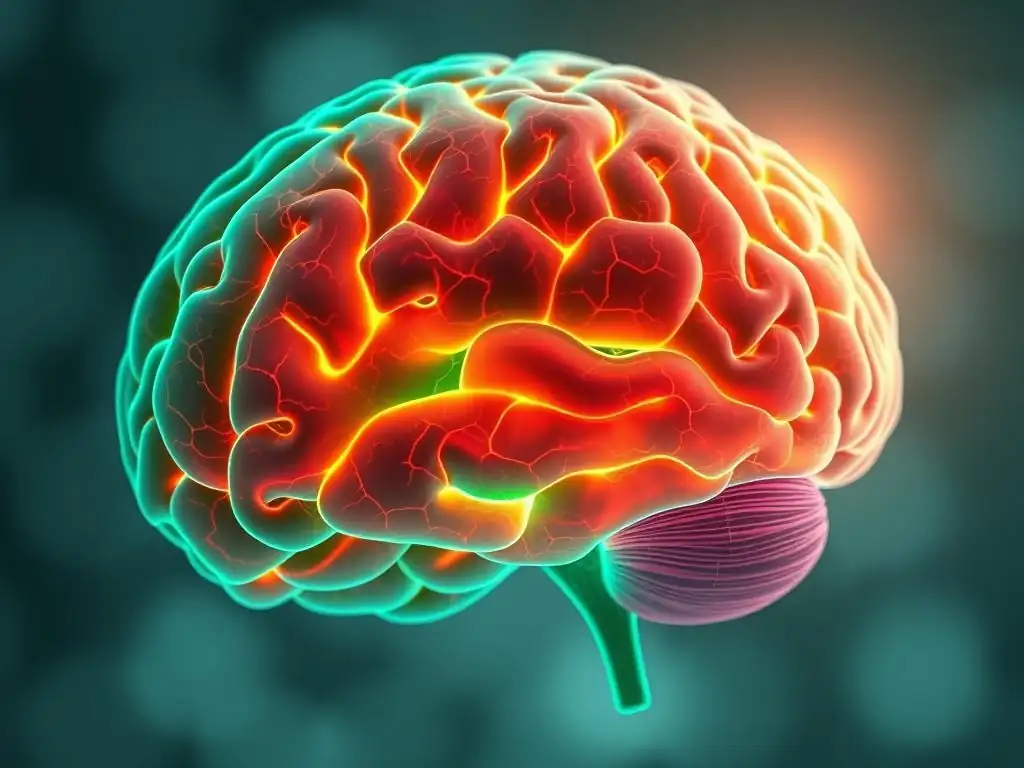
Welcome to Mind Care Guide, a sanctuary for understanding and nurturing your mental well-being.
Are you grappling with persistent mental health challenges and wondering if there's more to the story? You're not alone. Emerging research suggests a powerful link between inflammation in the brain and conditions like depression and anxiety. This leads us to ask: Can we truly achieve neuroinflammation mental health reversal? Explore this groundbreaking perspective and discover potential pathways to healing within our latest article.
Can We Reverse Neuroinflammation to Improve Mental Health?
- Understanding the Link Between Neuroinflammation and Mental Health
- The Potential for Neuroinflammation Mental Health Reversal: A New Frontier
- Strategies for Targeting and Reducing Neuroinflammation
- Novel Therapeutic Approaches for Neuroinflammation and Mental Health
- Clinical Trials and Studies on Neuroinflammation and Mental Health Outcomes
- The Future of Neuroinflammation Research and Mental Health Treatment
- Practical Steps to Support Brain Health and Reduce Inflammation
- Conclusion: Neuroinflammation and Mental Health - A Path to Improved Well-being
-
Frequently Asked Questions
- What is neuroinflammation, and how is it related to mental health?
- Can neuroinflammation be reversed?
- What are some lifestyle changes that may help reduce neuroinflammation and improve mental well-being?
- What kind of mental health conditions are most linked to neuroinflammation?
- What kind of research is being done to explore neuroinflammation mental health reversal?
- Final Reflection: Rekindling Hope in the Face of Neuroinflammation
- Ignite Your Brain's Renewal: Take Charge of Your Mental Well-being
Understanding the Link Between Neuroinflammation and Mental Health
What is Neuroinflammation? Exploring the Inflammatory Response in the Brain
Neuroinflammation is the brain's immune response. Unlike inflammation in other parts of the body, which might involve redness and swelling, neuroinflammation primarily involves the activation of glial cells – particularly microglia and astrocytes. These cells act as the brain's defense system, responding to infections, injuries, toxins, or even chronic stress. In a healthy brain, this inflammatory response is acute and protective, helping to clear debris and repair tissue.
However, when the stimulus is chronic or excessive, neuroinflammation can become dysregulated. Instead of resolving, the activated glial cells release pro-inflammatory molecules like cytokines (such as TNF-alpha, IL-6, and IL-1 beta) and chemokines persistently. This chronic activation can lead to a hostile environment within the brain, potentially damaging neurons and disrupting synaptic function. Understanding this sustained inflammatory state is crucial for exploring the possibility of neuroinflammation mental health reversal.
The Impact of Neuroinflammation on Brain Function and Mental Well-being
Chronic neuroinflammation can significantly impair various brain functions essential for mental well-being. The persistent release of inflammatory mediators can interfere with neurotransmitter systems, including serotonin, dopamine, and glutamate, which are critical for mood, motivation, and cognition. For instance, elevated levels of certain cytokines have been shown to affect tryptophan metabolism, diverting it away from serotonin production towards producing neurotoxic metabolites.
Furthermore, sustained inflammation can disrupt synaptic plasticity – the brain's ability to reorganize itself by forming new connections – which is vital for learning and memory. It can also compromise the blood-brain barrier, allowing harmful substances to enter the brain. This cumulative effect of disrupted neurotransmission, reduced plasticity, and impaired barrier function contributes directly to the symptoms observed in various mental health conditions, highlighting why addressing neuroinflammation is a key target for mental health improvement.
Common Mental Health Disorders Linked to Chronic Neuroinflammation
A growing body of research links chronic neuroinflammation to several prevalent mental health disorders. Major Depressive Disorder (MDD) is one of the most strongly associated conditions, with studies consistently showing elevated levels of inflammatory markers like C-reactive protein (CRP) and specific cytokines in the blood and cerebrospinal fluid of depressed individuals, particularly those with treatment-resistant depression. Approximately 30-40% of individuals with MDD show evidence of systemic inflammation.
Beyond depression, neuroinflammation is implicated in conditions such as bipolar disorder, schizophrenia, and anxiety disorders. In schizophrenia, post-mortem studies have revealed increased microglial activation in specific brain regions, and some patients show elevated inflammatory markers. While the link is complex and likely involves multiple factors, the evidence suggests that reducing inflammation could be a valuable strategy in managing the symptoms and potentially contributing to neuroinflammation mental health reversal in these populations.
The Potential for Neuroinflammation Mental Health Reversal: A New Frontier
Investigating Therapies Aimed at Reducing Brain Inflammation
The recognition of neuroinflammation's role in mental illness has spurred significant research into therapies designed to dampen this process. These investigations span various approaches, from repurposing existing anti-inflammatory drugs to developing novel compounds that specifically target glial cell activation or the production of inflammatory mediators within the brain. The goal is to interrupt the cycle of chronic inflammation that contributes to psychiatric symptoms.
Current research includes evaluating the efficacy of non-steroidal anti-inflammatory drugs (NSAIDs) as adjunct treatments, exploring antibiotics like minocycline known for their anti-inflammatory properties, and developing more targeted therapies that block specific cytokines or signaling pathways involved in neuroinflammation. While promising, these studies are still in relatively early stages for mental health applications, and finding therapies that effectively cross the blood-brain barrier and target neuroinflammation without causing systemic side effects remains a challenge.
How Neuroinflammation Contributes to Mental Illness: The Causal Connection
Understanding how neuroinflammation causes mental illness is key to achieving neuroinflammation mental health reversal. It's not just a correlation; inflammation actively disrupts brain processes. Inflammatory cytokines can directly influence neuronal activity, impairing the function of synapses and altering neural circuits involved in mood regulation, cognition, and stress response. For example, IL-1 beta can reduce the expression of genes involved in synaptic function.
Moreover, chronic inflammation can contribute to oxidative stress and excitotoxicity, processes that damage and even kill neurons over time. This neuronal damage or dysfunction in critical brain areas like the prefrontal cortex or hippocampus, coupled with altered neurotransmitter function, provides a plausible biological pathway linking persistent neuroinflammation to the development and maintenance of symptoms seen in depression, anxiety, and other disorders.
Is Complete Neuroinflammation Reversal Possible? Realistic Expectations
While the concept of achieving complete neuroinflammation mental health reversal is exciting, it's important to maintain realistic expectations. The brain's inflammatory system is complex and essential for protection. The goal of therapeutic intervention is typically not to eliminate inflammation entirely but rather to restore it to a healthy, regulated state, resolving the chronic, dysregulated response.
Current research suggests that while significant reduction and modulation of neuroinflammation are achievable through various strategies, whether this constitutes "complete reversal" depends on the individual's specific inflammatory profile, the underlying causes of their inflammation, and the extent of any resulting brain damage. For some, significant improvement and symptom reduction may be possible by reducing inflammation, while for others, it may be one piece of a larger treatment puzzle.
Strategies for Targeting and Reducing Neuroinflammation
Dietary Interventions for Managing Neuroinflammation: The Anti-Inflammatory Diet
Diet plays a significant role in systemic inflammation, which in turn can influence neuroinflammation. Adopting an anti-inflammatory diet is a widely recommended strategy. Such diets typically emphasize fruits, vegetables, whole grains, lean proteins, and healthy fats, while limiting processed foods, refined sugars, and excessive saturated fats.
The Mediterranean diet is a prime example, rich in omega-3 fatty acids found in fish, antioxidants in fruits and vegetables, and fiber in whole grains. Studies have shown that adherence to a Mediterranean-style diet can reduce inflammatory markers like CRP by measurable amounts, potentially contributing to a healthier brain environment. Incorporating sources of probiotics and prebiotics can also support gut health, which is increasingly linked to reduced inflammation.
Lifestyle Modifications to Reduce Systemic Inflammation and Support Brain Health
Beyond diet, several lifestyle factors can significantly impact inflammation levels throughout the body and brain. Regular physical activity is a powerful anti-inflammatory tool; moderate exercise, like brisk walking for 150 minutes per week, has been shown to reduce levels of pro-inflammatory cytokines and increase anti-inflammatory markers.
Stress management is equally critical, as chronic stress elevates cortisol and other hormones that promote inflammation. Techniques such as mindfulness meditation, yoga, or deep breathing exercises can help regulate the stress response and potentially dampen inflammatory pathways. Prioritizing sufficient, quality sleep (typically 7-9 hours per night for adults) is also vital, as sleep deprivation is known to increase inflammation. These comprehensive lifestyle changes offer a foundational approach to supporting potential neuroinflammation mental health reversal.
Targeted Supplements for Neuroinflammation: Considerations and Cautions
Certain supplements have shown promise in modulating inflammation, but they should be approached with caution and ideally discussed with a healthcare professional. Omega-3 fatty acids, particularly EPA and DHA, are perhaps the most well-studied, with evidence suggesting they can reduce inflammatory markers. Curcumin, the active compound in turmeric, is another popular supplement with demonstrated anti-inflammatory properties.
Other supplements like probiotics, Vitamin D, and Alpha-Lipoic Acid are also being investigated for their potential anti-inflammatory effects relevant to brain health. However, the efficacy, optimal dosage, and safety can vary, and supplements should not be seen as a replacement for a healthy diet, lifestyle, or medical treatment. Quality and bioavailability also differ between products, making informed choices essential when considering supplements for neuroinflammation.
Novel Therapeutic Approaches for Neuroinflammation and Mental Health
Promising Research on Anti-Inflammatory Medications for Mental Health
Research is actively exploring the potential of using existing or novel anti-inflammatory medications specifically for mental health conditions. Some studies have investigated whether adding NSAIDs like celecoxib to standard antidepressant treatment might improve outcomes in patients with elevated inflammatory markers. While results have been mixed, some trials suggest a potential benefit for specific patient subgroups.
Other approaches involve drugs with known anti-inflammatory effects, such as the antibiotic minocycline, which has shown some promise in trials for schizophrenia and depression, possibly due to its ability to modulate microglia. More targeted therapies, including those aimed at blocking specific cytokines like TNF-alpha, are also under investigation, although these typically have significant potential side effects and are currently reserved for other inflammatory diseases. The hope is that these targeted approaches could contribute to neuroinflammation mental health reversal in the future.
The Role of Immunomodulatory Therapies in Neuroinflammatory Conditions
Immunomodulatory therapies, which aim to regulate or alter the immune response, are being explored for their relevance to neuroinflammatory conditions, including those impacting mental health. These therapies are already used for autoimmune diseases that affect the nervous system, like Multiple Sclerosis, where inflammation is a primary driver of pathology.
Applying similar principles to mental health conditions linked to chronic neuroinflammation involves investigating agents that can calm an overactive immune response in the brain without suppressing necessary immune functions. This might include approaches that influence T-cell activity or antibody production, or therapies designed to promote the activity of anti-inflammatory immune cells. This field is complex and requires careful consideration of the delicate balance of the immune system.
Exploring the Potential of Gut-Brain Axis Modulation in Reducing Neuroinflammation
The gut-brain axis, the bidirectional communication pathway between the digestive system and the brain, is a rapidly evolving area of research with implications for neuroinflammation. The gut microbiome – the trillions of bacteria residing in the gut – can influence systemic inflammation and, consequently, neuroinflammation. An imbalanced microbiome (dysbiosis) can lead to a 'leaky gut', allowing inflammatory molecules to enter the bloodstream and potentially reach the brain.
Modulating the gut microbiome through interventions like probiotics (beneficial bacteria), prebiotics (food for beneficial bacteria), or even fecal microbiota transplantation (FMT) is being explored as a way to reduce systemic and neuroinflammation. Early studies suggest that improving gut health might positively impact mood and reduce inflammatory markers, offering a novel pathway for supporting neuroinflammation mental health reversal.
Clinical Trials and Studies on Neuroinflammation and Mental Health Outcomes
Reviewing Recent Research Findings on Neuroinflammation and Mental Health
Recent research continues to strengthen the link between neuroinflammation and mental health challenges. Large-scale studies utilizing advanced imaging techniques like PET scans have provided visual evidence of increased microglial activation in the brains of individuals with depression and anxiety compared to healthy controls. These studies often pinpoint specific brain regions involved in emotional processing and reward pathways.
Furthermore, studies analyzing large cohorts have found associations between early-life exposure to inflammatory events (like severe infections) and an increased risk of developing mental health disorders later in life. While these findings often highlight correlations, they build a compelling case for neuroinflammation being a significant contributor to the pathology of these conditions, driving the search for effective strategies for neuroinflammation mental health reversal.
Understanding the Limitations of Current Studies and Future Directions
Despite promising findings, current research on neuroinflammation and mental health has limitations. Many studies are cross-sectional, making it difficult to definitively establish causality – does inflammation cause the mental illness, or does the mental illness (or associated factors like stress or lifestyle) cause inflammation? Longitudinal studies tracking individuals over time are needed to clarify this relationship.
Defining and measuring neuroinflammation precisely in living humans also remains a challenge. Biomarkers like CRP are systemic and don't solely reflect brain inflammation. PET imaging is costly and not widely available. Future research needs to develop more specific and accessible biomarkers for neuroinflammation, conduct larger and longer clinical trials, and investigate personalized approaches based on an individual's unique inflammatory profile to advance the field of neuroinflammation mental health reversal.
Notable Clinical Trials Investigating Neuroinflammation in Mental Health
Several clinical trials are underway or have recently concluded investigating the impact of targeting neuroinflammation in mental health conditions. One area of focus is adjunctive therapy, where anti-inflammatory agents are added to standard treatments like antidepressants. Trials have tested agents like minocycline and specific NSAIDs, showing modest benefits in certain patient groups, particularly those with signs of high inflammation.
Other trials are exploring novel compounds specifically designed to modulate glial activity or block inflammatory pathways. While specific trial names are often technical, the general trend involves evaluating whether reducing neuroinflammation translates into measurable improvements in symptoms like depression scores, anxiety levels, or cognitive function. These trials are critical steps in determining the practical feasibility and efficacy of neuroinflammation mental health reversal strategies.
The Future of Neuroinflammation Research and Mental Health Treatment
Predicting the Long-Term Impact of Anti-Neuroinflammatory Therapies
The long-term impact of therapies aimed at reducing neuroinflammation for mental health is a subject of intense interest. If chronic neuroinflammation contributes to neuronal damage or dysfunction over time, effectively reducing it could potentially slow or prevent the progression of certain mental illnesses. This could lead to more sustained symptom relief and potentially even improve cognitive function in the long run.
However, the long-term safety of chronic anti-inflammatory or immunomodulatory treatments needs careful evaluation. The brain's inflammatory response is vital for fighting infections and clearing debris, so therapies must be precise enough to target maladaptive inflammation without compromising beneficial immune functions. Predicting the full scope of neuroinflammation mental health reversal requires extensive, long-term clinical follow-up.
Personalized Approaches to Targeting Neuroinflammation
Recognizing that neuroinflammation is not a one-size-fits-all phenomenon is crucial for the future. The causes and manifestations of neuroinflammation can vary between individuals. Future mental health treatment may involve personalized approaches based on identifying an individual's specific inflammatory profile through biomarkers or imaging.
This could mean tailoring dietary recommendations, lifestyle interventions, or pharmacological treatments based on whether a person shows elevated levels of certain cytokines, specific patterns of microglial activation, or has genetic predispositions linked to inflammatory pathways. Personalized strategies offer the potential for more effective interventions aimed at neuroinflammation mental health reversal by addressing the specific inflammatory drivers in each individual.
The Role of Early Detection and Prevention in Managing Neuroinflammation and Mental Health
Identifying individuals at high risk for developing chronic neuroinflammation and related mental health issues before symptoms become severe is a key goal for prevention. Research is exploring potential early biomarkers or risk factors that could signal a propensity for dysregulated neuroinflammation.
Preventive strategies could then be implemented, focusing on lifestyle modifications (diet, exercise, sleep, stress management) known to reduce inflammation, particularly in vulnerable populations or during critical developmental periods. Early detection and proactive management of neuroinflammation offer a promising avenue to potentially prevent the onset or reduce the severity of mental health disorders, making neuroinflammation mental health reversal a focus not just for treatment but for prevention as well.
Practical Steps to Support Brain Health and Reduce Inflammation
Managing Stress to Minimize the Inflammatory Response
Chronic stress is a powerful driver of inflammation throughout the body, including the brain. Learning effective stress management techniques is therefore a practical and impactful step individuals can take. Simple practices like deep breathing exercises performed for just a few minutes daily can help activate the body's relaxation response.
More structured approaches like mindfulness meditation or yoga, practiced regularly, have been shown in studies to reduce levels of inflammatory markers over time. Even activities like spending time in nature, engaging in hobbies, or maintaining strong social connections can significantly buffer the effects of stress and contribute to a healthier inflammatory balance, supporting overall brain health and potentially aiding in neuroinflammation mental health reversal.
Ensuring Adequate Sleep for Optimal Brain Function and Neuroinflammation Control
Sleep is a critical period for brain maintenance, including the clearance of waste products and regulation of inflammatory processes. Chronic sleep deprivation is strongly linked to increased systemic inflammation. Aiming for 7-9 hours of quality sleep per night is vital for supporting brain health and controlling neuroinflammation.
Establishing a consistent sleep schedule, creating a relaxing bedtime routine, ensuring the sleep environment is dark and quiet, and avoiding caffeine and alcohol before bed are practical steps to improve sleep hygiene. Prioritizing sleep is a foundational element in any strategy aimed at reducing inflammation and supporting the brain's natural restorative processes.
The Importance of Regular Exercise in Reducing Inflammation and Improving Mental Health
Regular physical activity is one of the most potent lifestyle interventions for reducing inflammation and improving mental well-being. Exercise helps regulate the immune system, reduces levels of pro-inflammatory cytokines, and increases the production of anti-inflammatory molecules.
Even moderate exercise, such as a brisk walk for 30 minutes most days of the week, can yield significant benefits. Engaging in activities you enjoy makes it easier to maintain consistency. Regular exercise not only directly combats inflammation but also improves mood, reduces stress, and supports overall cardiovascular health, all of which contribute to a healthier brain environment and support the possibility of neuroinflammation mental health reversal.
Conclusion: Neuroinflammation and Mental Health - A Path to Improved Well-being
Summarizing the Potential and Challenges of Addressing Neuroinflammation
The link between neuroinflammation and mental health is increasingly clear, offering a new perspective on the biological underpinnings of conditions like depression, anxiety, and schizophrenia. Targeting this inflammation holds significant potential for improving mental health outcomes and represents a frontier in treatment research aimed at neuroinflammation mental health reversal.
However, challenges remain, including the complexity of the brain's immune system, the difficulty in precisely measuring neuroinflammation in humans, and the need for more targeted and safe therapeutic interventions. While complete reversal may not always be achievable, significant modulation of inflammation appears possible and could lead to substantial improvements in well-being for many individuals.
Empowering Individuals to Take Control of Their Brain Health
Understanding the role of neuroinflammation empowers individuals to take proactive steps in supporting their brain health. While medical treatments and research into novel therapies continue to advance, lifestyle choices offer powerful tools that are accessible now.
Adopting an anti-inflammatory diet, prioritizing sleep, managing stress effectively, and engaging in regular physical activity are fundamental strategies that can help reduce inflammation and create a healthier environment for the brain. By focusing on these pillars of health and working closely with healthcare professionals, individuals can play an active role in managing inflammation and pursuing a path towards improved mental well-being, leveraging the understanding of neuroinflammation mental health reversal.
Frequently Asked Questions
Neuroinflammation refers to inflammation in the brain. It's increasingly linked to various mental health conditions, suggesting it may play a significant role in their development and progression.
Can neuroinflammation be reversed?
While complete reversal may be complex, research suggests that targeting neuroinflammation through lifestyle changes, medications, and targeted therapies can significantly reduce its impact.
What are some lifestyle changes that may help reduce neuroinflammation and improve mental well-being?
Adopting an anti-inflammatory diet, engaging in regular exercise, and managing stress levels are key lifestyle modifications that can potentially lower neuroinflammation.
What kind of mental health conditions are most linked to neuroinflammation?
Conditions like depression, anxiety, Alzheimer's disease, and schizophrenia have shown strong correlations with elevated levels of neuroinflammation in the brain.
What kind of research is being done to explore neuroinflammation mental health reversal?
Current research explores various avenues, including pharmacological interventions, dietary supplements, and novel therapies aimed at modulating the inflammatory response in the brain and improving mental health outcomes.
Final Reflection: Rekindling Hope in the Face of Neuroinflammation
The intricate link between neuroinflammation and mental health is no longer a theoretical concept; it's a rapidly evolving field with profound implications for treatment and prevention. Understanding the inflammatory processes underlying conditions like depression and anxiety offers a powerful new lens through which to view mental illness, moving beyond solely focusing on neurotransmitter imbalances. This shift promises a paradigm change in how we approach mental healthcare, potentially unlocking more effective and targeted therapies.
The journey of uncovering the role of neuroinflammation in mental health has been a long and complex one, but the accumulating evidence is undeniable. Its influence extends far beyond the individual, shaping our understanding of societal approaches to mental wellness and the very fabric of our support systems. The mind is its own place, and in itself can make a Heaven of Hell, a Hell of Heaven.
- John Milton. This quote, while not directly about neuroinflammation, speaks to the power of the mind and the potential for healing, even in the face of significant biological challenges. The ongoing research into neuroinflammation offers a tangible path towards creating that "Heaven" – a future where effective treatments are readily available, and the stigma surrounding mental illness is significantly reduced.
Consider the implications of this research for your own life and the lives of those around you. What steps can you take to support your brain's health and reduce inflammation? This might involve dietary changes, stress management techniques, regular exercise, or even exploring emerging therapeutic interventions.
Let this article serve as a catalyst for further exploration and a reminder that hope, coupled with scientific advancement, offers a powerful pathway towards improved mental well-being for all. Embrace the opportunity to learn more, advocate for better mental healthcare, and contribute to a future where neuroinflammation is no longer a significant barrier to mental health.
Ignite Your Brain's Renewal: Take Charge of Your Mental Well-being
Thanks for diving deep into the fascinating world of neuroinflammation and its impact on mental health! We hope you gained valuable insights into how you can proactively support your brain's health. Now it's time to put that knowledge into action.
Here's how you can begin your journey towards improved mental well-being:
- Prioritize a Neuro-Supportive Diet: Start incorporating brain-boosting foods like blueberries, fatty fish, and leafy greens into your meals this week. Small changes can make a big difference!
- Share Your Discoveries: Spread the word! Discuss this article with a friend or family member who might benefit from this information. Let's build a community of support around brain health!
- Explore Mindful Movement: Try a calming yoga or Tai Chi session this week. Gentle movement can help reduce stress and inflammation throughout the body, including the brain.
What small step will you take today to nurture your brain's health and boost your mental well-being?