
Quick Mindfulness Exercises for OntheSpot Anxiety Relief


Welcome to Mind Care Guide, your sanctuary for cultivating inner peace and navigating the complexities of mental well-being. Feeling overwhelmed by anxiety? You're not alone. Discover how simple mindfulness exercises reduce anxiety, offering you accessible tools for on-the-spot relief and a pathway to a calmer, more centered you. Ready to take control of your anxiety and reclaim your peace of mind? Let's begin.
Quick Mindfulness Exercises for On-the-Spot Anxiety Relief
- Introduction: Finding Calm Amidst Anxiety with Mindfulness
- Understanding Anxiety and the Need for Mindfulness Techniques
- 5 Simple Mindfulness Exercises to Reduce Anxiety Quickly
- Tips for Practicing Mindfulness Exercises Effectively
- Mindfulness vs. Other Anxiety Relief Methods: A Brief Comparison
- Overcoming Challenges in Mindfulness Practice for Anxiety
- Conclusion: Embracing Mindfulness for Long-Term Anxiety Management
-
Frequently Asked Questions
- What exactly are mindfulness exercises, and how do they differ from other relaxation techniques?
- How quickly can I expect to feel relief from anxiety using mindfulness exercises?
- What are some simple mindfulness exercises I can do when feeling anxious in a public place?
- Are there any potential downsides or risks associated with practicing mindfulness exercises?
- How often should I practice mindfulness exercises to effectively reduce anxiety?
- Final Reflection: Finding Calm in the Chaos
- Unleash Your Inner Calm: Start Practicing Now!
Introduction: Finding Calm Amidst Anxiety with Mindfulness
The Power of Mindfulness in Managing Anxiety
Mindfulness, the practice of intentionally bringing one's attention to the present moment without judgment, has gained significant traction as a powerful tool in mental health. Research consistently shows that integrating mindfulness into daily life can lead to measurable reductions in stress and anxiety levels. For instance, a meta-analysis published in JAMA Internal Medicine in 2014 reviewed dozens of studies and concluded that mindfulness meditation programs showed moderate evidence of improving anxiety symptoms, roughly comparable to the effects of some pharmacological interventions for mild to moderate anxiety. This suggests that even simple mindfulness exercises reduce anxiety effectively when practiced regularly.
Beyond formal meditation, the core principles of mindfulness—awareness, acceptance, and non-judgment—can be applied in short, practical exercises specifically designed for moments of acute distress. These quick techniques don't require lengthy sessions or special equipment, making them accessible during an anxiety spike. The ability of mindfulness exercises to reduce anxiety on the spot stems from their capacity to interrupt the cycle of worry and physiological arousal by redirecting focus to immediate sensory experience or the breath, thereby activating the parasympathetic nervous system, which promotes relaxation.
Why Quick Mindfulness Exercises Work for Immediate Relief
When anxiety hits suddenly, the mind often races with catastrophic thoughts, and the body reacts with physical symptoms like rapid heart rate, shallow breathing, and muscle tension. Quick mindfulness exercises are effective in these moments because they provide an immediate anchor to the present. They interrupt the automatic negative thought patterns and physiological responses that fuel anxiety. By focusing on something tangible and neutral, like the sensation of breath or the feeling of feet on the ground, the individual pulls their attention away from the anxious narrative.
These brief practices work by shifting the brain's activity. Instead of being dominated by the amygdala, the brain's fear center which is overactive during anxiety, attention is directed towards areas involved in awareness and regulation, such as the prefrontal cortex. This shift helps to dampen the fight-or-flight response. For example, a quick minute of focused breathing can lower heart rate variability, an indicator of stress, within moments. This rapid physiological and cognitive shift is why these short mindfulness exercises reduce anxiety so effectively in acute situations.
Understanding Anxiety and the Need for Mindfulness Techniques
What is Anxiety and How Does it Manifest?
Anxiety is a natural human response to stress, but when it becomes excessive, persistent, and interferes with daily life, it may be classified as an anxiety disorder. It's estimated that anxiety disorders affect approximately 18% of the adult population in the United States each year, making them one of the most common mental health concerns globally. Anxiety manifests in various ways, encompassing both psychological and physical symptoms. Psychologically, it can involve excessive worry, intrusive thoughts, irritability, difficulty concentrating, and a sense of impending doom.
Physically, anxiety often presents with symptoms like a racing heart, shortness of breath, sweating, trembling, muscle tension, digestive issues, dizziness, and fatigue. These symptoms are part of the body's innate stress response system. While occasional anxiety is normal and even helpful (e.g., motivating you to study for an exam), chronic or intense anxiety can be debilitating. Understanding these manifestations is crucial for recognizing when quick mindfulness exercises reduce anxiety might be helpful.
The Anxious Mind: Understanding the Fight-or-Flight Response
The core physiological mechanism behind many anxiety symptoms is the fight-or-flight response, also known as the acute stress response. This is an evolutionary survival mechanism triggered by the sympathetic nervous system in response to perceived threat. When you feel anxious, your brain interprets the situation as dangerous, even if the threat is not real or immediate. This triggers a cascade of physiological changes: adrenaline and cortisol are released, heart rate and blood pressure increase, breathing becomes rapid and shallow, muscles tense, and digestion slows down.
While beneficial in genuine emergencies (like escaping a predator), this response is unhelpful and distressing when activated by everyday worries or intrusive thoughts. The anxious mind gets stuck in a loop, constantly scanning for threats and triggering this stress response. Learning techniques that can consciously counteract this automatic reaction is key to managing anxiety. This is precisely where mindfulness exercises reduce anxiety by helping to regulate the nervous system and interrupt the fight-or-flight loop.
Mindfulness: A Tool for Regulating Emotional Responses
Mindfulness offers a powerful approach to regulating emotional responses, particularly anxiety. Instead of trying to suppress or eliminate anxious thoughts and feelings, mindfulness teaches us to observe them without judgment. This non-judgmental awareness creates a space between the feeling and the reaction. It helps us to recognize that thoughts are not facts and that feelings, however intense, are temporary and do not define us. By practicing observation, we weaken the automatic link between an anxious thought and the subsequent surge of panic or worry.
Furthermore, mindfulness practices, especially those involving focused attention on the breath or body, directly engage the parasympathetic nervous system. This system acts as the body's "rest and digest" counterpart to the sympathetic nervous system's "fight or flight." Activating the parasympathetic system helps to lower heart rate, slow breathing, relax muscles, and promote a sense of calm. Regular practice of mindfulness exercises reduce anxiety by strengthening this regulatory capacity, making it easier to return to a state of equilibrium when stress or worry arises.
5 Simple Mindfulness Exercises to Reduce Anxiety Quickly
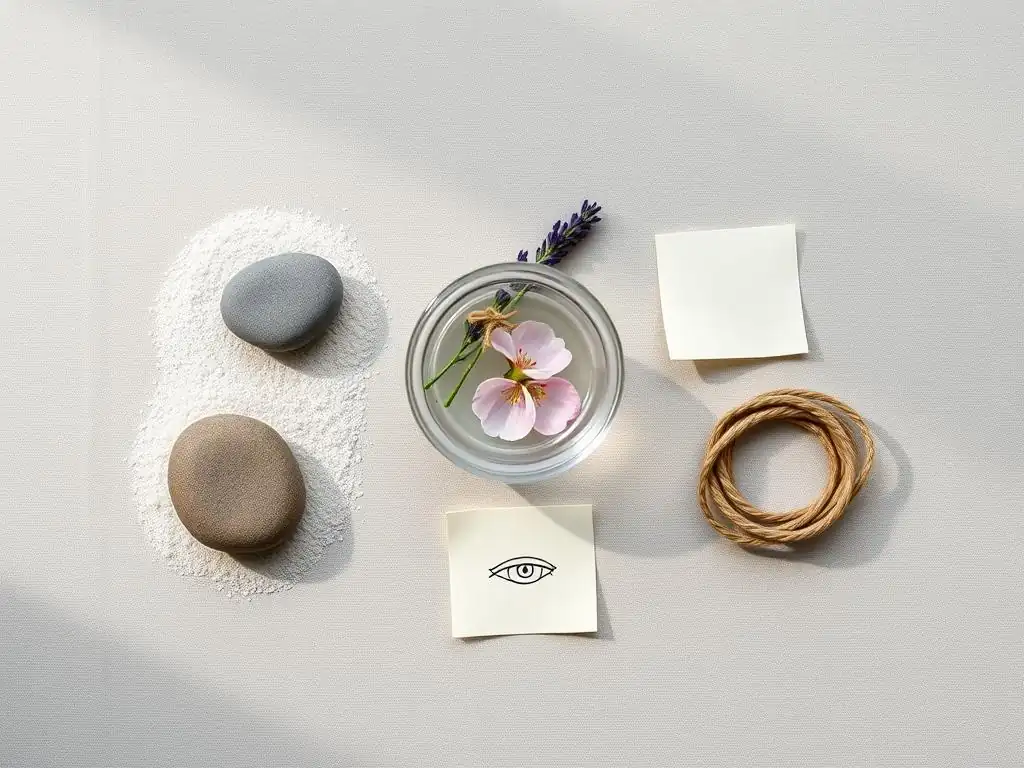
Exercise 1: Diaphragmatic Breathing for Anxiety Reduction
Diaphragmatic breathing, often called belly breathing, is a fundamental mindfulness technique that can rapidly calm the nervous system. Unlike shallow chest breathing, which is common during anxiety, diaphragmatic breathing involves engaging the diaphragm, a large muscle located below the lungs. This allows for deeper, more efficient breaths, increasing oxygen intake and promoting relaxation. Studies have shown that practicing diaphragmatic breathing can lead to immediate decreases in stress hormones like cortisol.
Focusing on Your Breath: A Step-by-Step Guide
Here’s how to perform a quick diaphragmatic breathing exercise when you feel anxious:
- Find a comfortable position, either sitting or lying down.
- Place one hand on your upper chest and the other just below your rib cage, over your abdomen.
- Inhale slowly and deeply through your nose, allowing your abdomen to push your hand out. Your chest hand should remain relatively still.
- Exhale slowly through your mouth, gently pressing your abdomen inward to help push the air out. Make your exhale slightly longer than your inhale, perhaps counting to four on the inhale and six on the exhale.
- Repeat this process for 1-3 minutes, focusing your full attention on the sensation of your breath moving in and out of your body. Notice the rise and fall of your abdomen. If your mind wanders, gently guide it back to your breath.
The Benefits of Diaphragmatic Breathing for Calming the Nervous System
The benefits of diaphragmatic breathing for calming the nervous system are well-documented. By consciously slowing down and deepening your breath, you send a signal to your brain that you are safe, counteracting the "danger" signal of the fight-or-flight response. This leads to a measurable decrease in heart rate and blood pressure. For example, research indicates that even a few minutes of focused, deep breathing can significantly improve heart rate variability, a key indicator of the body's ability to handle stress.
Furthermore, focusing on the breath acts as a powerful anchor to the present moment. It pulls your attention away from anxious thoughts about the past or future, grounding you in the here and now. This shift in focus helps to interrupt the cycle of worry that fuels anxiety. Regular practice of this simple yet effective technique demonstrates how quickly mindfulness exercises reduce anxiety by directly influencing physiological responses.
Exercise 2: Body Scan Meditation for Immediate Anxiety Relief
A quick body scan meditation is another effective mindfulness technique for managing anxiety in the moment. While full body scans can be lengthy, a brief version involves rapidly bringing awareness to different parts of the body to notice physical sensations. Anxiety often manifests as physical tension, and becoming aware of where you hold this tension is the first step towards releasing it. This exercise helps to ground you in your physical experience and divert attention from anxious thoughts.
How to Perform a Quick Body Scan
To perform a quick body scan for anxiety relief:
- Find a comfortable seated or standing position.
- Close your eyes gently if you feel comfortable, or soften your gaze.
- Bring your awareness to your feet. Notice the sensation of your feet on the ground or in your shoes. Wiggle your toes.
- Move your awareness up to your ankles, then your calves and shins. Notice any sensations there.
- Continue moving your awareness up through your knees, thighs, hips, lower back, abdomen, upper back, chest, shoulders, arms, hands, neck, face, and finally the top of your head.
- As you scan each area, simply notice any sensations – warmth, coolness, tingling, tension, relaxation – without trying to change them.
- If you encounter an area of tension, you might gently breathe into it, imagining your breath softening that area as you exhale.
- Spend just 1-3 minutes scanning your body, focusing on the present physical sensations.
Releasing Tension Through Body Awareness
Anxiety often causes unconscious muscle tension, particularly in areas like the shoulders, neck, jaw, and stomach. A quick body scan helps you become consciously aware of where you are holding this tension. By simply noticing it without judgment, you create the possibility for release. The act of bringing mindful attention to a part of the body can, in itself, encourage muscles to relax. It's not about forcing the tension away, but rather acknowledging its presence with a sense of acceptance.
This process of acknowledging and gently breathing into areas of tension can facilitate a physical release, which in turn can help to alleviate the psychological symptoms of anxiety. By grounding yourself in the physical reality of your body, you disrupt the cycle of abstract worry and bring yourself back to the immediate, tangible present. This demonstrates how mindfulness exercises reduce anxiety not just mentally, but also through direct physical relaxation.
Exercise 3: Grounding Techniques for Anxiety Management
Grounding techniques are designed to pull you out of your anxious thoughts and into the present moment by focusing on your immediate surroundings or physical sensations. They are particularly useful during panic attacks or intense anxiety episodes when you feel disconnected or overwhelmed. The goal is to anchor you firmly in reality. These techniques are simple, require no prior experience, and can be done anywhere, making them excellent on-the-spot tools.
The 5-4-3-2-1 Grounding Exercise
One of the most popular and effective grounding techniques is the 5-4-3-2-1 method. Here’s how to do it:
- Take a deep breath and look around you.
- Identify 5 things you can see. Look for details – the color of a wall, the texture of a surface, the way light falls on an object.
- Identify 4 things you can touch right now. Reach out and touch something – your clothing, the chair you're sitting on, a nearby object. Notice the texture, temperature, and pressure.
- Identify 3 things you can hear. Listen carefully to sounds around you – traffic outside, the hum of electronics, your own breathing.
- Identify 2 things you can smell. Take a moment to notice any scents – coffee, perfume, fresh air.
- Identify 1 thing you can taste. This could be the lingering taste from your last meal or drink, or you can keep a mint or gum specifically for this purpose.
Connecting with Your Senses to Reduce Anxiety
The power of grounding techniques lies in their ability to redirect your focus away from the internal storm of anxious thoughts and feelings towards external, sensory input. By deliberately engaging your senses, you interrupt the rapid, cyclical thinking that often accompanies anxiety. Your brain is forced to shift its attention from abstract worries to the concrete reality of the present moment. This cognitive shift can quickly calm an overactive nervous system.
Focusing on sensory details also makes it difficult for the mind to simultaneously dwell on anxious narratives. It provides a simple, structured way to bring yourself back to the 'here and now' when your mind is racing to the 'what ifs' of the future or ruminating on the past. This direct engagement with the environment is a practical way that mindfulness exercises reduce anxiety by anchoring you firmly in the present, making overwhelming feelings feel less abstract and more manageable.
Exercise 4: Labeling Thoughts and Feelings
This mindfulness exercise involves observing your thoughts and feelings as transient events rather than absolute truths. When anxiety arises, our thoughts often become fused with reality – we believe everything the anxious mind tells us. Labeling helps to create distance from these thoughts and feelings, recognizing them simply as mental phenomena passing through awareness. It's not about stopping the thoughts, but changing your relationship with them.
Acknowledge and Accept: Observing Thoughts Without Judgment
To practice labeling, when you notice an anxious thought or feeling arise, simply acknowledge it and mentally label it. For example:
- If you have a worry about a future event, you might think, "Ah, a worrying thought."
- If you feel your heart racing, you might think, "Noticing a feeling of anxiety," or "Sensation of rapid heartbeat."
- If you are judging yourself for feeling anxious, you might think, "Judgment thought."
The key is to do this without judgment, criticism, or getting caught up in the content of the thought or feeling. You are simply observing and identifying what is present in your awareness. This practice aligns with the core mindfulness principle of acceptance – acknowledging reality as it is, without wishing it were different. It takes practice to simply observe without reacting, but even a few moments of this can be helpful.
Dissociating from Anxious Thoughts Through Mindfulness
Labeling helps you to see that you are not your thoughts or feelings. They are temporary states that arise and pass away. By labeling a thought as "a worrying thought," you are implicitly stating that you are the observer of the thought, not the thought itself. This subtle shift can be incredibly liberating for someone struggling with anxiety, as it weakens the thought's power over you. You create a psychological distance, preventing yourself from getting pulled into the anxious narrative.
This process of dissociation doesn't mean ignoring or suppressing thoughts; it means relating to them differently. Instead of being consumed by a thought like "I'm going to fail," you observe it as "the thought of failing." This perspective shift, cultivated through mindful labeling, is a powerful way that mindfulness exercises reduce anxiety by changing your relationship with the internal content that fuels it. It helps you step back and see the anxious mind for what it is – a pattern of thoughts and feelings, not an accurate reflection of reality.
Exercise 5: Mindful Walking
Mindful walking is a practical mindfulness exercise that can be done almost anywhere, anytime you are moving. It involves bringing your full attention to the physical sensations of walking. This simple act can be a powerful antidote to anxiety, which often keeps the mind trapped in abstract worries. By focusing on the physical experience of movement and the environment, you ground yourself in the present moment. It's particularly useful when you feel restless or agitated due to anxiety.
Incorporating Mindfulness into Daily Activities
Mindful walking is an excellent example of how mindfulness can be integrated into ordinary daily activities. You don't need to set aside special time; you can practice mindful walking on your commute, walking to the store, or even walking around your home or office. The key is intentionality – deliberately choosing to pay attention to the experience of walking rather than letting your mind automatically drift into worry or planning. This makes it a highly accessible way to practice mindfulness on the go.
To practice mindful walking, simply bring your attention to the sensations in your feet and legs as you move. Notice:
- The feeling of your feet lifting off the ground.
- The swing of your legs.
- The contact of your feet with the ground.
- The pressure as you shift your weight.
- The rhythm of your steps.
- You can also expand your awareness to include the sensations of your body moving through space, the feeling of air on your skin, and the sights and sounds around you, observing them without getting lost in analysis or judgment.
Turning Everyday Tasks into Opportunities for Calm
By intentionally bringing mindfulness to activities like walking, you transform them from automatic behaviors into opportunities for grounding and calm. This helps break the pattern of constant mental activity that often accompanies anxiety. Instead of your walk being another chance for your mind to loop through worries, it becomes a brief period of focused presence. This shift helps to quiet the mental chatter and reduce physiological arousal.
Regularly incorporating mindful walking into your routine reinforces your ability to stay present and can reduce overall anxiety levels over time. Even a short, mindful walk of 5-10 minutes can significantly shift your state when feeling anxious. It demonstrates that effective mindfulness exercises reduce anxiety not only through formal meditation but also by bringing conscious awareness to simple movements throughout the day, turning everyday tasks into moments of peace.
Tips for Practicing Mindfulness Exercises Effectively
Creating a Calm Environment for Mindfulness Practice
While quick mindfulness exercises are designed to be used on-the-spot, even in chaotic environments, creating a calm environment when possible can significantly enhance your practice, especially when you are first starting out or practicing for longer durations. A calm environment minimizes external distractions, making it easier to focus your attention. This doesn't require a dedicated meditation room; it could simply mean finding a quiet corner, turning off notifications on your phone, or closing your eyes for a few moments.
For example, if you're practicing diaphragmatic breathing, finding a comfortable chair away from noise can help you tune into your breath more easily. If you're doing a body scan, lying down in a quiet room might allow for deeper relaxation and awareness of subtle sensations. While the goal is eventually to be able to practice anywhere, starting in a calm space helps build the skill of focused attention. Even simple steps like tidying your immediate space can create a psychological sense of calm conducive to practice, making it easier for these quick mindfulness exercises reduce anxiety effectively.
Consistency is Key: Making Mindfulness a Habit
The true benefits of mindfulness for anxiety management are realized through consistent practice, not just during moments of crisis. While quick exercises offer immediate relief, regular, even brief, daily practice builds your capacity for mindfulness over time. Think of it like building a muscle: short, regular workouts are more effective than infrequent, intense ones. Aim for consistency, even if it's just 5-10 minutes a day.
Making mindfulness a habit can involve setting a specific time each day, linking it to an existing routine (like before breakfast or after work), or using reminders. Apps and guided meditations can also help maintain consistency. The more you practice when you aren't feeling intensely anxious, the easier it will be to access these skills when you are. Consistent practice trains your brain to be more present and less reactive, strengthening its ability to regulate the stress response. This consistent training is why regular mindfulness exercises reduce anxiety more effectively in the long term.
Adapting Exercises to Your Individual Needs and Preferences
Not all mindfulness exercises resonate with everyone in the same way, and what works for you might change depending on your mood or the situation. It's important to explore different techniques and find what feels most comfortable and effective for you. Some people find focusing on the breath calming, while others prefer body sensations or engaging with their environment through grounding. Don't feel pressured to stick to one method if it doesn't feel right.
Furthermore, you can adapt exercises to fit your current needs. If you're feeling restless, mindful walking might be more helpful than sitting still. If your mind is racing with thoughts, labeling might be particularly useful. If you feel disconnected from your body, a body scan could be beneficial. Experiment, modify, and combine techniques as needed. The goal is to find tools that empower you to manage your anxiety. This personal tailoring ensures that the mindfulness exercises reduce anxiety in a way that is most effective and sustainable for you.
Mindfulness vs. Other Anxiety Relief Methods: A Brief Comparison
Mindfulness and Medication: Understanding the Differences
Mindfulness practices and medication represent fundamentally different approaches to managing anxiety, although they are often used complementarily. Medication, such as SSRIs or benzodiazepines, works by directly altering brain chemistry to reduce physiological symptoms and intensity of anxious feelings. This can provide significant relief, especially for severe or debilitating anxiety, and often works relatively quickly. Medication is a passive treatment in the sense that the individual takes a pill, and it acts on the body's systems.
Mindfulness, on the other hand, is an active practice. It doesn't directly change brain chemistry through external substances but instead trains the mind to relate differently to thoughts, feelings, and bodily sensations. It doesn't necessarily eliminate anxiety but teaches skills to manage its impact and reduce reactivity.
While medication can offer rapid symptom reduction, mindfulness builds long-term coping skills and promotes a deeper understanding of one's internal experience. Many people find the most effective approach involves a combination of medication (prescribed by a doctor) and therapeutic practices like mindfulness, demonstrating that mindfulness exercises reduce anxiety through a different pathway than pharmaceuticals.
Mindfulness and Cognitive Behavioral Therapy (CBT): Complementary Approaches to Anxiety Treatment
Mindfulness and Cognitive Behavioral Therapy (CBT) are both evidence-based therapeutic approaches for anxiety, and they share some common ground while also having distinct focuses. CBT primarily focuses on identifying and changing negative thought patterns (cognitions) and unhelpful behaviors that contribute to anxiety. It involves challenging distorted thinking and developing new coping strategies and behaviors. CBT is often more structured and goal-oriented, focusing on specific problems and developing practical skills.
Mindfulness, while also involving changes in thinking (specifically, how we relate to thoughts), places a greater emphasis on present-moment awareness and acceptance of internal experiences without judgment. It's less about changing the content of thoughts and more about changing the relationship with thoughts and feelings. However, elements of mindfulness are increasingly integrated into CBT (e.g., in MBCT - Mindfulness-Based Cognitive Therapy).
Both approaches teach valuable skills, and many individuals benefit from using them together. CBT can help identify the triggers and content of anxious thoughts, while mindfulness can provide the tools to observe these thoughts and feelings with greater detachment and acceptance, showing how combined techniques alongside mindfulness exercises reduce anxiety more comprehensively.
Overcoming Challenges in Mindfulness Practice for Anxiety
Common Obstacles to Mindfulness and How to Address Them
Practicing mindfulness, especially when struggling with anxiety, can present several challenges. One common obstacle is the belief that you're "doing it wrong" if your mind wanders or if you still feel anxious during or after practice. It's crucial to remember that mindfulness is about noticing where your mind goes and gently bringing it back, not about achieving a completely empty or calm mind. The wandering is part of the practice. When you notice your mind has drifted to an anxious thought, simply acknowledge it without self-criticism and redirect your attention back to your anchor (like the breath).
Another obstacle is impatience or frustration, wanting immediate, dramatic results. While quick mindfulness exercises reduce anxiety on the spot, the deeper benefits develop over time with consistent practice. It's important to approach mindfulness with self-compassion and realistic expectations. If a particular exercise feels difficult or triggering, try a different one or start with very short durations (even 30 seconds). Finding an empathetic teacher or guided resources can also help navigate these challenges and reinforce the understanding that difficulties are a normal part of the process.
Staying Motivated and Consistent with Your Practice
Maintaining motivation and consistency with mindfulness practice, especially when dealing with the inertia or overwhelm that anxiety can bring, can be tough. One effective strategy is to start small – commit to just 1-5 minutes a day. Success with a small goal is much more motivating than failing to meet an ambitious one. Schedule your practice and treat it like any other important appointment. Linking it to an existing habit (habit stacking) can also help, like practicing for two minutes immediately after brushing your teeth.
Focusing on the subtle shifts and cumulative benefits rather than expecting instant cures is key. Keep a simple journal noting when you practiced and how you felt afterward (even if it's just "a little less tense"). This can help you recognize the positive impact over time. Remember why you started – to gain skills to manage anxiety and improve your well-being. Connecting with a community or using guided practices can also provide support and structure, helping you stay on track and ensuring that your efforts with mindfulness exercises reduce anxiety build momentum over time.
Conclusion: Embracing Mindfulness for Long-Term Anxiety Management
The Journey to Inner Peace: Continuous Practice and Self-Compassion
Managing anxiety is often a journey, not a destination, and mindfulness is a powerful companion on this path towards greater inner peace. While quick mindfulness exercises reduce anxiety in the moment, the true transformative power comes from continuous, dedicated practice. It's about cultivating a different way of being – one characterized by presence, awareness, and acceptance. This journey will have its ups and downs; there will be days when practice feels easy and effective, and days when it feels like a struggle.
Approaching your practice and yourself with self-compassion is paramount. Recognize that anxiety is a challenging condition, and simply showing up to practice is an act of courage and self-care. Don't judge yourself for feeling anxious or for finding practice difficult. Be patient and kind with yourself, just as you would be with a friend. Embracing mindfulness as a continuous practice, nurtured with self-compassion, builds resilience and equips you with powerful tools to navigate the challenges of anxiety over the long term.
Resources for Further Exploration of Mindfulness for Anxiety Relief
For those interested in deepening their understanding and practice of mindfulness for anxiety relief, numerous resources are available. Many websites and apps offer guided meditations specifically tailored for anxiety, panic, and stress (e.g., Headspace, Calm, Insight Timer). Books by pioneers in the field, such as Jon Kabat-Zinn ("Full Catastrophe Living") or Mark Williams and Danny Penman ("Mindfulness: An Eight-Week Plan for Finding Peace in a Frantic World"), provide comprehensive guides to mindfulness-based programs.
Additionally, local mindfulness centers, community groups, or therapists trained in mindfulness-based approaches (like MBSR or MBCT) can offer in-person instruction and support. Exploring these resources can provide structure, guidance, and community, further enhancing your ability to use mindfulness exercises reduce anxiety and cultivate a more peaceful relationship with your internal experience. Remember that seeking support is a sign of strength, and there are many pathways to explore on your journey towards managing anxiety with mindfulness.
Frequently Asked Questions
What exactly are mindfulness exercises, and how do they differ from other relaxation techniques?
Mindfulness exercises involve focusing on the present moment without judgment. Unlike other techniques, which may involve escaping thoughts, mindfulness encourages acceptance and observation of thoughts and feelings.
How quickly can I expect to feel relief from anxiety using mindfulness exercises?
The speed of relief varies, but many experience some reduction in anxiety within minutes of practicing a short mindfulness exercise. Consistent practice leads to greater and more sustained benefits over time.
What are some simple mindfulness exercises I can do when feeling anxious in a public place?
Try focusing on your breath, noticing the sensation of air entering and leaving your body. Alternatively, engage your senses by observing the sights, sounds, and smells around you without judgment.
Are there any potential downsides or risks associated with practicing mindfulness exercises?
While generally safe, mindfulness can sometimes bring up difficult emotions. If you have a pre-existing mental health condition, it's best to practice under the guidance of a therapist or qualified professional.
How often should I practice mindfulness exercises to effectively reduce anxiety?
Even a few minutes daily can make a significant difference. Aim for consistency, incorporating mindfulness into your daily routine to build resilience against anxiety triggers.
Final Reflection: Finding Calm in the Chaos
The pervasive nature of anxiety in our modern lives demands readily accessible tools for coping, and quick mindfulness exercises offer precisely that: a potent antidote to overwhelming stress. These simple techniques, explored throughout this article, are not merely fleeting distractions; they are powerful pathways to reclaiming inner peace and fostering resilience in the face of daily challenges. Their effectiveness lies in their immediate applicability, making them invaluable resources for anyone seeking to navigate the anxieties of modern life.
The impact of incorporating mindfulness into our daily routines extends far beyond the immediate relief of anxiety. It cultivates a deeper awareness of our thoughts, feelings, and bodily sensations, fostering a more compassionate and understanding relationship with ourselves. Mindfulness is simply being present; being aware of what is happening right now without wishing it were different; enjoying the simple things.
This quote encapsulates the transformative power of these practices, shifting our focus from the relentless anxieties of the future or the regrets of the past to the grounding reality of the present moment. This shift, I've personally found, is profoundly liberating.
Now, consider how you can integrate these simple yet powerful exercises into your own life. Perhaps start with just one exercise a day, choosing a technique that resonates most with you. Notice the subtle shifts in your energy, your mood, and your overall sense of well-being. Don't be discouraged if you don't see immediate, dramatic results; the journey towards mindful living is a process, a continuous unfolding of awareness and self-compassion. Embrace the practice, and allow it to gently guide you towards a calmer, more centered existence. You deserve the peace that mindfulness can bring.
Unleash Your Inner Calm: Start Practicing Now!
Thanks for taking the time to explore quick mindfulness techniques for anxiety relief! We hope you found practical tools to help you navigate those stressful moments. Now, let's put this knowledge into action. Ready to feel calmer and more in control?
- Prioritize one exercise: Choose the technique that resonated most with you and commit to practicing it daily for just 5 minutes. This small step can make a big difference.
- Share your experience: Tell a friend or family member about what you've learned and invite them to join you in practicing mindfulness. Sharing your journey can strengthen your resolve.
- Explore further: Discover additional resources on Mind Care Guide to deepen your mindfulness practice and uncover new strategies for managing anxiety.
What small step will you take today to cultivate a more mindful and peaceful approach to your day?