
Neuroinflammation in Bipolar Disorder: New Insights and Implications

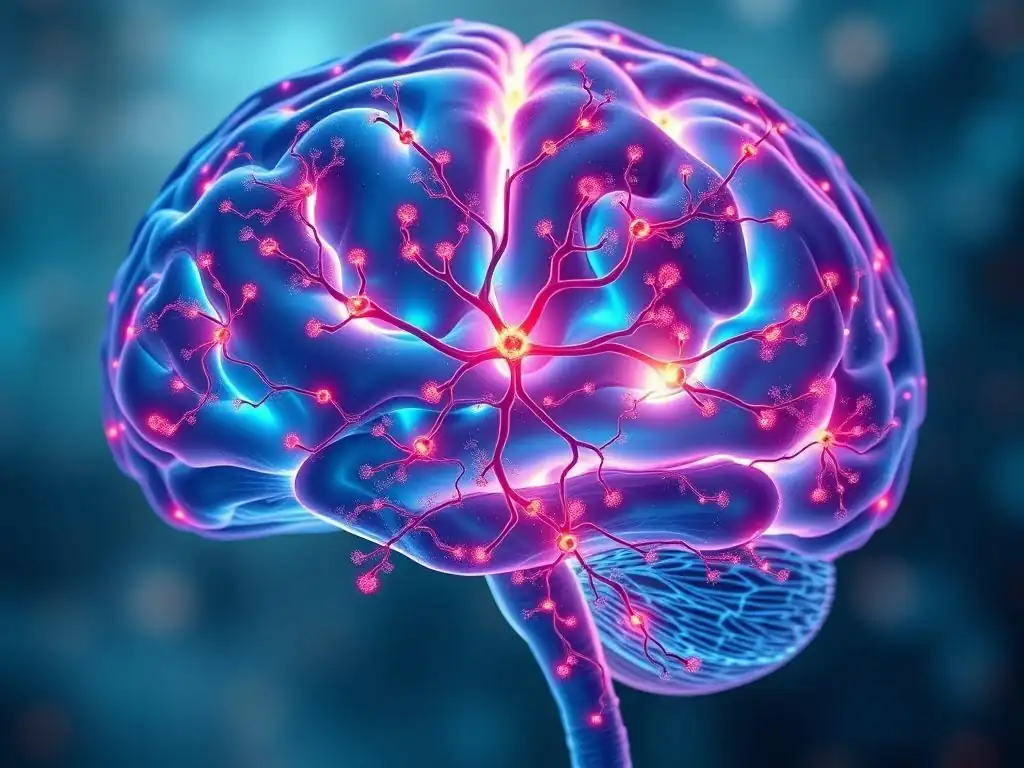
Welcome to Mind Care Guide.
Feeling overwhelmed by the complexities of bipolar disorder? You're not alone. We understand the challenges, and we're here to illuminate the path towards healing. This article delves into the groundbreaking research surrounding neuroinflammation and its potential impact on bipolar disorder, exploring promising treatment options that could offer a new perspective on managing this condition. Could inflammation be the missing piece of the puzzle? Join us as we uncover the latest insights and discuss how they might reshape the future of mental well-being.
Neuroinflammation in Bipolar Disorder: New Insights and Implications
- Introduction: Understanding the Link Between Neuroinflammation and Bipolar Disorder
- The Science Behind Neuroinflammation in Bipolar Disorder
- Exploring the Role of the Immune System in Bipolar Disorder
- Neuroinflammation's Impact on Bipolar Disorder Symptoms
- Current Bipolar Disorder Neuroinflammation Treatment Options
- Future Directions in Research and Treatment for Bipolar Disorder and Neuroinflammation
- Managing Neuroinflammation in Bipolar Disorder: A Holistic Approach
- Conclusion: Hope for the Future of Bipolar Disorder Treatment Through Neuroinflammation Research
-
Frequently Asked Questions
- What is neuroinflammation and how is it related to bipolar disorder?
- How does neuroinflammation manifest in individuals with bipolar disorder?
- What are the current treatment options for bipolar disorder that also address neuroinflammation?
- Are there any lifestyle changes that can help manage neuroinflammation in bipolar disorder?
- What are some of the potential future treatment options targeting neuroinflammation in bipolar disorder?
- Final Reflection: Igniting Hope in the Fight Against Bipolar Disorder
- Unlock Your Brain's Potential: Take Charge of Your Mental Wellness
Introduction: Understanding the Link Between Neuroinflammation and Bipolar Disorder
Bipolar Disorder: A Brief Overview of Symptoms and Diagnosis
Bipolar disorder is a complex mental health condition characterized by significant shifts in mood, energy levels, thinking patterns, and behavior. These shifts manifest as distinct episodes of elevated mood (mania or hypomania) and depressed mood. During a manic episode, an individual might experience euphoria, increased activity, racing thoughts, decreased need for sleep, and impulsive behavior. Depressive episodes, conversely, involve persistent sadness, loss of interest, fatigue, difficulty concentrating, and sometimes suicidal thoughts. The severity and frequency of these episodes vary greatly among individuals, contributing to the challenge of diagnosis and management.
Diagnosing bipolar disorder typically involves a thorough clinical evaluation by a mental health professional, reviewing the individual's history of mood episodes, symptoms, and family history. The Diagnostic and Statistical Manual of Mental Disorders (DSM) provides specific criteria for Bipolar I disorder (requiring at least one manic episode) and Bipolar II disorder (requiring at least one hypomanic episode and at least one major depressive episode). It's important to note that bipolar disorder is a chronic illness requiring long-term management, often involving medication, therapy, and lifestyle adjustments to help stabilize mood and improve quality of life.
What is Neuroinflammation and Its Role in Brain Health?
Neuroinflammation refers to the inflammatory response within the brain or spinal cord. While acute inflammation is a crucial protective mechanism, helping the brain respond to injury, infection, or toxins, chronic neuroinflammation can be detrimental. This process involves the activation of glial cells, primarily microglia and astrocytes, which are the brain's resident immune cells. In a healthy state, these cells perform vital functions like clearing debris, supporting neurons, and maintaining synaptic health.
However, when chronically activated, glial cells release pro-inflammatory molecules such as cytokines, chemokines, and reactive oxygen species. These substances can disrupt neuronal function, impair synaptic plasticity, and even lead to neuronal damage or death. Emerging research suggests that chronic neuroinflammation is not only a consequence but potentially a contributing factor to the development and progression of various neurological and psychiatric conditions, impacting the delicate balance required for optimal brain health.
Why Neuroinflammation is Being Investigated in Bipolar Disorder Research
The investigation into neuroinflammation in bipolar disorder stems from growing evidence suggesting that immune system dysregulation plays a significant role in its pathophysiology. Traditional views focused primarily on neurotransmitter imbalances, but recent studies using advanced brain imaging techniques, post-mortem brain analysis, and peripheral blood markers have consistently pointed towards inflammatory processes occurring in the brains of individuals with bipolar disorder. This shift in understanding opens up new avenues for exploring the underlying biological mechanisms of the illness.
Furthermore, the observation that many individuals with bipolar disorder also experience co-occurring inflammatory conditions, such as autoimmune diseases or metabolic syndrome, has strengthened the hypothesis. Research is actively exploring whether reducing neuroinflammation could offer novel therapeutic targets or enhance the effectiveness of existing bipolar disorder neuroinflammation treatment options. Understanding this link is crucial for developing more targeted and effective interventions beyond traditional mood stabilizers and antipsychotics.
The Science Behind Neuroinflammation in Bipolar Disorder
Neuroinflammatory Markers Elevated in Bipolar Disorder Patients
Numerous studies have identified elevated levels of specific neuroinflammatory markers in individuals diagnosed with bipolar disorder, particularly during mood episodes. For instance, C-reactive protein (CRP), a general marker of systemic inflammation, is often found to be significantly higher in bipolar patients compared to healthy controls, sometimes showing levels up to 2-3 times greater during depressive or manic phases in certain cohorts. Other inflammatory cytokines, such as Interleukin-6 (IL-6), Tumor Necrosis Factor-alpha (TNF-α), and Interleukin-1 beta (IL-1β), have also been consistently reported as elevated in the blood and cerebrospinal fluid of individuals with bipolar disorder.
Post-mortem brain studies have provided further evidence, revealing increased density and activation of microglia and astrocytes in specific brain regions known to be implicated in bipolar disorder, such as the prefrontal cortex and hippocampus. For example, one study analyzing post-mortem brain tissue from individuals with bipolar disorder found a significant increase in glial fibrillary acidic protein (GFAP), a marker for astrocyte activation, in the dorsolateral prefrontal cortex compared to control groups. These findings collectively support the presence of ongoing neuroinflammatory processes in the brains of individuals living with this condition.
The Impact of Neuroinflammation on Brain Regions Affected by Bipolar Disorder
Neuroinflammation is thought to exert its influence by disrupting the function and structure of key brain regions involved in mood regulation, cognitive processes, and emotional processing – areas already known to be affected in bipolar disorder. The prefrontal cortex, crucial for executive functions and emotional control, appears particularly vulnerable. Chronic exposure to inflammatory mediators can impair synaptic function and plasticity in this region, potentially contributing to difficulties in decision-making, attention, and impulse control observed in manic episodes.
The hippocampus, vital for memory and mood, also shows evidence of inflammatory impact. Studies suggest that elevated inflammatory cytokines can interfere with neurogenesis (the birth of new neurons) and cause dendritic retraction in hippocampal neurons, potentially contributing to the depressive symptoms and cognitive deficits seen in bipolar disorder. For example, research indicates that high levels of TNF-α can inhibit long-term potentiation, a cellular mechanism underlying learning and memory, in hippocampal slices, providing a cellular basis for observed cognitive issues.
Genetic Predisposition and Environmental Factors Contributing to Neuroinflammation in Bipolar Disorder
Both genetic and environmental factors are believed to interact to influence neuroinflammation in bipolar disorder. Certain genetic variations within genes related to immune function and inflammatory pathways, such as those encoding cytokines like IL-1β or TNF-α, have been associated with an increased risk of developing bipolar disorder and potentially a heightened inflammatory response. For example, specific polymorphisms in the TNF-α gene have been linked to increased TNF-α production and may contribute to the inflammatory profile seen in some patients. However, the genetic landscape is complex, and no single gene variant fully explains the link.
Environmental stressors, particularly early life adversity (such as childhood trauma or abuse) and chronic stress later in life, are well-established risk factors for bipolar disorder and are also known triggers of systemic and neuroinflammation. Exposure to infections, disruptions in the gut microbiome, poor diet, and lack of sleep are other environmental factors that can promote inflammation and may exacerbate bipolar disorder symptoms by increasing the inflammatory burden on the brain. This suggests a complex interplay where genetic vulnerability meets environmental insults, leading to chronic neuroinflammation that contributes to the development and course of the illness.
Exploring the Role of the Immune System in Bipolar Disorder
The Gut-Brain Axis and Its Influence on Neuroinflammation in Bipolar Disorder
The gut-brain axis is a bidirectional communication system linking the central nervous system with the enteric nervous system of the gut. This axis is profoundly influenced by the gut microbiome – the trillions of microorganisms residing in our digestive tract. Emerging research highlights the significant role of the gut microbiome in modulating immune responses and neuroinflammation. An imbalance in gut bacteria (dysbiosis) can compromise the integrity of the gut lining, leading to increased permeability (often referred to as "leaky gut").
This increased permeability allows bacterial products, such as lipopolysaccharides (LPS), to enter the bloodstream, triggering a systemic inflammatory response that can extend to the brain. Studies in individuals with bipolar disorder have reported alterations in gut microbial composition compared to healthy controls, with some studies showing lower diversity or altered ratios of certain bacterial phyla like Firmicutes and Bacteroidetes. These microbial imbalances are hypothesized to contribute to the neuroinflammatory state observed in bipolar disorder, suggesting that targeting the gut microbiome could be a potential avenue for bipolar disorder neuroinflammation treatment options.
Cytokines and Inflammatory Mediators in Bipolar Disorder Pathophysiology
Cytokines are small proteins secreted by immune cells that act as signaling molecules, coordinating immune responses. In the context of neuroinflammation, pro-inflammatory cytokines like IL-1β, IL-6, and TNF-α are key players. These molecules can cross the blood-brain barrier or be produced by activated glial cells within the brain. Once in the brain, they interact with neurons and other glial cells, altering neurotransmitter synthesis and release (such as serotonin, dopamine, and glutamate), affecting synaptic plasticity, and potentially damaging neuronal structures.
Conversely, anti-inflammatory cytokines, such as IL-10 and TGF-β, help regulate and dampen inflammatory responses. An imbalance favoring pro-inflammatory over anti-inflammatory cytokines is characteristic of chronic inflammation. In bipolar disorder, the consistent finding of elevated pro-inflammatory cytokines suggests a persistent state of immune activation that contributes to the dysregulation of neural circuits underlying mood and cognition, potentially exacerbating the severity or frequency of mood episodes.
Autoimmunity and Bipolar Disorder: A Potential Connection
There is a growing body of evidence suggesting a link between autoimmune processes and bipolar disorder. Autoimmunity occurs when the immune system mistakenly attacks the body's own tissues. Individuals with bipolar disorder have been found to have a higher prevalence of certain autoimmune diseases compared to the general population. For example, studies indicate an increased risk of autoimmune thyroid diseases (like Hashimoto's thyroiditis) and other conditions such as psoriasis or inflammatory bowel disease in individuals with bipolar disorder.
Furthermore, research has investigated the presence of autoantibodies targeting brain components in individuals with bipolar disorder. While definitive autoantibodies directly causing bipolar disorder symptoms haven't been conclusively identified for the majority of cases, the association with known autoimmune diseases and the presence of general markers of immune dysregulation support the hypothesis that autoimmune-like mechanisms or a general propensity for immune dysregulation could contribute to the neuroinflammatory processes involved in bipolar disorder pathogenesis. This connection adds another layer to understanding the complex immune system involvement.
Neuroinflammation's Impact on Bipolar Disorder Symptoms
How Neuroinflammation Affects Mood Regulation in Bipolar Disorder
Neuroinflammation significantly impacts the complex neural circuits responsible for mood regulation, which are already dysfunctional in bipolar disorder. Inflammatory mediators can disrupt the synthesis, release, and reuptake of key neurotransmitters like serotonin, dopamine, and norepinephrine, all critical for mood stability. For instance, increased levels of inflammatory cytokines like IL-1β can activate the enzyme indoleamine 2,3-dioxygenase (IDO), which shunts tryptophan away from serotonin production towards the kynurenine pathway. Some metabolites of the kynurenine pathway, such as quinolinic acid, are neurotoxic and can contribute to depressive symptoms and cognitive dysfunction.
Moreover, neuroinflammation can impair the function of glial cells that support neuronal health and synaptic function in mood-regulating areas like the prefrontal cortex and limbic system. This disruption can lead to impaired communication between neurons, reduced synaptic plasticity, and altered connectivity within mood networks. The consequence is a brain environment less capable of maintaining stable mood states, potentially contributing to the extreme mood swings characteristic of bipolar disorder.
Cognitive Impairment and Neuroinflammation in Bipolar Disorder
Cognitive deficits, including problems with attention, memory, executive functions, and processing speed, are common in individuals with bipolar disorder, even during periods of mood stability. Neuroinflammation is increasingly recognized as a significant contributor to these cognitive impairments. Chronic inflammation can damage neurons and synapses in brain regions vital for cognition, such as the hippocampus and prefrontal cortex.
Studies using neuroimaging have shown correlations between markers of inflammation and structural or functional changes in these cognitive areas in bipolar patients. For example, elevated peripheral inflammatory markers have been associated with reduced hippocampal volume and impaired performance on tests of verbal memory in some bipolar cohorts. This suggests that targeting neuroinflammation might not only help stabilize mood but also potentially improve the debilitating cognitive symptoms, which significantly impact the functional recovery and quality of life for individuals with bipolar disorder.
The Relationship Between Neuroinflammation and Treatment Resistance in Bipolar Disorder
Treatment resistance is a significant challenge in managing bipolar disorder, with a substantial percentage of patients not achieving full remission or experiencing frequent relapses despite standard pharmacological interventions. Emerging research suggests that neuroinflammation may play a role in this phenomenon. The presence of chronic low-grade inflammation might interfere with the mechanisms by which mood-stabilizing medications and antidepressants exert their effects.
For instance, inflammation can alter the blood-brain barrier permeability, affecting drug delivery to the brain. It can also influence neurotransmitter systems in ways that counteract the intended actions of medications. Some studies indicate that individuals with higher baseline levels of inflammatory markers might be less likely to respond to conventional treatments. This highlights the potential importance of addressing the inflammatory component when considering bipolar disorder neuroinflammation treatment options for individuals who have not responded well to standard care.
Current Bipolar Disorder Neuroinflammation Treatment Options
Anti-inflammatory Medications as Potential Treatments for Bipolar Disorder
Given the evidence linking neuroinflammation to bipolar disorder, researchers and clinicians are exploring the potential of anti-inflammatory medications as adjunctive treatments or novel bipolar disorder neuroinflammation treatment options. Several classes of drugs are being investigated. Non-steroidal anti-inflammatory drugs (NSAIDs), such as aspirin or celecoxib, have shown some promise in small studies, particularly as an add-on therapy for depressive episodes in bipolar disorder. For example, a meta-analysis of studies investigating NSAID use in mood disorders suggested a potential benefit in depressive symptoms, though results are mixed and require larger, controlled trials.
Other agents, including minocycline (an antibiotic with anti-inflammatory properties) and N-acetylcysteine (NAC), an antioxidant and anti-inflammatory compound, have also been studied. Some clinical trials have explored NAC as an adjunctive treatment, with some showing reductions in depressive symptoms and potentially improvements in cognitive function in individuals with bipolar disorder, possibly mediated through its effects on glutamate and oxidative stress pathways, which are linked to inflammation. However, these approaches are still largely experimental, and more robust clinical trial data are needed to establish their efficacy and safety for routine use in treating bipolar disorder neuroinflammation.
Lifestyle Interventions for Reducing Neuroinflammation in Bipolar Disorder
Lifestyle modifications offer accessible and often beneficial strategies for managing overall health and potentially reducing neuroinflammation, serving as important components of comprehensive bipolar disorder neuroinflammation treatment options. These interventions can complement traditional medical and psychotherapeutic approaches.
Diet and Nutrition's Role in Managing Neuroinflammation
Diet plays a crucial role in modulating systemic inflammation and potentially neuroinflammation. Adopting an anti-inflammatory diet, such as the Mediterranean diet, which is rich in fruits, vegetables, whole grains, lean proteins, and healthy fats (particularly omega-3 fatty acids found in fish), can help lower inflammatory markers. Conversely, diets high in processed foods, refined sugars, and saturated fats are pro-inflammatory.
Studies show that higher adherence to a Mediterranean-style diet is associated with lower levels of inflammatory markers like CRP. Including sources of omega-3 fatty acids, like fatty fish, flaxseeds, and walnuts, has been shown to have anti-inflammatory effects and some studies have explored omega-3 supplementation as an adjunctive treatment in bipolar disorder, with mixed but sometimes positive results on mood stabilization.
Exercise and Its Impact on Inflammation in Bipolar Disorder
Regular physical exercise is a potent anti-inflammatory intervention with numerous benefits for both physical and mental health. Engaging in aerobic exercise and strength training has been shown to reduce levels of pro-inflammatory cytokines like TNF-α and IL-6 while increasing anti-inflammatory mediators. Exercise also promotes the release of myokines from muscles, some of which have beneficial effects on brain health and neuroinflammation.
For individuals with bipolar disorder, incorporating regular physical activity, adapted to their capabilities and mood state, can be a valuable strategy not only for managing weight and cardiovascular health but also for potentially dampening neuroinflammatory processes and improving mood and cognitive function. Even moderate activity, such as brisk walking for 30 minutes several times a week, can contribute to these benefits.
Stress Reduction Techniques for Lowering Neuroinflammation
Chronic stress is a significant driver of inflammation throughout the body, including the brain. Implementing stress reduction techniques can therefore be a critical component of managing neuroinflammation in bipolar disorder. Practices such as mindfulness meditation, yoga, deep breathing exercises, and progressive muscle relaxation have been shown to modulate the body's stress response system (the hypothalamic-pituitary-adrenal or HPA axis) and reduce inflammatory markers.
For example, research on mindfulness-based interventions has demonstrated reductions in stress hormones like cortisol and inflammatory markers like CRP in individuals with various health conditions. Integrating these techniques into a daily routine can help buffer the inflammatory impact of stress, contributing to overall mental and physical well-being.
Novel Therapeutic Approaches Targeting Neuroinflammation in Bipolar Disorder
Beyond existing medications and lifestyle changes, researchers are actively developing and investigating novel therapeutic approaches specifically designed to target neuroinflammation as bipolar disorder neuroinflammation treatment options. These include agents that selectively inhibit specific inflammatory pathways or molecules, such as inhibitors of cytokine signaling or modulators of glial cell activity. For example, drugs that block the action of TNF-α or IL-6 are being explored, building on their use in autoimmune diseases.
Another area of interest is the development of compounds that influence the kynurenine pathway, aiming to reduce the production of neurotoxic metabolites. Furthermore, research into the gut-brain axis is exploring the potential of prebiotics, probiotics, or even fecal microbiota transplantation to restore a healthy gut microbiome composition and reduce gut-derived inflammation that contributes to neuroinflammation. While many of these approaches are still in preclinical or early-stage clinical trials, they represent promising future directions for more targeted bipolar disorder neuroinflammation treatment options.
Future Directions in Research and Treatment for Bipolar Disorder and Neuroinflammation
Identifying Specific Neuroinflammatory Targets for Drug Development
A key future direction in research is the precise identification of the most critical neuroinflammatory pathways and molecules involved in bipolar disorder. The inflammatory response is complex, involving numerous cytokines, chemokines, enzymes, and cell types. Pinpointing which specific elements are most relevant to the various facets of bipolar disorder pathophysiology – be it mood episodes, cognitive deficits, or treatment resistance – is crucial for developing highly targeted and effective drugs. Research using advanced techniques like proteomics and transcriptomics on brain tissue and bodily fluids is aimed at creating detailed profiles of the inflammatory landscape in bipolar disorder.
This specificity is essential because broadly suppressing the immune system could have significant side effects. Future drug development will likely focus on designing molecules that selectively modulate specific inflammatory receptors or enzymes that are overactive in the bipolar brain, rather than simply suppressing general inflammation. The goal is to interfere with the detrimental inflammatory processes without compromising the essential protective functions of the immune system.
Personalized Medicine Approaches for Bipolar Disorder Based on Neuroinflammatory Profiles
The recognition that neuroinflammation varies among individuals with bipolar disorder highlights the potential for personalized medicine approaches. Not all patients show the same inflammatory profile; some may have persistently elevated CRP, while others might have specific cytokine imbalances or signs of glial activation in particular brain regions. Future treatment strategies could involve assessing an individual's specific neuroinflammatory signature through biomarkers.
This information could then be used to guide treatment decisions. For example, a patient with high levels of pro-inflammatory cytokines might benefit more from an anti-inflammatory adjunctive therapy than someone with a different inflammatory profile. This approach aims to move beyond a one-size-fits-all model, offering bipolar disorder neuroinflammation treatment options that are tailored to the individual's unique biological underpinnings of their illness, potentially leading to better treatment response and fewer side effects.
The Potential of Biomarkers for Early Detection and Monitoring of Neuroinflammation in Bipolar Disorder
The development and validation of reliable biomarkers for neuroinflammation in bipolar disorder is another critical area for future research. Such biomarkers could be measured in blood, cerebrospinal fluid, or even through advanced neuroimaging techniques. These markers could serve multiple purposes:
- Early Detection: Identifying individuals at high risk for bipolar disorder or those in early stages of the illness who exhibit signs of neuroinflammation, potentially allowing for preventative or early intervention strategies.
- Diagnosis Support: Providing objective biological data to support clinical diagnosis, especially in complex or early cases.
- Treatment Selection: Helping clinicians choose the most appropriate bipolar disorder neuroinflammation treatment options based on the individual's inflammatory profile.
- Treatment Monitoring: Tracking the effectiveness of anti-inflammatory interventions and monitoring disease activity or risk of relapse.
While several potential biomarkers have been identified (like CRP, IL-6, TNF-α), more research is needed to establish their sensitivity, specificity, and clinical utility in routine practice. The goal is to develop a panel of biomarkers that can accurately reflect the neuroinflammatory state and its contribution to the individual's condition.
Managing Neuroinflammation in Bipolar Disorder: A Holistic Approach
Working with Healthcare Professionals to Assess Neuroinflammation
Managing neuroinflammation in the context of bipolar disorder requires a collaborative and informed approach involving healthcare professionals. It is essential to discuss any concerns about inflammation with your psychiatrist or a medical doctor. While routine testing for specific neuroinflammatory markers isn't yet standard practice in all clinical settings, some general markers like CRP can be assessed through standard blood tests. Your doctor can evaluate if such tests are appropriate for your situation, considering your overall health profile and symptoms.
Discussing lifestyle factors such as diet, exercise habits, sleep patterns, and stress levels with your treatment team is also crucial. These discussions can help identify potential contributors to inflammation that can be addressed through lifestyle modifications. Remember, any potential adjunctive treatments, including supplements or repurposed medications with anti-inflammatory properties, should only be considered and used under the strict guidance and supervision of qualified healthcare professionals who are knowledgeable about bipolar disorder and potential drug interactions.
Combining Traditional Treatments with Anti-Inflammatory Strategies
For individuals with bipolar disorder, traditional treatments – primarily pharmacotherapy with mood stabilizers (like lithium, valproate) or antipsychotics, and psychotherapy (such as cognitive-behavioral therapy or dialectical behavior therapy) – remain the cornerstone of care. Anti-inflammatory strategies are not intended to replace these established treatments but rather to complement them. The potential benefit lies in the idea that by reducing the underlying neuroinflammatory burden, traditional treatments might become more effective, or symptom severity and frequency might be reduced.
Combining prescribed medications with evidence-based lifestyle interventions (anti-inflammatory diet, regular exercise, stress management) can offer a more holistic approach to managing the illness. For example, someone might continue their prescribed mood stabilizer while also working with a dietitian to adopt an anti-inflammatory eating pattern and engaging in regular physical activity. This integrated approach addresses both the direct mood dysregulation and the potential biological contributors like neuroinflammation, aiming for more comprehensive symptom management and improved long-term well-being.
Supporting Mental Well-being While Addressing Neuroinflammation
Addressing neuroinflammation in bipolar disorder is ultimately about supporting overall brain health and mental well-being. While focusing on biological mechanisms is important, it's vital not to lose sight of the psychological and social aspects of living with bipolar disorder. Maintaining a strong support network, engaging in enjoyable activities, practicing self-compassion, and utilizing coping strategies learned in therapy are all critical for resilience and recovery.
Focusing solely on inflammation might inadvertently lead to a sense of biological determinism, which can be disempowering. Instead, viewing anti-inflammatory strategies as tools within a broader framework of self-care and illness management can be more empowering. The goal is to integrate knowledge about neuroinflammation into a comprehensive plan that includes medication, therapy, healthy lifestyle choices, and robust coping skills to navigate the challenges of bipolar disorder and promote a fulfilling life.
Conclusion: Hope for the Future of Bipolar Disorder Treatment Through Neuroinflammation Research
The growing understanding of neuroinflammation's role in bipolar disorder represents a significant paradigm shift in how we view this complex illness. Moving beyond purely neurotransmitter-based models opens exciting new avenues for research and the development of more effective bipolar disorder neuroinflammation treatment options. The evidence linking immune dysregulation, inflammation, and brain function in bipolar disorder is compelling and continues to grow.
While research is ongoing, current findings suggest that targeting neuroinflammation holds promise as an adjunctive or novel therapeutic strategy. From exploring specific anti-inflammatory medications to implementing robust lifestyle changes focused on diet, exercise, and stress reduction, there are multiple angles being pursued to mitigate the impact of inflammation on the bipolar brain. The future holds potential for personalized treatments guided by inflammatory biomarkers and more targeted pharmacological interventions.
For individuals living with bipolar disorder, this research offers hope that a deeper understanding of the illness's biological roots will lead to better ways to manage symptoms, improve cognitive function, and enhance overall quality of life. Continued research in this area is vital to translate these scientific insights into tangible benefits for those affected by bipolar disorder.
Frequently Asked Questions
Neuroinflammation refers to inflammation within the brain. Emerging research suggests it may play a significant role in the pathophysiology of bipolar disorder, potentially contributing to mood episodes and cognitive dysfunction.
How does neuroinflammation manifest in individuals with bipolar disorder?
While not always directly observable, signs of neuroinflammation might include increased levels of inflammatory markers in the blood or cerebrospinal fluid. Brain imaging studies may also reveal evidence of inflammation in specific brain regions.
What are the current treatment options for bipolar disorder that also address neuroinflammation?
Current treatments primarily focus on mood stabilization with medications like lithium and antipsychotics, some of which may have anti-inflammatory effects. Researchers are also investigating novel therapies specifically targeting neuroinflammation.
Are there any lifestyle changes that can help manage neuroinflammation in bipolar disorder?
While more research is needed, lifestyle factors like maintaining a healthy diet, engaging in regular exercise, and managing stress may help reduce inflammation in the body, potentially impacting neuroinflammation.
What are some of the potential future treatment options targeting neuroinflammation in bipolar disorder?
Future treatment avenues could include anti-inflammatory medications, immunomodulatory therapies, and interventions targeting specific inflammatory pathways in the brain to improve outcomes for individuals with bipolar disorder.
Final Reflection: Igniting Hope in the Fight Against Bipolar Disorder
The intricate link between neuroinflammation and bipolar disorder is no longer a theoretical concept; it's a rapidly evolving field brimming with potential for transformative treatments. Understanding this connection offers a crucial pathway towards more effective and personalized therapies, moving beyond symptom management to address the underlying biological mechanisms of this debilitating illness.
The journey of uncovering the role of neuroinflammation in bipolar disorder has been a profound one, highlighting the complex interplay between the brain's immune system and mood regulation. This understanding has shifted the paradigm of treatment, opening doors to explore novel therapeutic strategies targeting inflammation. The future of bipolar disorder treatment lies not just in managing symptoms, but in understanding and modulating the underlying inflammatory processes.
This quote encapsulates the shift in perspective that has occurred, moving from a purely symptomatic approach to a more holistic and mechanistic one. The implications for individuals living with bipolar disorder and their families are immense, offering a beacon of hope for improved outcomes and a better quality of life.
The insights presented in this article are not merely academic exercises; they are a call to action. Consider the potential: Imagine a future where personalized treatments, tailored to an individual's inflammatory profile, significantly reduce the severity and frequency of mood episodes. Imagine a future where the debilitating effects of bipolar disorder are lessened, allowing individuals to lead fuller, more meaningful lives.
This future is not a fantasy; it is a possibility we are actively shaping through research and a deeper understanding of neuroinflammation. Take the time to learn more, advocate for research funding, and support initiatives aimed at improving the lives of those affected by bipolar disorder. Your engagement is crucial in bringing this hopeful future to fruition.
Unlock Your Brain's Potential: Take Charge of Your Mental Wellness
We hope this article shed light on the fascinating connection between neuroinflammation and bipolar disorder. You've gained valuable insights into a complex area, and now it's time to put that knowledge into action!
Here’s how you can take the next steps towards better understanding and managing your mental wellbeing:
- Prioritize regular self-care practices: Identify and implement three small daily actions that support your mental and physical health. This might be a mindful walk, a healthy meal, or simply setting aside time for relaxation. This is your primary action – focusing on self-care is crucial for managing bipolar disorder.
- Share this information with your loved ones: Openly discussing mental health challenges fosters understanding and support. Consider sharing this article with family or friends who may benefit from learning more about neuroinflammation and bipolar disorder.
- Join our Mind Care Guide community: Dive deeper into discussions around mental health and connect with others on a similar journey. Engage with other readers and share your experiences – learning from each other can be incredibly powerful.
What small act of self-care will you prioritize today to nurture your mental wellbeing?