
The Power of Mindful Observation: Noticing Stress Away

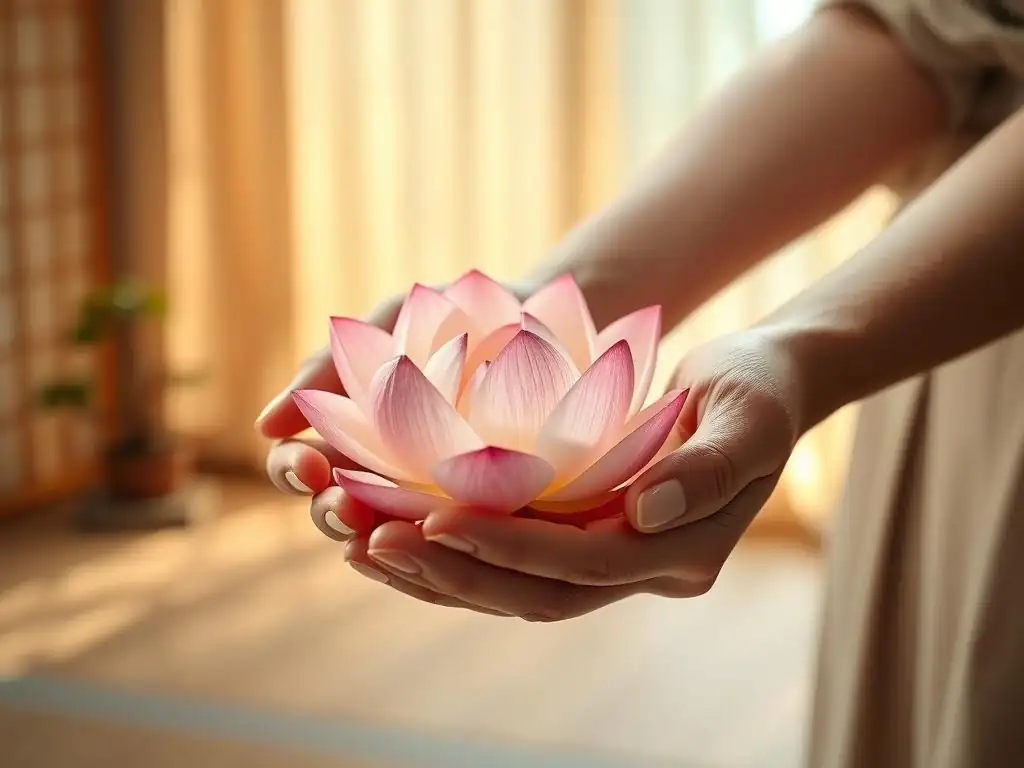
Welcome to Mind Care Guide, your sanctuary for cultivating inner peace and navigating the complexities of mental well-being.
Feeling overwhelmed? It's okay, you're not alone. This space is dedicated to providing you with the tools and knowledge you need to thrive. In this article, we'll explore how mindful observation reduce stress and discover a powerful technique to reclaim your calm. Intrigued? Let's begin your journey towards a more centered you.
Cultivating Calm: The Power of Mindful Observation for Stress Reduction
- Introduction to Mindful Observation for Stress Reduction
- The Practice of Mindful Observation: A Practical Guide
- Mindful Observation Techniques for Stress Relief
- Mindful Observation in Daily Life: Applications for Stress Management
- Benefits of Mindful Observation for Mental Well-being
- Overcoming Challenges in Mindful Observation
- Integrating Mindful Observation into Your Daily Routine
- Advanced Techniques in Mindful Observation for Deeper Insight
- Conclusion: Embracing Mindful Observation for Lasting Well-being
- Frequently Asked Questions
- Final Reflection: Cultivating Calm Through Mindful Observation
- Unlock Your Inner Calm: Start Noticing, Start Thriving
Introduction to Mindful Observation for Stress Reduction
Understanding Mindful Observation: A Pathway to Emotional Regulation
Mindful observation is a foundational practice within mindfulness, involving the deliberate act of paying attention to the present moment without judgment. This isn't about emptying the mind or stopping thoughts; rather, it's about noticing thoughts, feelings, bodily sensations, and external stimuli as they arise, simply observing them as passing phenomena. Think of it like watching clouds drift across the sky – you see them, you recognize their shape and movement, but you don't try to grab onto them or push them away.
This non-reactive awareness is key to how mindful observation can reduce stress. By creating a space between stimulus and response, we gain agency over our reactions, particularly to stressors.
This practice helps us step out of autopilot mode, where we often get swept away by worry or habitual reactions. For instance, when faced with a stressful situation, instead of immediately feeling overwhelmed, mindful observation allows us to notice the physical tension in our shoulders, the racing thoughts, or the feeling of anxiety in our chest.
By simply observing these sensations and thoughts as sensations and thoughts, rather than as definitive truths or imminent threats, we begin to disarm their power. This shift in perspective is profoundly effective in mitigating the intensity and duration of the stress response, making mindful observation reduce stress more effectively over time.
The Neurobiology of Mindful Observation: How It Rewires the Brain
Emerging research in neurobiology provides compelling evidence for how mindful observation impacts the brain, leading to reduced stress and enhanced well-being. Studies utilizing fMRI scans have shown that regular mindfulness practice, including mindful observation, can lead to structural changes in areas of the brain associated with stress regulation and emotional processing. Specifically, the amygdala, often referred to as the brain's fear center, tends to show decreased activity and reduced gray matter density in experienced meditators. This suggests a diminished reactivity to potential threats and stressors.
Simultaneously, the prefrontal cortex, the area responsible for higher-order functions like planning, decision-making, and emotional regulation, often shows increased gray matter density and activity. This strengthening of the prefrontal cortex enhances our capacity for focused attention, impulse control, and the ability to regulate emotional responses.
The hippocampus, involved in memory and learning, particularly emotional memory, has also been observed to increase in volume with regular mindfulness practice. These combined changes indicate that mindful observation doesn't just help manage stress in the moment; it can actually rewire the brain over time, building resilience and making it easier for mindful observation to reduce stress responses chronically.
The Practice of Mindful Observation: A Practical Guide
Step 1: Choosing a Focal Point: Breath, Body, or Environment
The first step in practicing mindful observation is selecting a focal point, something neutral and readily available to anchor your attention in the present moment. Common focal points include the breath, the body, or elements within your immediate environment.
The breath is a popular choice because it is always with you and constantly changing, offering a continuous stream of subtle sensations to observe – the rise and fall of the chest, the air moving through the nostrils, the expansion of the abdomen. Focusing on the breath provides a consistent, portable anchor for bringing your awareness back to the present whenever the mind wanders.
Alternatively, the body can serve as a focal point. This might involve noticing sensations throughout the body – tingling, warmth, pressure, coolness, or tension – without trying to change them. A body scan, where you systematically bring attention to different parts of the body, is a structured way to do this.
Observing the environment involves noticing external stimuli through your senses – sounds, sights, smells, textures. The goal is not to analyze or interpret these observations, but simply to acknowledge them as they are. Choosing a focal point provides a gentle task for the mind, making it easier to practice mindful observation to reduce stress by grounding you in the here and now.
Step 2: Anchoring Attention: Returning to the Present Moment
Once a focal point is chosen, the practice involves gently anchoring your attention to it. The mind, by its nature, is prone to wandering, drifting into thoughts about the past, future, or various distractions. This is perfectly normal and not a failure of the practice. The core skill developed in mindful observation is the ability to notice when the mind has wandered and gently guide it back to the chosen anchor point, whether it's the breath, bodily sensations, or environmental stimuli. This act of noticing the wandering and returning attention is the essence of building mindfulness muscle.
Each time you notice your mind has strayed – perhaps planning dinner, rehashing a conversation, or getting lost in a worry – acknowledge where it went without judgment. Simply note, "Ah, thinking," or "Planning," and then, with kindness and patience, redirect your attention back to the sensations of your breath, the feeling in your feet, or the sound of traffic outside.
This repeated process of wandering and returning strengthens your capacity for focus and present-moment awareness. It's through this persistent, gentle effort that mindful observation helps reduce stress by training the mind to stay grounded and less reactive to distracting or distressing thoughts.
Step 3: Acknowledging Thoughts and Emotions Without Engagement
A crucial aspect of mindful observation is learning to acknowledge thoughts and emotions as they arise, without becoming entangled in their content or narrative. When a thought appears – perhaps a worry about work, a memory, or a judgment – the practice is to simply notice its presence. You might internally label it ("thinking," "worry," "planning") and observe it as a mental event, like watching words appear on a screen or leaves floating down a stream. The key is to avoid getting caught up in the story the thought presents, analyzing it, or reacting emotionally to it.
Similarly, when an emotion arises – be it frustration, sadness, joy, or anxiety – the practice is to notice the physical sensations and mental coloring associated with it. Where do you feel it in your body? What is the quality of the feeling?
Observe it with curiosity, as if you were a scientist studying a phenomenon, rather than getting swept away by its intensity. This non-engaged observation creates a vital space between you and the emotion, allowing you to experience it without being consumed by it. This capacity to acknowledge thoughts and emotions without getting hooked is fundamental to how mindful observation helps reduce stress by preventing emotional spirals.
Step 4: Extending Observation: Gradual Increases in Duration
Beginning mindful observation practice often involves short durations, perhaps just 1-5 minutes. As you become more comfortable and familiar with the process of anchoring attention and acknowledging distractions, you can gradually extend the duration of your practice sessions. Increasing the time allows for a deeper cultivation of sustained attention and non-judgmental awareness. Moving from 5 minutes to 10, then 15, and eventually longer, challenges your ability to stay present and return to your anchor point repeatedly over an extended period.
This gradual increase is important because attempting too long a session initially can be frustrating and discouraging. Consistency in shorter sessions is more beneficial than infrequent, long sessions. As you extend the duration, you provide more opportunities for the mind to wander and, crucially, more opportunities to practice the gentle return to the present moment.
This repeated exercise strengthens the neural pathways associated with attention and regulation, enhancing the capacity for mindful observation to reduce stress not just during formal practice but throughout your day. Aim for consistency, perhaps a few minutes daily, gradually increasing the time as comfort and focus improve.
Mindful Observation Techniques for Stress Relief
Body Scan Meditation: Identifying and Releasing Tension
The body scan is a powerful mindful observation technique specifically designed to cultivate awareness of physical sensations throughout the body, often revealing areas where stress is held. The practice typically involves lying down or sitting comfortably and systematically bringing attention to different regions of the body, starting from the toes and moving upwards to the head, or vice versa. As you bring awareness to each area – your feet, ankles, calves, knees, and so on – you simply observe the sensations present: tingling, warmth, coolness, pressure, absence of sensation, or tension.
Crucially, the body scan is not about trying to change or fix anything you observe. If you notice tension in your shoulders, the practice is not to force them to relax, but simply to acknowledge the sensation of tension with curiosity and acceptance. This non-judgmental observation often paradoxically allows for tension to naturally soften as awareness is brought to it.
Regular practice helps you become more attuned to the subtle ways stress manifests physically, enabling earlier detection and intervention. Many individuals report feeling significantly more relaxed and grounded after a 20-30 minute body scan, demonstrating how this form of mindful observation helps reduce stress by addressing its physical embodiment.
Mindful Breathing: Regulating the Nervous System Through Breath Awareness
Mindful breathing is perhaps the most accessible and fundamental mindful observation technique for stress relief. It involves focusing your attention on the physical sensations of breathing as your anchor point.
This can be observing the air entering and leaving your nostrils, the rise and fall of your chest, or the expansion and contraction of your abdomen. The breath is a unique anchor because it is intimately connected to the state of your nervous system; slow, deep breaths tend to activate the parasympathetic nervous system, promoting relaxation, while shallow, rapid breaths are associated with the sympathetic nervous system and the stress response.
By mindfully observing the breath without trying to change it, you interrupt the automatic stress response loop. When the mind races with worries, bringing attention back to the simple, rhythmic process of breathing provides an immediate anchor in the present. As you practice, you may notice your breath naturally deepen and slow, which in turn signals to your nervous system that you are safe, helping to downregulate the stress response. Even just a few minutes of focused mindful breathing can significantly reduce feelings of tension and anxiety, illustrating the direct impact of mindful observation on physiological stress indicators.
Mindful Walking: Connecting with the Body and Environment
Mindful walking is a practice that combines mindful observation with gentle movement, offering a dynamic way to reduce stress. Instead of walking from point A to point B on autopilot, mindful walking involves paying deliberate attention to the physical sensations of walking and the sensory input from the environment.
This means noticing the feeling of your feet touching the ground, the movement of your legs and arms, the rhythm of your steps, and the posture of your body. Simultaneously, you observe the sights, sounds, smells, and even the feeling of the air on your skin as you move through space.
This practice helps to ground you in the present moment, pulling your attention away from stressful thoughts and into the immediate sensory experience. By focusing on the physical act of walking and the environment, you interrupt cycles of rumination and worry. You might notice the vibrant green of a leaf, the distant sound of a bird, or the texture of the pavement under your feet – simple details often missed when the mind is preoccupied with stress.
Even a short 10-15 minute mindful walk can shift your state, providing a sense of calm and presence. This active form of mindful observation helps reduce stress by integrating awareness into physical activity.
Mindful Observation in Daily Life: Applications for Stress Management

Mindful Communication: Enhancing Presence in Conversations
Mindful observation can significantly improve communication, a common source of stress. When engaging in conversation, mindful communication involves paying full, non-judgmental attention to the person speaking. This isn't just about hearing the words; it's about observing their tone of voice, body language, and the emotions they might be expressing, while also being aware of your own internal reactions – your thoughts, feelings, and bodily sensations. Instead of formulating your response while the other person is talking, mindful observation encourages you to truly listen and be present.
Practicing mindful communication means noticing when your mind wanders to distractions, judgments, or planning what you'll say next, and gently bringing your attention back to the speaker. It also involves observing your own tendency to interrupt or react impulsively. For example, in a heated discussion, instead of immediately firing back, you might pause, notice the tension in your chest and the urge to defend yourself, and choose a more considered response.
This heightened awareness reduces misunderstandings, de-escalates conflict, and fosters deeper connection, demonstrating how applying mindful observation helps reduce stress in interpersonal interactions. Studies on communication training programs incorporating mindfulness have shown improvements in listening skills and reduced emotional reactivity.
Mindful Eating: Cultivating Awareness of Hunger and Satiety
Mindful eating is a practice of bringing mindful observation to the experience of consuming food. It involves paying attention to the sensory details of eating – the colors, smells, textures, and flavors of the food – as well as the physical sensations of hunger and fullness. Instead of eating on autopilot while distracted by screens or thoughts, mindful eating encourages you to slow down and fully engage with the process. This involves noticing the initial cues of hunger, the experience of chewing and swallowing, and the subtle signals of satiety.
This practice helps reduce stress related to food, such as guilt about eating unhealthy items, anxiety about portion sizes, or simply the hurried, disconnected way many people eat. By observing the physical sensations of hunger and fullness, you can develop a healthier relationship with food, eating when truly hungry and stopping when comfortably full.
For example, before reaching for a snack due to stress, you might pause, observe the urge, notice if it's true physical hunger or emotional craving, and make a more conscious choice. Mindful eating transforms a potentially stressful activity into an opportunity for present-moment awareness, illustrating another way mindful observation helps reduce stress by fostering a healthier relationship with a basic daily activity.
Mindful Technology Use: Reducing Digital Distraction
In the modern world, technology is a significant source of stress, contributing to distraction, information overload, and feelings of being constantly "on." Mindful technology use involves applying mindful observation to our interactions with devices. This means noticing the urge to check email or social media, observing the physical sensations associated with prolonged screen time (like eye strain or neck tension), and becoming aware of the emotional impact of digital content (e.g., feelings of inadequacy after viewing social media posts).
Applying mindful observation to technology involves setting intentions before engaging with devices – asking yourself why you are picking up your phone or opening a specific app. It also means noticing when you are mindlessly scrolling or jumping from one task to another, and gently bringing your attention back to your intended activity or simply putting the device down.
For instance, instead of reflexively checking your phone during a quiet moment, you might pause, notice the impulse, and choose to simply be present with your surroundings. By cultivating awareness around technology habits, mindful observation helps reduce stress by creating intentional boundaries and reducing the constant barrage of digital stimuli that can overwhelm the nervous system.
Benefits of Mindful Observation for Mental Well-being
Reducing Rumination and Worry Through Present Moment Awareness
One of the most significant benefits of mindful observation for mental well-being is its ability to reduce rumination and worry, key drivers of stress. Rumination involves getting stuck in repetitive, negative thought loops about the past, while worry is characterized by anxious thoughts about potential future problems. Both pull the mind away from the present and fuel the stress response. Mindful observation directly counteracts these patterns by training the mind to stay anchored in the here and now.
When practicing mindful observation, you learn to notice when your mind has drifted into rumination or worry. By simply labeling these thoughts ("worrying," "rehashing") and gently returning attention to your chosen anchor (like the breath), you interrupt the cycle. You don't engage with the content of the thoughts or try to solve the perceived problems; you just observe the act of thinking.
Over time, this practice weakens the hold that rumination and worry have on your mind, reducing their frequency and intensity. This is a primary mechanism by which mindful observation helps reduce stress, freeing up mental energy previously consumed by unproductive thinking.
Enhancing Emotional Resilience: Responding to Stress with Equanimity
Mindful observation cultivates emotional resilience, the capacity to navigate challenging emotions and stressful situations with greater ease and balance. By practicing non-judgmental observation of internal experiences, you develop the ability to acknowledge difficult emotions – such as frustration, fear, or sadness – without being overwhelmed by them. You learn that emotions are temporary states, arising and passing, rather than permanent aspects of your identity or insurmountable problems.
This perspective shift allows for a response rooted in equanimity, which is an even-mindedness or mental calmness, especially in difficult situations. Instead of reacting impulsively or being swept away by intense feelings, you gain the capacity to pause, observe the emotion, and choose a response aligned with your values.
For example, when receiving critical feedback, instead of immediately feeling defensive and stressed, mindful observation allows you to notice the feeling of hurt or anger, observe it without judgment, and then respond thoughtfully rather than reactively. This ability to meet challenging experiences with equanimity is a powerful way mindful observation helps reduce stress by changing your relationship with difficult emotions.
Cultivating Self-Compassion Through Non-Judgmental Observation
Mindful observation inherently fosters self-compassion. The practice involves observing your internal experiences – thoughts, feelings, sensations – without judgment. This non-judgmental stance extends to how you view yourself. When you notice difficult emotions or critical thoughts about yourself, mindful observation encourages you to meet them with kindness and acceptance, rather than harsh self-criticism.
For instance, if you're struggling with a task and feel frustrated or inadequate, mindful observation allows you to notice those feelings and thoughts without adding layers of self-blame ("I'm so stupid," "I'll never get this right"). Instead, you might simply note, "Ah, there's frustration," or "Noticing a thought about inadequacy." This gentle acknowledgment, free from judgment, is the foundation of self-compassion.
Recognizing that suffering and imperfection are part of the human experience, and meeting your own difficulties with the same kindness you would offer a friend, significantly reduces the stress generated by internal criticism. This cultivation of self-compassion is a vital, often understated, way mindful observation helps reduce stress by softening the internal landscape.
Overcoming Challenges in Mindful Observation
Addressing Restlessness and Difficulty Focusing
One of the most common challenges in mindful observation is experiencing restlessness and difficulty keeping the mind focused on the chosen anchor. It's important to understand that a wandering mind is not a sign of failure; it's simply what minds do. The practice isn't about achieving a state of perfect stillness, but about repeatedly noticing the wandering and gently bringing attention back. For example, if you sit down for a 10-minute practice and find your mind wandering 50 times, that means you had 50 opportunities to practice noticing and returning – a very successful session!
To address restlessness, consider incorporating movement into your practice, like mindful walking or gentle stretching before sitting. If focusing on the breath feels difficult, try anchoring to physical sensations in the body, which can be more tangible. Shortening the practice duration can also help; it's better to have a focused 5-minute session than a frustrating 20-minute one.
Be patient and kind to yourself; learning to focus takes time and consistent effort. Approaching the practice with curiosity rather than expectation can also shift the experience, making it less about "getting it right" and more about simply observing what is present, which ironically helps mindful observation reduce stress by removing performance pressure.
Sometimes, mindful observation can bring you face-to-face with intense or uncomfortable emotions and physical sensations that you might typically try to avoid. This can feel challenging or even overwhelming. When this happens, the practice is to approach these experiences with the same non-judgmental observation you apply to other phenomena. Instead of pushing the discomfort away or getting lost in the feeling, try to observe its qualities: Is it hot or cold? Tight or expansive? Where is it located in the body? Does it have a shape or texture?
If the intensity feels too much, it's always okay to gently shift your attention back to a more neutral anchor, like the breath, or even to open your eyes and ground yourself in your environment. You can also shorten the practice or take a break. The goal is not to endure suffering, but to develop a capacity to be with challenging experiences without being consumed by them.
Practicing with less intense discomfort first helps build this capacity. Over time, this ability to mindfully observe difficult internal states without getting swept away is a powerful way mindful observation helps reduce stress by building emotional tolerance and resilience.
Maintaining Motivation and Consistency in Practice
Maintaining motivation and consistency is a challenge for any new habit, including mindful observation. Life is busy, and it's easy to let practice slide when feeling stressed or overwhelmed, precisely when it would be most beneficial. Lack of immediate dramatic results can also be discouraging. It's helpful to remember that mindfulness is a cumulative practice; small, consistent efforts yield results over time, similar to physical exercise.
To maintain consistency, try integrating short moments of mindful observation into daily activities rather than relying solely on formal sitting practice. For instance, take three mindful breaths before opening your email, or mindfully observe the sensations of brushing your teeth. Pairing the practice with an existing habit can also help – e.g., practice mindful breathing for two minutes immediately after your morning coffee.
Reflecting on the subtle benefits you do notice, like slightly less reactivity or a moment of unexpected calm, can also bolster motivation. Connecting with a community or using guided meditations can provide support and structure, reinforcing how regular mindful observation helps reduce stress through sustained effort.
Integrating Mindful Observation into Your Daily Routine

Establishing a Dedicated Mindfulness Practice Time
Establishing a dedicated time for mindful observation practice, even if just for a few minutes daily, provides structure and reinforces consistency. Choosing a specific time each day helps turn the practice into a habit. This could be first thing in the morning, during a lunch break, or before bed. The key is to select a time when you are least likely to be interrupted and can commit fully to the practice, even for a short duration.
Having a dedicated time signals to yourself that this practice is important for your well-being. It creates a regular space to pause, check in with yourself, and cultivate present-moment awareness away from the demands of the day. Even 5-10 minutes of focused mindful observation can make a difference in your overall stress levels and capacity for presence throughout the day. Treat this time as a non-negotiable appointment with yourself, recognizing that this investment in mindful observation helps reduce stress and improves your ability to navigate challenges.
Utilizing Mindfulness Apps and Guided Meditations
Mindfulness apps and guided meditations can be excellent tools for integrating mindful observation into your daily routine, especially for beginners or when motivation is low. Apps often provide structured programs, daily reminders, and a variety of guided practices ranging from a few minutes to longer sessions. Guided meditations offer a voice that leads you through the process, providing instructions on where to place your attention, how to handle distractions, and reinforcing the non-judgmental approach.
Using a guided meditation can make the practice feel less daunting and provide support when you feel restless or unsure of how to proceed. Many apps offer specific guided practices for stress reduction, sleep, or managing difficult emotions. While independent practice is valuable, guided sessions can be a wonderful way to stay consistent and explore different techniques within mindful observation. Exploring resources like these can significantly aid in making mindful observation a regular part of your life, thereby helping mindful observation reduce stress more effectively.
Participating in Mindfulness Workshops and Retreats
Participating in mindfulness workshops or retreats offers a deeper dive into the practice of mindful observation and provides a supportive environment for learning and growth. Workshops, often lasting a few hours or a full day, provide structured instruction, group practice, and opportunities to ask questions. Retreats, typically lasting from a weekend to several days, offer an immersive experience away from daily distractions, allowing for extended periods of practice and reflection.
These experiences provide valuable guidance from experienced teachers and the opportunity to connect with others on a similar path. Learning in a dedicated setting can deepen your understanding of the principles behind mindful observation and provide intensive practice that accelerates skill development. While not necessary for everyone, workshops and retreats can be transformative experiences that solidify your commitment to the practice and provide advanced techniques and insights. Engaging in these can significantly enhance your ability to leverage mindful observation to reduce stress by deepening your practice and understanding.
Advanced Techniques in Mindful Observation for Deeper Insight
Investigating the Nature of Thoughts: Observing Their Arising and Passing
Beyond simply acknowledging thoughts as "thinking," advanced mindful observation involves investigating the nature of thoughts themselves. This means observing where thoughts seem to arise from, how they form, what their characteristics are (e.g., are they visual, auditory, conceptual? ), and how they dissolve or pass away. This isn't about analyzing the content of the thought, but observing the process of thinking as a phenomenon.
For example, instead of just noting "worry," you might observe how the worry thought appears – perhaps as a phrase in your mind, an image, or a sudden feeling. You then notice how it might linger, change, or eventually dissipate, often replaced by another thought. This practice reveals the impermanent and insubstantial nature of thoughts; they are events happening in consciousness, not fixed realities or directives.
By understanding thoughts as transient mental formations, their power to cause stress and pull you into rumination significantly diminishes. This deeper level of mindful observation helps reduce stress by fundamentally changing your relationship with your internal mental landscape.
Exploring Impermanence: Recognizing the Constant Change in Experience
A core insight cultivated through advanced mindful observation is the recognition of impermanence (anicca in Pali, a language of early Buddhist texts) – the understanding that all phenomena, both internal and external, are constantly changing. This applies to physical sensations, emotions, thoughts, sounds, sights, and even the sense of self. By deliberately observing the arising and passing of these experiences in rapid succession, you directly perceive their transient nature.
You might observe the sensation of sitting – it's not a static feeling but a continuous stream of subtle shifts in pressure, warmth, and posture. An emotion arises, intensifies, perhaps shifts in quality, and eventually passes. A thought appears and disappears. Recognizing this constant flux can be profoundly liberating, especially in relation to stressful experiences. If a difficult feeling or situation is seen as impermanent, its power to feel overwhelming and endless is reduced. This deep understanding cultivated through mindful observation helps reduce stress by fostering acceptance of change and loosening attachment to fixed states, whether pleasant or unpleasant.
Cultivating Equanimity: Meeting All Experiences with Acceptance
While touched upon earlier, cultivating equanimity is an advanced aspect of mindful observation that involves meeting all experiences, pleasant, unpleasant, or neutral, with an attitude of balanced acceptance. This isn't indifference or suppression of feelings; it's the capacity to remain present and open to whatever arises without grasping at the pleasant or pushing away the unpleasant. It's recognizing the inherent impermanence of all states and not letting your well-being be dictated by external circumstances or internal fluctuations.
Developing equanimity requires extensive practice in observing the tendency to react with craving to pleasant experiences ("I want this to last") and aversion to unpleasant ones ("I want this to go away"). By mindfully observing these reactive patterns as they arise – noticing the urge to cling or resist – you gradually weaken their hold.
This allows you to meet stress, discomfort, or even joy with a stable, open presence. This deep cultivation of equanimity through mindful observation significantly helps reduce stress by freeing you from the constant internal struggle of trying to control or manipulate your experience, allowing for a state of peace regardless of external circumstances.
Conclusion: Embracing Mindful Observation for Lasting Well-being
The Transformative Potential of Mindful Awareness
Embracing mindful observation is not merely a technique for temporary stress relief; it holds transformative potential for cultivating lasting well-being. By consistently practicing the art of paying attention to the present moment without judgment, you fundamentally change your relationship with your thoughts, emotions, and physical sensations. You move from being caught in automatic reactions and habitual stress responses to having the capacity to pause, observe, and choose how to respond.
This shift in awareness builds resilience, enhances emotional regulation, reduces the grip of rumination and worry, and fosters a deeper sense of presence and connection in daily life. The subtle yet profound changes in the brain, such as reduced amygdala activity and increased prefrontal cortex function, underscore the physiological basis for how mindful observation helps reduce stress and promotes mental health over time. It's a practice that empowers you to navigate life's challenges with greater ease, clarity, and compassion.
Continuing Your Mindfulness Journey: Resources and Community Support
Embarking on the path of mindful observation is a journey, not a destination. Consistency and patience are key. To support your continued practice and deepen your understanding, explore available resources. This might include reputable books on mindfulness and meditation, guided meditations (available through numerous apps and websites), and online or in-person courses. Many mental health professionals also incorporate mindfulness into therapy, offering personalized guidance.
Connecting with a community of practitioners can also be incredibly beneficial. Local meditation centers, online forums, or mindfulness groups provide support, shared experiences, and opportunities to practice with others. Remember that mindful observation is a skill that develops with practice, and there will be days that feel easier than others. Approach your practice with kindness and curiosity, trusting that each moment of mindful awareness contributes to your capacity for calm and your ability to let mindful observation reduce stress in your life.
Frequently Asked Questions
How does mindful observation help reduce stress?
Mindful observation allows you to become aware of your stressors without judgment. This increased awareness helps you detach from reactive patterns, allowing for a more considered response.
What does it mean to observe my stress mindfully?
It means paying attention to your thoughts, feelings, and physical sensations without getting carried away by them. It's about acknowledging the stress instead of suppressing or fighting it.
Can mindful observation completely eliminate stress?
No, mindful observation doesn't eliminate stress entirely, but it equips you with tools to manage it effectively. It helps you reduce the impact of stress on your overall well-being.
How often should I practice mindful observation to see benefits?
Even short, regular practice sessions can be beneficial. Aim for a few minutes each day and gradually increase the duration as you become more comfortable with the practice.
Are there any resources available to help me learn mindful observation techniques?
Yes, Mind Care Guide offers various resources and guided meditations to help you learn and practice mindful observation. You can also find books, apps, and workshops focused on mindfulness.
Final Reflection: Cultivating Calm Through Mindful Observation
The ability to observe without judgment is not merely a meditative practice; it's a potent antidote to the pervasive stress of modern life. In a world saturated with information and demands, the simple act of noticing—truly noticing—our thoughts, feelings, and sensations without getting swept away by them, offers a powerful pathway to peace. This mindful approach, as explored throughout this article, provides a practical and accessible tool for navigating the challenges we face daily.
The impact of mindful observation extends far beyond individual stress reduction; it's a ripple effect that touches our relationships, our work, and our overall well-being. By cultivating this awareness, we become less reactive and more responsive, fostering empathy and understanding in our interactions. As Jon Kabat-Zinn eloquently stated, Mindfulness means paying attention in a particular way: on purpose, in the present moment, and non-judgmentally.
This quote encapsulates the essence of this practice and its transformative potential. It's a constant learning process, a journey of self-discovery that unfolds with each mindful breath and observation.
Now, consider how you can integrate mindful observation into your own life. Start small. Notice the sensation of your breath, the taste of your food, the warmth of the sun on your skin. Don't judge these experiences; simply observe them. With consistent practice, you'll find that this simple act of noticing becomes a powerful anchor, grounding you in the present moment and releasing the grip of stress. Embrace the power of mindful observation – it's a journey towards a calmer, more fulfilling life, waiting for you to begin.
Unlock Your Inner Calm: Start Noticing, Start Thriving
Thanks for taking the time to explore the power of mindful observation! We hope you gained valuable insights into how noticing your surroundings can ease stress and improve your well-being. Now it's time to put those insights into practice.
- Begin a daily noticing practice: Even 5 minutes a day spent consciously observing your breath, your environment, or your senses can make a significant difference. Try it during your commute, your lunch break, or before bed.
- Share your mindful moments: Tell a friend or family member about your experience with mindful observation. Sharing your journey can inspire others and deepen your own practice.
- Explore different noticing techniques: Experiment with guided meditations, nature walks, or even simply paying close attention to the taste of your food. Find what works best for you!
Ready to experience the transformative power of mindful presence? What small change will you make today to incorporate more mindful observation into your life?