
See Your Stress Melt Away: The Power of Visual Biofeedback for Anxiety

Welcome to Mind Care Guide, your trusted companion on the journey to mental well-being.
Feeling overwhelmed by anxiety and stress? You're not alone. Discover how visual biofeedback reduces anxiety stress and empowers you to take control. Intrigued? Explore this groundbreaking approach and learn how wearable tech can unlock a calmer, more balanced you. Let's begin your journey towards a stress-free life, one breath at a time.
- Understanding Anxiety and the Need for Effective Stress Reduction
- How Visual Biofeedback Reduces Anxiety Stress: The Science Behind It
- Choosing the Right Visual Biofeedback Device for Anxiety Relief
- Implementing Visual Biofeedback for Optimal Anxiety Reduction
- Real-Life Success Stories: Visual Biofeedback for Anxiety in Action
- Maximizing the Benefits: Tips for Long-Term Anxiety Management with Visual Biofeedback
- Is Visual Biofeedback Right for You? Addressing Common Concerns
- Conclusion: Embracing Visual Biofeedback for a Calmer, More Balanced Life.
-
Frequently Asked Questions
- What exactly is visual biofeedback, and how does it work to reduce anxiety?
- How does visual biofeedback differ from other anxiety management techniques, like medication or talk therapy?
- What types of anxiety disorders can visual biofeedback be helpful for?
- What kind of equipment is typically used in visual biofeedback sessions?
- How long does it typically take to see results with visual biofeedback for anxiety reduction?
- Final Reflection: Embracing Calm Through Visual Biofeedback
- Unlock Your Inner Calm: Start Your Biofeedback Journey Today!
Understanding Anxiety and the Need for Effective Stress Reduction
The Rising Prevalence of Anxiety and Its Impact on Daily Life
Anxiety is more than just feeling stressed about a deadline or nervous before a presentation; it's a persistent, often overwhelming feeling of worry or fear that can significantly disrupt daily life. According to data from organizations like the World Health Organization (WHO), anxiety disorders are among the most common mental health conditions globally, affecting hundreds of millions of people each year. In the United States alone, the National Institute of Mental Health (NIMH) estimates that nearly one in five adults experience an anxiety disorder annually.
This widespread prevalence means that anxiety impacts individuals across all demographics, interfering with work, relationships, sleep, and overall well-being. The constant state of hypervigilance and worry associated with anxiety can lead to physical symptoms such as headaches, fatigue, muscle tension, and digestive issues, creating a challenging cycle that is difficult to break without effective intervention.
The economic and social costs of anxiety are also substantial. Lost productivity due to anxiety-related issues, healthcare expenses, and the personal toll on individuals and their families highlight the urgent need for accessible and effective strategies to manage and reduce anxiety stress. While traditional methods like therapy and medication are vital and effective for many, there is growing interest in complementary approaches that empower individuals to take a more active role in managing their physiological responses to stress.
The search for innovative tools that provide tangible, real-time feedback on the body's stress state is driving interest in technologies that can help individuals understand and modify their reactions to anxious triggers. Finding ways to interrupt the physiological stress response is key to helping people navigate their daily lives with less distress.
Why Traditional Anxiety Management Techniques Aren't Always Enough
While established methods such as cognitive behavioral therapy (CBT), medication, and relaxation techniques like deep breathing and meditation are cornerstones of anxiety treatment and highly effective for many, they may not always be sufficient for everyone or in every situation. For some individuals, traditional therapy requires significant time commitment and may not provide immediate relief from acute anxiety symptoms.
Medications can be very helpful but may come with side effects, and finding the right dosage or type can take time. Furthermore, while techniques like deep breathing and meditation are powerful tools, mastering them requires consistent practice, and it can sometimes be challenging for individuals to know if they are performing them correctly or achieving the desired physiological state without external feedback.
The challenge often lies in the disconnect between the mental understanding of relaxation techniques and the body's automatic physiological stress response. When anxiety strikes, the sympathetic nervous system activates the "fight or flight" response, leading to increased heart rate, rapid breathing, and muscle tension. Simply knowing you should relax doesn't always override this deeply ingrained physiological reaction.
This is where tools that offer real-time, objective feedback become valuable. They bridge the gap between conscious effort and subconscious physiological processes, allowing individuals to see and understand how their body is responding to their attempts at relaxation or stress management. This immediate feedback can make the process of learning to manage anxiety stress more tangible and effective for those who struggle with purely internal techniques.
Introducing Visual Biofeedback: A Modern Approach to Stress Relief
Visual biofeedback represents a modern, technology-assisted approach to stress and anxiety management that empowers individuals by showing them real-time data about their body's physiological state. Unlike traditional methods that rely solely on subjective perception, visual biofeedback devices use sensors to measure physiological signals associated with stress and relaxation, such as heart rate variability (HRV), skin conductance (GSR), or brainwave activity (EEG).
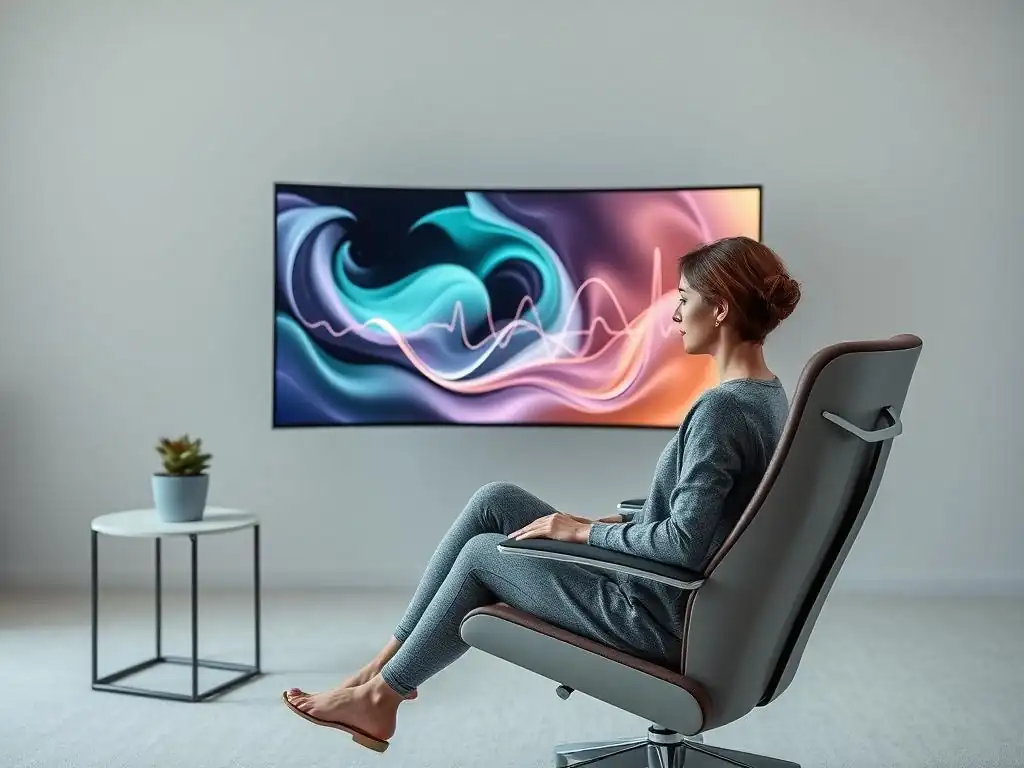
This data is then translated into easy-to-understand visual cues on a screen, such as graphs, changing colors, or even interactive landscapes or games. For instance, as your heart rate slows or your skin conductance decreases (indicating relaxation), a visual representation might change positively – a color might shift from red to blue, a graph line might smooth out, or a virtual environment might become calmer.
This immediate visual feedback serves as a powerful learning tool. It allows users to directly see the impact of their mental and physical efforts (like deep breathing or focusing) on their physiological stress response. By observing how specific techniques or thoughts influence their real-time data displays, individuals can learn to identify which strategies are most effective for them in reducing physiological arousal.
Over time, with consistent practice, this process helps individuals develop greater conscious control over their body's automatic responses, effectively training their nervous system to move towards a state of calm more readily. This is how visual biofeedback reduces anxiety stress – by making the invisible processes of the body visible and trainable, offering a concrete path towards self-regulation and improved mental well-being.
How Visual Biofeedback Reduces Anxiety Stress: The Science Behind It
What is Visual Biofeedback? Understanding the Core Principles
At its heart, visual biofeedback is a training technique that teaches you to control your body's functions, such as heart rate, breathing, and muscle tension, by making you aware of them. The term "biofeedback" simply means "biological feedback" – providing information about your body's processes. Visual biofeedback specifically uses visual displays to present this information in an understandable format.
The core principle is based on the idea that with awareness and practice, individuals can learn to influence physiological responses that are typically involuntary. This concept isn't new; practices like yoga and meditation have long aimed at achieving greater control over bodily states. However, biofeedback provides an objective, measurable way to facilitate this learning process.
The process typically involves placing sensors on the body that measure a specific physiological signal related to stress or relaxation. Common signals include heart rate and heart rate variability (HRV), skin temperature, muscle tension (EMG), skin conductance (GSR), and brainwave activity (EEG). This raw data is then processed by a device or software and presented visually to the user in real-time.
For example, a graph might show fluctuations in your heart rate variability as you breathe, or a bar might rise and fall with changes in your skin conductance. By observing these visual cues, you learn to associate certain internal states or relaxation techniques with desired changes in the visual display. This concrete, moment-to-moment feedback helps reinforce successful attempts at self-regulation, making the learning process more efficient than relying solely on subjective feelings.
Connecting Mind and Body: The Biofeedback Loop Explained
The efficacy of visual biofeedback in reducing anxiety stress lies in the creation of a closed-loop system involving the mind, body, and technology. This loop begins with the body generating physiological signals in response to internal states (like stress or relaxation) or external stimuli. Sensors on the biofeedback device capture these signals.
The device then processes this raw data and translates it into a visual format that the user can easily understand and interpret. This visual feedback is presented on a screen – it could be a line graph showing heart rate, a changing color indicating stress levels, or even an immersive visual environment that responds to your physiological state.
The crucial next step involves the user's mind. By observing the visual feedback, the user gains objective insight into their current physiological state. If the feedback indicates high stress (e.g., erratic HRV, high skin conductance), the user can then consciously employ relaxation techniques they have learned, such as deep breathing, guided imagery, or progressive muscle relaxation.
As they apply these techniques, the sensors continue to monitor their physiological state, and the visual feedback updates in real-time, showing the effect of their efforts. This immediate visual confirmation reinforces the connection between their mental or physical action and the resulting physiological change. Over time, this repetitive loop trains the individual to recognize the internal sensations associated with stress and relaxation and to voluntarily shift their physiological state towards calm, effectively learning how visual biofeedback reduces anxiety stress by making the mind-body connection tangible and trainable.
Visual Cues for Relaxation: How Devices Translate Stress Signals
Visual biofeedback devices translate complex physiological signals into simple, intuitive visual cues that guide the user towards a state of relaxation. The specific type of visual feedback depends on the physiological signal being measured. For example, devices measuring Heart Rate Variability (HRV) often display a graph showing the fluctuations in the time intervals between heartbeats.
A smooth, wave-like pattern typically indicates higher HRV and a more relaxed state, while a chaotic pattern suggests lower HRV and increased stress. The visual cue might be designed to encourage the user to synchronize their breathing with a visual guide to achieve optimal HRV patterns, often represented by a rising and falling visual element.
When measuring Skin Conductance (GSR), which reflects the activity of sweat glands influenced by the sympathetic nervous system (the "fight or flight" branch), a common visual cue is a changing color or the movement of a pointer on a dial. High skin conductance (more sweat activity) corresponds to increased arousal or stress, which might be shown as a red color or a pointer moving towards a "high stress" zone.
As the user relaxes, skin conductance decreases, and the visual cue shifts – perhaps turning blue or moving towards a "calm" zone. Similarly, devices measuring muscle tension (EMG) might show a line graph that becomes flatter as muscles relax, while brainwave (EEG) devices might use sounds or visuals (like weather patterns or landscapes) that clear or brighten as the user achieves calmer brainwave states (e.g., alpha or theta waves).
These diverse visual representations serve the same purpose: to provide clear, immediate feedback that helps the user understand their body's stress response and learn how to modify it, reinforcing the learning process of how visual biofeedback reduces anxiety stress.
Choosing the Right Visual Biofeedback Device for Anxiety Relief
Key Features to Consider When Selecting a Biofeedback Device
Selecting the appropriate visual biofeedback device is crucial for an effective and engaging experience in managing anxiety stress. The first key feature to consider is the type of physiological signal the device measures, as different signals offer insights into different aspects of the stress response. Common options include Heart Rate Variability (HRV), Skin Conductance (GSR), and Brainwave (EEG) activity. Your choice may depend on which aspect of your stress response you feel is most prominent (e.g., racing heart vs. tense muscles vs. difficulty calming your mind).
Ease of use is another critical factor; look for devices with intuitive interfaces and straightforward setup processes, especially if you are new to biofeedback. The visual feedback itself should be clear, engaging, and easy to interpret, as this is the primary learning mechanism. Some devices offer gamified experiences, which can be particularly motivating for consistent practice.
Compatibility with your existing technology (smartphone, tablet, computer) is also essential, as most home-use devices utilize apps for data display and tracking. Consider portability if you plan to use the device in different locations or for managing situational anxiety. Battery life and charging method are practical considerations for regular use.
Finally, consider data tracking and reporting capabilities. Many devices allow you to track your progress over time, view session summaries, and identify patterns in your stress responses and relaxation efforts. This data can be invaluable for understanding your journey and demonstrating how consistent use of visual biofeedback reduces anxiety stress over weeks and months.
Heart Rate Variability (HRV) Monitoring: Measuring Your Stress Response
Heart Rate Variability (HRV) monitoring is a popular feature in many visual biofeedback devices because it provides a non-invasive yet powerful window into the state of your autonomic nervous system, particularly the balance between the sympathetic ("fight or flight") and parasympathetic ("rest and digest") branches. HRV measures the natural fluctuations in the time intervals between consecutive heartbeats.
Contrary to what one might initially think, higher HRV is generally associated with better health, resilience, and a greater ability to shift between states of activity and rest – indicating a well-regulated nervous system less locked into a stress response. Conversely, lower HRV is often linked to stress, anxiety, and burnout.
Visual biofeedback devices that monitor HRV typically use sensors placed on the finger, earlobe, or wrist. The device then displays your HRV data visually, often as a graph or a dynamic visual element like a breathing pacer. The goal of training with HRV biofeedback is to learn techniques, primarily paced breathing, that increase your HRV.
By seeing the visual representation of your HRV change in real-time as you adjust your breathing pace or depth, you learn to identify the specific breathing patterns that optimize your HRV and promote a calm physiological state. This direct feedback makes the abstract concept of HRV tangible and trainable, allowing users to actively learn how to influence their nervous system towards a more relaxed state and thereby demonstrating how visual biofeedback reduces anxiety stress by targeting this fundamental physiological marker.
Skin Conductance (GSR) Sensors: Detecting Physiological Arousal
Skin Conductance Response (SCR), also known as Galvanic Skin Response (GSR) or Electrodermal Activity (EDA), is another common physiological signal measured by visual biofeedback devices, particularly those focused on general stress and emotional arousal. Sweat glands, especially those on the palms of the hands and soles of the feet, are directly controlled by the sympathetic nervous system. When you experience stress, fear, or excitement, sympathetic activity increases, causing these glands to produce tiny amounts of sweat, even if you don't feel overtly sweaty. This change in moisture affects the electrical conductivity of the skin.
GSR sensors work by applying a very small, imperceptible electrical current across the skin, typically using electrodes placed on two fingers or the wrist. The device measures how easily the current passes through the skin – higher conductivity means higher sympathetic arousal. Visual biofeedback devices translate this into a visual cue, such as a changing color (e.g., from green to red), a moving bar graph, or a fluctuating line.
As you practice relaxation techniques and your sympathetic activity decreases, your skin conductance lowers, and the visual feedback changes to reflect this calmer state. This immediate visual correlation helps you become more aware of your body's subtle arousal levels and provides concrete evidence of how your efforts to relax are physiologically effective. Learning to consciously lower your skin conductance is a direct way visual biofeedback reduces anxiety stress by helping you regulate your autonomic nervous system's response to triggers.
Brainwave (EEG) Feedback: Gaining Insight into Your Mental State
Brainwave (EEG) feedback, also known as neurofeedback, is a more advanced type of biofeedback that measures electrical activity in the brain using sensors placed on the scalp. Different mental states are associated with different patterns of brainwave activity, measured in frequency ranges (e.g., Delta, Theta, Alpha, Beta, Gamma). For anxiety reduction, training often focuses on increasing alpha and theta waves, which are associated with relaxed, meditative, and calm states, while sometimes aiming to decrease high-frequency beta waves, which can be linked to overthinking and worry.
EEG biofeedback devices for home use, such as certain headbands, typically place sensors on the forehead. The device analyzes the brainwave patterns and translates them into visual feedback.
This feedback is often presented in immersive ways, such as guiding a virtual character through a calm environment, changing the weather in a digital landscape, or altering the sounds you hear, all based on your brainwave activity. For example, if you are successfully increasing your alpha waves, a stormy virtual scene might clear up, or calming music might become more prominent.
This direct, visual representation of your brain's activity helps you learn what it feels like mentally to produce desired brainwave patterns associated with relaxation and focus. While potentially requiring more practice than HRV or GSR, EEG biofeedback offers a direct pathway to influencing the neural activity patterns underlying anxious thoughts and feelings, providing a sophisticated method through which visual biofeedback reduces anxiety stress by training the brain itself.
Top Visual Biofeedback Devices for Home Use: A Comparative Review
Choosing the right device depends on individual needs and preferences, but several popular options offer effective visual biofeedback for anxiety relief in a home setting. These devices vary in the type of biofeedback they offer (HRV, GSR, EEG), their form factor, and the accompanying software experience. When considering devices, remember that the core value lies in the visual feedback loop they create, enabling you to learn self-regulation.
Muse 2: Portable and User-Friendly for On-the-Go Stress Management
The Muse 2 is a popular multi-sensor headband designed for meditation and focus training, offering a user-friendly entry into visual biofeedback. It measures brainwave (EEG), heart rate (PPG), and movement (accelerometer) data. The accompanying app translates this data into auditory and visual feedback, often using nature soundscapes.
For example, calmer brain activity or a steadier heart rate might result in peaceful birdsong, while a wandering mind or increased heart rate might introduce sounds of storms or traffic. While primarily known for its audio feedback during sessions, the app provides detailed visual session summaries and graphs showing brain activity (mental state), heart rate, and stillness levels over time, allowing users to visually track their progress in achieving calm states. Its portable design makes it suitable for use in various quiet environments, providing biofeedback that reduces anxiety stress wherever you can find a few minutes to practice.
Sensate: Advanced Biofeedback Training for Deeper Relaxation
Sensate is a unique device that focuses on vagus nerve stimulation combined with biofeedback principles, specifically targeting the nervous system through infrasonic sound and vibration. While not a traditional sensor-based biofeedback device like those measuring HRV or GSR directly from skin contact, it provides a form of interoceptive biofeedback by guiding the user's physiological response through timed vibrations and sound frequencies designed to calm the vagus nerve, a key pathway in the parasympathetic nervous system.
The accompanying app offers guided sessions with synchronized soundscapes. The visual feedback is primarily within the app's interface, guiding the user through sessions and providing post-session summaries that, while not displaying raw physiological data like HRV graphs, offer subjective feedback prompts and track session consistency, encouraging a state of calm that visually reflects in user-reported outcomes and practice habits.
Its goal is deeper, passive relaxation training, offering a different pathway for visual biofeedback to reduce anxiety stress by influencing the nervous system directly through sensory input.
Inner Balance by HeartMath: Gamified Biofeedback for Engaging Anxiety Relief
The Inner Balance device by HeartMath is specifically focused on Heart Rate Variability (HRV) coherence training, a state where the heart's rhythm is smooth and ordered, reflecting a balanced nervous system. The device, typically a small sensor that clips onto the earlobe, connects to a smartphone app. The visual feedback is highly engaging and often gamified.
Users might see a colorful graph of their HRV coherence score fluctuating in real-time, or they might participate in interactive challenges where they must maintain a state of coherence to progress through a game or make a visual element (like a balloon) rise. This clear, real-time visual representation of HRV coherence provides immediate feedback on the effectiveness of breathing and focus techniques.
The gamified approach makes practicing visual biofeedback for anxiety management more enjoyable and motivating, helping users consistently train their nervous system to achieve a state of physiological calm. The app also tracks progress over time, allowing users to visually see improvements in their coherence scores and session lengths, demonstrating how this type of visual biofeedback reduces anxiety stress through targeted HRV training.
Implementing Visual Biofeedback for Optimal Anxiety Reduction
Setting Up Your Biofeedback Device: A Step-by-Step Guide
Setting up a visual biofeedback device for home use is typically a straightforward process designed to get you practicing quickly and effectively. While specifics vary by device, the general steps involve:
- Unboxing and Charging: Open your device and ensure all components are present. Charge the device fully before your first use according to the manufacturer's instructions.
- App Download: Most visual biofeedback devices require a companion app. Locate the app in your smartphone or tablet's app store (Apple App Store or Google Play Store) and download it.
- Installation and Account Creation: Install the app and follow the on-screen prompts to create a user account. This account is often used to track your progress over time.
- Pairing the Device: Turn on your biofeedback device and open the app. The app will guide you through connecting the device, usually via Bluetooth. Ensure Bluetooth is enabled on your phone or tablet.
- Sensor Placement: Follow the app's instructions for placing the sensors correctly on your body. This might involve clipping a sensor to your earlobe or finger, placing electrodes on your wrist or forehead, or wearing a headband. Proper placement is crucial for accurate data collection.
- Calibration/Initial Reading: Some apps may require a brief calibration period or initial reading to establish a baseline for your physiological signals. Relax and follow any on-screen prompts during this step.
- Starting Your First Session: Once the device is connected and calibrated, you can begin your first biofeedback training session. The app will likely offer guided sessions or tutorials to introduce you to the visual feedback and how to interact with it using breathing or focus techniques. Pay close attention to how the visual display changes in response to your actions.
Following these steps ensures your device is ready to provide the real-time visual feedback necessary to learn how visual biofeedback reduces anxiety stress effectively.
Creating a Relaxing Environment for Effective Biofeedback Sessions
To maximize the benefits of visual biofeedback for anxiety reduction, conducting your sessions in a calm, comfortable environment is highly recommended, especially when you are first learning. Choose a quiet space where you are unlikely to be interrupted. This could be a quiet corner of your living room, a bedroom, or even a comfortable chair outdoors if the weather permits and it's peaceful.
Minimize distractions by turning off notifications on your phone or tablet (unless the device requires the app to be active). Dimming the lights or using soft, ambient lighting can also help create a tranquil atmosphere conducive to relaxation.
Ensure you are seated comfortably in a chair that supports your back, or lie down if that feels more natural for deep relaxation. Avoid positions that cause muscle tension or discomfort. Wearing loose, comfortable clothing can also help.
The goal is to create a physical space that signals safety and calm to your nervous system, making it easier for you to focus on the biofeedback and your internal state. While the device provides the technical feedback, the environment plays a significant role in facilitating the relaxation response you are trying to learn to control. A consistent, relaxing setting helps reinforce the practice and makes it easier to see how your efforts, guided by visual biofeedback, reduce anxiety stress over time.
Combining Visual Biofeedback with Other Anxiety Management Techniques
Visual biofeedback is a powerful tool on its own, but its effectiveness in reducing anxiety stress can be significantly enhanced when combined with other established anxiety management techniques. Biofeedback provides the objective, real-time feedback that makes the abstract concepts of relaxation and self-regulation tangible, while other techniques provide the methods to practice and apply during a biofeedback session. This synergy allows individuals to see how their chosen techniques are impacting their physiology, making the techniques themselves more potent.
This integrated approach leverages the strengths of different modalities. For instance, you might use biofeedback to monitor your physiological state while practicing deep breathing exercises, mindfulness meditation, or techniques learned in cognitive behavioral therapy (CBT). The biofeedback acts as a coach, showing you whether your efforts are succeeding in lowering arousal levels. This immediate feedback can accelerate the learning process for these techniques and increase confidence in their effectiveness. By combining approaches, individuals build a more robust toolkit for managing anxiety stress in various situations, moving beyond reliance on a single method.
Mindfulness Meditation and Visual Biofeedback: A Powerful Combination
Mindfulness meditation involves paying attention to the present moment without judgment, including noticing bodily sensations, thoughts, and emotions. While mindfulness is a powerful practice for cultivating awareness and acceptance, it can sometimes be challenging for individuals with anxiety to quiet a racing mind or feel confident they are achieving a truly relaxed state. Combining mindfulness meditation with visual biofeedback provides objective confirmation of the physiological state being achieved.
During a mindfulness session, using a device that measures HRV or EEG can provide real-time visual feedback on how your focus on the present moment or your non-judgmental observation is impacting your nervous system or brainwave activity. For example, as you successfully settle your mind and focus on your breath, you might see your HRV coherence score increase or your alpha brainwaves become more dominant on the visual display.
This immediate visual evidence reinforces the practice, making it easier to stay motivated and helping you understand how mindfulness translates into a calmer physiological state. The biofeedback visually demonstrates how cultivating present-moment awareness, guided by the visual cues, reduces anxiety stress by calming the body's automatic responses.
Deep Breathing Exercises and Visual Biofeedback: Enhancing Relaxation
Deep breathing exercises, such as diaphragmatic or paced breathing, are fundamental techniques for activating the parasympathetic nervous system and promoting relaxation. However, it's common for people to think they are breathing deeply or slowly when they are actually still breathing shallowly or erratically, especially when anxious. Visual biofeedback provides the necessary objective feedback to perfect these techniques.
Using a biofeedback device that measures HRV or respiration rate while practicing deep breathing allows you to see the direct impact of your breath on your physiological state. Many HRV biofeedback apps specifically include a visual breathing guide and show you in real-time how aligning your breath with a specific pace (often around 5-6 breaths per minute) affects your HRV coherence. You can visually see the graph of your heart rhythm smooth out and your coherence score rise as you find the optimal breathing pattern.
This immediate visual correlation helps you learn the correct depth, pace, and rhythm of breathing that is most effective for your body in promoting relaxation. By visually confirming the physiological effect of your breathing, visual biofeedback reduces anxiety stress by making a core relaxation technique more precise and effective.
Cognitive Behavioral Therapy (CBT) and Visual Biofeedback: Addressing Underlying Anxiety
Cognitive Behavioral Therapy (CBT) is a highly effective form of therapy that helps individuals identify and challenge negative thought patterns and behaviors contributing to anxiety. While CBT focuses on cognitive and behavioral strategies, the physiological symptoms of anxiety (like a racing heart or muscle tension) can sometimes feel overwhelming and independent of thoughts. Combining CBT with visual biofeedback can provide a powerful bridge between mental strategies and physical responses.
For example, someone using CBT might learn to identify anxious thoughts ("I'm going to fail") and replace them with more realistic or positive ones ("I am prepared, I can handle this"). During a biofeedback session, they could practice this cognitive restructuring while monitoring their physiological state via GSR or HRV feedback. They might observe how dwelling on the anxious thought increases their skin conductance or lowers their HRV, and then see these physiological markers improve as they successfully shift to the more balanced thought.
This visual evidence reinforces the power of cognitive techniques to influence physical arousal. It helps individuals understand that they can exert influence over their body's stress response by changing their thinking. By making the mind-body link visible and trainable, visual biofeedback reduces anxiety stress by complementing the cognitive and behavioral skills learned in therapy.
Real-Life Success Stories: Visual Biofeedback for Anxiety in Action
While individual results vary, numerous anecdotal accounts and preliminary studies suggest that visual biofeedback can be a transformative tool for managing anxiety stress. These real-life examples, often shared by users and practitioners, highlight how the technology empowers individuals to gain control over their physiological responses and improve their quality of life. They illustrate the practical application of visual biofeedback in navigating specific anxiety challenges.
These stories underscore the principle that consistent practice, guided by objective feedback, leads to tangible improvements in the ability to manage stress and reduce the frequency and intensity of anxiety symptoms. They provide relatable examples of how individuals have successfully integrated visual biofeedback into their daily routines to achieve a calmer, more balanced state.
Case Study 1: Sarah Overcomes Panic Attacks with Visual Biofeedback
Sarah, a 35-year-old marketing executive, had been struggling with debilitating panic attacks for several years. These attacks, characterized by sudden intense fear, heart palpitations, shortness of breath, and a feeling of losing control, were unpredictable and severely impacted her work and social life. Despite trying various relaxation techniques, she found it difficult to interrupt the physical symptoms once they started. Her therapist suggested exploring visual biofeedback as a way to better understand and manage her physiological response to anxiety.
Sarah began using an HRV biofeedback device at home, practicing daily sessions. Initially, she was frustrated, seeing her HRV drop significantly whenever she felt even a hint of anxiety. However, guided by the visual feedback on the app, she started practicing paced breathing exercises specifically designed to increase her HRV coherence.
She could see in real-time how slowing her breath and focusing on a smooth, consistent rhythm caused the visual graph of her heart rate variability to become more ordered and her coherence score to rise. Over several weeks of consistent practice, Sarah noticed she was becoming more attuned to the early physical signs of anxiety (like a slight increase in heart rate). Crucially, she learned that by immediately applying the paced breathing technique she had mastered with the help of the visual feedback, she could often prevent a full-blown panic attack from escalating.
The visual confirmation during her training sessions gave her the confidence that she could influence her body's response, a feeling she had previously lacked. This direct demonstration of how visual biofeedback reduces anxiety stress empowered her, leading to a significant reduction in the frequency and severity of her panic attacks within three months.
David, a 22-year-old college student, experienced significant social anxiety. Public speaking, participating in class, or even small social gatherings would trigger intense feelings of nervousness, blushing, sweating, and a racing heart, making him want to avoid these situations altogether. He understood his anxious thoughts were often irrational, but the overwhelming physical symptoms felt uncontrollable. He decided to try visual biofeedback, specifically focusing on skin conductance (GSR) feedback, to gain better control over his physical arousal in social situations.
Using a small, portable GSR biofeedback device, David practiced daily at home. The app displayed his skin conductance levels as a simple bar graph that would shoot up whenever he thought about an upcoming presentation or imagined a social interaction. He used this visual feedback to practice relaxation techniques like progressive muscle relaxation and guided imagery.
He learned that by systematically relaxing his muscles and focusing on calming mental images, he could cause the GSR bar to lower, visually confirming that his efforts were reducing his physiological arousal. He began practicing these techniques while intentionally thinking about stressful social scenarios, using the biofeedback to train himself to remain calmer in the face of these thoughts. Before attending classes or social events, he would do a short biofeedback session to get into a relaxed state.
This consistent training, guided by the visual feedback showing him how his body was responding, helped David build confidence in his ability to manage his physical symptoms. Over time, his baseline anxiety in social situations decreased, and he felt more capable of handling the physical manifestations of his social anxiety when they arose, demonstrating how visual biofeedback reduces anxiety stress by training physical self-regulation.
Emily, a 45-year-old project manager, found herself increasingly overwhelmed by work-related stress. Tight deadlines, demanding clients, and long hours left her feeling constantly on edge, irritable, and experiencing frequent tension headaches. She felt mentally drained and struggled to switch off after work. Seeking a way to better manage her daily stress levels, she explored using a brainwave (EEG) biofeedback headband.
Emily incorporated short, 10-15 minute EEG biofeedback sessions into her routine, usually after her workday. The device's app used calming soundscapes and visual environments that responded to her brainwave activity, specifically encouraging alpha wave production associated with relaxed focus. Initially, she found it difficult to quiet her busy, planning mind (high beta waves), and the visual environment in the app remained "stormy" or "noisy." With consistent practice, guided by the subtle visual and auditory cues that changed as her brain activity shifted, she learned techniques to detach from work-related thoughts and allow her mind to settle into a calmer state.
She began to recognize the feeling associated with producing more alpha waves. The visual summaries after each session showed her progress, with graphs illustrating increased time spent in calmer brainwave states. This visual evidence reinforced her efforts and motivated her to continue practicing.
Over several weeks, Emily noticed a significant reduction in her overall feeling of stress and tension headaches. She felt more capable of mentally disengaging from work stress in the evenings, improving her sleep and overall well-being. Her experience illustrated how visual biofeedback reduces anxiety stress by training the brain to shift towards calmer patterns, directly impacting her ability to cope with daily pressures.
Maximizing the Benefits: Tips for Long-Term Anxiety Management with Visual Biofeedback
To truly harness the power of visual biofeedback for lasting anxiety reduction, it's important to integrate it effectively into your routine and view it as a tool within a broader strategy for well-being. Consistency, tracking progress, and knowing when to seek professional support are key pillars for maximizing its long-term benefits. Biofeedback is a skill-building practice, and like any skill, it improves with regular effort and mindful application.
Focusing on these aspects helps ensure that your investment in a biofeedback device and the time spent practicing yield the greatest possible returns in terms of reduced anxiety stress and improved emotional resilience. It's not just about using the device occasionally, but about making it a part of a proactive approach to mental health.
Consistency is Key: Establishing a Regular Biofeedback Practice
One of the most critical factors for experiencing the full benefits of visual biofeedback for anxiety is consistency. Just like learning a musical instrument or a new language, mastering the ability to regulate your physiological responses requires regular practice. Short, frequent sessions are often more effective than infrequent, long ones. Aim for daily sessions, even if they are only 10-15 minutes long. Establishing a routine helps integrate biofeedback into your life and makes it a sustainable habit.
Consider scheduling your biofeedback sessions at the same time each day – perhaps in the morning to start your day calmly, in the evening to unwind, or during a lunch break to reset. Consistency allows your body and mind to learn and reinforce the connection between your mental efforts (like focusing or breathing) and the desired physiological changes (like lowered heart rate or increased HRV).
Over time, this consistent training builds your capacity for self-regulation, making it easier to enter a state of calm even without the device present. It is this regular, consistent practice that makes visual biofeedback reduces anxiety stress effectively in the long term, by building a lasting skill rather than providing just temporary relief.
Tracking Your Progress: Monitoring Your Stress Levels Over Time
Most modern visual biofeedback devices come with apps that allow you to track your session data and monitor your progress over time. Regularly reviewing this data is an invaluable step in understanding your journey and celebrating your successes. The visual feedback during a session shows you what's happening in the moment, but the historical data provides a broader perspective on how your ability to manage anxiety stress is evolving.
Look for patterns in your session summaries. Are your average HRV coherence scores improving? Is your skin conductance baseline decreasing? Are you spending more time in calmer brainwave states?
Tracking metrics like session length, average physiological readings, and subjective notes about how you felt during the session can provide clear visual evidence of your progress. Seeing concrete data that shows how consistent use of visual biofeedback reduces anxiety stress can be incredibly motivating and reinforce your commitment to the practice, especially during times when you might feel discouraged. This data helps you understand what techniques work best for you and shows the tangible results of your dedication to improving your mental well-being.
Seeking Professional Guidance: When to Consult a Therapist or Counselor
While visual biofeedback is a powerful tool for self-management and skill-building, it is important to recognize its place within a comprehensive approach to mental health. Visual biofeedback can be a wonderful adjunct to therapy, but it is not a substitute for professional mental healthcare, especially for significant or complex anxiety disorders. If you are experiencing severe anxiety, panic attacks, or if your anxiety is interfering significantly with your daily life, it is crucial to consult a qualified therapist, counselor, or physician.
A mental health professional can provide diagnosis, recommend appropriate treatment plans (which may include therapy, medication, or a combination), and help you address the underlying causes and triggers of your anxiety. They can also help you integrate the use of visual biofeedback into your overall treatment strategy and provide guidance on how to best utilize the device alongside other therapeutic techniques.
Knowing when to seek professional help ensures that you receive the comprehensive support necessary for managing anxiety effectively and safely. While visual biofeedback reduces anxiety stress by teaching physiological regulation, a therapist can provide the necessary support for cognitive and emotional processing.
Is Visual Biofeedback Right for You? Addressing Common Concerns
Visual biofeedback offers a promising avenue for managing anxiety stress, but potential users may have questions or concerns about its suitability and limitations. Understanding who can benefit most and what the technology can and cannot do is important for setting realistic expectations and making an informed decision about incorporating it into your stress management routine. It's a tool, and like any tool, its effectiveness depends on appropriate use and individual circumstances.
Considering these points helps clarify whether investing time and resources in visual biofeedback training aligns with your personal needs and goals for anxiety reduction. It's about finding the right fit for your journey towards better mental well-being.
Understanding the Limitations of Visual Biofeedback
While visual biofeedback is a valuable tool, it's not a magic cure for anxiety, and it has limitations. Firstly, it requires consistent practice and active participation from the user. Simply owning a device is not enough; you must commit to regular training sessions to learn the skills of self-regulation.
It's a process of learning, not a passive treatment. Secondly, biofeedback primarily addresses the physiological symptoms of anxiety – the racing heart, tense muscles, and rapid breathing. While managing these physical responses can significantly reduce the overall experience of anxiety, it doesn't directly address the cognitive aspects, such as anxious thoughts, worries, or underlying beliefs that contribute to anxiety disorders.
Furthermore, the effectiveness of visual biofeedback can vary from person to person. Some individuals may find it highly effective, while others may see only modest improvements or struggle to master the techniques. It's also important to note that biofeedback devices measure physiological signals, which can be influenced by factors other than stress, such as physical activity, caffeine intake, or illness.
Interpreting the data requires understanding the context. Finally, while home-use devices are increasingly accessible, clinical biofeedback administered by a trained professional may offer more sophisticated monitoring and personalized guidance, especially for complex cases. Recognizing these limitations helps frame visual biofeedback as a supportive tool rather than a standalone solution for all aspects of anxiety management.
Who Can Benefit Most from Using Biofeedback Devices for Anxiety?
Visual biofeedback devices can be particularly beneficial for individuals who are motivated to take an active role in managing their anxiety and who are interested in understanding the physiological components of their stress response. People who experience significant physical symptoms of anxiety, such as palpitations, tension, or shortness of breath, may find biofeedback especially helpful because it provides direct, visual feedback on these bodily reactions.
It can be valuable for those who have tried traditional relaxation techniques but struggle to know if they are performing them correctly or achieving the desired physiological effect. The objective feedback provides validation and guidance.
Individuals with specific types of anxiety, such as performance anxiety, test anxiety, or public speaking fears, where physiological arousal is a primary barrier, may also find visual biofeedback highly effective. By training themselves to manage their physical responses, they can build confidence in their ability to handle stressful situations.
Biofeedback can also be a useful tool for individuals seeking non-pharmacological approaches to stress and anxiety management or those looking to supplement their existing therapy or medication. Essentially, anyone who wants to gain a deeper understanding of their mind-body connection and learn trainable skills to consciously lower their physiological stress levels can potentially benefit from how visual biofeedback reduces anxiety stress through self-regulation.
Investing in Your Mental Well-being: The Value of Visual Biofeedback
Investing in a visual biofeedback device is an investment in a skill set for managing your mental and physical responses to stress and anxiety. While the initial cost of a device might seem like a significant expense, it's important to consider the long-term value it provides. Unlike temporary solutions, biofeedback teaches you a sustainable skill – the ability to influence your own physiology towards a state of calm. This skill can be applied in countless situations throughout your life, whenever you feel stressed or anxious.
Compared to ongoing costs of certain therapies or potential long-term medication expenses, a one-time purchase of a biofeedback device, combined with consistent practice, offers a pathway to self-sufficiency in stress management. The value lies not just in the technology itself, but in the empowerment and control you gain over your body's stress response.
For many, the ability to see their physiological state change in real-time, confirming that their efforts to relax are working, provides a profound sense of agency that was previously missing. This learned ability to actively reduce physiological arousal is the core mechanism by which visual biofeedback reduces anxiety stress, offering a tangible return on the investment in your mental well-being.
Conclusion: Embracing Visual Biofeedback for a Calmer, More Balanced Life.
Anxiety is a significant challenge for many, but the growing field of technology offers powerful tools to help individuals regain control and find relief. Visual biofeedback stands out as an innovative approach that bridges the gap between mind and body, providing real-time, objective insight into our physiological responses to stress. By translating complex bodily signals into understandable visual cues, visual biofeedback empowers users to learn and practice self-regulation techniques effectively.
From understanding the science behind how visual biofeedback reduces anxiety stress by making the invisible visible, to exploring different types of devices and integrating biofeedback with other proven techniques like mindfulness and deep breathing, the journey towards a calmer state is made more tangible and achievable. Real-life examples demonstrate the potential for visual biofeedback to help individuals manage panic attacks, social anxiety, and everyday stress.
While not a standalone cure, consistent practice with visual biofeedback can be a transformative part of a comprehensive strategy for mental well-being, offering a path towards greater resilience and a more balanced life. Embracing this technology can be a significant step in learning to see your stress melt away, guided by the visual feedback from your own body.
Frequently Asked Questions
What exactly is visual biofeedback, and how does it work to reduce anxiety?
Visual biofeedback is a technique that provides real-time visual feedback on your body's physiological responses, such as heart rate or muscle tension. This awareness allows you to learn techniques to control and regulate these responses, leading to reduced anxiety and stress.
How does visual biofeedback differ from other anxiety management techniques, like medication or talk therapy?
Unlike medication, visual biofeedback is a non-pharmacological approach that teaches self-regulation skills. While talk therapy addresses the root causes of anxiety, visual biofeedback focuses on managing the physical symptoms in the moment.
What types of anxiety disorders can visual biofeedback be helpful for?
Visual biofeedback has shown promise in managing a variety of anxiety disorders, including generalized anxiety disorder (GAD), panic disorder, and social anxiety. It can also be beneficial for managing stress-related conditions.
What kind of equipment is typically used in visual biofeedback sessions?
Visual biofeedback typically involves sensors attached to your body to measure physiological signals. This data is then displayed on a computer screen, providing visual feedback in the form of graphs, games, or other interactive visuals.
How long does it typically take to see results with visual biofeedback for anxiety reduction?
The time to see results varies, but many individuals experience noticeable improvements in anxiety levels within a few weeks of consistent practice. Regular sessions and home practice are key to achieving lasting benefits.
Final Reflection: Embracing Calm Through Visual Biofeedback
In a world where anxiety and stress have become almost ubiquitous, the insights shared in this article highlight the transformative potential of visual biofeedback. As we navigate our daily lives, the ability to harness our physiological responses through technology is not just a luxury; it is a necessity. The power of visual biofeedback reduces anxiety stress, offering individuals a pathway to reclaim their peace of mind and emotional well-being.
The impact of visual biofeedback extends far beyond individual experiences; it is reshaping our cultural understanding of mental health and wellness. As more people turn to innovative solutions for managing anxiety, we witness a shift in how society perceives mental health. The integration of technology in our self-care routines signifies a progressive step towards destigmatizing mental health challenges. The greatest weapon against stress is our ability to choose one thought over another.
– William James. This quote encapsulates the essence of visual biofeedback, empowering individuals to take control of their mental state through conscious awareness and choice.
As you reflect on the insights shared in this article, consider how you can incorporate visual biofeedback into your own life. Take a moment to explore the tools available to you and envision a future where anxiety no longer holds power over your daily experiences. By embracing these techniques, you not only enhance your own well-being but also contribute to a broader movement that prioritizes mental health and resilience. Let the journey toward a calmer, more centered self begin today.
Unlock Your Inner Calm: Start Your Biofeedback Journey Today!
Thanks for taking the time to explore the power of visual biofeedback for managing anxiety. We hope you gained valuable insights into this transformative technique! Now it's time to put your newfound knowledge into action.
- Begin your personalized biofeedback practice: Even 10 minutes a day can make a significant difference. Start with simple breathing exercises, focusing on your breath visualization and noticing the changes in your body.
- Share your experience: Connect with others on our Mind Care Guide community forum and discuss your progress, challenges, and triumphs with visual biofeedback. Inspire others!
- Explore additional resources: Dive deeper into the world of biofeedback by researching reputable apps or seeking guidance from a certified practitioner.
Ready to experience the calming power of biofeedback firsthand? What small step will you take today to reduce your stress and enhance your well-being?