
Experience Deeper Relaxation: Releasing Tension from Head to Toe


Welcome to Mind Care Guide, a sanctuary for your mental well-being.
Feeling constantly on edge? Are you burdened by chronic tension that just won't release its grip? You're not alone. Many struggle to find lasting relief. This guide delves into relaxation techniques for chronic tension, offering practical strategies and insights to help you rediscover a state of calm. Curious to learn how you can finally break free from the cycle of stress and find true relaxation? Let's begin your journey to a more peaceful you...
Experience Deeper Relaxation: Releasing Tension from Head to Toe
- Introduction: Understanding Chronic Tension and the Need for Relaxation
- Relaxation Techniques for Chronic Tension: A Head-to-Toe Guide
- Integrating Relaxation Techniques into Your Daily Routine
- Advanced Relaxation Techniques for Chronic Tension
- Seeking Professional Help for Chronic Tension
- Conclusion: Embracing Relaxation for a Tension-Free Life
-
Frequently Asked Questions
- What are relaxation techniques and how do they help with chronic tension?
- Why is it important to learn relaxation techniques specifically if I experience chronic tension?
- Are relaxation techniques a substitute for professional mental health treatment?
- How long does it typically take to experience the benefits of using relaxation techniques?
- What are some easy-to-learn relaxation techniques I can start practicing today?
- Final Reflection: Unwinding the Knots of Chronic Tension
- Unleash Your Inner Calm: Take Control of Your Relaxation
Introduction: Understanding Chronic Tension and the Need for Relaxation
The Impact of Chronic Tension on Mental and Physical Well-being
Chronic tension is more than just feeling stressed; it's a persistent state of muscle tightness and physiological arousal that can significantly degrade both mental and physical health. Physically, this can manifest as chronic pain in the neck, shoulders, back, and even headaches or digestive issues. Prolonged muscle contraction restricts blood flow, leading to fatigue and potential injury over time.
For instance, studies suggest that chronic low back pain, often linked to muscle tension, affects a substantial portion of the adult population, with estimates ranging from 60% to 80% experiencing it at some point in their lives. This constant physical discomfort consumes energy and reduces overall physical capacity, making daily activities feel draining.
Mentally, chronic tension fuels a vicious cycle of stress and anxiety. The body's physical state directly influences the mind, meaning persistent tightness can amplify feelings of worry, irritability, and difficulty concentrating. Individuals experiencing chronic tension often report disrupted sleep patterns, increased fatigue, and even symptoms of depression. The constant internal state of "being on edge" makes it challenging to relax, leading to a diminished quality of life and reduced ability to cope with everyday stressors. This pervasive impact underscores the critical need for effective strategies to break free from this cycle and restore a sense of ease and calm.
Why Relaxation Techniques are Essential for Managing Tension
Effectively managing chronic tension requires proactive strategies that target both the physical and mental components of stress. Relaxation techniques for chronic tension offer a powerful toolkit for achieving this. Unlike temporary distractions, these techniques are designed to actively reduce muscle tightness, calm the nervous system, and quiet the racing mind.
Regular practice can lead to measurable physiological changes, such as a lower heart rate, reduced blood pressure, and decreased levels of stress hormones like cortisol. For example, consistent practice of deep breathing has been shown in some studies to lower resting heart rate by several beats per minute over time.
Implementing various relaxation techniques for chronic tension allows individuals to regain control over their body's stress response. By learning to consciously release muscle tightness and cultivate a state of calm, they can interrupt the feedback loop between stress and physical discomfort.
These techniques empower individuals to become more aware of where they hold tension and develop strategies to release it in the moment, preventing it from accumulating into chronic issues. Incorporating these methods into a daily routine is not just about temporary relief, but about building resilience and fostering long-term well-being, leading to improvements in sleep, mood, and overall physical comfort.
Relaxation Techniques for Chronic Tension: A Head-to-Toe Guide
Section 1: Head and Neck Relaxation
Scalp Massage for Tension Relief: A Step-by-Step Guide
Scalp massage is a simple yet effective technique for releasing tension often held in the head and surrounding muscles, which can contribute to tension headaches and eye strain. Begin by finding a comfortable seated or lying position. Use the pads of your fingers, not your fingertips or nails, to apply gentle to moderate pressure across your scalp. Start at the hairline on your forehead and work your way back towards the nape of your neck, covering the entire head. Use circular motions, small back-and-forth strokes, and gentle kneading, focusing on areas that feel particularly tight or tender.
Spend at least 5-10 minutes on a dedicated scalp massage session. Pay attention to the temples, behind the ears, and the base of the skull, as these are common areas where tension accumulates. You can use a light oil (like coconut or almond oil) if desired, which can also help nourish the scalp, but it's not necessary for tension relief.
The goal is to stimulate blood flow and release tightness in the connective tissues and small muscles covering the skull. This mindful touch also provides a direct pathway to calming the nervous system, offering immediate relief from mental fatigue and tension headaches.
Releasing Neck Tension with Gentle Stretches
The neck is a primary site for holding stress, often leading to stiffness, pain, and reduced range of motion. Gentle neck stretches are crucial relaxation techniques for chronic tension in this area. Start by sitting or standing tall with relaxed shoulders. Slowly tilt your head to one side, bringing your ear towards your shoulder without lifting the shoulder. Hold this stretch gently for 15-30 seconds, feeling the stretch along the opposite side of your neck. Avoid bouncing or forcing the movement. Repeat on the other side.
Next, gently lower your chin towards your chest, feeling a stretch along the back of your neck. Hold for 15-30 seconds. Then, slowly and carefully tilt your head back, looking towards the ceiling, feeling a stretch along the front of your neck. Hold briefly. You can also perform slow, controlled neck rotations, gently turning your head to look over one shoulder, holding, then turning to look over the other. Perform 3-5 repetitions of each stretch, moving slowly and mindfully. These movements help lengthen tight muscles and improve mobility, offering significant relief from persistent neck stiffness.
Jaw Relaxation Exercises for TMJ and Stress Reduction
Tension in the jaw muscles (masseter and temporalis) is incredibly common and can contribute to headaches, teeth grinding (bruxism), and temporomandibular joint (TMJ) dysfunction. Specific relaxation techniques for chronic tension in the jaw can alleviate these issues. A simple exercise is to gently open your mouth as wide as is comfortable, hold for a few seconds, and then slowly close. Repeat this 5-10 times. You can also try placing the tip of your tongue on the roof of your mouth just behind your front teeth and letting your jaw relax open slightly; this helps disengage the jaw muscles.
Another effective technique is gentle self-massage of the jaw muscles. Locate the large masseter muscle by clenching your jaw and feeling the bulge just in front of your ear. Use your fingertips to gently massage this muscle in circular motions for 1-2 minutes on each side. You can also massage the temporalis muscle on your temples. Throughout the day, practice checking in with your jaw and consciously release any clenching. If you find yourself clenching or grinding, especially at night, these exercises combined with mindfulness can help reduce the habit and the associated tension and pain.
Section 2: Shoulder and Upper Back Relaxation
Shoulder Rolls and Stretches to Alleviate Upper Back Pain
Shoulder and upper back tension are extremely common, often exacerbated by poor posture, prolonged sitting, and stress. Incorporating simple shoulder rolls and stretches are effective relaxation techniques for chronic tension in this region. Begin by sitting or standing with a straight spine. Roll your shoulders forward in a circular motion, making the circles as large as comfortable. Perform 10-15 repetitions. Then, reverse the direction and roll your shoulders backward for another 10-15 repetitions. This movement helps loosen the muscles and improve circulation around the shoulder joints.
Follow the rolls with a simple shoulder stretch: bring one arm across your chest, using the opposite hand to gently pull the arm closer towards your body. Keep your shoulder down and relaxed. Hold for 20-30 seconds, feeling the stretch in the back of your shoulder. Repeat on the other side. You can also perform chest stretches by clasping your hands behind your back, straightening your arms, and gently lifting your clasped hands upwards while opening your chest. Hold for 20-30 seconds. These movements counteract the hunched posture often associated with tension and can significantly alleviate upper back pain.
Self-Massage Techniques for Shoulder Tension
Self-massage is a powerful tool among relaxation techniques for chronic tension in the shoulders. The trapezius muscle, running from the neck across the shoulders and down the upper back, is a frequent site of tension. To massage this area, use the opposite hand to reach across your body and grasp the top of your shoulder and the side of your neck. Apply firm, but not painful, pressure and use your fingers to knead the muscle, working out any tight spots or knots. You can also use your thumb to apply pressure along the top edge of your shoulder blade.
Another technique involves using a massage ball or a tennis ball against a wall. Stand with the ball placed between your upper back/shoulder blade area and a wall. Lean into the ball, using your body weight to control the pressure. Slowly roll your body up and down and side to side, allowing the ball to massage the muscles and release trigger points. When you find a particularly tender spot, hold pressure on it for 20-30 seconds while taking deep breaths. These self-massage methods help break up adhesions, improve blood flow, and provide targeted relief to stubborn areas of tension.
Addressing Muscle Knots in the Upper Back
Muscle knots, or trigger points, are hyper-irritable spots in taut bands of muscle that can cause localized pain or refer pain to other areas. The upper back is prone to developing these knots, especially between the shoulder blades. Addressing these knots is a key aspect of using relaxation techniques for chronic tension.
One method is sustained compression: use your fingertips, knuckles, or a massage tool to apply steady pressure directly onto the knot. Hold the pressure for 20-30 seconds, or until you feel the tension begin to release. It might be slightly uncomfortable initially, but the discomfort should decrease as the knot relaxes.
Another approach involves gentle stretching combined with pressure. For example, if you find a knot between your shoulder blades, you might apply pressure with a massage ball against a wall while simultaneously performing a gentle chest stretch or bringing the arm on the side of the knot across your chest. The combination of pressure and movement can help release stubborn knots. Remember to breathe deeply throughout the process, as holding your breath can increase tension. Regular attention to these areas through self-massage and movement can prevent minor tightness from developing into painful, persistent knots.
Section 3: Chest and Abdominal Relaxation
Diaphragmatic Breathing: The Foundation of Relaxation
Diaphragmatic breathing, also known as belly breathing, is arguably the most fundamental of all relaxation techniques for chronic tension, as it directly impacts the nervous system. Shallow, chest breathing is often associated with stress and activates the body's fight-or-flight response. Diaphragmatic breathing, conversely, engages the diaphragm, a large muscle located at the base of the chest cavity, promoting deeper oxygen exchange and stimulating the parasympathetic nervous system, which is responsible for rest and relaxation.
To practice diaphragmatic breathing, find a comfortable seated or lying position. Place one hand on your chest and the other just below your rib cage on your abdomen. Inhale slowly and deeply through your nose, allowing your abdomen to expand outward like a balloon. The hand on your chest should remain relatively still, while the hand on your abdomen rises.
Exhale slowly through pursed lips, gently drawing your abdomen inward. Practice this for 5-10 minutes daily. Consistent practice teaches your body to default to this calming breathing pattern, which can reduce overall muscle tension, lower blood pressure, and decrease feelings of anxiety.
Gentle Chest Stretches for Improved Breathing
Tightness in the chest muscles (pectorals) can restrict the movement of the rib cage and diaphragm, making deep breathing more challenging and contributing to a feeling of tightness or anxiety. Gentle chest stretches are important relaxation techniques for chronic tension in this area, complementing diaphragmatic breathing. A simple stretch involves standing in a doorway and placing your forearms on the doorframe, with elbows bent at 90 degrees and slightly below shoulder height. Lean forward gently, feeling a stretch across your chest and the front of your shoulders. Hold for 20-30 seconds.
Another effective stretch involves sitting or standing tall and clasping your hands behind your back. Straighten your arms and gently lift your clasped hands upwards and away from your body while simultaneously drawing your shoulder blades together. This action opens up the chest and encourages better posture, which facilitates deeper breathing. Hold this stretch for 20-30 seconds. Performing these stretches regularly can improve lung capacity, reduce the physical sensation of anxiety-related chest tightness, and make it easier to engage in full, relaxing breaths throughout the day.
Releasing Abdominal Tension Through Mindful Awareness
The abdomen is often referred to as the body's "second brain" due to the vast network of nerves (enteric nervous system) and is a common storage site for stress and tension. Mindful awareness of the abdomen is a subtle yet powerful relaxation technique for chronic tension in this area. Stress can cause the abdominal muscles to clench involuntarily, leading to digestive issues, shallow breathing, and a general feeling of tightness in the core. Simply bringing your attention to your abdomen without judgment can be the first step in releasing this tension.
Sit or lie comfortably and place your hands gently on your lower abdomen. Close your eyes and take a few deep breaths, directing your breath into your belly as described in the diaphragmatic breathing section. As you breathe, simply notice any sensations in your abdomen – tightness, fluttering, emptiness, etc. Do not try to change anything, just observe.
With each exhale, visualize or silently tell your abdominal muscles to soften and relax. This conscious intention, combined with mindful breathing, helps to release the habitual clenching. Regular practice increases your awareness of this tension and empowers you to release it throughout the day, improving digestion, breathing, and overall comfort.
Section 4: Lower Back and Hip Relaxation
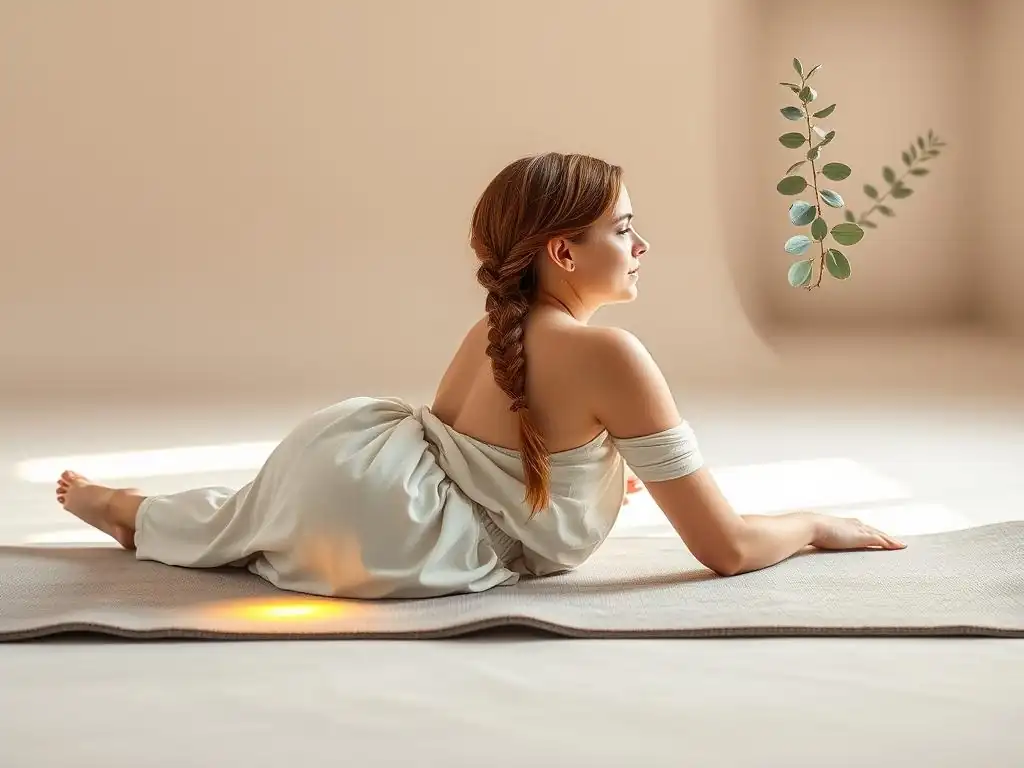
Pelvic Tilts for Lower Back Pain Relief
The lower back is a frequent site of chronic tension and pain, often linked to poor posture, prolonged sitting, and stress. Pelvic tilts are gentle, effective relaxation techniques for chronic tension in the lumbar region. To perform a pelvic tilt, lie on your back with your knees bent and feet flat on the floor, hip-width apart. Relax your shoulders and neck. Breathe normally. Gently flatten your lower back against the floor by tightening your abdominal muscles and tilting your pelvis slightly upwards, as if trying to bring your belly button towards your spine.
Hold this position for a count of 5-10 seconds, then slowly release and return to a neutral position, allowing a slight curve to return to your lower back. Avoid pressing your back forcefully into the floor; the movement should be small and controlled. Repeat 10-15 times. This exercise helps to gently stretch the muscles of the lower back, strengthen the abdominal muscles which support the spine, and improve awareness of pelvic positioning. Regular practice can alleviate stiffness and reduce the intensity of chronic lower back discomfort.
Piriformis Stretch for Sciatica and Hip Tension
Tightness in the piriformis muscle, located deep in the buttock, can cause hip pain and even mimic or contribute to sciatica symptoms by irritating the sciatic nerve that runs nearby. Stretching the piriformis is a crucial relaxation technique for chronic tension in the hips and lower back. To perform the piriformis stretch, lie on your back with your knees bent and feet flat. Cross one ankle over the opposite knee, letting the knee of the crossed leg fall outward. Gently reach through the space between your legs and grasp the back of the thigh of the supporting leg.
Gently pull the supporting thigh towards your chest, feeling a stretch in the buttock of the crossed leg. Hold this stretch for 20-30 seconds, breathing deeply. Keep your head and shoulders relaxed on the floor. Repeat on the other side. You should feel the stretch in the gluteal area, not in your knee. If this version is too intense, you can perform a seated version by crossing one ankle over the opposite knee while seated and gently leaning forward. Consistent piriformis stretching can significantly reduce hip tightness and alleviate pain radiating down the leg.
Yoga Poses for Lower Back Relaxation: Child's Pose
Yoga offers numerous poses that function as powerful relaxation techniques for chronic tension throughout the body, particularly in the lower back. Child's Pose (Balasana) is an excellent restorative pose specifically beneficial for releasing tension in the back, hips, and shoulders. To enter Child's Pose, kneel on the floor with your knees hip-width apart or wider, whichever is more comfortable. Sit back on your heels.
Fold forward from your hips, resting your torso between or on top of your thighs. Extend your arms forward along the floor or bring them back alongside your body with palms facing up. Rest your forehead on the floor or on a block or cushion if your forehead doesn't comfortably reach.
Allow your back to round gently and feel the stretch along your spine and hips. Breathe deeply and hold the pose for 1-5 minutes, allowing gravity and your breath to encourage relaxation. This pose provides a gentle decompression for the spine and calms the nervous system, offering profound relief from lower back tension.
Section 5: Leg and Foot Relaxation
Leg Stretches for Calf and Hamstring Tension
Tension in the legs, particularly the calves and hamstrings, can impact posture, contribute to lower back pain, and simply feel uncomfortable. Regular stretching is essential among relaxation techniques for chronic tension in the lower limbs. For the hamstrings, sit on the floor with one leg extended straight out and the other knee bent with the sole of your foot near your inner thigh. Keeping your back straight, gently hinge forward from your hips towards the extended leg. Reach for your foot, ankle, or shin – wherever you can reach comfortably without straining.
Hold the hamstring stretch for 20-30 seconds, breathing into the sensation. Repeat on the other side. For calf tension, stand facing a wall, place your hands on the wall, and step one leg back, keeping both feet flat on the floor. Bend the front knee while keeping the back leg straight and the heel pressed into the floor.
Feel the stretch in the calf of the back leg. Hold for 20-30 seconds and switch sides. These stretches lengthen the muscles in the back of the legs, improving flexibility and reducing the tightness that can pull on the hips and lower back.
Ankle Rotations and Foot Exercises for Improved Circulation
The ankles and feet bear the weight of the entire body and can accumulate significant tension, especially after prolonged standing or walking. Gentle ankle rotations and foot exercises are simple yet effective relaxation techniques for chronic tension in these extremities. To perform ankle rotations, sit or lie down and lift one foot off the floor. Slowly rotate your ankle in a circular motion, making smooth, controlled circles. Perform 10-15 rotations in one direction, then reverse for another 10-15 rotations. Repeat with the other ankle.
Foot exercises like pointing and flexing your toes can also help. Point your toes forward as far as comfortable, hold briefly, then pull your toes back towards your shin (flexing). Repeat this 15-20 times. You can also try scrunching your toes tightly, holding, and then spreading them wide. These movements improve circulation, reduce stiffness in the joints, and release tension in the small muscles of the feet. Regularly mobilizing the ankles and feet can prevent accumulated tension from affecting the rest of the body.
Self-Massage for Tired and Tense Feet
Self-massage for the feet is a wonderfully grounding and effective relaxation technique for chronic tension that can impact the entire body. The soles of the feet contain numerous pressure points and often hold tightness from walking or ill-fitting shoes. Begin by sitting comfortably and holding one foot in your hands. Use your thumbs to apply pressure and massage the arch of your foot using circular or stroking motions. Work your way from the heel up to the ball of your foot.
You can also gently pull and twist each toe, and massage the top of your foot and around the ankle bones. Consider using a small ball (like a golf ball or lacrosse ball) on the floor. Place the ball under your foot while seated or standing (using a wall for support if standing) and gently roll your foot back and forth over the ball, applying pressure to tender spots. Spend several minutes massaging each foot. This practice stimulates nerve endings, improves blood flow, and releases accumulated tension, providing a sense of relief that can resonate throughout the body.
Integrating Relaxation Techniques into Your Daily Routine
Creating a Personalized Relaxation Schedule
Integrating relaxation techniques for chronic tension into your daily life requires intention and planning. Start by identifying times in your day when you can realistically dedicate even just a few minutes to practice. This could be first thing in the morning, during a lunch break, or before bed. Consider your current habits and look for opportunities to layer relaxation practices onto existing routines. For example, practice diaphragmatic breathing while waiting for your coffee to brew or perform neck stretches during a commute.
Think about which techniques resonate most with you and address your specific tension areas. A personalized schedule might include 5 minutes of jaw relaxation exercises in the morning, 10 minutes of a guided body scan meditation during lunch, and 15 minutes of gentle yoga or stretching in the evening. Write down your schedule and try to stick to it consistently for a week or two.
Be flexible and willing to adjust as needed, but prioritize making relaxation a non-negotiable part of your day, just like brushing your teeth or eating meals. Consistency is key to reaping the long-term benefits of these practices.
Mindfulness and Meditation for Sustained Tension Relief
Mindfulness and meditation are foundational relaxation techniques for chronic tension because they address the root cause: the mind-body connection and the stress response. Mindfulness involves paying attention to the present moment without judgment, including physical sensations like tension. Regular practice increases your awareness of where and when you hold tension, allowing you to catch it earlier and apply techniques to release it before it becomes chronic pain. Studies have shown that consistent mindfulness practice can reduce perceived stress levels by a significant margin, sometimes up to 40% in participants over an 8-week period.
Meditation, particularly body scan meditation, involves systematically bringing your awareness to different parts of your body, noticing sensations (including tension), and consciously inviting relaxation into those areas. This process helps to release stored physical tension and calms the nervous system. While meditation doesn't always provide instant relief, consistent practice over time retrains the brain and body to enter a more relaxed state more readily. Even 10-15 minutes of daily mindfulness or meditation can build resilience to stress and reduce the baseline level of muscle tension experienced throughout the day.
Sample Daily Relaxation Routine: 15-Minute Morning Meditation
A simple yet effective way to integrate relaxation techniques for chronic tension is through a dedicated morning routine. Start with 15 minutes of quiet practice before the demands of the day begin. Find a comfortable seat or lie down. Begin with 2-3 minutes of focusing on your breath, allowing it to deepen naturally.
- Minutes 3-8: Perform a quick body scan. Bring your awareness to your feet, notice any sensations, and consciously invite relaxation. Move up through your legs, hips, abdomen, chest, back, shoulders, arms, neck, and head, pausing briefly at each area to release tension.
- Minutes 8-13: Dedicate this time to diaphragmatic breathing. Inhale deeply into your belly for a count of 4, hold briefly, and exhale slowly for a count of 6 or longer. Focus solely on the breath and the rising and falling of your abdomen.
- Minutes 13-15: Sit in quiet awareness. Notice how your body feels after the practice. Set an intention to carry this sense of relaxation and awareness with you throughout the day. This structured routine provides a powerful start, setting a calm tone and proactively addressing potential tension points early on.
Advanced Relaxation Techniques for Chronic Tension
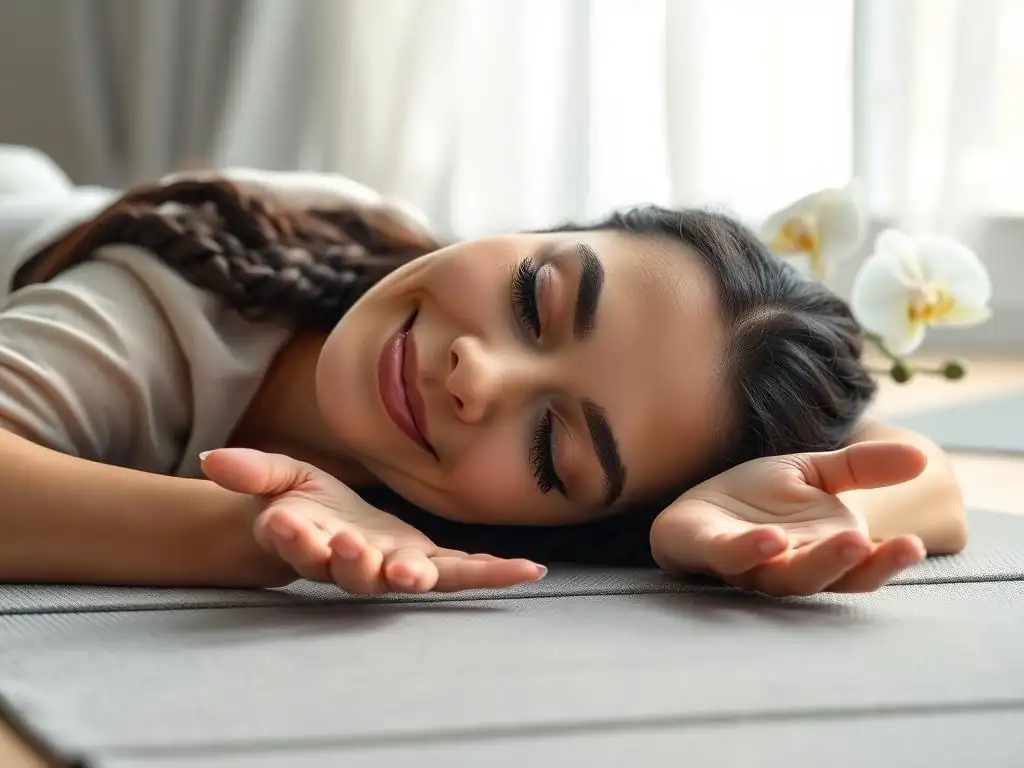
Progressive Muscle Relaxation (PMR): A Detailed Guide
Progressive Muscle Relaxation (PMR) is a widely recognized relaxation technique for chronic tension that involves systematically tensing and then releasing different muscle groups in the body. The principle is that by deliberately tensing a muscle, you become more aware of what tension feels like, making the subsequent release more noticeable and profound. This practice can significantly reduce overall muscle tightness and promote a deeper state of relaxation. A typical PMR session involves working through muscle groups from head to toe or vice versa.
To practice PMR, find a quiet place where you won't be interrupted and assume a comfortable position, either seated or lying down. Close your eyes and take a few deep breaths to begin. Then, move through the muscle groups, starting perhaps with your hands: clench your fists tightly for about 5-10 seconds, noticing the tension.
Then, quickly release the tension, letting your hands go limp, and notice the feeling of relaxation in contrast to the tension. Rest in this relaxed state for 15-20 seconds before moving to the next muscle group, such as your forearms, biceps, shoulders, forehead, jaw, neck, chest, abdomen, back, buttocks, thighs, calves, and feet. Systematically tensing and releasing each group teaches your body how to relax deeply.
Autogenic Training: Harnessing the Power of Self-Suggestion
Autogenic Training is a relaxation technique for chronic tension that uses a series of self-suggested phrases to induce a state of deep relaxation in the body. Developed by German psychiatrist Johannes Heinrich Schultz in the early 20th century, it focuses on creating sensations of heaviness and warmth in the limbs, regulating heart rate and breathing, and cooling the forehead. These phrases target the autonomic nervous system, promoting physiological changes associated with relaxation. It typically requires learning the standard phrases and practicing them consistently.
A typical Autogenic Training session involves repeating specific phrases silently or softly to yourself while in a comfortable position. Examples include: "My right arm is heavy," "My left arm is heavy," "Both arms are heavy." After repeating the heavy phrases for all limbs, you move to warmth: "My right arm is warm," "My left arm is warm," "Both arms are warm."
Subsequent phrases focus on other physiological states: "My heartbeat is calm and regular," "My breathing is calm and regular," "My abdomen is warm," "My forehead is cool." Regular practice, often 10-20 minutes daily, helps train your body to respond to these suggestions, leading to reduced muscle tension, lower stress hormone levels, and a greater sense of calm and control over your body's responses.
Biofeedback: Monitoring and Controlling Your Body's Response to Stress
Biofeedback is a technique that uses electronic monitoring equipment to provide real-time information about physiological functions, such as muscle tension (EMG biofeedback), heart rate variability (HRV biofeedback), skin temperature, or sweat gland activity (galvanic skin response). By seeing this data displayed on a screen or hearing it as an audible tone, individuals learn to consciously control these involuntary processes, making it a powerful relaxation technique for chronic tension and stress management. For example, a person might see a line on a screen representing their muscle tension levels and receive instruction on relaxation techniques like breathing or visualization.
As they practice the relaxation technique, they observe the line decreasing in real-time, providing immediate positive reinforcement. This feedback loop helps individuals become more aware of their body's response to stress and tension and learn strategies to lower those responses. Biofeedback sessions are typically conducted with a trained therapist, who guides the learning process. While it requires specialized equipment, biofeedback can be particularly effective for individuals struggling with conditions like tension headaches, chronic pain, or anxiety, helping them gain a tangible sense of control over their physiological state and reduce chronic muscle tightness.
Seeking Professional Help for Chronic Tension
When to Consult a Doctor or Therapist
While relaxation techniques for chronic tension are highly effective for managing stress and mild to moderate muscle tightness, there are times when seeking professional help is necessary. You should consult a doctor if your chronic tension is accompanied by severe or persistent pain that doesn't improve with self-care, if you experience numbness or tingling, or if the tension significantly interferes with your daily activities, sleep, or work. A doctor can help rule out any underlying medical conditions contributing to the tension and recommend appropriate treatments or refer you to specialists.
Furthermore, if chronic tension is linked to significant stress, anxiety, depression, or trauma, consulting a therapist or counselor is highly recommended. Mental health professionals can help you identify the psychological roots of your tension, develop coping strategies for stress, and address any co-occurring mental health conditions. They can also guide you in effectively implementing relaxation techniques for chronic tension and provide support as you work through emotional challenges that may be contributing to your physical symptoms. Don't hesitate to reach out if your tension feels overwhelming or unmanageable on your own.
Different Types of Therapy for Tension and Stress Management: Cognitive Behavioral Therapy (CBT), Mindfulness-Based Stress Reduction (MBSR)
Several types of therapy are particularly effective for managing chronic tension and stress by addressing the psychological factors involved. Cognitive Behavioral Therapy (CBT) helps individuals identify and challenge negative thought patterns and behaviors that contribute to stress and tension. For instance, someone might learn to recognize catastrophic thinking about physical sensations and replace it with more balanced thoughts, thereby reducing the associated physical tension. CBT provides practical tools for managing anxiety and stress responses, which directly impact muscle tension.
Mindfulness-Based Stress Reduction (MBSR) is an evidence-based program that combines mindfulness meditation, body awareness, and gentle yoga to help individuals learn to relate differently to stress and pain. Over an 8-week course, participants develop skills in present-moment awareness, non-judgment, and acceptance, which can significantly reduce the perception of stress and the intensity of physical tension.
Studies have shown that MBSR can lead to sustained reductions in stress and improvements in well-being, making it a powerful adjunct to individual relaxation techniques for chronic tension. Other therapies like Acceptance and Commitment Therapy (ACT) or Somatic Experiencing can also be beneficial, focusing on accepting difficult sensations and releasing trauma stored in the body, respectively.
The Benefits of Combining Relaxation Techniques with Professional Treatment
Combining self-guided relaxation techniques for chronic tension with professional treatment often yields the most comprehensive and lasting results. Therapy provides a framework for understanding the underlying causes of tension and developing personalized strategies, while relaxation techniques offer practical tools for daily management and immediate relief. For example, a therapist might help someone identify that their chronic shoulder tension is linked to a fear of failure at work; the individual can then use diaphragmatic breathing or shoulder stretches learned through self-practice to manage the physical symptoms while simultaneously working through the cognitive patterns with the therapist.
Professional guidance can also help individuals choose the most appropriate relaxation techniques for their specific needs and ensure they are practicing them correctly. A therapist might recommend specific techniques based on a person's diagnosis or symptoms, such as recommending Progressive Muscle Relaxation for generalized anxiety or Biofeedback for tension headaches. Integrating professional support with consistent personal practice creates a powerful synergy, addressing both the mental and physical facets of chronic tension for more effective and sustainable relief.
Conclusion: Embracing Relaxation for a Tension-Free Life
The Long-Term Benefits of Consistent Relaxation Practice
Embracing relaxation techniques for chronic tension as a consistent practice is an investment in your long-term health and well-being. The benefits extend far beyond temporary relief from muscle tightness. Regular relaxation can lead to a significant reduction in the frequency and intensity of pain associated with chronic tension, such as headaches, neck stiffness, and backaches. Physiologically, consistent practice helps lower resting heart rate, improve blood pressure, strengthen the immune system, and promote better digestive function by reducing the impact of stress on the gut.
Beyond the physical, consistent relaxation practice cultivates greater emotional resilience and mental clarity. By regularly calming the nervous system, you build capacity to handle stress more effectively, experience less anxiety and irritability, and improve your focus and concentration. Better sleep quality is another common benefit, which in turn positively impacts mood, energy levels, and overall physical recovery. Ultimately, making relaxation a priority helps shift your body and mind away from a chronic state of stress and tension towards one of greater ease, balance, and vitality, allowing you to navigate life's challenges with more calm and presence.
Resources for Continued Learning and Support: National Institute of Mental Health (NIMH)
Continuing to learn and seek support is valuable on your journey to managing chronic tension through relaxation. Numerous resources are available to deepen your understanding and practice of relaxation techniques for chronic tension. Organizations dedicated to mental health and wellness often provide valuable information, articles, and guides.
For instance, the National Institute of Mental Health (NIMH) offers comprehensive information on stress, anxiety, and related conditions, providing context for how tension manifests and the importance of management strategies. Many non-profit mental health organizations also provide resources, directories of therapists, and information on different therapeutic approaches.
Online platforms and apps dedicated to meditation and mindfulness offer guided practices, while local community centers or yoga studios may offer classes or workshops focused on relaxation techniques, gentle movement, or stress reduction. Exploring these resources can help you discover new techniques, refine your practice, and connect with support systems, empowering you to maintain a tension-free life.
Frequently Asked Questions
What are relaxation techniques and how do they help with chronic tension?
Relaxation techniques are methods that help reduce stress and anxiety. They work by activating the body's relaxation response, counteracting the effects of chronic tension.
Why is it important to learn relaxation techniques specifically if I experience chronic tension?
Chronic tension can lead to a host of physical and mental health issues. Learning relaxation techniques provides a proactive way to manage this tension and improve overall well-being.
Are relaxation techniques a substitute for professional mental health treatment?
No, relaxation techniques are not a substitute for professional treatment. They can be a valuable complement to therapy and medication, but consult a mental health professional for diagnosis and treatment.
How long does it typically take to experience the benefits of using relaxation techniques?
The time it takes varies depending on the individual and the technique. Some people may experience immediate relief, while others may need consistent practice over weeks or months to notice significant changes in their chronic tension levels.
What are some easy-to-learn relaxation techniques I can start practicing today?
Simple techniques include deep breathing exercises, progressive muscle relaxation, and mindfulness meditation. Mind Care Guide offers resources and information to learn and practice these techniques effectively.
Final Reflection: Unwinding the Knots of Chronic Tension
The relentless pace of modern life leaves many of us perpetually tense, a silent epidemic impacting our physical and mental well-being. Understanding and addressing chronic tension is no longer a luxury, but a necessity for navigating the complexities of the 21st century. This article has explored practical relaxation techniques, offering pathways to alleviate this pervasive issue and reclaim a sense of calm amidst the chaos.
The journey towards deeper relaxation is not a destination, but a continuous practice. The techniques discussed—from mindful breathing to progressive muscle relaxation—are tools to cultivate a more mindful and responsive relationship with our bodies. Tension is who you think you should be. Relaxation is who you are.
This quote beautifully encapsulates the core message: releasing tension allows us to reconnect with our authentic selves, free from the constraints of external pressures. The ongoing impact of these practices extends beyond physical comfort; they foster emotional resilience and contribute to a more balanced and fulfilling life.
Now, consider your own experience with tension. What triggers it? What coping mechanisms do you currently employ? I invite you to experiment with the techniques outlined in this article, tailoring them to your individual needs and preferences. Start small, be patient with yourself, and remember that even small moments of relaxation can accumulate into significant shifts in your overall well-being. Embrace the journey towards a calmer, more centered you.
Unleash Your Inner Calm: Take Control of Your Relaxation
Thanks for taking the time to explore ways to release tension and find deeper relaxation! We hope you discovered some valuable techniques to incorporate into your daily life. Now, let's put that knowledge into action.
- Prioritize a 15-minute relaxation practice today: Choose your favorite method—deep breathing, progressive muscle relaxation, or even a guided meditation—and commit to just 15 minutes of dedicated calm. This is your first step towards a more relaxed you.
- Share your favorite relaxation tip with friends or family. Spreading the word helps others find their own peace.
- Try a new relaxation technique: We've highlighted several in the article—are there any you haven't explored yet? Experiment and find what truly resonates with you.
What simple change will you make today to cultivate more calm in your life?