
Unlocking Calm: Your Guide to Body Scan Meditation Techniques and Benefits

Welcome to Mind Care Guide, a space dedicated to nurturing your mental well-being.
Feeling overwhelmed by stress? We understand. Discover how the simple yet powerful practice of body scan meditation can be your key to unlocking inner calm. This article dives deep into the body scan meditation benefits stress relief, offering practical techniques you can start using today. Intrigued? Explore the path to a more peaceful you, starting right here.
Unlocking Calm: Your Guide to Body Scan Meditation Techniques and Benefits
- Introduction to Body Scan Meditation for Stress Reduction
- Understanding the Core Principles of Body Scan Meditation
- Body Scan Meditation Techniques: A Step-by-Step Guide
- Proven Body Scan Meditation Benefits for Stress and Well-being
- Integrating Body Scan Meditation into Your Daily Routine
- Advanced Body Scan Meditation Practices
- Conclusion: Embracing Calm with Body Scan Meditation
-
Frequently Asked Questions
- What are the main body scan meditation benefits related to stress reduction?
- How does body scan meditation work to alleviate stress specifically?
- How often should I practice body scan meditation to experience body scan meditation benefits stress relief?
- Are there any potential side effects of body scan meditation, and how can I mitigate them?
- What makes body scan meditation a better stress-reduction technique compared to other methods like deep breathing exercises?
- Final Reflection: The Enduring Power of Stillness in a Restless World
- Unveil Your Inner Peace: Start Your Meditation Journey Today
Introduction to Body Scan Meditation for Stress Reduction
What is Body Scan Meditation? A Beginner's Guide
Body scan meditation is a foundational mindfulness practice that involves systematically bringing your attention to different parts of your body, typically starting from the toes and moving up to the head. The goal isn't to change anything you feel, but simply to notice sensations—whether they are pleasant, unpleasant, or neutral—with an attitude of gentle curiosity and acceptance. It's about cultivating present moment awareness through the physical landscape of your own body.
This technique, often taught in mindfulness-based stress reduction (MBSR) programs, helps individuals connect with their physical selves and observe sensations without judgment. By focusing on the body, practitioners learn to step out of the constant stream of thoughts and worries that often fuel stress and anxiety. It provides a tangible anchor to the present, offering a direct pathway to experiencing what is happening now, rather than getting lost in rumination about the past or future.
The Growing Need for Stress Relief: Why Body Scan Meditation Matters
In today's fast-paced world, stress is a pervasive challenge impacting physical and mental health. Chronic stress is linked to numerous health issues, including heart disease, depression, and weakened immune function. The demand for effective, accessible stress relief methods is higher than ever, and many people are seeking non-pharmacological approaches.
Body scan meditation offers a powerful, evidence-based method for managing stress that doesn't require special equipment or locations. Its focus on grounding awareness in the body helps interrupt the stress response cycle, which often involves rapid thoughts, muscle tension, and heightened physiological arousal. The body scan meditation benefits stress reduction directly by promoting relaxation and shifting attention away from stressors.
Understanding the Core Principles of Body Scan Meditation
Focusing on Bodily Sensations: The Key to Body Scan Practice
The essence of body scan meditation lies in paying deliberate attention to physical sensations. This involves noticing tingling, warmth, coolness, pressure, itching, or the absence of any sensation as you bring your awareness to each body part. The practice encourages a non-judgmental observation: sensations are simply noticed as they are, without needing to analyze, interpret, or react to them.
This focused attention trains the mind to stay present and observe reality directly, rather than getting caught up in thoughts about sensations or the body. By consistently returning attention to physical feelings, even when the mind wanders, practitioners strengthen their capacity for concentration and develop a deeper understanding of the transient nature of physical experiences. This shift in perspective is fundamental to how body scan meditation benefits stress and anxiety.
Mindfulness and Body Awareness: Building a Stronger Connection
Body scan meditation is a direct application of mindfulness principles, cultivating a state of conscious, non-judgmental awareness of the present moment. By systematically exploring the body, individuals enhance their interoceptive awareness—the ability to sense the internal state of the body. This heightened body awareness is crucial for recognizing early signs of stress, tension, or emotional states that manifest physically.
Developing a stronger connection with the body through mindfulness allows individuals to respond more skillfully to physical and emotional discomfort. Instead of reacting automatically to stress triggers with habitual tension or worry, they can learn to pause, notice the physical sensations associated with stress, and choose a more helpful response. This mindful engagement with the body is a core mechanism through which body scan meditation benefits stress management.
Body Scan Meditation Techniques: A Step-by-Step Guide

Preparing for Your Body Scan: Creating a Calm Environment
Before beginning a body scan meditation, find a quiet place where you won't be disturbed for the duration of your practice, typically 10 to 45 minutes. You can lie down on your back on a mat or comfortable surface, or sit upright in a chair with your feet flat on the floor. Ensure your clothing is loose and comfortable. If lying down, let your arms rest gently at your sides, palms up or down, whichever feels most natural. If seated, rest your hands in your lap or on your thighs.
The intention is to be relaxed but alert. If lying down, you might find yourself drifting off to sleep; while rest is beneficial, the primary aim of the body scan is mindful awareness, not sleep. If you notice yourself getting drowsy, you might try opening your eyes slightly or shifting to a seated position. Take a few moments to settle in, close your eyes gently if comfortable, and perhaps take a few deeper breaths to signal the start of your practice.
The Basic Body Scan Technique: A Guided Walkthrough
Once settled, begin by bringing your awareness to your breath for a few moments, noticing the physical sensations of inhaling and exhaling. Then, gently direct your attention to your toes. Simply notice any sensations present in your toes—warmth, coolness, tingling, pressure, or perhaps nothing at all. Spend a minute or two here, just observing with curiosity.
Next, consciously 'move' your attention up through your feet, noticing sensations in the soles, arches, and heels. Then move to your ankles, lower legs, knees, upper legs, and hips. Spend time with each area, simply observing whatever arises without judgment.
Continue this systematic scan upwards through your torso (pelvis, abdomen, lower back, upper back, chest, shoulders), then down your arms to your fingertips, and finally up through your neck, face, and the top of your head. If your mind wanders, which it inevitably will, gently guide your attention back to the body part you were focusing on. Conclude by resting your awareness on the body as a whole, perhaps noticing the sensation of breathing throughout your entire form.
Different Variations of Body Scan Meditation: Seated and Standing Body Scans
While lying down is the most common posture for initial body scan practice, the technique can be adapted. A seated body scan follows the same principle of moving awareness through the body, but you remain seated upright. This variation can be helpful if you tend to fall asleep when lying down or if you want to practice in a situation where lying down isn't feasible, like during a break at work. Maintain a posture that is stable, alert, and comfortable, with your spine relatively straight but not rigid.
A standing body scan involves bringing mindful awareness to physical sensations while standing. This can be particularly grounding and is useful for integrating mindfulness into daily activities. While standing, notice the sensations in your feet connecting with the ground, the feeling of gravity, and the subtle sway of your body. You can then move your awareness through other parts of the body as in the traditional scan. This dynamic approach helps cultivate body awareness in active states, reinforcing how body scan meditation benefits stress reduction not just in stillness but also in movement.
Addressing Challenges in Body Scan Meditation: Managing Discomfort and Distractions
It's common to encounter challenges during body scan meditation, such as physical discomfort or a busy, wandering mind. When you notice discomfort, approach it with curiosity rather than aversion. Can you soften around the sensation? Can you breathe with it? Sometimes, simply acknowledging the discomfort mindfully can lessen its intensity. If pain is severe or worsens, it's okay to gently adjust your position, but try to do so mindfully, noticing the sensations involved in the movement.
Distraction is also a normal part of practice. Thoughts, sounds, and other sensations will arise. The practice isn't about having an empty mind, but about noticing when your mind has wandered and gently guiding your attention back to the intended focus—the body part you are scanning. Each time you notice your mind has drifted and bring it back, you are strengthening the muscle of attention and cultivating patience and self-compassion, which are key aspects of how body scan meditation benefits stress resilience.
Proven Body Scan Meditation Benefits for Stress and Well-being
Body Scan Meditation Benefits Stress: Scientific Evidence
Research consistently demonstrates that body scan meditation is effective in reducing stress levels. Studies utilizing mindfulness-based interventions, which often include the body scan as a core component, have shown measurable reductions in physiological stress markers like cortisol and subjective reports of stress. For instance, participants in an 8-week MBSR program, incorporating daily body scans, often report significant decreases in perceived stress scores, sometimes by 20-30% compared to baseline or control groups.
Furthermore, neuroimaging studies suggest that regular mindfulness practice, including body scan, can lead to structural and functional changes in the brain regions associated with stress regulation, such as the amygdala (involved in the fear response) and the prefrontal cortex (involved in executive function and emotional regulation). These changes indicate a potential for long-term shifts in how the brain processes stress, underscoring the profound ways body scan meditation benefits stress management over time.
Reducing Anxiety and Promoting Relaxation Through Body Scan
Beyond general stress, body scan meditation is particularly effective in reducing anxiety. By anchoring attention in the present moment through bodily sensations, it helps interrupt the cycle of anxious thoughts and worries about the future. The practice cultivates a sense of safety and presence within one's own body, which can be incredibly calming for individuals prone to anxiety.
The systematic process of scanning the body also promotes physical relaxation. As awareness is brought to areas holding tension, individuals may unconsciously soften those muscles. This conscious release of physical tension, often held in places like the shoulders, neck, or jaw, directly counteracts the physiological symptoms of anxiety and stress, fostering a state of deeper physical and mental calm. This direct impact on physical tension is a key mechanism through which body scan meditation benefits stress reduction.
Improving Sleep Quality with Regular Body Scan Practice
Many people struggling with stress and anxiety also experience difficulty sleeping. The racing thoughts and physical tension associated with stress can make it hard to fall asleep or stay asleep. Body scan meditation can be a valuable tool for improving sleep quality. Practicing a body scan before bed helps to quiet the mind, release physical tension accumulated throughout the day, and prepare the body and mind for rest.
Studies have shown that mindfulness practices, including body scan, can reduce insomnia symptoms and improve sleep efficiency. For example, a study on older adults with moderate sleep disturbances found that mindfulness meditation training led to significant improvements in sleep quality compared to a control group. The practice helps individuals become less reactive to thoughts that might keep them awake and fosters a state of relaxed awareness conducive to sleep.
Body Scan Meditation for Pain Management: Easing Chronic Pain
Body scan meditation is increasingly recognized for its potential to help individuals manage chronic pain. While it may not eliminate pain, it changes the relationship individuals have with their pain sensations. By bringing non-judgmental awareness to painful areas, practitioners learn to differentiate between the pure physical sensation of pain and the emotional or cognitive reactions to it (fear, frustration, catastrophizing).
This practice helps to reduce the 'suffering' aspect of pain, which is often amplified by the mind's resistance or fear. By learning to observe pain sensations with acceptance, individuals can experience a reduction in pain intensity and interference with daily life. Research has shown significant improvements in pain levels and quality of life in patients with conditions like fibromyalgia or chronic back pain who participated in mindfulness programs incorporating body scan. A well-known study on mindfulness and chronic pain reported average pain intensity reductions of approximately 30% in participants after an 8-week program.
Enhancing Emotional Regulation and Self-Awareness
Regular body scan meditation cultivates a greater awareness of the connection between bodily sensations and emotional states. Often, emotions manifest as physical feelings—anxiety in the chest, anger in the jaw, sadness as heaviness. By becoming more attuned to these physical cues through the body scan, individuals can recognize emotions as they arise, before they become overwhelming.
This enhanced self-awareness is foundational for improving emotional regulation. Instead of being swept away by intense feelings, individuals can learn to pause, notice the physical sensations associated with the emotion, and choose a more skillful response rather than reacting impulsively. This increased capacity to understand and manage emotional responses is a significant way body scan meditation benefits stress resilience and overall emotional well-being.
Integrating Body Scan Meditation into Your Daily Routine
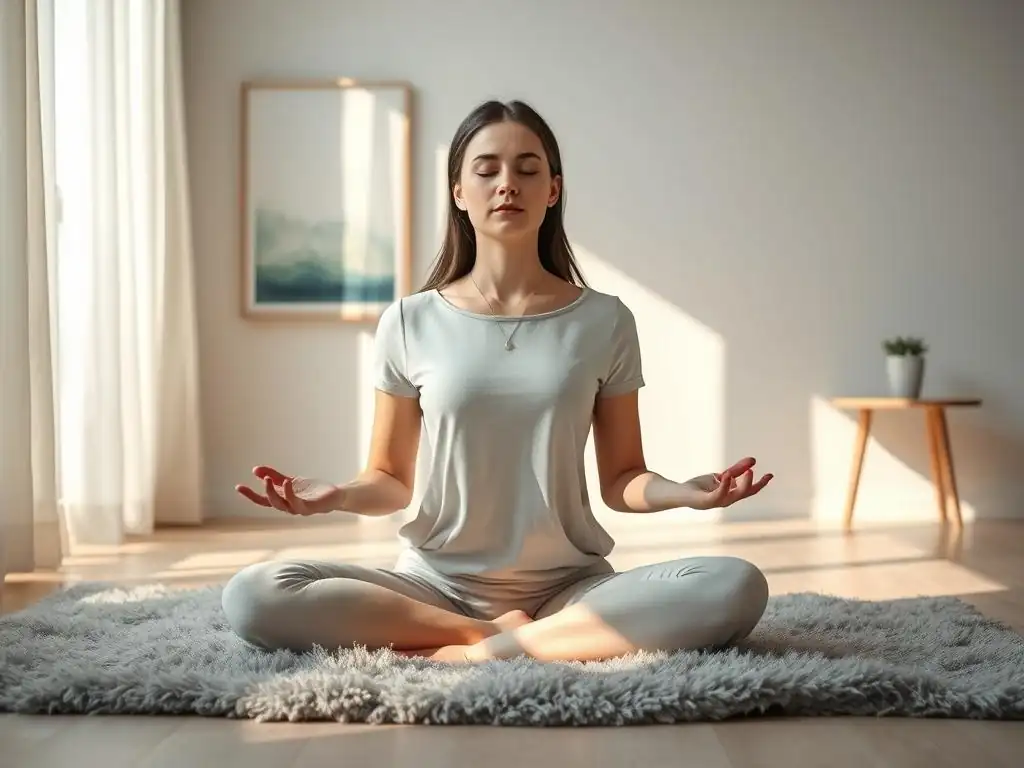
Simple Strategies for Incorporating Body Scan into Your Day
Integrating body scan meditation doesn't require hours of dedicated time; even short, consistent practice yields benefits. Start small, perhaps with a 5-10 minute body scan in the morning before getting out of bed or in the evening before sleep. You can also weave shorter, informal body scans into your day. For instance, take a minute or two at your desk to scan your shoulders and neck, noticing tension.
- Morning Routine: Practice a 10-15 minute body scan immediately upon waking.
- Evening Routine: Use a body scan as a transition before sleep.
- Work Breaks: Take 2-5 minutes to scan your body while seated.
- Waiting in Line: Bring awareness to your feet and posture.
- During Difficult Moments: Briefly check in with physical sensations to ground yourself.
Recommended Body Scan Meditation Apps and Resources
Many excellent resources can support your body scan practice, especially when starting out. Guided meditations can be particularly helpful for learning the technique and staying focused. Numerous mindfulness apps offer guided body scans of varying lengths.
- Insight Timer: Offers thousands of free guided meditations, including many body scans.
- Calm: Provides guided body scans as part of its subscription service.
- Headspace: Features guided body scan exercises focused on different themes.
- Mindful Schools: Offers resources and courses that often include body scan instruction.
- Local Mindfulness Centers: Many centers offer MBSR courses or drop-in guided meditations.
Using a guided resource can help you stay on track and deepen your experience, making it easier to discover how body scan meditation benefits stress reduction in your personal life.
Building a Consistent Body Scan Practice: Tips and Motivation
Consistency is key to experiencing the full body scan meditation benefits stress reduction offers. Aim for regularity rather than striving for long, perfect sessions. Even 5-10 minutes daily is more beneficial than one long session sporadically. Find a time and place that works for you and try to stick to it. Treat it as a non-negotiable part of your self-care routine.
Don't get discouraged by a wandering mind or days when practice feels difficult. This is normal. Acknowledge challenges with self-compassion and simply return to the practice when you realize you've stopped. Keep a journal to note your experiences, challenges, and insights; this can provide motivation by highlighting the subtle shifts and benefits you notice over time. Remember that practice is a journey, not a destination.
- Find a consistent time for daily body scan (e.g., 7:00 AM or 10:00 PM).
- Choose a comfortable location free from distractions.
- Select a guided meditation resource or practice silently.
- Commit to 10 minutes of practice each day for one week.
- Note any changes in stress levels or body awareness.
Advanced Body Scan Meditation Practices
Deepening Your Awareness: Exploring Subtle Sensations
Once comfortable with the basic body scan, you can deepen your practice by refining your ability to notice increasingly subtle sensations. This might involve paying attention to the subtle pulse in different body parts, the faint vibration of energy, or the micro-movements within tissues. This level of detail requires heightened concentration and sensitivity.
Exploring subtle sensations helps to further train the mind in focused awareness and can reveal deeper layers of physical experience. It reinforces the principle of impermanence as you notice how sensations constantly change and shift. This refined awareness can lead to profound insights into the mind-body connection and further enhance the capacity for non-reactive observation, amplifying how body scan meditation benefits stress resilience by fostering equanimity.
Using Body Scan Meditation for Trauma Healing: Approaching with Sensitivity
For individuals with a history of trauma, bringing attention to the body can sometimes be challenging or triggering. The body can hold trauma, and certain sensations or areas might be associated with difficult memories or feelings. If using body scan meditation in the context of trauma healing, it is crucial to approach the practice with immense sensitivity, patience, and ideally, under the guidance of a trauma-informed mindfulness teacher or therapist.
The practice should be empowering, allowing the individual to feel safe and in control. This might involve starting with very short durations, focusing only on areas that feel neutral or safe (like the hands or feet), or practicing with eyes open. The goal is to gradually build a sense of safe embodiment and the capacity to tolerate sensation, rather than overwhelm. When approached mindfully and safely, body scan can be a powerful tool for integrating trauma and fostering a sense of wholeness.
Combining Body Scan with Other Mindfulness Practices: Integrating with Breathwork
Body scan meditation can be effectively combined with other mindfulness techniques to enrich your practice. Integrating breath awareness throughout the body scan, beyond just the initial settling in, can deepen the experience. As you scan each body part, you can notice how the breath subtly influences sensations there – the rise and fall in the abdomen, the expansion in the chest, or even the subtle feeling of air moving through the nostrils.
Combining body scan with loving-kindness meditation is another powerful approach. After scanning the body, you can extend feelings of warmth, kindness, and acceptance towards each body part, especially those experiencing discomfort or tension. This integration enhances the empathetic aspect of the practice and reinforces the non-judgmental attitude, creating a more holistic approach to well-being that leverages the various body scan meditation benefits stress reduction and emotional healing offer.
Conclusion: Embracing Calm with Body Scan Meditation
The Power of Body Scan for Long-Term Stress Management
Body scan meditation is more than just a relaxation technique; it's a skill that, with consistent practice, can fundamentally change your relationship with stress, discomfort, and your own internal experience. By training your attention to rest in the present moment through the anchor of the body, you build resilience against the stressors of daily life. The body scan meditation benefits stress reduction are well-documented, offering a reliable pathway to greater calm and well-being.
Regular practice cultivates a deeper awareness of the mind-body connection, allowing you to recognize stress signals earlier and respond with greater wisdom and compassion. It empowers you to find moments of stillness and presence amidst chaos, fostering a sense of inner stability that isn't dependent on external circumstances.
Continued Exploration of Mindfulness and Well-being Resources
Embarking on the journey of body scan meditation is a significant step towards enhanced mental and physical well-being. As you continue to practice, you may find yourself curious about other mindfulness techniques or areas of personal growth. Mind Care Guide offers a wealth of resources on various aspects of mental health, mindfulness, and meditation to support your ongoing exploration.
Remember that building a mindfulness practice is a continuous process of learning and self-discovery. Be patient, be kind to yourself, and celebrate the small shifts and moments of calm you experience. The power to unlock calm lies within you, and body scan meditation is a profound tool to help you access it.
Frequently Asked Questions
Body scan meditation helps reduce stress by increasing mindfulness and body awareness. This allows individuals to notice and release tension held within the body, promoting relaxation.
How does body scan meditation work to alleviate stress specifically?
It works by systematically bringing focused attention to different parts of the body. This increases awareness of physical sensations, helping to interrupt thought patterns that contribute to stress.
How often should I practice body scan meditation to experience body scan meditation benefits stress relief?
While frequency can vary, regular practice, even 10-15 minutes daily, can significantly reduce stress. Consistency is key to building awareness and developing a calming habit.
Are there any potential side effects of body scan meditation, and how can I mitigate them?
Some may experience increased anxiety initially as they become more aware of physical sensations. Start slowly and practice with a guided meditation to ease into the process.
What makes body scan meditation a better stress-reduction technique compared to other methods like deep breathing exercises?
Body scan meditation cultivates a deeper connection with the body, addressing stress held physically. Unlike solely focusing on breath, it encourages holistic awareness, making it a powerful and effective tool.
Final Reflection: The Enduring Power of Stillness in a Restless World
The pervasive stress of modern life demands effective coping mechanisms, and the simple act of body scan meditation offers a powerful antidote. Its ability to ground us in the present moment, fostering self-awareness and reducing anxiety, is more crucial now than ever before. In a world obsessed with constant motion and achievement, the intentional stillness of this practice offers a profound and accessible path to inner peace.
The impact of body scan meditation extends far beyond individual stress reduction; it cultivates a deeper understanding of our physical and emotional selves. This practice, in its quiet power, encourages a more mindful approach to life, influencing how we interact with our bodies, our emotions, and the world around us. The body keeps the score,
as Bessel van der Kolk so aptly puts it, highlighting the profound connection between our physical sensations and our emotional well-being. Body scan meditation provides a tool to gently address this connection, fostering healing and resilience.
Now, consider how you might integrate this practice into your own life. Perhaps start with just five minutes each day, focusing on the sensations in your body without judgment. Allow yourself to simply be, to observe without reacting. This isn't about achieving perfection; it's about cultivating a consistent practice of self-compassion and mindful awareness. Embrace the journey, and discover the transformative power of stillness within. The benefits await you.
Unveil Your Inner Peace: Start Your Meditation Journey Today
Thanks for taking the time to explore the power of body scan meditation! We hope you gained valuable insights into this transformative practice. Now, it's time to put your newfound knowledge into action.
- Begin your first body scan meditation today: Even 5 minutes can make a difference. Find a quiet space, get comfortable, and let the guided imagery transport you.
- Share your experience: Let's build a supportive community! Share your thoughts and experiences with body scan meditation on our social media channels.
- Explore further: Dive deeper into mindfulness techniques by checking out our other articles on MindCareGuide.org.
Ready to embrace the calming power of body scan meditation? What's one small step you'll take today to incorporate this practice into your routine?