
Living Sustainably: Does Individual Action Reduce EcoAnxiety?


Welcome to Mind Care Guide.
Feeling overwhelmed by the climate crisis? You're not alone. Many are experiencing ecoanxiety, a very real and valid response to the environmental challenges we face. But can individual actions actually make a difference, not just for the planet, but for our mental well-being too? Dive into our exploration of ecoanxiety individual action impact and discover how taking steps, big or small, can help you reclaim a sense of control and hope for the future. Is a lighter footprint enough to ease a burdened mind? Let's find out.
Living Sustainably: Does Individual Action Reduce Eco-Anxiety?
- Understanding Eco-Anxiety and Climate Change Mental Health
- The Role of Individual Action in Combating Climate Change
- Ecoanxiety Individual Action Impact: Exploring the Connection
- The Limits of Individual Action: Acknowledging Systemic Change
- Strategies for Managing Eco-Anxiety Through Sustainable Living
- Sustainable Living and Mental Well-being: A Holistic Approach
- Conclusion: Empowering Individuals to Act and Find Hope in a Changing World
-
Frequently Asked Questions
- How does individual action relate to reducing ecoanxiety?
- What are some practical individual actions I can take to be more sustainable?
- Is individual action enough to solve the climate crisis and completely eliminate ecoanxiety?
- How can focusing on individual action contribute to collective action on climate change?
- Where can I find more resources and support for dealing with ecoanxiety and living sustainably?
- Final Reflection: The Ripple Effect of Sustainable Living
- Unleash Your Sustainable Self: Take Action Today!
Understanding Eco-Anxiety and Climate Change Mental Health
Defining Eco-Anxiety: Fear and Worry About the Future of the Planet
Eco-anxiety is often described as a chronic fear of environmental doom. It's not a clinical diagnosis in major psychiatric manuals, but it is a widely recognized psychological response to the perceived threat of climate change and ecological collapse. This anxiety stems from understanding the severity of environmental problems – such as rising sea levels, extreme weather events, biodiversity loss, and pollution – and feeling overwhelmed by the potential consequences for oneself, loved ones, and future generations.
Individuals experiencing eco-anxiety may report persistent worries about the planet's health, feelings of helplessness, grief over ecological losses, and even guilt about their own environmental footprint. A survey by the American Psychiatric Association in 2020 found that 67% of Americans were somewhat or very anxious about the impact of climate change on the planet, and 51% were anxious about its impact on their own mental health. These figures highlight the widespread nature of this concern, showing it's far from a niche issue.
The Psychological Impact of Climate Change: Beyond Eco-Anxiety
The psychological effects of climate change extend far beyond general anxiety about the future. Direct exposure to climate-related disasters, such as hurricanes, wildfires, and floods, can lead to acute trauma, post-traumatic stress disorder (PTSD), depression, and grief. For example, studies following major hurricanes have shown significant increases in depression and anxiety symptoms among affected populations, sometimes doubling or tripling pre-disaster rates.
Furthermore, the gradual changes brought about by climate change, like prolonged droughts or rising temperatures impacting agriculture, can cause chronic stress, displacement, and loss of livelihood, contributing to anxiety, depression, and even substance abuse issues. The displacement of communities due to environmental changes is a growing concern, forcing people to leave their homes and support networks, leading to significant psychological distress and identity issues. The cumulative stress of watching familiar landscapes degrade also contributes to a form of ecological grief.
Eco-Anxiety as an Emerging Mental Health Issue: A Growing Concern
While not yet a formal disorder, eco-anxiety is increasingly recognized by mental health professionals and researchers as a significant and growing concern. Its prevalence is particularly noted among younger generations who perceive their future to be most at risk from environmental degradation. A 2021 study published in The Lancet Planetary Health surveyed 10,000 young people (aged 16–25) across 10 countries and found that 59% were very or extremely worried about climate change, and more than 45% reported that their feelings about climate change negatively affected their daily life and functioning.
This widespread distress among young people underscores the urgency of addressing eco-anxiety. Mental health organizations and therapists are developing new approaches to help individuals cope with these feelings, acknowledging that the anxiety is often a rational response to a real threat. Understanding eco-anxiety as a legitimate psychological phenomenon is the first step toward developing effective coping strategies and interventions.
The Role of Individual Action in Combating Climate Change
The Power of Collective Action: Individual Efforts Contributing to a Larger Goal
While the scale of climate change can feel overwhelming, individual actions, when multiplied across communities and populations, contribute significantly to the broader effort to mitigate environmental impact. Think of it like saving water: one person taking shorter showers might save a few gallons a week, but if a million people do the same, millions of gallons are conserved. This collective impact demonstrates that individual choices are not isolated but form part of a larger societal shift towards sustainability.
Furthermore, individual actions can inspire others. When someone sees a friend or neighbor making sustainable choices – like cycling to work, composting, or reducing plastic waste – it can normalize these behaviors and encourage them to consider similar changes. This ripple effect amplifies the initial individual action, creating a powerful groundswell of collective effort that can drive change from the bottom up.
Sustainable Living Practices: Practical Steps for Reducing Your Environmental Footprint
Sustainable living involves making conscious choices in daily life to reduce one's environmental impact. This can encompass a wide range of activities, from altering consumption patterns to changing transportation habits. Practical steps often recommended include reducing energy consumption at home by using energy-efficient appliances and insulation, conserving water, minimizing waste through recycling and composting, and choosing products with minimal packaging and a lower environmental footprint.
Significant impact can also come from changes in diet and transportation. Shifting towards a more plant-based diet, for example, can dramatically lower an individual's carbon footprint compared to a diet high in meat and dairy. Choosing public transport, cycling, walking, or opting for electric vehicles over conventional cars also plays a crucial role in reducing greenhouse gas emissions associated with travel. These practices, while sometimes requiring initial effort, become habits that collectively contribute to a healthier planet.
Examples of Individual Actions: Reducing Meat Consumption, Using Public Transport, Planting Trees
Concrete examples of impactful individual actions abound. Consider reducing meat consumption: producing beef, for instance, generates significantly more greenhouse gas emissions per gram of protein than producing beans or lentils. Shifting even one or two meals a week away from meat can reduce an individual's dietary carbon footprint by an estimated 10-15%. Another example is transportation: opting for public transport instead of driving a car for a daily commute can reduce personal carbon emissions by several thousand pounds per year, depending on the distance and vehicle efficiency.
Planting trees is another tangible action. A single mature tree can absorb approximately 48 pounds of carbon dioxide per year. While individual tree planting might seem small, large-scale reforestation efforts driven by volunteerism or individual donations contribute significantly to carbon sequestration and ecosystem restoration. These examples illustrate how diverse individual choices, from dietary shifts to transportation and direct environmental restoration, form the building blocks of a more sustainable society.
Ecoanxiety Individual Action Impact: Exploring the Connection
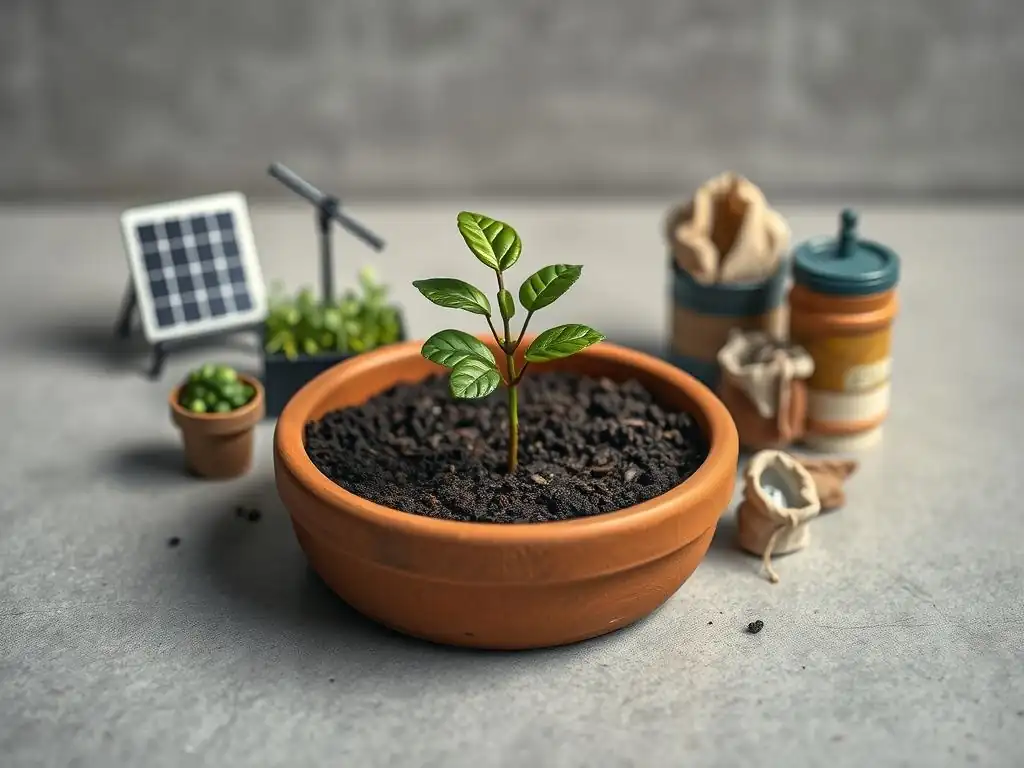
Does Taking Action Alleviate Eco-Anxiety? : The Psychological Benefits of Proactive Engagement
A key question for those grappling with environmental distress is whether taking action can actually help. Emerging evidence and psychological principles suggest that engaging in proactive environmental behaviors can indeed have a positive impact on eco-anxiety levels. When faced with a large, seemingly insurmountable problem like climate change, feelings of powerlessness and helplessness are common drivers of anxiety. Taking action, no matter how small, provides a tangible way to exert some control over one's relationship with the issue.
This shift from passive worry to active engagement can interrupt the cycle of rumination that often accompanies anxiety. Instead of just dwelling on the problems, individuals channel their energy into solutions. This process can foster a sense of purpose and meaning, which are protective factors against anxiety and depression. While action doesn't erase the threat, it changes an individual's psychological stance towards it, moving from victimhood to agency.
The Sense of Control and Empowerment: How Individual Action Fosters Resilience
One of the most significant psychological benefits of taking action against climate change is the cultivation of a sense of control and empowerment. Anxiety often thrives in situations where individuals feel powerless and uncertain. By actively engaging in sustainable practices – whether it's reducing waste, conserving energy, or advocating for policy change – individuals reclaim a degree of agency over their lives and their impact on the world.
This feeling of being able to do something in the face of a vast threat builds psychological resilience. It shifts the focus from the overwhelming scale of the problem to the individual's capacity to contribute to solutions. Even small steps, consistently taken, reinforce the belief that one's efforts matter and that change is possible. This positive feedback loop can be incredibly powerful in counteracting the despair and helplessness associated with eco-anxiety. The ecoanxiety individual action impact is largely mediated by this enhanced sense of personal efficacy.
Reducing Feelings of Helplessness: Finding Purpose in Environmental Stewardship
Eco-anxiety is often characterized by profound feelings of helplessness in the face of global environmental challenges. The sheer scale of climate change can make individual efforts feel futile, feeding into a narrative of despair. However, engaging in environmental stewardship – caring for the planet through personal actions and advocacy – provides a concrete way to counteract this helplessness.
By aligning one's actions with one's values regarding environmental protection, individuals can find a sense of purpose and meaning. Participating in local clean-up drives, volunteering for conservation projects, educating others about sustainability, or simply making daily choices to reduce one's footprint are all ways to actively contribute to a healthier planet. This purposeful engagement redirects energy away from anxious rumination and towards constructive activity, validating the individual's concerns while providing an outlet for positive impact. This underscores the positive ecoanxiety individual action impact on mental well-being.
The Limits of Individual Action: Acknowledging Systemic Change
Recognizing the Need for Broader Solutions: Policy and Corporate Responsibility
While individual actions are valuable and can help manage eco-anxiety, it is crucial to recognize that they are not sufficient on their own to solve the climate crisis. The scale of the problem requires systemic change driven by government policies and corporate responsibility. Large-scale transitions in energy production, transportation infrastructure, industrial processes, and agricultural systems are necessary to achieve the rapid and deep emissions cuts required to limit global warming to safer levels, such as the 1.5°C or 2°C targets outlined in the Paris Agreement.
For instance, transitioning to 100% renewable energy requires massive investment and policy changes at the national and international levels, far beyond what individual consumers can achieve through rooftop solar panels alone. Similarly, addressing deforestation driven by global supply chains necessitates regulations and corporate commitments to sustainable sourcing. Acknowledging this reality is vital to avoid placing undue burden and guilt solely on individuals, which can exacerbate eco-anxiety.
Avoiding Eco-Guilt and Perfectionism: Striving for Progress, Not Perfection
Focusing exclusively on individual actions without acknowledging systemic barriers can lead to "eco-guilt" or "climate guilt" – feelings of shame and responsibility for one's own environmental footprint, even when efforts are made to reduce it. The complexity of modern life makes it nearly impossible to live a perfectly sustainable existence; simply participating in the global economy involves some level of environmental impact. Striving for absolute environmental purity can lead to burnout and increased anxiety when perfection is inevitably unattainable.
It is more constructive to aim for progress rather than perfection. Every step taken towards sustainability, whether it's reducing plastic use, flying less often, or supporting environmentally conscious businesses, is a positive contribution. The goal should be continuous improvement and conscious choices within one's means and circumstances, rather than debilitating self-criticism over perceived failures. An empathetic approach acknowledges these challenges and encourages self-compassion.
Balancing Individual Responsibility with Systemic Advocacy
Effectively managing eco-anxiety often involves finding a balance between personal sustainable living practices and advocating for broader systemic change. While individual actions provide a sense of agency and reduce personal impact, engaging in advocacy addresses the root causes and systemic issues that individual choices cannot fix alone. This can involve contacting elected officials, supporting environmental organizations, participating in peaceful protests, or engaging in community organizing to push for policy changes.
Combining personal responsibility with advocacy creates a more holistic and potentially less anxiety-inducing approach. It allows individuals to feel they are contributing both directly through their lifestyle and indirectly by working towards the larger changes needed. This dual approach acknowledges the complexity of the climate crisis and empowers individuals to engage with it on multiple fronts, potentially enhancing the positive ecoanxiety individual action impact by channeling energy into collective power.
Strategies for Managing Eco-Anxiety Through Sustainable Living

Mindfulness and Connection with Nature: Cultivating Appreciation for the Earth
Beyond taking direct action, cultivating a mindful connection with nature can be a powerful strategy for managing eco-anxiety. Spending time in natural environments – whether a local park, a forest, or simply observing the plants and animals in one's backyard – can reduce stress and anxiety levels. Studies have shown that as little as 10-20 minutes spent mindfully in nature can significantly lower cortisol levels and improve mood.
Mindfulness practices, such as paying attention to sensory details while walking in nature or meditating on the interconnectedness of ecosystems, can foster a sense of awe and appreciation for the natural world. This appreciation can provide a counterbalance to the fear and grief associated with environmental loss. It also strengthens the motivation for sustainable living, rooting actions in a love for the planet rather than solely in fear of its destruction.
Building a Supportive Community: Sharing Concerns and Solutions with Others
Eco-anxiety can feel isolating, especially if one feels their concerns are not understood or shared by those around them. Connecting with others who share similar worries and motivations can be incredibly supportive. Joining environmental groups, participating in community gardens, attending climate action meetings, or simply discussing feelings and ideas with like-minded friends can create a sense of solidarity and shared purpose.
These communities provide a space to validate feelings of anxiety, share information and strategies for sustainable living, and collaborate on collective actions. Working together on projects, whether it's organizing a recycling program or advocating for local policy, can transform feelings of individual helplessness into collective empowerment. This shared experience reduces isolation and reinforces the positive ecoanxiety individual action impact through mutual support and amplification of effort.
Seeking Professional Help: When Eco-Anxiety Becomes Overwhelming
For some individuals, eco-anxiety can become severe and debilitating, significantly impacting daily functioning, sleep, appetite, and relationships. When feelings of worry and despair become overwhelming and interfere with one's ability to cope, seeking professional help is a crucial step. Therapists, particularly those with experience in climate-aware therapy or environmental psychology, can provide strategies and support for managing intense anxiety, grief, and trauma related to environmental issues.
Therapy can help individuals process difficult emotions, develop coping mechanisms, set boundaries around news consumption, and find healthy ways to engage with climate issues without being consumed by them. A mental health professional can assess whether the anxiety might be linked to or exacerbating other conditions and provide tailored support. Recognizing when eco-anxiety requires professional intervention is a sign of strength and self-care.
Sustainable Living and Mental Well-being: A Holistic Approach
Integrating Sustainable Practices into Daily Life for Improved Mental Health
Integrating sustainable practices into daily routines can contribute positively to overall mental well-being. Beyond the sense of agency discussed earlier, many sustainable choices inherently promote healthier lifestyles. For example, choosing to walk or cycle instead of driving increases physical activity, which is well-known to reduce stress and improve mood. Cooking meals at home using local, seasonal ingredients can be a mindful and nourishing activity, reducing reliance on processed foods and their associated environmental footprint.
Reducing consumption and waste can also simplify life, reducing clutter and the stress associated with excessive materialism. Repairing items instead of discarding them, buying second-hand, or participating in a sharing economy can foster creativity and community connections. These practices are not just good for the planet; they can lead to a more intentional, less stressful, and potentially more fulfilling way of life, reinforcing the positive ecoanxiety individual action impact on daily psychological states.
The Interconnectedness of Environmental and Personal Well-being
The concept of "planetary health" emphasizes the deep interconnectedness between human health and the health of the natural environment. This perspective recognizes that environmental degradation directly impacts human physical and mental health through factors like air pollution, extreme heat, food insecurity, and infectious diseases. Conversely, promoting environmental sustainability supports human well-being.
Adopting sustainable living practices aligns personal actions with this understanding of interconnectedness. It's a way of living in greater harmony with the natural systems that sustain us, which can foster a deeper sense of connection and belonging. This perspective frames sustainable choices not just as a burden or sacrifice, but as essential components of a healthy and meaningful life, for both the individual and the wider community of life on Earth.
Future Directions: Research and Resources for Managing Eco-Anxiety
As eco-anxiety becomes more recognized, research into its prevalence, impacts, and effective interventions is growing. Future research will likely focus on developing and testing specific therapeutic approaches for climate-related distress, understanding the long-term psychological effects of climate change, and exploring how community-based interventions and policy changes can support mental well-being in the face of environmental challenges.
Resources for managing eco-anxiety are also expanding. Organizations are developing toolkits, support groups, and educational materials. Mental health professionals are receiving training on how to address climate concerns in therapy. Online platforms and apps are emerging to help individuals track their environmental impact and connect with action opportunities. Staying informed about these developing resources can provide valuable support for those navigating eco-anxiety.
Conclusion: Empowering Individuals to Act and Find Hope in a Changing World
Eco-anxiety is a valid and understandable response to the climate crisis. While the challenge is immense and requires systemic solutions, exploring the ecoanxiety individual action impact reveals a powerful psychological benefit: taking personal action can significantly reduce feelings of helplessness and foster a sense of control and purpose. Engaging in sustainable living practices, from reducing consumption to advocating for change, allows individuals to align their lives with their values and contribute meaningfully to a healthier planet.
It is essential to balance individual responsibility with the recognition that systemic change is paramount, avoiding eco-guilt and striving for progress over perfection. By combining personal action with community building, advocacy, and seeking support when needed, individuals can navigate eco-anxiety more effectively. Living sustainably is not just about reducing one's environmental footprint; it's also about cultivating resilience, finding hope, and fostering a deeper connection with the interconnected web of life in a changing world.
Frequently Asked Questions
How does individual action relate to reducing ecoanxiety?
Taking concrete steps towards sustainable living can provide a sense of control and empowerment, which can directly combat the feelings of helplessness often associated with ecoanxiety. This perceived impact can significantly alleviate worry.
What are some practical individual actions I can take to be more sustainable?
Simple actions include reducing waste through recycling and composting, conserving energy by using less electricity and water, and making conscious consumption choices like buying sustainable products.
Is individual action enough to solve the climate crisis and completely eliminate ecoanxiety?
No, individual action alone is not sufficient. While important, it must be combined with systemic change and policy reforms to address the root causes of climate change. Ecoanxiety may persist without broader action.
How can focusing on individual action contribute to collective action on climate change?
Individual efforts can inspire others to adopt sustainable practices, creating a ripple effect within communities. It can also influence consumer demand and encourage businesses and governments to prioritize sustainability.
Where can I find more resources and support for dealing with ecoanxiety and living sustainably?
Mind Care Guide offers a comprehensive collection of articles, support groups, and practical tips for managing ecoanxiety and adopting a more sustainable lifestyle. Explore the website for further assistance.
Final Reflection: The Ripple Effect of Sustainable Living
The fight against climate change isn't solely a governmental or corporate battle; it's a deeply personal one, and individual actions, however small, collectively create a powerful wave of change. The overwhelming feeling of eco-anxiety is a valid response to the climate crisis, but this article has shown that proactive, sustainable living can significantly mitigate this anxiety while simultaneously contributing to a healthier planet. We've explored various individual actions, from mindful consumption to advocating for systemic change, demonstrating that even seemingly insignificant choices can have a profound cumulative impact.
The journey towards sustainable living is not just about reducing our carbon footprint; it's about fostering a deeper connection with the natural world and cultivating a sense of agency in the face of a daunting challenge. This shift in perspective, from helplessness to empowerment, is crucial in combating eco-anxiety. As Wangari Maathai eloquently stated, Planting a tree is more than just planting a tree. It is a symbol of hope, a symbol of faith in the future.
This sentiment perfectly encapsulates the transformative power of individual action, extending beyond the environmental benefits to encompass a profound sense of purpose and hope.
Now, consider your own life. What small changes can you implement today to contribute to a more sustainable future? Perhaps it's reducing your reliance on single-use plastics, supporting local and sustainable businesses, or advocating for environmentally conscious policies in your community. Remember, the collective power of individual actions is undeniable. By embracing sustainable living, you not only lessen your environmental impact but also cultivate a sense of agency and hope, transforming eco-anxiety into empowered action. Let's collectively build a future where sustainability and well-being intertwine.
Unleash Your Sustainable Self: Take Action Today!
Thanks for exploring the powerful connection between sustainable living and reducing eco-anxiety! We hope this article equipped you with valuable insights and actionable strategies. Now it's time to put your knowledge into practice.
Here's how you can make a difference:
- Commit to one small sustainable change this week. Maybe it's reducing your plastic consumption, trying a meatless Monday, or learning about local composting initiatives. Start small, and build from there!
- Share this article with someone who might find it helpful. Inspiring others to join the movement amplifies the positive impact we can all make.
- Explore a local environmental group or volunteer opportunity. Connecting with like-minded individuals creates a powerful sense of community and shared purpose.
What small step will you take today to nurture both the planet and your well-being?