
Connect with Nature: Mindful Moments Outdoors

Welcome to Mind Care Guide, your haven for nurturing your mental well-being.
Feeling overwhelmed? Perhaps a little lost in the noise of daily life? Connect with Nature: Mindful Moments Outdoors offers a gentle path towards finding peace and reducing anxiety. Discover how simply immersing yourself in the natural world can be a powerful tool for managing stress. Intrigued? Let's explore the transformative power of nature mindfulness together.
Connect with Nature: Mindful Moments Outdoors for Anxiety and Stress Relief
- Introduction: Discover the Power of Nature Mindfulness for Mental Well-being
- Understanding Nature Mindfulness and Its Benefits
- Practical Techniques for Practicing Nature Mindfulness
- Creating a Nature Mindfulness Routine
- Overcoming Challenges in Practicing Nature Mindfulness
- Advanced Nature Mindfulness Practices
- The Long-Term Benefits of Regular Nature Mindfulness
- Conclusion: Embrace Nature's Healing Power for a Calmer Mind
-
Frequently Asked Questions
- How does nature mindfulness specifically help reduce anxiety and stress?
- What are some easy nature mindfulness activities I can try, even with a busy schedule?
- Is there any scientific evidence that supports the claim that nature mindfulness reduces anxiety and stress?
- Can nature mindfulness be practiced in urban environments, or does it require access to wilderness?
- How often should I practice nature mindfulness to experience significant benefits in anxiety and stress reduction?
- Final Reflection: Reconnecting with Nature's Healing Power
- Unveil Your Inner Peace: Take a Step Towards Nature
Introduction: Discover the Power of Nature Mindfulness for Mental Well-being
Nature offers a powerful, accessible path to calming the mind and improving emotional health. In our fast-paced world, finding moments of peace can feel challenging, but stepping outdoors, even for a short time, provides a unique opportunity to practice mindfulness. This practice, known as nature mindfulness, involves intentionally bringing your awareness to the present moment while immersed in the natural environment. It's a simple yet profound way to disconnect from daily pressures and reconnect with yourself and the world around you. Exploring how nature mindfulness reduces anxiety stress can open new avenues for managing mental health challenges.
This guide will explore the deep connection between nature and mental wellness, define what nature mindfulness entails, and detail the scientific backing for its benefits. We will provide practical techniques you can start using today, discuss how to build a regular routine, address potential challenges, and touch upon advanced practices. Ultimately, embracing mindful moments outdoors can be a transformative step toward a calmer, more resilient mind, demonstrating clearly how nature mindfulness reduces anxiety stress effectively.
Why Nature Matters for Mental Health: Understanding the Connection
For centuries, people have intuitively understood the restorative power of nature. Modern research is now providing concrete evidence for this connection. Our brains and bodies respond positively to natural stimuli, a phenomenon sometimes linked to the biophilia hypothesis – the innate human need to connect with nature. This connection is not merely aesthetic; it has measurable physiological and psychological effects that are crucial for mental well-being.
Spending time in natural environments can lower stress hormones like cortisol, decrease heart rate and blood pressure, and reduce muscle tension. A study published in Frontiers in Psychology in 2019 found that spending just 20 minutes in nature was enough to significantly lower cortisol levels. Furthermore, natural settings can shift our attention from internal worries and rumination towards external sensory input, offering a mental break from anxious thought loops. This inherent capacity of nature to soothe the nervous system is a fundamental reason why nature mindfulness reduces anxiety stress.
Integrating Nature Mindfulness into Your Daily Life
Incorporating nature mindfulness into your routine doesn't necessarily require lengthy trips to remote wilderness areas. Even small doses of nature can yield significant benefits. This could involve a mindful walk in a local park, spending a few minutes observing a tree outside your window, or simply focusing on the feeling of sunlight on your skin during your commute. The key is intentionality – actively choosing to pay attention to the natural world around you, wherever you are.
Making nature mindfulness a regular practice involves weaving these mindful moments into your existing schedule. This might mean dedicating a specific time each day or week, or simply seizing opportunities as they arise. For instance, taking your lunch break outdoors and mindfully observing the sky, or incorporating a few minutes of mindful breathing while sitting by a plant at home. Consistent, even brief, engagement with nature, approached mindfully, builds resilience and reinforces how nature mindfulness reduces anxiety stress over time.
Understanding Nature Mindfulness and Its Benefits
What is Nature Mindfulness? A Definition
Nature mindfulness is the practice of bringing your full, non-judgmental attention to your sensory experience within a natural environment. It involves intentionally noticing the sights, sounds, smells, textures, and even tastes (like rain on your tongue) of the natural world, without getting lost in thoughts about the past or future. It's about being fully present in the moment, observing the intricate details of leaves, the patterns of clouds, the feel of the earth beneath your feet, or the sound of birdsong.
This practice differs from simply being in nature; it requires active engagement and a conscious effort to observe and appreciate. Instead of hiking while planning your dinner, you might focus solely on the rhythm of your steps, the scent of pine needles, and the changing light. It's a deliberate shift from a state of doing or planning to a state of simply being and noticing. This intentional engagement with natural stimuli is the core mechanism by which nature mindfulness reduces anxiety stress.
How Nature Mindfulness Reduces Anxiety and Stress
The mechanisms by which nature mindfulness reduces anxiety stress are multifaceted, involving both psychological and physiological pathways. Psychologically, shifting attention outwards to nature disrupts the cycle of rumination and worry often associated with anxiety. By focusing on sensory input – the coolness of a breeze, the vibrant green of foliage, the sound of flowing water – the mind is gently pulled away from internal stressors and redirected to the present, external environment.
Physiologically, exposure to nature has been shown to activate the parasympathetic nervous system, often called the "rest and digest" system, which counteracts the "fight or flight" response triggered by stress. This activation leads to a decrease in stress hormones like cortisol and adrenaline, resulting in lower heart rate, blood pressure, and muscle tension. The combination of mental redirection and physiological calm explains why nature mindfulness reduces anxiety stress so effectively, offering a natural antidote to the pressures of modern life.
The Science Behind Nature's Calming Effect: Research and Studies
Extensive research across various disciplines supports the powerful calming effects of nature. Studies using fMRI scans have shown that viewing natural scenes can activate areas of the brain associated with calmness and pleasure, while reducing activity in areas linked to fear and stress. For instance, research from Stanford University found that a 90-minute walk in a natural setting, compared to an urban setting, led to reduced activity in the subgenual prefrontal cortex, a brain region implicated in depression and rumination.
Further studies highlight physiological markers of stress reduction. A meta-analysis published in Environmental Health Perspectives in 2018 reviewed numerous studies and found consistent evidence that exposure to green spaces is associated with lower levels of cortisol, heart rate, and blood pressure.
Another study from Japan, focusing on "forest bathing" (Shinrin-yoku), demonstrated increased activity of natural killer (NK) cells, which are part of the immune system, after spending time in a forest environment, suggesting a broader health benefit beyond stress reduction. These findings provide robust scientific backing for the claim that nature mindfulness reduces anxiety stress and contributes to overall well-being.
Practical Techniques for Practicing Nature Mindfulness
Mindful Walking in Nature: A Step-by-Step Guide
Mindful walking is one of the most accessible ways to practice nature mindfulness. It transforms a simple stroll into a meditative experience, allowing you to connect deeply with your surroundings and inner state. The goal is not to cover distance or reach a destination quickly, but to be fully present with each step and sensory experience.
Here is a simple guide:
- Start Slowly: Begin with just 10-15 minutes in a park or natural area.
- Tune into Your Body: Notice the sensation of your feet touching the ground, the rhythm of your breathing, and how your body feels as you move.
- Engage Your Senses:
- Sight: Observe the colors, shapes, and textures of plants, trees, rocks, and sky. Notice the play of light and shadow.
- Sound: Listen to the wind in the leaves, birds singing, insects buzzing, or distant water. Distinguish different sounds.
- Smell: Inhale the scents of damp earth, flowers, pine needles, or fresh rain.
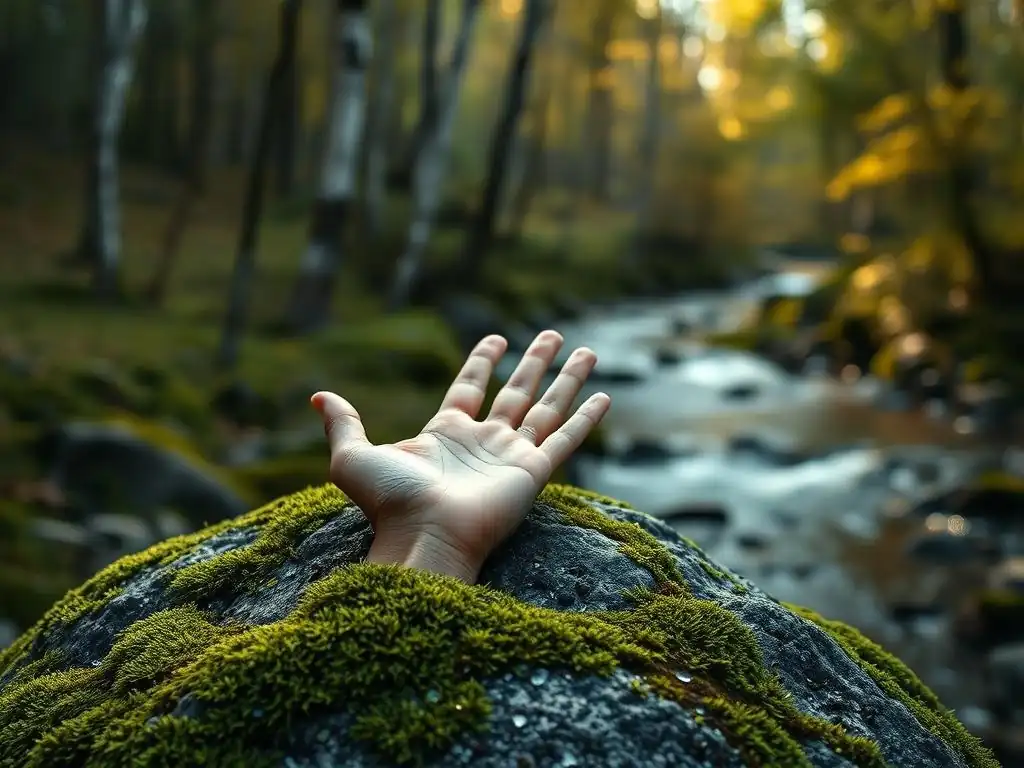
- Touch: Feel the texture of bark, the coolness of a stone, the softness of moss, or the warmth of the sun on your skin.
- Acknowledge Thoughts: When your mind wanders (which it will), gently notice the thought without judgment and guide your attention back to your sensory experience or the feeling of walking.
- End with Gratitude: Before returning, pause for a moment to appreciate the experience and the nature around you.
This practice, even for short durations, actively engages the senses in a way that anchors you to the present, effectively demonstrating how mindful movement in nature reduces anxiety stress by pulling focus away from internal worries.
Forest Bathing (Shinrin-Yoku): Immersing Yourself in Nature's Ambiance
Forest Bathing, or Shinrin-Yoku, is a Japanese practice that translates literally to "taking in the forest atmosphere." It is not strenuous hiking or jogging, but rather a slow, deliberate immersion of all your senses in the forest environment. The emphasis is on being, not doing, and absorbing the therapeutic compounds released by trees (phytoncides).
Shinrin-Yoku involves wandering slowly and aimlessly, pausing whenever something catches your attention. You might sit quietly by a stream, lean against a tree, or simply breathe deeply the forest air.
The practice encourages you to open your senses wide – listening intently to the sounds, smelling the distinct aromas of the forest floor, touching the bark of trees, and observing the intricate details of leaves and light filtering through the canopy. Research from Japan has shown that even short forest bathing trips (around 2-3 hours) can lead to reduced levels of stress hormones and improved immune function, providing compelling evidence that this form of nature mindfulness reduces anxiety stress and enhances physical well-being.
Mindful Observation: Engaging Your Senses in the Outdoors
Mindful observation is a fundamental technique in nature mindfulness, focusing on cultivating a deep awareness of the natural world through your senses. This can be practiced anywhere you find nature, from a bustling city park to your own backyard. The key is to slow down and notice details you might otherwise overlook.
Choose a natural object – a single leaf, a flower, an insect, a cloud, or a patch of grass. Spend several minutes observing it closely. What colors do you see? Are there variations in shade? What is its texture like?
How does it feel to the touch? Does it have a smell? What sounds are associated with it (e.g., the buzzing of a bee on a flower)? Allow yourself to be completely absorbed in the details of this one object. This focused attention on external stimuli helps to quiet the internal chatter of the mind, making it a potent method through which nature mindfulness reduces anxiety stress by shifting focus outward.
Nature Meditation: Finding Inner Peace Amongst the Elements
Nature meditation combines traditional mindfulness meditation practices with the restorative power of the natural environment. It can be done sitting, standing, or even lying down in a comfortable outdoor spot. The natural setting provides a supportive backdrop for cultivating presence and calm.
Begin by finding a quiet place in nature where you feel safe and relatively undisturbed. Close your eyes or soften your gaze. Bring your awareness to your breath, noticing the sensation of air entering and leaving your body. Then, expand your awareness to include the sounds around you – birdsong, wind, water – simply noticing them without labeling or judging.
Notice the feeling of the air on your skin, the temperature, any scents carried on the breeze. You can also bring awareness to the earth supporting you. When thoughts arise, gently acknowledge them and return your attention to your breath or the sensory experience of nature. This practice leverages the inherent tranquility of natural settings to deepen the meditative state, reinforcing how meditating in nature reduces anxiety stress more profoundly for many individuals.
Creating a Nature Mindfulness Routine
Finding Your Nature Spot: Selecting the Ideal Location
Establishing a regular nature mindfulness practice begins with identifying accessible and appealing locations. Your ideal spot might be a local park, a nature trail, a garden, a quiet corner in your backyard, or even a bench under a tree on your street. The key is to find a place where you feel relatively comfortable and safe, and where you can minimize distractions.
Consider the type of natural environment that resonates most with you – perhaps a forest, a body of water, or an open field. Think about convenience; choosing a spot close to home or work makes it easier to visit regularly. It's also helpful to have a few different options for variety and to accommodate different weather conditions. Having a designated "nature spot" creates a sense of intention and makes integrating nature mindfulness into your routine more concrete, thereby supporting the consistent practice needed for nature mindfulness reduces anxiety stress benefits to accumulate.
Scheduling Time for Nature: Making it a Priority
In busy lives, scheduling time for nature mindfulness is crucial; otherwise, it's easy for it to fall by the wayside. Treat this time like any other important appointment. Even 10-15 minutes dedicated a few times a week can make a difference. Look for opportunities within your existing schedule – perhaps during a lunch break, before or after work, or on weekends.
Consider setting aside specific blocks of time in your calendar. Maybe Tuesday and Thursday mornings before starting work, or a longer session on Saturday afternoon. Be flexible; if a scheduled time doesn't work, look for an alternative moment. The consistency, more than the duration, is what builds a habit and allows you to experience the cumulative effect of how nature mindfulness reduces anxiety stress over time. Start small and gradually increase the time as it feels comfortable and beneficial.
Combining Nature Mindfulness with Other Mental Wellness Practices: Deep Breathing Exercises
Nature mindfulness can be beautifully combined with other established mental wellness techniques to enhance their effectiveness. One powerful pairing is integrating deep breathing exercises while in a natural setting. The calming environment of nature complements the physiological regulation offered by conscious breathing, creating a synergistic effect.
While sitting or standing in your chosen nature spot, close your eyes or soften your gaze and focus on your breath. Practice slow, deep breaths, inhaling fully into your abdomen and exhaling completely. As you breathe, bring your awareness to the sounds, smells, and feelings of nature around you.
You might coordinate your breath with natural rhythms, like the gentle sway of branches in the wind or the sound of waves. This combination leverages the inherent calming qualities of nature alongside breathwork techniques proven to lower stress, making the practice of nature mindfulness reduces anxiety stress even more potent. For example, coupling a 4-7-8 breathing technique with mindful observation of a tree can amplify feelings of relaxation and presence.
Overcoming Challenges in Practicing Nature Mindfulness
Dealing with Distractions: Staying Present in the Moment
Even in the most serene natural settings, distractions can arise – intrusive thoughts, external noises (like traffic or other people), or physical discomfort. Learning to navigate these distractions is a key part of cultivating presence in nature mindfulness. The goal isn't to eliminate distractions entirely, but to develop the ability to notice them without getting carried away by them.
When you notice your mind wandering or an external distraction pulling your attention, simply acknowledge it without judgment. Recognize the thought or sound as a distraction, and then gently guide your attention back to your chosen anchor – your breath, your senses, or the specific natural object you were observing.
It's a continuous process of noticing and returning, and each time you do so, you strengthen your capacity for presence. Remember that it's natural for the mind to wander; the practice is in the gentle redirection, which is essential for how nature mindfulness reduces anxiety stress by training your focus.
Adapting Nature Mindfulness to Urban Environments
Living in a city doesn't preclude you from practicing nature mindfulness. Urban environments often contain pockets of nature that can serve as valuable anchors for mindful moments. Look for city parks, community gardens, tree-lined streets, small green spaces, or even views of the sky and clouds from your window.
The principles of nature mindfulness remain the same: intentionally engage your senses with the natural elements available. This might involve mindfully observing a single tree on your block, paying attention to the birds you see and hear, noticing the texture and resilience of weeds pushing through concrete, or simply feeling the sun or rain on your skin while walking. Even a few minutes spent mindfully observing a potted plant can offer a brief connection. Adapting the practice ensures that anyone, anywhere, can access the benefits of how nature mindfulness reduces anxiety stress, regardless of their proximity to wilderness.
Addressing Accessibility Issues: Finding Nature in Limited Spaces
Accessibility can be a significant challenge for some individuals. If getting to traditional parks or trails is difficult due to physical limitations, lack of transportation, or other barriers, there are still ways to connect with nature mindfully. Bringing nature indoors is a valid and effective alternative.
This could involve cultivating houseplants and spending time mindfully caring for them or simply observing their growth and details. You can bring natural elements indoors, such as stones, leaves, or branches, and use them as focal points for mindful observation.
Listening to nature sounds recordings, looking at nature photography or videos, or even spending time near a window with a view of trees or the sky can offer a sense of connection. While not a direct substitute for being outdoors, these methods can still evoke feelings of calm and connection, demonstrating that even adapted forms of nature mindfulness reduces anxiety stress to some degree.
Advanced Nature Mindfulness Practices
Nature Journaling: Cultivating Gratitude and Awareness
Nature journaling is an advanced practice that deepens your connection with the natural world and enhances your mindful observations. It involves regularly writing, drawing, or otherwise recording your experiences and reflections during or after spending time in nature. This practice encourages focused attention and helps solidify observations and feelings.
Your journal can include descriptions of what you saw, heard, smelled, felt, and even tasted. You might sketch plants, animals, or landscapes. You can record your emotional responses – how the experience made you feel, any insights that arose, or simply a reflection on the peace you found.
This act of detailed recording cultivates a keener sense of awareness and appreciation for the nuances of nature, further embedding the lessons of how nature mindfulness reduces anxiety stress by providing a tangible record of its calming effects. It also serves as a personal archive of your connection with the natural world.
Nature Photography: Capturing the Beauty Around You
Nature photography can be a powerful tool for practicing mindfulness by encouraging you to slow down and truly see the details of the natural world. When approaching photography mindfully, the focus shifts from simply taking a picture to carefully observing and framing a scene, paying attention to light, composition, texture, and form.
Instead of rapidly snapping photos, take time to observe your subject from different angles. Notice how the light hits it, the patterns within it, and its relationship to its surroundings. The act of carefully composing a shot requires focused attention and presence. Reviewing your photos later can also be a mindful practice, allowing you to re-engage with the moments of beauty and peace you captured. This deliberate act of seeing and capturing reinforces the benefits of nature mindfulness reduces anxiety stress by highlighting the moments of calm and beauty found outdoors.
Creating Nature Art: Expressing Your Experience
Creating art inspired by nature is another way to deepen your connection and express the impact of your mindful outdoor experiences. This doesn't require formal artistic training; it's about using creative expression to process and reflect upon your time in nature.
You might paint, draw, sculpt, or create collages using natural materials like leaves, stones, or twigs. The process of creating becomes a meditative act, allowing you to channel your observations, feelings, and the energy of nature into a tangible form. This can be a deeply personal and therapeutic practice, offering a unique way to integrate the calming and restorative effects you experience through nature mindfulness reduces anxiety stress into a creative outlet. It allows for a different kind of dialogue with the natural world, one expressed through color, form, and texture.
The Long-Term Benefits of Regular Nature Mindfulness
Reduced Anxiety and Stress: Sustained Relief
The most significant and well-documented long-term benefit of regular nature mindfulness practice is a sustained reduction in anxiety and stress levels. Consistent engagement with nature, approached mindfully, trains the nervous system to be less reactive to stressors and promotes a greater sense of calm and resilience. Over time, the physiological markers of stress, such as elevated cortisol and blood pressure, tend to decrease.
Individuals who regularly practice nature mindfulness often report feeling less overwhelmed by daily challenges, experiencing fewer episodes of intense anxiety, and having better coping mechanisms for stressful situations. This isn't just about feeling good during the practice; it's about building a foundation of inner peace that extends into daily life. The cumulative effect of consciously connecting with nature reinforces the brain's capacity for calm, demonstrating how consistent nature mindfulness reduces anxiety stress not just temporarily, but as a lasting state.
Improved Mood and Emotional Regulation
Regular exposure to nature and the practice of mindfulness within it have a profound positive impact on mood. Studies have shown that spending time in green spaces can significantly reduce symptoms of depression and improve overall emotional well-being. Nature provides a sense of awe and wonder, which can shift perspective and elevate mood.
Furthermore, nature mindfulness helps improve emotional regulation. By practicing non-judgmental observation in nature, individuals become better at observing their own thoughts and feelings without getting swept away by them. This increased capacity for emotional awareness and acceptance translates to better management of difficult emotions, leading to greater emotional stability and resilience. The uplifting and grounding qualities of nature, combined with mindful awareness, are key to how nature mindfulness reduces anxiety stress and enhances emotional balance.
Enhanced Creativity and Cognitive Function
Time spent in nature has been linked to improvements in cognitive function, including enhanced creativity, problem-solving skills, and attention span. The theory of Attention Restoration Theory (ART) suggests that natural environments allow directed attention fatigue, which is common in urban or demanding settings, to recover.
By providing a "soft fascination" – engaging the mind effortlessly through natural stimuli – nature allows the prefrontal cortex, responsible for executive functions like planning and decision-making, to rest and recharge. This restoration can lead to improved focus, clearer thinking, and bursts of creativity. Regularly engaging in nature mindfulness provides this restorative break for the brain, supporting cognitive health alongside its capacity for how nature mindfulness reduces anxiety stress.
Deeper Connection to the Environment
Beyond the personal benefits, consistent nature mindfulness cultivates a deeper sense of connection and appreciation for the natural world. As you spend time observing and engaging with nature, you develop a greater understanding of its interconnectedness and fragility.
This deepened connection often fosters a sense of responsibility and care for the environment. It shifts your perspective from viewing nature merely as a resource to seeing it as a vital part of a larger ecosystem, of which you are also a part. This sense of belonging and connection to something larger than oneself can be incredibly grounding and fulfilling, adding another layer to the overall well-being benefits derived from how nature mindfulness reduces anxiety stress and fosters a sense of purpose.
Conclusion: Embrace Nature's Healing Power for a Calmer Mind
Connecting with nature through mindful moments outdoors offers a powerful and accessible pathway to reduced anxiety, stress relief, and enhanced overall mental well-being. From simple mindful walks to immersive forest bathing, integrating nature into your daily life provides a natural antidote to the pressures of modern living. The science is clear: nature has a profound capacity to calm our nervous systems, quiet our minds, and restore our energy.
By making nature mindfulness a regular practice, you are investing in your mental health. It's a gentle yet effective way to cultivate presence, resilience, and a deeper connection with yourself and the world around you. Even small, consistent efforts can yield significant long-term benefits, proving time and again how nature mindfulness reduces anxiety stress and fosters a more peaceful and balanced life.
Continued Exploration of Nature Mindfulness Resources
To deepen your practice, explore resources such as books on forest bathing, guided nature meditations available online or through apps, or local nature mindfulness workshops. Many organizations offer programs focused on connecting people with nature for therapeutic purposes. Learning from experienced guides or exploring different techniques can help tailor the practice to your individual needs and interests.
Consider joining local nature groups or conservation efforts, which can provide opportunities for both community connection and deeper engagement with the environment. Continued learning and exploration will enrich your journey and help you discover new ways that nature mindfulness reduces anxiety stress and enhances your life.
Encouragement to Integrate Nature into Daily Life for Lasting Mental Well-being
We encourage you to take the first step today. Find a moment, however brief, to step outside or connect with nature where you are. Pay attention to the world around you with curiosity and kindness. Start small, be consistent, and be patient with yourself. The benefits of nature mindfulness unfold gradually, like the blooming of a flower.
Embracing nature's healing power is not just a temporary fix; it's a sustainable practice that nurtures your mind, body, and spirit. By making mindful moments outdoors a regular part of your life, you are actively choosing a path toward greater peace, resilience, and lasting mental well-being, experiencing firsthand how nature mindfulness reduces anxiety stress and brings more joy and calm into your everyday existence.
Frequently Asked Questions
How does nature mindfulness specifically help reduce anxiety and stress?
By engaging your senses in the present moment within nature, you shift focus away from anxious thoughts. This practice of intentional awareness helps calm the nervous system and promotes relaxation.
What are some easy nature mindfulness activities I can try, even with a busy schedule?
Even short bursts of outdoor exposure can be beneficial. Try a 5-minute walk focusing on the sounds around you, or simply observe the sky and clouds with present moment awareness.
Is there any scientific evidence that supports the claim that nature mindfulness reduces anxiety and stress?
Yes, studies have shown that spending time in nature can lower cortisol levels (the stress hormone) and increase feelings of well-being. Mindfulness practices further amplify these positive effects.
Can nature mindfulness be practiced in urban environments, or does it require access to wilderness?
While natural settings like forests are ideal, nature mindfulness can be practiced anywhere! Focus on the natural elements present in urban environments, like trees, parks, or even a potted plant on your windowsill.
How often should I practice nature mindfulness to experience significant benefits in anxiety and stress reduction?
Consistency is key! Aim for at least a few minutes of daily practice. Even short, regular sessions of mindful connection with nature can lead to noticeable improvements in your mental well-being over time.
Final Reflection: Reconnecting with Nature's Healing Power
The urgent need to combat anxiety and stress in our modern lives necessitates a renewed focus on nature's inherent therapeutic benefits. The overwhelming evidence presented throughout this article demonstrates that mindful engagement with the natural world offers a powerful antidote to the pressures of daily existence. It's not merely a trend; it's a crucial pathway to improved mental and physical well-being.
The profound impact of nature on our emotional landscape is undeniable. From the quiet contemplation of a forest to the invigorating energy of a coastal walk, the natural world offers a sanctuary from the constant stimulation of our technological age. In every walk with nature, one receives far more than he seeks.
- John Muir. This quote perfectly encapsulates the restorative power of nature, a power that continues to shape our cultural understanding of healing and self-care, influencing everything from ecotherapy practices to the design of urban green spaces.
Now, consider your own relationship with nature. What small steps can you take today to cultivate more mindful moments outdoors? Perhaps it's a short walk in a local park, a conscious observation of the changing seasons, or simply taking a few deep breaths in your backyard. Embrace the opportunity to reconnect with the natural world; your mind, body, and spirit will thank you. Let the tranquility of nature become your refuge, your source of strength, and your pathway to a more peaceful and fulfilling life.
Unveil Your Inner Peace: Take a Step Towards Nature
Thanks for taking the time to explore the joys of mindful moments in nature! We hope you've gained a renewed appreciation for the calming power of the outdoors. Now it's time to put these insights into action.
- Prioritize a nature walk this week: Even 15 minutes surrounded by trees and fresh air can make a difference. Notice the details—the rustling leaves, the scent of the earth, the sunlight on your skin.
- Share your favorite nature spot on our social media pages and inspire others to find their own peaceful havens. Let's build a supportive community of nature lovers!
- Try a simple mindful breathing exercise outdoors—focus on your breath as you soak in your surroundings. Let us know how it feels in the comments below!
What small step will you take today to reconnect with the healing power of nature?