
The Growth Mindset Advantage: Teaching Kids They Can Learn and Grow Through Challenges


Welcome to Mind Care Guide, a space dedicated to nurturing your mental well-being.
Do you ever wonder how to help your children navigate life's inevitable hurdles? In this article, we'll delve into how cultivating a growth mindset can empower them to thrive. Discover the secrets to helping kids learn through challenges growth, fostering resilience and a lifelong love of learning. Are you ready to unlock their potential? Let's explore!
Fostering a Growth Mindset in Children: Building Resilience and a Love of Learning
- Introduction: Understanding the Importance of a Growth Mindset
- Benefits of a Growth Mindset: Resilience, Motivation, and Achievement
- Practical Strategies for Developing a Growth Mindset in Children
- Growth Mindset Activities and Exercises: Engaging Children in Learning
- Addressing Common Challenges: Overcoming Obstacles to Growth
- Supporting Growth Mindset at School: Partnering with Educators
- Long-Term Impact: Preparing Children for Success and Fulfillment
- Conclusion: Nurturing a Growth Mindset for a Brighter Future
-
Frequently Asked Questions
- How can I explain the concept of a growth mindset to my child?
- What are some practical ways to encourage a growth mindset in my kids?
- How does a growth mindset help kids navigate difficult situations?
- What's the difference between a growth mindset and a fixed mindset?
- How can I help my child overcome a fixed mindset and develop a growth mindset?
- Final Reflection: Cultivating Resilience Through a Growth Mindset
- Unlock Your Child's Potential: Cultivate a Growth Mindset Today!
Introduction: Understanding the Importance of a Growth Mindset
Defining a Growth Mindset: The Power of "Yet"
A growth mindset is the belief that abilities and intelligence can be developed through dedication, hard work, and learning from setbacks. It contrasts sharply with a fixed mindset, where individuals believe their talents are innate and unchangeable. The core of a growth mindset lies in the understanding that effort and strategy are key drivers of success, not just inherent talent.
This perspective empowers children to embrace challenges, persist through difficulties, and see failure not as a reflection of their worth, but as a valuable opportunity for learning and improvement. It's about understanding that while someone might not be good at something yet, they can become better with practice and the right approach.
This perspective is particularly crucial for helping kids learn through challenges growth. When a child faces a difficult math problem or struggles with a new sport, a growth mindset allows them to say, "I can't do this yet, but I can learn how." This simple addition of "yet" shifts the focus from a static inability to a dynamic process of development.
Research, notably from Stanford University's Carol Dweck, highlights that children with a growth mindset are more likely to persevere when faced with obstacles. For instance, studies have shown that students taught about the brain's ability to grow (neuroplasticity) demonstrated improved grades and increased motivation compared to those who weren't.
Contrasting Growth and Fixed Mindsets: Impact on Learning
The distinction between a growth and fixed mindset profoundly impacts how children approach learning and respond to setbacks. A child with a fixed mindset might avoid challenging tasks, fearing failure will expose their perceived lack of ability. They may give up easily when faced with difficulty, interpreting mistakes as proof that they "aren't smart enough." Praise focused on innate talent ("You're so smart!") can inadvertently reinforce a fixed mindset, making children hesitant to tackle anything that might contradict that label.
Conversely, a child with a growth mindset is more likely to embrace challenges as opportunities to learn. They view effort as a path to mastery, not a sign of low ability. When they fail, they see it as feedback about their current strategy or effort level, not a judgment on their inherent capabilities.
This allows kids learn through challenges growth effectively. For example, a study involving middle school students found that those taught about the malleability of intelligence were more likely to choose challenging academic tasks and showed significant improvements in math grades compared to a control group. This demonstrates how fostering a growth mindset can directly impact academic performance and a child's willingness to engage with difficult material.
Benefits of a Growth Mindset: Resilience, Motivation, and Achievement
Increased Perseverance and Grit
A significant benefit of cultivating a growth mindset in children is the development of perseverance and grit – the tenacity to stick with long-term goals despite obstacles. When children believe their abilities can be developed, they are less likely to be discouraged by temporary setbacks. They understand that mastering a new skill or achieving a challenging goal requires sustained effort over time. This is fundamental for helping kids learn through challenges growth effectively.
Consider the example of learning a musical instrument. A child with a fixed mindset might quit after struggling with a difficult piece, thinking, "I'm just not musical." A child with a growth mindset, however, might see the struggle as a necessary part of the learning process. They are more likely to practice more, seek help, or try different strategies.
This increased perseverance translates into greater mastery and a deeper sense of accomplishment. Studies have indicated that grit is a stronger predictor of success in challenging environments, such as the Scripps National Spelling Bee or West Point military academy, than IQ alone. This highlights the practical, real-world advantage of nurturing this trait.
Enhanced Problem-Solving and Creative Thinking
Children with a growth mindset are better equipped to tackle complex problems and think creatively because they are not afraid to try different approaches or make mistakes. They view challenges as puzzles to be solved, rather than insurmountable barriers. This willingness to experiment and learn from failed attempts is crucial for developing strong problem-solving skills. When kids learn through challenges growth is facilitated by this mindset, they become more adaptable and innovative thinkers.
For instance, in a classroom setting, when presented with a difficult science experiment that doesn't yield the expected results, a fixed mindset child might feel defeated. A growth mindset child, however, would likely ask questions, analyze what went wrong, and brainstorm alternative methods. This iterative process of trying, failing, and adjusting is the bedrock of creative problem-solving.
Research has shown that environments fostering psychological safety and a tolerance for failure lead to increased innovation and creative output, which is directly linked to the principles of a growth mindset. Encouraging this kind of exploration helps children develop flexible thinking and confidence in their ability to navigate ambiguity.
Improved Self-Efficacy and Confidence
Self-efficacy, the belief in one's ability to succeed in specific situations or accomplish a task, is significantly bolstered by a growth mindset. When children see their efforts lead to improvement and overcome challenges through perseverance, they build confidence in their capacity to learn and grow. This isn't just about feeling good; it's about having a realistic and empowering belief in their own competence. This confidence is vital for kids learn through challenges growth and approach new situations with optimism.
For example, a child who struggles initially with reading but improves significantly through consistent practice and effort develops strong self-efficacy in their reading abilities. They learn that their effort directly impacts their outcome. This positive feedback loop reinforces the growth mindset and motivates them to take on further reading challenges. Conversely, a child told they are "naturally good" at reading but never experiences the link between effort and improvement might develop fragile confidence that shatters when they encounter a difficult text. Building confidence through demonstrated effort and progress provides a more robust and sustainable sense of capability.
Cultivating a Passion for Learning
Perhaps one of the most valuable outcomes of a growth mindset is the cultivation of a genuine passion for learning itself. When the focus shifts from proving one's intelligence to the process of learning and growing, the act of acquiring new knowledge and skills becomes intrinsically rewarding. Children with a growth mindset see learning not as a means to an end (like getting a good grade) but as an exciting journey of discovery. This intrinsic motivation is a powerful driver for lifelong learning.
Think about a child learning a new language. A child with a fixed mindset might feel discouraged by mistakes or slow progress, viewing it as a chore they aren't good at. A child with a growth mindset is more likely to enjoy the process of practicing, trying out new words, and communicating, even imperfectly.
They find satisfaction in the incremental progress and the expanding possibilities that the new language offers. This intrinsic motivation makes them more likely to continue learning long after any external requirements are met. This passion is essential for kids learn through challenges growth and navigate an ever-changing world.
Practical Strategies for Developing a Growth Mindset in Children
Emphasizing Effort and Progress Over Outcome
To cultivate a growth mindset, it's crucial to shift the focus from praising fixed traits like intelligence or talent to acknowledging and valuing effort, strategy, and progress. Instead of saying, "You're so smart for getting an A! ", try, "You worked incredibly hard on that project, and your dedication really paid off!" This teaches children that their hard work is the reason for their success, making them more likely to put in effort in the future, especially when tasks become difficult. This emphasis is key in helping kids learn through challenges growth and see effort as the path forward.
Parents and educators can implement this by providing specific feedback on the process rather than just the result. For instance, after a child finishes a drawing, instead of just saying, "That's beautiful, you're a great artist," you could say, "I see you spent a lot of time blending those colors; the way you layered them creates a wonderful effect. You kept trying different techniques until you found one you liked."
This highlights the effort and strategic thinking involved. Regularly discussing progress, no matter how small, reinforces the idea that learning is a journey. Tracking improvements over time, such as noting how many math problems a child can solve correctly now compared to a month ago, provides tangible evidence of growth through effort.
Praising Strategies and Processes, Not Just Talent
Beyond effort, it's vital to praise the specific strategies and processes a child used to tackle a task or overcome a difficulty. This teaches them how they succeeded and provides a roadmap for future challenges. Simply praising effort without mentioning strategy can lead children to believe that just trying hard is enough, even if their method is ineffective. By highlighting effective strategies, you empower children with tools for future success. This approach is fundamental for how kids learn through challenges growth and refine their approaches.
For example, if a child finally solves a difficult puzzle, instead of saying, "Great effort! ", you could say, "You didn't give up on that puzzle! I noticed you sorted the edge pieces first, and then you tried organizing the pieces by color. That strategy of breaking it down seemed to work well for you."
This specific praise reinforces the value of strategic thinking. Similarly, if a child improves their reading comprehension, you might say, "You've been asking yourself questions about the text as you read, and I can see that strategy is helping you understand the story much better." Highlighting these processes gives children actionable insights into how they learn best and how to approach new problems effectively.
Modeling a Growth Mindset: Embracing Challenges
Children learn by observing the adults around them. To effectively teach a growth mindset, parents and educators must model it in their own lives. This means openly talking about your own challenges, acknowledging when you don't know something, demonstrating how you learn from mistakes, and showing enthusiasm for tackling difficult tasks. When children see adults embracing challenges rather than avoiding them, they are more likely to adopt a similar attitude. This is a powerful way for kids learn through challenges growth by example.
For instance, if you're trying to learn a new skill, like cooking a complicated dish or fixing something around the house, involve your child in the process. Talk aloud about the difficulties you encounter ("Hmm, this isn't working quite right. What could I try differently? "), show frustration in a healthy way, and model perseverance ("Okay, that didn't work, but I'm going to try this alternative approach").
Discussing your own learning process, admitting when you made a mistake and what you learned from it ("Remember when I tried to bake that cake and it sank? I learned I needed to measure the flour more precisely"), normalizes imperfection and highlights the learning inherent in setbacks. Your willingness to be vulnerable and demonstrate your own growth journey provides a powerful, authentic lesson.
Reframing Mistakes as Opportunities for Learning
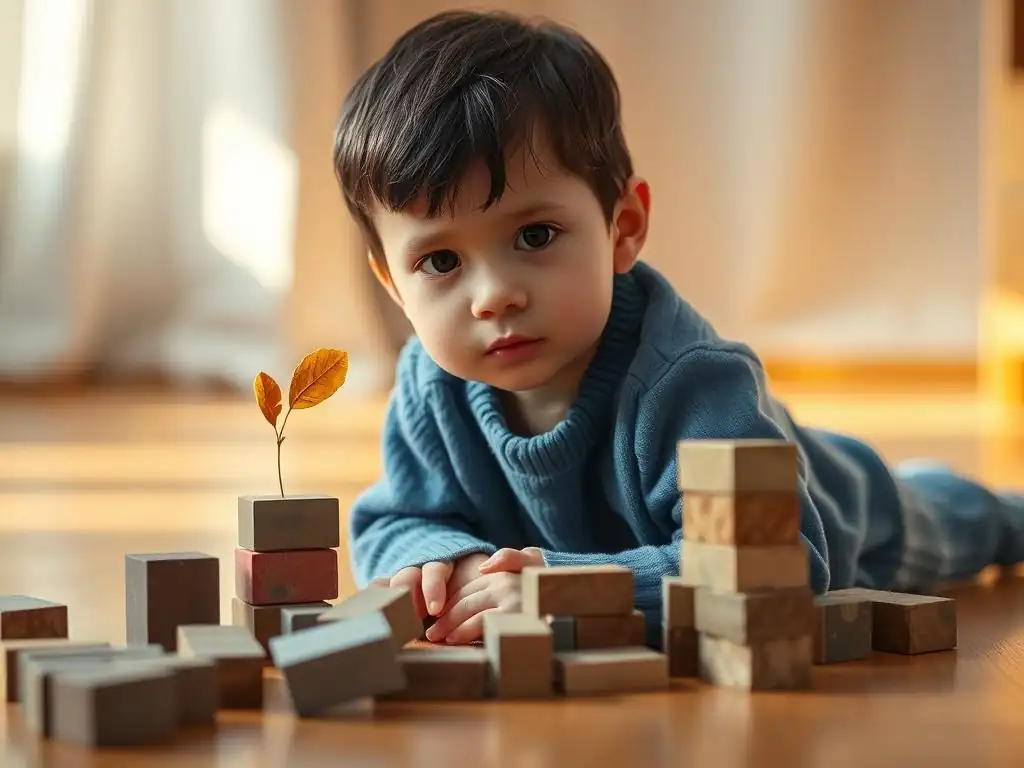
In a fixed mindset, mistakes are seen as failures and proof of inadequacy. In a growth mindset, mistakes are invaluable feedback – stepping stones on the path to mastery. Teaching children to reframe mistakes is perhaps one of the most critical aspects of fostering a growth mindset. This involves creating an environment where mistakes are not punished or shamed, but analyzed and learned from. This helps kids learn through challenges growth by focusing on improvement.
When a child makes a mistake on their homework or in a game, instead of expressing disappointment, approach it with curiosity. Ask questions like, "What did you learn from that?" or "What could you do differently next time?" Analyze the mistake together as a detective trying to understand what happened and how to prevent it in the future.
For example, if a child spells a word incorrectly, discuss the phonetic rules or visual patterns they missed, rather than just correcting the word. Encouraging them to identify the cause of the mistake empowers them to develop strategies to avoid repeating it. Celebrating attempts, even failed ones, as courageous steps in the learning process reinforces that trying is more important than getting it right the first time.
Educating About Neuroplasticity: The Brain's Ability to Adapt
Teaching children about the actual science behind learning can be incredibly empowering. Explaining the concept of neuroplasticity – that their brain is like a muscle that gets stronger and forms new connections every time they learn something new or practice a skill – provides a concrete, scientific basis for the growth mindset. This understanding demystifies the learning process and shows them that their effort is physically changing and developing their brain. This knowledge directly supports the idea that kids learn through challenges growth.
Simple analogies, like comparing the brain to a muscle that grows with exercise, or explaining that learning is like building new pathways in the brain, can make this concept accessible to children of various ages. You can show them simple diagrams or videos illustrating how neurons connect. Discussing how practicing a skill, even if it feels difficult, strengthens those neural connections helps them understand why effort matters.
Hearing that scientists have proven the brain can change and grow throughout life provides compelling evidence that their potential is not fixed, but expandable through learning and perseverance. This scientific foundation makes the growth mindset tangible and believable.
Growth Mindset Activities and Exercises: Engaging Children in Learning
Setting Achievable Goals and Reflecting on Progress
Engaging children in setting their own learning goals, and importantly, reflecting on their progress towards those goals, is a practical way to cultivate a growth mindset. This teaches them to break down larger challenges into manageable steps and provides tangible evidence of their growth over time. Goals should be specific, measurable, achievable, relevant, and time-bound (SMART goals), tailored to the child's age and capabilities. This process helps kids learn through challenges growth by providing structure and feedback.
For instance, a child learning to read might set a goal to read aloud for 15 minutes every day for a week, or to learn 10 new sight words by Friday. After the week, sit down together and reflect: "How did it go? Were you able to read every day? What was easy? What was difficult?
What did you learn?" Use charts or journals to track progress visually. Seeing their reading minutes increase or the list of sight words grow provides clear evidence that their effort is leading to progress. This reflection process helps them identify effective strategies and understand that achieving goals is a result of consistent effort, not just innate ability.
Encouraging Self-Reflection and Identifying Learning Strategies
Beyond reflecting on goal progress, encouraging general self-reflection about their learning process is vital. Ask children to think about how they learned something, what strategies worked for them, and what they could try differently next time. This metacognitive skill – thinking about their own thinking and learning – empowers them to become more effective and independent learners. This is a key component in how kids learn through challenges growth and become strategic thinkers.
After completing a challenging assignment or task, engage in a "learning debrief." Ask questions like: "How did you approach this problem? What steps did you take? What was the hardest part, and how did you get through it? If you were to do this again, what strategy might you use differently?"
For younger children, this might be as simple as asking, "How did you figure out how to build that tower?" or "What helped you remember those animal names?" Encourage them to identify specific actions or methods that contributed to their success or helped them overcome difficulty. This helps them build a repertoire of learning strategies and understand that learning is an active process they control.
Analyzing Case Studies of Perseverance and Success
Sharing stories of individuals who achieved success or made significant contributions through effort, perseverance, and learning from failure can be incredibly inspiring for children. These real-life examples provide concrete illustrations of the growth mindset in action and show children that overcoming obstacles is a common part of the journey to achievement. These narratives are powerful in demonstrating how kids learn through challenges growth.
Look for age-appropriate biographies or stories about scientists, artists, athletes, inventors, or community leaders who faced significant setbacks but persisted. Discuss figures like Thomas Edison, who famously said he didn't fail but found 10,000 ways that wouldn't work before inventing the lightbulb; or Serena and Venus Williams, who dedicated countless hours to practice to become tennis champions; or even local heroes who overcame personal challenges to achieve their goals.
Focus the discussion not just on their achievements, but on the struggles they faced, the effort they invested, and what they learned from their difficulties. This shows children that challenges are normal and that perseverance is key to overcoming them.
Addressing Common Challenges: Overcoming Obstacles to Growth
Combating Perfectionism and Fear of Failure
Perfectionism and fear of failure are significant roadblocks to developing a growth mindset. Children who are afraid of making mistakes may avoid trying new things or tackling difficult tasks altogether, precisely because they don't want to risk not being perfect. This prevents them from experiencing the learning and growth that comes from grappling with challenges. It inhibits how kids learn through challenges growth.
To combat this, it's essential to explicitly teach children that no one is perfect and that mistakes are both normal and necessary for learning. Share your own imperfect moments and what you learned. Celebrate effort and courage in trying, even if the outcome isn't flawless. For a child struggling with perfectionism on a drawing, you might say, "It doesn't have to be perfect; art is about expressing yourself and trying new things.
What did you enjoy about drawing this part?" Introduce activities where the process is more important than the product, like brainstorming sessions where all ideas are welcome, or creative writing exercises with no "right" answer. Help them set realistic expectations for themselves and understand that mastery takes time and involves many imperfect attempts along the way.
Managing Negative Self-Talk and Limiting Beliefs
Children with a fixed mindset often engage in negative self-talk, using phrases like "I'm stupid," "I can't do this," or "I'm not good enough." These limiting beliefs become self-fulfilling prophecies, discouraging them from putting in the effort required to learn and grow. Identifying and helping children reframe this negative internal dialogue is crucial for fostering a growth mindset. This negative talk directly hinders how kids learn through challenges growth.
Listen carefully to the language your child uses when they encounter difficulty. When you hear fixed-mindset phrases, gently challenge them. If a child says, "I can't do this math problem," you might respond, "You can't do it yet. Let's break it down. What's the first step you can do?"
Help them replace negative statements with growth-oriented ones, such as "This is hard, but I can learn," or "What strategy can I try next?" Teach them about the power of their thoughts and how changing their internal script can change their feelings and actions. Encourage them to be kind to themselves and speak to themselves as they would a friend who is struggling. Practicing positive affirmations related to effort and learning can also be helpful.
Creating a Supportive and Encouraging Environment
Ultimately, fostering a growth mindset thrives in an environment of psychological safety, support, and encouragement. Children need to feel safe to take risks, make mistakes, and ask for help without fear of judgment or ridicule. A supportive environment celebrates effort, values learning over performance, and provides the resources and guidance children need to navigate challenges. This nurturing space is fundamental for helping kids learn through challenges growth effectively and confidently.
Ensure your home or classroom is a place where curiosity is encouraged, questions are welcomed, and setbacks are met with empathy and a focus on learning. Provide constructive feedback that is specific and actionable, focusing on the process and strategies rather than personal traits. Celebrate the courage it takes to try something new or difficult.
Offer support when they struggle, whether that's providing resources, breaking down the task, or simply offering encouragement. Let children know that you believe in their ability to learn and grow, even when they don't believe in themselves. This unwavering support builds their confidence and resilience, making them more likely to embrace future challenges.
Supporting Growth Mindset at School: Partnering with Educators

Open Communication with Teachers
Parents and educators play complementary roles in a child's development, and open communication is key to creating a consistent message about learning and growth. Discussing your efforts to foster a growth mindset at home with your child's teacher can lead to a more unified approach. Share the strategies you are using and ask how you can support the growth-oriented practices happening in the classroom. This partnership ensures consistency in how kids learn through challenges growth across different environments.
Initiate conversations during parent-teacher meetings or through email about your child's approach to challenges and learning in school. Ask the teacher about their philosophy on effort, mistakes, and learning. Inquire about how they encourage perseverance and handle setbacks in the classroom. Sharing observations from home about your child's learning habits or responses to difficulty can provide the teacher with valuable context. By working together, parents and teachers can reinforce the principles of the growth mindset, providing a strong, consistent message to the child.
Encouraging Growth-Oriented Feedback
Feedback is a powerful tool, and when it's focused on growth, it can significantly impact a child's mindset. Encourage teachers to provide feedback that highlights effort, strategy, and specific areas for improvement, rather than just focusing on grades or inherent ability. Similarly, when reviewing schoolwork or report cards, focus your discussions with your child on their effort, what they learned, and how they can improve, rather than solely on the final outcome. This type of feedback is essential for how kids learn through challenges growth and see learning as a process.
For example, instead of a teacher comment like "Needs to try harder," more growth-oriented feedback would be "Could improve understanding of fractions by practicing additional problems focusing on mixed numbers" or "Showed great effort in revising their essay after incorporating feedback on paragraph structure." When discussing a test grade, instead of saying, "You only got a B," you could say, "Let's look at the problems you missed. Can we figure out where you got stuck?
What can you do next time to understand this concept better?" Encouraging this focus on the process of learning helps children see feedback as a guide for improvement, not a judgment of their fixed ability.
Reinforcing Growth Mindset Principles in the Classroom
Many educators are already implementing growth mindset principles in their classrooms, using strategies like flexible grouping, emphasizing revision, and teaching about neuroplasticity. Parents can support these efforts by reinforcing these principles at home and showing interest in how their child is learning how to learn in school. Understanding the classroom approach helps parents align their support effectively. This alignment is crucial for ensuring kids learn through challenges growth consistently.
Ask your child about how their teacher talks about learning, mistakes, and challenges. Do they use phrases like "You can't do it yet"? Do they encourage students to learn from each other? Are they given opportunities to revise their work?
Discussing these classroom experiences validates the importance of the growth mindset principles being taught there. For instance, if a teacher uses a system where students can revise assignments to improve their grades, discuss with your child how this demonstrates the power of effort and learning from mistakes. Celebrating these classroom practices at home reinforces their value and helps the child see growth mindset as a holistic approach to learning that extends beyond just one environment.
Long-Term Impact: Preparing Children for Success and Fulfillment
Building Resilience for Future Challenges
The resilience cultivated through a growth mindset is perhaps its most enduring long-term benefit. Life is full of inevitable challenges, setbacks, and transitions – from academic difficulties and career changes to personal losses and unexpected obstacles. Children who have learned to approach difficulties with a growth mindset are better equipped to bounce back from adversity, adapt to new circumstances, and persist in the face of hardship. This resilience is critical for navigating the complexities of adulthood. It ensures that kids learn through challenges growth not just in childhood, but throughout their lives.
Consider the transition to college or entering the workforce. These periods involve significant challenges, from navigating new academic demands to learning new job skills and adapting to different social environments. Individuals with a growth mindset are more likely to view these challenges as opportunities for learning and development. They are less likely to be derailed by initial failures or difficulties, instead seeing them as temporary hurdles to overcome through effort and learning. This ability to persevere and adapt is a cornerstone of long-term success and well-being.
Fostering a Lifelong Love of Learning
A growth mindset instills a fundamental belief in the power of learning and a curiosity about the world. This often translates into a lifelong love of learning, which is increasingly important in a rapidly changing global landscape. Individuals who are intrinsically motivated to learn are better positioned to acquire new skills, adapt to technological advancements, and remain engaged and fulfilled throughout their lives. This passion ensures that kids learn through challenges growth into curious, engaged adults.
Whether it's pursuing new hobbies, staying current in their professional field, or simply exploring new subjects out of personal interest, a lifelong learner finds joy and purpose in expanding their knowledge and skills. This intrinsic motivation is far more sustainable than learning driven purely by external rewards like grades or promotions. By fostering a growth mindset, we equip children with the internal drive to continuously learn and evolve, preparing them for a future that will demand adaptability and a willingness to embrace new knowledge.
Empowering Children to Reach Their Potential
Ultimately, fostering a growth mindset is about empowering children to believe in themselves and their capacity to learn, grow, and achieve their goals. It shifts the focus from innate talent to the controllable factors of effort, strategy, and perseverance. This empowerment gives children the agency to pursue their aspirations, tackle ambitious challenges, and strive for mastery in areas they care about. It unlocks their potential by showing them that their abilities are not fixed limits, but rather starting points for growth. This belief system allows kids learn through challenges growth and strive towards their full potential.
When children understand that their abilities can be developed, they are more likely to set higher goals for themselves and invest the necessary effort to achieve them. They are less likely to be limited by self-doubt or fear of failure.
This sense of empowerment is not just about academic or professional success; it's about building confidence, resilience, and a positive relationship with learning and challenges. By nurturing a growth mindset, we help children build the foundation they need to lead fulfilling lives and make meaningful contributions to the world, secure in the knowledge that they have the capacity to learn and grow through whatever challenges they face.
Conclusion: Nurturing a Growth Mindset for a Brighter Future
Reinforcing the Importance of Effort, Learning, and Growth
Nurturing a growth mindset in children is one of the most valuable gifts we can give them. It equips them with the belief that their abilities are not fixed but can be developed through dedication and hard work. This fundamental understanding empowers them to embrace challenges, persist through setbacks, and view mistakes as essential steps in the learning process. By consistently reinforcing the importance of effort, the value of the learning journey, and the potential for growth, we help kids learn through challenges growth and build the resilience and confidence needed to thrive.
Creating an environment that celebrates effort, encourages strategic thinking, and normalizes imperfection is key. Modeling a growth mindset in our own lives, engaging children in reflective activities, and partnering with educators ensures a consistent and supportive message.
The long-term benefits – increased resilience, enhanced problem-solving skills, greater self-efficacy, a passion for lifelong learning, and the empowerment to reach their full potential – underscore the profound impact of this mindset. By focusing on the process of becoming, rather than just the state of being, we prepare children not just for academic or professional success, but for a future where they can navigate challenges with confidence and continue to learn and grow throughout their lives.
Frequently Asked Questions
How can I explain the concept of a growth mindset to my child?
Explain that intelligence and abilities aren't fixed, but can be developed through hard work and dedication. Emphasize that challenges are opportunities to learn and grow.
What are some practical ways to encourage a growth mindset in my kids?
Praise effort and progress, not just innate talent. Encourage them to embrace challenges and view mistakes as learning opportunities. Model a growth mindset yourself.
A growth mindset equips kids with the resilience to persevere through setbacks. They see challenges as temporary and believe they can improve with effort and persistence, promoting mental well-being.
What's the difference between a growth mindset and a fixed mindset?
A fixed mindset believes abilities are static, leading to fear of failure. A growth mindset believes abilities can improve, fostering a love of learning and resilience to challenges.
How can I help my child overcome a fixed mindset and develop a growth mindset?
Focus on the process of learning, not just the outcome. Help them reframe negative self-talk and celebrate small victories. Provide support and encouragement throughout their learning journey.
Final Reflection: Cultivating Resilience Through a Growth Mindset
The ability to embrace challenges as opportunities for growth is not just a valuable life skill; it's the cornerstone of a fulfilling and successful life. In a world that often prioritizes immediate gratification and avoids discomfort, fostering a growth mindset in children is more crucial than ever. This article explored the power of teaching children that intelligence isn't fixed, but rather a malleable quality that can be developed through effort and perseverance.
The impact of a growth mindset extends far beyond academic achievement. It shapes a child's self-perception, resilience, and overall approach to life's inevitable setbacks. It's about cultivating a belief in their own potential, empowering them to tackle obstacles with courage and determination, rather than retreating in the face of difficulty. As Carol Dweck so eloquently stated, The passion for stretching yourself and sticking to it, even (or especially) when it’s hard, is the hallmark of the growth mindset. This is the mindset that allows people to thrive during some of the most challenging times in their lives.
This resonates deeply with my own experiences, witnessing firsthand how embracing challenges has led to personal growth and a deeper understanding of my own capabilities.
Consider the lessons presented within this article. How can you actively cultivate a growth mindset in the young people in your life? Challenge them to step outside their comfort zones, celebrate their efforts rather than solely focusing on outcomes, and model a growth mindset in your own actions. By embracing the power of "not yet," we empower the next generation to face the future with confidence, resilience, and a profound belief in their ability to learn and grow through any challenge. Let's work together to create a world where every child believes in their limitless potential.
Unlock Your Child's Potential: Cultivate a Growth Mindset Today!
Thanks for taking the time to explore the power of a growth mindset! You've learned valuable strategies to help your child embrace challenges and flourish. Now it's time to put these insights into action.
- Prioritize one specific area where you can encourage a growth mindset in your child this week. Is it their math homework, their soccer practice, or maybe even a social situation? Focus your efforts on that one area for maximum impact.
- Share this article with other parents and educators who could benefit from these strategies. Let's build a supportive community focused on empowering children!
- Challenge your child (and yourself!) to reframe a negative thought this week into a positive, growth-oriented statement. Notice the difference in your outlook.
Ready to witness the transformative power of a growth mindset in action? What small step will you take this week to cultivate a more positive and resilient approach to learning in your child's life?