
Beyond Tantrums: Identifying Mental Health Issues in Young Children (Ages 38)


Welcome to Mind Care Guide, a space dedicated to nurturing your mental well-being. Are you concerned about your child's emotional development? Beyond the typical tantrums and developmental milestones, understanding early childhood mental health challenges is crucial. Let's explore the subtle signs that can make a world of difference in their future, together.
- Beyond Tantrums: Identifying Mental Health Issues in Young Children (Ages 3-8) - A Mind Care Guide
- Recognizing the Signs: Early Warning Indicators of Mental Health Issues
- Factors Contributing to Mental Health Difficulties in Young Children
- Differentiating Tantrums from Potential Underlying Issues
- Seeking Help and Support: Resources for Parents and Caregivers
- The Long-Term Impact of Untreated Mental Health Issues in Young Children
- Conclusion: Empowering Parents to Support Their Child's Mental Health Journey
-
Frequently Asked Questions
- How can I differentiate between typical toddler behavior and a potential early childhood mental health challenge?
- What are some common early childhood mental health challenges that might present in children aged 3-8?
- Why is it crucial to identify and address mental health challenges in early childhood?
- What resources are available for parents who are concerned about their child's mental health?
- What role does the environment play in the development of early childhood mental health challenges?
- Final Reflection: Nurturing Young Minds: Beyond the Surface of Behavior
- Unlock Your Child's Potential: Nurture Their Wellbeing Today
Beyond Tantrums: Identifying Mental Health Issues in Young Children (Ages 3-8) - A Mind Care Guide
The Importance of Recognizing Mental Health in Preschool and Early Elementary Years
The foundational years of a child's life, roughly between the ages of 3 and 8, are critical for cognitive, emotional, and social development. During this period, the brain is rapidly developing, and children are learning fundamental skills like regulating emotions, forming relationships, and navigating social situations. Addressing early childhood mental health challenges during this sensitive window can have profound positive impacts on a child's long-term well-being and ability to thrive in school, family, and community settings. Ignoring these challenges, conversely, can lead to more complex issues later in life, affecting academic performance, social integration, and overall quality of life.
Recognizing and supporting mental health in these early years is not just about treating disorders; it's about promoting healthy development for all children. Estimates suggest that a significant percentage of children aged 3-8 experience some form of mental or behavioral health difficulty, though pinpointing an exact figure is complex due to varying diagnostic criteria and reporting methods. Some data indicates that perhaps as many as 1 in 5 children globally may experience a mental health condition at some point.
Early identification allows for timely intervention, which evidence shows is far more effective in young children whose brains are still highly adaptable. This proactive approach can significantly reduce the severity and duration of symptoms, preventing potential lifelong struggles associated with untreated early childhood mental health challenges.
Debunking Myths: Normal Childhood Behavior vs. Potential Mental Health Concerns
It's a common misconception that young children don't experience mental health issues or that challenging behaviors are simply "phases" they will outgrow. While it's true that tantrums, mood swings, and defiance are normal parts of development, especially as children learn to express themselves and test boundaries, persistent, extreme, or significantly disruptive behaviors that interfere with daily functioning can signal underlying early childhood mental health challenges.
For example, a 4-year-old having a meltdown when they don't get their way is typical; a 4-year-old who has daily, hour-long aggressive outbursts that involve harming themselves or others, and cannot be redirected, might be exhibiting signs beyond normal development.
Differentiating between typical behavior and a potential mental health concern requires careful observation of the behavior's frequency, intensity, duration, and context. Is the behavior significantly impacting their ability to attend preschool, play with peers, or sleep normally? Is it causing distress for the child or the family?
A child who is consistently withdrawn, anxious to the point of physical symptoms (like stomachaches), or exhibiting repetitive, non-functional behaviors might be struggling with more than just a temporary phase. Understanding these nuances is crucial for parents and caregivers, as it empowers them to seek appropriate guidance and support when needed, ensuring that genuine early childhood mental health challenges are not dismissed.
Recognizing the Signs: Early Warning Indicators of Mental Health Issues
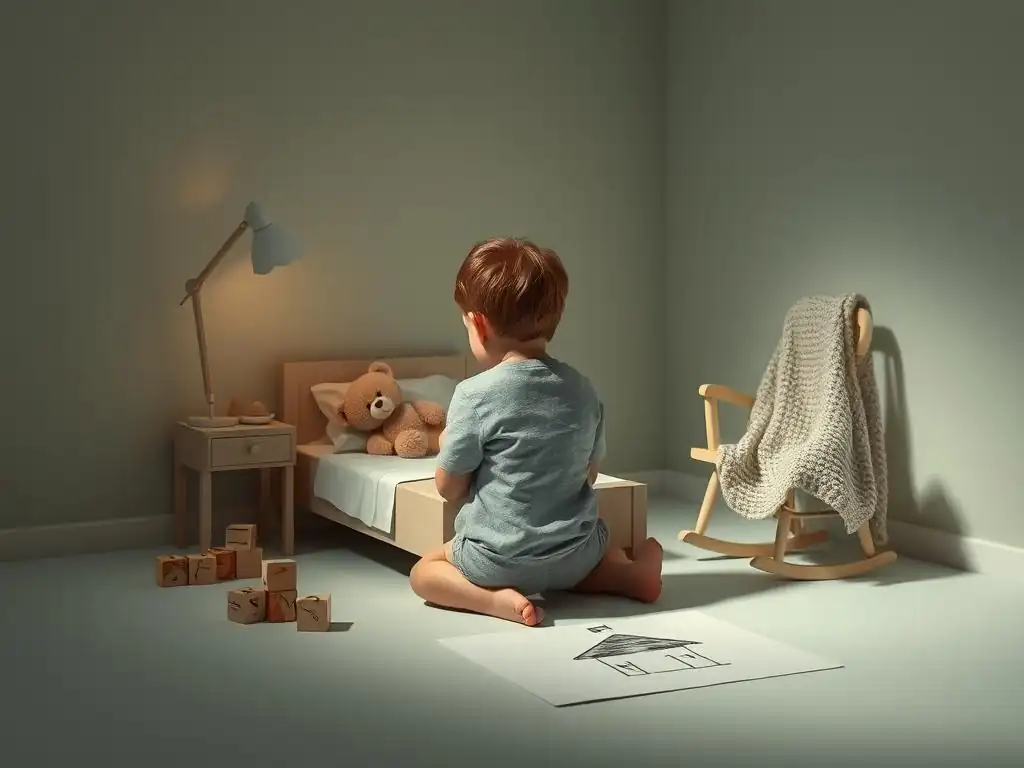
Emotional and Behavioral Red Flags in 3-8 Year Olds
Identifying early childhood mental health challenges often starts with observing a child's emotional expression and behavior patterns. While children in this age group are still developing their emotional regulation skills, certain signs can be red flags.
These might include persistent sadness or irritability that lasts for weeks, extreme changes in mood, excessive worry or fear that interferes with activities, frequent and intense temper outbursts that are disproportionate to the situation, or difficulty calming down after being upset. For instance, a 6-year-old who cries uncontrollably and refuses to leave their parent's side for school every morning, despite months of attendance, may be showing signs of separation anxiety, a common early childhood mental health challenge.
Other behavioral indicators include significant changes in sleep or eating patterns (e.g., refusing to eat, frequent nightmares), withdrawal from activities they once enjoyed, difficulty interacting with peers or adults, aggression towards others or animals, destruction of property, or engaging in risky behaviors for their age. A 5-year-old who consistently hits, bites, or pushes other children on the playground without provocation, despite repeated attempts to teach appropriate social skills, might be exhibiting behaviors associated with disruptive behavior disorders, highlighting the presence of early childhood mental health challenges that require professional attention.
Common Mental Health Conditions Affecting Young Children
Anxiety Disorders in Early Childhood: Identifying Separation Anxiety and Generalized Anxiety
Anxiety is one of the most common early childhood mental health challenges. Separation anxiety disorder, for example, involves excessive fear or distress when separated from primary caregivers, going beyond typical clinginess. This can manifest as intense worry about losing the caregiver, refusing to go to school or sleep alone, experiencing physical symptoms like nausea or headaches when separation is anticipated, or having nightmares about separation. While some clinginess is normal, persistent, severe distress that prevents a child from engaging in age-appropriate activities like attending preschool or playdates is a key indicator.
Generalized anxiety disorder (GAD) in young children involves excessive worry about a range of everyday things, such as school performance, future events, or their own competence. This worry is often difficult to control and can be accompanied by physical symptoms like restlessness, fatigue, difficulty concentrating, irritability, and muscle tension. A 7-year-old might constantly worry about making mistakes in class, fret excessively about minor events, or repeatedly seek reassurance, demonstrating a level of anxiety that significantly impacts their daily life and suggests the presence of early childhood mental health challenges requiring intervention.
Attention-Deficit/Hyperactivity Disorder (ADHD) in Young Children: Recognizing Hyperactivity, Impulsivity, and Inattention
ADHD is a neurodevelopmental condition that can present as early childhood mental health challenges, though diagnosis in the 3-5 age range can be complex as many symptoms overlap with typical preschooler behavior. The primary symptoms include inattention (difficulty focusing, easily distracted, forgetful), hyperactivity (fidgeting, squirming, excessive running/climbing, difficulty playing quietly), and impulsivity (blurting out answers, difficulty waiting turns, interrupting).
In young children, hyperactivity and impulsivity are often the most noticeable symptoms. A 4-year-old with severe ADHD might be in constant motion, unable to sit still even for short periods, run and climb excessively in inappropriate situations, and have significant difficulty waiting for anything, often leading to safety concerns.
While many young children are active and have short attention spans, the behaviors associated with ADHD are typically more extreme, persistent (lasting at least 6 months), and disruptive across multiple settings (e.g., home and preschool). An 8-year-old with ADHD might struggle significantly with completing schoolwork due to difficulty focusing and staying organized, constantly fidget during lessons, and interrupt conversations frequently. These challenges go beyond typical age-related behaviors and significantly impair functioning, indicating the presence of early childhood mental health challenges linked to ADHD that necessitate assessment and support.
Disruptive Behavior Disorders: Understanding Oppositional Defiant Disorder (ODD) and Conduct Disorder (CD) in Young Children
Oppositional Defiant Disorder (ODD) is a pattern of angry/irritable mood, argumentative/defiant behavior, or vindictiveness that is persistent and frequent, causing significant impairment in functioning. In young children (ages 3-8), this might look like frequent and intense temper tantrums (more than typical for their age), actively defying or refusing to comply with adult requests or rules, deliberately annoying others, or being easily annoyed by others.
While all children test boundaries, ODD involves a pattern of negativity and defiance that is significantly more severe and persistent than expected for their developmental level, impacting their ability to function in family or group settings.
Conduct Disorder (CD) involves a more severe pattern of behavior that violates the basic rights of others or major age-appropriate societal norms or rules. While CD is more commonly diagnosed in adolescence, some early signs can appear in childhood.
These might include aggression towards people or animals (e.g., picking fights, bullying, cruelty to animals), destruction of property (e.g., setting fires, vandalism), deceitfulness or theft (e.g., lying, shoplifting), or serious violations of rules (e.g., running away from home overnight). A 7-year-old who consistently engages in aggressive bullying behavior towards peers or deliberately destroys school property is exhibiting behaviors that point towards significant early childhood mental health challenges potentially related to CD, requiring urgent professional evaluation.
Mood Disorders: Recognizing Symptoms of Depression and Bipolar Disorder in Children Ages 3-8
Diagnosing depression and bipolar disorder in very young children (ages 3-8) can be challenging, as symptoms may differ from those seen in older children or adults and can overlap with other conditions. However, these early childhood mental health challenges do occur.
Depression in this age group might manifest as persistent sadness or irritability for most of the day, nearly every day, loss of interest or pleasure in activities they once enjoyed (anhedonia), changes in appetite or weight (failure to gain weight as expected), sleep disturbances (insomnia or hypersomnia), fatigue, feelings of worthlessness or excessive guilt, or difficulty concentrating. A 5-year-old who previously loved playing outside but now spends most of their time withdrawn, crying frequently, and expressing feelings of being "bad" might be experiencing symptoms of depression.
Bipolar disorder, characterized by significant mood swings between depressive episodes and manic or hypomanic episodes, is even rarer and harder to diagnose definitively in this age group. Manic-like symptoms in young children might present as persistent irritability, severe temper tantrums (often lasting for hours), increased energy or activity levels that are extreme and disruptive, decreased need for sleep without feeling tired, pressured speech, racing thoughts, or engaging in risky behaviors.
A 6-year-old exhibiting severe, explosive rages alternating with periods of low energy and sadness, whose mood shifts are rapid and intense, might be showing signs that warrant evaluation for a mood disorder, highlighting the complexity of identifying these early childhood mental health challenges.
Physical Symptoms Linked to Mental Health in Young Children
Mental health concerns in young children can often manifest physically, as they may not have the language or emotional awareness to express their distress verbally. These physical symptoms can be important indicators of underlying early childhood mental health challenges. Common examples include frequent stomachaches, headaches, or nausea that don't have a clear medical cause and often occur in situations that trigger anxiety or stress, such as before school or social events. A child with significant separation anxiety might complain of a "tummy ache" every morning before the bus arrives.
Other physical signs might include unexplained fatigue or low energy levels, changes in sleep patterns (difficulty falling asleep, staying asleep, or frequent nightmares), changes in appetite, or developing nervous habits like nail-biting, hair-pulling, or repetitive tics. A child who is experiencing significant stress or anxiety might suddenly develop a tic, such as eye blinking or throat clearing. Recognizing these physical manifestations is key because they can sometimes be the first or most prominent signs that a young child is struggling with early childhood mental health challenges.
Factors Contributing to Mental Health Difficulties in Young Children
Genetic Predisposition and Family History of Mental Illness
Genetics plays a significant role in vulnerability to many early childhood mental health challenges. Research indicates that children with a family history of conditions such as anxiety disorders, depression, ADHD, or bipolar disorder are at a higher risk of developing similar issues themselves. While a genetic predisposition doesn't guarantee a child will develop a condition, it can make them more susceptible when combined with other factors. For instance, a child whose parent or sibling has been diagnosed with an anxiety disorder is statistically more likely to experience anxiety themselves compared to a child with no family history.
This genetic link highlights the importance of considering family mental health history when evaluating a child's symptoms. It's not about blaming genetics, but understanding the potential biological vulnerabilities that might contribute to a child's difficulties. While we cannot change a child's genetic makeup, recognizing this predisposition allows for earlier screening and intervention if symptoms arise, providing targeted support that acknowledges the potential biological underpinnings of their early childhood mental health challenges.
Environmental Factors: Trauma, Stress, and Adverse Childhood Experiences (ACEs)
Beyond genetics, a child's environment significantly shapes their mental health. Exposure to trauma, chronic stress, or Adverse Childhood Experiences (ACEs) can profoundly impact a young child's developing brain and increase their risk of developing early childhood mental health challenges. ACEs include experiences such as abuse (physical, emotional, sexual), neglect, household dysfunction (e.g., parental mental illness, substance abuse, divorce, domestic violence, incarcerated relative), and living in an unsafe neighborhood. Studies consistently show a strong correlation between the number of ACEs a child experiences and their risk for a wide range of physical and mental health problems later in life.
Even seemingly less severe but chronic stressors, like persistent parental conflict, poverty, or frequent moves, can create a toxic stress environment for young children, disrupting normal brain development and emotional regulation. For example, a child living in a household with ongoing domestic violence, even if not directly harmed, is exposed to chronic fear and instability that can manifest as heightened anxiety, aggression, or withdrawal, demonstrating significant early childhood mental health challenges stemming from their environment. Addressing these environmental factors and providing safety and stability are crucial components of supporting a child's mental wellbeing.
The Role of Parenting Styles and Family Dynamics in Child Mental Wellbeing
The quality of the parent-child relationship and the overall family environment are powerful influences on a child's mental health. Warm, responsive, and consistent parenting provides a secure base that helps children develop emotional regulation skills and resilience. Children who feel safe, loved, and understood within their family are better equipped to cope with stress and navigate challenges. Conversely, harsh, inconsistent, or uninvolved parenting can contribute to insecure attachment and increase the risk of behavioral and emotional difficulties, contributing to early childhood mental health challenges.
Family dynamics, such as high levels of conflict, lack of clear boundaries, or parental mental health issues that are not addressed, can also create a challenging environment for a young child. For example, a child growing up with a parent who is severely depressed and unable to provide consistent care may experience neglect that impacts their emotional development. While parenting is complex and no parent is perfect, understanding the significant impact of the family environment underscores the importance of supporting parents and strengthening family relationships as a key strategy for promoting healthy early childhood mental health.
Differentiating Tantrums from Potential Underlying Issues
Understanding Typical Development: Age-Appropriate Behaviors vs. Signs of Concern
Distinguishing between typical developmental behaviors and signs of early childhood mental health challenges is perhaps one of the most difficult tasks for parents and caregivers. Tantrums are a prime example: they are a normal part of development, particularly between ages 1 and 4, as children learn to cope with frustration and assert independence. However, the nature and frequency of tantrums can signal a deeper issue.
A typical tantrum in a 3-year-old might last 10-15 minutes and involve crying, yelling, and falling to the floor. A concerning pattern might involve daily tantrums that last for an hour or more, include aggression towards self or others, and occur with minimal provocation, suggesting potential early childhood mental health challenges like ODD or severe emotional dysregulation.
Other behaviors that require careful observation include social interactions and play. While some shyness is normal, persistent and extreme social withdrawal, refusal to engage with peers, or significant difficulty understanding social cues that persists beyond typical adjustment periods might indicate anxiety or even early signs of autism spectrum disorder.
Similarly, while imaginative play is typical, repetitive, restrictive play patterns or difficulty engaging in flexible, shared play could also be a sign. Parents should consider whether the behavior is significantly outside the norm for children of that age, persistent over time (more than a few weeks or months), and causing significant distress or impairment in the child's daily life across different settings (home, preschool, playdates).
When to Seek Professional Help: A Guide for Parents and Caregivers
Knowing when to seek professional help is crucial when concerns arise about early childhood mental health challenges. It is advisable to consult a pediatrician or a mental health professional specializing in young children if:
- Behaviors are significantly impacting the child's ability to function at home, in preschool, or in social settings.
- Symptoms are persistent, lasting for several weeks or months, and do not improve with typical parenting strategies.
- Behaviors are extreme in intensity (e.g., severe aggression, inconsolable sadness).
- The child expresses thoughts or feelings that are concerning (e.g., expressing sadness about life, unusual fears).
- Physical symptoms without a medical explanation are present and seem linked to stress or specific situations.
A pediatrician can rule out any underlying medical conditions and provide initial guidance. If concerns remain, a referral to a child psychologist, psychiatrist, or licensed clinical social worker with expertise in early childhood mental health is the next step. Seeking help is a sign of strength and proactive care, not failure. Early intervention for early childhood mental health challenges is associated with significantly better outcomes, helping children develop healthier coping mechanisms and trajectories.
Seeking Help and Support: Resources for Parents and Caregivers

Finding a Qualified Mental Health Professional for Young Children
Finding the right mental health professional for a young child requires seeking someone with specific expertise in early childhood development and mental health. Pediatricians can often provide referrals to local specialists. Parents can also search directories from professional organizations like the American Psychological Association (APA) or the American Academy of Child and Adolescent Psychiatry (AACAP), filtering for providers who work with young children (ages 0-8 or similar age ranges). It's important to look for professionals who are trained in evidence-based therapies appropriate for this age group, such as play therapy or parent-child interaction therapy.
When contacting potential providers, parents should ask about their experience working with children in the specific age range (3-8), their approach to assessment and treatment for early childhood mental health challenges, and their training in specific therapeutic modalities. A good professional will involve parents significantly in the assessment and treatment process, as the parent-child relationship is central to a young child's well-being. Don't hesitate to ask questions and ensure you feel comfortable with the provider's approach and communication style.
Therapies and Interventions for Early Childhood Mental Health Challenges
Treatment for early childhood mental health challenges is typically tailored to the child's specific needs and developmental stage, often involving the family. Therapy approaches focus on helping the child learn to manage emotions, develop coping skills, and improve behaviors, while also supporting parents in creating a nurturing and structured environment. Medications are sometimes used, but usually in conjunction with therapy and often as a later consideration, especially for conditions like severe ADHD or significant anxiety that is unresponsive to behavioral interventions.
Interventions often involve a combination of individual therapy for the child, parent training, and sometimes family therapy. The goal is to address the child's specific difficulties while also strengthening the family system that supports them. Effective treatment for early childhood mental health challenges considers the whole child within their family and environmental context.
Play Therapy: A Therapeutic Approach for Young Children
Play therapy is a developmentally appropriate and highly effective therapeutic approach for addressing early childhood mental health challenges. Young children often lack the verbal skills to articulate their feelings and experiences, but they naturally communicate through play. In play therapy, a trained therapist uses toys and play materials to help children express their emotions, explore their experiences, and process difficult events in a safe and supportive environment. The therapist observes the child's play patterns and interacts with them in ways that facilitate healing and growth.
For example, a child who has experienced trauma might use dolls to re-enact a scary event, allowing the therapist to help them process their feelings and build coping strategies. A child with anxiety might use play to explore their fears in a non-threatening way. Play therapy can help children improve communication, learn problem-solving skills, develop self-awareness, regulate emotions, and change maladaptive behaviors. It's a powerful tool for addressing a wide range of early childhood mental health challenges, from anxiety and trauma to behavioral issues.
Cognitive Behavioral Therapy (CBT) Adapted for Young Children
Cognitive Behavioral Therapy (CBT) is an evidence-based therapy that has been adapted for use with young children, often referred to as Trauma-Focused CBT (TF-CBT) or Parent-Child Interaction Therapy (PCIT), which incorporate CBT principles. The core idea of CBT is that our thoughts, feelings, and behaviors are interconnected. For young children, this is often taught through simplified concepts, stories, and play. For instance, a therapist might use puppets or drawings to help a child identify different feelings ("happy," "sad," "mad") and understand how those feelings relate to what they think and do.
Adapted CBT for young children often heavily involves parents, teaching them strategies to help their child identify feelings, challenge unhelpful thoughts (e.g., "I'm bad"), and practice new behaviors. For a child with anxiety, this might involve gradually exposing them to feared situations (like separation from a parent) in a safe way, combined with relaxation techniques and positive self-talk. This approach helps children develop more adaptive ways of thinking and behaving, effectively addressing specific early childhood mental health challenges by building coping skills.
Family Therapy: Addressing Family Dynamics and Improving Communication
Family therapy is often an integral part of addressing early childhood mental health challenges because a child's well-being is so closely tied to their family environment. This type of therapy involves parents and sometimes siblings in sessions to improve communication, strengthen relationships, and address family dynamics that may be contributing to the child's difficulties. For example, if a child's anxiety is exacerbated by parental conflict, family therapy can help parents develop healthier ways of resolving disagreements.
Family therapy can also teach parents specific skills, such as positive reinforcement strategies for managing challenging behaviors or techniques for improving parent-child attachment. By working with the whole family system, therapists can help create a more supportive and stable environment that fosters the child's emotional health and resilience, proving essential when navigating complex early childhood mental health challenges.
Supporting Your Child's Mental Health at Home: Practical Tips and Strategies
Parents and caregivers play the most vital role in supporting a young child's mental health journey. Creating a nurturing home environment and implementing consistent, positive strategies can significantly help children manage their emotions and behaviors, whether they have a diagnosed condition or are simply navigating typical developmental challenges. These home-based strategies are foundational for addressing early childhood mental health challenges and promoting overall well-being.
Practical steps include validating your child's feelings, teaching them simple ways to express emotions, and modeling healthy coping strategies yourself. Establishing predictable routines helps children feel secure, while setting clear and consistent boundaries teaches them self-control and what to expect. Engaging in positive interactions, like reading together or playing games, strengthens the parent-child bond and provides opportunities for connection and emotional regulation support.
Creating a Safe and Supportive Home Environment
A safe and supportive home environment is fundamental for a child's mental health. This means ensuring physical safety, but also emotional safety – a place where the child feels loved, accepted, and understood, even when they make mistakes or exhibit challenging behaviors. Consistency and predictability in daily routines, such as meal times, play time, and bedtime, help young children feel secure and reduce anxiety, which is particularly helpful when dealing with early childhood mental health challenges.
Minimizing exposure to chronic stress or conflict within the home is also crucial. If parental conflict or other stressors are present, seeking support for the adults in the household is indirectly a way of supporting the child. Providing a calm space for the child to retreat to when feeling overwhelmed and responding to their needs with empathy and patience helps build their sense of security and trust, creating a foundation for resilience against early childhood mental health challenges.
Promoting Positive Self-Esteem and Emotional Regulation
Building positive self-esteem and teaching emotional regulation skills are key strategies for supporting early childhood mental health. Praise effort and specific positive behaviors rather than just outcomes, helping children develop a growth mindset. Encourage independence and allow them to attempt tasks for themselves, celebrating their attempts and small successes, which builds confidence. Teach children to identify their feelings using simple language (e.g., "Are you feeling mad? Sad? Happy? ").
Help them learn simple coping strategies for strong emotions, such as taking deep breaths ("smell the flower, blow out the candle"), hugging a stuffed animal, or finding a quiet corner. Parents can model these skills by talking about their own feelings and how they cope in an age-appropriate way. These skills are essential tools that children can use throughout their lives to navigate challenges and manage the emotional aspects of early childhood mental health challenges.
Establishing Consistent Routines and Boundaries
Consistent routines and clear boundaries provide young children with a sense of structure, security, and predictability, which are vital for managing behavior and reducing anxiety, common elements of early childhood mental health challenges. Having set times for waking up, meals, playtime, quiet time, and bedtime helps regulate a child's internal clock and reduces power struggles. Children thrive on knowing what to expect next.
Clear, age-appropriate rules and consistent consequences help children learn self-control and understand expectations. When boundaries are consistently enforced with warmth and patience, children learn to trust their environment and the adults in their lives. Inconsistency can be confusing and lead to increased challenging behaviors as children test limits. Establishing this structure at home provides a stable base from which children can explore the world and navigate their emotions more effectively, mitigating some of the difficulties associated with early childhood mental health challenges.
The Long-Term Impact of Untreated Mental Health Issues in Young Children
The Importance of Early Intervention for Positive Outcomes
The impact of untreated early childhood mental health challenges can extend far beyond the early years, affecting a child's trajectory through adolescence and into adulthood. Without intervention, these issues can lead to ongoing academic difficulties, challenges in forming and maintaining relationships, increased risk of substance abuse, and a higher likelihood of developing more severe mental health conditions later in life. For example, a young child with significant untreated anxiety may continue to struggle with social situations and school avoidance, potentially impacting their educational attainment and social development for years.
Conversely, early intervention can significantly alter this trajectory. Providing support when early childhood mental health challenges first emerge can help children develop crucial coping skills, regulate their emotions more effectively, and build resilience. Research indicates that interventions in the early years are often more effective because the young brain is still highly adaptable. A child who receives therapy and support for behavioral issues at age 5 may learn strategies to manage their impulses and anger, potentially preventing the development of more severe conduct problems in adolescence. Early intervention isn't just treatment; it's an investment in a child's future well-being.
Building Resilience and Promoting Mental Wellbeing in Early Childhood
Promoting resilience in early childhood is key to helping children navigate challenges and reducing the long-term impact of potential early childhood mental health challenges. Resilience is the ability to bounce back from adversity. It's not an innate trait but something that can be nurtured through supportive relationships and positive experiences. For young children, the most critical factor in building resilience is having at least one stable, caring adult relationship. This primary relationship provides a buffer against stress and trauma.
Other ways to promote mental wellbeing and build resilience include teaching children problem-solving skills, encouraging them to express their emotions, fostering a sense of competence and independence, and providing opportunities for positive experiences and successes. Helping children understand that it's okay to make mistakes and teaching them how to cope with frustration are also vital lessons. By focusing on building these protective factors from a young age, parents and caregivers can equip children with the tools they need to face life's difficulties and promote lasting mental health, even when confronted with early childhood mental health challenges.
Conclusion: Empowering Parents to Support Their Child's Mental Health Journey
Navigating early childhood mental health challenges can feel overwhelming for parents and caregivers, but understanding the signs, seeking information, and knowing when and how to find support are powerful steps. Recognizing that challenging behaviors or emotional difficulties may stem from underlying mental health concerns, rather than simply being "bad" behavior, is the first step towards empathy and effective help. This guide has aimed to provide a roadmap for identifying potential issues in children aged 3-8, differentiating them from typical development, and outlining paths to support.
Empowering parents means providing them with knowledge, resources, and the confidence to advocate for their child's needs. It means fostering open conversations about mental health within families and communities, reducing stigma, and ensuring that help is accessible. By paying close attention to their child's emotional and behavioral cues, trusting their instincts, and reaching out to professionals when needed, parents can play a crucial role in addressing early childhood mental health challenges early, setting their children on a path toward healthier, happier lives.
Frequently Asked Questions
How can I differentiate between typical toddler behavior and a potential early childhood mental health challenge?
Typical toddler behavior, like tantrums and clinginess, is often developmentally appropriate. However, persistent, extreme, or unusual behaviors that significantly impact daily functioning may indicate a mental health issue.
What are some common early childhood mental health challenges that might present in children aged 3-8?
Common challenges include anxiety disorders, ADHD, behavioral disorders like ODD, and attachment issues. These can manifest as excessive worry, difficulty concentrating, defiance, or problems forming relationships.
Why is it crucial to identify and address mental health challenges in early childhood?
Early intervention is essential for healthy development. Addressing issues early can prevent them from escalating into more serious problems later in life and improve long-term outcomes.
What resources are available for parents who are concerned about their child's mental health?
Parents can seek support from pediatricians, child psychologists, therapists, and mental health organizations. Websites like Mind Care Guide offer information and resources to help parents understand and address their child's needs.
What role does the environment play in the development of early childhood mental health challenges?
A child's environment, including family dynamics, school experiences, and exposure to trauma, significantly impacts their mental health. A supportive and nurturing environment promotes well-being, while stressful or adverse experiences can increase the risk of challenges.
Final Reflection: Nurturing Young Minds: Beyond the Surface of Behavior
The early detection of mental health challenges in young children is not merely a clinical concern; it's a societal imperative. Ignoring the subtle signs of distress in our youngest members can have devastating long-term consequences, impacting their development, relationships, and overall well-being. We must move beyond simplistic explanations of childhood behavior and embrace a more nuanced understanding of the complex emotional landscape of young children.
The journey of understanding and addressing early childhood mental health challenges is a deeply personal one for me. Witnessing the struggles of children and the impact on their families has underscored the urgent need for increased awareness and accessible resources. The most important thing is to try and inspire people so that they can be great in whatever they do.
- Kobe Bryant. This quote, while seemingly unrelated at first glance, speaks to the power of nurturing potential, even in the face of adversity. Just as Kobe Bryant inspired greatness in others, we must strive to inspire resilience and well-being in our youngest generation.
Now, consider your own interactions with young children. Have you noticed any subtle signs of anxiety, depression, or other challenges? Take a moment to reflect on the importance of early intervention. Seek professional guidance if you have concerns, and advocate for increased access to mental health services for young children in your community. Remember, early intervention can make all the difference in a child's life, shaping their future trajectory towards a happier, healthier adulthood. Let's work together to build a world where every child has the opportunity to thrive.
Unlock Your Child's Potential: Nurture Their Wellbeing Today
Thanks for taking the time to learn about recognizing potential mental health challenges in young children. You've now gained valuable insights into spotting early warning signs and supporting your little one's development. Let's put this knowledge into action!
- Prioritize a conversation: Schedule a brief chat with your child's pediatrician or a trusted healthcare professional to discuss any concerns you may have, no matter how small they seem. This is the most crucial step to ensuring your child gets the support they need.
- Explore supportive resources: Discover local community programs and online resources designed to help parents navigate these issues. Many offer invaluable support and guidance.
- Share this knowledge: Help other parents by sharing this article with your network – you never know who might need this information.
What's one small step you can take today to support your child's mental well-being?