
The Future of Epigenetic Research in Mental Health

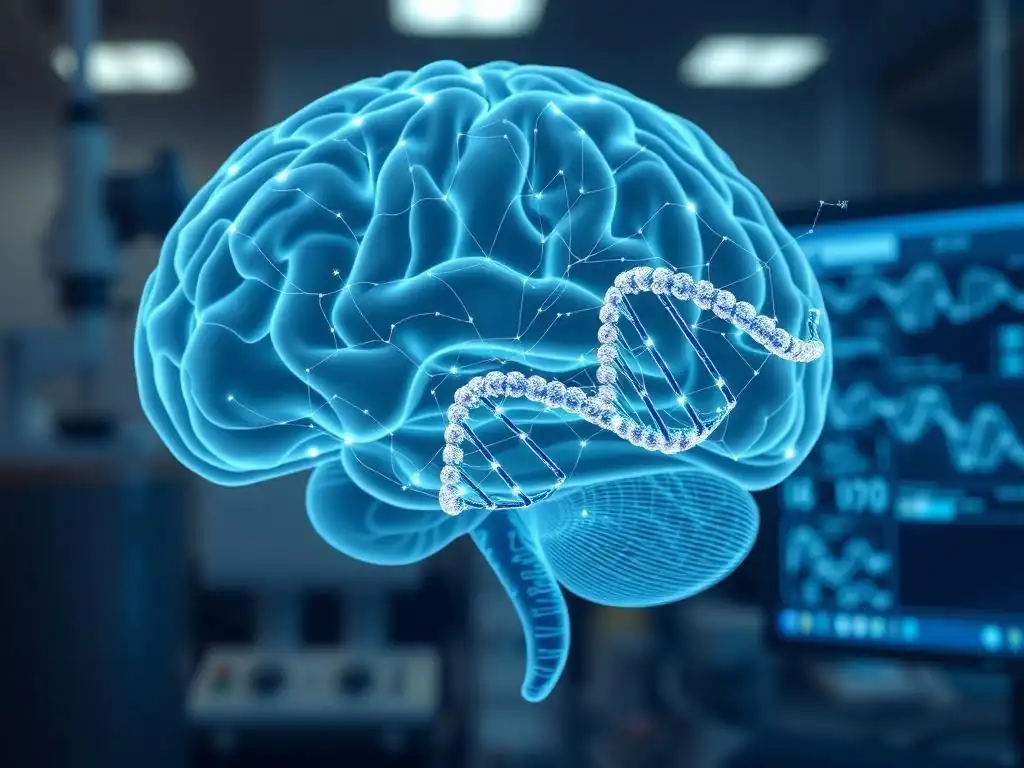
Welcome to Mind Care Guide, your trusted companion on the path to mental well-being. Ever wondered how your environment and experiences could be shaping your mental health, even down to the level of your genes? Dive into our exploration of Epigenetics mental health research trends and unlock the fascinating possibilities emerging at the forefront of neuroscience. Prepare to discover how groundbreaking discoveries are paving the way for personalized and preventative mental healthcare. Let's embark on this journey of understanding together.
The Future of Epigenetic Research in Mental Health: A Mind Care Guide
- Introduction: Understanding Epigenetics and its Role in Mental Health
- Current Epigenetics Mental Health Research Trends: Key Areas of Investigation
-
Emerging Technologies and Methodologies in Epigenetic Mental Health Research
- Advanced Sequencing Technologies for Epigenome-Wide Association Studies (EWAS)
- CRISPR-Based Epigenome Editing: A Novel Approach to Study Gene Regulation in Mental Health
- Single-Cell Epigenomics: Gaining Insights into Cellular Heterogeneity in Mental Disorders
- Computational Biology and Bioinformatics: Analyzing Complex Epigenetic Data
-
The Promise of Epigenetic Therapies for Mental Health Conditions
- Targeting Epigenetic Mechanisms with Drugs: Current Strategies and Future Directions
- Epigenetic-Based Interventions for Treating Depression, Anxiety, and PTSD
- The Potential of Epigenetic Therapies for Neurodevelopmental Disorders
- Ethical Considerations in Developing and Implementing Epigenetic Therapies
- Challenges and Future Directions in Epigenetic Mental Health Research
- Conclusion: Epigenetics as a Key to Unlocking the Future of Mental Health Care
-
Frequently Asked Questions
- What is epigenetics and how does it relate to mental health?
- What are some of the current research trends in epigenetics and mental health?
- Can epigenetic changes related to mental health be inherited?
- How might epigenetic research contribute to new treatments for mental health conditions?
- What are the ethical considerations surrounding epigenetic research in mental health?
- Final Reflection: Unraveling the Epigenetic Code of Mental Wellbeing
- Unlock Your Mind's Potential: Dive Deeper into Epigenetics
Introduction: Understanding Epigenetics and its Role in Mental Health
Epigenetics: The Bridge Between Genes, Environment, and Mental Well-being
Epigenetics represents a fascinating area of biological study that explores how gene expression can be altered without changes to the underlying DNA sequence. Think of it as the "software" that tells the "hardware" (your DNA) what to do, where, and when. These epigenetic modifications act like switches or dimmer controls on your genes, influencing whether they are turned on or off, or how strongly they are expressed. This dynamic process is crucial for normal development and cellular function, particularly in complex organs like the brain, which is central to mental well-being.
Crucially, the epigenome – the complete set of epigenetic modifications in an organism – is not static. It is constantly being shaped by a myriad of internal and external factors, including environmental exposures, lifestyle choices, and life experiences. This plasticity is what makes epigenetics such a compelling field for understanding mental health.
It provides a biological mechanism through which adverse experiences, like trauma or chronic stress, or beneficial factors, like supportive relationships or healthy diet, can leave a lasting mark on gene function in the brain, potentially influencing susceptibility to mental health conditions. Epigenetics mental health research trends are increasingly focusing on this gene-environment interaction.
The Growing Importance of Epigenetic Research in Mental Health
For decades, mental health research primarily focused on genetic predisposition and neurochemical imbalances. While these areas remain vital, they often struggled to fully explain the complex interplay of factors contributing to conditions like depression, anxiety, schizophrenia, or PTSD. Epigenetics offers a powerful new lens, providing a molecular explanation for how non-genetic factors can influence psychiatric risk and resilience. It helps bridge the gap between our genetic blueprint and the lived experiences that shape our mental state.
The escalating prevalence of mental health challenges globally underscores the urgent need for deeper understanding and novel interventions. Approximations suggest that one in four people will experience a mental disorder at some point in their lives. Epigenetic research holds the potential to uncover the biological underpinnings of these conditions, leading to more accurate diagnostic tools, better prediction of risk, and the development of targeted therapies. The current wave of epigenetics mental health research trends is rapidly expanding our knowledge base, offering hope for more personalized and effective mental health care in the future.
Current Epigenetics Mental Health Research Trends: Key Areas of Investigation
1. Epigenetic Mechanisms in Psychiatric Disorders: Unveiling the Molecular Pathways
DNA Methylation and its Impact on Mental Health
DNA methylation is one of the most widely studied epigenetic modifications in the context of mental health. This process involves the addition of a methyl group to cytosine bases in DNA, typically in CpG dinucleotides. Methylation in gene promoter regions often leads to gene silencing, while methylation within gene bodies can have varied effects on transcription.
Research has identified altered DNA methylation patterns in post-mortem brain tissue and peripheral blood samples from individuals with various psychiatric disorders, including major depressive disorder, bipolar disorder, and schizophrenia. For instance, studies have reported differential methylation in genes involved in stress response (like the NR3C1 gene, encoding the glucocorticoid receptor) and neurotransmitter systems (like the BDNF gene, crucial for neuronal growth and survival) in individuals exposed to early life adversity or diagnosed with mood disorders.
These findings suggest that aberrant DNA methylation could disrupt crucial neural pathways and contribute to the pathophysiology of mental illness. While findings across studies can sometimes be inconsistent due to sample heterogeneity and methodological differences, the recurring observation of methylation changes in key candidate genes provides strong evidence for the involvement of this epigenetic mechanism. Understanding these specific methylation patterns is a major focus within epigenetics mental health research trends, aiming to pinpoint causal links and identify potential therapeutic targets.
Histone Modification: A Key Regulator of Gene Expression in the Brain
Histones are proteins around which DNA is wrapped, forming chromatin. Modifications to these histones, such as acetylation, methylation, phosphorylation, and ubiquitination, can alter the structure of chromatin, making DNA more or less accessible to the transcriptional machinery. This, in turn, influences gene expression. The "histone code" refers to the combinatorial pattern of these modifications, which can have complex effects on gene activity. In the brain, histone modifications play a critical role in neuronal plasticity, learning, and memory – processes often impaired in mental health conditions.
Research has implicated dysregulated histone modifications in the development and progression of psychiatric disorders. For example, studies in animal models and human post-mortem brain tissue have shown altered levels of specific histone acetylation marks in regions associated with mood regulation and cognitive function in depression and anxiety. Inhibitors of histone deacetylases (HDACs), enzymes that remove acetyl groups from histones, have shown antidepressant-like effects in preclinical models, suggesting that promoting histone acetylation could potentially normalize gene expression patterns disrupted in these conditions. This exploration of histone dynamics is a vital component of current epigenetics mental health research trends.
Non-coding RNAs: Emerging Players in Epigenetic Regulation of Mental Health
Beyond the well-known players like DNA methylation and histone modifications, non-coding RNAs (ncRNAs) – RNA molecules that are not translated into proteins – are emerging as significant epigenetic regulators. These include microRNAs (miRNAs), long non-coding RNAs (lncRNAs), and circular RNAs (circRNAs). ncRNAs can influence gene expression at multiple levels, including by binding to mRNA to inhibit translation or promote degradation, or by interacting with DNA or proteins to affect chromatin structure and transcriptional activity.
Increasing evidence points to the involvement of ncRNAs in brain function and their dysregulation in various mental health conditions. For instance, specific miRNAs have been found to be differentially expressed in the brains and blood of individuals with schizophrenia, bipolar disorder, and major depression, potentially by targeting genes involved in neurodevelopment, synaptic function, and stress response.
LncRNAs have also been shown to play roles in neuronal differentiation and circuit formation, and their altered expression has been linked to psychiatric disorders. The study of ncRNAs is a rapidly expanding frontier in epigenetics mental health research trends, revealing new layers of complexity in the molecular mechanisms underlying mental illness.
2. Environmental Influences on the Epigenome and Mental Health Outcomes
Early Life Stress and its Long-Term Epigenetic Consequences on Mental Health
Early life stress (ELS), such as childhood abuse, neglect, or maternal separation, is a well-established risk factor for developing mental health problems later in life, including depression, anxiety disorders, and substance use disorders. Epigenetics provides a compelling framework for understanding how these early experiences can leave enduring molecular scars. Studies have shown that ELS can induce persistent epigenetic changes, particularly in brain regions involved in stress response and emotional regulation, such as the hippocampus and prefrontal cortex.
A classic example involves the NR3C1 gene, encoding the glucocorticoid receptor. In rats, maternal care quality in early life has been linked to methylation levels in the Nr3c1 promoter in the hippocampus, affecting stress reactivity in adulthood. Similarly, studies in humans have reported associations between childhood maltreatment and increased methylation of the NR3C1 gene in adulthood, potentially contributing to altered stress hormone regulation and increased vulnerability to mood disorders. These findings strongly support the idea that the early environment can epigenetically program stress response systems, highlighting a key area within epigenetics mental health research trends.
The Role of Diet and Nutrition in Shaping the Epigenome and Mental Health
Diet and nutrition are increasingly recognized as critical environmental factors that can influence mental health, and epigenetics is a key mediator of this relationship. Nutrients provide the building blocks for epigenetic modifications; for example, folate, vitamin B12, and methionine are essential for DNA methylation as they contribute methyl groups. Other dietary components, like polyphenols found in fruits and vegetables, and omega-3 fatty acids, can also influence epigenetic enzymes and processes.
Research is exploring how specific dietary patterns or deficiencies might lead to epigenetic changes associated with mental health outcomes. For instance, inadequate intake of B vitamins or omega-3 fatty acids during critical developmental periods could theoretically impair proper epigenetic programming in the developing brain. Conversely, diets rich in fruits, vegetables, and healthy fats have been associated with better mental well-being, potentially mediated, in part, by beneficial epigenetic effects. While this area is still developing, understanding the epigenetic impact of diet is becoming a significant part of epigenetics mental health research trends.
Impact of Environmental Toxins on Epigenetic Processes and Mental Well-being
Exposure to environmental toxins, such as heavy metals (e.g., lead, mercury), pesticides, and air pollutants, has been linked to various health problems, including neurodevelopmental disorders and mental health issues. These toxins can interfere with epigenetic machinery, altering DNA methylation patterns, histone modifications, and ncRNA expression. For instance, lead exposure has been shown to disrupt DNA methylation in the brain, potentially affecting genes involved in neurotransmission and cognitive function.
Studies investigating the epigenetic effects of prenatal or early childhood exposure to toxins are particularly relevant for understanding the origins of some mental health conditions. For example, exposure to certain pesticides has been associated with altered DNA methylation in genes linked to neurodevelopmental pathways and increased risk of conditions like autism spectrum disorder, which often co-occurs with other mental health challenges. Research into the epigenetic footprint of environmental toxins is a growing concern within epigenetics mental health research trends, aiming to identify preventable risk factors.
3. Epigenetic Biomarkers for Mental Health: Diagnosis and Prediction
Identifying Epigenetic Signatures Associated with Specific Mental Disorders
A major goal of epigenetics mental health research trends is the identification of epigenetic biomarkers – specific epigenetic modifications or patterns that can serve as indicators of disease risk, diagnosis, or prognosis. Unlike static genetic mutations, epigenetic marks can change over time and in response to environment, potentially reflecting the current state of a biological system or trajectory towards illness. Researchers are analyzing epigenetic profiles, often from easily accessible tissues like blood or saliva, to find signatures associated with specific mental disorders.
For example, studies have attempted to identify DNA methylation patterns in peripheral blood that differentiate individuals with major depression from healthy controls, or predict response to antidepressant treatment. While robust, clinically validated biomarkers are still largely aspirational, promising candidate signatures have been reported for conditions like schizophrenia, bipolar disorder, and PTSD. The challenge lies in identifying consistent and specific markers that can be reliably detected across diverse populations and distinguish between similar conditions.
Using Epigenetic Biomarkers for Early Detection and Personalized Treatment
The potential for epigenetic biomarkers extends beyond diagnosis to early detection and personalized treatment approaches. If specific epigenetic patterns precede the onset of symptoms, they could be used to identify individuals at high risk, allowing for early intervention or preventative strategies. Furthermore, understanding an individual's epigenetic profile might help predict how they will respond to different therapies, enabling a more personalized medicine approach to mental health care.
Imagine a future where a simple blood test analyzing epigenetic marks could help clinicians choose the most effective antidepressant for a patient, based on how their unique epigenome influences drug metabolism or target gene expression. Or, perhaps, identifying epigenetic profiles associated with trauma vulnerability could allow for targeted resilience-building interventions in at-risk populations. While these applications are still in the research phase, they represent an exciting frontier for epigenetics mental health research trends, aiming to move beyond trial-and-error in treatment.
Challenges and Opportunities in Developing Reliable Epigenetic Biomarkers
Despite the exciting potential, developing clinically useful epigenetic biomarkers for mental health faces significant challenges. The brain is the primary affected organ, but obtaining brain tissue from living individuals is generally not feasible. Relying on peripheral tissues like blood or saliva assumes that epigenetic changes in these tissues reflect what is happening in the brain, which is not always the case. Furthermore, epigenetic profiles are highly dynamic and can be influenced by numerous factors (age, sex, lifestyle, etc. ), making it difficult to distinguish disease-specific changes from normal variations.
However, these challenges also present opportunities. Advances in technology are enabling more sensitive and comprehensive epigenetic analysis from smaller, less invasive samples. Large-scale, longitudinal studies are needed to track epigenetic changes over time and across different tissues. Collaborative efforts and robust bioinformatics tools are crucial for handling the vast amount of data generated by epigenome-wide studies. Addressing these hurdles is paramount for translating promising epigenetics mental health research trends into practical clinical tools.
Emerging Technologies and Methodologies in Epigenetic Mental Health Research

Advanced Sequencing Technologies for Epigenome-Wide Association Studies (EWAS)
The advent of advanced sequencing technologies has revolutionized the study of epigenetics. Methods like whole-genome bisulfite sequencing (WGBS), reduced representation bisulfite sequencing (RRBS), and ChIP-sequencing (ChIP-seq) allow researchers to map DNA methylation patterns and histone modifications across the entire genome at high resolution. These technologies underpin Epigenome-Wide Association Studies (EWAS), which are analogous to GWAS (Genome-Wide Association Studies) but search for associations between epigenetic variations and traits or diseases.
EWAS have been instrumental in identifying novel epigenetic loci associated with mental health conditions. While initial EWAS in mental health often had limited sample sizes and focused on peripheral tissues, larger and more sophisticated studies are now emerging. For instance, a large EWAS involving thousands of individuals might identify specific CpG sites or genomic regions with altered methylation consistently associated with major depression, even after accounting for confounding factors. These technologies are crucial for moving beyond candidate gene approaches and comprehensively mapping the epigenetic landscape relevant to mental health, driving current epigenetics mental health research trends.
CRISPR-Based Epigenome Editing: A Novel Approach to Study Gene Regulation in Mental Health
CRISPR-Cas9, originally developed for gene editing, has been adapted to create powerful tools for manipulating the epigenome without altering the underlying DNA sequence. CRISPR-based epigenome editing systems, such as CRISPR-dCas9 fused with epigenetic modifying enzymes (e.g., DNA methyltransferases, demethylases, histone acetyltransferases), can be targeted to specific genomic loci to precisely add or remove epigenetic marks, thereby activating or repressing gene expression.
These tools offer unprecedented precision for studying the functional consequences of specific epigenetic modifications on gene regulation and cellular function, particularly in neurons and other brain cells. Researchers can use these systems in cell culture or animal models to investigate how altering methylation or histone marks at a specific gene locus affects neuronal development, synaptic plasticity, or behavioral phenotypes relevant to mental illness.
For example, one could use CRISPR-based tools to demethylate a specific promoter region known to be hypermethylated in a disorder and observe if this reverses gene silencing and improves cellular function, providing causal evidence within epigenetics mental health research trends.
Single-Cell Epigenomics: Gaining Insights into Cellular Heterogeneity in Mental Disorders
The brain is composed of a vast array of different cell types, each with its own unique epigenetic landscape and functional role. Bulk tissue analysis, while informative, can mask important epigenetic variations that occur only in specific cell populations. Single-cell epigenomic technologies, such as single-cell bisulfite sequencing and single-cell ChIP-seq, allow researchers to profile epigenetic modifications in individual cells.
Applying single-cell epigenomics to brain tissue (where possible) or relevant cell models can reveal cell-type-specific epigenetic alterations associated with mental disorders. For example, a specific epigenetic change might be present only in inhibitory neurons in a particular brain region, or only in glial cells. Understanding this cellular heterogeneity is critical because the dysfunction of even a small population of cells can have profound effects on brain circuit function and behavior. These cutting-edge techniques are providing a more granular view of epigenetic dysregulation, significantly advancing epigenetics mental health research trends.
Computational Biology and Bioinformatics: Analyzing Complex Epigenetic Data
Epigenomic studies generate massive and complex datasets, requiring sophisticated computational biology and bioinformatics approaches for analysis and interpretation. Analyzing DNA methylation data, for instance, involves mapping sequencing reads, identifying methylation sites, quantifying methylation levels, and performing statistical tests to identify differentially methylated regions (DMRs) between different groups (e.g., patients vs. controls). Similar computational workflows are needed for analyzing histone modification and ncRNA data.
Bioinformatics tools are essential for integrating epigenetic data with other omics data (genomics, transcriptomics, proteomics), identifying functional pathways affected by epigenetic changes, and predicting the potential impact of epigenetic modifications on gene regulatory networks. Machine learning algorithms are also being employed to develop predictive models based on epigenetic signatures. The success of epigenetics mental health research trends relies heavily on the continuous development and application of robust computational methods to extract meaningful biological insights from this complex data.
The Promise of Epigenetic Therapies for Mental Health Conditions
Targeting Epigenetic Mechanisms with Drugs: Current Strategies and Future Directions
Given the role of epigenetic dysregulation in mental illness, targeting the enzymes that establish, maintain, or remove epigenetic marks represents a promising therapeutic strategy. Drugs that inhibit or activate specific epigenetic enzymes, such as DNA methyltransferase inhibitors (DNMTi) or histone deacetylase inhibitors (HDACi), are being investigated for their potential to reverse aberrant epigenetic patterns and restore normal gene expression in the brain.
Some HDAC inhibitors, for example, have shown efficacy in preclinical models of depression, anxiety, and PTSD by promoting the expression of genes involved in neuronal plasticity and stress resilience. While systemic administration of such drugs can have widespread effects and potential side effects, ongoing research is exploring more targeted approaches, potentially using delivery methods that specifically reach the brain or modulate epigenetic marks only in affected cell populations. This area is a key focus within epigenetics mental health research trends, moving towards therapeutic applications.
Epigenetic-Based Interventions for Treating Depression, Anxiety, and PTSD
Beyond pharmacological interventions, non-pharmacological approaches that are known to influence the epigenome are also being explored for their therapeutic potential in mental health. Lifestyle interventions, such as exercise, mindfulness, and specific dietary changes, have been shown to induce epigenetic modifications and are increasingly being integrated into mental health care. For example, exercise has been linked to beneficial epigenetic changes in genes related to neurotrophic factors and synaptic function.
Psychotherapies, such as cognitive behavioral therapy (CBT) or trauma-focused therapies, may also exert their effects, in part, by inducing adaptive epigenetic changes that alter gene expression patterns in brain circuits involved in emotional regulation and stress processing. While this area is still nascent, understanding the epigenetic mechanisms underlying the effectiveness of these interventions could help optimize treatment protocols and identify individuals most likely to benefit. This exploration of how interventions influence the epigenome is a growing part of epigenetics mental health research trends.
The Potential of Epigenetic Therapies for Neurodevelopmental Disorders
Epigenetic dysregulation is strongly implicated in the etiology of many neurodevelopmental disorders, such as autism spectrum disorder (ASD), intellectual disability, and Rett syndrome. Conditions like Rett syndrome, caused by mutations in the MECP2 gene (which encodes a protein that binds to methylated DNA and regulates gene expression), are clear examples of how disrupted epigenetic machinery can lead to severe neurological and developmental deficits.
For disorders where a specific epigenetic mechanism or a single gene with known epigenetic function is implicated, epigenetic therapies hold particular promise. For instance, research is exploring strategies to restore MECP2 function or compensate for its loss in Rett syndrome. For more complex neurodevelopmental disorders like ASD, which are likely influenced by multiple genes and environmental factors, epigenetic therapies might focus on normalizing broader patterns of gene expression or targeting specific pathways identified through epigenomic studies. This area represents a significant frontier for epigenetics mental health research trends aimed at addressing the root causes of these conditions.
Ethical Considerations in Developing and Implementing Epigenetic Therapies
As epigenetic therapies move closer to clinical reality, important ethical considerations must be addressed. Unlike genetic therapies that permanently alter the DNA sequence, epigenetic therapies aim to modify gene expression patterns, which are inherently dynamic. However, the long-term effects and potential for unintended widespread epigenetic changes remain areas of concern. Ensuring the specificity and reversibility of epigenetic modifications is crucial.
Furthermore, the potential for using epigenetic information for prediction or diagnosis raises questions about privacy, stigma, and equitable access to interventions. How will epigenetic risk information be communicated to individuals and families? Who will have access to this sensitive data? As epigenetics mental health research trends advance, open dialogue among researchers, clinicians, policymakers, and the public is essential to navigate these ethical landscapes responsibly and ensure that epigenetic advances are used to benefit mental well-being in an equitable and ethical manner.
Challenges and Future Directions in Epigenetic Mental Health Research

Overcoming Technical Hurdles in Epigenetic Analysis
Despite significant progress, technical challenges remain in epigenetic research. Analyzing the epigenome is complex due to the diversity of modifications, their dynamic nature, and the difficulty of obtaining relevant tissue (brain). Current technologies, while powerful, can be expensive and require significant bioinformatics expertise. Developing more cost-effective, high-throughput, and sensitive methods for profiling multiple epigenetic marks simultaneously from limited sample quantities is crucial.
Furthermore, accurately quantifying epigenetic modifications, especially at the single-cell level and across different cell types within a heterogeneous tissue like the brain, remains challenging. Standardizing protocols and ensuring reproducibility across different laboratories are also ongoing efforts necessary to solidify findings within epigenetics mental health research trends. Continued technological innovation is essential to overcome these technical hurdles and accelerate discovery.
Addressing the Complexity of Gene-Environment Interactions
Epigenetics sits at the intersection of genes and environment, making the study of gene-environment interactions (GxE) critical but also inherently complex. Disentangling the specific contributions of genetic predisposition, environmental exposures, and their epigenetic interplay to mental health outcomes is a major challenge. Longitudinal studies that track individuals over time, collecting data on environmental exposures, life events, genetic variations, and epigenetic profiles, are necessary to understand these dynamic relationships.
Analyzing complex GxE data requires sophisticated statistical models and large sample sizes. Identifying specific environmental factors that trigger particular epigenetic responses in vulnerable individuals is a key area for future epigenetics mental health research trends. Moving beyond simple correlations to establishing causal links between environmental exposures, epigenetic changes, and mental health outcomes is a significant goal.
Translating Epigenetic Discoveries into Clinical Applications
The ultimate goal of epigenetics mental health research trends is to translate fundamental discoveries into clinical applications that improve diagnosis, treatment, and prevention of mental illness. However, the path from laboratory finding to clinical tool is long and fraught with challenges. Identifying robust and reliable epigenetic biomarkers that are clinically actionable requires validation in large, diverse cohorts. Developing effective and safe epigenetic therapies requires extensive preclinical testing and rigorous clinical trials.
Bridging the gap between basic research and clinical practice requires collaboration among researchers, clinicians, pharmaceutical companies, and regulatory bodies. Educating healthcare providers and the public about the potential and limitations of epigenetics in mental health is also crucial for successful translation. Focus on pragmatic applications is increasingly important within epigenetics mental health research trends.
The Need for Longitudinal Studies to Track Epigenetic Changes Over Time
As highlighted earlier, the epigenome is dynamic. To understand how epigenetic changes contribute to the onset, progression, and remission of mental health conditions, longitudinal studies are indispensable. These studies involve following the same individuals over extended periods, collecting biological samples and clinical data at multiple time points. This allows researchers to track how epigenetic profiles change in response to life events, environmental exposures, or therapeutic interventions.
Longitudinal studies can help identify early epigenetic markers of risk before symptom onset, understand how the epigenome is altered during illness episodes, and investigate whether successful treatment is associated with the normalization of specific epigenetic patterns. While expensive and logistically challenging, such studies are vital for uncovering the temporal dynamics of epigenetic changes and their relationship to mental health trajectories, forming a critical component of future epigenetics mental health research trends.
Conclusion: Epigenetics as a Key to Unlocking the Future of Mental Health Care
The Potential of Epigenetic Research to Revolutionize Mental Health Treatment
Epigenetic research holds transformative potential for the field of mental health. By providing a molecular link between our genes and the environment, it offers a deeper understanding of the complex causes of psychiatric disorders. This understanding is paving the way for the development of innovative diagnostic tools, predictive biomarkers, and targeted therapies that address the underlying biological mechanisms of mental illness.
From identifying individuals at risk based on their epigenetic profile to developing drugs that reverse aberrant epigenetic modifications, the insights gained from epigenetics mental health research trends are poised to revolutionize how we approach mental health care. While significant challenges remain, the rapid pace of discovery and technological advancement suggests that epigenetics will play an increasingly central role in shaping the future of mental well-being.
Empowering Individuals Through Understanding Epigenetics and Mental Well-being
Beyond clinical applications, understanding epigenetics can also empower individuals to take a more active role in their mental well-being. Recognizing that lifestyle choices, environmental factors, and life experiences can influence gene expression through epigenetic mechanisms highlights the importance of factors like diet, exercise, stress management, and social support.
While we cannot change our inherited DNA sequence, the dynamic nature of the epigenome suggests that interventions and positive life changes can potentially induce beneficial epigenetic modifications. Learning about the connection between epigenetics and mental health can foster a sense of agency, encouraging individuals to adopt healthy behaviors and seek supportive environments that promote positive epigenetic changes and enhance resilience. This educational aspect is a vital part of disseminating the knowledge gained from epigenetics mental health research trends.
Frequently Asked Questions
What is epigenetics and how does it relate to mental health?
Epigenetics refers to changes in gene expression that don't involve alterations to the DNA sequence itself. These changes can significantly impact brain development and function, potentially influencing the development and progression of various mental health conditions.
What are some of the current research trends in epigenetics and mental health?
Current research focuses on identifying specific epigenetic markers associated with mental disorders like depression, anxiety, and schizophrenia. Scientists are also exploring how environmental factors like stress and trauma can alter epigenetic patterns and increase the risk of mental illness.
Yes, some research suggests that epigenetic changes can be passed down through generations, potentially increasing the risk of mental health issues in offspring. However, the extent and mechanisms of transgenerational epigenetic inheritance are still being investigated.
How might epigenetic research contribute to new treatments for mental health conditions?
Epigenetic research could lead to the development of novel therapies that target specific epigenetic modifications associated with mental illness. These therapies might involve drugs or lifestyle interventions designed to reverse or mitigate harmful epigenetic changes.
What are the ethical considerations surrounding epigenetic research in mental health?
Ethical considerations include the potential for genetic discrimination based on epigenetic profiles and the need for responsible communication of research findings to the public. It's crucial to ensure privacy and confidentiality when collecting and analyzing epigenetic data.
Final Reflection: Unraveling the Epigenetic Code of Mental Wellbeing
The convergence of epigenetics and mental health research represents a paradigm shift in our understanding of mental illness, offering a powerful new lens through which to view prevention, diagnosis, and treatment. This isn't simply about identifying genes; it's about understanding how our environment interacts with our genes to shape our mental landscape, paving the way for truly personalized approaches to care.
The implications of this research are profound and far-reaching, impacting not only our understanding of disease but also our societal approaches to mental health. We are moving beyond a purely genetic model, acknowledging the crucial role of environmental factors – from early childhood experiences to lifestyle choices – in influencing our mental wellbeing. This shift necessitates a more holistic and compassionate approach to mental healthcare, one that considers the individual's unique epigenetic profile. The future of medicine is personalized medicine,
a statement increasingly relevant in the context of epigenetic research. This means moving away from a "one-size-fits-all" approach to treatment and embracing tailored interventions based on individual epigenetic markers.
Consider the potential: imagine a future where epigenetic testing can predict an individual's susceptibility to mental illness, allowing for early intervention and preventative strategies. Imagine treatments designed to modify epigenetic patterns, reversing the harmful effects of environmental stressors and promoting resilience. This is not science fiction; it is the exciting frontier of epigenetic research in mental health.
You, the reader, are now equipped with a deeper understanding of this transformative field. Take this knowledge and engage in informed discussions, advocate for increased research funding, and support initiatives that promote mental health awareness and personalized care. The future of mental wellbeing is being written, and your engagement is crucial to its success.
Unlock Your Mind's Potential: Dive Deeper into Epigenetics
Thanks for exploring the fascinating world of epigenetic research and its impact on mental health with us! You've gained valuable insights into how our environment shapes our genes and, in turn, our well-being. Now it's time to take action!
- Explore further: Delve into the resources mentioned in the article – many offer even more detailed information to expand your knowledge. Consider exploring related topics like nutrigenomics or psychoneuroimmunology for a holistic understanding.
- Share your thoughts: We value your perspectives. Leave a comment below sharing what resonated most with you or any questions you still have about epigenetics and mental health. Let's build a community of learning!
- Start your personal exploration: Consider making small, mindful changes to your lifestyle based on what you've learned. What one step will you take today to nurture your mental well-being based on the power of epigenetics?
What small change can you implement this week to positively influence your mental health based on the potential of epigenetics?