
Reduce Stress Naturally with Vipassana Meditation Techniques

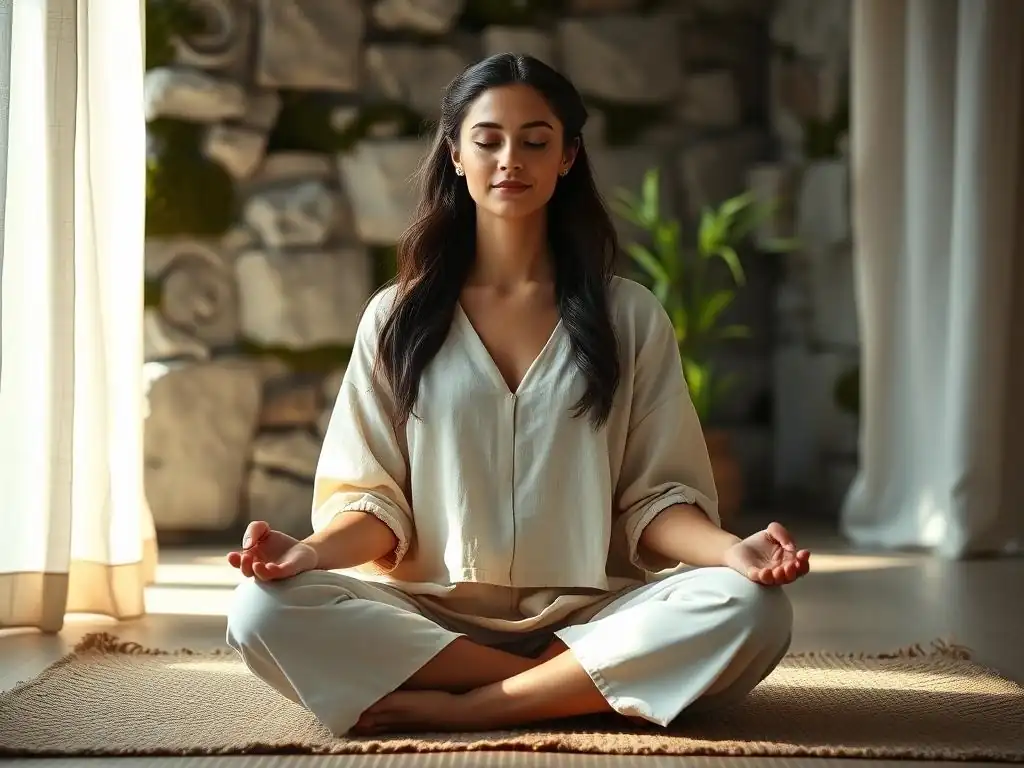
Welcome to Mind Care Guide, your sanctuary for cultivating inner peace and navigating the complexities of mental well-being.
Feeling overwhelmed? Discover how Vipassana meditation can be a powerful tool to reduce stress and bring you back to the present moment. Could this ancient practice be the key to unlocking a calmer, more centered you? Explore our comprehensive guide and begin your journey to a more peaceful life today.
Reduce Stress Naturally with Mindfulness Meditation Techniques
- Understanding Mindfulness Meditation for Stress Reduction
- The Science-Backed Benefits of Mindfulness Meditation on Stress
- Practical Mindfulness Meditation Techniques for Stress Relief
- Integrating Mindfulness into Your Daily Life for Sustained Stress Management
- Overcoming Challenges and Common Mistakes in Mindfulness Practice
- Advanced Mindfulness Techniques for Deeper Stress Reduction
- Mindfulness Meditation: A Holistic Approach to Stress Management
- Resources for Learning More About Mindfulness Meditation
-
Frequently Asked Questions
- What is Vipassana meditation, and how can it help reduce stress?
- How often should I practice Vipassana meditation to see stress-reducing benefits?
- Are there any specific Vipassana techniques that are particularly effective for stress reduction?
- Can Vipassana meditation be practiced by beginners with no prior meditation experience?
- Are there any potential downsides or precautions to consider before starting Vipassana meditation for stress reduction?
- Final Reflection: Finding Inner Peace Through Vipassana
- Unlock Your Inner Calm: Start Your Vipassana Journey Today!
Understanding Mindfulness Meditation for Stress Reduction
What is Mindfulness Meditation? An Introduction to Present Moment Awareness
Mindfulness meditation is a mental training practice that involves focusing your mind on your experiences—thoughts, feelings, and bodily sensations—in the present moment, without judgment. It's about cultivating a state of conscious awareness, bringing attention to what is happening right now, rather than dwelling on the past or worrying about the future. This practice trains your attention and allows you to observe your internal and external experiences with greater clarity and acceptance.
Unlike simply relaxing, mindfulness is an active process of observation. It helps you become more attuned to your subtle physical sensations, fleeting thoughts, and emotional states as they arise. By practicing this non-judgmental observation, you begin to recognize patterns in your thinking and feeling, particularly those that contribute to stress. This increased self-awareness is the first step in learning to respond to stressors more skillfully rather than reacting automatically.
The Origins and History of Mindfulness: Tracing its Roots
While modern mindfulness is often presented in a secular context, its roots are deeply embedded in ancient contemplative traditions, particularly Buddhism. Practices akin to modern mindfulness have been cultivated for over 2,500 years, forming core components of various Buddhist paths, including Vipassana, which means "insight" in the Pali language. Vipassana meditation, as traditionally taught, is a practice of observing reality as it is, focusing on the impermanent nature of all phenomena, including thoughts, feelings, and sensations.
The integration of these ancient practices into Western psychology and healthcare largely began in the late 20th century. Dr. Jon Kabat-Zinn, a molecular biologist, played a pivotal role by developing Mindfulness-Based Stress Reduction (MBSR) in the late 1970s. MBSR adapted core mindfulness principles and techniques, including elements derived from Vipassana meditation, into an accessible, eight-week program designed specifically for patients dealing with chronic pain and stress. This program's success in clinical settings paved the way for broader acceptance and scientific study of mindfulness.
How Mindfulness Differs from Other Meditation Practices
While many meditation practices share common elements like focusing attention and cultivating calm, mindfulness meditation has distinct characteristics. Unlike concentration meditation, which aims to steady the mind on a single object (like a candle flame or a mantra) to achieve deep absorption, mindfulness meditation involves a broader, open awareness. The focus in mindfulness is not just on an object, but on the process of observing whatever arises in the present moment, including distractions, with gentle curiosity and non-judgment.
Furthermore, mindfulness is often differentiated from practices primarily aimed at achieving specific states, such as transcendental states or visualizations. While these practices have their own benefits, mindfulness is fundamentally about cultivating a particular quality of attention and awareness in the present moment. It's less about emptying the mind or reaching bliss and more about learning to be fully present with one's experience, whether pleasant, unpleasant, or neutral. This present-moment awareness is key to how Vipassana meditation reduce stress by changing our relationship with difficult experiences.
The Science-Backed Benefits of Mindfulness Meditation on Stress
Mindfulness and Cortisol Levels: Lowering Stress Hormones Naturally
Chronic stress triggers the body's fight-or-flight response, leading to the release of stress hormones, primarily cortisol. Elevated cortisol levels over prolonged periods can have detrimental effects on physical and mental health, contributing to issues like weakened immune function, sleep disturbances, and increased anxiety. Research indicates that regular mindfulness meditation practice can help regulate the body's stress response system.
Studies have shown that individuals who regularly practice mindfulness tend to have lower baseline cortisol levels and a reduced cortisol response to stressful situations compared to non-meditators. For instance, a study published in Health Psychology in 2013 found that participants in an MBSR program experienced significant reductions in cortisol levels over the eight weeks. This physiological impact underscores how cultivating present-moment awareness through practices like Vipassana meditation reduce stress at a biological level, helping the body return to a state of balance.
Reducing Anxiety and Improving Mood with Mindfulness Practice
Stress and anxiety are often intertwined, creating a cycle of worry and tension. Mindfulness meditation offers a powerful tool for breaking this cycle by helping individuals observe anxious thoughts and feelings without getting swept away by them. By practicing non-judgmental awareness, meditators learn to recognize anxious thoughts as just thoughts, not necessarily reflections of reality, diminishing their power.
Numerous clinical trials have demonstrated the effectiveness of mindfulness-based interventions in reducing symptoms of anxiety and depression. A meta-analysis published in JAMA Internal Medicine in 2014, reviewing 47 trials with 3,515 participants, found that mindfulness meditation programs had moderate evidence of improving anxiety and depression symptoms. This suggests that regular engagement with mindfulness techniques can lead to a significant improvement in emotional regulation and overall mood, contributing to a greater sense of calm and well-being.
Neuroscientific research has provided compelling evidence for how mindfulness meditation alters brain structure and function in ways that mitigate stress. Studies using fMRI (functional magnetic resonance imaging) have shown that regular mindfulness practice is associated with changes in areas of the brain related to stress response, emotion regulation, and self-awareness.
Specifically, research indicates that mindfulness can lead to decreased activity in the amygdala, the brain's fear center responsible for processing threats and triggering the stress response. Simultaneously, it can increase connectivity between the amygdala and the prefrontal cortex, which is involved in higher-level functions like decision-making, planning, and emotional regulation.
This increased connectivity allows the prefrontal cortex to exert more control over the amygdala's reactions, helping individuals respond to stressors with greater calm and perspective. A study published in Social Cognitive and Affective Neuroscience in 2013 found structural changes, such as increased gray matter density in areas associated with self-awareness and compassion, after just eight weeks of mindfulness training.
Practical Mindfulness Meditation Techniques for Stress Relief
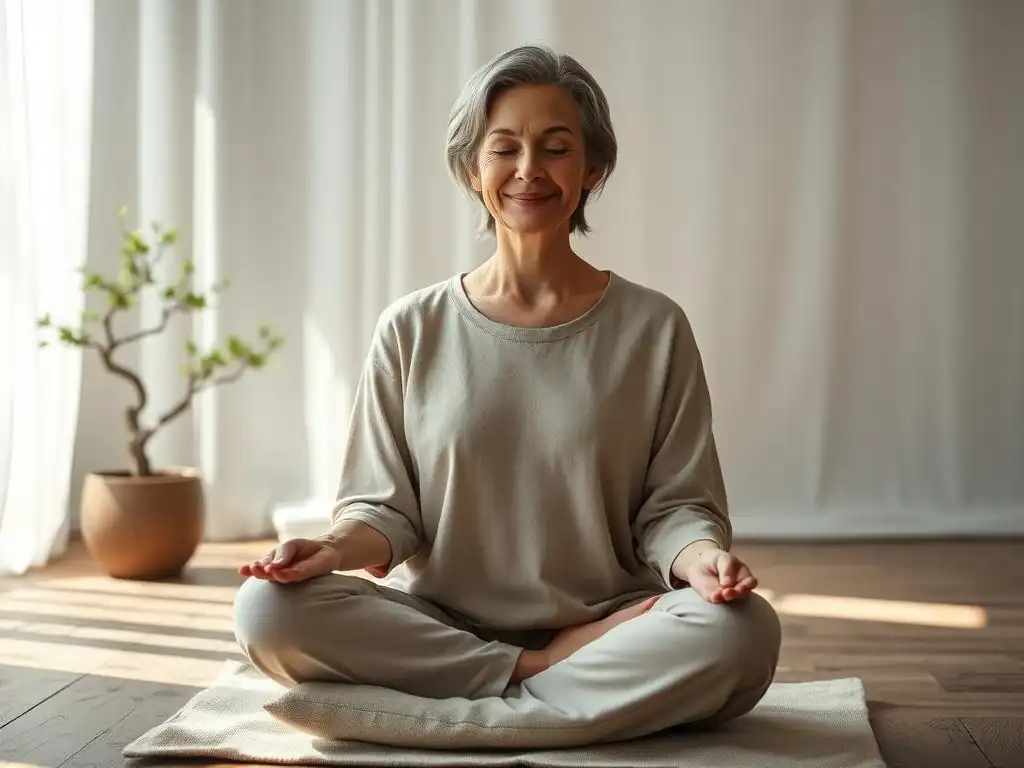
Preparing for Your Mindfulness Meditation Session: A Step-by-Step Guide
Setting the stage is crucial for a successful mindfulness meditation practice, especially when you are learning how Vipassana meditation reduce stress. First, find a quiet space where you are unlikely to be disturbed for the duration of your session, even if it's just 10-15 minutes. Ensure the temperature is comfortable and you have enough privacy to relax.
Next, decide on your posture. You can sit on a cushion on the floor, on a chair with your feet flat on the ground, or even lie down if necessary (though sitting is often preferred to avoid falling asleep). The key is to find a posture that allows you to be both relaxed and alert, with an upright but not rigid spine. Gently close your eyes or soften your gaze downwards. Take a few deep breaths to help settle your body and mind before beginning the formal practice.
The Core Practice: Observing Breath and Sensations in Mindfulness
The breath is a primary anchor in many mindfulness practices, serving as a constant, present-moment object of attention. Begin by simply noticing your breath as it enters and leaves your body. Pay attention to the physical sensations of breathing: the rise and fall of your abdomen or chest, the feeling of air moving through your nostrils or mouth. There's no need to control your breath; just observe it as it is, moment by moment.
As you focus on the breath, your mind will inevitably wander. This is completely normal. The practice is not about stopping thoughts, but about noticing when your mind has drifted and gently guiding your attention back to the breath without judgment. You can also expand your awareness to include bodily sensations – tingling, pressure, warmth, coolness. Observe these sensations with curiosity, noting their location, intensity, and changing nature. This core practice helps train your attention and develop the capacity to observe experiences without immediately reacting, which is central to how Vipassana meditation reduce stress.
Body Scan Meditation: A Mindfulness Technique for Stress Awareness
The body scan is a foundational mindfulness technique that involves systematically bringing attention to different parts of the body. This practice helps cultivate body awareness and can be particularly effective for releasing physical tension often held as a result of stress. Start by lying down comfortably on your back, or sitting if preferred. Close your eyes and take a few deep breaths to settle in.
Bring your attention to your feet. Notice any sensations present there – warmth, coolness, tingling, pressure. There's no need to change anything, just observe. After a minute or two, gently move your awareness up to your ankles, then your lower legs, knees, and so on, slowly scanning through your entire body – legs, hips, torso, back, arms, hands, neck, and head. Linger in areas where you notice tension, breathing into them and gently allowing the tension to soften if it will. If your mind wanders, simply notice and bring your attention back to the body part you were scanning.
Walking Meditation: Applying Mindfulness Principles in Motion
Mindfulness doesn't have to be limited to sitting still. Walking meditation allows you to bring present-moment awareness to a simple, everyday activity. Find a quiet place where you can walk back and forth a short distance (10-20 paces) or take a mindful walk outdoors. Begin by standing still and taking a few breaths, feeling the contact of your feet on the ground.
Start walking slowly, bringing your full attention to the physical sensations of walking. Notice the lifting of one foot, the movement through the air, the placement of the foot back on the ground, the shift of weight. Break down the movement into its component parts if it helps.
Pay attention to the rhythm, the balance, and the contact with the earth. If your mind gets caught up in thoughts, gently acknowledge them and guide your attention back to the sensations of walking. This practice helps integrate mindfulness into daily life, demonstrating how even simple actions can become opportunities to reduce stress naturally.
Integrating Mindfulness into Your Daily Life for Sustained Stress Management
Creating a Consistent Mindfulness Meditation Routine
Consistency is more important than duration when establishing a mindfulness practice for stress reduction. Aim for a regular time each day, even if it's just 5-10 minutes. Many people find that practicing first thing in the morning helps set a calm tone for the day, while others prefer the evening to unwind. Choose a time that is realistic and sustainable for your schedule.
Starting small makes it easier to build the habit. You can gradually increase the duration as you feel more comfortable. Consider using a guided meditation app or online resources initially, as these can provide structure and support. Treat your meditation time as a non-negotiable appointment with yourself. Over time, this consistent practice builds your capacity for presence and resilience, making it easier to navigate daily stressors and reinforcing how Vipassana meditation reduce stress in the long term.
Mindfulness in Everyday Activities: Extending Mindfulness Beyond Formal Practice
Mindfulness is not just something you do during a dedicated meditation session; it's a way of being that can be integrated into every part of your day. Look for opportunities to bring mindful awareness to routine activities. For example, when eating, pay attention to the taste, texture, and smell of your food, chewing slowly and savoring each bite. When brushing your teeth, notice the sensations in your mouth and hands.
Even mundane tasks like washing dishes or commuting can become opportunities for practice. Instead of letting your mind race, focus on the physical sensations, sounds, and sights of the activity. When talking to others, practice mindful listening, paying full attention without formulating your response. These moments of informal mindfulness throughout the day accumulate, strengthening your ability to stay present and less reactive to stress triggers.
Dealing with Distractions and Difficult Emotions During Meditation
It is inevitable that your mind will wander during meditation, and difficult emotions or physical discomfort may arise. These are not failures; they are opportunities for practice. When you notice your mind has wandered, simply acknowledge it without self-criticism and gently guide your attention back to your chosen anchor (like the breath). Each time you do this, you are strengthening your capacity for focused attention.
When difficult emotions like frustration, sadness, or anxiety arise, try to meet them with curiosity rather than resistance. Notice where you feel the emotion in your body. Is there tightness in your chest, a knot in your stomach? Observe the sensations without trying to push them away or analyze them. Acknowledge the emotion – "There is sadness" – and allow it to be present without judgment. This practice of mindful acceptance helps to defuse the intensity of difficult experiences, illustrating how engaging with practices akin to Vipassana meditation reduce stress by changing your relationship with internal discomfort.
Overcoming Challenges and Common Mistakes in Mindfulness Practice
Addressing Physical Discomfort and Mental Restlessness
Physical discomfort, such as stiffness or itching, and mental restlessness, characterized by a busy or racing mind, are common challenges in meditation. For physical discomfort, first check your posture to ensure it is both stable and relaxed. If a sensation is persistent or intense, you can gently shift your position mindfully, paying attention to the movements. Sometimes simply acknowledging the sensation with awareness can lessen its intensity.
Mental restlessness is perhaps the most frequent hurdle. It's important to understand that having thoughts is not a failure of meditation; the goal is not to empty the mind. When you notice your mind is busy, simply acknowledge the thoughts ("thinking") and gently return your attention to your anchor. Be patient and persistent; training the mind takes time. Expecting the mind to be instantly quiet is a common mistake. Practices like Vipassana meditation reduce stress precisely because they teach you to work with the restless mind, not against it.
Understanding and Working with Resistance to Meditation
It's not uncommon to encounter resistance to starting or continuing a meditation practice. This resistance can manifest as procrastination, feeling like you don't have time, believing you're "not good at it," or experiencing boredom or frustration during practice. Recognize that resistance is a normal part of the process, often stemming from the mind's preference for familiar patterns, even stressful ones.
Approach resistance with curiosity and self-compassion. Instead of judging yourself for feeling resistant, try to understand its root. Are you afraid of what might come up? Do you feel pressure to perform? Simply acknowledging the resistance mindfully can begin to lessen its grip. Remind yourself of your intention to reduce stress and improve well-being. Sometimes, committing to just 5 minutes can break through the inertia. Persistence and a gentle attitude are key.
Seeking Guidance: When and How to Find a Mindfulness Teacher
While many resources are available for self-guided practice, working with a qualified mindfulness teacher or attending a course can significantly deepen your understanding and practice, particularly for techniques like Vipassana meditation reduce stress effectively. A teacher can provide personalized guidance, clarify misunderstandings, and help you navigate challenges that arise in your practice.
Consider joining a structured program like MBSR or MBCT (Mindfulness-Based Cognitive Therapy), which are typically led by certified instructors. Look for teachers with formal training and a sustained personal practice. Many meditation centers, community centers, and online platforms offer classes, workshops, and retreats. Don't hesitate to ask about a teacher's background and experience. Finding a good teacher can be invaluable for establishing a solid foundation and progressing in your mindfulness journey.
Advanced Mindfulness Techniques for Deeper Stress Reduction
Mindfulness Retreats: Immersing Yourself in Intensive Practice
Mindfulness retreats offer an opportunity for intensive, sustained practice, allowing you to step away from daily distractions and delve deeper into present-moment awareness. Retreats vary in length, from a weekend to several weeks or even months, and often involve periods of silence, guided meditations, mindful walking, and sometimes talks or interviews with a teacher.
Immersing yourself in a retreat environment can significantly accelerate the development of mindfulness skills. The lack of external demands creates space to observe the mind and body with greater clarity and continuity. While potentially challenging at times, working through distractions and discomfort in a supportive retreat setting can lead to profound insights and a strengthened capacity to handle stress upon returning to daily life. Many retreats specifically focus on Vipassana meditation, providing a deep dive into insight practices.
Working with Difficult Emotions: Transforming Suffering through Awareness
Mindfulness provides a framework for skillfully relating to difficult emotions, moving from reactivity to conscious response. Instead of suppressing, avoiding, or being overwhelmed by emotions like anger, fear, or sadness, mindfulness teaches you to turn towards them with gentle curiosity. This involves acknowledging the emotion's presence, noticing its physical sensations, and observing its intensity and duration without judgment.
This process of mindful awareness allows you to see the emotion clearly, understanding its transient nature. It creates space between the emotion and your reaction, giving you the choice of how to respond rather than being automatically driven by it. Practicing this with compassion for yourself transforms your relationship with suffering, enabling you to experience difficult emotions without being consumed by them, a core principle in how Vipassana meditation reduce stress by fostering acceptance.
Cultivating Equanimity: Finding Peace Amidst Stressful Situations
Equanimity is a state of mental calmness, composure, and evenness of temper, especially in a difficult situation. In mindfulness practice, cultivating equanimity means learning to meet both pleasant and unpleasant experiences with a balanced mind, recognizing their impermanent nature. It's not about indifference or suppressing feelings, but about developing the capacity to remain centered amidst the fluctuations of life.
Through consistent practice, particularly Vipassana meditation which emphasizes observing the arising and passing of all phenomena, you train your mind to see that thoughts, feelings, and sensations are constantly changing. This understanding reduces the tendency to cling to pleasant experiences or push away unpleasant ones. By developing equanimity, you build resilience, finding an inner stability that allows you to navigate stressful situations with greater ease and peace, understanding that challenges are temporary.
Mindfulness Meditation: A Holistic Approach to Stress Management
Combining Mindfulness with Other Stress-Reduction Strategies (e.g., Exercise, Diet)
Mindfulness meditation is a powerful tool, but it is most effective when integrated into a broader lifestyle that supports well-being. Combining mindfulness with other evidence-based stress-reduction strategies creates a holistic approach that addresses stress on multiple fronts. Regular physical exercise, for instance, is known to reduce stress hormones and boost mood; practicing mindful movement can enhance these benefits.
Similarly, nourishing your body with a balanced diet, ensuring adequate sleep (7-9 hours for most adults), and maintaining healthy social connections are all vital components of stress management. Mindfulness can enhance these practices by increasing awareness of your body's signals regarding hunger, fatigue, or social needs. By consciously weaving together practices like Vipassana meditation reduce stress with healthy lifestyle choices, you build a robust foundation for resilience.
The Role of Mindfulness in Promoting Mental Well-being
Beyond simply reducing stress, mindfulness plays a significant role in cultivating overall mental well-being. By increasing self-awareness, mindfulness helps you recognize your thought patterns, including negative self-talk and limiting beliefs, allowing you to challenge them. It fosters greater emotional regulation, enabling you to respond to challenges with more clarity and less reactivity.
Mindfulness also cultivates qualities like self-compassion, patience, and acceptance, which are essential for mental health. It helps you develop a more positive relationship with yourself and your experiences, fostering resilience in the face of adversity. By encouraging presence and appreciation for the simple moments in life, it can increase feelings of gratitude and contentment, contributing to a richer, more fulfilling life less dominated by worry and stress.
Long-Term Benefits of Mindfulness Meditation on Stress and Overall Health
Consistent, long-term mindfulness meditation practice yields cumulative benefits for both stress management and overall health. Over time, the brain changes associated with mindfulness (like reduced amygdala activity and increased prefrontal cortex connectivity) become more established, leading to a more resilient and less reactive stress response in daily life.
Beyond stress, regular mindfulness practice has been linked to a range of positive health outcomes, including improved immune function, lower blood pressure, better sleep quality, and reduced symptoms of chronic pain. Mentally, it can lead to sustained reductions in anxiety and depression, increased emotional intelligence, and a greater sense of life satisfaction. The dedication to practices like Vipassana meditation reduce stress not just in the moment, but build a lasting capacity for peace and well-being.
Resources for Learning More About Mindfulness Meditation
Recommended Books and Articles on Mindfulness Practice
For those looking to deepen their understanding and practice of mindfulness meditation, numerous insightful books and articles are available. "Full Catastrophe Living" by Jon Kabat-Zinn is a foundational text explaining the MBSR program and the principles of mindfulness in detail. "Mindfulness in Plain English" by Henepola Gunaratana offers a clear and accessible guide to the practice itself.
Other valuable reads include "The Miracle of Mindfulness" by Thich Nhat Hanh, which provides simple exercises for integrating mindfulness into daily life, and "Radical Acceptance" by Tara Brach, which explores mindfulness and compassion as pathways to healing. Exploring articles from reputable sources like research journals or well-known meditation centers can also provide valuable insights and guidance on various techniques, including how Vipassana meditation reduce stress.
Online Mindfulness Meditation Courses and Communities
The digital age has made mindfulness instruction more accessible than ever through online courses and communities. Platforms like Headspace, Calm, and Insight Timer offer guided meditations, courses on specific topics (like stress or sleep), and tracking features. Many established meditation centers and teachers also offer their programs online, providing structured learning experiences.
Online communities, whether through forums, social media groups, or dedicated platforms, can offer support, shared experiences, and a sense of connection with fellow practitioners. While online resources can be incredibly convenient and valuable, it's worth researching the credentials and approach of the instructors or platforms to ensure they align with your needs and goals for learning practices like Vipassana meditation reduce stress.
Finding Mindfulness Meditation Centers and Retreats Near You
For those seeking in-person instruction and community, finding local mindfulness meditation centers or retreat venues is an excellent option. Many cities have meditation centers affiliated with various traditions, including those offering Vipassana meditation. These centers often host regular group sits, workshops, and courses.
Searching online directories or using maps can help locate centers in your area. Visiting a center allows for direct interaction with experienced teachers and the opportunity to practice in a supportive group setting. Exploring local retreat options provides a chance for more intensive practice periods away from daily life, offering a dedicated environment to cultivate the skills needed for practices like Vipassana meditation reduce stress deeply.
Frequently Asked Questions
What is Vipassana meditation, and how can it help reduce stress?
Vipassana meditation is an ancient Indian technique that focuses on observing the breath and bodily sensations without judgment. It helps reduce stress by cultivating mindfulness and awareness of the present moment, detaching from anxious thoughts. This allows you to respond to stress rather than react to it.
How often should I practice Vipassana meditation to see stress-reducing benefits?
Consistency is key! Aim for at least 10-20 minutes of daily practice to start experiencing the stress-reducing effects of Vipassana. Regular, even short sessions, are more beneficial than infrequent, longer ones.
Are there any specific Vipassana techniques that are particularly effective for stress reduction?
Focusing on breath awareness is a core technique for stress reduction in Vipassana. Also, practicing body scan meditation can help release tension held in the body. These techniques promote relaxation and calm.
Can Vipassana meditation be practiced by beginners with no prior meditation experience?
Yes, Vipassana meditation is accessible to beginners. Start with guided meditations to learn the basics of focusing on your breath. Numerous resources are available online to help learn the fundamental techniques and gradually increase practice time.
Are there any potential downsides or precautions to consider before starting Vipassana meditation for stress reduction?
While generally safe, some individuals may initially experience increased anxiety or discomfort as suppressed emotions surface. It’s important to practice with patience and potentially consult with a qualified meditation teacher if needed, especially if you have pre-existing mental health conditions.
Final Reflection: Finding Inner Peace Through Vipassana
The ancient wisdom of Vipassana meditation offers a powerful antidote to the pervasive stress of modern life. In a world increasingly characterized by relentless demands and constant connectivity, the ability to cultivate inner calm and clarity is not a luxury, but a necessity. This article explored the practical techniques of Vipassana, demonstrating how its core principles of mindfulness and self-observation can directly impact our stress levels and overall well-being.
The profound impact of Vipassana extends far beyond the individual, shaping our collective cultural landscape by promoting compassion, understanding, and a more mindful approach to living. Its emphasis on self-awareness encourages a gentler, more empathetic interaction with ourselves and the world around us. As the Dalai Lama wisely stated, Peace is not merely the absence of war, but the presence of justice, compassion, and the understanding of others.
Vipassana, in its essence, cultivates these very qualities, fostering a ripple effect of positive change within communities and beyond.
Now, consider your own life. What areas feel burdened by stress? Where could the practice of mindful observation, even for a few minutes each day, bring a sense of calm and clarity? I invite you to explore the transformative power of Vipassana meditation. Begin with small, consistent steps. Download a guided meditation, find a quiet space, and allow yourself to simply be present. The journey to inner peace begins with a single breath, a single moment of mindful awareness. Embrace the opportunity to reduce stress naturally, and discover the profound serenity that awaits within.
Unlock Your Inner Calm: Start Your Vipassana Journey Today!
Thanks for taking the time to explore the world of Vipassana meditation with us! We hope you gained valuable insights into reducing stress naturally. Now, it's time to put your new knowledge into practice.
- Begin your first Vipassana session today: Even 10 minutes of mindful breathing can make a difference. Find a quiet space and follow the techniques outlined in the article.
- Share this article with a friend: Help them discover the power of Vipassana and experience the benefits of stress reduction together.
- Explore our website for more guided meditations and resources to support your journey: Discover additional tools to deepen your practice and build lasting calm.
Ready to embrace a life with less stress and more inner peace? What small step will you take today to incorporate Vipassana into your daily routine?