
The Hypothalamus: Master Biological Regulator of the Stress Response

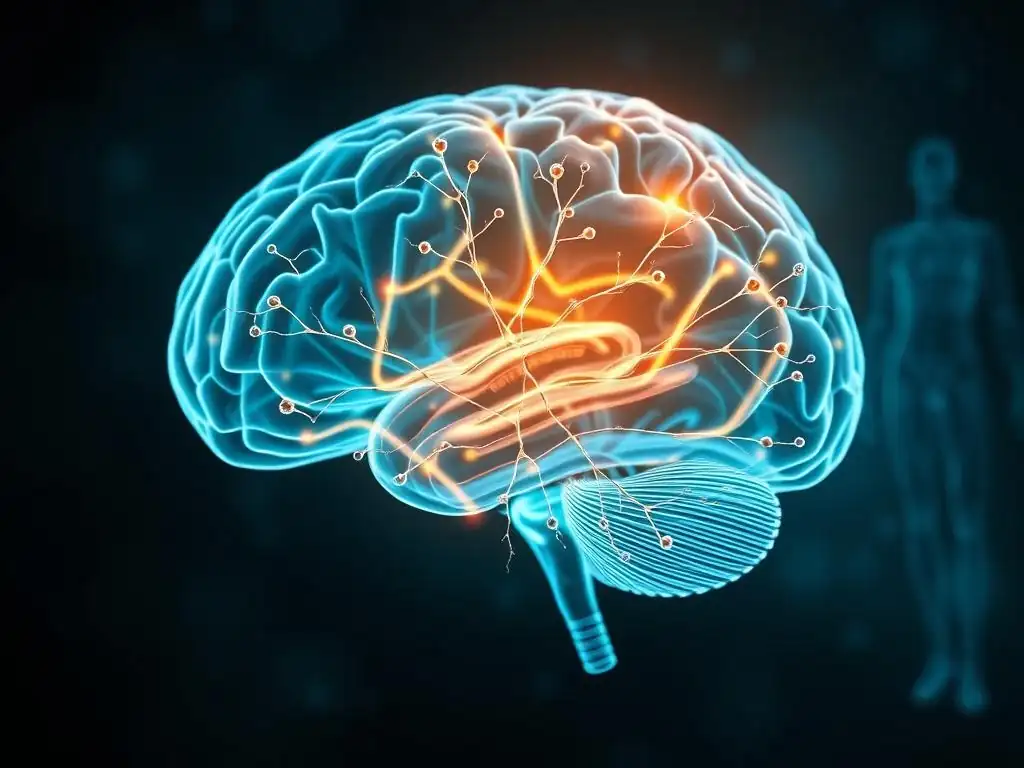
Welcome to Mind Care Guide, your sanctuary for understanding and nurturing your mental well-being. Ever wonder how your body reacts to stress, and what part of your brain is at the very heart of it? Dive into our exploration of the stress response hypothalamus regulation, a critical process we'll unravel, offering insights and practical knowledge to empower you on your journey to a calmer, healthier mind. Let's begin!
The Hypothalamus: Master Regulator of the Stress Response
- Introduction: The Hypothalamus and its Role in Stress
- Hypothalamic Anatomy and Functions
- The Stress Response: Examination
- Hypothalamic Regulation of the HPA Axis
- Hypothalamus and Chronic Stress: Implications
- Feedback Mechanisms and Control
- Hypothalamic Dysfunction and Stress-Related Disorders
- Strategies for Hypothalamic Health and Stress Management
- Conclusion: The Hypothalamus and Stress Management
-
Frequently Asked Questions
- What is the hypothalamus, and why is it important in the context of stress?
- How does the hypothalamus initiate the stress response?
- What is the HPA axis, and how does the hypothalamus control it?
- What role does cortisol play in the stress response, and how is it regulated by the hypothalamus?
- What can be done to support healthy hypothalamus function and better stress response hypothalamus regulation?
- Final Reflection: The Enduring Power of the Hypothalamus in Stress Management
- Unlock Your Body's Stress Resilience
Introduction: The Hypothalamus and its Role in Stress
Hypothalamic Importance in Homeostasis
The hypothalamus, a small yet profoundly influential region located deep within the brain, serves as a critical control center for maintaining homeostasis—the body's stable internal environment. This vital structure acts as a crucial link between the nervous system and the endocrine system, regulating a vast array of physiological processes essential for survival. From controlling body temperature and sleep cycles to managing hunger, thirst, and emotional responses, the hypothalamus ensures that the body's internal conditions remain within optimal ranges despite external fluctuations.
Its role extends significantly to governing the autonomic nervous system, which controls involuntary bodily functions like heart rate, digestion, and respiration. This regulatory capacity is fundamental, as deviations from homeostasis can trigger various physiological and psychological responses aimed at restoring balance. The hypothalamus's ability to monitor internal states and initiate corrective actions is paramount, especially when the body is confronted with perceived threats or challenges, commonly known as stressors.
Stress and the Brain: Biological Impact
Stress is not merely a psychological state; it has profound and measurable biological impacts on the brain and body. When faced with a stressor, a complex cascade of neural and hormonal events is initiated, designed to prepare the individual to confront or escape the perceived threat. This biological response involves multiple brain regions, including the amygdala, which processes fear; the hippocampus, involved in memory formation; and crucially, the hypothalamus, which orchestrates the hormonal aspect of the stress response.
Chronic or prolonged stress can alter the structure and function of these brain areas, leading to detrimental long-term effects. For example, persistent high levels of stress hormones, such as cortisol, can impair hippocampal neurogenesis (the creation of new neurons) and even reduce its volume. This can affect memory, learning, and emotional regulation. Understanding the biological underpinnings of stress, particularly the central role of the hypothalamus, is key to appreciating how stress impacts mental and physical health.
Hypothalamic Orchestration of the Stress Response
The hypothalamus stands as the primary orchestrator of the body's physiological response to stress. It acts as a central processing unit, receiving signals about potential threats from various brain regions and sensory inputs. Upon detecting a stressor, the hypothalamus initiates a coordinated response that involves both the rapid activation of the autonomic nervous system and the slower, more sustained activation of the endocrine system, specifically the hypothalamic-pituitary-adrenal (HPA) axis.
This dual activation system ensures the body can respond quickly to immediate danger while also preparing for potential prolonged challenges. The hypothalamus's precise timing and regulation of these pathways are critical for an effective stress response that is appropriately scaled to the perceived threat. Dysregulation in this hypothalamic orchestration can lead to an exaggerated or prolonged stress response, contributing to various stress-related health issues. The intricate stress response hypothalamus regulation is a cornerstone of how our bodies cope with challenges.
Hypothalamic Anatomy and Functions
Location and Structure
The hypothalamus is a small, almond-sized structure situated at the base of the brain, just below the thalamus and above the pituitary gland. It forms part of the diencephalon, a major division of the forebrain. Despite its small size, approximately 4 cubic centimeters in humans, it is densely packed with clusters of neurons organized into distinct nuclei, each specialized for regulating specific physiological processes.
These nuclei are interconnected with numerous other brain regions, including the limbic system (involved in emotion and memory), the cerebral cortex (responsible for higher-level processing), and the brainstem (regulating vital functions). This extensive connectivity allows the hypothalamus to receive a wide range of information about the body's internal state and external environment, enabling it to coordinate complex responses. Its strategic location, connecting the brain to the pituitary gland via the pituitary stalk (infundibulum), facilitates its role as a neuroendocrine transducer.
Key Functions Regulated by the Hypothalamus
The hypothalamus is a master regulator controlling an astonishing array of bodily functions essential for life. Its regulatory duties include:
- Thermoregulation: Maintaining stable body temperature (e.g., sweating when hot, shivering when cold).
- Fluid and Electrolyte Balance: Regulating thirst and the release of antidiuretic hormone (ADH) to control water retention.
- Energy Balance: Controlling hunger, satiety, and metabolism through hormones like leptin and ghrelin.
- Sleep-Wake Cycles: Influencing circadian rhythms through the suprachiasmatic nucleus (SCN).
- Reproduction: Releasing gonadotropin-releasing hormone (GnRH) to regulate the reproductive system.
- Emotional Responses: Modulating behaviors related to aggression, fear, and pleasure.
- Stress Response: Activating the sympathetic nervous system and the HPA axis.
These functions are tightly integrated, demonstrating the hypothalamus's central role in coordinating the body's internal state. For example, dehydration (fluid balance) can impact body temperature (thermoregulation) and trigger a stress response.
The Hypothalamus-Pituitary-Adrenal (HPA) Axis
The HPA axis is a crucial neuroendocrine pathway that mediates the body's response to stress, and the hypothalamus is its principal initiator. This axis involves a chain reaction starting in the brain and extending to the adrenal glands located atop the kidneys. The hypothalamus, pituitary gland, and adrenal glands communicate through a complex interplay of hormones.
This axis is fundamental to the stress response hypothalamus regulation. When the hypothalamus perceives a stressor, it releases corticotropin-releasing hormone (CRH). CRH then travels to the pituitary gland, prompting the release of adrenocorticotropic hormone (ACTH). ACTH, in turn, stimulates the adrenal glands to produce and release cortisol, the primary stress hormone. This hormonal cascade prepares the body for action, increasing glucose availability, boosting cardiovascular function, and suppressing non-essential processes like digestion and immune activity.
The Stress Response: Examination
Defining Stress: Types and Impact
Stress can be defined as any stimulus, internal or external, that disrupts the body's homeostatic balance. It's a highly subjective experience, varying greatly from person to person. Stressors can be acute, such as narrowly avoiding a car accident, or chronic, like dealing with a demanding job or long-term illness. Psychologically, stress can manifest as feelings of anxiety, irritability, or overwhelm. Physiologically, it triggers a complex set of responses mediated by the brain and endocrine system.
There are generally considered three main types of stress:
- Acute Stress: The most common form, arising from recent demands and pressures. It's short-term and the body recovers quickly.
- Episodic Acute Stress: Occurs when individuals suffer acute stress frequently, often leading to a chaotic lifestyle.
- Chronic Stress: Prolonged and grinding stress that wears on a person continuously, often stemming from difficult life circumstances.
The type and duration of stress significantly impact the body's response and potential health consequences. While acute stress can be adaptive, chronic stress is often detrimental, contributing to conditions like heart disease, digestive problems, and mental health disorders.
Immediate Response: Fight or Flight
The immediate, rapid response to an acute stressor is the "fight or flight" response, also known as the acute stress response or hyperarousal. This is primarily mediated by the sympathetic branch of the autonomic nervous system. Upon detecting a sudden threat, the hypothalamus signals the adrenal medulla (part of the adrenal gland) via the sympathetic nervous system to release adrenaline (epinephrine) and noradrenaline (norepinephrine).
These catecholamines flood the bloodstream within seconds, causing immediate physiological changes: increased heart rate and blood pressure, rapid breathing, dilated pupils, increased muscle tension, and redirection of blood flow away from digestion and towards large muscle groups. This rapid mobilization of energy and resources prepares the body to either confront the threat (fight) or escape it (flight). This quick reaction is a primitive survival mechanism, crucial for responding to immediate danger.
Autonomic Nervous System in the Stress Response
The autonomic nervous system (ANS) plays a critical role in the immediate stress response, acting alongside the HPA axis. The ANS is divided into two main branches: the sympathetic nervous system (SNS) and the parasympathetic nervous system (PNS). While the SNS is responsible for activating the "fight or flight" response, the PNS is responsible for the "rest and digest" state, promoting relaxation and conserving energy.
In the face of stress, the hypothalamus stimulates the SNS, leading to the rapid release of adrenaline and noradrenaline from the adrenal medulla. This sympathetic activation drives the physiological changes needed for immediate action. Once the stressor is removed, the PNS ideally takes over, working to return the body to a state of calm and restore homeostasis.
However, in cases of chronic stress, the SNS can remain overly active, or the PNS response may be blunted, leading to prolonged physiological arousal and contributing to health problems. The balance between these two branches is essential for effective stress response hypothalamus regulation.
Hypothalamic Regulation of the HPA Axis
HPA Axis Activation
The activation of the Hypothalamus-Pituitary-Adrenal (HPA) axis is the slower but more sustained component of the body's stress response, primarily initiated by the hypothalamus. When the hypothalamus receives signals indicating a stressor, whether physical (like injury) or psychological (like public speaking), it begins the process. This activation is essential for mobilizing resources over a longer period than the immediate sympathetic nervous system response.
The initial step involves the paraventricular nucleus (PVN) of the hypothalamus. Neurons in the PVN synthesize and release Corticotropin-Releasing Hormone (CRH). The amount of CRH released is proportional to the perceived severity and duration of the stressor. This precise stress response hypothalamus regulation at the CRH level determines the magnitude of the downstream hormonal cascade.
Corticotropin-Releasing Hormone (CRH)
Corticotropin-Releasing Hormone (CRH), also known as corticotropin-releasing factor (CRF), is a peptide hormone produced and secreted by neurons in the hypothalamic PVN. CRH is the primary driver of the HPA axis. Once synthesized, CRH is released into the portal vascular system, a specialized network of blood vessels connecting the hypothalamus to the anterior pituitary gland.
CRH acts as a potent signaling molecule, traveling directly to the anterior pituitary. Here, it binds to specific receptors on corticotroph cells, stimulating them to produce and release adrenocorticotropic hormone (ACTH). Elevated levels of CRH are a direct indicator of hypothalamic activation in response to stress. Dysregulation of CRH production, either too much or too little, can significantly impair the body's ability to respond appropriately to stress.
Pituitary Gland Response: ACTH Release
Upon receiving CRH from the hypothalamus, the anterior pituitary gland, located just below the hypothalamus, is stimulated to release Adrenocorticotropic Hormone (ACTH), also known as corticotropin. ACTH is another peptide hormone. The amount of ACTH released is directly dependent on the amount of CRH received from the hypothalamus.
ACTH is then released into the general bloodstream, where it travels throughout the body. Its primary target is the adrenal cortex, the outer layer of the adrenal glands. The release of ACTH by the pituitary gland represents the crucial intermediate step in the HPA axis cascade, linking the brain's signal from the hypothalamus to the adrenal glands' hormonal output.
Adrenal Glands: Cortisol Production
The final step in the HPA axis response involves the adrenal glands, small triangular organs located on top of each kidney. Specifically, ACTH from the pituitary gland stimulates the adrenal cortex to produce and release glucocorticoids, the most prominent of which in humans is cortisol. Cortisol is a steroid hormone often referred to as the "stress hormone."
Cortisol plays a vital role in the stress response by influencing various physiological processes to help the body cope. It increases blood glucose levels by promoting gluconeogenesis (glucose production) and inhibiting glucose uptake in peripheral tissues, providing energy for muscles and the brain. Cortisol also suppresses immune responses, reduces inflammation, and influences mood, motivation, and fear processing. The sustained release of cortisol, triggered by the initial hypothalamic signal, is a key feature of the body's adaptation to prolonged stress.
Hypothalamus and Chronic Stress: Implications
Chronic Stress Effects on Hypothalamic Function
Chronic stress, defined as prolonged exposure to stressors without adequate periods of recovery, can significantly impair hypothalamic function. While the hypothalamus is designed to initiate the stress response, continuous activation can lead to maladaptation. One major effect is changes in the production and release patterns of CRH. Instead of a pulsatile release that is tightly regulated, chronic stress can lead to persistently elevated levels of CRH or altered sensitivity to feedback signals.
For example, studies in animal models exposed to chronic unpredictable stress show altered gene expression in the hypothalamic PVN, leading to increased CRH synthesis and release. This constant signaling can overstimulate the entire HPA axis, leading to downstream effects throughout the body. The hypothalamus's ability to accurately assess and respond to new stressors can also be compromised under chronic stress, potentially leading to an exaggerated or blunted response depending on the specific stressor and individual vulnerability.
HPA Axis Dysregulation in Chronic Stress
Chronic stress frequently results in dysregulation of the entire HPA axis, not just the hypothalamus. This dysregulation can manifest in several ways, but a common pattern is hypercortisolism – persistently elevated levels of cortisol in the bloodstream. This occurs because the constant hypothalamic stimulation via CRH leads to continuous ACTH release from the pituitary, driving the adrenal glands to produce excessive cortisol.
Evidence from studies on individuals with chronic work stress or caregiver burden often shows higher baseline cortisol levels compared to their less stressed counterparts. For instance, a meta-analysis of studies on chronic stress and cortisol found that individuals experiencing long-term stress often exhibit higher diurnal cortisol levels, particularly in the evenings, disrupting the natural daily rhythm. This sustained high cortisol state is not adaptive and contributes to a range of negative health outcomes. The delicate stress response hypothalamus regulation breaks down under chronic pressure.
Chronic Stress Impact on Hypothalamic Structure and Function
Beyond hormonal changes, chronic stress can induce structural and functional alterations within the hypothalamus itself. Research, particularly in animal models of chronic stress, has shown changes in neuronal morphology and synaptic plasticity in the PVN. For example, chronic social defeat stress in rodents has been shown to alter dendritic branching and spine density in PVN neurons, suggesting physical changes that could affect their excitability and CRH release.
Furthermore, chronic stress can affect the expression of receptors within the hypothalamus, such as glucocorticoid receptors (GRs) and mineralocorticoid receptors (MRs), which are crucial for the feedback regulation of the HPA axis. A reduction in GR sensitivity or expression in the hypothalamus can impair its ability to detect high cortisol levels and dampen the stress response, contributing to the cycle of hyperactivation. These physical and functional changes underline how chronic stress remodels the very brain region meant to manage it.
Chronic Stress, Hypothalamic Dysfunction, and Mental Health
The link between chronic stress, hypothalamic dysfunction, and mental health disorders is increasingly clear. Dysregulation of the HPA axis, often rooted in altered hypothalamic function, is implicated in the pathophysiology of several conditions. For example, major depressive disorder is frequently associated with HPA axis hyperactivity, characterized by elevated CRH and cortisol levels, and impaired feedback sensitivity, potentially stemming from hypothalamic changes.
Similarly, anxiety disorders, including generalized anxiety disorder and panic disorder, are often linked to a hyperactive stress response system, where the hypothalamus may be overly sensitive to perceived threats, leading to excessive CRH release. Post-traumatic stress disorder (PTSD), while sometimes showing a more complex cortisol profile (often lower baseline cortisol but exaggerated responses to trauma cues), also involves significant HPA axis disruption originating from altered brain circuits, including the hypothalamus. This highlights how compromised stress response hypothalamus regulation can contribute directly to psychological distress and mental illness.
Feedback Mechanisms and Control
Cortisol's Role in Regulating the HPA Axis
Cortisol, the end-product of the HPA axis activation, plays a crucial role in regulating its own activity through feedback mechanisms. Once cortisol levels in the bloodstream rise, this hormone acts on various tissues throughout the body, including the brain. Within the brain, cortisol binds to specific receptors, primarily glucocorticoid receptors (GRs) and mineralocorticoid receptors (MRs), located in key areas involved in the stress response, such as the hypothalamus, pituitary gland, and hippocampus.
This binding provides a signal back to these areas about the current level of stress hormones. This feedback is essential for preventing the stress response from becoming excessive or prolonged. It's a sophisticated control system designed to ensure that the body's response is proportionate to the stressor and is turned off once the threat has passed.
Negative Feedback Loops
The primary mechanism by which cortisol regulates the HPA axis is through negative feedback loops. When cortisol levels are high, cortisol binds to GRs and MRs in the hypothalamus and pituitary gland. In the hypothalamus, cortisol inhibits the release of CRH. In the anterior pituitary, cortisol inhibits the release of ACTH and also reduces the sensitivity of corticotroph cells to CRH.
These inhibitory signals reduce the stimulation of the adrenal glands, leading to a decrease in cortisol production and release. This negative feedback loop acts like a thermostat, turning down the heat (stress response) when the temperature (cortisol levels) gets too high. The hippocampus also plays a significant role in negative feedback; it has a high density of GRs and signals the hypothalamus to inhibit CRH release when cortisol is elevated. Effective stress response hypothalamus regulation relies heavily on these functional negative feedback mechanisms.
Hypothalamic Response to Hormone Fluctuations
The hypothalamus is highly sensitive to fluctuations in hormone levels, not just cortisol but also other hormones that can influence the stress response indirectly. For example, sex hormones like estrogen and testosterone can modulate HPA axis activity and influence CRH production. Cytokines, signaling molecules released by the immune system, can also stimulate the hypothalamus to activate the HPA axis, explaining why illness often triggers a stress response.
The hypothalamus constantly monitors these hormonal signals, integrating them with neural inputs from other brain regions. Its ability to detect changes and adjust CRH release accordingly is fundamental to maintaining hormonal balance and regulating the stress response effectively. Impaired sensitivity or responsiveness of hypothalamic receptors to these hormonal cues can disrupt the delicate balance of the HPA axis, contributing to chronic stress-related issues.
Hypothalamic Impairment and Anxiety Disorders
Hypothalamic dysfunction is strongly implicated in the development and maintenance of anxiety disorders. Conditions such as generalized anxiety disorder (GAD), panic disorder, and social anxiety disorder are often characterized by a state of hyperarousal and an exaggerated response to perceived threats. This can stem from an overly sensitive hypothalamus that releases excessive amounts of CRH in response to relatively minor stressors.
Research suggests that individuals with anxiety disorders may exhibit altered CRH receptor expression or signaling within the hypothalamus or other connected brain regions. This could lead to a lower threshold for activating the HPA axis, resulting in more frequent and intense physiological stress responses (like increased heart rate, sweating, and muscle tension) typical of anxiety symptoms. For instance, studies using fMRI have shown increased activity in the hypothalamic region when individuals with anxiety disorders are exposed to anxiety-provoking stimuli.
Hypothalamus in Depression and Mood Disorders
The hypothalamus plays a significant role in mood disorders, particularly major depressive disorder (MDD). A substantial subset of individuals with depression exhibits HPA axis hyperactivity, often linked to impaired hypothalamic regulation. This hyperactivity manifests as elevated CRH levels in the cerebrospinal fluid and increased cortisol secretion, sometimes with a flattened diurnal rhythm.
The proposed mechanism involves a failure of the negative feedback loop, possibly due to reduced sensitivity or number of glucocorticoid receptors in the hypothalamus and hippocampus. This means the hypothalamus continues to release CRH even when cortisol levels are high, perpetuating the stress response. For example, some studies show that individuals with severe depression fail to suppress cortisol levels adequately in response to a dexamethasone suppression test, which challenges the HPA axis feedback system, pointing towards hypothalamic or pituitary dysregulation. This disrupted stress response hypothalamus regulation is a key biological correlate of depression in many cases.
Hypothalamic Contributions to PTSD
Post-traumatic stress disorder (PTSD) is a complex stress-related disorder often associated with HPA axis abnormalities, though the pattern can differ from depression. While some individuals with PTSD show normal or even lower-than-normal baseline cortisol levels, they often exhibit an exaggerated release of stress hormones, particularly adrenaline, in response to trauma-related cues. The hypothalamus's role in PTSD is complex but involves altered sensitivity to CRH and potentially enhanced activation of the sympathetic nervous system.
Research suggests that individuals with PTSD may have heightened sensitivity to CRH, meaning a smaller amount of this hypothalamic hormone triggers a stronger response from the pituitary and adrenal glands. Additionally, the negative feedback system, particularly involving the hippocampus, may be impaired, although the exact mechanisms are still under investigation. The hypothalamus, receiving inputs from a hyperactive amygdala (involved in fear processing), may be constantly primed to initiate a stress response upon encountering reminders of the trauma, contributing to symptoms like hypervigilance and exaggerated startle response.
Hypothalamic Involvement in Eating Disorders
The hypothalamus is a central regulator of appetite, metabolism, and energy balance, making it intrinsically involved in eating disorders like anorexia nervosa and bulimia nervosa. Stress and HPA axis dysfunction are frequently observed in individuals with these conditions, and hypothalamic dysregulation likely plays a role.
In anorexia nervosa, for instance, there are often elevated levels of CRH and cortisol, which can contribute to symptoms like amenorrhea (loss of menstruation) and bone density loss, both influenced by chronic stress hormones. The hypothalamic dysregulation of appetite-regulating hormones (like leptin, ghrelin, and neuropeptide Y) is also a core feature. While the relationship is complex and bidirectional (eating disorder behaviors also impact hypothalamic function), the hypothalamus's dual role in stress response and energy balance places it at the center of the interplay between stress, mood, and disordered eating behaviors.
Strategies for Hypothalamic Health and Stress Management
Lifestyle Modifications for Stress Reduction
Given the hypothalamus's central role in the stress response, adopting lifestyle modifications aimed at reducing stress is crucial for supporting hypothalamic health and overall well-being. Simple, consistent changes can significantly impact the HPA axis and help restore balanced stress response hypothalamus regulation. Strategies include:
- Prioritizing Sleep: Aim for 7-9 hours of quality sleep per night. Poor sleep disrupts circadian rhythms, which are regulated by the hypothalamus, and can increase cortisol levels.
- Regular Physical Activity: Exercise is a powerful stress reliever. It helps metabolize excess stress hormones and promotes the release of endorphins, which have mood-boosting effects. Aim for at least 150 minutes of moderate-intensity aerobic exercise per week.
- Balanced Nutrition: Eating a diet rich in whole foods, fruits, vegetables, lean protein, and healthy fats supports overall brain function and provides the necessary nutrients for hormone synthesis and regulation. Avoiding excessive sugar and processed foods can help stabilize blood sugar, which can otherwise trigger a stress response.
Sleep, Diet, and Exercise
These three pillars of health are particularly impactful on hypothalamic function and stress regulation. Sleep deprivation, even for a single night, can increase sympathetic nervous system activity and elevate cortisol levels, disrupting the delicate balance controlled by the hypothalamus. Chronic sleep restriction further impairs HPA axis regulation.
Dietary choices also directly influence the hypothalamus. Nutrients are required for neurotransmitter and hormone synthesis. Furthermore, the gut-brain axis, a bidirectional communication pathway between the gut and the brain, heavily involves the hypothalamus. A healthy diet supports a healthy gut microbiome, which in turn can influence mood and stress resilience. Exercise not only helps burn off stress hormones but also promotes neurogenesis, potentially counteracting some of the negative structural effects of chronic stress on brain regions like the hippocampus, which provides feedback to the hypothalamus.
Mindfulness and Meditation
Mindfulness and meditation practices are increasingly recognized for their ability to modulate the stress response and positively influence brain areas involved in stress, including the hypothalamus. These practices involve focusing attention on the present moment without judgment, which can reduce the perception of stress and anxiety.
Regular meditation has been shown in studies to reduce the size of the amygdala (the brain's fear center) and increase the density of gray matter in areas associated with attention and self-awareness, potentially altering the signals sent to the hypothalamus about perceived threats. By calming the nervous system and reducing the initial stress signal, mindfulness techniques can help prevent the excessive activation of the HPA axis, fostering better stress response hypothalamus regulation over time. Even short daily practices, like 10-15 minutes of focused breathing, can have cumulative benefits.
Therapies Targeting Hypothalamic Function
While therapies don't directly target the hypothalamus with medication in the same way they target other organs, many psychological and pharmacological interventions for stress-related disorders work by indirectly modulating hypothalamic activity and HPA axis function. Cognitive Behavioral Therapy (CBT), for example, helps individuals identify and change negative thought patterns and behaviors that contribute to stress. By altering how a stressor is perceived, CBT can reduce the initial signal sent to the hypothalamus, thereby dampening the subsequent stress response.
Pharmacological treatments for depression and anxiety, such as SSRIs, can influence neurotransmitter systems that interact with the HPA axis and indirectly affect hypothalamic CRH release. In some severe cases of depression with marked HPA axis hyperactivity, medications that modulate cortisol receptors or synthesis are being explored, though these are not standard treatments. The goal of these therapies is often to restore a more balanced and appropriate stress response hypothalamus regulation.
Conclusion: The Hypothalamus and Stress Management
Recap of Hypothalamic Role
The hypothalamus is an indispensable component of the brain's stress response system. Acting as the master biological regulator, it initiates the cascade of events that prepare the body to cope with perceived threats. Through its central role in the HPA axis, the hypothalamus releases CRH, triggering the release of ACTH from the pituitary and ultimately cortisol from the adrenal glands. This intricate stress response hypothalamus regulation is vital for short-term survival and adaptation.
Beyond initiating the hormonal response, the hypothalamus integrates signals from various brain regions and the body's internal state, coordinating both the rapid autonomic nervous system activation and the slower endocrine response. Its influence extends to vital functions like sleep, appetite, and mood, all of which are profoundly affected by stress.
Maintaining a Healthy Hypothalamus
Maintaining the health and optimal function of the hypothalamus is paramount for effective stress management and overall mental well-being. While we cannot directly "treat" the hypothalamus in isolation, supporting its function involves adopting holistic strategies that promote a balanced stress response. This includes prioritizing sufficient sleep, engaging in regular physical exercise, nourishing the body with a balanced diet, and practicing stress-reduction techniques like mindfulness or meditation.
These lifestyle interventions work by reducing the frequency and intensity of stress signals reaching the hypothalamus and by supporting the brain's overall resilience and ability to restore homeostasis. By reducing chronic stress exposure and fostering healthy habits, individuals can help prevent the maladaptive changes in hypothalamic function that contribute to stress-related disorders.
Future Directions in Research
Research into the hypothalamus and its role in stress response continues to evolve, offering promising avenues for future interventions. Scientists are exploring the precise molecular and cellular changes that occur in hypothalamic neurons under chronic stress and how these changes contribute to HPA axis dysregulation. Understanding the specific genes and pathways involved could lead to the development of more targeted pharmacological treatments.
Furthermore, research is investigating the complex interplay between the hypothalamus, the gut microbiome, and the immune system in modulating stress and mental health. Advances in neuroimaging techniques are also providing more detailed insights into hypothalamic activity in real-time in humans experiencing stress. These ongoing efforts aim to unravel the complexities of stress response hypothalamus regulation and pave the way for more effective strategies to prevent and treat stress-related disorders.
Frequently Asked Questions
What is the hypothalamus, and why is it important in the context of stress?
The hypothalamus is a small but critical brain region that acts as the central command center for many bodily functions. It plays a key role in regulating the stress response by initiating the release of hormones.
How does the hypothalamus initiate the stress response?
The hypothalamus activates the hypothalamic-pituitary-adrenal (HPA) axis when it perceives a stressor. This triggers the release of corticotropin-releasing hormone (CRH), which starts a cascade of hormonal events.
What is the HPA axis, and how does the hypothalamus control it?
The HPA axis is a neuroendocrine system that controls reactions to stress. The hypothalamus controls it by releasing CRH, which then stimulates the pituitary gland to release ACTH, ultimately leading to cortisol production.
What role does cortisol play in the stress response, and how is it regulated by the hypothalamus?
Cortisol is a stress hormone that provides energy and suppresses non-essential functions during stress. The hypothalamus helps regulate cortisol levels through feedback loops within the HPA axis, adjusting hormone release based on cortisol levels.
What can be done to support healthy hypothalamus function and better stress response hypothalamus regulation?
Lifestyle changes like regular exercise, mindfulness practices, and adequate sleep can positively impact the hypothalamus and promote better stress response hypothalamus regulation. Seeking professional help for chronic stress is also crucial.
Final Reflection: The Enduring Power of the Hypothalamus in Stress Management
The intricate dance between the hypothalamus and our stress response remains profoundly relevant today, as chronic stress continues to plague modern life. Understanding this delicate balance is not merely an academic pursuit; it's a crucial step towards reclaiming our well-being in a world increasingly demanding our resilience. The implications of hypothalamic dysfunction extend far beyond simple anxiety, impacting our physical and mental health in profound and lasting ways.
The exploration of the hypothalamus's role in stress regulation has profoundly shifted my understanding of the interconnectedness of mind and body. It's a stark reminder that our internal landscape is not a battlefield of isolated systems, but a complex orchestra where each instrument plays a vital role. The body keeps the score,
as Bessel van der Kolk eloquently puts it, highlighting the lasting impact of stress on our physiological systems, a narrative deeply intertwined with the hypothalamus's tireless work. This understanding underscores the importance of holistic approaches to stress management, moving beyond quick fixes to address the root causes of imbalance.
Now, consider your own relationship with stress. How does this newfound knowledge about the hypothalamus's crucial role reshape your understanding of your body's response to pressure? I invite you to explore mindful practices, prioritize sleep, and seek support when needed, recognizing the incredible power your hypothalamus holds in navigating the challenges of daily life. By nurturing this central regulator, you are not just managing stress; you are investing in a healthier, more resilient you.
Unlock Your Body's Stress Resilience
Thanks for diving deep into the fascinating world of the hypothalamus and its role in stress management! We hope you gained valuable insights into how this incredible part of your brain impacts your well-being. Now, let's put that knowledge into action:
- Prioritize one small self-care ritual daily: This could be anything from a mindful breathing exercise to enjoying a warm cup of tea – focus on something that truly helps you relax and recharge. This is your key takeaway to integrate the knowledge from this article.
- Share this article with someone who might benefit: Help spread awareness about stress management and the powerful role of the hypothalamus.
- Explore MindCareGuide.org for more articles on stress and well-being: Discover additional strategies and resources to help you thrive in the face of daily challenges.
What small step will you take today to better understand and manage your body's stress response?