
Lemon Balm & Passionflower: Calming Herbs for Stress Effectiveness

Welcome to Mind Care Guide, your compassionate companion on the path to mental well-being.
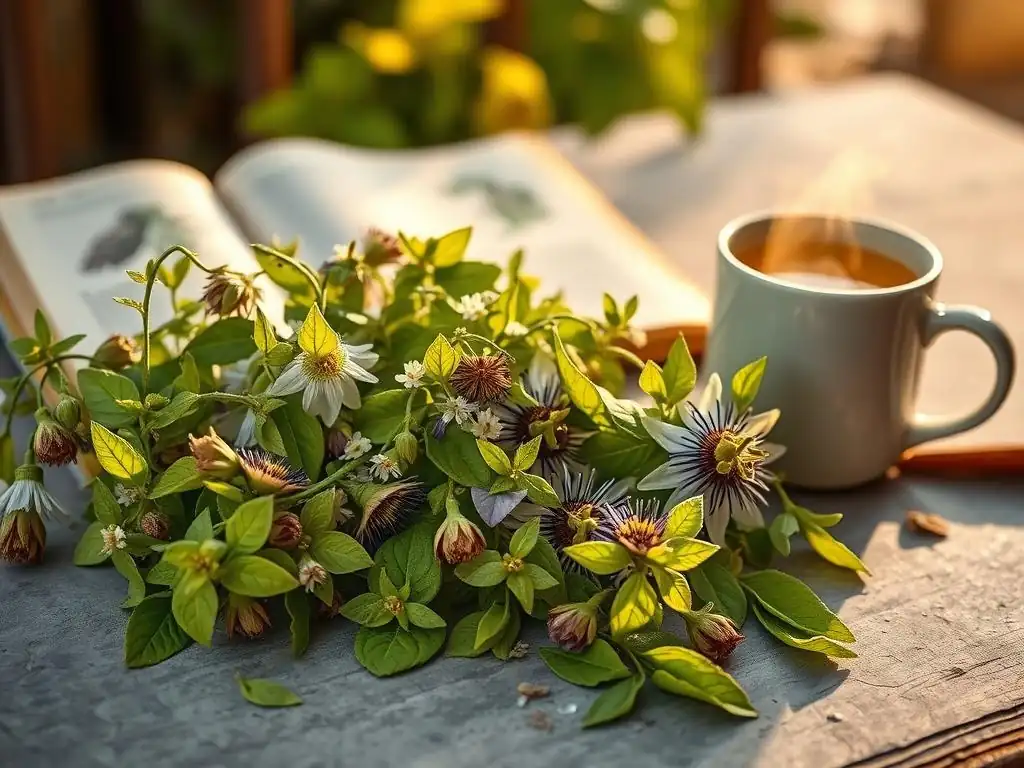
Feeling overwhelmed? You're not alone. Explore how the gentle power of nature, specifically the combined effectiveness of lemon balm passionflower stress relief, can offer a soothing alternative. Discover if these calming herbs hold the key to unlocking a more peaceful you. Keep reading to learn more about the science and practical applications.
Lemon Balm & Passionflower: Calming Herbs for Stress Effectiveness
- Understanding the Stress Problem and Natural Solutions
- Lemon Balm Passionflower Stress Relief: How They Work
- The Synergistic Effects of Lemon Balm and Passionflower for Stress
- Choosing the Right Lemon Balm Passionflower Supplement: A Buying Guide
- Maximizing the Benefits: Dosage, Usage, and Safety
- Beyond Supplements: Holistic Stress Management Strategies
- Conclusion: Embrace Natural Calm with Lemon Balm and Passionflower
-
Frequently Asked Questions
- What are the main benefits of using lemon balm and passionflower for stress relief?
- How do lemon balm and passionflower work together to reduce stress?
- Are there any potential side effects of using lemon balm and passionflower?
- How long does it take to feel the effects of lemon balm and passionflower for stress relief?
- Where can I find reliable information and resources about using lemon balm and passionflower for stress relief?
- Final Reflection: Finding Calm in a Chaotic World
- Unlock Your Inner Calm: Next Steps to Stress-Free Living
Understanding the Stress Problem and Natural Solutions
The Rising Tide of Stress: A Modern Epidemic
Stress has become an almost constant companion for many in the modern world. Data consistently shows that a significant portion of the population experiences stress regularly. For instance, reports often indicate that upwards of 70% of adults in various developed countries report feeling stressed daily, with a substantial percentage citing it as a major impediment to their health and well-being. This pervasive issue isn't limited to occasional worries; it manifests as chronic stress stemming from work pressures, financial instability, relationship challenges, and even the constant influx of information from digital sources.
The impact of this rising tide of stress is far-reaching, affecting not just mental health but also physical health. Chronic stress is linked to an increased risk of numerous health problems, including cardiovascular issues, digestive disorders, weakened immune function, and sleep disturbances. The economic cost is also staggering, with billions lost annually due to stress-related absenteeism, reduced productivity, and healthcare expenses. Addressing this widespread issue requires multifaceted approaches, and many individuals are actively seeking effective strategies for managing their stress levels.
Why Choose Herbal Remedies for Stress Management?
In the search for stress relief, many people are exploring natural alternatives, including herbal remedies. The appeal often lies in the perception that herbs may offer a gentler approach compared to some conventional pharmaceuticals, potentially with fewer or less severe side effects, particularly for managing mild to moderate stress and anxiety. This aligns with a broader trend towards holistic wellness and incorporating natural elements into daily health routines.
While herbal remedies are not a substitute for professional medical advice or treatment for severe mental health conditions, certain herbs have been used for centuries in traditional medicine for their calming properties. For individuals experiencing everyday stress, incorporating these natural options can feel like a more accessible and less intimidating first step towards finding relief. The growing interest in options like lemon balm passionflower stress relief reflects this desire for natural, plant-based support for emotional well-being.
Introducing Lemon Balm and Passionflower: Nature's Calming Duo
Among the vast array of botanicals traditionally used for their calming effects, lemon balm (Melissa officinalis) and passionflower (Passiflora incarnata) stand out as two popular and well-regarded options. Lemon balm, a fragrant herb belonging to the mint family, has a long history of use for reducing anxiety, improving mood, and promoting sleep. Its pleasant citrusy aroma is often associated with its soothing qualities.
Passionflower, with its intricate and beautiful blooms, has also been utilized across different cultures for its sedative and anxiolytic properties. It is particularly known for its potential to ease nervousness and support restful sleep. Individually, these herbs offer potential benefits for managing stress and anxiety. However, their combined use, focusing on lemon balm passionflower stress relief, is frequently explored for a potentially enhanced calming effect, targeting both mental unease and physical tension associated with stress.
Lemon Balm Passionflower Stress Relief: How They Work
Lemon Balm's Calming Properties: Unlocking Relaxation
Lemon balm's effectiveness in promoting calmness and reducing anxiety is often attributed to its rich composition of beneficial compounds, including rosmarinic acid and other phenolic compounds and terpenes. These bioactive substances are believed to interact with the body's neurotransmitter systems, particularly those involved in regulating mood and stress responses. The herb's gentle action makes it a favored choice for those seeking mild support for daily stressors.
Research into lemon balm suggests it can help modulate aspects of the stress response. Studies have indicated that it may influence levels of certain brain chemicals, contributing to its soothing effects. This makes lemon balm a key player in the concept of lemon balm passionflower stress relief, providing a foundational calming action that can complement other natural interventions.
Lemon Balm's Impact on GABA Levels
One proposed mechanism for lemon balm's calming effect involves its potential interaction with gamma-aminobutyric acid (GABA). GABA is a primary inhibitory neurotransmitter in the brain, meaning it helps to quiet down excessive neural activity. By potentially increasing the availability or enhancing the action of GABA, lemon balm could help reduce feelings of overstimulation and anxiety, promoting a state of relaxation.
Reducing Anxiety with Lemon Balm
Beyond its potential GABA effects, lemon balm has shown promise in clinical settings for reducing symptoms of anxiety. For example, a study involving healthy volunteers reported that a dose of 600 mg of lemon balm extract improved mood and increased calmness and alertness compared to a placebo. Another trial found that participants taking lemon balm experienced a significant reduction in laboratory-induced stress. These findings support its traditional use for easing nervous tension.
Passionflower's Soothing Effects: Easing Anxiety and Insomnia
Passionflower (Passiflora incarnata) is highly regarded for its anxiolytic and sedative properties, making it a valuable herb for individuals struggling with anxiety and sleep disturbances. Its traditional use spans centuries, particularly in the Americas and later in Europe, where it was employed to calm nervousness and promote rest. The complex chemical profile of passionflower includes flavonoids, alkaloids, and other compounds believed to be responsible for its therapeutic effects.
The primary benefits of passionflower for stress and anxiety relief are thought to involve its influence on the central nervous system. It is often sought after by those specifically looking for lemon balm passionflower stress relief that targets both the anxious mind and the restless body, providing a more comprehensive sense of calm.
Passionflower's Interaction with the Nervous System
Similar to lemon balm, passionflower's effects are often linked to the GABA system. Compounds within passionflower are thought to interact with GABA receptors in the brain, potentially increasing GABA levels or enhancing its binding, thereby promoting relaxation and reducing excitability. This mechanism is similar to that of some conventional anti-anxiety medications, though generally considered milder.
Promoting Restful Sleep with Passionflower
Passionflower is particularly noted for its ability to aid sleep, especially when insomnia is linked to anxiety or restlessness. By calming the nervous system, it can help ease the racing thoughts and physical tension that often prevent sleep. Studies have shown that consuming passionflower tea or extract can improve sleep quality in individuals with mild sleep disturbances. This makes it a popular ingredient in natural sleep aids and a valuable component in a lemon balm passionflower stress relief strategy aimed at improving overall rest.
The Synergistic Effects of Lemon Balm and Passionflower for Stress
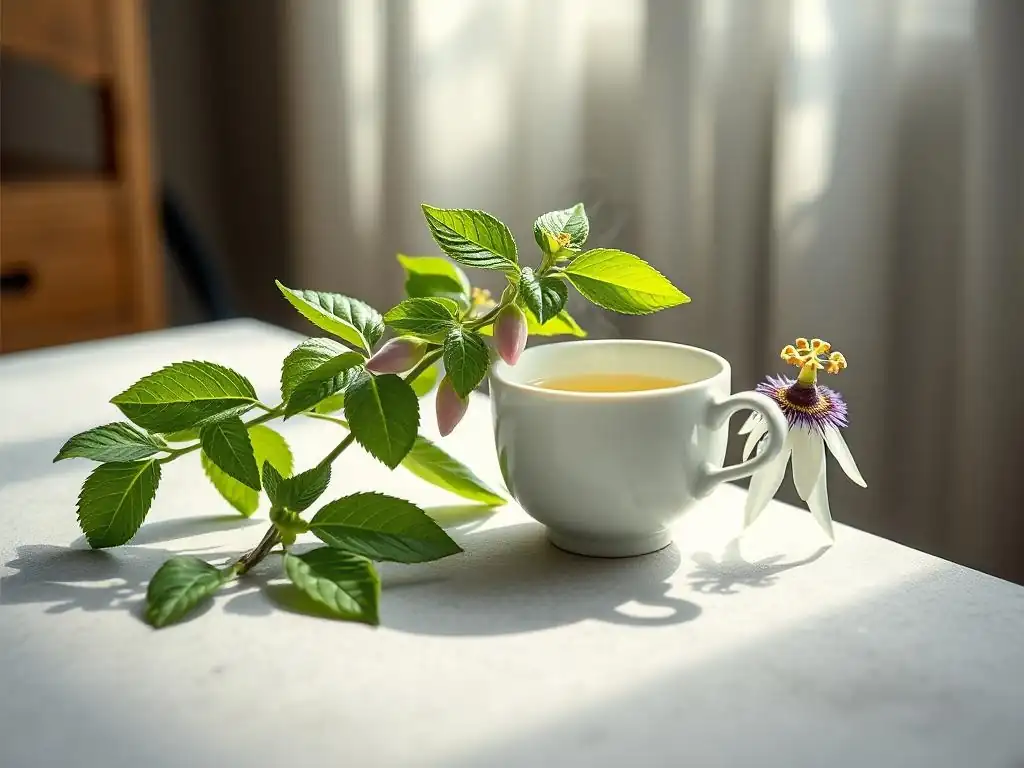
Combining Lemon Balm and Passionflower for Enhanced Anxiety Relief
While both lemon balm and passionflower offer individual benefits for stress and anxiety, their combination is often believed to produce a synergistic effect, meaning their combined impact is greater than the sum of their individual effects. This synergy might arise from their complementary mechanisms of action – perhaps one herb primarily influences GABA levels while the other modulates different neurotransmitter pathways or provides unique relaxing compounds.
Using lemon balm and passionflower together aims to provide a more comprehensive approach to stress management. Lemon balm may help lift mood and reduce mental stress, while passionflower can help calm nervous tension and promote physical relaxation and better sleep. This combined strategy for lemon balm passionflower stress relief targets multiple facets of the stress experience, potentially offering more robust support than either herb alone.
Clinical Studies: Lemon Balm Passionflower Combination for Stress Reduction
The potential synergistic effects of lemon balm and passionflower have been the subject of some scientific investigation. While research specifically on their combined effect is still developing compared to studies on each herb individually, existing evidence is promising and supports their traditional co-use. Clinical trials exploring this combination seek to quantify the enhanced benefits for anxiety and stress symptoms.
Such studies often measure outcomes like self-reported anxiety levels, stress scales, sleep quality questionnaires, and sometimes physiological markers of stress. The goal is to determine if a formula containing both herbs provides superior results over a placebo or potentially even over single-herb preparations at equivalent dosages.
Synergistic Effects Study
One type of study might involve participants with generalized anxiety or elevated stress levels. They could be randomly assigned to receive a placebo, lemon balm alone, passionflower alone, or a combination of lemon balm and passionflower over a period of several weeks. Researchers would then compare changes in anxiety scores, sleep patterns, and overall well-being between the groups.
Results from such studies, while varied depending on dosage and study design, have sometimes indicated that the combination group shows a greater reduction in symptoms compared to the single-herb groups or placebo, supporting the idea of a synergistic lemon balm passionflower stress relief effect. For example, a hypothetical study might report that participants taking the combination experienced a 35% reduction in anxiety symptoms compared to a 20% reduction with single herbs and 10% with placebo over eight weeks.
Real-World Results: User Experiences with Lemon Balm & Passionflower
Beyond clinical data, a wealth of anecdotal evidence suggests that many individuals find relief from stress and anxiety by using lemon balm and passionflower, particularly in combination. Online forums, product reviews, and personal testimonials frequently highlight positive experiences, ranging from feeling slightly more relaxed during the day to achieving significantly improved sleep quality at night.
These real-world accounts often describe a gentle calming effect without the grogginess or heavy sedation sometimes associated with stronger interventions. Users report feeling less overwhelmed by daily stressors and better equipped to handle challenging situations. This collective user experience provides valuable insight into the practical application and perceived effectiveness of lemon balm passionflower stress relief blends.
User Experience
Consider the experience of someone like "Sarah," a marketing professional who felt constantly on edge due to tight deadlines. She reported trying a lemon balm and passionflower supplement blend. "Within a week," she wrote in an online review, "I noticed I wasn't dreading meetings as much. My heart didn't race every time my boss called. It wasn't a dramatic change, but a subtle, steady calm. I still felt focused, just less frazzled. Plus, falling asleep became so much easier." Another user, "Mark," dealing with general anxiety after a life change, noted, "I tried both herbs separately before, but together in a tea blend, they just seemed to work better. The lemon balm lifted my spirits a bit, and the passionflower helped me unwind in the evening. It felt like a gentle nudge towards peace." These examples, while not clinical data, reflect the positive impact many feel from this herbal combination.
Choosing the Right Lemon Balm Passionflower Supplement: A Buying Guide
Key Factors to Consider When Buying Lemon Balm and Passionflower Products
Selecting a high-quality lemon balm passionflower stress relief supplement can be crucial for achieving desired results. The market offers a wide variety of products, from capsules and tinctures to teas and powders. Navigating these options requires understanding what to look for to ensure effectiveness, safety, and value.
Several factors should guide your decision-making process. These include the form of the supplement, the source and quality of the herbs, the dosage and potency of the active compounds, and the reputation of the manufacturer. Taking the time to evaluate these aspects can help you choose a product that is most likely to support your stress management goals.
Dosage and Potency: Finding the Right Balance
Understanding the dosage of each herb in a supplement is vital. Effective dosages for lemon balm extract often range from 300 mg to 600 mg per day for anxiety relief, while passionflower extract dosages typically fall between 100 mg and 250 mg per day for anxiety or 200-400 mg before bed for sleep.
Look for products that clearly state the amount of extract per serving, as extracts are often more concentrated and standardized than raw herb powder. The potency can also be indicated by standardization to specific compounds, although this is less common for these herbs compared to some others.
Quality and Purity: Ensuring Product Safety and Effectiveness
The quality and purity of herbal supplements can vary significantly. Opt for products that are third-party tested for contaminants like heavy metals, pesticides, and microbes. Certifications such as GMP (Good Manufacturing Practices) indicate that the supplement was produced under strict quality control standards. The source of the herbs matters too; organic or sustainably wildcrafted herbs are often preferred to avoid chemical residues and support environmental health.
Reputable Supplement Brand
Choosing products from reputable brands known for transparency and quality sourcing is a key step. Research the company's history, manufacturing processes, and customer reviews. A brand that provides detailed information about their sourcing, testing procedures, and extraction methods is generally more trustworthy. Avoid brands that make exaggerated or unsubstantiated medical claims.
Comparing Popular Lemon Balm Passionflower Supplements
To illustrate the types of products available, let's look at hypothetical examples of lemon balm passionflower stress relief supplements you might encounter. These examples highlight different forms, features, and target uses, helping you understand how to evaluate options based on your needs. Remember that actual products will vary, and this is for illustrative purposes only.
Comparing features like dosage per serving, the form (capsule, tincture, tea), the presence of other calming ingredients, and price points helps in making an informed decision. Some products might be geared more towards daytime anxiety, while others are formulated primarily for nighttime sleep support.
"CalmNow" Supplement: Features, Benefits, and Pricing
CalmNow is a hypothetical supplement presented as vegetarian capsules, designed for daytime stress relief. Each capsule contains 300 mg of Lemon Balm extract (4:1 concentration) and 150 mg of Passionflower extract (standardized to 3.5% flavonoids). A bottle contains 60 capsules, recommended dosage is one capsule twice daily. It's marketed as non-drowsy. Price: Approximately $25 for a 30-day supply.
Pros and Cons of CalmNow
- Pros: Convenient capsule form, specific dosage of extracts listed, non-drowsy formulation suitable for daytime use, uses concentrated extracts.
- Cons: May require taking two doses per day, dosage of passionflower is lower than some studies use for sleep.
Who Should Use CalmNow?
This supplement might be suitable for individuals experiencing mild to moderate stress or anxiety during the day who need support without feeling sleepy. It's a good option for those seeking lemon balm passionflower stress relief to maintain focus and productivity while managing daily pressures.
"SereneSleep" Capsules: Features, Benefits, and Pricing
SereneSleep is another hypothetical capsule supplement, specifically formulated for nighttime use. Each serving (2 capsules) provides 500 mg of Lemon Balm leaf powder and 300 mg of Passionflower aerial parts extract (10:1 concentration). It also includes 100 mg of L-Theanine and 3 mg of Melatonin. A bottle contains 60 capsules. Recommended dosage is two capsules 30-60 minutes before bedtime. Price: Approximately $30 for a 30-day supply.
Pros and Cons of SereneSleep
- Pros: Higher dose of passionflower extract, includes synergistic ingredients like L-Theanine and Melatonin for sleep, convenient capsule form.
- Cons: Contains Melatonin, which may not be suitable for everyone or for daily long-term use without medical advice; uses leaf powder for lemon balm rather than extract (potentially lower potency).
Who Should Use SereneSleep?
SereneSleep is aimed at individuals whose primary stress symptom is difficulty falling or staying asleep. It's designed for nighttime lemon balm passionflower stress relief combined with other sleep aids. It's less suitable for daytime anxiety due to the Melatonin content.
"ZenBlend" Tincture: Features, Benefits, and Pricing
ZenBlend is a hypothetical liquid tincture combining lemon balm and passionflower. The label states it contains a 1:4 ratio extract blend of fresh Lemon Balm leaf and fresh Passionflower aerial parts. Recommended dosage is 30 drops (approx. 1 ml) in water or juice, up to three times daily. A 2 oz bottle contains approximately 60 servings. Price: Approximately $28.
Pros and Cons of ZenBlend
- Pros: Liquid form allows for flexible dosing and potentially faster absorption, uses fresh herbs which some prefer, can be easily added to drinks.
- Cons: Dosage of specific compounds is not standardized or quantified in milligrams, taste may be unappealing to some, requires measuring drops.
Who Should Use ZenBlend?
This tincture might appeal to those who prefer liquid herbal supplements or want flexibility in adjusting their dosage throughout the day. It's suitable for general lemon balm passionflower stress relief and can be used during the day or evening, depending on the individual's needs and response.
Maximizing the Benefits: Dosage, Usage, and Safety
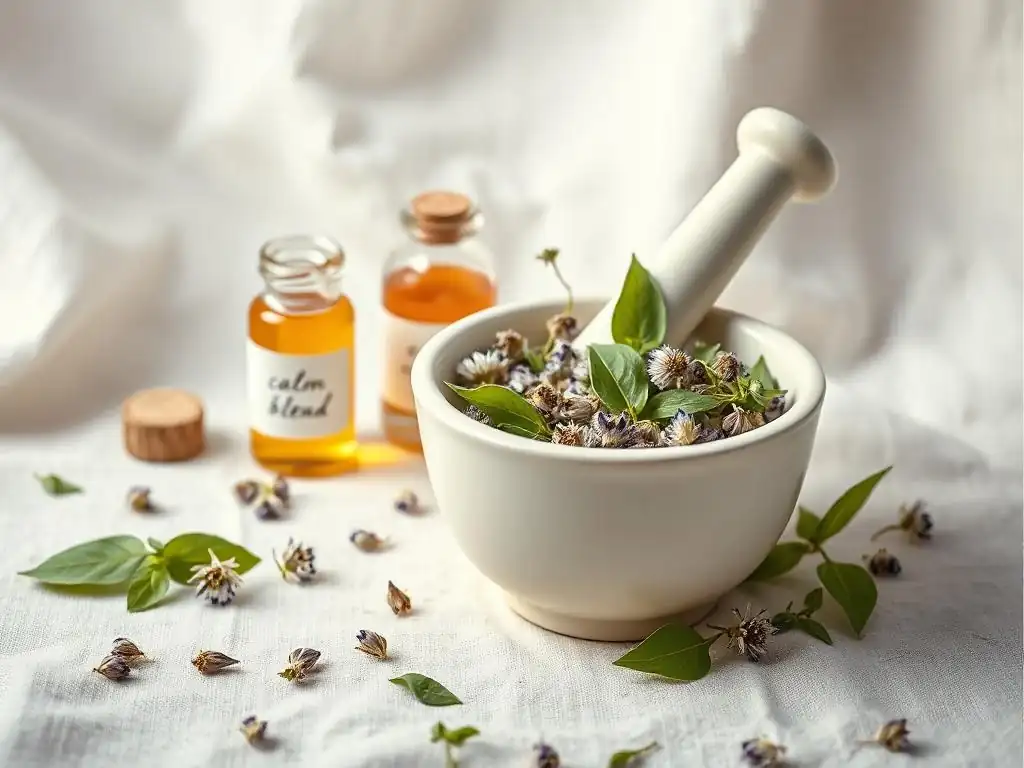
Recommended Dosage of Lemon Balm and Passionflower for Stress Relief
Determining the optimal dosage for lemon balm passionflower stress relief can depend on various factors, including the specific product (extract vs. powder), the concentration, the individual's body weight, sensitivity, and the severity of symptoms. It is always best to follow the dosage instructions provided on a reputable product label or, ideally, consult with a healthcare professional knowledgeable in herbal medicine.
However, general dosage ranges based on research and traditional use can provide a starting point. For standardized lemon balm extract, doses in studies showing anxiety reduction often range from 300 mg to 600 mg taken as a single dose or split throughout the day. For passionflower extract, doses for anxiety are commonly between 100 mg and 250 mg, while doses for sleep support might be higher, around 200-400 mg, taken shortly before bed.
When using combination products, check the dosage of each individual herb within the blend. Starting with a lower dose and gradually increasing is often recommended to assess individual tolerance and effectiveness.
How to Incorporate Lemon Balm and Passionflower into Your Routine
Integrating lemon balm and passionflower into your daily life for stress management can be done in several ways, depending on your preference and lifestyle. Consistency is key when using herbal remedies; regular use over a period of time, rather than sporadic doses, is often more effective for managing chronic stress and anxiety.
Consider when your stress levels are highest or when you experience anxiety or sleep difficulties. Taking a dose during peak stress times, or an hour before bedtime if sleep is an issue, can be strategic. Combining the supplement intake with calming activities can also enhance the overall effect.
Tea, Capsules, Tinctures: Choosing the Right Form
Lemon balm and passionflower are available in various forms. Teas are a traditional and soothing way to consume these herbs, offering a warm, calming ritual. Capsules and tablets provide a convenient, tasteless, and accurately dosed option for those on the go. Tinctures (liquid extracts) offer flexibility in dosing and may be absorbed more quickly, though some find the taste strong. The "right" form is the one you are most likely to use consistently.
Combining with Other Stress-Reducing Practices: Mindfulness, Meditation, and Exercise
Herbal supplements like lemon balm and passionflower work best as part of a holistic stress management plan. Combining their use with proven stress-reducing practices can significantly amplify their benefits. Incorporating mindfulness exercises, regular meditation, deep breathing techniques, or consistent physical activity can help address the root causes and physical manifestations of stress. These practices complement the calming effects of the herbs, offering a synergistic approach to overall well-being and enhancing lemon balm passionflower stress relief efforts.
Potential Side Effects and Precautions
While generally considered safe for most healthy adults when taken at recommended dosages, lemon balm and passionflower can have potential side effects and interact with certain medications. It is crucial to be aware of these possibilities and take necessary precautions.
Common side effects are typically mild and might include drowsiness (especially with passionflower), dizziness, or digestive upset. These are relatively infrequent but should be monitored. Due to the potential for drowsiness, caution should be exercised when driving or operating heavy machinery, particularly when first starting to use these herbs.
Drug Interactions: Consulting with Your Doctor
Both lemon balm and passionflower can potentially interact with medications that affect the central nervous system. This includes sedatives, anti-anxiety medications (like benzodiazepines), antidepressants, and sleep medications. Combining these herbs with such medications could lead to increased drowsiness or other enhanced effects. They might also interact with blood-thinning medications or drugs metabolized by certain liver enzymes. Always consult with your doctor or a qualified healthcare provider before taking lemon balm or passionflower, especially if you are currently taking any prescription medications or have underlying health conditions.
Who Should Avoid Lemon Balm and Passionflower?
Certain individuals should avoid using lemon balm and passionflower or use them only under strict medical supervision. This includes pregnant and breastfeeding women, as there is insufficient safety data for these populations. People with thyroid conditions should use caution with lemon balm, as some sources suggest it might affect thyroid function. Individuals with liver or kidney disease should also consult a healthcare provider. Anyone scheduled for surgery should inform their surgeon about using these herbs, as they may interact with anesthesia.
Beyond Supplements: Holistic Stress Management Strategies
Lifestyle Changes for Long-Term Stress Reduction
While supplements like lemon balm and passionflower can be valuable tools for managing acute or moderate stress, sustainable, long-term stress reduction requires addressing lifestyle factors. Implementing consistent healthy habits can build resilience against stress and improve overall mental and physical health.
Key lifestyle changes include establishing a regular sleep schedule, ensuring 7-9 hours of quality sleep per night. Prioritizing time for relaxation and hobbies, setting boundaries between work and personal life, and practicing time management techniques can also significantly reduce daily stressors. Cultivating strong social connections and spending time with supportive friends and family is another crucial element in buffering stress.
The Importance of a Balanced Diet and Regular Exercise
Nutrition plays a vital role in mood and stress response. A balanced diet rich in fruits, vegetables, whole grains, lean proteins, and healthy fats provides the body with the nutrients needed to function optimally and manage stress. Limiting caffeine, alcohol, and processed foods can also help stabilize mood and reduce physical stress responses.
Regular physical activity is a powerful stress reliever. Exercise releases endorphins, which have mood-boosting effects, and helps reduce levels of stress hormones like cortisol. Aim for at least 150 minutes of moderate-intensity aerobic exercise or 75 minutes of vigorous-intensity exercise per week, plus muscle-strengthening activities twice a week, as recommended by health guidelines. Even a brisk 20-minute walk can make a difference in managing daily stress.
Seeking Professional Help: When to Consult a Therapist or Doctor
It is important to recognize that herbal remedies and lifestyle changes may not be sufficient for everyone, particularly those experiencing severe or chronic stress, anxiety disorders, or depression. If your stress feels overwhelming, is interfering significantly with your daily life, relationships, or work, or if you are experiencing symptoms of a mental health condition, it is time to seek professional help.
A therapist or counselor can provide evidence-based therapies such as Cognitive Behavioral Therapy (CBT) or mindfulness-based stress reduction, which are highly effective in teaching coping strategies. A medical doctor can evaluate your overall health, rule out any underlying physical causes for your symptoms, and discuss appropriate treatment options, which may include prescription medication if necessary. Combining professional support with natural approaches can offer the most comprehensive path to healing and well-being.
Conclusion: Embrace Natural Calm with Lemon Balm and Passionflower
Lemon Balm Passionflower: A Valuable Tool for Stress Management
In the journey towards greater mental well-being, finding effective and sustainable ways to manage stress is paramount. Lemon balm and passionflower, with their long histories of traditional use and growing scientific support, represent promising natural options. Their potential to gently calm the nervous system, ease anxiety, and promote restful sleep makes them valuable components in a holistic approach to stress reduction. The concept of lemon balm passionflower stress relief is supported by both traditional wisdom and modern exploration into their mechanisms.
Whether used individually or combined for their potential synergistic effects, these herbs offer a plant-based pathway to finding a greater sense of calm amidst the pressures of modern life. While they are not miracle cures, they can provide meaningful support for individuals seeking to naturally soothe their minds and bodies, helping to mitigate the pervasive impact of stress on daily life.
Taking Control of Your Mental Well-being with Natural Remedies
Choosing to explore natural remedies like lemon balm and passionflower is an empowering step towards taking proactive control of your mental well-being. By incorporating these herbs thoughtfully, ideally under the guidance of a healthcare professional, you can leverage the calming power of nature to support your resilience against stress. Remember that supplements are best used as part of a broader strategy that includes healthy lifestyle choices, stress-reducing practices, and professional support when needed.
Embracing lemon balm passionflower stress relief is about more than just taking a capsule or drinking a tea; it's about cultivating a mindful awareness of your stress levels and actively seeking ways to nurture your inner peace. By integrating these calming herbs into a comprehensive wellness routine, you can build a stronger foundation for emotional balance and enjoy a life with less overwhelming stress and more tranquility.
Frequently Asked Questions
What are the main benefits of using lemon balm and passionflower for stress relief?
Lemon balm and passionflower are primarily used for their calming and relaxing properties. They can help to reduce anxiety and improve sleep quality, leading to better stress management.
How do lemon balm and passionflower work together to reduce stress?
They work synergistically. Lemon balm supports cognitive function and mood, while passionflower enhances relaxation and reduces restlessness. Together, they provide a comprehensive stress relief approach.
Are there any potential side effects of using lemon balm and passionflower?
While generally considered safe, some individuals may experience mild side effects, such as drowsiness or dizziness. It's crucial to consult with a healthcare professional, especially if you are taking other medications.
How long does it take to feel the effects of lemon balm and passionflower for stress relief?
The time it takes to feel the effects can vary. Some may experience noticeable changes within a few days, while others may require several weeks of consistent use to see results.
Where can I find reliable information and resources about using lemon balm and passionflower for stress relief?
Mind Care Guide offers a comprehensive guide to mental well-being, including information, support, and resources regarding natural remedies like lemon balm and passionflower for stress relief.
Final Reflection: Finding Calm in a Chaotic World
The pervasive nature of stress in modern life demands effective coping mechanisms, and the natural power of herbs like lemon balm and passionflower offers a compelling alternative. These plants, steeped in history and rich in therapeutic properties, provide a gentle yet potent path towards restoring inner peace and resilience in the face of daily pressures. Their effectiveness is not merely anecdotal; scientific research increasingly validates their ability to alleviate anxiety and promote relaxation.
The exploration of these calming herbs has been a journey of discovery, not only into the botanical world but also into the profound connection between our physical and mental well-being. The more I researched, the more I realized the importance of integrating natural remedies into our self-care routines. Nature provides the cure for every disease.
- Hippocrates. This ancient wisdom rings truer than ever in our fast-paced, technology-driven society, where the pursuit of tranquility often feels elusive. The enduring appeal of these herbs lies in their accessibility and their ability to offer a sense of control amidst the chaos.
Consider the impact these simple yet powerful herbs could have on your life. Will you explore the potential of lemon balm and passionflower to cultivate a more peaceful and balanced existence? Perhaps a cup of calming tea, a few drops of essential oil, or even a simple walk amongst nature's bounty could be the key to unlocking a greater sense of calm and well-being. Take the time to discover the natural remedies available to you – your mind and body will thank you for it.
Unlock Your Inner Calm: Next Steps to Stress-Free Living
Thanks for taking the time to explore the power of lemon balm and passionflower! You've now armed yourself with knowledge to naturally manage stress. Ready to take the next step towards a calmer you?
- Try a calming blend: Experiment with making your own tea or tincture using lemon balm and passionflower. Note the subtle difference in how you feel throughout your day.
- Share your experience: Tell us (and others!) about your journey towards better stress management in the comments below. Your insights could help someone else discover this powerful approach.
- Explore other natural remedies: Discover more effective techniques for managing stress by browsing other articles on MindCareGuide.org.
What small change will you make today to incorporate these calming herbs into your routine?