
Peer Support Programs: How Schools Can Empower Students to Help Each Other


Welcome to Mind Care Guide, a sanctuary for your mental well-being. Feeling overwhelmed by the challenges life throws your way? You're not alone. Especially when it comes to the pressures facing young people today. This article delves into the power of school peer support programs, exploring how these vital initiatives can empower students to become beacons of hope and connection for one another. Curious to learn how your school, or your child's school, can foster a more supportive and resilient environment? Let's explore the possibilities together...
- School Peer Support Programs: Fostering Student Well-being and Resilience
- Understanding the Importance of Peer Support in Schools
- Defining School Peer Support Programs
- Benefits of School Peer Support Programs
-
Types of School Peer Support Programs
- Peer Mentoring: Building Relationships and Providing Guidance
- Peer Tutoring: Enhancing Academic Success and Connection
- Peer Mediation: Resolving Conflicts and Promoting Understanding
- Peer Listening: Offering Empathy and a Safe Space to Share
- Crisis Response Teams: Supporting Students During Difficult Times
-
Implementing Effective School Peer Support Programs: A Practical Guide
- Step 1: Assessing Student Needs and Existing Resources
- Step 2: Forming a Planning Team and Securing Administrative Support
- Step 3: Defining Program Goals and Measurable Outcomes
- Step 4: Recruiting and Training Peer Supporters: Essential Skills
- Step 5: Establishing Clear Policies and Protocols: Confidentiality and Safety
- Step 6: Promoting Program Awareness and Accessibility
- Step 7: Evaluating Program Impact and Making Improvements
- Essential Training for Peer Supporters
- Addressing Challenges and Ensuring Program Sustainability
- Examples of School Peer Support Programs
- Resources for School Peer Support Programs
- The Future of Peer Support in Schools
-
Frequently Asked Questions
- What are school peer support programs and what is their main goal?
- How do students benefit from participating in peer support programs?
- What kind of training do students typically receive in these programs?
- What types of mental health challenges can peer support programs help address?
- How can schools effectively implement and sustain a successful peer support program?
- Final Reflection: The Ripple Effect of Peer Support in Schools
- Unlock Your School's Potential: Empower Students Today!
School Peer Support Programs: Fostering Student Well-being and Resilience
Understanding the Importance of Peer Support in Schools
Addressing Rising Rates of Student Anxiety and Depression
The landscape of youth mental health has shifted dramatically in recent years, with alarming increases in the prevalence of anxiety and depression among students. Data from various sources, such as the CDC, has indicated that a significant percentage of high school students report persistent feelings of sadness or hopelessness. For instance, a 2021 CDC report found that over 40% of high school students felt persistently sad or hopeless during the past year, and about 20% seriously considered attempting suicide.
These statistics underscore a critical need for multifaceted approaches to support student well-being within the school environment. The pressures of academics, social dynamics, future uncertainties, and the pervasive influence of social media contribute to a complex web of challenges faced by today's youth, making readily available support systems more crucial than ever.
This surge in mental health challenges not only impacts students' emotional states but also significantly affects their academic performance, attendance, and overall engagement with school life. Students struggling with anxiety may find it difficult to participate in class or complete assignments, while depression can lead to withdrawal and isolation. Traditional support systems are often stretched thin, unable to meet the escalating demand.
Implementing effective school peer support programs offers a vital layer of intervention, providing students with accessible, relatable sources of understanding and assistance directly within their daily school interactions. These programs can help normalize seeking help and create a culture where students feel less alone in their struggles.
Limitations of Traditional School Counseling Services
While school counselors are invaluable resources, the reality is that their capacity is often overwhelmed by large student-to-counselor ratios. The American School Counselor Association recommends a ratio of 250 students per school counselor, but in many districts across the United States, this number is significantly higher, sometimes exceeding 500 or even 1000 students per counselor.
This disparity means that counselors often have limited time for individual student support, focusing instead on crisis intervention, scheduling, and administrative tasks. The sheer volume of students needing support makes it challenging for counselors to provide consistent, proactive mental health services to everyone who could benefit.
Furthermore, some students may feel more comfortable discussing certain issues with a peer than with an adult authority figure. Stigma surrounding mental health challenges can make students hesitant to approach a counselor, fearing judgment or formal intervention. Peer support programs offer a less formal, more approachable entry point for students seeking help.
Peers can often identify early signs of distress in their friends that adults might miss, and they can provide immediate, empathetic support in a way that complements, rather than replaces, the essential work of school counselors. The trust and shared experience among peers can break down barriers that might prevent a student from reaching out for help.
Peer Support Programs: Expanding the Circle of Support
School peer support programs represent a powerful strategy to expand the network of care available to students. By training students to support their peers, schools can create a more resilient and interconnected community. These programs leverage the natural social structures that already exist within schools, empowering students to become agents of positive change among their classmates.
This approach not only provides additional support channels but also fosters a sense of responsibility and belonging among the peer supporters themselves. It moves beyond the traditional model of support being solely the responsibility of adults and distributes the capacity for care throughout the student body.
Expanding the circle of support through school peer support programs can lead to a more comprehensive and accessible mental health ecosystem within the school. When students know they have peers they can turn to, it reduces feelings of isolation and increases the likelihood that they will seek help when needed.
This layered approach, combining professional counseling with trained peer support, creates a safety net that is better equipped to catch students who are struggling before they reach a crisis point. It acknowledges the unique influence and understanding that peers have in each other's lives and harnesses that power for positive outcomes.
Defining School Peer Support Programs
Peer Support: Students Supporting Fellow Students
At its core, peer support in schools is about students helping other students navigate the challenges of adolescence, academic life, and personal growth. It is founded on the principle that shared experiences and empathy can create powerful connections and provide valuable support. Unlike relationships with teachers or counselors, peer support involves interaction between individuals of similar age and developmental stage, fostering a sense of relatability and mutual understanding.
These interactions can range from casual conversations offering encouragement to structured programs addressing specific needs like conflict resolution or academic difficulties. The informality and accessibility of peer support can make it a preferred option for students who are hesitant to engage with adult staff.
The effectiveness of peer support stems from the unique perspective that peers can offer. They understand the current social dynamics, academic pressures, and cultural nuances of the school environment in a way that adults might not. This shared context allows peer supporters to connect with their peers on a deeper level, building trust and rapport more quickly.
Whether through informal friendships or structured programs, students offering support draw upon their own experiences, active listening skills, and empathy to help their classmates feel heard, understood, and less alone. It's a relationship built on mutuality and a shared journey through the school years.
Core Elements of Effective Peer Support Programs
Effective school peer support programs are not simply informal buddy systems; they are structured initiatives with clearly defined components designed to maximize their impact and ensure safety. Key elements typically include careful selection of peer supporters based on qualities like empathy, reliability, and good communication skills. Comprehensive training is paramount, covering essential skills such as active listening, maintaining confidentiality, recognizing signs of distress, and knowing when and how to refer a peer to an adult professional. Clear guidelines and protocols are established regarding the scope of the peer supporter's role and the boundaries of their interactions.
Furthermore, effective programs require ongoing supervision and support for the peer supporters themselves. This ensures that they have a safe space to process their experiences, receive guidance, and avoid burnout. Regular program evaluation is also crucial to assess effectiveness, identify areas for improvement, and ensure the program is meeting its stated goals. Programs might also incorporate mechanisms for promoting awareness among the wider student body and staff, ensuring that students know the program exists and how to access it. For instance, a program might have a dedicated space, specific meeting times, or visible identifiers for peer supporters.
Distinguishing Peer Support from Professional Counseling
It is vital to clearly distinguish the role of school peer support programs from that of professional counseling services provided by licensed counselors or psychologists. Peer supporters are not trained mental health professionals, and their role is not to diagnose, treat, or provide therapy. Their primary function is to offer empathetic listening, emotional support, information sharing, and positive role modeling. They can help peers explore feelings, brainstorm solutions to common problems, and provide encouragement, but they are explicitly trained not to handle situations that require clinical expertise, such as severe mental illness, suicidal ideation, or abuse.
The relationship between peer support and professional counseling should be one of collaboration and referral. Peer supporters act as a crucial first line of support and can identify students who need more intensive help. They are trained to recognize warning signs and facilitate connections to school counselors or other appropriate adult resources.
Think of it as a tiered support system: peer support provides universal, accessible emotional aid, while professional counseling offers specialized, clinical intervention when needed. This clear delineation ensures that students receive the appropriate level of care and that peer supporters operate within their scope of training and capability.
Benefits of School Peer Support Programs
Improved Student Mental and Emotional Health
One of the most significant benefits of implementing school peer support programs is their positive impact on students' mental and emotional health. Having access to a relatable peer who is trained to listen without judgment can significantly reduce feelings of isolation and stress. Students may feel more comfortable opening up about anxieties related to school, friendships, family issues, or body image with a peer than with an adult.
This early intervention through empathetic listening can prevent minor issues from escalating into more serious mental health crises. For example, a study on a high school peer support program found that students who regularly interacted with peer supporters reported lower levels of stress and higher levels of emotional well-being compared to their peers.
These programs foster a sense of belonging and connection within the school community, which are critical protective factors against depression and anxiety. When students feel connected to their school and their peers, they are more likely to feel supported and less vulnerable. Peer supporters can help students navigate social challenges, build healthier relationships, and develop coping strategies. The act of helping others can also be empowering for the peer supporters themselves, boosting their self-esteem and developing their empathy and communication skills, further contributing to a positive school climate and overall student well-being.
Decreased Bullying and Enhanced School Safety
School peer support programs can play a crucial role in reducing bullying and enhancing overall school safety. Peer supporters are often more aware of social dynamics and potential conflicts happening among students than adults might be. Through trained observation and reporting mechanisms, they can identify instances of bullying or harassment and alert appropriate staff, often before the situation escalates. For example, a peer mediation program trained students to help their classmates resolve disputes peacefully, leading to a reported decrease in physical altercations and verbal harassment in common areas.
Moreover, the presence of trained peer supporters who promote empathy and positive communication can shift the school culture away from one that tolerates or ignores bullying towards one that actively promotes kindness and respect. When students feel empowered to look out for one another and are equipped with conflict resolution skills, the environment becomes safer for everyone. Peer support programs can create a visible network of students committed to creating a positive school climate, making it harder for bullying behavior to thrive and encouraging bystanders to step in or report concerns.
Stronger School Community and Positive Climate
Implementing school peer support programs inherently strengthens the sense of community within a school. These programs encourage positive interactions across different social groups and grade levels, breaking down cliques and fostering a more inclusive environment. Peer supporters often act as bridges, connecting students who might feel isolated with others and helping them find their place within the school. This increased connectivity builds social capital among students and contributes to a more cohesive and supportive community fabric.
A positive school climate is one where students feel safe, respected, and connected. Peer support programs directly contribute to this by promoting empathy, understanding, and mutual aid among students. When students see their peers actively caring for one another, it sets a powerful example and encourages a culture of compassion.
This improved climate can lead to higher student engagement, better attendance, and a more positive overall school experience for both students and staff. Anecdotal evidence from schools with established programs often highlights a noticeable shift in student interactions, reporting more acts of kindness and a greater willingness to support classmates.
Increased Willingness to Seek Help Among Students
One of the major barriers to students receiving support for mental health challenges is their reluctance to seek help, often due to stigma or fear. School peer support programs can significantly lower this barrier. Students may find it less intimidating to talk to a trained peer about their struggles than to approach a counselor or teacher. The informal nature of peer interactions makes seeking support feel less like a formal intervention and more like talking to a trusted friend. This accessibility is crucial, especially for students who are experiencing early signs of distress but are not yet in crisis.
When students have positive experiences receiving support from a peer, it can build their confidence and make them more open to seeking help from adults when needed. Peer supporters are trained to guide students towards appropriate professional resources when issues are beyond their scope. By providing a comfortable first step, peer support programs normalize the act of asking for help and build a pathway to professional support. This increased willingness to seek help ensures that more students receive the support they need, potentially preventing escalation of mental health issues.
Early Identification and Support for Students in Distress
Peer support programs are uniquely positioned to facilitate the early identification of students who are struggling. Students spend a significant amount of time with their peers, often observing changes in behavior, mood, or social patterns that adults might not notice. Trained peer supporters are equipped with the skills to recognize warning signs of distress, such as withdrawal, changes in appetite or sleep, increased irritability, or expressions of hopelessness. Their close proximity and natural interactions with classmates allow them to spot these signs early.
Upon identifying a peer in distress, trained supporters know how to approach the situation empathetically, offer support, and most importantly, how to connect the student with appropriate adult help, such as a school counselor or administrator. This early identification and intervention can be critical, especially in situations involving potential self-harm or suicidal ide ideation. By acting as watchful and caring eyes within the student body, peer support programs can ensure that struggling students receive the necessary support before a crisis occurs, potentially saving lives.
Types of School Peer Support Programs
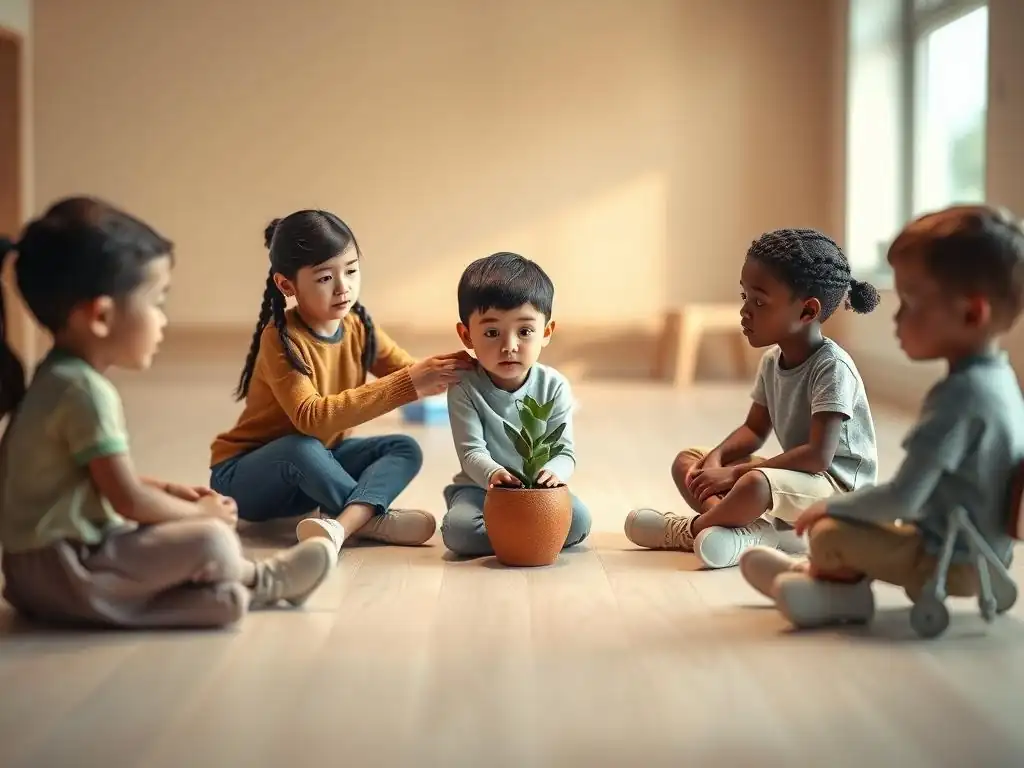
Peer Mentoring: Building Relationships and Providing Guidance
Peer mentoring programs pair older, more experienced students with younger or incoming students to provide guidance, support, and positive role modeling. The primary goal is to help mentees successfully navigate the challenges of school, whether academic, social, or emotional. Mentors can offer advice on everything from study habits and extracurricular activities to managing social pressures and transitioning to a new school environment. For instance, a high school might pair senior mentors with freshman mentees to ease their transition into secondary school, helping them understand the school culture, find their classes, and connect with clubs and activities.
These relationships are built on trust and consistency, providing mentees with a reliable source of support outside of their family and teachers. Mentors share their own experiences, offer encouragement, and help mentees develop problem-solving skills. The structure often involves regular check-ins, planned activities, and availability for informal support. Effective peer mentoring programs provide training for mentors on communication skills, boundary setting, and recognizing when to refer a mentee to an adult professional. The benefits extend to mentors as well, who develop leadership skills, empathy, and a sense of purpose.
Peer Tutoring: Enhancing Academic Success and Connection
Peer tutoring programs focus specifically on academic support, where students who excel in certain subjects provide assistance to their peers who are struggling. While primarily academic, these programs also offer significant social and emotional benefits. Working one-on-one or in small groups with a peer tutor can be less intimidating than seeking help from a teacher and can foster a sense of camaraderie. For example, a high school might establish a peer tutoring center where students can drop in during study hall or after school to get help from trained peer tutors in subjects like math, science, or English.
Beyond improving grades, peer tutoring builds confidence in both the tutor and the tutee. The tutor reinforces their own understanding of the material while developing communication and teaching skills. The tutee receives personalized attention and support, which can alleviate anxiety related to academic performance. These interactions also create positive connections between students who might not otherwise interact, strengthening the overall school community. Effective programs provide tutors with training on explaining concepts clearly, tailoring their approach to different learning styles, and managing tutoring sessions effectively.
Peer Mediation: Resolving Conflicts and Promoting Understanding
Peer mediation programs train students to act as neutral third parties to help their classmates resolve conflicts peacefully. Instead of adult intervention, which can sometimes escalate situations or lead to disciplinary action, peer mediators facilitate communication between disputing parties, helping them understand each other's perspectives and reach mutually agreeable solutions. Conflicts might range from misunderstandings between friends to disagreements over personal space or property. A middle school might have a team of trained peer mediators available during lunch or recess to help students work through minor disputes.
The process typically involves structured mediation sessions where mediators guide students through steps like identifying the problem, sharing feelings, brainstorming solutions, and agreeing on a resolution. This process empowers students to take ownership of their conflicts and develop valuable communication and negotiation skills. Peer mediation reduces the burden on staff to handle minor disciplinary issues and promotes a more positive and less confrontational school environment. Training for peer mediators includes active listening, impartiality, conflict resolution techniques, and understanding when a conflict is too serious for peer mediation and requires adult intervention.
Peer listening programs train students specifically in active listening and empathetic communication to provide emotional support to their peers. These programs create safe spaces where students can share their feelings and challenges without fear of judgment or unwanted advice. The focus is on providing a non-judgmental ear and validating the speaker's experience. For instance, a high school might have a designated "listening post" or trained peer listeners available during certain times, identified by a specific lanyard or badge, where students can simply sit and talk.
Peer listeners are trained to be present, listen attentively, ask open-ended questions, and reflect back what they hear to ensure understanding. They are explicitly trained not to offer solutions or tell peers what to do. Their role is to help students feel heard and understood, reducing feelings of isolation and emotional burden.
This type of school peer support program is particularly valuable for students who are experiencing stress, anxiety, or sadness but may not feel ready or able to articulate specific problems or seek formal counseling. Training emphasizes confidentiality, empathy, and recognizing when a peer's needs exceed the scope of listening and require referral to professional help.
Crisis Response Teams: Supporting Students During Difficult Times
Some advanced school peer support program models include components focused on crisis response, training a select group of peer supporters to provide initial support and comfort to their peers during or immediately after a crisis event affecting the school community. This could include events like the death of a student or staff member, a natural disaster, or other traumatic incidents. These peer supporters are trained to offer immediate emotional support, help connect students with adult crisis counselors, and promote healthy coping strategies.
These teams work closely with school counselors and administrators as part of the school's overall crisis response plan. Their role is to provide a familiar and comforting presence among students during chaotic or distressing times, helping to normalize feelings and facilitate access to professional help. Training for peer crisis response teams is often more intensive, covering topics like trauma-informed care, recognizing acute distress, and working effectively within a coordinated crisis response effort. They are not substitutes for professional crisis intervention but serve as valuable connectors and initial support providers.
Implementing Effective School Peer Support Programs: A Practical Guide
Implementing a successful school peer support program requires careful planning, commitment, and attention to detail. It's not a one-size-fits-all process, and programs should be tailored to the specific needs and culture of the school community. Here is a practical guide outlining key steps:
Step 1: Assessing Student Needs and Existing Resources
Before launching a school peer support program, it's essential to understand the unique mental health and support needs of your student population. This can involve:
- Reviewing existing data on student well-being (e.g., school climate surveys, attendance records, disciplinary referrals).
- Conducting surveys or focus groups with students, parents, and staff to gather insights on perceived needs and challenges.
- Analyzing the capacity and limitations of current school counseling and support services.
This assessment helps determine the most pressing needs the peer support program should address (e.g., anxiety, bullying, academic stress, social isolation) and identifies existing strengths or resources within the school that can be leveraged.
Step 2: Forming a Planning Team and Securing Administrative Support
A dedicated planning team is crucial for developing and implementing the program effectively. This team should ideally include:
- School administrators (Principal, Assistant Principal)
- School counselors or psychologists
- Teachers
- Students (essential for ensuring the program is relevant and appealing to peers)
- Parents or community members (optional, depending on program scope)
Securing strong administrative support from the outset is non-negotiable. Administrators provide the necessary authorization, resources, and backing to integrate the program into the school's operations. Without their buy-in, sustainability is challenging.
Step 3: Defining Program Goals and Measurable Outcomes
Clearly articulate what the school peer support program aims to achieve. Goals should be specific, measurable, achievable, relevant, and time-bound (SMART). Examples include:
- Increase the number of students reporting they have someone to talk to about problems by 15% within one academic year.
- Reduce reported instances of bullying by 10% in areas where peer mediators are active within six months.
- Increase student utilization of the school counseling office by 20% through peer referrals over two years.
Defining measurable outcomes from the start allows for effective evaluation of the program's impact later on.
Step 4: Recruiting and Training Peer Supporters: Essential Skills
Recruiting the right students is key. Look for students who are:
- Empathetic and compassionate
- Responsible and reliable
- Good communicators
- Respected by their peers
- Committed to helping others
Recruitment methods can include applications, nominations by staff or peers, and interviews. Comprehensive training is non-negotiable. It should cover:
- Active listening
- Empathy and validation
- Confidentiality and its limits
- Recognizing signs of distress (including suicidal ideation - with clear protocols for referral)
- Basic problem-solving skills
- Referral procedures to adult professionals
- Self-care for peer supporters
Training should be interactive and include role-playing and scenario practice.
Step 5: Establishing Clear Policies and Protocols: Confidentiality and Safety
Robust policies and protocols are essential for the safety and ethical operation of the program. This includes:
- Confidentiality Policy: Clearly define what information is confidential and what must be reported immediately to an adult (e.g., threats of harm to self or others, abuse). Students, parents, and staff must understand this policy.
- Referral Protocols: Establish clear steps for peer supporters to follow when a situation is beyond their scope or involves a safety risk.
- Supervision Structure: Outline how peer supporters will be supervised by adult staff, including regular check-ins and access to support.
- Selection Criteria: Define the criteria and process for selecting peer supporters.
- Removal Policy: Establish grounds and procedures for removing a peer supporter from the program if necessary.
These policies should be well-documented and thoroughly reviewed with all participants.
Step 6: Promoting Program Awareness and Accessibility
For the school peer support program to be effective, students need to know it exists and how to access it. Strategies include:
- Presentations in classes or assemblies.
- Posters and flyers throughout the school.
- Information on the school website and social media.
- Designated meeting spaces or visible identifiers for peer supporters.
- Including information in student handbooks.
Making the program visible and easily accessible encourages students to utilize the support available.
Step 7: Evaluating Program Impact and Making Improvements
Regular evaluation is necessary to ensure the program is meeting its goals and to identify areas for improvement. Evaluation methods can include:
- Collecting feedback from students who used the support.
- Surveying the wider student body about school climate and perceived support availability.
- Tracking data related to program goals (e.g., number of peer interactions, types of issues discussed, referral rates to counseling).
- Gathering feedback from peer supporters and supervising staff.
Use the evaluation data to make necessary adjustments to training, protocols, or program structure to enhance effectiveness and sustainability.
[ ] Assess student needs
[ ] Form planning team
[ ] Secure administrative support
[ ] Define program goals
[ ] Define measurable outcomes
[ ] Recruit peer supporters
[ ] Provide comprehensive training
[ ] Establish confidentiality policy
[ ] Establish referral protocols
[ ] Establish supervision structure
[ ] Promote program awareness
[ ] Evaluate program impact
[ ] Make necessary improvements
Essential Training for Peer Supporters
Effective training is the cornerstone of any successful school peer support program. Peer supporters must be equipped with a specific set of skills and knowledge to provide safe and effective support while understanding the boundaries of their role. Training should be ongoing, not just a one-time session.
Active Listening and Empathy Skills
Training must emphasize the fundamental importance of active listening. This goes beyond simply hearing words; it involves fully concentrating, understanding, responding, and remembering what is being said. Peer supporters learn techniques such as:
- Making eye contact
- Nodding and using verbal affirmations ("I understand," "Go on")
- Reflecting or paraphrasing what the speaker said ("So, if I understand correctly, you're feeling frustrated because...")
- Asking open-ended questions that encourage deeper sharing ("How did that make you feel?" instead of "Were you sad? ").
Alongside listening, empathy training helps peer supporters understand and share the feelings of another person. This involves putting themselves in the other person's shoes and communicating that understanding verbally and non-verbally. Role-playing different scenarios is an effective way to practice these skills in a safe environment.
Maintaining Confidentiality and Ethical Practices
Confidentiality is paramount for building trust within a school peer support program. Students must feel safe sharing their thoughts and feelings without fear that their conversations will be spread throughout the school. Training must clearly define what confidentiality means in the context of peer support and, crucially, the limits of confidentiality. Peer supporters must understand that certain information must be reported to a supervising adult immediately, typically involving:
- Threats to harm oneself (suicidal ideation or plans)
- Threats to harm others
- Instances of abuse or neglect
Ethical practices also cover maintaining appropriate boundaries in the peer support relationship, avoiding dual relationships (e.g., dating someone they are supporting), and operating within the scope of their training. Peer supporters are not therapists, and training reinforces this distinction.
Recognizing Signs of Distress and Mental Health Challenges
Peer supporters are often the first to notice when a peer is struggling. Training must equip them with the knowledge to recognize common signs and symptoms of distress, anxiety, depression, substance use, and other mental health challenges. This does not mean they diagnose, but rather identify potential indicators that suggest a peer needs more support. Examples of signs include:
- Significant changes in mood or behavior (e.g., increased irritability, withdrawal, lack of interest in activities).
- Changes in sleep patterns or appetite.
- Expressions of hopelessness, worthlessness, or excessive guilt.
- Increased risk-taking behavior.
- Difficulty concentrating or making decisions.
- Statements about wanting to disappear or not wanting to be a burden.
Training should provide clear examples and scenarios to help peer supporters feel confident in recognizing these signs and understanding their significance.
Crisis Intervention and Appropriate Referral Procedures
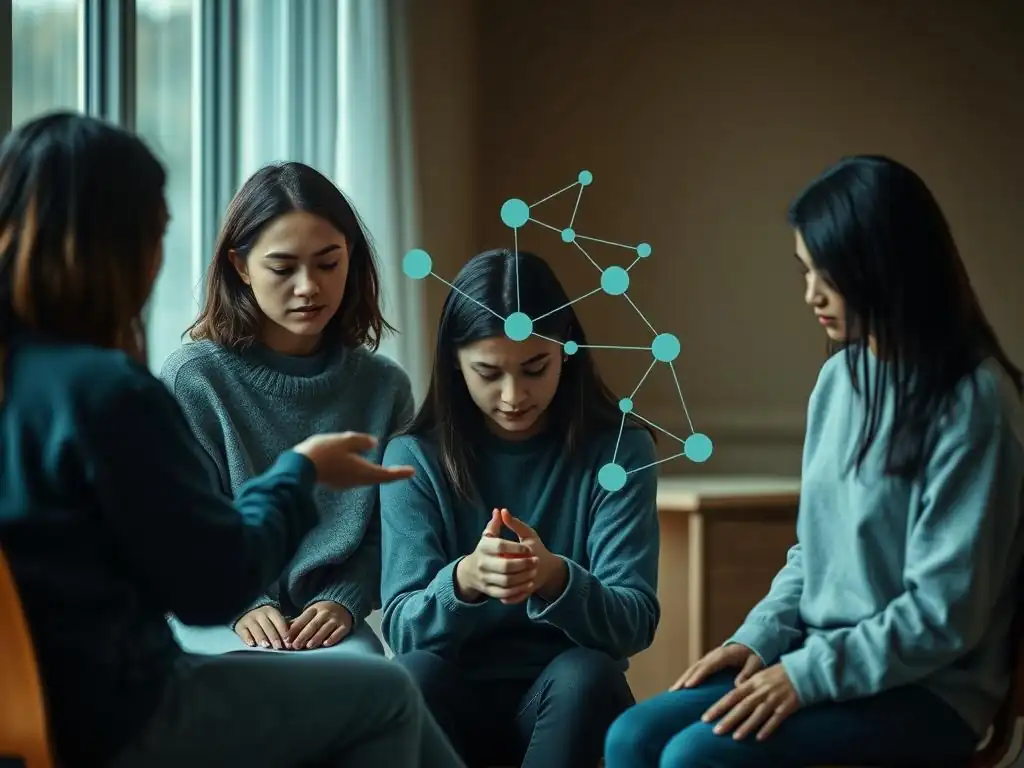
While peer supporters do not provide clinical crisis intervention, they must be trained on immediate response steps for urgent situations, particularly those involving potential self-harm or harm to others. This training focuses on:
- Staying calm and present with the peer.
- Not leaving the peer alone if there is an immediate safety concern.
- Knowing the established protocol for immediately contacting the supervising adult or school counselor.
- Understanding the importance of not promising absolute confidentiality when safety is at risk.
Clear, step-by-step referral procedures are critical. Peer supporters need to know exactly who to go to, how to explain the situation appropriately while respecting privacy as much as possible, and what to do if the initial contact person is unavailable. Practice through role-playing ensures they can execute these procedures effectively under pressure.
Conflict Resolution and Communication Techniques
For programs involving peer mediation or general interpersonal support, training in conflict resolution and effective communication is vital. This includes teaching skills such as:
- Identifying the core issues in a conflict.
- Using "I" statements to express feelings without blame ("I feel hurt when..." vs. "You always...").
- Brainstorming potential solutions collaboratively.
- Negotiation skills to reach a compromise.
- De-escalation techniques to manage heightened emotions.
These skills are valuable not only in formal mediation settings but also in everyday interactions, helping peer supporters model positive communication and conflict management for their peers. Training should include practical exercises and role-plays focusing on common types of student conflicts.
Self-Care and Boundaries for Peer Supporters
Supporting peers who are struggling can be emotionally taxing. Training must include components on self-care and setting healthy boundaries to prevent burnout and protect the well-being of the peer supporters themselves. Topics covered should include:
- Recognizing the signs of personal stress or emotional fatigue.
- Developing healthy coping mechanisms (e.g., exercise, hobbies, talking to trusted adults).
- Understanding the importance of not taking on the full burden of a peer's problems.
- Setting clear boundaries around when and where peer support is provided.
- Knowing how and when to seek support from their supervising adult or other resources.
Providing a safe space for peer supporters to debrief their experiences and receive ongoing supervision is crucial for their sustainability and effectiveness in the role.
Addressing Challenges and Ensuring Program Sustainability
Implementing and maintaining a thriving school peer support program is not without its challenges. Addressing these proactively is key to ensuring the program's long-term success and impact.
Reducing Stigma Associated with Seeking Help
Despite growing awareness, stigma surrounding mental health remains a significant barrier for students seeking support. A key challenge for school peer support programs is creating a culture where utilizing peer support is seen as a sign of strength, not weakness. Strategies to combat stigma include:
- Publicly celebrating the role of peer supporters and highlighting the positive impact of the program.
- Educating the entire school community (students, staff, parents) about mental health and the benefits of seeking support.
- Featuring testimonials (with permission and anonymity) from students who have benefited from the program.
- Integrating discussions about mental well-being into the curriculum or school-wide events.
Making the program visible and accessible, and framing it as a normal part of school life, helps to normalize the act of reaching out for help.
Securing Long-Term Funding and Resources
School budgets are often tight, and securing sustainable funding for training materials, supervision time for staff, program promotion, and potentially stipends or recognition for peer supporters can be a challenge. Relying solely on one-time grants is often insufficient for long-term viability. Strategies for securing resources include:
- Allocating a dedicated portion of the school's or district's budget to student support services that includes peer programs.
- Seeking partnerships with local community mental health organizations who may offer training or supervision support.
- Applying for grants specifically focused on youth mental health or school safety initiatives.
- Engaging parent-teacher associations or local businesses for donations or sponsorships.
Demonstrating the program's positive impact through evaluation data is crucial for justifying continued investment to stakeholders.
Providing Ongoing Training and Supervision
Initial training is just the beginning. Peer supporters need regular opportunities to refresh their skills, learn new techniques, and address challenges they encounter. Providing consistent, high-quality supervision is also essential for their well-being and the program's integrity. Challenges include finding dedicated staff time for supervision and funding for ongoing training. Solutions involve:
- Scheduling regular group supervision sessions where peer supporters can share experiences and receive guidance.
- Providing opportunities for individual check-ins with supervising staff.
- Offering advanced training modules on specific topics (e.g., grief and loss, supporting students with specific challenges).
- Ensuring supervising staff have the necessary expertise and protected time to fulfill their roles effectively.
Ongoing support prevents burnout among peer supporters and ensures they remain equipped to handle the situations they encounter.
Measuring Program Outcomes and Communicating Success
Demonstrating the effectiveness of the school peer support program is vital for continued support and sustainability. However, measuring the impact on student well-being can be complex. Challenges include collecting sensitive data ethically and attributing changes specifically to the peer support program. Strategies for measurement and communication include:
- Utilizing pre- and post-program surveys to assess changes in student attitudes towards seeking help, feelings of connectedness, or perceived stress levels.
- Tracking process data, such as the number of peer support interactions, types of issues discussed, and successful referrals to counseling.
- Collecting qualitative data through student testimonials or focus groups.
- Compiling data into clear reports for administrators, parents, and the wider community.
Effectively communicating the program's positive impact on student well-being, school climate, and safety helps build advocacy and secures the resources needed for the program to thrive long-term.
Examples of School Peer Support Programs
While each school tailors its approach, examining common models provides insight into the practical application of school peer support programs. These examples highlight how different structures can effectively leverage peer relationships for student well-being.
Peer Mentoring Program: Fostering Positive Relationships
A common example is a peer mentoring program designed to support students transitioning into a new school level, such as the move from middle school to high school. In one such hypothetical program, volunteer junior and senior students are selected based on their leadership potential, empathy, and academic standing. They undergo training focused on communication skills, goal setting, active listening, and understanding common challenges faced by freshmen. Each mentor is paired with a small group of incoming freshmen mentees.
The program structure includes weekly group meetings during a designated advisory period where mentors facilitate discussions on topics like time management, navigating social cliques, getting involved in school activities, and managing stress. Mentors also check in individually with their mentees as needed, offering guidance and encouragement. This type of school peer support program aims to increase freshmen's sense of belonging, reduce anxiety about the transition, and improve their academic and social integration into the high school environment. Evaluation might track freshman attendance, participation in extracurriculars, and self-reported feelings of connection to the school.
Peer Listening Program: Creating a Safe Space for Students
Another example is a peer listening program focused on providing emotional support. In this model, a dedicated group of students from various grade levels are trained intensively in active listening, empathy, and crisis referral protocols. A safe, neutral space within the school, perhaps a quiet room in the library or a corner of the student center, is designated as a "Peer Listening Zone" available during specific hours. Peer listeners wear identifiable but discreet lanyards or badges.
Students can drop into the zone to talk about anything on their minds – stress about exams, friendship troubles, family issues, or just needing someone to listen. The peer listeners are trained not to give advice or solve problems but to provide a non-judgmental, empathetic ear. They listen, validate feelings, and help the student feel heard.
If a student expresses something concerning (e.g., suicidal thoughts), the peer listener immediately follows a strict protocol to involve the supervising counselor. This school peer support program prioritizes accessibility and confidentiality (within safety limits), offering a low-barrier entry point for students seeking emotional support before issues escalate. Success might be measured by the number of student interactions, feedback on feeling heard and supported, and appropriate referrals made to counseling services.
Resources for School Peer Support Programs
Developing and sustaining effective school peer support programs requires access to quality resources, including guidance from experienced organizations and comprehensive training materials. Leveraging existing resources can save time and ensure programs are built on best practices.
Organizations Dedicated to School Mental Health
Several national and regional organizations offer valuable resources, guidance, and support for schools looking to implement or enhance peer support programs. These organizations often provide research-backed information, best practice guidelines, and connections to networks of schools with similar initiatives. Examples include:
- Organizations focused on youth mental health and suicide prevention, which often have resources specific to school-based programs.
- Professional associations for school counselors or psychologists, which may offer training or guidance on integrating peer support with professional services.
- Non-profits dedicated to promoting positive school climates and reducing bullying.
Exploring the websites and publications of these organizations can provide insights into program models, evaluation strategies, and funding opportunities relevant to school peer support programs.
Training Programs and Curriculum Materials
Developing comprehensive training curriculum from scratch can be resource-intensive. Fortunately, many organizations and experts have developed training programs and materials specifically designed for school peer support programs. These resources often include:
- Trainer guides and participant workbooks covering core skills like active listening, empathy, confidentiality, and referral.
- Role-playing scenarios and case studies for practicing skills.
- Assessments for selecting potential peer supporters.
- Materials for promoting the program to students and staff.
- Guidance on program structure, policies, and evaluation.
Accessing established training materials can significantly streamline the implementation process and ensure that peer supporters receive high-quality, evidence-informed preparation for their roles within the school peer support program.
The Future of Peer Support in Schools
As the focus on student mental health continues to grow, school peer support programs are poised to become an even more integral part of comprehensive school support systems. Their potential to reach students who might not otherwise seek help, foster positive school climates, and empower students themselves is increasingly recognized.
Integrating Peer Support into Comprehensive Mental Health Strategies
The future of school peer support programs lies in their full integration into a school's broader mental health and well-being strategy. Rather than existing as isolated initiatives, they will be seamlessly connected with school counseling services, social-emotional learning curricula, positive behavior interventions, and crisis response plans. This means:
- Peer supporters are clearly linked to supervising counselors, with established pathways for consultation and referral.
- Training for peer supporters aligns with the school's overall approach to mental health and social-emotional learning.
- Data from peer support programs informs the school's understanding of student needs and helps tailor other support services.
This integrated approach ensures that school peer support programs are not just supplementary but are foundational elements of a multi-tiered system of support designed to meet the diverse needs of all students.
Utilizing Technology to Expand Program Reach
Technology offers exciting possibilities for expanding the reach and accessibility of school peer support programs. While face-to-face interaction is invaluable, digital platforms can complement traditional models. Future developments might include:
- Secure online platforms or apps for peer supporters to connect with supervising adults for consultation.
- Digital resources (e.g., videos, interactive modules) for ongoing training and skill refreshers.
- School-sanctioned online forums or chat groups (with appropriate moderation and safety protocols) where trained peer supporters can offer support and resources.
Implementing technology requires careful consideration of privacy, safety, and equity, but it holds the potential to make school peer support programs more flexible and available to a wider range of students, including those who may be hesitant to seek in-person support.
Empowering Students as Mental Health Advocates
Beyond providing direct support, school peer support programs empower students to become vocal advocates for mental health awareness and support within their schools and communities. As peer supporters gain knowledge and confidence, they can lead initiatives to reduce stigma, promote well-being, and encourage their peers to seek help. This advocacy role is crucial for creating sustainable cultural change.
By giving students a voice and a platform to address mental health issues, school peer support programs cultivate a generation of young people who are not only equipped to support their peers but are also passionate about creating more supportive and understanding environments. This shift from passive recipients of support to active agents of change represents a powerful future for school peer support programs and youth mental well-being.
Frequently Asked Questions
What are school peer support programs and what is their main goal?
School peer support programs are structured initiatives where students are trained to offer emotional and practical support to their peers. The main goal is to create a more supportive and inclusive school environment.
How do students benefit from participating in peer support programs?
Students participating in peer support programs gain valuable skills in communication, empathy, and problem-solving. They also experience increased self-esteem and a stronger sense of belonging within the school community.
What kind of training do students typically receive in these programs?
Training usually covers topics like active listening, confidentiality, conflict resolution, and recognizing signs of mental health distress. They also learn the importance of referring peers to qualified professionals when necessary.
What types of mental health challenges can peer support programs help address?
While not a replacement for professional help, peer support can assist with issues like bullying, social isolation, stress, and low mood. They can also provide a safe space to discuss everyday challenges.
How can schools effectively implement and sustain a successful peer support program?
Successful implementation requires strong administrative support, thorough training, and ongoing supervision by mental health professionals. Regular evaluation and feedback are also crucial for program improvement and sustainability.
Final Reflection: The Ripple Effect of Peer Support in Schools
The success of school peer support programs isn't just about improving individual student well-being; it's about fostering a healthier, more resilient school community as a whole. These programs are more vital than ever in a world grappling with increased student stress, anxiety, and social isolation. The impact extends far beyond individual students, creating a ripple effect of positive change across the entire school environment.
Witnessing the growth and empowerment of students within peer support programs has been profoundly moving. The ability of young people to connect with and support one another is truly remarkable. The best way to find yourself is to lose yourself in the service of others.
- Mahatma Gandhi. This quote perfectly encapsulates the transformative power of peer support, where students not only help others but also discover their own strengths and empathy in the process. The positive social dynamics created within these programs are invaluable, fostering a sense of belonging and shared responsibility that combats the isolating effects of modern life.
Now, consider the potential within your own school or community. Think about the positive impact you could have by either participating in an existing peer support program or advocating for the creation of one. You have the power to be a part of this positive change, to build a stronger, more supportive environment for your peers and yourself. Don't underestimate the profound impact you can have – start by reaching out, sharing your ideas, and becoming a catalyst for positive change within your school.
Unlock Your School's Potential: Empower Students Today!
Thanks for taking the time to learn about the incredible impact of peer support programs. You've now discovered how these initiatives can foster a more supportive and resilient school community. Ready to put this knowledge into action?
- Launch a pilot peer support program: Start small! Identify a few enthusiastic teachers and students to develop a framework for a pilot program in your school. This allows for focused implementation and valuable feedback.
- Share this article with your school's administration: Help spread the word about the benefits of peer support and inspire others to get involved. Consider organizing a brief presentation highlighting key findings.
- Connect with other schools: Reach out to schools already implementing successful programs to learn from their experiences and share your own journey.
What unique strategies could your school employ to make its peer support program truly shine?