
The Prefrontal Cortex vs. the Amygdala: Training Your Brain for Calm Through Neuroplasticity


Welcome to Mind Care Guide, your sanctuary for nurturing a healthy mind.
Feeling overwhelmed by racing thoughts or persistent anxiety? You're not alone. Dive into our exploration of Neuroplasticity calm brain training and discover how you can reshape your brain's responses to stress. Are you ready to unlock the power within to cultivate lasting peace? Let's begin.
Prefrontal Cortex vs. Amygdala: Training Your Brain for Calm Through Neuroplasticity
- Understanding the Brain's Key Players: Prefrontal Cortex and Amygdala
- Neuroplasticity: Rewiring Your Brain for Calm and Resilience
- Prefrontal Cortex and Amygdala Interaction: The Balance of Calm
- Neuroplasticity Calm Brain Training Techniques: Practical Exercises
- Lifestyle Strategies to Support Neuroplasticity and Calm
- Building a Calm Brain: A Long-Term Commitment to Neuroplasticity
- Conclusion: Embracing Neuroplasticity for a Calmer, More Resilient You
-
Frequently Asked Questions
- What is neuroplasticity and how does it relate to calming the brain?
- How does the prefrontal cortex play a role in calming the amygdala?
- What are some practical exercises for neuroplasticity calm brain training?
- How long does it typically take to see results from neuroplasticity calm brain training?
- Can neuroplasticity calm brain training help with specific mental health challenges like anxiety or PTSD?
- Final Reflection: Cultivating Inner Peace Through Neuroplasticity
- Unlock Your Brain's Calm: Start Rewiring for Peace Today!
Understanding the Brain's Key Players: Prefrontal Cortex and Amygdala
The Role of the Prefrontal Cortex in Emotional Regulation
The prefrontal cortex (PFC), located at the front of the brain, is often considered the brain's executive control center. It plays a crucial role in complex cognitive behaviors, decision-making, planning, and, significantly, modulating emotional responses. This area allows us to think rationally about our feelings, evaluate situations, and choose appropriate reactions rather than simply reacting impulsively based on raw emotion. Its development continues into early adulthood, which is why emotional regulation skills mature over time.
Research using fMRI scans has consistently shown increased activity in the prefrontal cortex when individuals are engaged in tasks requiring emotional control, such as reappraising a negative situation or suppressing an unwanted emotional reaction. For example, studies have indicated that during successful emotional regulation, the ventromedial prefrontal cortex shows enhanced connectivity with areas like the amygdala, effectively dampening its activity. This top-down control mechanism is fundamental to managing stress and anxiety, allowing for a calmer, more measured response to potential threats.
The Amygdala: Your Brain's Fear Center and Anxiety Trigger
Deep within the temporal lobes lies the amygdala, a pair of almond-shaped structures often referred to as the brain's fear center. Its primary function is to process emotions, particularly fear, and to trigger the body's fight-or-flight response when a threat is perceived. The amygdala works incredibly fast, often initiating a response before the prefrontal cortex has fully processed the situation. This rapid processing was evolutionarily advantageous for survival, allowing our ancestors to react instantly to dangers like predators.
In modern life, however, the amygdala can be overactive, triggering intense fear and anxiety responses to non-life-threatening situations, such as public speaking, social interactions, or even just worrying about the future. Studies have shown that individuals with anxiety disorders often exhibit heightened amygdala activity when exposed to emotional stimuli and may have structural differences, such as increased amygdala volume, compared to those without anxiety. This hypersensitivity contributes significantly to persistent feelings of unease, worry, and panic, making it a key target for neuroplasticity calm brain training.
Neuroplasticity: Rewiring Your Brain for Calm and Resilience
What is Neuroplasticity and How Does it Work?
Neuroplasticity, also known as brain plasticity or neural plasticity, is the remarkable ability of the brain to reorganize itself throughout life. It involves the formation of new neural connections and the reorganization of existing ones in response to learning, experience, and even injury. This dynamic process occurs at the cellular level, involving changes in the strength of synapses (the connections between neurons) and the formation of new neurons (neurogenesis) in certain brain areas.
The brain is not a static organ; it is constantly adapting. When you learn a new skill, practice a language, or even change your thought patterns, you are engaging neuroplasticity. This involves strengthening neural pathways that are used frequently and weakening those that are not. For example, engaging in focused attention tasks can strengthen pathways involving the prefrontal cortex, while repeatedly reacting with fear can reinforce pathways involving the amygdala. Understanding this malleability is the foundation for any neuroplasticity calm brain training program.
Harnessing Neuroplasticity for Anxiety Relief: The Science Behind Brain Rewiring
The science behind using neuroplasticity for anxiety relief centers on the idea that we can intentionally influence the brain's structure and function to reduce the amygdala's overactivity and enhance the prefrontal cortex's regulatory control. By consistently engaging in activities that promote calm and challenge anxious thought patterns, we can gradually weaken the neural circuits associated with fear and worry while strengthening those associated with peace and resilience.
Research supports this concept. Studies on mindfulness meditation practitioners, for instance, have shown structural changes in the brain, including increased gray matter density in areas of the prefrontal cortex and hippocampus (involved in memory and context), alongside decreased gray matter density or reduced activity in the amygdala. Similarly, therapeutic interventions like Cognitive Behavioral Therapy (CBT) work by helping individuals restructure their thoughts and behaviors, which over time, leads to observable changes in brain activity patterns, particularly in the interplay between the prefrontal cortex and amygdala. This evidence underscores the power of targeted neuroplasticity calm brain training in managing anxiety.
Prefrontal Cortex and Amygdala Interaction: The Balance of Calm
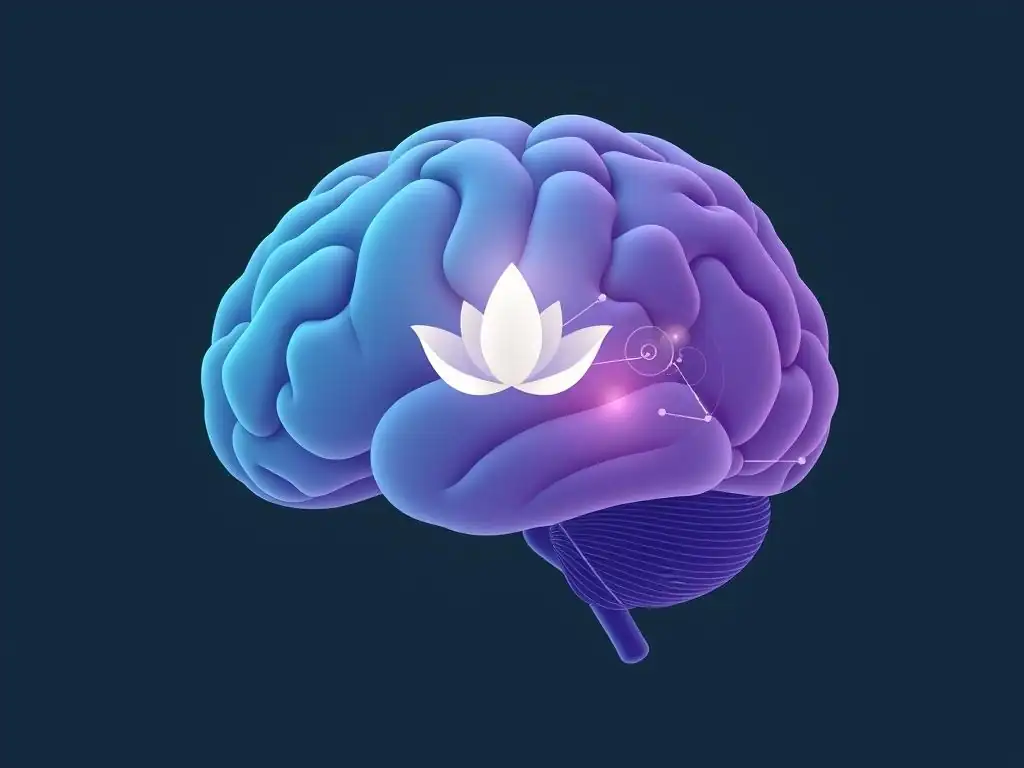
How the Prefrontal Cortex Controls the Amygdala's Response
The prefrontal cortex exerts control over the amygdala through inhibitory pathways. Think of the prefrontal cortex as the wise manager and the amygdala as the alert security guard. When the security guard (amygdala) perceives a potential threat and sounds the alarm, the manager (prefrontal cortex) assesses the situation more calmly and determines if the threat is real and requires a full emergency response. If not, the prefrontal cortex sends signals to the amygdala to stand down, preventing an unnecessary panic.
This top-down regulation is mediated by neural connections that allow the prefrontal cortex to dampen the amygdala's firing rate. Effective communication along these pathways is crucial for maintaining emotional balance. When these pathways are strong and efficient, the prefrontal cortex can quickly and effectively modulate the amygdala's response, preventing the escalation of fear and anxiety in non-threatening situations. Building and strengthening these connections is a core goal of neuroplasticity calm brain training.
When the Amygdala Hijacks: Understanding Anxiety's Neurological Basis
Anxiety often arises when the balance between the prefrontal cortex and the amygdala is disrupted. In cases of chronic stress or anxiety disorders, the amygdala can become hypersensitive, triggering alarms more frequently and intensely, while the prefrontal cortex's ability to regulate these responses may be impaired or less efficient. This state is sometimes referred to as an "amygdala hijack," where the emotional, reactive part of the brain overrides the rational, thinking part.
During an amygdala hijack, the prefrontal cortex's ability to process information and make reasoned decisions is diminished, leading to impulsive, fear-driven reactions. This neurological imbalance is a key component of many anxiety disorders, panic attacks, and phobias. The good news is that because of neuroplasticity, these pathways are not fixed. Through consistent effort and specific techniques, individuals can work to strengthen the prefrontal cortex's influence and reduce the amygdala's dominance, facilitating neuroplasticity calm brain training.
Neuroplasticity Calm Brain Training Techniques: Practical Exercises
Mindfulness Meditation: Strengthening Prefrontal Cortex Activity
Mindfulness meditation is a practice that involves focusing attention on the present moment without judgment. Regular mindfulness practice has been shown to significantly impact brain structure and function, particularly by increasing activity and even gray matter volume in areas of the prefrontal cortex associated with attention, self-awareness, and emotional regulation. By training the mind to observe thoughts and feelings without getting swept away by them, individuals strengthen the neural pathways that allow the prefrontal cortex to gain better control over reactive emotional states.
How Mindfulness Impacts the Amygdala
Simultaneously, mindfulness meditation has a direct impact on the amygdala. Studies have demonstrated that even a few weeks of consistent mindfulness practice can lead to a decrease in amygdala reactivity to negative stimuli. The practice helps to decouple the automatic fear response from the perceived trigger, allowing for a more measured and less intense emotional experience. This dual effect—boosting prefrontal control while calming amygdala reactivity—makes mindfulness a powerful tool for neuroplasticity calm brain training.
Cognitive Behavioral Therapy (CBT) and Neuroplasticity
Cognitive Behavioral Therapy (CBT) is a widely-used psychotherapeutic approach that helps individuals identify and challenge negative thought patterns and behaviors contributing to anxiety. By learning to recognize cognitive distortions (like catastrophic thinking or overgeneralization) and replace them with more realistic and balanced perspectives, clients actively engage in neuroplasticity calm brain training. CBT is not just about talking; it's about practicing new ways of thinking and reacting, which physically alters neural pathways over time.
Rewriting Negative Thought Patterns Through CBT
The core of CBT's neuroplastic effect lies in its systematic approach to challenging and modifying maladaptive thought-behavior cycles. Each time an individual successfully identifies a negative thought, questions its validity, and consciously chooses a different response (behavioral or cognitive), they are weakening the old, anxiety-provoking neural connections and strengthening new ones associated with more adaptive processing. Over time, this repeated practice creates more robust pathways for rational evaluation and calmer responses, demonstrating the brain's capacity for change through focused effort.
Exposure Therapy: Reducing Amygdala Reactivity to Triggers
Exposure therapy is a specific type of CBT that is highly effective for phobias, OCD, and panic disorder. It involves gradually exposing an individual to their feared object or situation in a safe and controlled environment, without engaging in avoidance or safety behaviors. The goal is to break the association between the trigger and the fear response, allowing the brain to learn that the feared outcome does not occur. This process directly targets the amygdala's learned fear associations.
Gradual Exposure and Neuroplastic Adaptation
Through repeated, controlled exposure, the amygdala's exaggerated fear response to the trigger gradually diminishes. This is a clear example of neuroplasticity in action – the neural pathways linking the trigger to intense fear become weaker, while new pathways that associate the trigger with safety or neutrality are strengthened. Starting with less anxiety-provoking situations and progressing to more challenging ones allows the brain to adapt incrementally, rewiring the fear response through a process of habituation and inhibitory learning, a key component of neuroplasticity calm brain training.
Neurofeedback: Training Your Brainwaves for Calm
Neurofeedback is a type of biofeedback that measures brainwave activity (using EEG) and provides real-time feedback to the individual, often in the form of a video game or auditory tone. The goal is to train the individual to voluntarily alter their brainwave patterns towards a more regulated state associated with calm and focus. For anxiety, neurofeedback often focuses on increasing brainwave patterns associated with relaxed focus (like alpha waves) and decreasing patterns associated with stress and hyperarousal (like high beta waves).
How Neurofeedback Enhances Prefrontal Cortex Function
By providing direct feedback on brain activity, neurofeedback helps individuals learn to activate brain regions associated with calm and de-activate those associated with anxiety. Protocols often target areas of the prefrontal cortex to enhance its regulatory capacity over the amygdala. Through repeated training sessions, individuals learn to shift their brain states, strengthening the neural circuits that support a calmer, more regulated nervous system. This direct brain training method exemplifies targeted neuroplasticity calm brain training.
Lifestyle Strategies to Support Neuroplasticity and Calm

The Importance of Sleep for Brain Health and Emotional Regulation
Adequate sleep is fundamental to brain health and plays a critical role in emotional regulation and neuroplasticity. During sleep, the brain consolidates memories, clears metabolic waste, and strengthens neural connections. Chronic sleep deprivation impairs the prefrontal cortex's ability to function effectively, leading to reduced impulse control, impaired decision-making, and a decreased capacity to regulate emotions. It also tends to increase amygdala reactivity, making individuals more susceptible to stress and anxiety.
Aiming for 7-9 hours of quality sleep per night supports the brain's natural processes of repair and reorganization. This allows the prefrontal cortex to be better equipped to manage the amygdala during waking hours, contributing to a more stable mood and reduced anxiety. Prioritizing sleep is a passive yet powerful form of neuroplasticity calm brain training.
Nutrition for Neuroplasticity: Fueling Your Brain for Calm
The brain requires a steady supply of nutrients to function optimally and support neuroplasticity. A diet rich in omega-3 fatty acids (found in fish like salmon and walnuts), antioxidants (berries, leafy greens), vitamins (B vitamins, Vitamin D), and minerals (magnesium, zinc) provides the building blocks for healthy neurons and neurotransmitters. These nutrients support the growth of new connections, reduce inflammation, and protect brain cells from damage.
Conversely, diets high in processed foods, sugar, and unhealthy fats can negatively impact brain function, potentially contributing to inflammation and impairing neuroplastic processes. Fueling your brain with nutrient-dense foods supports the structural and functional changes necessary for effective neuroplasticity calm brain training and overall mental well-being.
Exercise and Neuroplasticity: Boosting Brain Function and Reducing Anxiety
Regular physical exercise is a powerful catalyst for neuroplasticity and has profound effects on mood and anxiety levels. Exercise increases blood flow to the brain, promoting the production of brain-derived neurotrophic factor (BDNF), a protein that supports the growth, survival, and function of neurons. BDNF is often referred to as "Miracle-Gro" for the brain because of its role in neurogenesis (the birth of new neurons) and synaptogenesis (the formation of new synapses).
Engaging in aerobic exercise, strength training, or even activities like yoga has been shown to increase the volume of the hippocampus and prefrontal cortex, while potentially reducing the size and reactivity of the amygdala. The release of endorphins during exercise also has mood-boosting effects. Integrating regular physical activity into your routine is a vital component of any neuroplasticity calm brain training effort.
Building a Calm Brain: A Long-Term Commitment to Neuroplasticity
Consistency and Patience in Brain Training
Achieving lasting change through neuroplasticity requires consistency and patience. Rewiring the brain is not an overnight process; it involves the gradual strengthening of new neural pathways through repeated practice. Just as learning a musical instrument or a new language takes time and regular effort, training your brain for calm requires consistent engagement with the chosen techniques and lifestyle strategies.
There will be days when progress feels slow or setbacks occur. It's important to approach this journey with self-compassion and perseverance. Understanding that every practice session, every healthy meal, and every effort to manage stress is contributing to the cumulative effect of neuroplasticity calm brain training can help maintain motivation over the long term.
Tracking Your Progress and Celebrating Small Wins
Monitoring your progress can be incredibly motivating. This doesn't require complex data analysis; simple methods like journaling about your mood and anxiety levels, noting the frequency or intensity of anxious episodes, or tracking your engagement with brain training practices (e.g., minutes meditated, therapy sessions attended, exercise frequency) can provide valuable insights.
Celebrating small wins along the way is also crucial. Acknowledging when you successfully used a coping skill, noticed a reduction in physical anxiety symptoms, or managed a situation that previously would have caused significant distress reinforces the new, positive neural pathways. These small victories are evidence that your neuroplasticity calm brain training efforts are yielding results.
Consider the case of "Sarah," a fictional representation based on common therapeutic outcomes. Sarah struggled with severe social anxiety, experiencing intense fear and physical symptoms like trembling and nausea before social events. Her amygdala was highly reactive to social cues, and her prefrontal cortex struggled to regulate the resulting panic. Through consistent neuroplasticity calm brain training involving a combination of CBT, gradual exposure therapy (starting with brief interactions and progressing to larger gatherings), and daily mindfulness meditation, Sarah began to see changes.
Over 18 months, Sarah's brain adapted. Her prefrontal cortex became more adept at evaluating social situations realistically, reducing the frequency of catastrophic thoughts. Repeated positive social exposures, even small ones, helped to weaken the fear response in her amygdala. While challenges still arose, she developed stronger neural pathways for managing anxiety, allowing her to attend social functions with significantly less distress and a greater sense of control, illustrating the transformative potential of dedicated brain training.
Conclusion: Embracing Neuroplasticity for a Calmer, More Resilient You
The concept of neuroplasticity offers a powerful and hopeful perspective on managing anxiety. It confirms that your brain is not fixed and that you have the capacity to reshape its structure and function.
By understanding the interplay between the prefrontal cortex and the amygdala and consciously engaging in neuroplasticity calm brain training techniques like mindfulness, CBT, exposure therapy, and supporting these with healthy lifestyle choices, you can actively participate in rewiring your brain for greater calm and resilience. This journey requires dedication and patience, but the potential for lasting change and a calmer, more fulfilling life is well within reach.
Frequently Asked Questions
What is neuroplasticity and how does it relate to calming the brain?
Neuroplasticity refers to the brain's ability to reorganize itself by forming new neural connections throughout life. Calm brain training leverages this ability to strengthen pathways associated with relaxation and reduce reactivity to stress.
How does the prefrontal cortex play a role in calming the amygdala?
The prefrontal cortex is responsible for higher-level thinking and executive functions. It helps to regulate the amygdala's fear and stress responses by assessing threats and providing context.
What are some practical exercises for neuroplasticity calm brain training?
Practices like mindfulness meditation, deep breathing exercises, and cognitive reappraisal can help strengthen the prefrontal cortex and weaken the amygdala's influence. These promote emotional regulation and calmness.
How long does it typically take to see results from neuroplasticity calm brain training?
Results vary, but consistent practice over several weeks to months can lead to noticeable improvements. Regularity and dedication are crucial for rewiring neural pathways and achieving a calmer state.
Can neuroplasticity calm brain training help with specific mental health challenges like anxiety or PTSD?
Yes, by training the brain to respond differently to triggers, these techniques can be beneficial. They are often used as a complementary therapy to manage anxiety symptoms and process traumatic memories in PTSD.
Final Reflection: Cultivating Inner Peace Through Neuroplasticity
The battle between our rational prefrontal cortex and our emotional amygdala is a daily struggle, but one we can win through the incredible power of neuroplasticity. Understanding this dynamic is not just an academic exercise; it's the key to unlocking a calmer, more resilient self in a world increasingly demanding our emotional bandwidth. This knowledge empowers us to actively shape our brain's response to stress and anxiety, moving beyond mere coping mechanisms to a fundamental shift in our emotional landscape.
The ongoing exploration of neuroplasticity has profoundly impacted my understanding of mental well-being. It's no longer a passive acceptance of ingrained emotional patterns, but an active process of rewiring our brains for greater peace. This shift in perspective is incredibly liberating. The brain is like a muscle. We are responsible for how we train it.
This simple yet profound statement encapsulates the core message of this article: we are not victims of our emotional responses; we are architects of our own mental resilience. The journey towards a calmer brain is a journey of self-discovery and empowerment.
Now, consider your own brain. What neural pathways are you strengthening? Are you nurturing the connections that lead to calm and rational thought, or are you inadvertently reinforcing the pathways of anxiety and reactivity?
I invite you to actively engage in practices that promote prefrontal cortex dominance – mindfulness, meditation, cognitive behavioral therapy – and witness the transformative power of neuroplasticity firsthand. Embrace the opportunity to sculpt your brain into a sanctuary of calm, one mindful moment at a time. The journey may require effort, but the reward – a life lived with greater peace and resilience – is immeasurable.
Unlock Your Brain's Calm: Start Rewiring for Peace Today!
Thanks for diving deep into the fascinating world of neuroplasticity and the power of your prefrontal cortex! You've learned how to cultivate inner peace by understanding the interplay between your brain's emotional and rational centers. Now, let's put this knowledge into action.
- Prioritize one mindfulness practice: Choose one technique from the article – deep breathing, meditation, or mindful movement – and dedicate just 5 minutes daily to it. This is your key to building stronger prefrontal cortex connections.
- Share your calm journey: Engage with others! Tell a friend or family member about what you’ve learned and invite them to join you in a mindful practice. Even discussing this can strengthen your neural pathways.
- Explore further: Dive deeper into resources for neuroplasticity training. Search for guided meditations or brain-training apps specifically designed to enhance prefrontal cortex function.
What simple step will you take today to strengthen your brain's capacity for calm?