
Quieting Racing Thoughts: A Body Scan Meditation Strategy

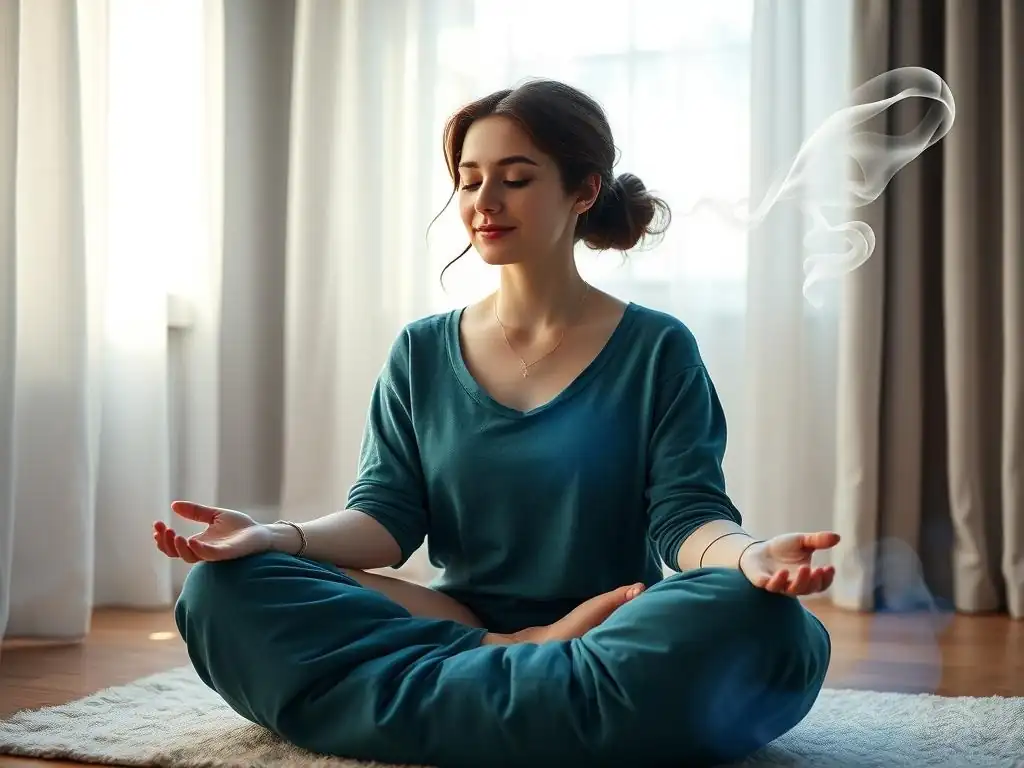
Welcome to Mind Care Guide, a sanctuary for your mental well-being.
Feeling overwhelmed by anxiety and searching for a way to quiet those racing thoughts? You're not alone. In this article, we'll explore a powerful mindfulness technique: body scan meditation anxiety. Discover how this simple practice can help you reconnect with your body, ground yourself in the present moment, and find a sense of calm amidst the storm. Curious to learn how? Let's begin your journey towards inner peace...
Managing Anxiety: A Body Scan Meditation Strategy - Mental Wellness Guide
- Introduction to Body Scan Meditation for Anxiety Reduction
- Understanding Body Scan Meditation
- Benefits of Body Scan Meditation for Anxiety
- Performing a Body Scan Meditation: A Practical Guide
- Body Scan Meditation Techniques for Specific Anxiety Conditions
- Integrating Body Scan Meditation into Your Daily Life
- Advanced Body Scan Meditation Practices
- Body Scan Meditation vs. Other Anxiety Management Techniques
- Conclusion: Cultivating Calm Through Body Scan Meditation
-
Frequently Asked Questions
- What is body scan meditation, and how does it relate to anxiety?
- How does body scan meditation specifically help with racing thoughts?
- How often should I practice body scan meditation to see benefits for anxiety?
- Are there any specific body scan meditation techniques recommended for people with anxiety?
- Can body scan meditation be combined with other anxiety management techniques?
- Final Reflection: Finding Stillness Amidst the Storm
- Unleash Your Inner Calm: Start Your Body Scan Now
Introduction to Body Scan Meditation for Anxiety Reduction
Understanding Anxiety and its Impact
Anxiety is a pervasive mental health challenge affecting millions worldwide. It manifests not just as worried thoughts, but also through significant physical symptoms like a racing heart, shortness of breath, muscle tension, and digestive issues. These symptoms can interfere with daily life, impacting work, relationships, and overall well-being.
For instance, someone experiencing severe social anxiety might avoid public speaking or social gatherings altogether, limiting personal and professional growth due to the intense fear and physical discomfort associated with these situations. The constant state of alert that characterizes chronic anxiety can be exhausting, leading to fatigue and further stress on the body.
Beyond the immediate discomfort, untreated anxiety can contribute to other health problems. Chronic stress hormones released during prolonged anxiety can weaken the immune system and increase the risk of conditions like cardiovascular issues. The mental toll includes difficulty concentrating, irritability, and sleep disturbances, creating a negative cycle where lack of sleep exacerbates anxiety, and heightened anxiety disrupts sleep. Understanding this multifaceted impact is crucial for finding effective strategies to manage symptoms and improve quality of life.
The Benefits of Body Scan Meditation for Calming Anxiety
Body scan meditation is a powerful mindfulness technique that involves systematically bringing attention to different parts of the body. This practice helps individuals become more aware of their physical sensations without judgment. For managing anxiety, this heightened awareness is key. Instead of getting swept away by anxious thoughts or physical symptoms, the body scan provides a anchor in the present moment, allowing individuals to observe sensations like a racing heart or tense shoulders with curiosity rather than fear. This simple act of non-judgmental observation can create a sense of distance from the anxiety, reducing its intensity.
Research supports the use of body scan meditation for anxiety reduction. Studies, such as those exploring mindfulness-based stress reduction (MBSR) programs which often include body scans, have shown significant decreases in self-reported anxiety levels among participants. For example, one study indicated that participants practicing mindfulness regularly reported an average reduction in anxiety symptoms by approximately 25% over an eight-week period. This suggests that consistent practice can lead to tangible improvements in how individuals experience and cope with anxiety. By grounding awareness in the body, the practice interrupts the cycle of anxious rumination and promotes a state of calm.
Mental Wellness Guide: Resources for Mental Health
Navigating mental health challenges requires access to reliable information and support. A comprehensive mental wellness guide serves as a vital tool, offering insights into various conditions, coping strategies, and pathways to professional help. Such resources can demystify complex topics like anxiety disorders, depression, or PTSD, providing clear explanations of symptoms, causes, and available treatments. They empower individuals to understand their experiences better and make informed decisions about their care. A good guide often includes information on therapeutic approaches, medication options, and lifestyle changes that support mental well-being.
Furthermore, mental wellness guides frequently list resources such as crisis hotlines, support groups, and directories of mental health professionals. For someone struggling with severe anxiety, knowing where to turn for immediate help or long-term therapy is critical. These resources bridge the gap between recognizing a problem and finding a solution. They can also offer practical tools, like guided meditations or journaling prompts, that individuals can use independently to manage daily stress and improve their mental resilience. Access to such comprehensive information is an essential component of effective mental health management.
Understanding Body Scan Meditation
Defining Body Scan Meditation: A Mindfulness Practice
Body scan meditation is a foundational practice within mindfulness meditation, focusing on cultivating present moment awareness through systematic attention to the physical body. Unlike some other meditation forms that might focus on a single point like the breath, the body scan involves a journey of awareness from one part of the body to another, typically starting from the feet and moving up to the head.
The core principle is to observe whatever sensations arise in each area – tingling, warmth, coolness, pressure, absence of sensation – without attempting to change or judge them. It's an exercise in pure observation and acceptance.
This practice helps to develop interoceptive awareness, which is the ability to perceive internal bodily sensations. Enhanced interoceptive awareness has been linked to improved emotional regulation, as our physical state is often closely tied to our emotional state. By regularly practicing the body scan, individuals become more attuned to the subtle signals their bodies send, which can be early indicators of stress, anxiety, or other emotional states. This early detection allows for a more proactive and mindful response, rather than being overwhelmed by intense feelings or physical symptoms.
The Process: A Guided Exploration
The body scan meditation process is often facilitated by a guided recording, especially for beginners, which directs attention sequentially through the body. The journey typically begins with settling into a comfortable position, often lying down, and taking a few deep breaths to ground oneself. The guide then prompts the practitioner to bring their awareness to their toes, noticing any sensations there, then moving to the soles of the feet, the ankles, and so on, gradually ascending through the legs, torso, arms, neck, and head. The pace is slow and deliberate, allowing ample time to explore each area.
During the scan, the instruction is to simply notice sensations as they are, without labeling them as good or bad. If the mind wanders, which it inevitably will, the practice is to gently acknowledge the distraction and kindly redirect attention back to the current area of the body being scanned.
This gentle redirection is a key part of the mindfulness training – it builds the capacity to notice where the mind goes and to choose where to place attention, a skill highly relevant for managing racing anxious thoughts. The entire process might last anywhere from 10 to 45 minutes, depending on the specific guidance.
Focusing on Bodily Sensations: Grounding in the Present
Focusing on bodily sensations during a body scan meditation serves as a powerful anchor to the present moment. Anxiety often pulls the mind into the future, dwelling on potential threats or worries, or into the past, replaying stressful events. By directing awareness to the physical sensations happening right now – the feeling of fabric on the skin, the pressure points where the body meets the surface, the subtle pulse in the fingertips – the practice pulls the mind out of this mental time travel. This grounding effect is particularly beneficial for interrupting the cycle of anxious rumination.
This deliberate focus on the physical realm contrasts sharply with the often abstract and uncontrollable nature of anxious thoughts. While you might feel powerless over a worrying thought about the future, you can choose to feel the sensation of your breath entering and leaving your nostrils. This shift in focus from the mental narrative to the physical reality provides a sense of stability and presence. Regular practice strengthens this ability to ground oneself in the body, making it a readily available tool when anxiety begins to escalate in daily life.
Benefits of Body Scan Meditation for Anxiety
Reducing Anxiety Symptoms Through Enhanced Awareness
Body scan meditation directly addresses anxiety symptoms by cultivating enhanced self-awareness. Many physical manifestations of anxiety, such as muscle tension, shallow breathing, or stomach discomfort, often go unnoticed or are only acknowledged when they become overwhelming. The body scan encourages a mindful exploration of these sensations at a subtler level. By regularly checking in with the body, individuals become more adept at recognizing the early signs of rising anxiety.
For example, someone might learn to notice a slight tightening in their chest or a clenching in their jaw as initial indicators of stress. This early recognition provides an opportunity to intervene mindfully, perhaps by taking a few deep breaths or shifting focus, before the anxiety escalates into a full-blown panic response. This proactive management is a significant benefit derived from the heightened bodily awareness fostered by body scan meditation for anxiety relief. It transforms the body from a source of unpredictable symptoms into a valuable source of information.
Improving Emotional Regulation and Self-Awareness
Regular practice of body scan meditation significantly contributes to improved emotional regulation and self-awareness. By observing physical sensations without judgment, practitioners learn to apply this same non-judgmental awareness to their emotional states. They begin to see emotions, like anxiety or frustration, as transient experiences that manifest physically, rather than overwhelming or defining aspects of their identity. This perspective shift creates psychological space between the individual and their emotions.
This increased self-awareness allows individuals to identify their emotional triggers more clearly and understand the patterns of their emotional responses. For instance, someone might notice that specific physical sensations (like a knot in the stomach) consistently precede feelings of social anxiety. Recognizing this pattern enables them to anticipate challenging situations and employ coping strategies, such as a brief body scan or focused breathing, more effectively. This mindful approach to emotions reduces reactivity and fosters a greater sense of control over internal experiences.
Lowering Stress and Promoting Relaxation
Body scan meditation is a potent tool for lowering overall stress levels and promoting deep relaxation. The practice activates the body's parasympathetic nervous system, often referred to as the "rest and digest" system, which counteracts the "fight or flight" response associated with stress and anxiety. By intentionally slowing down, focusing on the body, and breathing deeply, the body receives signals that it is safe to relax.
Even short, consistent body scan sessions can have a cumulative effect on stress reduction. For example, practicing a 15-minute body scan daily can lead to a noticeable decrease in baseline stress levels over several weeks. This is partly due to the reduction in cortisol, the primary stress hormone, which has been shown to decrease in individuals who regularly practice mindfulness meditation. The practice provides a reliable method to consciously downshift the nervous system, leading to a state of calm that helps alleviate both mental and physical tension often associated with anxiety.
Enhancing Sleep and Reducing Sleep Disturbances
Anxiety and sleep disturbances often go hand in hand, creating a vicious cycle. Racing thoughts and physical tension can make it difficult to fall asleep or stay asleep. Body scan meditation offers a non-pharmacological approach to improving sleep quality by addressing some of the root causes of sleep disruption related to anxiety. Practicing a body scan before bed can help quiet the mind and release physical tension accumulated throughout the day.
Many individuals find that focusing on the systematic scan of the body distracts them from anxious thoughts that typically arise when they try to sleep. The practice encourages a relaxed state conducive to sleep. While specific sleep improvement percentages can vary, many users report falling asleep faster and experiencing fewer awakenings after incorporating a nightly body scan meditation for anxiety relief. For instance, anecdotal evidence suggests that individuals who previously took 45 minutes to fall asleep might find themselves drifting off in 20-25 minutes after a consistent evening body scan routine.
Performing a Body Scan Meditation: A Practical Guide

Preparing for Your Meditation Session
Effective preparation can significantly enhance your body scan meditation experience. Choose a quiet space where you are unlikely to be interrupted. This could be a bedroom, a quiet corner of a living room, or even a park bench if the environment is suitable. Inform others in your household that you need some uninterrupted time. Ensure the temperature of the room is comfortable – not too hot or too cold – and dim the lights if possible to create a calming atmosphere. Wearing loose, comfortable clothing will prevent any physical constriction from distracting you during the practice.
Decide on the duration of your session. For beginners, 10-15 minutes is often a good starting point, gradually increasing to 20-40 minutes as you become more comfortable. You can set a gentle timer if needed. While lying down is common for a body scan, especially when using it for sleep or deep relaxation, you can also practice sitting upright if you prefer or if lying down makes you too drowsy. Having a cushion or blanket for support can improve comfort.
Step-by-Step Instructions for a Guided Body Scan
Here is a simple guide to performing a body scan meditation:
Finding a Comfortable Position
- Lie down on your back on a mat, blanket, or bed. Allow your legs to extend naturally, feet falling slightly outwards. Rest your arms alongside your body, palms facing up or down, whichever feels more comfortable.
- If sitting, choose a chair with back support or sit cross-legged on a cushion. Keep your spine relatively straight but not rigid. Let your hands rest comfortably in your lap or on your knees.
Focusing on Your Breath
- Close your eyes gently if you feel comfortable doing so.
- Take a few slow, deep breaths. Breathe in through your nose, feeling your abdomen rise, and exhale slowly through your mouth or nose, feeling your abdomen fall.
- Allow your breathing to return to its natural rhythm. Simply notice the sensation of the breath entering and leaving your body without trying to change it.
Systematically Scanning Your Body
- Bring your attention to the physical sensations in your toes. Wiggle them slightly if that helps you feel them. Simply notice whatever sensations are present – warmth, coolness, tingling, pressure, or the absence of sensation.
- Gently expand your awareness to include the soles of your feet, the tops of your feet, and your ankles. Spend a moment with each area, just noticing.
- Slowly move your awareness up your body: lower legs, knees, upper legs, hips, pelvis.
- Move into the torso: lower back, abdomen, upper back, chest. Notice the subtle movements of breathing in your chest and abdomen.
- Bring awareness to your fingertips, then your hands, wrists, forearms, elbows, upper arms, and shoulders. Notice how your arms feel resting alongside you.
- Move into your neck and throat. Then, bring awareness to your face: jaw, mouth, nose, cheeks, eyes, forehead, scalp.
- Finally, bring your awareness to your entire body as a whole, breathing with the sense of your body resting.
Acknowledging Sensations Without Judgment
- As you scan, you will inevitably notice various physical sensations. Some might be pleasant, some unpleasant, and some neutral. The practice is to simply observe them as they are.
- Avoid labeling sensations as "good" or "bad," "comfortable" or "uncomfortable." Just notice, for instance, "there is a tingling in my foot" or "there is tension in my shoulder."
- Do not try to fix or change the sensations. The goal is acceptance of what is present in the moment.
Redirecting Your Focus When Your Mind Wanders
- It is completely natural for your mind to wander during meditation. Thoughts about the past, future, or unrelated topics will arise.
- When you notice your mind has wandered, gently acknowledge where it went. Do not judge yourself for losing focus.
- With kindness, gently guide your attention back to the specific part of the body you were scanning or to the breath if you've finished the scan. This act of noticing and returning is the core practice of mindfulness.
Body scan meditation for anxiety can present challenges, especially for beginners. One common difficulty is the mind wandering constantly; remember this is normal, and the practice is in the gentle return. Another challenge is noticing uncomfortable sensations or pain and wanting to avoid them; try approaching these with curiosity rather than aversion, observing their qualities without judgment. If intense pain is present, you can choose to simply notice the area around the pain or focus on the breath.
- Be Patient: Progress in meditation is not linear. Some sessions will feel easier than others.
- Start Small: Begin with shorter sessions (10-15 minutes) and gradually increase duration.
- Find a Guide: Using guided body scan meditations (available online or through apps) can be very helpful for learning the process.
- Consistency Over Duration: Practicing for 10 minutes daily is more beneficial than practicing for an hour once a week.
- There's No "Right" Way: Let go of expectations about how you "should" feel. The goal is awareness, not necessarily immediate relaxation.
Body Scan Meditation Techniques for Specific Anxiety Conditions
Body Scan Meditation for Generalized Anxiety Disorder
Generalized Anxiety Disorder (GAD) is characterized by persistent and excessive worry about various aspects of life, often accompanied by physical symptoms like restlessness, fatigue, difficulty concentrating, muscle tension, and sleep problems. Body scan meditation can be particularly helpful for GAD by directly addressing the physical manifestations of worry and providing a tool to interrupt the cycle of anxious thinking. The practice helps individuals become more aware of the subtle physical cues associated with their worry, such as a tight stomach or clenched jaw, before the worry escalates.
By repeatedly bringing attention back to the body and the present moment, the body scan trains the mind to detach from the stream of worrisome thoughts. For someone with GAD, whose mind is often racing about future "what ifs," grounding in the physical reality of the present body provides a crucial anchor. Regular practice can reduce the intensity of physical symptoms and weaken the link between a physical sensation and the immediate spiral into catastrophic thinking. This doesn't eliminate worry but provides a tool to manage its physical and mental impact.
Social anxiety involves intense fear and avoidance of social situations due to perceived judgment or embarrassment, often accompanied by physical symptoms like blushing, sweating, trembling, rapid heartbeat, or nausea. These physical symptoms can become a source of further anxiety, creating a feedback loop. Body scan meditation can be beneficial for social anxiety by helping individuals become less reactive to these physical sensations in social settings.
Practicing the body scan allows someone with social anxiety to develop a non-judgmental awareness of their physical responses. Instead of panicking when their heart rate increases before a presentation, they can learn to notice it simply as a physical sensation without automatically interpreting it as a sign of impending failure or humiliation. This practice fosters acceptance of bodily reactions, reducing the fear of the symptoms themselves. Over time, this can lessen the overall intensity of anxiety experienced in social situations.
Body Scan Meditation for Panic Disorder
Panic disorder is characterized by recurrent, unexpected panic attacks, which are sudden episodes of intense fear accompanied by severe physical symptoms like chest pain, palpitations, shortness of breath, dizziness, or a feeling of losing control or dying. The fear of having another panic attack (anticipatory anxiety) can be debilitating. Body scan meditation can be a valuable tool for managing panic disorder by increasing tolerance for uncomfortable physical sensations and reducing the fear of the symptoms themselves.
During a panic attack, physical sensations are often misinterpreted as dangerous. Body scan meditation trains the mind to observe these sensations with curiosity and acceptance, rather than fear. By practicing this in a calm state, individuals build the capacity to stay present with intense physical feelings during a panic attack, recognizing them as temporary and not life-threatening.
This acceptance can help shorten the duration and reduce the intensity of attacks. For example, practicing daily body scans can help someone identify the very first subtle physical shifts before a full-blown panic attack, allowing them to use grounding techniques learned through the scan to potentially avert or lessen the attack.
Body Scan Meditation for Performance Anxiety
Performance anxiety involves fear and nervousness related to performing a task in front of others, such as public speaking, musical performance, or athletic events. Physical symptoms are common, including trembling, sweating, rapid heart rate, and muscle stiffness. Body scan meditation can help manage performance anxiety by grounding the individual in their body rather than letting their mind get lost in fearful future projections.
Before a performance, a brief body scan can help release physical tension and bring focus to the present moment. During the performance itself, the ability to tune into bodily sensations without judgment can help manage physical symptoms as they arise. For instance, noticing trembling hands simply as a sensation, rather than a catastrophic sign of failure, can reduce the emotional reactivity to the symptom.
This allows the performer to stay more focused on the task at hand rather than being consumed by their anxiety. Regularly practicing body scan meditation for anxiety related to performance builds resilience and the ability to stay present under pressure.
Integrating Body Scan Meditation into Your Daily Life
Scheduling Your Meditation Practice
Consistency is key to reaping the full benefits of body scan meditation for anxiety. Integrating it into your daily routine requires conscious scheduling. Many people find that practicing at the same time each day helps establish a habit. Morning, shortly after waking, or evening, before going to bed, are popular choices. A morning practice can help set a calm tone for the day, while an evening practice can aid relaxation and improve sleep.
Consider starting with just 10-15 minutes daily. Look at your current schedule and identify a slot where you can realistically commit this time. It might mean waking up 15 minutes earlier or dedicating the last 15 minutes before sleep. Don't aim for perfection; aim for consistency. If you miss a day, don't fret, just resume your practice the next day. Using reminders on your phone or integrating it into an existing routine (like after brushing your teeth) can also help solidify the habit.
Combining Body Scan Meditation with Other Mindfulness Practices
Body scan meditation can be effectively combined with other mindfulness practices to create a more comprehensive approach to managing anxiety. For example, beginning a meditation session with a few minutes of focused breathing can help settle the mind before embarking on the body scan. Mindful walking, another practice, involves paying attention to the physical sensations of walking – the movement of the legs, the feeling of the feet on the ground. This can complement the body scan by extending bodily awareness into movement.
Mindful eating is another practice that aligns well, focusing attention on the physical sensations involved in eating. Journaling about your experiences during or after a body scan can also deepen self-awareness. By integrating the principles of body scan meditation – non-judgmental awareness of physical sensations – into various daily activities, you can extend the benefits beyond the formal practice time, fostering a more continuous state of mindfulness that is highly effective for reducing anxiety.
Using Body Scan Meditation to Manage Anxiety Triggers
Body scan meditation provides a practical tool for managing anxiety triggers in real-time. Once you have developed a degree of bodily awareness through regular practice, you can use a condensed version of the body scan when you encounter a triggering situation or feel anxiety starting to rise. Instead of performing a full 30-minute scan, you can take a few moments to quickly check in with your body.
For instance, if public speaking is a trigger, before stepping onto the stage, you could take a few deep breaths and quickly scan your body for areas of tension, acknowledging them without judgment. If you notice a tight chest, you can consciously soften that area or focus on your breath.
This brief check-in grounds you in the present moment and interrupts the automatic escalation of anxiety. Over time, this ability to pause and tune into your body using techniques from body scan meditation helps you respond to triggers more mindfully and less reactively, diminishing the power anxiety holds over you.
Advanced Body Scan Meditation Practices

Deepening Body Awareness
As you become more experienced with body scan meditation, you can deepen your body awareness beyond simply noticing gross sensations like pressure or tingling. Advanced practice involves tuning into more subtle physical experiences. This might include becoming aware of the pulse in different parts of your body, the subtle vibrations within tissues, or the feeling of energy flowing. It's about refining your sensitivity to the intricate workings of your physical form.
Deepening body awareness also involves exploring the relationship between different parts of the body and how they feel connected or influence each other. For example, noticing how tension in the shoulders might affect the breath, or how relaxing the jaw can release tension throughout the head and neck. This level of detail requires consistent practice and a willingness to explore the nuances of physical sensation with sustained, gentle attention.
Working with Difficult Sensations and Emotions
Body scan meditation for anxiety will inevitably bring you into contact with difficult sensations (like pain or intense discomfort) and challenging emotions (like fear, sadness, or anger) that are held in the body. Advanced practice involves developing the capacity to stay present with these experiences with greater equanimity. Instead of recoiling or trying to push them away, you learn to approach them with compassionate curiosity.
This involves observing the qualities of the difficult sensation or emotion – its intensity, location, how it changes over time – without getting lost in the story about it. For example, if you feel intense chest tightness associated with anxiety, you might practice observing its texture, temperature, or pressure, rather than immediately interpreting it as dangerous. This practice builds resilience and the ability to tolerate discomfort, which is crucial for managing chronic anxiety and other challenging emotional states.
Exploring Different Meditation Variations
Once the basic body scan is familiar, you can explore variations to keep the practice fresh and deepen its impact. One variation is a walking body scan, where you bring mindful awareness to the sensations of walking – the lifting and placing of the feet, the movement of the legs, the swing of the arms. Another is a seated body scan focused on specific areas, perhaps spending an entire session exploring sensations only in the hands or the face.
Some practitioners also explore body scan variations that incorporate visualization, such as imagining light or warmth moving through the body. While the core principle remains non-judgmental awareness of sensation, these variations can offer different pathways to deepen the connection with the physical body and explore different facets of mindfulness, further enhancing the benefits of body scan meditation for anxiety and overall well-being.
Body Scan Meditation vs. Other Anxiety Management Techniques
Comparing Body Scan Meditation to Progressive Muscle Relaxation
Progressive Muscle Relaxation (PMR) is another technique often used for anxiety and stress reduction. Like the body scan, it focuses on the physical body. However, the approach is different. PMR involves systematically tensing and then releasing different muscle groups in the body, typically starting from the feet and moving upwards. The goal is to create a noticeable contrast between tension and relaxation, teaching the individual to recognize and release muscle tension.
Body scan meditation, on the other hand, focuses purely on observing sensations without intentionally creating or releasing tension. While PMR actively works to reduce muscle tension, the body scan cultivates a non-judgmental awareness of whatever tension or sensation is present. Both techniques can be effective for managing anxiety by addressing the physical component, but the body scan emphasizes awareness and acceptance, whereas PMR emphasizes active release. Some individuals find one technique more effective than the other, or they may choose to use both depending on their needs at a given time.
Body Scan Meditation vs. Cognitive Behavioral Therapy (CBT)
Cognitive Behavioral Therapy (CBT) is a widely-used psychotherapy approach that focuses on identifying and changing negative thought patterns and behaviors contributing to anxiety. While CBT primarily works with the mind's cognitive processes, body scan meditation works directly with the physical experience and the relationship between mind and body. CBT might involve challenging anxious thoughts or developing coping strategies for specific situations.
Body scan meditation complements CBT by building the capacity for mindful awareness of thoughts and feelings without getting caught up in them. For example, CBT might help identify the thought "I'm going to fail" before a performance, while body scan meditation helps the individual stay grounded amidst the physical symptoms triggered by that thought, allowing them to apply the cognitive strategies learned in CBT more effectively. Many therapists integrate mindfulness practices like the body scan into CBT to enhance its effectiveness, recognizing the value of both cognitive restructuring and present moment awareness for managing anxiety.
Combining Body Scan Meditation with Traditional Therapies
Body scan meditation is not typically used as a standalone treatment for severe anxiety disorders, but it serves as an excellent complementary practice to traditional therapies like CBT, Exposure Therapy, or Acceptance and Commitment Therapy (ACT). Therapies provide structure, guidance, and strategies for addressing the root causes and patterns of anxiety, while body scan meditation enhances the individual's capacity for self-awareness, emotional regulation, and tolerance of discomfort – skills that support therapeutic progress.
For instance, someone undergoing Exposure Therapy for a phobia might use body scan techniques to manage the intense physical anxiety experienced during exposure exercises. Similarly, someone in ACT might use the body scan to practice accepting difficult thoughts and feelings rather than struggling with them. Combining regular body scan meditation for anxiety with professional therapy can lead to more robust and sustainable improvements in managing symptoms and improving overall mental well-being. It provides individuals with both external support and internal tools for resilience.
Conclusion: Cultivating Calm Through Body Scan Meditation
The Path to Inner Peace Through Body Awareness
Body scan meditation offers a profound pathway to cultivating inner peace, particularly for those struggling with anxiety. By systematically bringing non-judgmental attention to the physical body, practitioners develop a heightened awareness of their internal landscape – the subtle sensations, tensions, and energy flows that are constantly present. This awareness serves as a powerful anchor, grounding the mind in the present moment and providing respite from the often overwhelming torrent of anxious thoughts that pull us into the past or future.
The journey through the body becomes a metaphor for navigating internal experience with acceptance. Learning to simply observe physical sensations, whether pleasant or unpleasant, without trying to change them, builds a capacity for equanimity that extends beyond the meditation mat. This ability to be present with discomfort reduces reactivity to anxiety symptoms, transforming them from terrifying signals into simply temporary physical experiences. Through consistent practice of body scan meditation for anxiety relief, individuals build resilience and discover a source of calm within themselves, accessible simply by tuning into the wisdom of the body.
Resources for Further Exploration of Body Scan Meditation
For those interested in further exploring body scan meditation as a strategy for managing anxiety, numerous resources are available. Many mindfulness centers and meditation retreats offer courses, such as Mindfulness-Based Stress Reduction (MBSR) or Mindfulness-Based Cognitive Therapy (MBCT), which include body scan as a core component. These structured programs provide in-depth instruction and support for developing a consistent practice.
Additionally, a wealth of guided body scan meditations can be found online through websites and mobile applications dedicated to mindfulness and meditation. These resources offer various durations and styles of guidance, making it easy to start practicing immediately. Books on mindfulness and meditation often include detailed instructions and theoretical background on the body scan. Exploring these resources can help deepen understanding, refine technique, and sustain a regular body scan meditation practice for anxiety management and overall well-being.
Frequently Asked Questions
What is body scan meditation, and how does it relate to anxiety?
Body scan meditation is a mindfulness technique that involves systematically focusing on different parts of your body, noticing sensations without judgment. It helps reduce anxiety by grounding you in the present moment and decreasing rumination about future worries.
How does body scan meditation specifically help with racing thoughts?
By directing your attention to the physical sensations in your body, you provide a focal point that pulls you away from the endless loop of racing thoughts. This creates space for mental stillness and allows you to observe thoughts without getting carried away.
How often should I practice body scan meditation to see benefits for anxiety?
Consistency is key. Aim for daily practice, even if it's just for 5-10 minutes. Regular practice will help you develop greater awareness of your body and thoughts, leading to reduced anxiety over time.
Are there any specific body scan meditation techniques recommended for people with anxiety?
Focus on gentle awareness rather than striving for a particular sensation. If you encounter difficult emotions or physical discomfort, acknowledge them without judgment and redirect your attention back to your breath or the body part you're focusing on.
Can body scan meditation be combined with other anxiety management techniques?
Absolutely! Body scan meditation is highly compatible with other therapies like Cognitive Behavioral Therapy (CBT) and other mindfulness practices. It can also be a helpful addition to lifestyle changes such as regular exercise and a healthy diet.
Final Reflection: Finding Stillness Amidst the Storm
The relentless pace of modern life often leaves us feeling overwhelmed, our minds a whirlwind of anxieties and racing thoughts. This constant mental chatter can be debilitating, impacting our sleep, relationships, and overall well-being. But the practice of body scan meditation, as explored in this article, offers a powerful antidote, a pathway to reclaiming inner peace and fostering a greater sense of self-awareness. It's a readily accessible tool, available to anyone seeking respite from the storm within.
The impact of consistent mindfulness practices, like body scan meditation, extends far beyond the immediate feeling of calm. It cultivates a deeper understanding of our physical and emotional selves, allowing us to recognize and respond to stress triggers more effectively. This increased self-awareness is crucial in navigating the complexities of modern life and building resilience against anxiety. As Thich Nhat Hanh wisely said, Breathing in, I calm body and mind. Breathing out, I smile. Dwelling in the present moment I know this is the only moment.
This quote encapsulates the essence of body scan meditation – finding peace and acceptance in the here and now.
Now, I invite you to take a moment to reflect on your own relationship with your thoughts and your body. Consider incorporating body scan meditation into your daily routine, even if it's just for five minutes. Notice the subtle shifts in your awareness, the gradual quieting of your mind, and the growing connection to your physical self. This practice is not a quick fix, but a journey of self-discovery, a path towards cultivating a calmer, more centered you. Begin today, and experience the transformative power of stillness.
Unleash Your Inner Calm: Start Your Body Scan Now
Thanks for taking the time to explore the power of body scan meditation! We hope you gained valuable tools for quieting racing thoughts and finding inner peace. Ready to integrate this practice into your daily life?
- Begin your first body scan meditation today. Even 5 minutes can make a difference. Find a quiet space and follow the guided steps you learned.
- Share your experience! Tell us what resonated most with you in the comments below. What surprised you about the process?
- Explore variations of the body scan – try it outdoors, with different music, or before bed. See how it adapts to your life!
What unique insights did your body scan reveal, and how will you incorporate this mindful practice into your week?