
Enjoy Simple Moments: Meditation Enhances Appreciation for Daily Life


Welcome to Mind Care Guide, a sanctuary for your mental well-being.
Do you ever feel like life is just passing you by? Like you're missing out on the beauty in the everyday? You're not alone. Discover how meditation can unlock a profound sense of gratitude and joy in the simplest moments. Our latest article, "Meditation Improves Daily Life Appreciation", delves into practical techniques and surprising benefits. Ready to rediscover the magic in your day-to-day? Let's explore together...
- Cultivating Resilience Through Mindfulness: A Guide to Managing Stress
- Understanding How Mindfulness Builds Resilience
- Practical Strategies for Integrating Mindfulness into Daily Life
- Real-Life Examples: Stories of Enhanced Resilience Through Mindfulness
- Further Benefits of Mindfulness Beyond Resilience
- Conclusion: Embracing a More Resilient Life Through Mindfulness
-
Frequently Asked Questions
- How does meditation specifically help with appreciating daily life?
- What types of meditation are most effective for increasing appreciation?
- How often should I meditate to notice an improvement in daily life appreciation?
- Is it normal to struggle with staying present during meditation, and how can I overcome this?
- Besides meditation, what else can I do to enhance my appreciation for daily life?
- Final Reflection: Finding Joy in the Everyday Through Meditation
- Unveil the Joy: Cultivate Mindfulness Today
Cultivating Resilience Through Mindfulness: A Guide to Managing Stress
The Essence of Resilience: Bouncing Back from Adversity
Resilience is often defined as the ability to adapt well in the face of adversity, trauma, tragedy, threats, or significant sources of stress—like family and relationship problems, serious health problems, or workplace and financial stressors. It means "bouncing back" from difficult experiences.
However, it's not just about recovery; it's also about the capacity to maintain well-being and appreciate moments of calm and joy even when navigating challenges. A resilient individual doesn't avoid pain or difficulty, but rather possesses the internal resources to navigate these experiences effectively without being completely overwhelmed, thus preserving their ability to notice and appreciate the simple, positive aspects of their daily life.
Developing resilience is an ongoing process, not a fixed trait. It involves behaviors, thoughts, and actions that can be learned and developed in anyone. For instance, research suggests that factors like having supportive relationships, maintaining a positive outlook, and developing effective coping strategies contribute significantly to resilience. Meditation improves daily life appreciation partly because it cultivates the mental fortitude needed to weather storms, allowing space for gratitude and presence even when things are tough. This capacity to appreciate the present moment, regardless of external circumstances, is a hallmark of high resilience.
Why Resilience Matters for Mental and Physical Health
High levels of resilience are strongly correlated with better mental health outcomes. Individuals with greater resilience are less likely to develop conditions such as depression and anxiety when faced with stressful life events. They are better equipped to manage chronic stress, which is a known contributor to numerous mental health issues.
A study published in the Journal of Consulting and Clinical Psychology found that resilience acted as a protective factor against the onset of depression in individuals exposed to significant stress. This protective effect allows the mind to be less preoccupied with worry and more open to experiencing and appreciating positive daily interactions and sensations.
Beyond mental well-being, resilience also has profound implications for physical health. Chronic stress, often poorly managed by those with lower resilience, is linked to a host of physical ailments including cardiovascular disease, weakened immune function, and digestive issues. By improving one's ability to cope with stress and recover from challenges, resilience helps mitigate the physiological toll of adversity.
For example, resilient individuals often exhibit healthier levels of stress hormones like cortisol after challenging events. This reduced physiological burden frees up energy and attention, allowing for a greater capacity to engage with and appreciate the simple, non-stressful moments that make up much of daily life. Meditation improves daily life appreciation by bolstering this resilience, making both mind and body better equipped to experience well-being.
Understanding How Mindfulness Builds Resilience
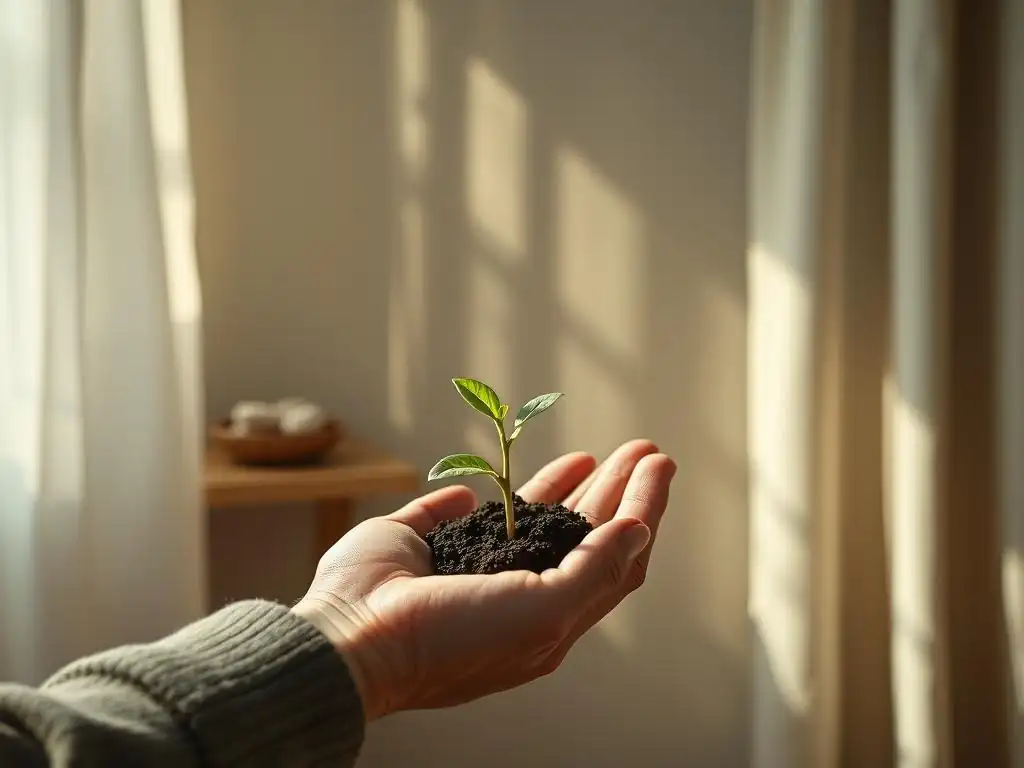
Mindfulness Practices for Enhancing Resilience
Mindfulness, at its core, is the practice of paying deliberate attention to the present moment without judgment. This simple act has powerful effects on our ability to handle stress and recover from setbacks, directly contributing to resilience. By regularly practicing mindfulness, we train our minds to observe thoughts, feelings, and sensations as temporary events rather than absolute truths or overwhelming crises.
This detachment allows for a more measured response to challenges, preventing the automatic escalation of stress and worry. The consistent practice of mindfulness, therefore, strengthens our internal capacity to remain grounded when faced with difficulty, which in turn helps us remain open to noticing and appreciating the positive aspects of our surroundings and experiences.
Integrating mindfulness into daily life doesn't require hours of dedicated practice; even short, consistent sessions can yield significant benefits for resilience. These practices cultivate a sense of presence and awareness that makes navigating stress more manageable. For instance, a meta-analysis of over 200 studies on mindfulness-based interventions indicated their effectiveness in reducing symptoms of stress, anxiety, and depression, all factors that erode resilience.
The ability to stay present, fostered by mindfulness, means that even when dealing with adversity, one is less likely to be consumed by rumination about the past or anxiety about the future, allowing for a greater capacity to appreciate the current reality, however challenging it might be. Meditation improves daily life appreciation by fostering this present-moment awareness.
Mindfulness of Breath: Anchoring Yourself in the Present
Focusing on the breath is perhaps the most fundamental mindfulness technique. It involves simply paying attention to the physical sensation of inhaling and exhaling—the rise and fall of the chest, the feeling of air entering and leaving the nostrils. When the mind inevitably wanders, the practice is simply to notice the distraction without judgment and gently guide attention back to the breath. This repetitive act of returning to the breath trains the mind to focus and stay anchored in the present, which is crucial for resilience because it prevents us from being swept away by stressful thoughts or emotions.
Regular practice of mindfulness of breath helps regulate the nervous system, shifting it from a state of fight-or-flight (sympathetic arousal) towards a state of rest and digest (parasympathetic dominance). For example, just a few minutes of deep, conscious breathing can lower heart rate and blood pressure. This physiological calm provides a stable base from which to confront challenges more effectively.
Furthermore, by anchoring us in the present, the breath allows us to fully inhabit the current moment, making us more receptive to noticing and appreciating the small details and simple pleasures that are often overlooked in the rush of daily life. This is a direct way meditation improves daily life appreciation.
Body Scan Meditation: Cultivating Body Awareness
Body scan meditation involves systematically bringing mindful attention to different parts of the body, noticing physical sensations without trying to change them. Starting from the toes and moving up to the head, the practitioner observes feelings like warmth, tingling, pressure, or absence of sensation. This practice cultivates a deeper connection with the physical self and enhances interoceptive awareness—the ability to perceive internal bodily states. This awareness is vital for resilience as it helps us recognize early signs of stress or emotional distress manifesting physically, allowing us to intervene sooner.
By becoming more attuned to bodily signals, we can respond more wisely to our needs, whether it's resting when tired or taking a break when tense. For example, noticing tension in the shoulders during a body scan might prompt a gentle stretch or a moment of deep breathing, preventing stress from accumulating.
This increased presence within the body also enhances our ability to appreciate the physical world and our interaction with it. Simply feeling the ground beneath our feet, the warmth of the sun on our skin, or the taste of food becomes a richer experience, demonstrating how meditation improves daily life appreciation through embodied presence.
Open Monitoring Meditation: Observing Thoughts and Emotions Without Judgment
Open monitoring meditation, also known as choiceless awareness, involves observing whatever arises in the field of awareness—thoughts, emotions, sensations, sounds—without focusing on any one thing in particular and without judgment. The goal is to witness the flow of experience as it unfolds, recognizing thoughts as just thoughts and emotions as just emotions, transient phenomena rather than solid realities. This practice is particularly powerful for building emotional resilience as it teaches us not to identify with or be consumed by difficult internal states.
By observing thoughts and emotions without judgment, we create a healthy distance from them. This allows us to respond to challenging feelings like anger or fear with greater clarity and less reactivity. For instance, instead of being overwhelmed by a wave of anxiety, one might observe the physical sensations associated with it and the thoughts that arise, recognizing them as temporary states.
This non-reactive stance frees up mental energy that would otherwise be spent struggling with internal states, making it easier to notice and appreciate the moments of peace, connection, or beauty that are also present in life. This capacity to appreciate life's nuances, even amidst difficulty, is where meditation improves daily life appreciation through enhanced emotional regulation.
The Science Behind Mindfulness and Resilience
Scientific research has increasingly validated the ancient wisdom of mindfulness, providing concrete evidence of its impact on the brain and body, particularly concerning resilience and stress management. Neuroimaging studies using fMRI have shown that regular mindfulness practice leads to measurable changes in brain structure and function. Areas associated with attention, self-awareness, and emotional regulation, such as the prefrontal cortex and insula, often show increased grey matter density or altered activity patterns in experienced meditators. Conversely, activity in the amygdala, the brain's fear center, may decrease, leading to reduced reactivity to stressors.
These neurological changes underpin the enhanced resilience observed in mindfulness practitioners. For example, a study published in Psychological Science found that brief mindfulness training reduced the intensity of emotional responses to negative stimuli. The ability to regulate these responses at a neurological level means that individuals are less likely to be derailed by setbacks and more capable of maintaining a stable emotional state.
This stability provides a foundation for engaging more fully with life and noticing its positive aspects. The scientific understanding confirms that the structural and functional brain changes induced by meditation contribute significantly to both resilience and the capacity for presence, which in turn explains how meditation improves daily life appreciation.
Mindfulness' Impact on the Nervous System and Stress Response
Mindfulness practices have a profound impact on the autonomic nervous system (ANS), which controls involuntary bodily functions like heart rate, digestion, and breathing. The ANS has two main branches: the sympathetic nervous system (responsible for the "fight or flight" response) and the parasympathetic nervous system (responsible for "rest and digest"). Chronic stress keeps the sympathetic system on high alert, leading to elevated heart rate, blood pressure, and stress hormone levels. Mindfulness helps shift the balance towards the parasympathetic system, promoting relaxation and reducing the physiological impact of stress.
Studies have shown that mindfulness training can lower levels of cortisol, the primary stress hormone, and reduce inflammatory markers in the body. For instance, participants in an 8-week Mindfulness-Based Stress Reduction (MBSR) program often show significant reductions in self-reported stress and physiological markers of stress compared to control groups. This reduced physiological stress response means the body and mind are less preoccupied with survival mode and more available to process information calmly and efficiently.
This state of reduced physiological burden allows for greater openness to sensory input and emotional experiences, making it easier to appreciate the simple comforts and joys present in the environment. Meditation improves daily life appreciation partly by calming the nervous system and reducing the chronic stress that can cloud one's perception.
How Mindfulness Strengthens Emotional Regulation
Emotional regulation is a key component of resilience. It is the ability to understand and manage one's emotional responses to challenging situations. Mindfulness strengthens emotional regulation by increasing awareness of emotions as they arise, without immediate reaction. Instead of being hijacked by intense feelings, mindfulness allows for a moment of pause, providing the space to choose a response rather than simply react. This capacity is built through consistent practice of observing internal states non-judgmentally.
Research using fMRI has demonstrated that mindfulness practice increases connectivity between the prefrontal cortex (involved in higher-level cognitive functions and decision-making) and the amygdala (involved in processing emotions, especially fear). This enhanced connectivity allows the prefrontal cortex to exert greater top-down control over emotional responses, leading to less impulsive and more thoughtful reactions. For example, instead of reacting with anger to a frustrating email, a mindful individual might notice the feeling of anger, take a breath, and choose a calmer, more constructive response.
This improved emotional control not only enhances resilience in the face of interpersonal or professional challenges but also frees up mental and emotional energy. This liberated energy can then be directed towards engaging with and appreciating the positive aspects of relationships, work, and personal life, illustrating how meditation improves daily life appreciation by fostering emotional balance.
Practical Strategies for Integrating Mindfulness into Daily Life
Creating a Daily Mindfulness Practice
Establishing a consistent daily mindfulness practice is fundamental to building lasting resilience and deepening appreciation for life. While the idea of adding another task to a busy schedule might seem daunting, a daily practice doesn't need to be long or complicated. Even just 5-10 minutes of focused mindfulness meditation each day can begin to rewire the brain and cultivate a more resilient mindset. The key is consistency, finding a time and place where you can sit quietly without interruption, perhaps first thing in the morning or before bed.
Start small and be patient with yourself. Choose a simple practice like mindful breathing and commit to it daily for a week. Notice any subtle shifts in how you feel or react to stress.
Over time, you can gradually increase the duration or explore other techniques like body scan or loving-kindness meditation. A study involving healthcare professionals found that a brief, daily mindfulness practice (10-15 minutes) significantly reduced burnout and improved emotional well-being over several months. This consistent effort builds the mental muscle needed for resilience and enhances the capacity to remain present and notice the small, positive details of each day, reinforcing how meditation improves daily life appreciation.
Simple Mindfulness Exercises for Stressful Situations
Beyond dedicated practice time, integrating short bursts of mindfulness throughout the day, especially during stressful moments, can significantly boost resilience and presence. These micro-practices help interrupt automatic stress responses and bring you back to the present moment, preventing escalation of worry or reactivity. They act as quick anchors in the midst of chaos, offering a moment of clarity and calm.
For instance, before responding to a challenging email or entering a difficult conversation, taking just two mindful breaths can make a difference. Task List:
- [ ] Pause before reacting.
- [ ] Take 1-3 deep, conscious breaths.
- [ ] Notice physical sensations.
- [ ] Choose a response, don't just react.
These small acts of intentional presence accumulate over time, strengthening your ability to navigate stress with greater ease and grace. By consistently choosing presence over reactivity, you create space to experience life more fully, even amidst challenges, which is a core way meditation improves daily life appreciation.
Mindful Listening: Engaging Fully in Conversations
Mindful listening is an exercise that significantly enhances both resilience in relationships and the appreciation of human connection. It involves paying complete attention to the person speaking, not just hearing their words but also noticing their tone of voice, body language, and the emotions underlying their message. This means setting aside your own thoughts, judgments, or what you plan to say next, and simply being fully present with the other person.
Practicing mindful listening strengthens interpersonal relationships by fostering empathy and understanding, which are crucial for building a strong social support network – a key factor in resilience. When you truly listen, the other person feels seen and heard, deepening the connection. Furthermore, by being fully present in a conversation, you gain a richer appreciation for the interaction itself, noticing nuances you might otherwise miss. This simple shift from passive hearing to active, mindful listening transforms everyday conversations into opportunities for deeper connection and understanding, highlighting how meditation improves daily life appreciation through enhanced relationships.
Mindful Movement: Connecting with Your Body
Mindful movement involves bringing conscious awareness to the physical sensations of movement. This can be anything from walking, stretching, yoga, or even washing dishes. The practice is to pay attention to the feeling of muscles working, the breath flowing, the contact of feet on the ground, or the sensation of water and soap. It's about being fully present in the physical act, rather than letting the mind race elsewhere.
Engaging in mindful movement helps release physical tension that often accumulates from stress, contributing to both physical and mental resilience. It also grounds you in the present moment, pulling you out of loops of worry or rumination. For example, a mindful walk in nature involves not just covering distance but noticing the feel of the breeze, the sounds of birds, the colors of leaves.
This embodied presence fosters a deeper connection to the physical world and allows for a profound appreciation of the simple act of being in motion and interacting with the environment. This practice is a powerful way meditation improves daily life appreciation through physical awareness and connection.
Mindful Pauses: Creating Space Between Stimulus and Response
Mindful pauses are brief moments of intentional awareness taken throughout the day, especially before responding to a stimulus. This could be pausing before checking email, before reacting to an irritating comment, or before rushing to the next task. The pause creates a small but significant gap between an external event (stimulus) and your internal reaction or external behavior (response). During this pause, you might take a breath, notice how you feel, and consciously choose how to proceed rather than operating on autopilot.
This practice is fundamental to building resilience because it prevents impulsive, potentially unhelpful reactions driven by stress or emotion. It gives you back control over your responses. For instance, instead of immediately sending an angry reply to an email, a mindful pause allows you to step back, assess the situation, and formulate a more constructive message.
This ability to choose your response wisely reduces unnecessary conflict and stress. Furthermore, these pauses offer tiny moments to simply be present, to notice your surroundings, or to appreciate a fleeting sensation – the warmth of a coffee cup, the view from a window. These micro-moments of presence, facilitated by the pause, underscore how meditation improves daily life appreciation by creating space for awareness.
Overcoming Challenges to Building Resilience Through Mindfulness
Building resilience through mindfulness is not always a smooth journey; challenges inevitably arise. One common obstacle is the feeling that the mind is too busy or resistant to practice. Many people start meditating expecting immediate calm and get discouraged when their minds are filled with thoughts.
It's important to remember that mindfulness is not about stopping thoughts, but about changing your relationship with them—observing them without getting carried away. Approaching the practice with patience and self-compassion is key. Recognize that having a busy mind is normal, and the practice is simply to notice the thoughts and gently return to the anchor (like the breath) again and again.
Another challenge is maintaining consistency, especially when life gets hectic or when faced with significant stress – precisely when mindfulness is most needed. It can feel like one more thing to do when you're already overwhelmed. However, viewing mindfulness not as a chore but as a vital tool for navigating difficulty can help maintain motivation.
Even practicing for 5 minutes is better than skipping it entirely. Acknowledging these challenges and developing strategies to work with them, such as scheduling practice time or using reminder cues, is part of the process of building resilience itself. Overcoming these hurdles strengthens your resolve and deepens the benefits, including how meditation improves daily life appreciation by making presence a more accessible state even when faced with internal or external resistance.
Dealing with Difficult Emotions
Mindfulness practice can sometimes bring difficult emotions or uncomfortable sensations to the surface. When we stop distracting ourselves, feelings like sadness, anger, or anxiety that were previously suppressed may arise. This can be challenging and might lead some people to avoid practice. However, learning to be present with difficult emotions without being overwhelmed by them is a core aspect of building emotional resilience. Mindfulness teaches us to observe these feelings with curiosity and non-judgment, recognizing them as temporary states rather than defining aspects of ourselves.
Approaches like RAIN (Recognize, Allow, Investigate, Nurture) can be helpful frameworks for mindfully processing difficult emotions. Recognizing the emotion, allowing it to be present, investigating its physical sensations and thoughts associated with it, and nurturing yourself with self-compassion provides a structured way to navigate intense feelings.
For example, instead of being consumed by anxiety before a presentation, one might recognize the feeling, allow it to be there, notice the tightness in their chest, and offer themselves kindness for feeling nervous. This process reduces the intensity of the emotion and prevents it from completely derailing you, leaving mental space to function effectively and even notice moments of support or encouragement from others, reinforcing how meditation improves daily life appreciation by enabling one to see beyond the immediate difficulty.
Maintaining Consistency in Your Mindfulness Practice
Consistency is arguably the most crucial factor in realizing the resilience-building benefits of mindfulness. Just like physical exercise builds muscle over time, regular mental training builds neural pathways that support presence, calm, and better emotional regulation. Sporadic practice yields limited results. However, life is unpredictable, and maintaining a daily habit can be difficult. Setbacks, busy periods, or simply losing motivation are common. It's important not to view lapses as failures, but simply as moments to notice and gently recommit.
Strategies for maintaining consistency include setting realistic goals (start with 5-10 minutes daily), linking the practice to an existing habit (e.g., meditate right after brushing your teeth), finding a meditation buddy or group for accountability, and using guided meditations or apps which can provide structure and support. A study on habit formation suggests that performing an action in the same context consistently helps it become automatic, requiring less willpower.
By prioritizing this regular mental training, you are actively building the capacity to weather future storms with greater ease and ensuring that the subtle shifts in perception that allow you to notice and appreciate the simple moments of daily life become more ingrained and accessible. This sustained effort is key to how meditation improves daily life appreciation over the long term.
Real-Life Examples: Stories of Enhanced Resilience Through Mindfulness
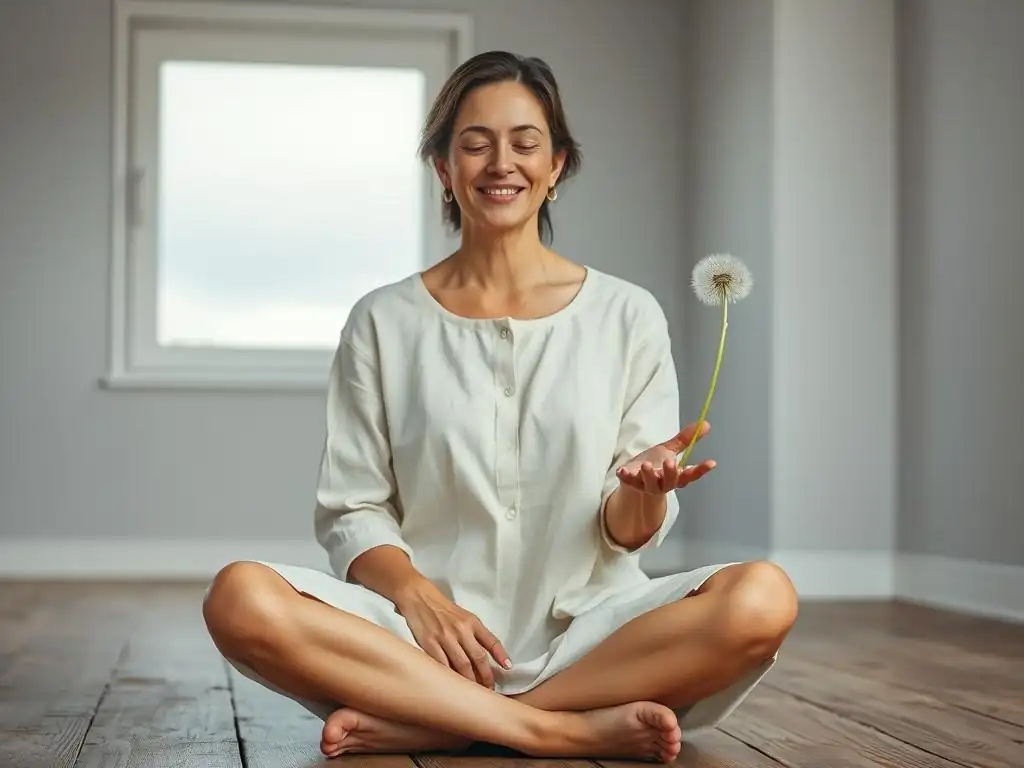
Managing Chronic Pain Through Mindfulness
Chronic pain is a significant source of stress and can severely impact one's quality of life and resilience. Many individuals struggle with the constant discomfort and the associated frustration, anxiety, and depression. Mindfulness-Based Stress Reduction (MBSR) programs were initially developed by Jon Kabat-Zinn specifically for patients dealing with chronic pain and illness. These programs teach participants to relate differently to their pain sensations, observing them with awareness and acceptance rather than constant resistance.
Consider the case of "Maria" (a composite example based on common experiences), who suffered from chronic lower back pain for years. Initially, her days were consumed by focusing on the pain, leading to irritability and withdrawal from social activities. After participating in an 8-week MBSR course, Maria reported that while the level of pain didn't necessarily disappear, her suffering decreased significantly.
She learned to observe the pain sensations without adding layers of fear or frustration. This shift in perspective allowed her to engage more fully in her life. She started taking short, mindful walks, noticing the feel of the breeze and the sights around her, something she hadn't done in years.
She reconnected with friends, practicing mindful listening during conversations. While still experiencing pain, her resilience in managing it improved dramatically, and she found she could once again notice and appreciate the simple joys and moments of connection in her daily life, demonstrating powerfully how meditation improves daily life appreciation even in the face of significant physical challenge.
Workplace stress is a pervasive issue, impacting productivity, well-being, and overall resilience. Deadlines, difficult colleagues, heavy workloads, and lack of control can contribute to chronic stress. Mindfulness practices offer practical tools for navigating these daily pressures more effectively, preventing burnout and maintaining a sense of balance.
Take the example of "David" (another composite example), a project manager who felt constantly overwhelmed and irritable due to demanding deadlines and team conflicts. He started incorporating short mindful pauses throughout his workday. Before responding to urgent emails, he would take three deep breaths. During team meetings, he practiced mindful listening, focusing solely on what others were saying without planning his rebuttal.
He also started taking mindful walking breaks during lunch, paying attention to the sensations of walking and his surroundings rather than rehashing work problems. David found that these simple practices helped him feel less reactive and more centered. He was able to approach challenging conversations with more clarity and less emotional intensity.
This improved ability to manage stress directly enhanced his resilience at work. Furthermore, by being more present during his breaks and interactions, he started noticing positive aspects of his work environment and feeling more connected to his colleagues. His experience illustrates how meditation improves daily life appreciation by helping individuals navigate stress more effectively, freeing them up to connect with and appreciate the positive aspects of their environment and interactions.
Further Benefits of Mindfulness Beyond Resilience
Improving Focus and Concentration
Beyond building resilience, mindfulness practice significantly enhances cognitive functions, particularly focus and concentration. In our increasingly distracting world, the ability to sustain attention on a single task is becoming a valuable skill. Mindfulness meditation, by its very nature, is a training in attention. Each time you notice your mind has wandered and gently bring it back to your anchor (like the breath), you are performing a 'rep' for your attention muscle.
Regular practice strengthens the brain networks associated with executive control and attention. Studies using attention tests, such as the Stroop test or sustained attention response task (SART), often show improved performance in individuals who have undergone mindfulness training compared to control groups. For instance, participants in mindfulness programs typically exhibit reduced mind-wandering and increased ability to stay on task.
This enhanced focus not only makes you more efficient and productive but also allows you to immerse yourself more fully in experiences, whether it's reading a book, engaging in a hobby, or spending time with loved ones. This deeper engagement makes these experiences more meaningful and enjoyable, directly contributing to how meditation improves daily life appreciation by enabling fuller presence.
Enhancing Emotional Intelligence
Mindfulness plays a crucial role in developing emotional intelligence (EI), which is the capacity to recognize one's own emotions and those of others, discern between different feelings and label them appropriately, and use emotional information to guide thinking and behavior. By practicing mindfulness, individuals become more attuned to their internal emotional landscape. They learn to identify emotions as they arise, understand their triggers, and observe how they manifest in the body.
This increased self-awareness of emotions is the foundation of emotional intelligence. As you become more skilled at recognizing your own feelings without judgment, you also develop a greater capacity to understand and empathize with the emotions of others. Research indicates that mindfulness training can improve various components of EI, such as empathy and emotion regulation.
For example, studies have shown that mindful individuals are often better at perspective-taking and responding compassionately to others. This enhanced emotional understanding improves communication, strengthens relationships, and allows for a deeper appreciation of the complexities of human connection, further demonstrating how meditation improves daily life appreciation through richer interpersonal experiences.
Fostering Self-Compassion
Self-compassion, the practice of being kind and understanding towards oneself, especially in moments of suffering, failure, or inadequacy, is closely linked to both mindfulness and resilience. Mindfulness helps us become aware of our suffering without judgment, while self-compassion provides the gentle, supportive response. It involves treating ourselves with the same kindness and care we would offer a close friend facing a similar difficulty.
Mindfulness practices, particularly those focused on loving-kindness, actively cultivate self-compassion. By directing kind intentions towards ourselves, we counter the harsh inner critic that can undermine resilience and well-being. Research shows that higher levels of self-compassion are associated with lower levels of anxiety and depression, greater motivation to learn from mistakes, and improved ability to cope with challenging life events. For example, studies have found that individuals high in self-compassion recover more quickly from academic failures.
This internal kindness creates a safe space to experience the full range of human emotions without fear of self-recrimination. It allows for a greater acceptance of oneself, flaws and all, which frees up energy to appreciate one's own inherent worth and the simple pleasure of being alive. This acceptance is a powerful pathway for how meditation improves daily life appreciation from the inside out.
Conclusion: Embracing a More Resilient Life Through Mindfulness
Mindfulness: A Pathway to Inner Strength and Well-being
Mindfulness practice is a powerful pathway to cultivating inner strength and enhancing overall well-being. By training our attention to be present in the moment without judgment, we build the core capacities needed to navigate life's inevitable challenges with greater resilience. We learn to observe stressful thoughts and difficult emotions without being swept away by them, allowing us to respond more skillfully and less reactively. This enhanced ability to manage stress and recover from adversity not only protects our mental and physical health but also fundamentally changes our relationship with our daily experience.
As we become more present and less consumed by worry or rumination, we open ourselves up to noticing and appreciating the simple moments that make up the fabric of our lives—the taste of food, the warmth of a shower, a kind word from a stranger, the beauty of nature, or a moment of quiet peace. This increased capacity for appreciation is a direct result of building resilience and cultivating presence through mindfulness.
Meditation improves daily life appreciation by clearing the mental clutter and reducing the physiological burden of stress, allowing the subtle joys and positive experiences of each day to shine through and be fully received.
Resources for Continued Learning and Practice
Embarking on or deepening your mindfulness journey is a continuous process, and there are many avenues for continued learning and practice. While specific links cannot be provided here, seeking out reputable resources can greatly support your path to enhanced resilience and appreciation. Look for books by well-known mindfulness teachers, explore guided meditations available through various platforms, or consider joining a local mindfulness course or retreat.
Many resources offer structured programs like Mindfulness-Based Stress Reduction (MBSR) or Mindfulness-Based Cognitive Therapy (MBCT), which provide comprehensive training in mindfulness techniques and their application to stress, anxiety, and other challenges. Finding a community of practice, whether online or in person, can also provide valuable support and encouragement. Remember that building resilience and deepening appreciation through mindfulness is a practice, not a destination. Be patient, be kind to yourself, and trust that consistent effort will yield profound and lasting benefits in your ability to navigate life's complexities while fully embracing and appreciating its simple moments.
Frequently Asked Questions
How does meditation specifically help with appreciating daily life?
Meditation helps by cultivating mindfulness, which allows you to be present in the current moment. This increased awareness fosters a deeper appreciation for the simple joys often overlooked.
What types of meditation are most effective for increasing appreciation?
Mindfulness meditation and loving-kindness meditation are particularly helpful. Mindfulness focuses on present moment awareness, while loving-kindness cultivates positive emotions and connection with others.
How often should I meditate to notice an improvement in daily life appreciation?
Even short, regular sessions can make a difference. Aim for at least 10-15 minutes daily to start noticing an increased appreciation for your surroundings and experiences.
Is it normal to struggle with staying present during meditation, and how can I overcome this?
Yes, it's common to experience a wandering mind. Gently redirect your attention back to your breath or chosen object of focus without judgment. Consistency is key.
Besides meditation, what else can I do to enhance my appreciation for daily life?
Practice gratitude exercises, such as journaling about things you are thankful for. Also, make a conscious effort to savor positive experiences and engage your senses fully.
Final Reflection: Finding Joy in the Everyday Through Meditation
The practice of meditation isn't just a fleeting trend; it's a powerful tool for cultivating a deeper appreciation for the simple moments that make up our daily lives. In a world obsessed with achievement and constant striving, meditation offers a vital counterpoint, reminding us to find joy in the present, rather than chasing an elusive future. This ability to truly see and feel the beauty in the ordinary is increasingly crucial for our well-being in today's fast-paced society.
The impact of this mindful approach extends far beyond individual contentment; it ripples outwards, influencing our relationships, our work, and even our broader cultural perspective. By slowing down and appreciating the small things – the warmth of the sun on our skin, the taste of a delicious meal, the laughter of a loved one – we cultivate a sense of gratitude that permeates every aspect of our existence. As the poet Mary Oliver so eloquently put it: Pay attention. Be astonished. Tell about it.
This is the essence of mindful living, a practice that meditation helps us to master.
Now, I invite you to consider how you can integrate this practice into your own life. Begin with just five minutes a day, focusing on your breath, your senses, and the present moment. Notice the subtle shifts in your perspective, the growing awareness of the beauty surrounding you. Don't strive for perfection; simply strive for presence. Let the simple act of meditation become your gateway to a richer, more fulfilling life, one filled with the quiet joy of appreciating the everyday.
Unveil the Joy: Cultivate Mindfulness Today
Thank you for taking the time to explore the power of mindful appreciation. We hope this article helped you see the beauty in everyday moments. Now, let's turn these insights into action!
- Begin your personal meditation journey: Even 5 minutes a day can make a significant difference. Start with a guided meditation, focusing on your breath and senses.
- Share this article with a loved one – spread the joy of mindful living!
- Reflect on three simple things you are grateful for today. Journal your thoughts to solidify your appreciation.
Ready to experience the transformative power of mindfulness? What small act of appreciation will you embrace today?