
Adolescence: A Critical Window for Epigenetic Changes in the Brain


Welcome to Mind Care Guide, a sanctuary for understanding and nurturing your mental well-being.
Ever wondered how your experiences, especially during adolescence, can leave a lasting mark on your brain? Dive into the fascinating world of epigenetics and adolescent brain health and uncover the intricate ways our environment shapes our cognitive development. This is more than just information; it's empowerment. Discover how understanding these processes can help you or your loved ones navigate the challenges of adolescence with greater resilience and insight. Are you ready to unlock the secrets within?
- Adolescence: A Critical Window for Epigenetic Changes in the Brain - Mind Care Guide
- Epigenetic Mechanisms Shaping the Adolescent Brain
- Environmental Factors Influencing Epigenetics and Adolescent Brain Health
- Epigenetics and Mental Health Disorders in Adolescence
- Promoting Healthy Adolescent Brain Development Through Epigenetics
- Future Directions in Epigenetics and Adolescent Mental Health Research
- Conclusion: Protecting the Adolescent Brain Through Epigenetic Awareness
-
Frequently Asked Questions
- What is epigenetics, and how does it relate to brain health?
- Why is adolescence considered a critical period for epigenetic changes in the brain?
- What kind of environmental factors can influence epigenetic changes in the adolescent brain?
- How can understanding epigenetics help improve adolescent mental well-being?
- What resources are available for adolescents and parents seeking more information about epigenetics and mental health?
- Final Reflection: Shaping the Adolescent Brain: Epigenetics and Our Future
- Unlock Your Teen's Brainpower: Actionable Steps for a Healthier Future
Adolescence: A Critical Window for Epigenetic Changes in the Brain - Mind Care Guide
What is Epigenetics and its Role in Brain Function?
Epigenetics refers to heritable changes in gene expression that occur without alterations to the underlying DNA sequence. Think of it not as changing the "words" in the genetic instruction manual, but changing how often, when, or where those instructions are "read." These modifications, such as DNA methylation and histone modification, act like molecular switches or volume controls, turning genes on or off or adjusting their activity levels.
In the brain, these epigenetic marks are crucial for regulating complex processes like neuronal development, synaptic plasticity (the ability of connections between neurons to strengthen or weaken), and the formation of memories. They are fundamental to how our brains are built and how they function throughout life.
The dynamic nature of epigenetic changes allows the brain to adapt to its environment. Unlike the fixed genetic code, the epigenome is responsive, meaning external factors can leave lasting marks that influence brain circuitry and behavior. For example, studies have shown that early life experiences can lead to epigenetic modifications in genes related to stress response pathways, impacting an individual's vulnerability to stress later in life.
This adaptability is particularly significant during periods of rapid development, where the brain is highly moldable and sensitive to external cues. Understanding these mechanisms is key to comprehending the complex interplay between genes and environment in shaping mental well-being.
Why Adolescence is a Critical Period for Brain Epigenetics
Adolescence, roughly spanning the ages of 10 to 24, is a period of profound structural and functional changes in the brain. Key regions, such as the prefrontal cortex (involved in decision-making and impulse control) and the limbic system (involved in emotion and reward), undergo significant maturation and reorganization. This extensive remodeling makes the adolescent brain exceptionally plastic and, consequently, highly susceptible to epigenetic modifications. During this phase, the brain's "epigenetic landscape" is actively being sculpted by a combination of genetic predispositions and environmental exposures, laying down foundational patterns of gene expression that can persist into adulthood.
The heightened plasticity of the adolescent brain means that experiences during this time can have particularly potent and long-lasting effects on brain function and behavior, mediated significantly by epigenetics. For instance, the trajectory of myelination, the process that insulates nerve fibers and speeds up communication, is influenced by epigenetic regulation and continues throughout adolescence.
Similarly, the pruning of synapses – the elimination of less-used connections – is a critical process regulated by epigenetic mechanisms, refining brain circuits for greater efficiency. Because these developmental processes are so active, environmental factors encountered during these years can leave more enduring epigenetic marks compared to later in life, profoundly impacting future mental health trajectories.
The Unique Vulnerabilities of the Adolescent Brain to Environmental Influences
The very plasticity that makes the adolescent brain adaptable also makes it uniquely vulnerable to negative environmental influences. Factors such as chronic stress, exposure to toxins, poor nutrition, and substance use can disrupt the delicate epigenetic balance during this critical developmental window. Unlike the more stable adult brain, the adolescent brain's ongoing maturation processes, including synapse formation and pruning, are more easily steered off course by adverse experiences. This vulnerability is partly due to the heightened activity of epigenetic machinery in developing neurons and glial cells.
Research indicates that adverse experiences during adolescence can lead to specific, measurable epigenetic changes in genes relevant to stress response, emotional regulation, and cognitive function. For example, studies on rodents exposed to unpredictable stress during adolescence show altered DNA methylation patterns in genes within the hippocampus, a brain region crucial for memory and mood. These changes are often correlated with behavioral deficits resembling anxiety and depression. Understanding these specific vulnerabilities is crucial for developing targeted interventions aimed at protecting epigenetics and adolescent brain health.
Epigenetic Mechanisms Shaping the Adolescent Brain

DNA Methylation: Impacts on Gene Expression During Adolescence
DNA methylation is one of the most well-studied epigenetic mechanisms. It typically involves the addition of a methyl group to a cytosine base, often occurring at CpG sites (where cytosine is followed by guanine). In many cases, methylation in gene promoter regions leads to gene silencing or reduced expression, essentially turning the gene "off" or "down."
During adolescence, there is significant remodeling of DNA methylation patterns across the brain, particularly in regions like the prefrontal cortex and hippocampus. This dynamic process is essential for fine-tuning gene expression patterns required for synaptic maturation, neuronal circuit refinement, and the development of complex behaviors.
Studies have identified specific genes that undergo substantial changes in methylation during adolescence. For example, genes involved in neurotransmitter signaling, such as those for dopamine receptors or glutamate transporters, show age-dependent methylation shifts. These changes can influence the sensitivity of these systems, potentially explaining some of the characteristic risk-taking and reward-seeking behaviors observed during this period. Furthermore, research suggests that environmental factors like stress can induce specific DNA methylation patterns in genes like the glucocorticoid receptor gene ( NR3C1), potentially altering stress reactivity and increasing vulnerability to mood disorders. The precise pattern of DNA methylation can thus serve as a molecular memory of past experiences, impacting current and future brain function.
Histone Modification: Regulating Brain Plasticity in Teenagers
Histones are proteins around which DNA is wrapped to form chromatin. Modifications to these histones, such as acetylation, methylation, phosphorylation, and ubiquitination, can affect how tightly the DNA is coiled. Tightly coiled chromatin generally makes genes less accessible for transcription (gene expression), while looser coiling makes them more accessible. Histone modifications act as another layer of epigenetic control, influencing which genes are expressed and to what extent. In the adolescent brain, histone modifications play a critical role in regulating synaptic plasticity and learning, processes that are highly active during this developmental stage.
For example, histone acetylation, which typically loosens chromatin structure and promotes gene expression, is crucial for processes like memory consolidation. Studies have shown that inhibitors of histone deacetylases (HDACs), enzymes that remove acetyl groups, can enhance learning and memory in animal models. Conversely, disruptions in histone modification patterns have been implicated in neurodevelopmental and psychiatric disorders. During adolescence, the dynamic interplay of different histone modifications helps orchestrate the complex gene expression programs needed for neuronal circuit refinement and the establishment of adult brain connectivity patterns, directly impacting epigenetics and adolescent brain health.
Non-coding RNAs: Their Role in Adolescent Brain Epigenetics
Non-coding RNAs (ncRNAs) are RNA molecules that are not translated into proteins but perform various regulatory functions within the cell. These include microRNAs (miRNAs), long non-coding RNAs (lncRNAs), and others. NcRNAs can influence gene expression at multiple levels, including by interacting with DNA, histones, or messenger RNAs (mRNAs). In the context of epigenetics, some ncRNAs can recruit epigenetic modifying enzymes to specific genomic locations, thereby influencing DNA methylation or histone modifications.
During adolescence, specific ncRNAs are highly expressed in the brain and are involved in regulating neuronal development, synaptic function, and plasticity. For instance, certain miRNAs have been shown to target mRNAs of genes involved in neuronal migration or dendritic spine formation, processes active during teenage brain development.
Changes in the expression of these regulatory ncRNAs, potentially triggered by environmental factors, can lead to widespread alterations in gene expression patterns and contribute to the vulnerability of the adolescent brain to psychiatric disorders. The intricate network involving ncRNAs and traditional epigenetic marks like DNA methylation and histone modifications represents a complex system governing epigenetics and adolescent brain health.
Environmental Factors Influencing Epigenetics and Adolescent Brain Health
The Impact of Nutrition on Adolescent Brain Epigenetics
Nutrition is a powerful environmental factor that can significantly influence the epigenome, particularly during developmental periods like adolescence when the brain's metabolic demands are high. Essential nutrients like B vitamins (folate, B12), methionine, and choline are crucial donors of methyl groups, which are required for DNA methylation. Deficiencies or excesses of these nutrients can alter the availability of these methyl donors, potentially disrupting normal DNA methylation patterns in the developing brain. Omega-3 fatty acids, abundant in cell membranes of brain cells, also play a role in regulating gene expression, partly through epigenetic mechanisms.
Research in animal models suggests that dietary interventions during development can lead to lasting epigenetic changes in the brain. For example, supplementing diets with methyl donors has been shown to alter DNA methylation patterns and influence anxiety-like behaviors in rodent offspring.
While direct human studies on adolescent nutrition and brain epigenetics are complex, observational data link poor adolescent diet quality to increased risk of mental health issues. This suggests that adequate and balanced nutrition during these critical years is not just about providing energy and building blocks, but also about supporting the intricate epigenetic machinery that guides healthy brain development, contributing positively to epigenetics and adolescent brain health.
Stress and Trauma: Epigenetic Consequences in the Teenage Brain
Stress and trauma are perhaps the most extensively studied environmental factors with known epigenetic consequences, especially during sensitive developmental periods like adolescence. Exposure to chronic stress, abuse, or neglect during these years can trigger lasting changes in gene expression through epigenetic modifications in brain regions involved in stress response, such as the hypothalamus, pituitary gland, and adrenal gland (HPA axis), as well as the amygdala and hippocampus. These changes can alter the reactivity of the HPA axis, leading to dysregulated cortisol levels and increased vulnerability to stress-related disorders later in life.
Specific examples include studies showing that adolescents who experience significant early life adversity exhibit altered DNA methylation patterns in genes related to the glucocorticoid receptor ( NR3C1) in blood and potentially in brain tissue. These modifications are associated with altered stress hormone responses and increased risk for depression and anxiety. The adolescent brain's heightened plasticity means that stress-induced epigenetic marks can become deeply embedded, reshaping neural circuits and potentially contributing to persistent mental health challenges. Understanding these links highlights the critical need for trauma-informed care and stress reduction strategies during adolescence to protect epigenetics and adolescent brain health.
Humans are inherently social beings, and social interactions, both positive and negative, can significantly impact brain development and function. During adolescence, peer relationships become increasingly important, and the quality of these interactions can influence stress levels, emotional well-being, and sense of belonging. Social experiences can also leave their mark on the epigenome. For instance, positive social support can buffer the effects of stress, potentially by influencing epigenetic patterns in stress-related genes. Conversely, social isolation, bullying, or conflict can act as significant stressors with detrimental epigenetic consequences.
Research in social animals, like rodents and primates, has demonstrated that social rank, maternal care quality, and peer interactions can lead to specific epigenetic modifications in brain regions involved in social behavior and stress response. While direct studies in human adolescents are challenging, it is hypothesized that the complex social environment teenagers navigate similarly influences their brain epigenetics, impacting their emotional regulation, social cognition, and vulnerability to disorders like social anxiety or depression. Nurturing positive social environments and promoting healthy peer relationships are therefore vital strategies for supporting epigenetics and adolescent brain health.
Substance Use and its Influence on Epigenetic Modifications in the Adolescent Brain
Adolescence is often a period when individuals may experiment with substances like alcohol, nicotine, cannabis, or other drugs. The developing adolescent brain is particularly susceptible to the neurobiological effects of these substances, which can induce rapid and significant epigenetic alterations. These changes can occur in genes involved in reward pathways, learning and memory, and inhibitory control, contributing to the development of addiction and increasing the risk for other mental health issues. The epigenetic marks left by substance use can persist long after the substance is cleared from the system, potentially explaining the enduring nature of addiction and relapse vulnerability.
For example, studies have shown that nicotine exposure during adolescence can lead to persistent changes in DNA methylation and histone modifications in genes related to neurotransmitter systems like acetylcholine and dopamine in the brain. These epigenetic changes are associated with altered reward sensitivity and increased likelihood of nicotine dependence.
Similarly, cannabis use during adolescence has been linked to altered DNA methylation patterns in genes important for brain development and function, potentially contributing to the increased risk of psychosis observed in vulnerable individuals. Educating adolescents about the risks of substance use, including its impact on epigenetics and adolescent brain health, is crucial for prevention.
Epigenetics and Mental Health Disorders in Adolescence
Epigenetic Links to Adolescent Depression and Anxiety
Depression and anxiety disorders are among the most common mental health challenges faced by adolescents. While genetic predisposition plays a role, environmental factors and their interaction with genes via epigenetics are increasingly recognized as major contributors. Studies have identified specific epigenetic modifications, particularly DNA methylation changes, in genes involved in stress response (e.g., NR3C1), monoamine neurotransmission (e.g., serotonin transporter SLC6A4), and neurodevelopment ( BDNF) in individuals with adolescent-onset depression or anxiety compared to healthy controls.
For instance, research has found hypermethylation (increased methylation) of the BDNF gene promoter in the blood of adolescents experiencing major depressive episodes. BDNF is crucial for neuronal growth and survival, and reduced expression due to hypermethylation could impair brain function in areas related to mood regulation. These epigenetic signatures can sometimes be correlated with the severity of symptoms or response to treatment, suggesting their potential as biomarkers. Understanding these epigenetic links provides new avenues for research into the underlying causes of these disorders and potential targets for therapeutic intervention aimed at restoring healthy gene expression patterns and improving epigenetics and adolescent brain health.
The Role of Epigenetics in Adolescent Schizophrenia
Schizophrenia is a complex psychiatric disorder that often has its onset during late adolescence or early adulthood. It is known to have a strong genetic component, but environmental factors like prenatal infections, obstetric complications, and cannabis use during adolescence significantly increase risk. Epigenetic mechanisms are believed to play a crucial role in mediating the interaction between genetic vulnerability and environmental triggers in the development of schizophrenia. Alterations in DNA methylation, histone modifications, and non-coding RNA expression have been observed in post-mortem brain tissue and peripheral blood of individuals with schizophrenia.
Specific examples include studies identifying altered DNA methylation patterns in genes involved in synaptic function, neural plasticity, and immune response in individuals with schizophrenia. For instance, genes related to the glutamatergic system, crucial for brain signaling, have shown differential methylation. Furthermore, disruptions in histone modification enzymes have been implicated in the disorder.
These epigenetic changes are thought to disrupt the fine-tuning of neural circuits during adolescence, a critical period for brain maturation relevant to schizophrenia pathology. Investigating these epigenetic signatures holds promise for earlier risk identification and development of novel treatments targeting the underlying molecular dysregulation affecting epigenetics and adolescent brain health.
ADHD in Adolescence: An Epigenetic Perspective
Attention-Deficit/Hyperactivity Disorder (ADHD) often persists from childhood into adolescence and can significantly impact academic performance, social functioning, and emotional regulation. While heritability is high, environmental factors and their epigenetic consequences are thought to contribute to the complex etiology of ADHD. Research is beginning to explore specific epigenetic marks associated with ADHD symptoms and related traits in adolescents.
Studies have started to identify differential DNA methylation patterns in genes involved in dopamine signaling ( DAT1, DRD4) and neurodevelopment ( BDNF, SNAP25) in individuals with ADHD compared to controls. For example, variations in DNA methylation within the DAT1 gene have been linked to differences in dopamine transporter availability, which is central to the neurobiology of ADHD. While research in this area is still developing, it suggests that epigenetic modifications influenced by genetic background and environmental exposures could contribute to the variability in ADHD symptom presentation and severity observed in adolescents. Further research into the role of epigenetics in ADHD could lead to more personalized approaches to diagnosis and treatment, improving epigenetics and adolescent brain health.
Eating Disorders: Epigenetic Factors Contributing to Development in Adolescence
Eating disorders, such as anorexia nervosa, bulimia nervosa, and binge-eating disorder, frequently emerge during adolescence and are complex conditions influenced by a combination of genetic, psychological, and environmental factors. Epigenetic mechanisms are being explored as potential mediators linking genetic predispositions and environmental influences (like dieting, stress, or cultural pressures) to the development and maintenance of eating disorders.
Preliminary research suggests that individuals with eating disorders may exhibit altered epigenetic patterns in genes related to appetite regulation, reward processing, stress response, and emotional control. For instance, studies have looked at genes like LEP (Leptin, involved in satiety) or genes in the opioid system, finding differential methylation or histone modifications. While specific epigenetic markers for adolescent eating disorders are still being identified and validated, the hypothesis is that adverse experiences or specific behaviors (like severe calorie restriction) during the sensitive adolescent period can induce epigenetic changes that disrupt normal feeding behaviors and contribute to the development of disordered eating patterns. Understanding these epigenetic contributions could inform prevention efforts and lead to novel therapeutic strategies for these challenging conditions, supporting epigenetics and adolescent brain health.
Promoting Healthy Adolescent Brain Development Through Epigenetics
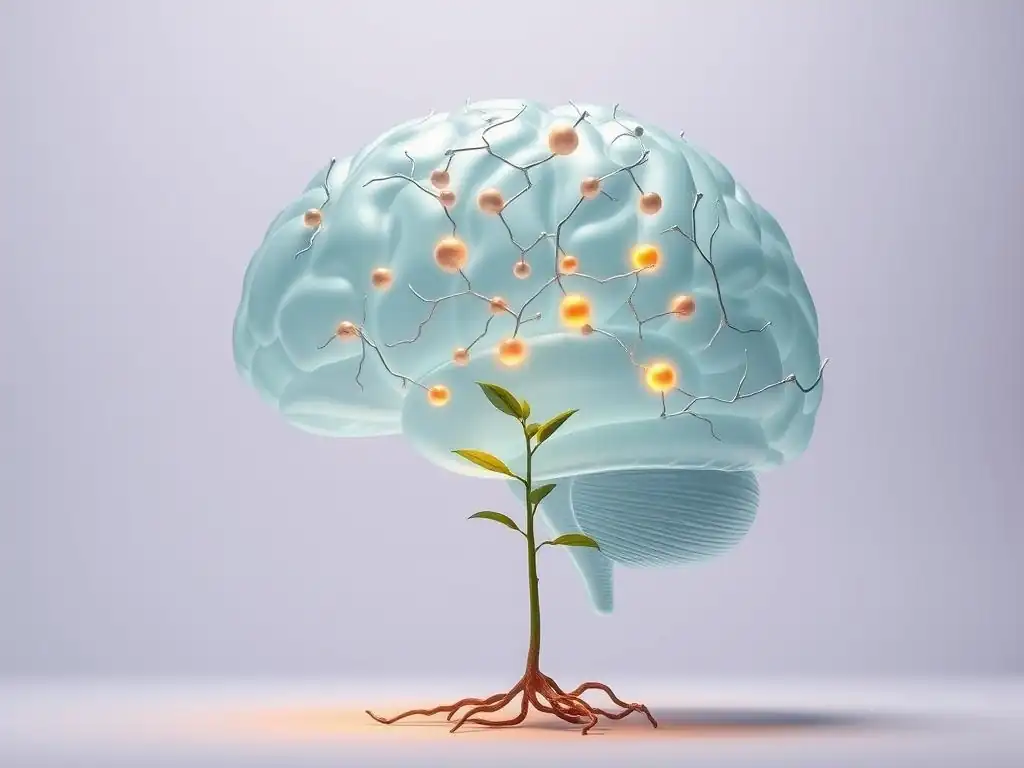
The Potential of Lifestyle Interventions to Modulate Epigenetics
Given that environmental factors can influence adolescent brain epigenetics, lifestyle interventions hold significant promise for promoting healthy development. Encouraging balanced nutrition, regular physical activity, sufficient sleep, and stress reduction techniques can potentially exert positive influences on the epigenome. For example, exercise has been shown in some studies to influence BDNF expression, partly through epigenetic mechanisms, which is vital for neuronal health and plasticity. Similarly, diets rich in fruits, vegetables, and omega-3 fatty acids provide essential cofactors and substrates for epigenetic enzymes.
Promoting healthy lifestyle choices during adolescence is not just about physical health; it's a strategy for nurturing a resilient brain by supporting optimal epigenetic function. Educating adolescents and their families about how daily habits can impact gene expression and brain health empowers them to make choices that favor positive epigenetic outcomes. While more research is needed to fully understand the specific epigenetic effects of various lifestyle factors, the existing evidence strongly supports the promotion of healthy living as a means to positively influence epigenetics and adolescent brain health.
Early Intervention Strategies for Optimizing Adolescent Brain Health
Identifying adolescents at risk for mental health challenges and implementing early intervention strategies is crucial. An epigenetic perspective suggests that interventions targeting modifiable environmental factors during this critical window could potentially prevent or mitigate adverse epigenetic changes that predispose individuals to disorders. This could include programs focused on reducing exposure to stress and trauma, preventing substance use, promoting healthy coping mechanisms, and ensuring access to nutritious food and supportive social environments.
For instance, school-based programs aimed at improving social-emotional learning and reducing bullying could buffer the negative epigenetic effects of social stress. Family-based interventions that enhance parenting skills and reduce household conflict can also provide a more stable and supportive environment, positively influencing the child's epigenome. The goal is to create conditions that foster positive epigenetic programming, strengthening neural circuits associated with resilience and emotional regulation. Early identification and targeted support, informed by a growing understanding of epigenetics and adolescent brain health, are key to optimizing developmental trajectories.
The Importance of a Supportive Environment for Epigenetic Well-being
A supportive environment is perhaps the most critical factor in promoting healthy adolescent brain development and epigenetic well-being. This includes a nurturing family, positive peer relationships, safe schools, and access to community resources. Feeling safe, loved, and connected provides a buffer against stress and adversity, which are major drivers of negative epigenetic changes. Conversely, environments characterized by chronic stress, neglect, or instability can trigger epigenetic modifications that increase vulnerability to mental health issues.
For example, strong parent-child relationships characterized by warmth and responsiveness have been associated with healthier stress response patterns and potentially more favorable epigenetic profiles in children and adolescents. Creating environments that prioritize emotional support, provide opportunities for positive social engagement, and ensure safety helps to protect the developing brain from detrimental epigenetic programming. Investing in supportive families, schools, and communities is an investment in the long-term mental health and resilience of adolescents, fundamentally supporting epigenetics and adolescent brain health.
Future Directions in Epigenetics and Adolescent Mental Health Research
Exploring Novel Therapeutic Targets for Epigenetic Interventions
The growing understanding of the role of epigenetics in adolescent brain development and mental health is opening up exciting possibilities for novel therapeutic interventions. Instead of solely targeting neurotransmitter systems, future treatments could aim to correct or reverse maladaptive epigenetic marks that contribute to disorders. This could involve pharmacological agents that specifically target epigenetic enzymes (e.g., HDAC inhibitors, DNA methyltransferase inhibitors) to restore gene expression patterns.
However, developing such therapies for the adolescent brain requires extreme caution due to the ongoing developmental processes. Any intervention must be highly specific to avoid disrupting essential epigenetic programming required for healthy maturation. Research is exploring the potential of using epigenetic editing tools or small molecules that can selectively modify epigenetic marks in specific cell types or brain regions. While still largely in the preclinical stages, this field holds immense promise for developing more targeted and potentially more effective treatments for adolescent-onset mental health conditions by directly addressing the underlying epigenetic dysregulation affecting epigenetics and adolescent brain health.
The Role of Personalized Medicine in Adolescent Mental Healthcare Based on Epigenetics
Epigenetic research also paves the way for more personalized approaches to adolescent mental healthcare. Just as genetic testing is becoming more common, future diagnostics could potentially include assessing an individual's epigenetic profile, perhaps from easily accessible tissues like blood or saliva, to identify specific epigenetic markers associated with risk for certain disorders or predict response to particular treatments.
For instance, identifying specific DNA methylation patterns in genes related to stress response or drug metabolism could help clinicians tailor treatment plans, including medication choices and dosages, for adolescents with depression or anxiety. Furthermore, tracking changes in epigenetic markers over time could potentially be used to monitor the effectiveness of interventions or detect early signs of relapse. While the complexity of the epigenome and the challenges of obtaining brain tissue make this a long-term goal, the potential for using epigenetic information to guide personalized interventions for epigenetics and adolescent brain health is significant.
Understanding the Long-Term Effects of Adolescent Epigenetic Changes on Adult Mental Health
A critical area of ongoing research is understanding the long-term consequences of epigenetic changes that occur during adolescence for mental health and behavior in adulthood. Evidence from both human and animal studies suggests that epigenetic marks established during sensitive developmental periods can persist throughout life, influencing vulnerability to psychiatric disorders, cognitive function, and stress resilience in adulthood.
For example, studies have shown that epigenetic changes induced by adolescent stress can contribute to increased anxiety and depression-like behaviors in adulthood. Similarly, epigenetic marks associated with adolescent substance use may contribute to persistent addiction vulnerability and altered decision-making in later life. Longitudinal studies tracking epigenetic changes and mental health outcomes from adolescence into adulthood are essential to fully elucidate these long-term impacts. This research will help clarify how experiences during these formative years shape the adult brain and contribute to lifelong mental well-being, deepening our understanding of the enduring impact of epigenetics and adolescent brain health.
Conclusion: Protecting the Adolescent Brain Through Epigenetic Awareness
Adolescence is a dynamic and critical period for brain development, uniquely shaped by epigenetic mechanisms that respond to the environment. The brain's heightened plasticity during these years makes it both remarkably adaptable and particularly vulnerable to lasting influences from experiences, nutrition, stress, social interactions, and substance exposure. These environmental factors can induce epigenetic modifications – changes in DNA methylation, histone modifications, and non-coding RNA expression – that alter gene activity and sculpt neural circuits.
These epigenetic changes are not merely transient effects; they can contribute to the risk for various mental health challenges that often emerge during or after adolescence, including depression, anxiety, schizophrenia, ADHD, and eating disorders. Understanding the intricate interplay between genes, environment, and epigenetics provides a powerful framework for comprehending the complex origins of these conditions. Crucially, this knowledge also highlights the potential for intervention.
Promoting healthy lifestyles, ensuring supportive environments, and implementing early intervention strategies can positively influence the adolescent epigenome, fostering resilience and protecting long-term mental health. As research into epigenetics and adolescent brain health continues to advance, it holds the promise of leading to more personalized, effective prevention and treatment approaches, ultimately helping every adolescent reach their full potential for well-being.
Frequently Asked Questions
What is epigenetics, and how does it relate to brain health?
Epigenetics involves changes in gene expression without altering the DNA sequence itself. These changes can significantly impact brain development and function, affecting mental well-being throughout life.
Why is adolescence considered a critical period for epigenetic changes in the brain?
Adolescence is a period of rapid brain development and remodeling, making it especially susceptible to environmental influences. These influences can trigger epigenetic modifications that have long-lasting effects.
What kind of environmental factors can influence epigenetic changes in the adolescent brain?
Factors like stress, diet, exposure to toxins, and social interactions can all influence epigenetic processes. These influences can either promote healthy brain development or increase the risk of mental health challenges.
How can understanding epigenetics help improve adolescent mental well-being?
By understanding how environmental factors impact gene expression, we can develop targeted interventions to promote positive epigenetic changes. This can involve strategies to reduce stress, improve nutrition, and foster supportive social environments.
What resources are available for adolescents and parents seeking more information about epigenetics and mental health?
Mind Care Guide offers a comprehensive guide to mental well-being, including information on epigenetics. Seek advice from mental health professionals for personalized guidance and support.
Final Reflection: Shaping the Adolescent Brain: Epigenetics and Our Future
The impact of epigenetic modifications during adolescence is not merely a scientific curiosity; it's a fundamental determinant of lifelong brain health and well-being. Understanding these subtle yet powerful changes offers a crucial window into preventing neurological and psychiatric disorders later in life, a prospect that demands immediate attention and further research. The implications for public health policy, preventative care, and personalized medicine are profound and far-reaching.
The exploration of epigenetic mechanisms in the adolescent brain has profoundly shifted my understanding of human development. It underscores the dynamic interplay between genes and environment, highlighting the critical role of experiences – both positive and negative – in shaping brain architecture. The brain is not a static organ; it is constantly changing and adapting throughout life.
This adaptability, however, is particularly pronounced during adolescence, making this period a crucial target for interventions aimed at promoting healthy brain development and mitigating the risk of future mental health challenges.
The knowledge gained from studying epigenetics in adolescence empowers us to make informed choices about our own lives and the lives of young people. Consider the impact of nutrition, stress management, and social support on the developing brain. You have the power to influence your epigenetic landscape. By prioritizing healthy lifestyle choices, fostering supportive relationships, and advocating for policies that promote well-being, we can collectively create a future where more individuals thrive with healthy, resilient brains. Let us embrace this understanding and work towards a healthier future, one epigenetic modification at a time.
Unlock Your Teen's Brainpower: Actionable Steps for a Healthier Future
Thanks for taking the time to learn about the critical role epigenetics plays in your teenager's brain development! You now have valuable insights into how lifestyle choices impact their long-term well-being. Let's put this knowledge into action.
- Prioritize healthy habits together: Make a family commitment to improve nutrition, increase physical activity, and prioritize sufficient sleep. This is the cornerstone of supporting healthy brain development during this crucial period.
- Explore resources for teen mental health: Discover additional support and information tailored to adolescents and their specific challenges. There are many organizations dedicated to providing guidance and support.
- Share this knowledge with other parents: Discuss these findings with other parents of teenagers – your insights could make a huge difference in a young person's life!
What small change will you implement today to positively influence your teenager's brain health?