
Neurofeedback Terminology Explained: Your Glossary for Brain Training


Welcome to Mind Care Guide.
Feeling overwhelmed by the complexities of mental well-being? You're not alone. Here, we believe understanding is the first step towards healing. This journey begins with decoding the language of brain training. Are you curious about unlocking the potential of your mind? Let's delve into the world of neurofeedback, exploring its remarkable Neurofeedback brain training benefits and demystifying the terminology you need to know. Prepare to discover a clearer path to mental wellness.
Neurofeedback Terminology Explained: Your Glossary for Brain Training
- Introduction to Neurofeedback
- Core Neurofeedback Concepts and Terms
- Essential Neurofeedback Training Terminology
- Advanced Neurofeedback Terminology and Techniques
- Neurofeedback Benefits: A Deeper Dive
- Neurofeedback Equipment and Software Terminology
- Understanding Neurofeedback Assessment Terminology
- Conclusion: Mastering Terminology
-
Frequently Asked Questions
- What is neurofeedback, and how does it relate to brain training?
- What are some potential neurofeedback brain training benefits?
- What are brainwaves, and how are they measured during neurofeedback?
- How does neurofeedback training work?
- Is neurofeedback a substitute for traditional mental health treatment?
- Final Reflection: Unlocking the Potential Within: Neurofeedback and You
- Unlock Your Brain's Potential: Next Steps to Better Brain Health
Introduction to Neurofeedback
Understanding Neurofeedback: A Definition
Neurofeedback, also known as EEG biofeedback, is a non-invasive form of brain training that teaches individuals to self-regulate their brain activity. It is based on the principle of operant conditioning, where a person receives real-time information (feedback) about their brainwaves and learns to modify them to achieve a desired state. This process allows the brain to develop new patterns of activity, potentially leading to improvements in various cognitive and emotional functions. The core idea is that by providing a "mirror" of brain activity, individuals can consciously or unconsciously learn to shift their brainwave patterns.
This brain training technique utilizes sophisticated equipment to measure electrical activity in the brain via sensors placed on the scalp. The data is then processed by specialized software and presented to the user through visual displays, sounds, or even tactile feedback. For example, a common setup might involve a video game that only progresses when the user produces the desired brainwave pattern.
Over multiple sessions, typically ranging from 20 to 40, the brain learns to maintain these beneficial patterns, leading to lasting changes through neuroplasticity. The goal is often to move brainwave activity towards a more optimal or regulated state associated with improved mental clarity, focus, and emotional stability.
Why Learn Neurofeedback Terminology?
Understanding the specific language used in neurofeedback is crucial for anyone considering or undergoing this type of brain training. The field involves unique concepts and technical terms related to brain function, measurement, and training protocols. Familiarity with this glossary empowers individuals to have more informed conversations with practitioners, better understand their assessment results (like QEEG brain maps), and grasp the rationale behind their personalized training plan.
Navigating the world of neurofeedback without understanding its terminology can feel overwhelming. Terms like "Alpha waves," "Z-score training," or "coherence" are fundamental to describing what is being measured and what the training aims to achieve. A solid grasp of these terms demystifies the process and highlights the potential neurofeedback brain training benefits. It allows individuals to appreciate how specific brainwave patterns are linked to different states of mind and how modifying these patterns through training can lead to tangible improvements in areas such as attention, anxiety reduction, or sleep quality.
Core Neurofeedback Concepts and Terms
EEG (Electroencephalography): Measuring Brainwaves
EEG, or Electroencephalography, is the primary technology used in neurofeedback to measure the electrical activity produced by the brain. Millions of neurons in the brain communicate by generating electrical signals, which can be detected by highly sensitive sensors placed on the scalp. These signals, although very small (measured in microvolts), represent the collective activity of large groups of neurons firing together. The raw EEG signal is a complex waveform that reflects the sum of these electrical activities occurring beneath the electrodes.
The EEG signal is then amplified and processed by specialized software. This processing breaks down the complex signal into different frequency bands, which correspond to different types of brain activity. By analyzing the amplitude (strength) and frequency (speed) of these brainwaves, practitioners can gain insights into a person's state of mind, level of arousal, and potential areas of dysregulation. This measurement forms the basis for identifying targets for neurofeedback brain training, as the feedback provided to the user is derived directly from this real-time EEG data.
Brainwaves: Alpha, Beta, Theta, and Delta Frequencies
Brainwaves are rhythmic electrical patterns generated by the synchronized activity of neurons in the brain. They are categorized primarily by their frequency, measured in Hertz (Hz), which is the number of cycles per second. Different frequency ranges are associated with distinct states of consciousness and cognitive functions. Understanding these different brainwave types is fundamental to comprehending how neurofeedback works and the specific neurofeedback brain training benefits targeted by various protocols.
The four primary brainwave categories are Delta, Theta, Alpha, and Beta, often visualized as distinct bands in an EEG display. These bands are not rigidly separated but rather represent ranges where certain types of activity are predominant. For instance, higher frequencies like Beta are typically associated with alert, focused states, while lower frequencies like Delta are linked to deep sleep. Neurofeedback training often involves learning to either increase or decrease the activity within specific frequency bands at particular locations on the scalp.
Alpha Waves: Characteristics and Applications
Alpha waves typically fall within the frequency range of 8 to 13 Hz. They are most prominent when a person is in a relaxed, calm, and reflective state, often with their eyes closed. Alpha activity is associated with a state of relaxed alertness, where the mind is quiet but not asleep. It's the state experienced during light meditation or daydreaming. High alpha activity is often observed in the parietal and occipital lobes.
Training to increase alpha waves can be beneficial for individuals experiencing stress or anxiety, as it promotes relaxation. For example, alpha training is sometimes used to help people learn to calm their minds and reduce feelings of tension. Conversely, excessive alpha activity in certain brain areas might be associated with conditions like depression, and in such cases, training might focus on reducing alpha amplitude.
Beta Waves: Focus, Concentration, and Training
Beta waves range from approximately 13 to 30 Hz and are associated with active thinking, alertness, focus, and problem-solving. When you are concentrating on a task, engaging in analytical thought, or feeling alert and engaged, your brain is likely producing significant Beta activity, particularly in the frontal lobes. Beta waves represent the busy, active mind.
Neurofeedback protocols often target Beta waves to improve attention and concentration. For instance, individuals with ADHD might undergo training to increase Beta activity in specific frontal brain regions, which has been shown in some studies to correlate with improved focus and reduced distractibility. A specific sub-band, SMR (Sensorimotor Rhythm), around 12-15 Hz, is also considered part of the Beta range and is often trained to improve calm focus and reduce impulsivity.
Theta Waves: Relaxation, Meditation, and Protocols
Theta waves operate in the frequency range of about 4 to 8 Hz. They are typically associated with states of deep relaxation, drowsiness, meditation, and the hypnagogic state (the transition between wakefulness and sleep). Theta activity is also linked to creativity, intuition, and access to subconscious material. It's more prominent in children and during REM sleep.
While some Theta activity is normal and necessary (e.g., for memory consolidation), excessive Theta activity in awake states, particularly in the frontal areas, can be associated with inattention, distractibility, and difficulty focusing. Neurofeedback training for conditions like ADHD often involves reducing excessive frontal Theta activity while increasing Beta or SMR. However, increasing Theta activity can be beneficial for enhancing creativity or deepening meditative states in other protocols.
Delta Waves: Sleep, Healing, and Considerations
Delta waves are the slowest brainwaves, ranging from approximately 0.5 to 4 Hz. They are most prominent during deep, dreamless sleep (Stage 3 and 4 non-REM sleep) and are crucial for restorative processes, healing, and growth hormone release. Delta activity is widespread in infants.
In awake adults, Delta activity is typically very low. High levels of Delta activity in an awake state, outside of specific conditions like severe brain injury, can indicate neurological dysfunction or represent artifacts. Neurofeedback training rarely aims to increase Delta activity in awake states, except potentially in specific rehabilitation contexts. Protocols might instead focus on reducing excessive Delta activity if it is contributing to cognitive fog or other issues, though this is less common than training Alpha, Beta, or Theta.
Neurofeedback Protocols: Tailoring Training
A neurofeedback protocol is a specific plan that outlines which brainwave frequencies are targeted, at which locations on the scalp, and whether the goal is to increase or decrease their amplitude or coherence. Protocols are developed based on the individual's assessment (often a QEEG), their symptoms or goals, and established research findings related to specific conditions or desired outcomes. For example, a protocol for anxiety might target increasing Alpha or decreasing high Beta in certain areas, while a protocol for improving focus might target increasing Beta or SMR while decreasing Theta.
Choosing the right protocol is critical for effective neurofeedback brain training. There isn't a single "one-size-fits-all" approach. Practitioners select or design protocols based on the unique patterns identified in a person's brain activity compared to normative data and their specific challenges. This personalized approach ensures that the training is tailored to address the root causes of the individual's difficulties, maximizing the potential for positive neurofeedback brain training benefits. A protocol might involve training multiple sites and frequencies over the course of a treatment plan.
Essential Neurofeedback Training Terminology
Biofeedback: The Foundation
Biofeedback is a broader therapeutic technique that teaches individuals to gain voluntary control over involuntary physiological processes using real-time monitoring. This includes monitoring and receiving feedback on functions such as heart rate, muscle tension (EMG), skin temperature, sweat gland activity (GSR), and brainwave activity (EEG). By observing displays of these physiological signals, individuals learn to consciously alter them. For example, someone might learn to lower their heart rate by seeing it displayed on a screen while practicing relaxation techniques.
Neurofeedback is considered a specific type of biofeedback that focuses exclusively on brainwave activity. While general biofeedback might help manage stress by teaching muscle relaxation, neurofeedback directly targets the electrical patterns of the brain. Understanding biofeedback provides context for neurofeedback, highlighting the core principle of using physiological data to learn self-regulation and achieve desired states, which is fundamental to realizing neurofeedback brain training benefits.
Operant Conditioning: How It Works
Operant conditioning is a learning process through which the strength of a behavior is modified by reinforcement or punishment. It's a core principle underlying how neurofeedback training works. In neurofeedback, the "behavior" being modified is the pattern of brainwave activity. When the brain produces the desired pattern (e.g., increasing SMR or decreasing Theta), the individual receives positive reinforcement, such as points in a game, a visual animation moving forward, or a pleasant tone.
This reinforcement makes the desired brainwave pattern more likely to occur in the future. Conversely, producing an undesired pattern might result in a lack of reinforcement or even a mild negative consequence (like the game stopping). Over repeated trials and sessions, the brain learns to automatically produce the reinforced pattern, leading to lasting changes in brain activity. This learning mechanism is key to how neurofeedback facilitates the development of new, more adaptive brain function patterns.
Thresholds: Setting Targets
In neurofeedback, thresholds are specific levels or parameters set for the brainwave activity being trained. They define what constitutes "successful" performance that will trigger reinforcement. For instance, if the goal is to increase Alpha waves, a threshold might be set where reinforcement is given only when the amplitude of Alpha activity at a specific site exceeds a certain microvoltage level. Similarly, if the goal is to decrease Theta, the threshold would be set such that reinforcement occurs when Theta amplitude drops below a particular level.
Thresholds are typically adjusted throughout the training process. Initially, they might be set relatively easily to ensure the individual experiences success and receives reinforcement, encouraging engagement. As training progresses and the brain learns to produce the desired pattern more consistently, the thresholds are made more challenging to encourage further improvement and solidify the new pattern. Setting appropriate thresholds is a crucial aspect of designing effective neurofeedback protocols to maximize neurofeedback brain training benefits.
Reinforcement: Rewarding Changes
Reinforcement is the feedback signal provided to the user when their brainwave activity meets the criteria set by the protocol and thresholds. This is the mechanism by which operant conditioning occurs in neurofeedback. Reinforcement can take many forms, including visual (e.g., a video playing smoothly, a bar graph increasing), auditory (e.g., a pleasant tone, music continuing), or even tactile feedback. The key is that it is delivered immediately and contingent on the desired brainwave activity.
The purpose of reinforcement is to encourage the brain to repeat the activity that led to the reward. When the brain produces more of a desired frequency or less of an undesired one according to the protocol, the positive feedback signals that this specific brain state is "good" or "correct." Over time, the brain automatically learns to shift towards the reinforced patterns, leading to more stable and regulated brain activity associated with improved cognitive and emotional states. This positive feedback loop is fundamental to achieving neurofeedback brain training benefits.
Inhibition: Suppressing Activity
Inhibition in neurofeedback refers to training the brain to decrease or suppress specific types of brainwave activity. While some protocols focus on increasing desired frequencies (like SMR or Beta), others focus on reducing unwanted activity. For example, if a QEEG assessment shows excessive slow-wave activity (Theta or Delta) associated with inattention, a protocol might be designed to inhibit these frequencies. This means that reinforcement is only given when the amplitude of the targeted slow waves falls below a certain threshold.
Simultaneously, protocols often combine inhibition of unwanted frequencies with reinforcement of desired frequencies. For instance, an attention protocol might reinforce SMR (calm focus) while inhibiting Theta (drowsiness/distractibility) at the same site. This dual approach helps shape the brain's activity profile towards a more optimal state. Effectively inhibiting dysregulated brain patterns is a key component in many neurofeedback protocols aimed at reducing symptoms associated with conditions like ADHD, anxiety, or sleep disorders.
Artifact: Identifying and Removing Noise
An artifact in EEG recording is any electrical signal detected by the electrodes that does not originate from the brain. These are essentially sources of "noise" that can interfere with accurate brainwave measurement and training. Common sources of artifacts include muscle activity (e.g., clenching the jaw, eye movements or blinking), electrical interference from nearby equipment, sweat on the scalp, or movement of the electrodes or wires.
Identifying and minimizing artifacts is crucial for valid neurofeedback training. Modern neurofeedback software is designed to detect and filter out many common artifacts automatically. Practitioners also teach clients how to minimize movements or tensions that create artifacts. Training sessions are typically paused or the feedback signal is interrupted when significant artifacts are detected, ensuring that the brain is only being trained on its true activity, not on noise. Accurate artifact management is essential for the integrity and effectiveness of neurofeedback brain training.
Montage: Electrode Placement
A montage refers to the specific configuration and placement of electrodes on the scalp for an EEG recording or neurofeedback session. The placement follows standardized systems, most commonly the International 10-20 system, which uses anatomical landmarks on the head to ensure consistent electrode positioning across individuals. Electrodes are typically placed at specific sites (e.g., Fz for frontal midline, C3/C4 for central locations, Pz for parietal midline, O1/O2 for occipital sites), and a reference electrode and ground electrode are also used.
The choice of montage depends on the specific brain areas and networks being targeted by the neurofeedback protocol. Different montages allow the system to measure activity from different regions of the brain. For example, training for attention issues might use electrodes over the frontal lobes (like Fz, F3, F4), while training for anxiety might involve parietal or temporal sites. The montage determines which neural activity is being monitored and fed back to the user, making it a fundamental decision in setting up a neurofeedback session.
Advanced Neurofeedback Terminology and Techniques
Z-Score Training: Targeting Normality
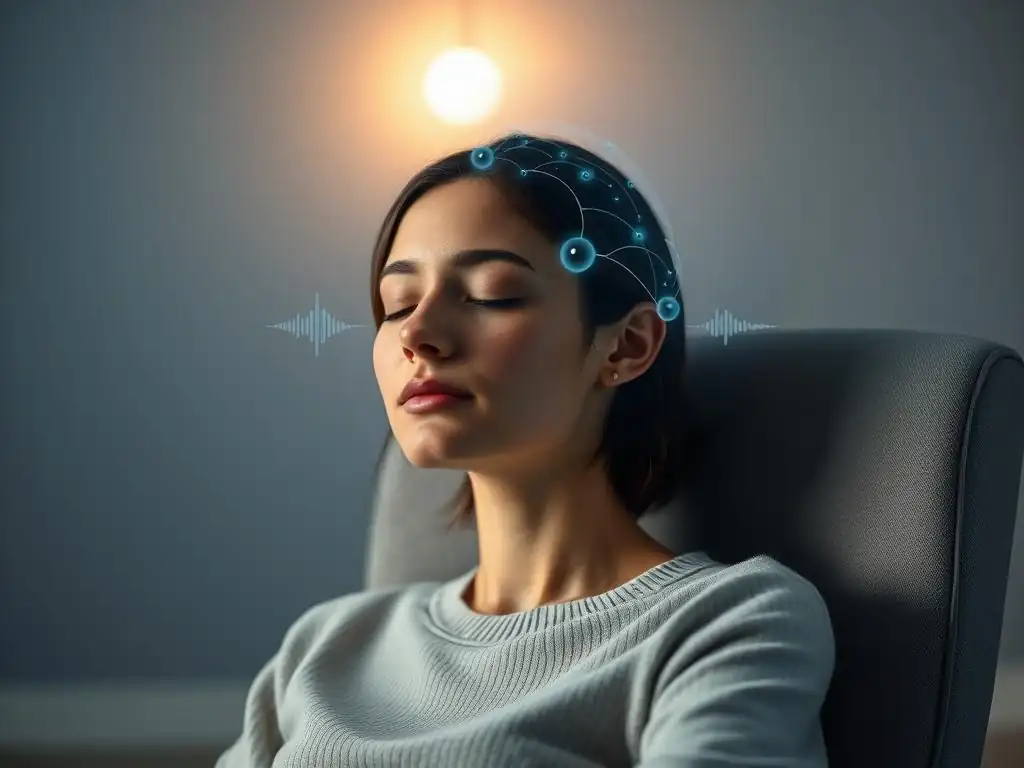
Z-score neurofeedback is an advanced technique that compares an individual's real-time brainwave activity to a normative database of healthy individuals matched for age and gender. A Z-score is a statistical measure indicating how many standard deviations a person's brainwave activity (e.g., amplitude, coherence, phase) is away from the average of the normative group. A Z-score of 0 indicates activity is exactly at the average, while scores further from 0 (e.g., +2 or -2) indicate significant deviations from the norm.
In Z-score training, the goal is to guide the person's brain activity towards a Z-score closer to zero, meaning their activity becomes more like that of the normative group. The feedback is given based on how close the person's current activity is to the "normal" range across multiple parameters simultaneously.
This method allows for training a wide range of brainwave metrics at multiple sites concurrently, aiming for global brain regulation rather than just increasing or decreasing a single frequency at one site. This comprehensive approach can potentially lead to broad neurofeedback brain training benefits by addressing multiple aspects of brain dysregulation identified in a QEEG.
LORETA Neurofeedback: Deep Brain Training
LORETA (Low-Resolution Electromagnetic Tomography Analysis) is a source localization technique used in advanced neurofeedback. Unlike traditional surface EEG which measures activity on the scalp, LORETA uses complex mathematical algorithms to estimate the electrical activity occurring within deeper brain structures, including cortical and subcortical regions. This provides a three-dimensional image of brain activity, offering insights into areas not directly measurable with surface electrodes alone.
LORETA neurofeedback allows practitioners to train activity in these deeper brain regions, which are involved in complex functions and are implicated in various conditions like depression, anxiety, and trauma. Instead of just training surface sites (like Fz or C4), a LORETA protocol can target specific Brodmann areas or brain networks located deeper within the brain. This "deep brain training" capability represents a significant advancement, offering the potential to address issues originating from deeper structures and expanding the range of potential neurofeedback brain training benefits.
sLORETA: Standardized Low-Resolution Tomography
sLORETA (Standardized Low-Resolution Electromagnetic Tomography) is an improved version of the LORETA source localization technique. It addresses some limitations of the original LORETA algorithm, particularly regarding spatial resolution and potential depth bias. sLORETA provides more standardized and arguably more accurate estimations of neuronal activity distribution throughout the brain volume. It uses a standardized approach to calculate current source density, making comparisons across individuals or sessions potentially more reliable.
Similar to LORETA, sLORETA enables neurofeedback training targeting activity within specific brain regions and networks in 3D space, estimated from surface EEG data. This allows for more precise targeting of areas believed to be contributing to a person's symptoms based on their QEEG assessment. Utilizing sLORETA for neurofeedback protocols offers the advantage of potentially training the source of dysregulation rather than just the surface manifestation, further enhancing the sophistication and potential effectiveness of the brain training process.
Coherence Training: Improving Communication
Coherence in EEG measures the degree to which activity at two or more different electrode sites is synchronized in frequency and phase. High coherence indicates that different brain regions are communicating efficiently and working together in a coordinated manner, while low coherence suggests poor communication or disconnection between areas. Excessive coherence can sometimes indicate areas that are "stuck" or overly coupled, while insufficient coherence might point to functional disconnections.
Coherence training in neurofeedback involves providing feedback based on the coherence levels between specific sites or regions. Protocols can aim to increase coherence between areas that need better communication (e.g., frontal and posterior regions for attention) or decrease coherence between areas that are overly coupled. Training coherence directly addresses the brain's connectivity patterns, which are crucial for integrated function. Improving the coordination between brain regions through coherence training is one of the significant neurofeedback brain training benefits.
Phase Training: Optimizing Timing
Phase in EEG refers to the timing relationship between brainwaves at different locations. While coherence measures how much two signals are correlated in frequency and phase, phase specifically looks at the lag or lead between the peaks and troughs of the waveforms. A consistent phase relationship suggests synchronized timing of activity between regions, which is essential for efficient information processing. An optimal phase relationship allows information to flow smoothly between brain areas.
Phase training in neurofeedback targets this timing aspect of brain activity. Protocols can be designed to encourage more optimal phase relationships between specific brain regions. For example, if a QEEG indicates a significant timing delay between two areas involved in processing information, phase training might aim to reduce this delay. By optimizing the timing of communication between different parts of the brain, phase training can contribute to improved cognitive processing speed and efficiency, adding another dimension to the potential neurofeedback brain training benefits.
Connectivity Training: Strengthening Networks
Connectivity training is a broad term in neurofeedback that encompasses training coherence, phase, and other measures of how different brain regions interact and form functional networks. The brain operates not as isolated areas but as dynamic networks of interconnected regions that work together to perform tasks. Dysregulation in these networks is increasingly understood to underlie many neurological and psychological conditions.
Connectivity training protocols utilize advanced QEEG analysis (often involving LORETA/sLORETA) to identify specific networks or connections that are dysregulated (e.g., under-connected or over-connected). The training then provides feedback aimed at normalizing the activity and interaction within these identified networks. By targeting the way different brain regions communicate, connectivity training offers a powerful approach to addressing complex issues related to brain function and represents a frontier in maximizing neurofeedback brain training benefits.
Neurofeedback Benefits: A Deeper Dive
Neuroplasticity: The Brain's Ability to Change
Neuroplasticity is the brain's remarkable ability to reorganize itself by forming new neural connections throughout life. It is the fundamental biological mechanism underlying how learning occurs and how the brain adapts to new experiences, injuries, or environmental changes. Every time we learn a new skill, form a memory, or change a habit, neuroplasticity is at work, creating new pathways or strengthening existing ones.
Neurofeedback training directly leverages neuroplasticity. By consistently reinforcing desired brainwave patterns, neurofeedback encourages the brain to create and strengthen the neural pathways associated with those patterns. This repeated practice, guided by real-time feedback, leads to lasting changes in brain function and structure. The neurofeedback brain training benefits observed in areas like improved focus, reduced anxiety, or better sleep are a direct result of the brain's ability to reorganize itself through this guided process of neuroplastic change.
Cognitive Enhancement
One of the significant areas where neurofeedback offers potential neurofeedback brain training benefits is in cognitive enhancement. This refers to improving various aspects of thinking, learning, and memory in individuals without diagnosed conditions, or restoring function in those with cognitive challenges. Training specific brainwave patterns, particularly those associated with alert focus (Beta, SMR) and relaxed states conducive to learning (Alpha), can potentially sharpen cognitive abilities.
Studies and anecdotal evidence suggest that neurofeedback can lead to improvements in areas such as processing speed, working memory capacity, and executive functions like planning and problem-solving. For example, increasing SMR activity has been linked to improved ability to stay calmly focused, which is beneficial for students or professionals needing sustained concentration. The training helps the brain operate more efficiently, potentially unlocking greater cognitive potential.
Improved Focus and Attention
Perhaps one of the most well-documented neurofeedback brain training benefits is its impact on focus and attention, particularly for individuals with Attention-Deficit/Hyperactivity Disorder (ADHD). QEEG assessments in individuals with ADHD often reveal patterns like excessive frontal Theta activity and/or insufficient Beta or SMR activity compared to normative data.
Neurofeedback protocols designed to address these patterns, typically by inhibiting Theta and/or reinforcing Beta/SMR, have shown promising results. Research reviews and meta-analyses have indicated that neurofeedback can lead to significant improvements in inattention, hyperactivity, and impulsivity symptoms, with effect sizes comparable to or exceeding those of behavioral therapies. Many individuals report improved ability to concentrate on tasks, sit still, and filter out distractions after completing a course of neurofeedback training. For example, some studies report that 70-80% of children with ADHD show clinically significant improvement after neurofeedback.
Stress Reduction and Relaxation
Neurofeedback can be a powerful tool for promoting stress reduction and enhancing the ability to relax. Chronic stress is often associated with imbalanced brainwave patterns, such as excessive high Beta activity (linked to anxiety and worry) and insufficient Alpha or Theta activity (associated with calm and relaxation).
Training protocols aimed at increasing Alpha and/or Theta activity, particularly in parietal or occipital regions, can help individuals learn to shift their brain state towards greater calm. By providing feedback when the brain produces these relaxed patterns, neurofeedback teaches self-regulation of the stress response. Many users report feeling calmer, experiencing reduced muscle tension, and having an improved ability to manage daily stressors after neurofeedback training. Learning to access relaxed states on demand is a significant neurofeedback brain training benefit for overall well-being.
Emotional Regulation
Difficulty regulating emotions is a core feature of many mental health challenges, including anxiety disorders, depression, and mood swings. Brainwave patterns, particularly in frontal and limbic regions, are intimately connected to emotional states and regulatory capacity. Imbalances, such as asymmetry in frontal Alpha activity or dysregulation in Theta/Beta ratios, can correlate with difficulties in processing and managing emotions.
Neurofeedback protocols targeting these specific patterns can help individuals improve their emotional regulation skills. For example, training aimed at balancing frontal lobe activity or normalizing activity in regions associated with emotional processing can lead to a greater ability to manage intense feelings, reduce reactivity, and experience more stable moods. Clients often report feeling less overwhelmed by emotions, having a greater sense of control, and experiencing reduced anxiety or depressive symptoms as a result of improved emotional regulation through neurofeedback brain training.
Neurofeedback Equipment and Software Terminology
EEG Amplifiers: Signal Processing
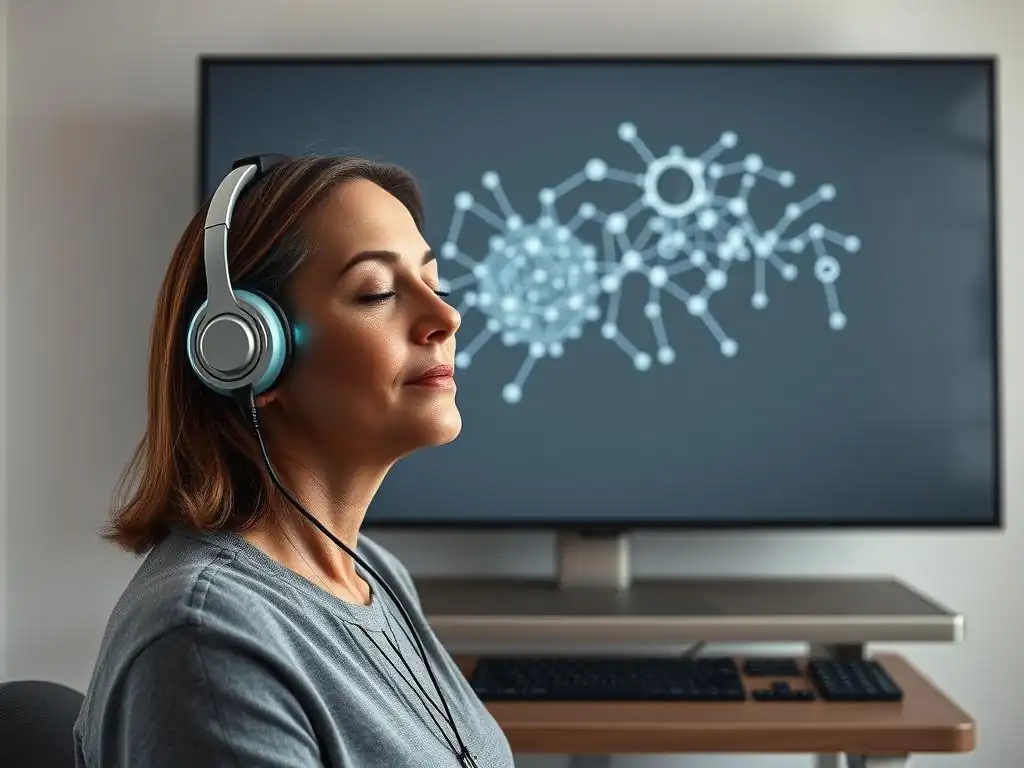
EEG amplifiers are sophisticated electronic devices that capture the tiny electrical signals from the brain detected by the electrodes on the scalp and significantly increase their amplitude. These signals are very weak, often measured in microvolts (millionths of a volt), and need to be amplified to be processed by a computer. High-quality amplifiers are essential for accurate neurofeedback, as they must amplify the brain signals while minimizing the amplification of noise and artifacts.
Modern EEG amplifiers typically have multiple channels, allowing simultaneous recording from numerous electrode sites (e.g., 2, 4, 19, or even more channels). They also perform initial signal processing, such as filtering out unwanted frequencies (like electrical line noise at 50 or 60 Hz) and digitizing the analog brainwave data so it can be read and analyzed by neurofeedback software. The quality and capabilities of the amplifier directly impact the precision and reliability of the neurofeedback brain training process.
Neurofeedback Software Platforms
Neurofeedback software is the central control system that drives the entire training process. It receives the digitized EEG data from the amplifier, processes it in real-time, calculates brainwave frequencies and amplitudes (and potentially coherence, phase, or Z-scores), and compares these values to the thresholds set by the protocol. Based on this comparison, the software generates the feedback signal presented to the user.
These software platforms are highly specialized and offer various features, including options for different types of feedback displays (games, animations, sounds), tools for setting up and customizing protocols, recording and storing session data, and often integrated QEEG analysis capabilities. The software translates complex brain activity into an understandable and engaging format that allows the user to learn self-regulation. The sophistication and flexibility of the software play a significant role in the types of neurofeedback brain training benefits that can be targeted.
Electrodes: Types and Placement
Electrodes are the sensors placed on the scalp that detect the electrical activity of the brain. They are typically small metal discs (often silver/silver chloride) designed to make good contact with the skin. Different types of electrodes exist, including:
- Cup electrodes: Require conductive paste or gel to ensure good contact with the scalp.
- Dry electrodes: Do not require paste but can be more sensitive to movement artifacts.
- Saline-based electrodes: Use a saline solution for conduction.
The number of electrodes used varies depending on the system and protocol, from as few as 1 or 2 channels for basic training to 19 or more channels for comprehensive QEEG assessment and Z-score training. Proper preparation of the scalp (cleaning) and secure placement of electrodes using conductive gel or paste are crucial for obtaining clean, reliable EEG signals free from artifacts, which is essential for effective neurofeedback brain training.
Sensors: Measuring Activity
While "electrodes" specifically refer to the contact points on the scalp, the term "sensors" is sometimes used more broadly in the context of neurofeedback equipment. Sensors are the components that detect physiological signals. In EEG neurofeedback, the electrodes are the primary sensors for brain electrical activity. However, some neurofeedback systems might also integrate other types of biofeedback sensors to provide a more comprehensive picture of physiological state.
For instance, a system might include sensors for heart rate variability (HRV), skin conductance (GSR), or respiration alongside the EEG electrodes. While the core training focuses on brainwaves, monitoring these other physiological parameters can provide additional insights into a client's state (e.g., stress levels, autonomic nervous system arousal) during a session. However, the term "sensors" in the context of core neurofeedback most commonly refers to the EEG electrodes placed on the scalp.
Impedance: Ensuring Contact
Impedance is a measure of the resistance to electrical current flow between the electrode and the scalp. Low impedance is crucial for obtaining a clear and reliable EEG signal. High impedance means there is poor electrical contact, which can result in weak signals, increased noise, and significant artifacts, rendering the training ineffective or even misleading.
Before starting a neurofeedback session, the practitioner checks the impedance levels for each electrode. This is typically done using the neurofeedback software, which displays the impedance values (measured in kilohms - kΩ). Steps are taken to reduce impedance, such as cleaning the scalp with an abrasive gel or reapplying conductive paste, until the levels are within an acceptable range (often below 5-10 kΩ). Ensuring low impedance is a standard and necessary step to guarantee the quality of the EEG signal and the effectiveness of the subsequent brain training.
Understanding Neurofeedback Assessment Terminology
QEEG (Quantitative EEG): Brain Mapping
QEEG, or Quantitative Electroencephalography, is an assessment technique that involves recording EEG activity from multiple sites (typically 19 or more) across the scalp for an extended period (e.g., 5-10 minutes with eyes open and eyes closed). The raw EEG data is then processed using sophisticated software to analyze various parameters of brainwave activity, including amplitude, power, coherence, phase, and asymmetry, across different frequency bands and locations. This analysis is then often compared to a normative database.
The result of a QEEG is often referred to as a "brain map," which is a visual representation of the person's brain activity patterns. It highlights areas where brainwave activity deviates significantly from the norm. The QEEG provides objective data that helps identify patterns of dysregulation potentially contributing to a person's symptoms or challenges. It is a crucial step in the neurofeedback process, guiding the selection of appropriate protocols and targets for personalized brain training.
Brain Mapping: Visualizing Activity
Brain mapping, in the context of QEEG, refers to the process of creating visual representations of brain activity patterns. After the QEEG data is collected and analyzed, the software generates topographical maps (like color-coded head diagrams) or other graphical displays (like line graphs or bar charts) that show the distribution and characteristics of brainwave activity across the scalp.
These maps allow practitioners and clients to see areas of excessive or deficient activity, abnormal connectivity (coherence/phase), or asymmetry. For example, a brain map might visually show high frontal Theta activity (often linked to inattention) or excessive high Beta in certain regions (potentially linked to anxiety). Brain mapping makes the abstract concept of brainwave activity tangible and understandable, helping to explain the rationale behind specific neurofeedback brain training protocols chosen to address the identified patterns.
Normative Databases: Comparing Patterns
Normative databases are collections of QEEG data from a large number of healthy individuals across different age ranges. These databases are essential tools used in QEEG analysis to compare an individual's brainwave patterns to what is considered "typical" or "normal" for their age and gender. By comparing a client's QEEG data to this large reference group, practitioners can identify statistically significant deviations from the norm (represented by Z-scores).
Using a normative database helps objectively identify areas of brainwave dysregulation that may be associated with specific symptoms or conditions. For example, if a person's frontal Theta activity is significantly higher than the average for their age group in the database, this deviation is highlighted as a potential target for neurofeedback brain training. The quality and size of the normative database used can impact the reliability of the QEEG analysis and the subsequent personalization of the neurofeedback protocol.
Identifying Brainwave Dysregulation
Brainwave dysregulation refers to patterns of brain activity that deviate from optimal or typical functioning and are often associated with various cognitive, emotional, or behavioral challenges. These dysregulated patterns can involve excessive activity in certain frequency bands (e.g., too much slow-wave Theta in the frontal lobes), insufficient activity in desired bands (e.g., too little SMR), or abnormal connectivity between brain regions (e.g., excessive or insufficient coherence).
Identifying these specific patterns of dysregulation is the primary goal of a QEEG assessment. By analyzing the brain map and statistical data compared to normative databases, a neurofeedback practitioner can pinpoint which aspects of brainwave activity are out of balance. This identification of specific dysregulated patterns is critical because it directly informs the design of a personalized neurofeedback brain training protocol aimed at normalizing these patterns and alleviating associated symptoms.
Personalized Training Plans
A personalized training plan is a neurofeedback protocol or set of protocols specifically designed for an individual based on their unique QEEG assessment results, reported symptoms, and personal goals. It takes into account the specific areas of brainwave dysregulation identified in the QEEG and selects the appropriate frequencies, locations, and training types (reinforce, inhibit, coherence, Z-score, etc.) to address those issues.
For example, a person with anxiety showing excessive high Beta in the right hemisphere might have a plan that includes inhibiting high Beta at specific right-sided sites, while someone with attention issues showing high frontal Theta and low SMR might have a plan focusing on inhibiting Theta and reinforcing SMR over frontal/central areas. A personalized plan ensures that the neurofeedback brain training is directly targeted at the underlying brain patterns contributing to the individual's challenges, maximizing the potential for effective change and realizing specific neurofeedback brain training benefits.
Conclusion: Mastering Terminology
Further Resources
For those seeking to deepen their understanding of neurofeedback beyond this glossary, numerous resources are available. Professional organizations such as the International Society for Neuroregulation & Research (ISNR) and the Association for Applied Psychophysiology and Biofeedback (AAPB) offer extensive information, research databases, and directories of qualified practitioners. These organizations publish journals and host conferences where the latest advancements in neurofeedback brain training and research are discussed.
Additionally, many books provide detailed explanations of neurofeedback theory and practice, ranging from introductory texts for the general public to advanced manuals for clinicians. Online forums and educational websites dedicated to mental health and neuroscience also frequently feature articles and discussions on neurofeedback. Exploring these resources can provide further insights into the science behind neurofeedback and the wide range of potential neurofeedback brain training benefits.
The Future of Neurofeedback
The field of neurofeedback continues to evolve rapidly, driven by advancements in neuroscience, technology, and computing power. Future developments are likely to include more sophisticated QEEG analysis techniques, potentially incorporating machine learning to identify complex patterns of brain dysregulation with greater precision. Wearable and more accessible neurofeedback devices are also being developed, which could make brain training more convenient and affordable for a wider population.
Research is ongoing to explore the efficacy of neurofeedback for an expanding list of conditions, from neurological disorders like epilepsy and migraines to psychiatric conditions such as PTSD and OCD. As our understanding of brain networks and connectivity grows, neurofeedback protocols are likely to become even more targeted and personalized, potentially leading to even more profound and diverse neurofeedback brain training benefits in the years to come. The integration of neurofeedback with other therapeutic modalities is also a promising area of development.
Frequently Asked Questions
What is neurofeedback, and how does it relate to brain training?
Neurofeedback is a type of biofeedback that directly trains brain activity. It uses real-time displays of brainwaves to teach self-regulation of brain function, often referred to as brain training.
What are some potential neurofeedback brain training benefits?
Neurofeedback is explored for various benefits, including improved attention, reduced anxiety, and enhanced cognitive performance. It aims to optimize brain function through targeted training.
What are brainwaves, and how are they measured during neurofeedback?
Brainwaves are electrical patterns produced by the brain, measured using EEG (electroencephalography). Neurofeedback utilizes these readings to provide feedback on brain activity in real-time.
How does neurofeedback training work?
During training, sensors are placed on the scalp to monitor brainwaves. Feedback, often visual or auditory, helps individuals learn to modulate their brain activity towards desired patterns.
Is neurofeedback a substitute for traditional mental health treatment?
No, neurofeedback is often used as a complementary therapy, not a replacement for traditional treatments. Always consult with a qualified mental health professional for comprehensive care.
Final Reflection: Unlocking the Potential Within: Neurofeedback and You
The demystification of neurofeedback terminology is crucial for empowering individuals to understand and access the potential benefits of this innovative brain training technique. The future of mental and cognitive wellness hinges on accessible information, and this glossary serves as a vital stepping stone towards a more informed and empowered populace.
Neurofeedback's impact extends far beyond the clinical setting; it's reshaping our understanding of brain plasticity and self-regulation. Its influence is subtly yet powerfully woven into the fabric of our society, offering hope and tangible tools for managing a wide range of challenges. The brain is the most complex organ in the body, and it's also the most adaptable. Neurofeedback harnesses this adaptability to help individuals achieve optimal brain function.
This quote encapsulates the transformative potential of neurofeedback, a potential that continues to unfold as research progresses and technology advances. The journey towards understanding our brains is a continuous one, and neurofeedback provides a powerful compass.
Now, consider your own brain—that incredible organ capable of remarkable feats. This article has equipped you with a foundational understanding of neurofeedback. I invite you to explore further, to investigate the specific applications of neurofeedback that resonate with your personal goals, and to consider how this technology might contribute to your own journey of self-discovery and well-being. The power to optimize your brain function is within your grasp; take the first step towards unlocking your full potential.
Unlock Your Brain's Potential: Next Steps to Better Brain Health
Thanks for taking the time to explore the world of neurofeedback with us! We hope this glossary has empowered you with a clearer understanding of this fascinating brain training technique. Now it's time to put that knowledge into action.
- Schedule a consultation with a neurofeedback practitioner: This is the most important step towards experiencing the benefits of neurofeedback firsthand. Discuss your goals and see if this powerful tool is right for you.
- Share this glossary with someone you think could benefit: Neurofeedback isn't always well understood. Help spread the word and empower others to take charge of their brain health.
- Explore further resources on Mind Care Guide: Discover more articles and insights to deepen your understanding of brain health and optimize your well-being.
Ready to unlock your brain's full potential? What's the first step you'll take to improve your cognitive performance?