
Art Therapy Exercises to Help You Process Trauma

Welcome.
Are you carrying the weight of past experiences? At Mind Care Guide, we understand the profound impact trauma can have on your well-being. This can be a challenging journey, but you're not alone. We're here to offer compassionate guidance and practical tools to help you heal. In this article, we'll explore art therapy trauma processing exercises, a creative and empowering approach to unlocking emotional release and fostering resilience. Curious to learn how art can help you reclaim your inner peace? Let's begin.
Art Therapy Exercises for Trauma: A Path to Healing
- Understanding Trauma and Art Therapy's Role
- Art Therapy Exercises: Creative Techniques for Healing
- Implementing Art Therapy: A Guide
- Considerations and Precautions
- Resources
-
Frequently Asked Questions
- How can art therapy specifically help with processing trauma?
- What are some examples of art therapy exercises suitable for trauma processing?
- Is art therapy an effective treatment for all types of trauma?
- Do I need to be "good at art" for art therapy to be helpful?
- Where can I find a qualified art therapist to guide me through trauma processing exercises?
- Final Reflection: Unleashing the Healing Power of Art
- Unleash Your Inner Healer: Start Your Art Therapy Journey Now!
Understanding Trauma and Art Therapy's Role
Defining Trauma and its Impact
Trauma is a deeply distressing or disturbing experience that can have lasting effects on a person's mental, emotional, and physical well-being. It's not just the event itself, but the individual's response to it, which can overwhelm their capacity to cope. Traumatic experiences can range from single incidents like accidents or assaults to prolonged stress like abuse or neglect. The impact is profound, often leading to symptoms such as flashbacks, nightmares, avoidance behaviors, heightened anxiety, difficulty regulating emotions, and challenges in forming secure attachments.
The prevalence of trauma is significant. Studies suggest that a large percentage of the population will experience at least one traumatic event in their lifetime. For example, estimates often indicate that over 60% of adults have experienced trauma. The long-term effects can contribute to conditions like Post-Traumatic Stress Disorder (PTSD), depression, anxiety disorders, and substance use disorders, highlighting the critical need for effective interventions like specific art therapy exercises to help process trauma. The way trauma is stored in the brain, often bypassing the verbal centers, makes non-verbal approaches particularly valuable.
Benefits of Art Therapy in Trauma Recovery
Art therapy offers a unique and powerful pathway for individuals navigating the complexities of trauma recovery. Unlike traditional talk therapy which relies heavily on verbal articulation, art therapy provides a non-threatening medium for expression, especially when words feel insufficient or overwhelming. This is particularly beneficial for trauma survivors whose verbal centers may be inhibited due to the nature of traumatic memory encoding. Engaging in art allows for the externalization of internal experiences, making abstract feelings tangible and observable.
Specific art therapy trauma processing exercises have been shown to help individuals access and process traumatic memories and emotions held in the body and non-verbal parts of the brain. Benefits documented in various therapeutic settings include a reduction in PTSD symptoms, decreased anxiety and depression levels, improved emotional regulation skills, and enhanced self-awareness. For instance, a study involving trauma survivors showed participants reporting a significant decrease in the intensity of traumatic memories after engaging in structured art therapy sessions over a period of 12 weeks, often noting an increased sense of control and agency over their internal world.
Why Art Therapy Works: Engaging the Brain and Body
Art therapy's effectiveness in trauma processing stems from its ability to engage multiple areas of the brain and connect with the body's stored trauma responses. Traumatic memories are often stored in the limbic system (responsible for emotions and memory) and the amygdala (involved in fear response) in a fragmented, non-linear, and non-verbal way, sometimes bypassing the prefrontal cortex (responsible for logic and language). Creating art activates different brain regions, including those involved in sensory processing, motor skills, and emotional expression, potentially helping to bridge the gap between these fragmented memories and conscious processing.
Furthermore, art creation is an embodied experience. The physical act of drawing, painting, sculpting, or collaging engages the body, which is often where the somatic effects of trauma are held. This bottom-up processing, moving from sensory and bodily experience to cognitive understanding, can be incredibly healing. For example, the rhythmic motion of drawing or painting can be grounding, while manipulating clay can release physical tension. These art therapy trauma processing exercises facilitate a dialogue between the mind and body, allowing individuals to safely explore sensations, emotions, and memories that might be inaccessible or overwhelming through verbal means alone.
Art Therapy Exercises: Creative Techniques for Healing
Grounding Art Exercises
Grounding is a crucial first step in trauma work, helping individuals feel safe and present in their bodies and immediate environment. Art therapy offers several creative ways to achieve this sense of stability. These exercises focus on engaging the senses and anchoring attention to the present moment, reducing dissociation and overwhelming feelings.
Safe Place Drawing: Visualizing Security
This exercise involves creating a visual representation of a "safe place." This can be a real location, a remembered place, or an entirely imagined one. The goal is to create a detailed image that evokes feelings of safety, peace, and security. Participants are encouraged to focus on sensory details: what colors are there? What sounds might be present? What textures? What smells? The process of focusing on these details helps to anchor the mind in the present task and the imagined secure environment.
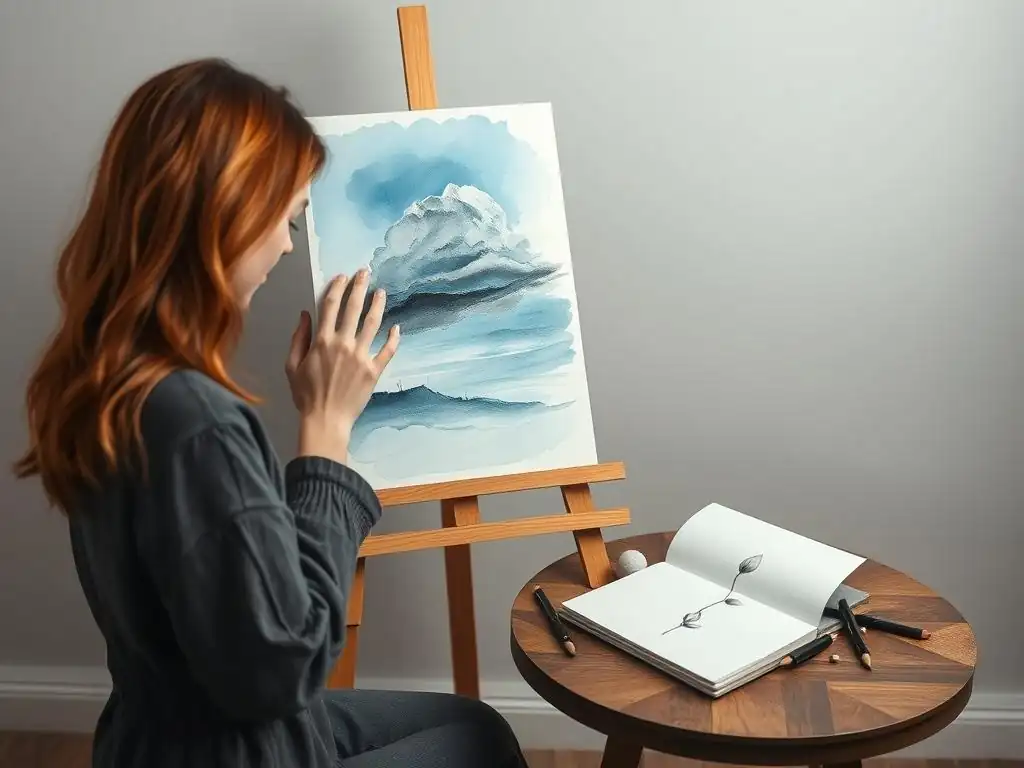
To perform this exercise, you might start with materials that feel comforting, like soft pastels or watercolors. Begin by closing your eyes for a moment, visualizing your safe place. Pay attention to the feelings associated with this place. Then, open your eyes and begin to translate that vision onto paper. Spend time adding details that enhance the feeling of security. There's no right or wrong way to do it; the focus is on the experience of creating the safe space. Keeping this image visible can serve as a visual anchor during moments of distress.
Sensory Box Creation: Engaging the Senses
Creating a sensory box is another powerful grounding exercise. This involves selecting and decorating a small box and filling it with objects that appeal to the senses and evoke feelings of comfort, safety, or presence. Items might include smooth stones, soft fabrics, scented items (like a small sachet of lavender), items with interesting textures, or small objects that are visually pleasing.
The process of choosing and arranging these items is part of the therapeutic exercise, encouraging mindful selection and attention to sensory details. Once assembled, the box can be used during moments of distress. By opening the box and engaging with the items – feeling the texture of a stone, smelling the lavender, looking at a comforting object – individuals can gently bring themselves back to the present moment and ground themselves in their physical reality. This tactile engagement provides a tangible anchor away from intrusive thoughts or overwhelming emotions.
Processing Traumatic Memories Through Visual Art
Directly processing traumatic memories can be challenging and requires a safe, supported environment, often with a trained therapist. Art therapy provides methods to approach these memories indirectly and symbolically, allowing for processing at a manageable pace. These art therapy trauma processing exercises help externalize internal experiences related to the trauma.
Trauma Timeline: Mapping Experiences Visually
Creating a trauma timeline is a way to visually map significant life events, including traumatic experiences, on a timeline. This exercise helps externalize the narrative, making it less overwhelming to examine. It can help individuals see patterns, identify periods of resilience, and place the trauma within the broader context of their life story, rather than letting it define their entire existence.
Using a long sheet of paper or multiple sheets taped together, the individual marks the years or significant life stages. They then add symbols, colors, or simple images to represent key events, both positive and negative, including traumatic incidents. They might use different colors to represent different emotional states associated with each period. This visual mapping can help organize fragmented memories, identify triggers, and recognize strengths developed over time. It's a way to look at the trauma narrative rather than being inside it.
Abstract Expression: Conveying Emotions Non-Verbally
Abstract art is particularly effective for expressing complex and overwhelming emotions that are difficult to put into words. When processing trauma, individuals may feel a jumble of fear, anger, sadness, confusion, and helplessness. Abstract expression allows these feelings to be conveyed through color, line, shape, and texture without the pressure of creating a recognizable image or narrative.
Participants are encouraged to use materials like paints, pastels, or markers and simply allow their emotions to guide their hand. The focus is on the process of putting the feeling onto the page. There's no need for the art to "make sense" to anyone else. For instance, intense anger might be expressed through vigorous scribbling and dark colors, while fear might manifest as sharp, jagged lines or muted tones. These art therapy trauma processing exercises provide a contained way to externalize intense internal states, offering a sense of release and making overwhelming feelings more manageable.
Scribble Drawings: Releasing Tension and Emotion
Scribble drawing is a simple yet effective technique for releasing pent-up energy, tension, and overwhelming emotions that often accompany trauma. It's a non-judgmental process that encourages spontaneity and freedom of expression. The act of vigorous scribbling can be physically cathartic, helping to discharge stored energy in the body.
To do this exercise, you typically start by closing your eyes and making continuous, free-flowing scribbles on a piece of paper, allowing whatever energy or feeling is present to move through your arm and into the drawing. After a period of scribbling, you open your eyes and look at the lines and shapes created.
You can then choose colors to fill in areas or highlight certain lines, reflecting on what emotions or sensations emerge as you do so. This exercise is less about creating a picture and more about the process of physical and emotional release through chaotic, uninhibited mark-making.
Expressive Art for Emotional Release
Expressive art techniques go beyond simple drawing to incorporate other mediums and approaches that facilitate deeper emotional processing and narrative building. These methods can help individuals externalize internal conflicts, integrate fragmented parts of the self, and find new ways to understand their experiences.
Collage: Assembling Your Narrative
Collage involves creating an image by assembling different forms, thus creating a new whole. For trauma processing, collage can be a powerful tool for assembling fragmented aspects of the self or the trauma narrative. Using images and text from magazines, newspapers, or personal photos, individuals can create a visual representation of their internal world, their experience of trauma, or their desired future.
The act of selecting, tearing or cutting, and arranging different pieces allows for non-linear storytelling and symbolic representation. For example, someone might use images of broken objects to represent feelings of fragmentation, or images of nature to represent resilience and growth. The process of choosing specific elements and deciding where to place them can be incredibly empowering, offering a sense of control over the narrative that the trauma had disrupted. These art therapy trauma processing exercises through collage help externalize internal landscapes and offer a visual way to explore complex themes.
Art Journaling: Combining Words and Images for Reflection
Art journaling combines visual art with written reflection, offering a dynamic space for processing thoughts, feelings, and experiences related to trauma. Unlike a traditional diary, an art journal encourages the integration of visual elements – drawings, paintings, collages, doodles – alongside written entries. This blend allows for expression when words fail and provides visual cues that can deepen written reflection.
Within an art journal, individuals can create images that represent their emotions, explore triggers visually, or document their healing journey. They can then write about the images they created, exploring the feelings, memories, or insights that arose during the art-making process. This iterative process of creating art and then writing about it facilitates both non-verbal expression and cognitive processing, helping to integrate traumatic experiences into a coherent narrative. Many find that revisiting past entries and artwork in their journal provides valuable insight into their progress and resilience.
Mask Making: Exploring Identity and Emotions
Mask making is an ancient practice used in many cultures for ritual and transformation. In art therapy, creating a mask can be a powerful way to explore aspects of identity, hidden emotions, or the faces we present to the world versus our inner experience, especially after trauma. The mask can represent the self before trauma, the self during trauma, the self after trauma, or even a desired future self.
Participants can create a mask using materials like plaster bandages over a face mold, paper mâché, or even decorating a pre-made mask form. They can decorate the inside and outside of the mask to represent different aspects – perhaps the outside shows the face presented to the world, while the inside reveals hidden fears or emotions. The process of creating and then reflecting on the mask can help externalize internal conflicts, explore fragmented identity issues common after trauma, and provide a tangible representation of the healing process.
Body-Based Art Therapy Techniques
Trauma is often stored in the body, manifesting as chronic tension, pain, or dissociation. Body-based art therapy techniques integrate movement, sensation, and physical expression with art-making to address these somatic responses and promote embodied healing. These art therapy trauma processing exercises acknowledge the deep connection between mind and body.
Movement and Art: Embodied Expression
Combining movement with art allows individuals to express emotions and experiences through physical gestures before, during, or after creating art. This can help release physical tension, increase body awareness, and connect with emotions that are held somatically. The movement can be free-form dance, simple stretching, or guided movement exercises.
For example, someone might be invited to move their body in a way that expresses a particular feeling, like fear or anger, and then immediately capture the essence of that movement or feeling on paper using large gestures and materials like charcoal or paint. Alternatively, they might create art first and then explore how the artwork makes their body feel, using movement to embody those sensations. This integration helps bridge the gap between the physical experience of trauma and its emotional and visual representation.
Clay Therapy: Connecting with Physical Sensations
Working with clay is a highly tactile and sensory experience that is particularly effective for grounding and processing trauma held in the body. The physical act of kneading, molding, pinching, and shaping clay can be incredibly regulating and allows for the expression of powerful emotions through physical force and form. Clay provides resistance and requires physical engagement, which can be grounding.
Individuals can simply work with the clay intuitively, focusing on the physical sensations in their hands and arms, allowing the clay to take whatever form it naturally does. Or, they might be invited to sculpt a representation of a feeling, a part of themselves, or an aspect of their trauma experience. The ability to manipulate, break apart, and reshape the clay can be symbolic of the process of working through difficult experiences and finding new form and integration. These art therapy trauma processing exercises using clay offer a direct, physical way to engage with internal states.
Implementing Art Therapy: A Guide
Successfully integrating art therapy into a trauma recovery plan requires thoughtful preparation and consideration of the environment, materials, and the individual's specific needs. It's not just about doing the exercises, but creating the right context for healing.
Creating a Safe Space for Art Therapy
A safe and supportive environment is paramount when using art therapy trauma processing exercises. This space should be physically comfortable and free from distractions. Emotional safety is even more critical; the individual needs to feel secure and unobserved, free from judgment about their art or their emotions.
If working independently, designate a specific time and place where you feel most at ease. Ensure you won't be interrupted. If working with a therapist, the therapeutic space is designed to provide this safety. The principle is the same: the environment should feel contained, predictable, and non-threatening, allowing vulnerability and expression without fear. This psychological safety allows individuals to engage fully with the potentially challenging emotions that may arise during the art-making process.
Choosing Art Supplies
The choice of art supplies can significantly impact the art therapy experience. Different materials evoke different feelings and lend themselves to various forms of expression. There is no definitive list of "required" supplies for art therapy trauma processing exercises, but having a variety available can be beneficial.
Basic supplies might include paper (different sizes and textures), drawing materials (pencils, colored pencils, crayons, markers, pastels), paints (watercolors, acrylics) and brushes, and perhaps some clay or modeling material. Collaging materials like magazines, glue, and scissors are also useful. Consider what feels accessible and comfortable to you. Some individuals find fluid materials like paint freeing, while others prefer the control offered by pencils or crayons. The key is to select materials that feel right for the moment and the specific exercise being undertaken.
Integrating Art Therapy into Recovery
Art therapy should ideally be integrated into a comprehensive trauma recovery plan, often alongside other therapeutic modalities like talk therapy (e.g., Trauma-Focused Cognitive Behavioral Therapy, EMDR). Art therapy exercises for trauma processing can serve as a complement, providing a non-verbal outlet and different avenue for insight.
Working with a qualified art therapist can provide structure, guidance, and containment, which is crucial when processing trauma. A therapist can help select appropriate exercises, process the artwork and the feelings that arise, and ensure the individual remains regulated and safe throughout the process. If engaging in art therapy independently, it is vital to have coping strategies in place and ideally be under the care of a mental health professional who is aware of your art therapy practices. Consistency is also important; regular engagement with art can help build momentum in the healing process.
Considerations and Precautions

While art therapy is a powerful tool, particularly art therapy trauma processing exercises, it's important to approach it with awareness of potential challenges and necessary precautions. Trauma work can be intense, and safety should always be the priority.
Seeking Professional Guidance
For anyone processing trauma, especially complex or severe trauma, engaging in art therapy with a qualified and experienced art therapist is highly recommended. A trained professional can provide the necessary support, guidance, and containment. They are skilled in recognizing signs of distress or overwhelm and can help individuals navigate intense emotions or challenging memories that may surface during the art-making process.
Attempting to process deep trauma independently using these exercises without professional support carries risks, including potential re-traumatization or becoming overwhelmed. A therapist can help tailor the art therapy trauma processing exercises to your specific needs, pace the work appropriately, and integrate it effectively with other therapeutic approaches, ensuring a safer and more effective healing journey. They can also help interpret the artwork in a therapeutic context.
Potential Challenges
Engaging in art therapy trauma processing exercises can sometimes present challenges. It might bring up intense emotions or difficult memories unexpectedly. Individuals who are not used to expressing themselves creatively might feel inhibited or self-critical about their artwork, which can be a barrier.
Another challenge can be interpreting the art. While there's no single "correct" interpretation, the images created can hold powerful symbolic meaning. Without guidance, individuals might struggle to understand what their art is communicating or feel overwhelmed by the insights that emerge. It is important to approach the process with patience and self-compassion, recognizing that the value is in the process and the expression, not in creating a masterpiece or having immediate profound insights.
Self-Care for Individuals Engaging in Art Therapy
Self-care is essential when engaging in any trauma processing work, including art therapy. The process can be emotionally and physically draining. It is crucial to have a self-care plan in place to regulate your nervous system and replenish your energy.
This might include simple practices like ensuring you have enough time after an art session to relax and ground yourself, engaging in calming activities like deep breathing or gentle movement, staying hydrated, getting adequate sleep, and connecting with supportive people. It's also important to set boundaries around the art-making process – knowing when to start, when to take a break, and when to stop. Listening to your body and emotional state is key. Integrating these art therapy trauma processing exercises into a life supported by strong self-care practices enhances their effectiveness and sustainability.
Resources
For those interested in learning more about art therapy for trauma or finding support, several resources are available.
Books and Articles
Numerous books and academic articles delve into the theory and practice of art therapy for trauma. These resources can provide a deeper understanding of how art therapy works and offer specific techniques. Many publications discuss the neurobiological basis of trauma and how creative expression can help regulate the nervous system.
You can find literature exploring different approaches, from trauma-informed art therapy to specific applications like using art therapy with veterans or survivors of complex trauma. Academic databases and professional art therapy association websites are good starting points for finding research articles and theoretical texts.
Online Programs
While not a substitute for in-person therapy for complex trauma, some online platforms and programs offer guided art therapy exercises or psychoeducational content related to art and healing. These can be useful for gaining preliminary understanding or exploring simple, non-triggering creative exercises for self-regulation and stress reduction.
Some online resources might offer workshops or courses led by qualified art therapists, providing structured guidance through specific techniques. When exploring online options, it is crucial to verify the credentials of the facilitators and understand the scope and limitations of the program, especially when dealing with trauma.
Finding a Qualified Art Therapist
Locating a qualified art therapist is a critical step if you wish to engage in art therapy for trauma processing in a safe and supported manner. Professional art therapists hold specific credentials, often including a Master's degree in Art Therapy and supervised clinical experience.
Professional associations for art therapy in your region or country typically provide directories of registered or board-certified art therapists. You can search these directories by location to find practitioners near you. When contacting a therapist, it is helpful to inquire about their experience working with trauma survivors and their specific approach to art therapy trauma processing exercises. A good therapeutic match is essential for effective healing.
Frequently Asked Questions
How can art therapy specifically help with processing trauma?
Art therapy provides a safe and non-verbal outlet to express emotions and memories that may be difficult to articulate. It allows for creative exploration and can help reprocess traumatic experiences in a controlled environment.
What are some examples of art therapy exercises suitable for trauma processing?
Examples include drawing or painting your feelings, creating a collage representing your healing journey, or sculpting a representation of your trauma and then transforming it. These exercises help externalize trauma and promote emotional regulation.
Is art therapy an effective treatment for all types of trauma?
While art therapy can be beneficial for various types of trauma, its effectiveness can vary depending on the individual and the specific trauma experienced. It's often used in conjunction with other therapeutic approaches for optimal results.
Do I need to be "good at art" for art therapy to be helpful?
No, artistic skill is not required. Art therapy focuses on the process of creation and self-expression, not the aesthetic quality of the artwork. It's about emotional release and gaining insight.
Where can I find a qualified art therapist to guide me through trauma processing exercises?
You can search online directories of licensed art therapists, consult with your doctor or mental health professional for referrals, or contact local mental health organizations. Look for therapists with experience in trauma and art therapy techniques.
Final Reflection: Unleashing the Healing Power of Art
The creative process, often viewed as a frivolous pastime, emerges as a potent tool for navigating the complex landscape of trauma. Art therapy offers a tangible pathway to process deeply ingrained emotional wounds, providing a safe space for expression and healing that transcends the limitations of verbal communication. This is particularly relevant today, as societal awareness of trauma's impact grows, and the need for accessible and effective therapeutic interventions intensifies.
The exploration of art therapy's role in trauma processing has profoundly impacted my understanding of resilience and the human spirit. Witnessing the transformative power of creative expression, even in the face of immense pain, has been deeply moving. Art enables us to find ourselves and lose ourselves at the same time.
– Thomas Merton. This quote perfectly encapsulates the paradoxical nature of art therapy; it allows for both self-discovery and a release from the self, a crucial element in trauma recovery. The ongoing influence of this work is evident in the increasing integration of art-based techniques within broader mental health practices, offering hope and empowerment to countless individuals.
Now, consider your own life. What hidden emotions or experiences might find expression through the creative process? Perhaps you've felt hesitant to explore art therapy, believing it to be solely for others. I invite you to challenge that perception.
Pick up a paintbrush, a pencil, or even just a piece of clay. Allow yourself the freedom to express, without judgment, whatever emerges. This is not about creating a masterpiece; it's about creating a pathway to healing, a journey of self-discovery fueled by the transformative power of art. Embrace the process, and allow art to guide you toward a more peaceful and empowered future.
Unleash Your Inner Healer: Start Your Art Therapy Journey Now!
Thanks for taking the time to explore the power of art therapy in processing trauma. We hope you found valuable insights and inspiration within this article. Now, it's time to take that first step toward healing and self-discovery.
Here's how you can continue your journey:
- Begin with a single art exercise: Choose one of the techniques discussed and dedicate just 15 minutes to creative expression. Even a small step can make a big difference.
- Explore different art mediums: Experiment with various materials – pencils, paint, clay – to find what resonates most with you and your creative process. You might discover a new favorite!
- Share your experience: If you feel comfortable, share your artwork or reflections in the comments below. Connecting with others can be a powerful part of the healing journey.
What small act of self-expression will you create today to nurture your healing process?