
Transform Stress and Anxiety: The Proven Benefits of Body Scan Meditation


Welcome to Mind Care Guide, a sanctuary for your mental well-being. Feeling overwhelmed by anxiety? You're not alone. Discover a powerful technique that can help you reclaim inner peace. This article dives deep into body scan meditation anxiety relief, exploring how this simple practice can transform your relationship with stress and unlock a calmer, more centered you. Ready to embark on a journey towards greater tranquility? Let's begin...
Calming the Mind and Body: The Benefits of Body Scan Meditation
- Introduction to Body Scan Meditation for Stress Reduction
- What is Body Scan Meditation? A Practical Overview
- Body Scan Meditation: Benefits for Stress and Overall Well-being
-
Step-by-Step Guide: Practicing Body Scan Meditation
- Preparing for Your Meditation Session: Creating a Peaceful Environment
- Step 1: Assuming a Comfortable Posture
- Step 2: Focusing on Your Breath as an Anchor
- Step 3: Systematically Scanning Your Body for Sensations
- Step 4: Observing Sensations Without Judgment or Analysis
- Step 5: Expanding Your Awareness to Encompass the Entire Body
- Step 6: Gently Transitioning Back to Your Daily Activities
- Body Scan Meditation Techniques for Specific Situations
- Integrating Body Scan Meditation into Daily Life
- Addressing Common Challenges in Body Scan Meditation
- Body Scan Meditation and Alternative Stress Management Techniques
- Advanced Body Scan Meditation Practices
- Conclusion: Embracing Body Scan Meditation for Lasting Well-being
-
Frequently Asked Questions
- What is body scan meditation and how does it relate to anxiety relief?
- How does body scan meditation specifically help with anxiety?
- How often should I practice body scan meditation for anxiety relief to see results?
- Are there any specific body scan meditation techniques that are particularly effective for anxiety?
- Where can I find guided body scan meditations to help me get started with anxiety relief?
- Final Reflection: Embracing Stillness to Conquer Inner Turmoil
- Unlock Your Inner Calm: Start Your Body Scan Journey Today!
Introduction to Body Scan Meditation for Stress Reduction
Understanding the Impact of Chronic Stress
Chronic stress is a pervasive challenge in modern life, affecting millions globally. It's not just a feeling; prolonged exposure to stress hormones like cortisol can have significant physiological and psychological consequences. Research indicates that sustained stress contributes to a range of health issues, including cardiovascular problems, weakened immune function, digestive disorders, and mental health conditions such as anxiety and depression. The constant state of alert triggered by chronic stress can disrupt sleep patterns, impair concentration, and diminish overall quality of life, making effective stress management techniques essential for well-being.
The body's stress response, while adaptive in short bursts, becomes detrimental when activated persistently. This constant state of heightened arousal can lead to muscle tension, headaches, fatigue, and irritability. For instance, studies have shown that individuals experiencing chronic work-related stress are at a significantly increased risk of developing anxiety disorders compared to their less-stressed counterparts. Recognizing the physical and mental toll of this ongoing pressure is the first step toward seeking out and adopting practices that can help mitigate its harmful effects.
The Role of Mindfulness in Mental Wellness
Mindfulness, the practice of bringing one's attention to the present moment without judgment, plays a crucial role in fostering mental wellness. By training the mind to focus on what is happening now, individuals can reduce rumination about the past and worry about the future, common sources of anxiety and stress. Regular mindfulness practice helps to create a space between stimuli and response, allowing for more considered reactions rather than automatic, stress-driven ones. This shift in perspective can fundamentally alter how one experiences challenging emotions and situations.
Integrating mindfulness into daily life has been shown to cultivate greater emotional regulation, improved focus, and enhanced self-awareness. For example, studies have reported that consistent mindfulness meditation can lead to measurable changes in brain regions associated with attention, self-awareness, and emotional processing. This neurological evidence supports the subjective reports of many practitioners who find that mindfulness helps them navigate difficult emotions and stressful circumstances with greater ease and resilience. It provides a foundation for techniques like body scan meditation, which specifically targets the physical manifestations of stress and anxiety.
Body Scan Meditation: A Pathway to Inner Peace
Body scan meditation offers a powerful and accessible method for cultivating mindfulness and finding inner peace, particularly as a technique for body scan meditation anxiety relief. This practice involves systematically bringing gentle, non-judgmental attention to different parts of the body, noticing physical sensations as they arise. By grounding awareness in the physical present, the body scan helps to interrupt cycles of anxious thought and worry that often pull the mind away from the current moment. It teaches individuals to become more attuned to their physical state, recognizing where tension is held and learning to release it.
Engaging in regular body scan meditation can serve as a direct pathway to reducing the physical symptoms associated with stress and anxiety. Many practitioners report feeling more relaxed, centered, and less overwhelmed after a session. The practice encourages a greater sense of connection with one's body, fostering acceptance and patience towards physical experiences, whether pleasant, unpleasant, or neutral. This enhanced body awareness is a key component in managing anxiety, as it helps to demystify the physical sensations of panic and stress, making them less frightening and more manageable.
What is Body Scan Meditation? A Practical Overview
Defining Body Scan Meditation: Cultivating Present Moment Awareness
Body scan meditation is a specific mindfulness technique that involves directing attention sequentially to various parts of the body, from head to toe or vice versa. The primary goal is not to relax the body directly, but rather to cultivate a deep awareness of physical sensations in the present moment. This practice encourages a state of open, non-judgmental observation, noticing feelings of warmth, coolness, tingling, pressure, or absence of sensation without trying to change them. It is a foundational practice in mindfulness-based stress reduction (MBSR) programs, often introduced early to help participants connect with their physical experience.
By systematically moving attention through the body, the body scan helps to anchor the mind in the present, drawing it away from distracting thoughts and worries. This deliberate focus on physical reality provides a tangible point of reference for mindfulness. For instance, instead of getting caught up in anxious thoughts about a future event, the practitioner is gently guided to notice the feeling of their feet on the floor or the sensation of clothing against their skin. This simple act of shifting attention to the physical body can significantly reduce the mental noise that fuels stress and anxiety.
The Mechanics of Body Scan Meditation: Focusing on Physical Sensations
The mechanics of body scan meditation are straightforward, involving a systematic process of attention. Typically, one begins by finding a comfortable position, often lying down or seated. The practice then involves bringing awareness to a starting point, such as the toes of one foot, and gently moving that awareness through the foot, up the leg, through the torso, arms, neck, and head. As attention rests on each area, the practitioner observes any sensations present – tightness, looseness, pain, comfort, vibration, etc. – with curiosity and acceptance.
The key is to simply notice these sensations without judgment or the need to analyze or change them. If the mind wanders, which it inevitably will, the practice involves gently redirecting attention back to the current body part being scanned. This repetitive process of noticing mind-wandering and returning to the physical sensations is central to building the muscle of mindfulness. It's less about achieving a state of complete emptiness and more about developing the capacity to be present with whatever arises, both physically and mentally.
Distinguishing Body Scan Meditation from Other Mindfulness Practices
While sharing the core principle of present moment awareness with other mindfulness techniques, body scan meditation has distinct characteristics. Unlike breath-focused meditation, which primarily uses the breath as the anchor for attention, the body scan systematically explores the entire physical form. This comprehensive approach helps to develop a broader awareness of the body as a whole and how different parts feel. It can be particularly useful for individuals who find it difficult to focus solely on the breath or who experience significant physical symptoms of stress or anxiety.
Compared to walking meditation, which integrates mindfulness with movement, the body scan is typically practiced in a stationary position. While walking meditation focuses on the sensations of movement, balance, and contact with the ground, the body scan allows for a deeper, more detailed exploration of subtle physical sensations within stillness. Both practices cultivate mindfulness, but the body scan offers a unique opportunity to systematically connect with and understand the physical landscape of one's body, making it a powerful tool for stress reduction and body scan meditation anxiety relief.
Body Scan Meditation: Benefits for Stress and Overall Well-being
Body Scan Meditation and Stress Reduction: Research Findings
Extensive research supports the effectiveness of body scan meditation as a tool for stress reduction. Studies have consistently shown that participants in mindfulness programs that include body scan practice report decreased levels of perceived stress. For example, a meta-analysis of several studies found that mindfulness-based interventions, where body scan is a core component, led to significant reductions in symptoms of stress, anxiety, and depression across diverse populations.
Furthermore, physiological markers of stress have been observed to change with regular body scan practice. Some studies indicate a reduction in cortisol levels, the primary stress hormone, and a decrease in heart rate and blood pressure during and after meditation sessions. This suggests that the practice not only helps individuals feel less stressed but also impacts the body's physical stress response. These findings underscore the tangible benefits of using body scan meditation for anxiety relief and general stress management.
Lowering Stress Levels Through Regular Body Scan Practice
Consistent engagement with body scan meditation directly contributes to lowering overall stress levels. By regularly bringing awareness to the physical body, practitioners become more adept at identifying the early signs of stress and tension held in the body, such as clenched jaws, tight shoulders, or a knot in the stomach. This increased sensitivity allows individuals to address stress signals before they escalate into overwhelming physical or emotional states.
Moreover, the practice of non-judgmental observation cultivated during the body scan helps to reduce the secondary stress that often arises from reacting negatively to physical discomfort or stress symptoms. Instead of fighting or fearing these sensations, the body scan encourages a stance of acceptance and gentle curiosity. This shift in attitude can significantly diminish the intensity and duration of stress responses, offering a practical pathway to body scan meditation anxiety relief.
Promoting Relaxation and Improving Sleep Quality
One of the widely reported benefits of body scan meditation is its ability to promote deep relaxation and improve sleep quality. By systematically releasing tension throughout the body and calming the nervous system, the practice creates a state conducive to rest. Many individuals find practicing the body scan before bed particularly helpful in quieting a busy mind and easing the physical restlessness that can interfere with falling asleep.
Anecdotal evidence and some studies suggest that regular body scan meditation can decrease the time it takes to fall asleep and reduce nighttime awakenings. For instance, a study on older adults with moderate sleep disturbances found that participants who engaged in mindfulness meditation, including body scan, experienced significant improvements in sleep quality compared to a control group. The ability of the body scan to ground awareness in the present and soothe the physical body makes it a valuable tool for addressing insomnia and other sleep issues linked to stress and anxiety.
Cultivating Self-Awareness and Body Acceptance
Body scan meditation is a powerful practice for cultivating self-awareness, particularly awareness of one's physical being. Through repeated practice, individuals develop a more intimate understanding of how their emotions, thoughts, and stress manifest physically. This heightened body awareness is crucial for recognizing triggers and patterns related to stress and anxiety. It allows for a more proactive approach to managing well-being, as one becomes more attuned to the body's signals.
Furthermore, the non-judgmental nature of the body scan fosters body acceptance. In a society that often promotes critical views of the body, the practice encourages simply noticing and being present with physical sensations without evaluation or comparison. This can be particularly healing for individuals who struggle with body image issues or chronic pain. By cultivating a relationship of gentle curiosity and acceptance towards the physical self, the body scan supports overall psychological well-being and resilience.
Step-by-Step Guide: Practicing Body Scan Meditation
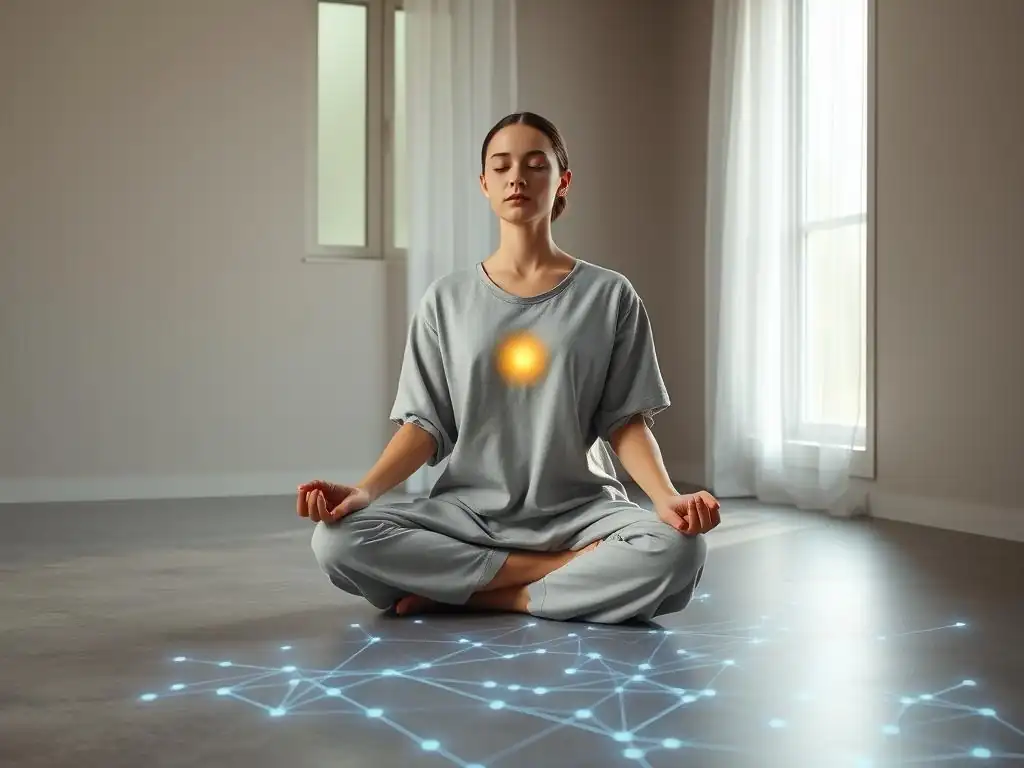
Preparing for Your Meditation Session: Creating a Peaceful Environment
Creating a peaceful environment is helpful, though not strictly necessary, for practicing body scan meditation. Find a quiet space where you are unlikely to be disturbed for the duration of your practice, which could be anywhere from 10 to 45 minutes depending on your preference and available time. You might dim the lights, turn off electronic devices, and inform others in your household that you need some quiet time. The goal is to minimize external distractions so you can focus your attention inward on your physical sensations.
While a dedicated meditation cushion or mat is not required, choose a location where you feel comfortable and supported, whether that's a quiet corner of a room or even an outdoor space if weather permits. Ensuring the temperature is comfortable and wearing loose, comfortable clothing can also enhance your ability to relax and focus on the practice. Remember, perfection is not the goal; simply creating a space that feels relatively calm and conducive to introspection is sufficient.
Step 1: Assuming a Comfortable Posture
Begin by finding a comfortable posture. The body scan is often practiced lying down on your back on a mat or comfortable surface, with arms resting gently at your sides and legs extended, feet falling naturally outwards. This position can facilitate relaxation and make it easier to tune into subtle sensations.
Alternatively, you can practice seated in a chair with your feet flat on the floor, your back straight but not rigid, and your hands resting comfortably on your lap or knees. If sitting cross-legged on the floor or a cushion is comfortable for you, that is also an option. The most important aspect of the posture is that you feel stable and comfortable enough to remain relatively still for the duration of the practice, allowing you to focus your attention on your body.
Step 2: Focusing on Your Breath as an Anchor
Before beginning the systematic scan, take a few moments to settle your awareness and connect with your breath. Simply notice the sensation of breathing in and breathing out. Feel the rise and fall of your abdomen or chest, the air moving in and out of your nostrils or mouth. There's no need to change your breath in any way; just observe it as it is.
Using the breath as an initial anchor helps to bring your mind into the present moment and transition from external distractions to internal awareness. It provides a gentle starting point for focusing your attention. Spend just a minute or two here, allowing your awareness to rest with the natural rhythm of your breathing before moving on to the body scan itself.
Step 3: Systematically Scanning Your Body for Sensations
Now, gently bring your attention to a specific part of your body to begin the systematic scan. A common starting point is the toes of your left foot. Direct your awareness fully to this area. Notice any sensations present there – warmth, coolness, tingling, pressure, itching, or perhaps the absence of sensation.
Slowly and deliberately, move your attention through the left foot – the sole, the heel, the ankle. Then move up the left leg – the calf, the shin, the knee, the thigh, the hip. Spend a few moments with each area before moving on.
Once you have scanned the left side, move to the right foot and repeat the process, moving up the right leg to the hip. Continue this systematic scan through the pelvis, lower back, abdomen, upper back, chest, shoulders, down both arms to the fingertips, then the neck, and finally the head, including the face and scalp.
Step 4: Observing Sensations Without Judgment or Analysis
As you move your attention through each part of your body, the key is to simply observe the sensations you find without judgment, analysis, or trying to change them. If you notice tightness, simply acknowledge it: "Ah, tightness is present in my shoulders." There's no need to label it as good or bad, or to try and force the muscle to relax. The practice is about noticing what is already here.
If you encounter areas of pain or discomfort, approach them with gentleness and curiosity. You can soften your attention around the discomfort, perhaps imagining your breath flowing into and around that area. Remember, you are simply observing, like a scientist studying phenomena. This non-judgmental attitude is crucial for developing acceptance and reducing the stress that often accompanies physical discomfort, contributing to body scan meditation anxiety relief.
Step 5: Expanding Your Awareness to Encompass the Entire Body
After systematically scanning each individual part of your body, take a few moments to expand your awareness to encompass your entire body as a whole. Notice the feeling of your body lying or sitting there, sensing the overall physical presence. Be aware of the boundaries of your skin and the space your body occupies.
Feel the sensations throughout your body simultaneously, as a unified field of awareness. Notice the feeling of contact with the surface beneath you. This step helps to integrate the detailed awareness cultivated during the scan into a broader sense of embodiment. Rest in this global awareness for a few moments before concluding the practice.
Step 6: Gently Transitioning Back to Your Daily Activities
When you are ready to conclude your body scan meditation, begin to gently bring your awareness back to the external environment. You might wiggle your fingers and toes, stretch gently, and become aware of the sounds around you. There is no rush; take your time to transition slowly.
Before fully getting up or moving on, perhaps take a moment to appreciate the stillness or calm you may have cultivated. Notice how your body feels now compared to when you started. Carry this heightened sense of body awareness with you as you re-engage with your daily activities. This conscious transition helps to integrate the benefits of the practice into your waking life.
Body Scan Meditation Techniques for Specific Situations
Body Scan Meditation for Insomnia and Sleep Disturbances
Body scan meditation is particularly effective for addressing insomnia and sleep disturbances due to its ability to calm the nervous system and quiet the racing thoughts that often interfere with sleep. Practicing the body scan while lying in bed, just before you intend to fall asleep, can help release physical tension accumulated throughout the day. The systematic focus on sensations provides an anchor for the mind, diverting it from worries or planning that keep you awake.
If you find yourself unable to sleep, instead of becoming frustrated, you can gently begin a body scan. Focus on the subtle sensations in your feet, then move up through your legs, torso, and head. If you drift off during the practice, that's perfectly acceptable; the goal is to cultivate a state of relaxation and awareness conducive to sleep, not to stay awake and complete the scan perfectly. Many people find that the repetitive, gentle focus on the body helps them relax enough to fall asleep naturally.
Body Scan Meditation for Managing Physical Pain
Body scan meditation can be a valuable tool for individuals managing physical pain. While it does not necessarily eliminate pain, it can significantly alter one's relationship with it. By bringing non-judgmental awareness to areas of discomfort, individuals can learn to observe the sensations of pain with less reactivity and fear. This practice helps to distinguish the raw sensation of pain from the emotional and cognitive distress that often amplifies suffering.
Approaching pain with curiosity during a body scan involves noticing its qualities – is it throbbing, aching, sharp, dull? Where exactly is it located? Does it change with the breath? By simply observing these aspects without resistance, the intensity of the pain experience can sometimes lessen, or at least become more manageable. This mindful approach empowers individuals to navigate pain with greater resilience and acceptance, reducing the secondary stress that often accompanies chronic discomfort.
Adapting the Body Scan for Seated or Standing Positions
While often taught lying down, the body scan can be easily adapted for seated or standing positions, making it versatile for various situations and needs. A seated body scan, as described in the step-by-step guide, is ideal for practicing at work, in a waiting room, or whenever lying down is not feasible. Maintain a stable, upright posture and proceed with scanning the body from feet to head.
A standing body scan can be practiced anywhere you can stand comfortably and safely. Begin by noticing the sensation of your feet on the ground, the feeling of gravity, and the balance of your body. Then, gently scan upwards through your legs, torso, and head, noticing physical sensations while remaining grounded and aware of your posture. Practicing the body scan in different positions helps integrate body awareness into everyday life and makes it a more accessible tool for body scan meditation anxiety relief on the go.
Resources for Guided Body Scan Meditations
For beginners or those who prefer guidance, numerous resources offer guided body scan meditations. Audio recordings are widely available through mindfulness apps, websites, and online platforms. These guided sessions typically walk you through each step of the scan, prompting you to bring attention to different body parts and offering gentle reminders to observe without judgment.
Using a guided meditation can help you stay focused and learn the sequence of the scan. Many guided practices vary in length, from short 10-minute sessions to longer 45-minute or hour-long versions, allowing you to choose a duration that fits your schedule. Exploring different guides can help you find a voice and style that resonates with you, making the practice more enjoyable and sustainable.
Integrating Body Scan Meditation into Daily Life
Establishing a Consistent Meditation Routine
Establishing a consistent routine is key to reaping the full benefits of body scan meditation for anxiety relief and overall well-being. Aim to practice regularly, even if it's for a short duration. Many people find that practicing at the same time each day, such as first thing in the morning or before bed, helps to make it a habit. Consider starting with shorter sessions, like 10-15 minutes, and gradually increasing the time as you become more comfortable.
Consistency is more important than duration or achieving a perfect state of mind. Even practicing for a few minutes daily can help cultivate body awareness and reduce reactivity to stress. Use a calendar, a meditation app with reminders, or link your practice to an existing daily activity (like brushing your teeth or having coffee) to help solidify your routine. Remember that building a new habit takes time and patience; don't be discouraged by missed days, simply return to your practice when you can.
Brief Body Scan Exercises for Time-Constrained Individuals
Even with a busy schedule, you can integrate brief body scan exercises throughout your day. A mini body scan can be as short as 1-3 minutes. For example, you can take a moment at your desk to notice the sensation of your feet on the floor, your seat in the chair, and the feeling of your hands resting. During a break, you might stand up and simply notice the feeling of standing, the weight distribution, and any tension in your shoulders.
These brief check-ins can help you reconnect with your body, release accumulated tension, and ground yourself in the present moment. They serve as quick resets during stressful periods and help maintain a baseline level of body awareness throughout the day. Incorporating several short body scans can be just as beneficial as one longer session, especially for developing continuous body scan meditation anxiety relief.
Combining Body Scan with Other Mindfulness Exercises
Body scan meditation can be effectively combined with other mindfulness exercises to create a comprehensive practice. For example, you might start your meditation session with a few minutes of focused breathing before transitioning into the body scan. After the body scan, you could spend some time practicing mindful movement, such as gentle stretching or mindful walking, carrying the heightened body awareness into motion.
Integrating the body scan with practices like loving-kindness meditation can also deepen your experience. After connecting with your physical body through the scan, you might extend feelings of kindness and compassion towards yourself and others, including any areas of physical discomfort you noticed. This combination can foster both physical awareness and emotional well-being, enhancing the overall benefits of your mindfulness practice.
Addressing Common Challenges in Body Scan Meditation

Managing Discomfort and Acknowledging Physical Sensations
It is common to encounter physical discomfort, pain, or restlessness during body scan meditation. The practice is not about becoming numb or eliminating these sensations, but about learning to be present with them. When you encounter discomfort, try to soften your attention around it. Notice the precise location and quality of the sensation without labeling it as "bad" or trying to push it away.
You can gently breathe into the area of discomfort, imagining the breath bringing ease, without trying to force the sensation to change. It's important to distinguish between observing discomfort and causing harm; if a posture is causing pain, adjust it gently. The goal is to cultivate a relationship of acceptance and curiosity towards whatever arises physically, which is a vital step in managing anxiety symptoms that often manifest physically. Learning to sit with discomfort in this controlled setting can build resilience for facing difficult sensations in daily life.
Redirecting a Wandering Mind and Maintaining Focus
A frequently encountered challenge in body scan meditation is the wandering mind. Thoughts, worries, memories, and plans will inevitably arise. This is a normal function of the mind, not a sign of failure in the practice. The practice isn't about stopping thinking, but about noticing when the mind has wandered and gently, non-judgmentally, guiding it back to the intended focus – the current body part.
Each time you notice your mind has drifted and you bring it back, you are strengthening the muscle of attention. Treat each instance of mind-wandering as an opportunity to practice patience and self-compassion, rather than frustration. Simply acknowledge where the mind went ("Ah, thinking about dinner") and kindly redirect your attention back to scanning your body, perhaps starting again with the last body part you remember focusing on. This persistent, gentle return is the core work of building focus and contributes significantly to body scan meditation anxiety relief.
Cultivating Patience and Perseverance in Your Practice
Developing patience and perseverance is essential for a sustainable body scan meditation practice. Progress is often subtle and non-linear. There will be days when your mind feels calm and focused, and days when it feels particularly restless or your body is uncomfortable. These variations are normal. Avoid comparing your practice from one day to the next, or comparing your experience to others'.
Cultivating patience means accepting that some sessions will feel easier or more beneficial than others. Perseverance involves committing to showing up for the practice regularly, even when you don't feel like it or when it feels challenging. Remind yourself of your intention for practicing, whether it's stress reduction, anxiety relief, or simply cultivating greater self-awareness. Trust that the cumulative effect of consistent practice, even with its ups and downs, will lead to positive changes over time.
Body Scan Meditation and Alternative Stress Management Techniques
Comparing Body Scan Meditation to Progressive Relaxation
Body scan meditation shares some similarities with progressive muscle relaxation (PMR) but has a distinct focus. PMR involves systematically tensing and then releasing specific muscle groups to become aware of the difference between tension and relaxation. The primary goal is deep physical relaxation achieved through active contraction and release.
In contrast, while relaxation is often a byproduct, the core aim of body scan meditation is cultivating awareness of physical sensations as they are, without attempting to change them initially. You simply notice the presence or absence of tension or other feelings. While both techniques can reduce physical stress, the body scan emphasizes non-judgmental observation and acceptance, which is a key element of mindfulness missing in the tension-release cycle of PMR. This difference in focus makes the body scan particularly valuable for developing mindful awareness alongside physical relaxation, contributing to body scan meditation anxiety relief.
Body Scan Meditation vs. Diaphragmatic Breathing Techniques
Diaphragmatic breathing (also known as deep belly breathing) is another powerful stress management technique. It involves consciously engaging the diaphragm to take slow, deep breaths, which can activate the body's relaxation response. The focus is primarily on the mechanics and sensation of breathing itself, often using the breath as an anchor for attention.
Body scan meditation, while often starting with a few mindful breaths, expands the focus beyond the breath to systematically explore the entire physical body. While both techniques help regulate the nervous system and can reduce stress, the body scan offers a broader practice for cultivating comprehensive body awareness. Diaphragmatic breathing can be integrated into a body scan, perhaps used to soften around areas of tension, but the body scan's systematic attention to all body parts distinguishes it as a unique practice for deep physical connection and awareness.
Selecting the Most Suitable Technique for Your Needs
Choosing the most suitable stress management technique depends on individual preferences and needs. If your primary goal is immediate physical relaxation through controlled muscle release, progressive muscle relaxation might be a good starting point. If you find focusing on the breath calming and want a simple, portable technique, diaphragmatic breathing is excellent.
However, if you are seeking to cultivate a deeper, non-judgmental awareness of your physical self, understand where you hold stress, and develop the capacity to be present with physical sensations (including discomfort or anxiety symptoms), body scan meditation is likely the most beneficial practice. For many, combining these techniques can offer a multi-faceted approach to stress reduction and body scan meditation anxiety relief. Experimenting with different practices can help you discover what works best for you.
Advanced Body Scan Meditation Practices
Deepening Your Connection with Your Body
As you become more familiar with the basic body scan, you can deepen your connection with your body by exploring sensations with greater subtlety and detail. Instead of just noticing "tension" in the shoulders, you might explore the quality of that tension – is it sharp, dull, tight, diffuse? Can you sense the layers of sensation within that area?
You can also begin to notice the interconnectedness of your body – how a sensation in one area might relate to another, or how your breath influences physical feelings throughout your system. This deeper level of inquiry moves beyond a simple checklist of body parts to a richer, more nuanced experience of embodiment. This refined awareness can provide profound insights into your physical and emotional state.
Utilizing Body Scan for Emotional Processing
Body scan meditation can be a powerful tool for emotional processing. Emotions are often experienced physically; for example, anxiety might manifest as a knot in the stomach or tightness in the chest, while sadness might feel like a heaviness. By tuning into the body through the scan, you can become more aware of the physical sensations associated with specific emotions.
The practice of observing these sensations without judgment can help you tolerate difficult emotions and understand them more fully. Instead of being overwhelmed by an emotion, you can focus on the physical feelings accompanying it, approaching them with curiosity and acceptance. This allows emotions to move through you more freely, rather than becoming stuck or leading to reactive behaviors. Using the body scan in this way can significantly enhance body scan meditation anxiety relief by addressing the physical component of emotional distress.
Body Scan Meditation and Self-Compassion
Integrating self-compassion into your body scan meditation can profoundly enhance its healing potential. As you scan your body, you may encounter areas of discomfort, pain, or parts of your body you feel critical towards. Self-compassion involves bringing warmth, kindness, and understanding to these experiences, rather than harsh judgment.
When you notice discomfort, you might inwardly offer a kind phrase like, "May I be kind to this discomfort," or "May I offer ease to this area." If you encounter self-critical thoughts about your body, acknowledge them without engaging and gently return to noticing sensations with a stance of acceptance and care. Approaching your physical self with compassion, especially areas that hold pain or tension related to stress and anxiety, strengthens your capacity for self-soothing and resilience, making the body scan a deeply nurturing practice.
Conclusion: Embracing Body Scan Meditation for Lasting Well-being
The Enduring Benefits of Consistent Meditation Practice
Consistent meditation practice, including body scan meditation, offers enduring benefits for mental and physical well-being. Regular engagement helps to rewire the brain, fostering greater resilience to stress and improving emotional regulation over time. Even short, daily sessions contribute to a cumulative effect, building mindfulness and self-awareness that extends beyond the formal practice time into everyday life.
The ability to consistently return to the present moment, cultivated through practices like the body scan, empowers individuals to navigate life's challenges with greater calm and clarity. It reduces reactivity to stressors, enhances focus, and promotes a deeper connection with oneself. These benefits are not temporary fixes but contribute to a foundation of lasting well-being.
Body Scan Meditation: A Tool for Self-Understanding and Inner Peace
Body scan meditation is more than just a relaxation technique; it is a powerful tool for self-understanding and cultivating inner peace. By systematically exploring the physical landscape of the body with non-judgmental awareness, individuals gain profound insights into how stress, emotions, and thoughts manifest physically. This awareness is the first step towards effectively managing physical tension and emotional reactivity.
Through consistent practice, the body scan helps to quiet the noise of the anxious mind and ground attention in the tangible reality of the present moment. It teaches acceptance of physical sensations, whether pleasant or unpleasant, fostering a more compassionate relationship with oneself. Embracing body scan meditation offers a direct path to body scan meditation anxiety relief and serves as a reliable anchor for finding moments of calm and inner peace amidst the busyness of life.
Frequently Asked Questions
What is body scan meditation and how does it relate to anxiety relief?
Body scan meditation is a mindfulness technique where you systematically focus on different parts of your body, noticing sensations without judgment. It's a powerful tool for anxiety relief because it helps to ground you in the present moment and reduce racing thoughts.
How does body scan meditation specifically help with anxiety?
By focusing on bodily sensations, body scan meditation helps you become more aware of your physical state and interrupt the cycle of anxious thoughts. This increased awareness allows you to notice and manage the physical symptoms of anxiety, such as tension or rapid heart rate.
How often should I practice body scan meditation for anxiety relief to see results?
Consistent practice is key. Aim for at least 10-15 minutes daily to start experiencing the benefits. Many people find that even a few minutes of body scan meditation can provide immediate relief from anxiety symptoms.
Are there any specific body scan meditation techniques that are particularly effective for anxiety?
While the basic technique remains the same (systematically scanning the body), some variations include focusing on areas of tension or discomfort. Paying attention to your breath throughout the meditation can also enhance its calming effect and further reduce anxiety.
Where can I find guided body scan meditations to help me get started with anxiety relief?
Mind Care Guide and other websites offer numerous guided body scan meditations specifically designed for anxiety relief. You can also find them on popular meditation apps like Calm and Headspace.
Final Reflection: Embracing Stillness to Conquer Inner Turmoil
The pervasive nature of stress and anxiety in modern life demands effective coping mechanisms, and the simple yet profound practice of body scan meditation offers a powerful antidote. Its ability to ground us in the present moment, fostering self-awareness and reducing the grip of anxious thoughts, is more vital than ever in our fast-paced world. This isn't just a fleeting trend; it's a timeless technique with scientifically proven benefits for mental well-being.
The journey of learning body scan meditation has been a deeply personal one, revealing the intricate connection between our physical sensations and our emotional state. It's a practice that gently encourages us to listen to our bodies, to acknowledge the subtle whispers of tension and unease, without judgment. This act of mindful awareness, in itself, is transformative. The mind is everything. What you think you become.
- Buddha. This quote encapsulates the power of shifting our mental landscape through practices like body scan meditation, ultimately shaping our experience of stress and anxiety.
Now, consider your own relationship with stress. What are the subtle signals your body sends you when anxiety takes hold? I invite you to dedicate just five minutes each day to the practice of body scan meditation. Begin with a simple scan, noticing the sensations in your body without trying to change them. Over time, you'll cultivate a deeper understanding of yourself, a greater capacity for self-compassion, and a more resilient response to the inevitable challenges of life. Embrace the stillness; it holds the key to unlocking inner peace.
Unlock Your Inner Calm: Start Your Body Scan Journey Today!
Thanks for taking the time to explore the powerful benefits of body scan meditation! We hope you've gained valuable insights into how this simple practice can transform your relationship with stress and anxiety. Now it's time to put your knowledge into action.
- Begin your first body scan meditation now: Even five minutes can make a difference. Find a quiet space, close your eyes, and focus on your breath.
- Share your experience: Tell us about your first body scan meditation in the comments below! Let's build a supportive community together.
- Explore further: Discover additional guided meditations and mindfulness resources on our site to deepen your practice.
Ready to experience the transformative power of inner peace? What small step will you take today to prioritize your mental well-being?