
Simple Yet Profound: The Techniques and Benefits of Body Scan

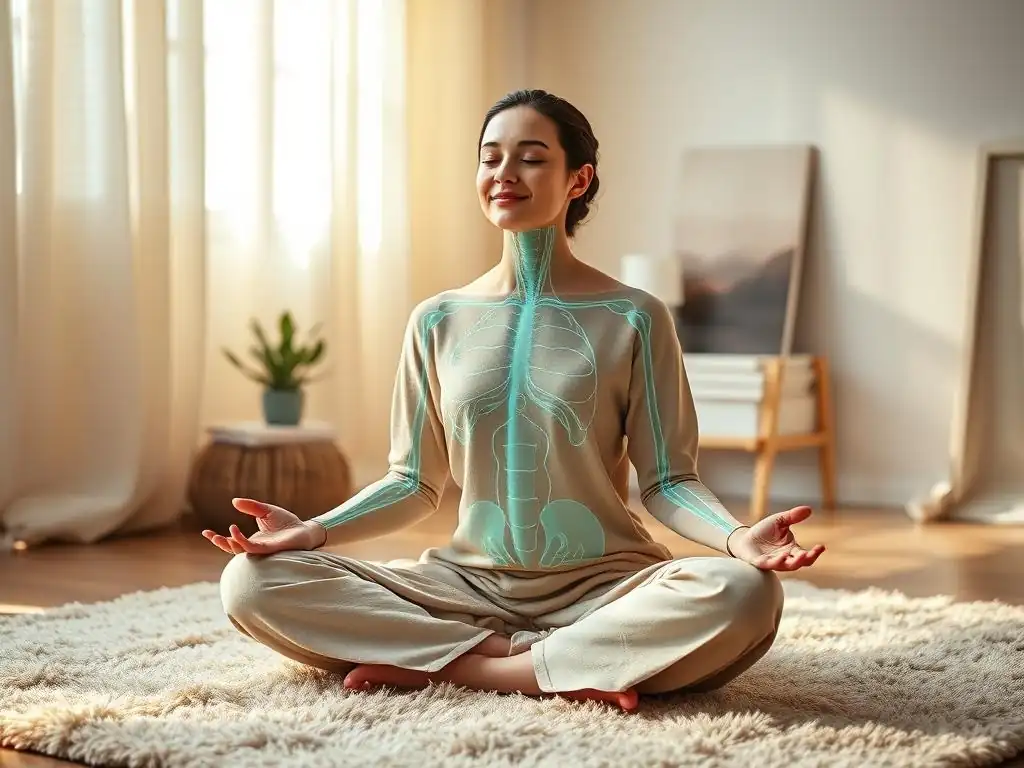
Welcome to Mind Care Guide, where your journey to mental well-being begins.
Feeling overwhelmed by anxiety? You're not alone. In this space, we offer compassionate guidance and practical tools to navigate life's challenges. Let's explore a powerful technique together: body scan meditation. Discover how this simple practice can unlock profound body scan meditation benefits anxiety, helping you find calm and cultivate inner peace. Curious to learn more? Dive in and start your journey to a calmer, more centered you.
- Simple Yet Profound: The Techniques and Benefits of Body Scan
- Body Scan Meditation Benefits for Anxiety and Mental Well-being
- Step-by-Step Guide to Practicing Body Scan Meditation
- Advanced Body Scan Techniques and Tips
- The Science Behind Body Scan Meditation and Anxiety Reduction
- Making Body Scan Meditation Accessible
- Maximizing the Benefits: Long-Term Practice and Integration
-
Frequently Asked Questions
- What is body scan meditation and how does it relate to anxiety?
- What are the key benefits of body scan meditation for anxiety relief?
- How often should I practice body scan meditation to see noticeable improvements in my anxiety levels?
- Are there any potential drawbacks or challenges to be aware of when using body scan meditation for anxiety?
- Can body scan meditation be used in conjunction with other anxiety treatments, such as therapy or medication?
- Final Reflection: Unlocking Inner Peace Through the Body Scan
- Unleash Your Inner Calm: Take Control of Your Body and Mind
Simple Yet Profound: The Techniques and Benefits of Body Scan
What is Body Scan Meditation? A Beginner's Guide
Body scan meditation is a mindfulness practice that involves paying deliberate, non-judgmental attention to physical sensations in the body. It's often described as systematically sweeping your awareness through the body, part by part, noticing whatever is present without trying to change it. This simple yet profound technique is a cornerstone of many mindfulness-based programs, including Mindfulness-Based Stress Reduction (MBSR), which was developed by Jon Kabat-Zinn. The practice typically begins by focusing on sensations in the feet and slowly moving upwards through the legs, torso, arms, neck, and head, acknowledging pressure, temperature, tingling, or even the absence of sensation.
The core intent behind the body scan is not relaxation, although that is often a pleasant side effect. Instead, the primary goal is to cultivate present-moment awareness and develop a deeper connection with the body as a source of information and experience. By bringing gentle curiosity to physical sensations, practitioners learn to observe discomfort, restlessness, or pleasant feelings without getting caught up in thoughts or judgments about them. This process builds resilience and the capacity to tolerate difficult sensations, which is particularly relevant when exploring body scan meditation benefits anxiety and other challenging emotional states.
The Core Principles of Body Scan Practice
At its heart, body scan meditation is built upon the principle of non-judgmental awareness. This means approaching your physical sensations with curiosity and acceptance, rather than evaluation or criticism. If you notice tension in your shoulders, the practice isn't about trying to force them to relax, but simply acknowledging the presence of that tension. This principle is crucial because it counters the habitual tendency to react to or resist uncomfortable sensations, which can often amplify distress, including anxiety.
Another core principle is intentionality. You are choosing to direct your attention to the body with a specific purpose: to observe and learn about your physical experience in the present moment. This deliberate focus helps train the mind to stay anchored, providing a stable point of reference amidst the constant stream of thoughts. Consistency is also key; even short, regular body scan sessions can gradually strengthen your capacity for present-moment awareness and improve your ability to notice subtle bodily cues, contributing significantly to the overall body scan meditation benefits anxiety reduction efforts.
Body Scan Meditation vs. Other Mindfulness Techniques
Body scan meditation differs from other mindfulness techniques, such as focused breathing or walking meditation, primarily in its object of attention. While focused breathing uses the sensation of the breath as the anchor for awareness, and walking meditation uses the sensations of movement, the body scan systematically explores the entire physical form. This comprehensive approach allows practitioners to become intimately familiar with the landscape of their physical sensations across different areas of the body.
Unlike open awareness meditation, which involves observing whatever arises in consciousness (thoughts, sounds, sensations, emotions) without specific focus, the body scan provides a structured path for attention. This makes it an excellent starting point for beginners, offering a clear, step-by-step process to follow. While all mindfulness practices cultivate present-moment awareness, the body scan's unique focus on the physical body makes it particularly effective for developing interoceptive awareness – the ability to notice and interpret internal bodily signals – which is a key component in understanding and managing conditions like anxiety.
Body Scan Meditation Benefits for Anxiety and Mental Well-being
Reducing Anxiety with Body Scan: How it Works
Body scan meditation offers significant benefits for anxiety by shifting focus away from anxious thoughts and towards concrete physical sensations in the present moment. Anxiety often manifests as a cascade of worries about the future or ruminations about the past, accompanied by uncomfortable physical symptoms like a racing heart, shallow breathing, or muscle tension.
By systematically bringing awareness to these physical sensations without judgment, the body scan helps individuals recognize that these symptoms are temporary and manageable, rather than overwhelming threats. This mindful observation can diffuse the power of the anxiety feedback loop, where physical symptoms fuel anxious thoughts, which in turn intensify physical symptoms.
Furthermore, regularly practicing body scan meditation benefits anxiety by increasing tolerance for uncomfortable physical states. Instead of reacting with fear or avoidance to a tight chest or restless legs – common anxiety symptoms – practitioners learn to simply notice these sensations with a sense of curiosity.
This shift in relationship to physical discomfort can dramatically reduce the secondary anxiety that arises from fearing the symptoms themselves. Studies, including those looking at mindfulness-based interventions, often report reductions in self-reported anxiety levels, with effect sizes varying but consistently showing positive trends in reducing both state and trait anxiety after consistent practice over several weeks.
Body Scan Meditation for Stress Relief and Relaxation
Beyond directly addressing anxiety, body scan meditation is a powerful tool for general stress relief and promoting relaxation. Chronic stress can lead to persistent muscle tension, fatigue, and a feeling of being constantly "on alert." The body scan provides a dedicated time to pause, tune into the body, and consciously release tension that may be held unconsciously. As awareness moves through each body part, practitioners are encouraged to notice areas of tightness and, if comfortable, gently invite relaxation into those areas, often using the breath as a guide.
The practice activates the parasympathetic nervous system, often referred to as the "rest and digest" system. By slowing down and focusing inward, the body's stress response (mediated by the sympathetic nervous system) is naturally modulated. This physiological shift can lead to a decreased heart rate, lower blood pressure, and a reduction in stress hormones like cortisol. While individual responses vary, many practitioners report feeling a profound sense of calm and physical ease after a body scan session, highlighting its effectiveness in counteracting the physical toll of stress.
Improving Sleep Quality Through Body Awareness
Difficulties falling asleep or staying asleep are common issues, often exacerbated by a racing mind and physical restlessness. Body scan meditation can significantly improve sleep quality by calming the nervous system and reducing mental chatter. The practice of systematically relaxing the body, part by part, prepares the physical system for rest. By bringing gentle attention to physical sensations, it also provides an anchor for the mind, making it less likely to get caught up in anxious thoughts or worries that keep you awake.
Using the body scan as a pre-sleep ritual can be particularly effective. Lying in bed, focusing on the physical sensations, and allowing the mind to settle can ease the transition from a state of alertness to a state conducive to sleep.
Many people find that even if they don't fall asleep during the scan itself, the practice helps quiet the mental noise and physical tension that often prevent sleep. Research indicates that mindfulness practices, including body scan, can reduce insomnia symptoms and improve sleep efficiency, with some studies showing improvements in sleep quality scores by several points on standardized scales after an 8-week program.
Enhancing Emotional Regulation with Mindful Body Scan

Emotional regulation involves the ability to understand and manage one's emotional responses. Body scan meditation enhances this capacity by improving interoceptive awareness – the ability to perceive internal bodily signals. Emotions are often experienced physically; for example, fear might manifest as a knot in the stomach or tightness in the chest, while excitement might be felt as lightness or energy. By regularly practicing body scan, individuals become more attuned to these subtle physical cues that signal the presence of an emotion before it becomes overwhelming.
This early recognition provides a window of opportunity to respond to emotions more skillfully rather than reacting impulsively. For instance, noticing the first signs of tension or heat in the body associated with rising anger allows someone to pause, breathe, and choose a different response instead of immediately lashing out. This increased awareness of the mind-body connection fosters greater emotional intelligence and resilience, making it easier to navigate challenging feelings and contributing to the overall body scan meditation benefits anxiety and emotional well-being.
Body Scan for Chronic Pain Management: A Mind-Body Approach
Chronic pain is a complex experience involving both physical sensations and psychological factors like fear, anxiety, and depression. Body scan meditation offers a mind-body approach to managing chronic pain not by eliminating the sensation, but by changing the relationship to it. By bringing non-judgmental awareness to areas of pain, practitioners learn to observe the sensation itself – its intensity, quality (throbbing, sharp, dull), and location – without getting lost in the thoughts and emotions surrounding it.
This practice can help decouple the sensory experience of pain from the emotional distress it often causes. Instead of thinking "This pain is unbearable and ruining my life," the focus shifts to simply noticing "There is a throbbing sensation in my lower back right now."
While this doesn't make the pain disappear, it can reduce the suffering associated with it. Studies on mindfulness for chronic pain have shown reductions in pain intensity and interference with daily activities, with effect sizes varying depending on the pain condition, but consistently demonstrating that mindfulness practices like body scan can improve quality of life for individuals living with persistent pain.
Step-by-Step Guide to Practicing Body Scan Meditation
Preparing for Your Body Scan Session: Setting the Stage
Setting the stage for your body scan session can significantly enhance the experience. Find a quiet space where you are unlikely to be disturbed for the duration of your practice, whether that's 10, 20, or 45 minutes. You can practice body scan lying down or sitting up; choose the position that feels most comfortable and allows you to relax while remaining alert.
Many people prefer lying on their back on a mat or bed, with arms resting gently at their sides and legs slightly apart. If sitting, ensure your spine is relatively straight but not rigid, and your feet are flat on the floor.
Consider loosening any tight clothing or removing glasses if they cause discomfort. The goal is to minimize physical distractions as much as possible. You might choose to close your eyes, or if that feels uncomfortable, soften your gaze towards the floor.
Taking a few deep breaths before you begin can help signal to your body and mind that it's time to transition into the practice. The environment doesn't need to be perfect, but creating a sense of calm and intention can make a notable difference in your ability to focus and fully explore the body scan meditation benefits anxiety and stress reduction offer.
The Basic Body Scan Technique: A Guided Practice
The basic body scan technique involves systematically moving your attention through different parts of the body. Begin by bringing awareness to the physical sensations in your feet – perhaps the contact with the floor or surface, temperature, tingling, or pressure. Spend a few moments here, simply noticing whatever is present without trying to change or judge it. Then, gently, as if shining a flashlight, move your awareness up into your ankles, noticing any sensations there.
Continue this upward journey:
- Lower legs (shins and calves)
- Knees
- Upper legs (thighs)
- Pelvic area (hips, groin, buttocks)
- Lower back
- Abdomen (including the gentle rise and fall of the breath)
- Upper back
- Chest
- Fingers and hands
- Wrists
- Forearms
- Elbows
- Upper arms
- Shoulders (often an area where tension is held)
- Neck and throat
- Face (jaw, cheeks, eyes, forehead)
- Top of the head
As you move through each area, simply acknowledge the sensations present. If you encounter discomfort or pain, bring a gentle, non-judgmental curiosity to it. You can breathe into the area, imagining the breath flowing there, and then breathing out any tension, but the primary instruction is simply to notice. After scanning the entire body part by part, you can broaden your awareness to feel the body as a whole before gently concluding the practice.
Breathing Techniques to Enhance Your Body Scan Meditation
While the body scan primarily focuses on physical sensations, incorporating mindful breathing can significantly deepen the practice and enhance the body scan meditation benefits anxiety reduction provides. The breath serves as a natural anchor for awareness and can help regulate the nervous system. You don't need complex techniques; simply paying attention to the natural rhythm of your breath as you scan can be powerful.
As you move your attention to different body parts, notice how the breath subtly influences sensations in that area. For example, as you focus on your abdomen, feel the gentle expansion on the inhale and contraction on the exhale. If you encounter an area of tension or discomfort, you can intentionally direct your breath towards that area, imagining the inhale bringing ease and the exhale releasing tightness. This conscious use of breath can help soften resistance and facilitate a deeper connection with the physical experience, promoting relaxation and presence.
Focusing on Different Body Parts: A Detailed Exploration
Each body part can offer unique insights during the scan. The feet, for example, connect us to the ground and can bring a sense of stability. Focusing there can ground you when feeling anxious or overwhelmed. The hands and arms are tools we use to interact with the world; noticing sensations here can bring awareness to how we hold tension or express ourselves. The abdomen is often described as the "seat of emotions," and paying attention to the gentle movement of the breath here can be very centering.
Areas like the shoulders, neck, and jaw are common repositories for stress and tension. Spending extra moments here, noticing the sensations without trying to force relaxation, can be particularly revealing. The face holds countless muscles related to expression; a gentle scan here can reveal subtle tensions we carry throughout the day.
By systematically exploring each area, you build a detailed map of your physical state, noticing where you hold tension, where you feel ease, and how these sensations change from moment to moment. This detailed exploration is key to unlocking the full body scan meditation benefits anxiety relief and stress management offer.
What to Do When Your Mind Wanders During Body Scan
It's completely normal for your mind to wander during body scan meditation. Thoughts about your to-do list, past conversations, or future worries will arise. This isn't a sign of failure; it's simply what minds do. The practice isn't about having an empty mind, but about noticing when the mind has wandered and gently guiding it back to the intended object of attention – the physical sensations in the body part you were focusing on.
When you notice your mind has drifted (and you will notice), acknowledge it without judgment. You might silently say to yourself, "Thinking," or "Mind wandered." Then, with kindness, simply redirect your attention back to the body part you were scanning or the part where you left off.
Think of it like training a puppy: gently but consistently bring it back to where you want it to be. Each time you notice the wandering and redirect your attention, you are strengthening your capacity for awareness and focus, which is a fundamental skill cultivated through mindfulness and contributes significantly to the body scan meditation benefits anxiety reduction relies on.
Advanced Body Scan Techniques and Tips

Deepening Your Body Scan Practice: Working with Difficult Emotions
As you become more comfortable with the basic body scan, you can begin to use it to work with difficult emotions. When a strong emotion like sadness, anger, or anxiety arises, instead of getting caught up in the story or thoughts associated with it, you can gently bring your awareness to where you feel that emotion in your body. Is there tightness in your chest? A churning in your stomach? Heat in your face?
The practice is to simply observe the physical sensations associated with the emotion with curiosity and non-judgment. You are not trying to make the feeling go away, but simply to be present with its physical manifestation. This can help you experience the emotion as a transient physical state rather than an overwhelming identity. By becoming more familiar with the physical signature of your emotions through practices like body scan, you build resilience and the capacity to tolerate difficult feelings without being swept away by them, significantly enhancing the body scan meditation benefits anxiety management provides.
Incorporating Body Scan Into Your Daily Routine
Finding ways to integrate body scan principles into your daily life can extend its benefits beyond formal practice sessions. This doesn't mean lying down for an hour every day. It could be as simple as taking a moment to tune into your body while waiting in line, before a challenging meeting, or during your commute. Notice the sensations of standing, sitting, or walking. Feel your feet on the ground, the pressure of the chair, or the movement of your legs.
You can also use mini body scans throughout the day. For instance, take 30 seconds to scan your shoulders and jaw, releasing any obvious tension. Or, before eating, take a moment to tune into sensations of hunger or fullness in your abdomen. These brief moments of mindful body awareness can help you stay grounded, reduce accumulated tension, and bring more presence to everyday activities, reinforcing the long-term body scan meditation benefits anxiety relief and overall well-being.
Using Body Scan for Self-Awareness and Personal Growth
Body scan meditation is not just a relaxation technique; it's a powerful tool for self-awareness and personal growth. By regularly tuning into your physical sensations, you begin to notice patterns – where you hold stress, how your body responds to different situations, and the subtle physical cues associated with your emotions and thoughts. This increased awareness provides invaluable insight into your internal landscape.
For example, you might discover that public speaking consistently causes a tight knot in your stomach, or that certain interactions lead to tension in your neck. Recognizing these patterns allows you to understand yourself better and make conscious choices about how to respond. It cultivates a deeper connection between mind and body, fostering a sense of wholeness and facilitating personal growth by bringing unconscious physical habits and emotional responses into conscious awareness. This deeper self-understanding is a key element of the body scan meditation benefits anxiety sufferers can experience.
Addressing Common Challenges in Body Scan Meditation
One common challenge is falling asleep during the practice, especially when lying down. If this happens consistently, try practicing in a seated position or at a time of day when you are more alert. Remember, the goal isn't necessarily relaxation, but awareness. If you do fall asleep, simply notice it upon waking and gently resume or end the practice.
Another challenge is restlessness or discomfort, physical or mental. It's natural to feel fidgety or have a busy mind. The practice is to acknowledge these sensations or thoughts without judgment and gently return your attention to the body scan.
If pain arises, you can bring a gentle curiosity to the sensation itself, exploring its qualities. If it's too intense, you can broaden your awareness to include the whole body, or gently shift your attention to a different area, returning later if comfortable. Patience and self-compassion are essential; there's no "right" way to feel during the scan, and every practice is different.
The Science Behind Body Scan Meditation and Anxiety Reduction
Neuroscientific Evidence Supporting Body Scan Effectiveness
Neuroscientific research provides compelling evidence for the effectiveness of body scan meditation, particularly in areas relevant to anxiety. Studies using fMRI (functional magnetic resonance imaging) have shown that regular mindfulness practice, including body scan, can lead to structural and functional changes in the brain. For example, the amygdala, a region associated with fear and the stress response, can show reduced activity and volume in experienced meditators. This suggests a decreased reactivity to potential threats, which is directly relevant to reducing the intensity of anxious responses.
Furthermore, areas of the brain associated with attention, self-awareness, and emotional regulation, such as the prefrontal cortex and insula, often show increased gray matter density or enhanced connectivity in individuals who practice mindfulness regularly. The insula, in particular, plays a key role in interoception (sensing internal bodily states), which is precisely what the body scan cultivates. Improved functioning in these brain regions supports the observed body scan meditation benefits anxiety and stress management, as it enhances the capacity to observe internal states without being overwhelmed by them and to regulate emotional responses more effectively.
Body Scan and the Nervous System: Understanding the Connection
Body scan meditation directly impacts the autonomic nervous system, which controls involuntary bodily functions like heart rate, breathing, and digestion. Anxiety and stress often trigger the sympathetic nervous system, activating the "fight or flight" response – increasing heart rate, quickening breath, and tensing muscles. The body scan, by promoting a state of focused relaxation and non-judgmental awareness, helps to activate the parasympathetic nervous system – the "rest and digest" state.
This shift towards parasympathetic dominance leads to physiological changes opposite to the stress response: decreased heart rate, slower and deeper breathing, and reduced muscle tension. Regularly engaging in body scan meditation helps train the nervous system to more easily shift into this relaxed state, making it a powerful tool for chronic stress and anxiety management. The ability to consciously influence the nervous system through mindful body awareness is a key mechanism behind the body scan meditation benefits anxiety reduction efforts leverage.
Research on the Psychological Benefits of Body Scan
Numerous psychological studies have documented the benefits of body scan meditation. Research consistently shows reductions in self-reported levels of anxiety, stress, and depression in participants who engage in regular body scan practice, often as part of MBSR or similar programs. For instance, studies on populations experiencing significant stress, such as medical students or individuals with chronic illness, have demonstrated statistically significant decreases in perceived stress and anxiety scores after completing an 8-week mindfulness course that includes daily body scan practice.
Beyond symptom reduction, body scan also fosters positive psychological changes. It enhances self-compassion by encouraging a kind and accepting attitude towards one's physical and emotional experiences. It improves body image by shifting focus from appearance to sensation. Moreover, it cultivates a greater sense of presence and connection to oneself. These psychological shifts contribute to improved emotional resilience and overall mental well-being, reinforcing the wide-ranging body scan meditation benefits anxiety relief and a more balanced emotional life.
Making Body Scan Meditation Accessible
Body Scan Meditation for Different Age Groups
Body scan meditation can be adapted and made accessible for people of all ages, from children to seniors. For children, the practice might be framed as a "superhero scan" or "teddy bear scan," focusing on simple sensations like the wiggling of toes or the feeling of their tummy rising and falling. Sessions can be shorter, perhaps just 5-10 minutes, and guided meditations can use more playful language and imagery. The goal remains the same: to gently bring awareness to the body in the present moment.
For adolescents and adults, the standard practice is suitable, though shorter versions (5-15 minutes) can be helpful for beginners or those with limited time. Seniors or individuals with mobility issues can practice lying down or comfortably seated, focusing on the sensations they can access. The core principles of non-judgmental awareness and gentle attention remain constant, making the practice adaptable to varying physical and cognitive abilities, ensuring that the body scan meditation benefits anxiety and stress reduction are available across the lifespan.
Adapting Body Scan for Physical Limitations
Physical limitations do not preclude the benefits of body scan meditation. If lying flat is uncomfortable due to back pain or other issues, practicing seated in a chair with good support is a perfect alternative. If focusing on a specific body part brings intense pain or discomfort that is overwhelming, practitioners can gently broaden their awareness to include the entire area or even the whole body, noticing the sensations from a wider perspective.
For individuals with limited sensation in certain body parts due to injury or medical conditions, the focus can shift to areas where sensation is present. The practice is about noticing what is, not forcing sensation where there is none. Even imagining scanning a body part or recalling the feeling of it can be a form of practice. The key is to approach the body with kindness and curiosity, working within one's current physical capacity, making the body scan meditation benefits anxiety management possible for virtually anyone.
Body Scan Apps and Resources: A Helpful Overview
Today, numerous resources make starting and maintaining a body scan practice easier than ever. Many mindfulness apps offer guided body scan meditations of varying lengths, often led by experienced teachers. Popular apps like Calm, Headspace, Insight Timer, and Ten Percent Happier include body scan exercises in their libraries. These apps can provide structure and guidance, which is particularly helpful for beginners who may feel unsure about the technique.
Websites dedicated to mindfulness often offer free guided meditations, including body scans. Mindfulness centers and meditation teachers frequently provide recordings or live online sessions. While the core technique is simple, a guided practice can help keep your attention focused and introduce you to variations. Accessing these resources can lower the barrier to entry and support consistency, helping individuals unlock the significant body scan meditation benefits anxiety and stress relief can provide.
Maximizing the Benefits: Long-Term Practice and Integration
Building a Consistent Body Scan Practice for Lasting Results
Consistency is the cornerstone of maximizing the body scan meditation benefits anxiety reduction and overall well-being. While a single body scan session can offer immediate relaxation, the deeper, transformative effects accumulate over time with regular practice. Aim for a consistent schedule, even if it's just 10-15 minutes per day. Practicing at the same time each day can help establish it as a habit.
Don't strive for perfection; some sessions will feel easier and more focused than others. The key is simply to show up and practice, regardless of how it feels. Over weeks and months, this consistent effort trains your mind to be more present and your body to release tension more readily. The gradual building of awareness and resilience is what leads to lasting changes in how you experience and respond to stress and anxiety. Think of it like building a muscle – regular exercise yields strength over time.
Integrating Body Scan with Other Mindfulness Practices
Body scan meditation integrates beautifully with other mindfulness practices, creating a more comprehensive approach to well-being. You might start your morning with a body scan to ground yourself, then transition into a sitting meditation focused on the breath. Or, use a brief body scan before a walking meditation to connect with the physical sensations of movement.
Combining body scan with mindful movement, such as gentle yoga or stretching, can deepen the connection to the body and release physical tension. Integrating body scan principles into daily activities, as mentioned earlier, extends mindfulness beyond formal practice periods. By weaving body awareness throughout your day and combining it with other techniques, you cultivate a rich and varied mindfulness practice that enhances emotional regulation, reduces reactivity, and amplifies the body scan meditation benefits anxiety and stress reduction provide.
The Transformative Power of Body Awareness: A Final Thought
Ultimately, the body scan is more than just a technique; it's a pathway to a deeper relationship with yourself. By learning to inhabit your body with gentle, non-judgmental awareness, you cultivate a sense of safety and acceptance within your own skin. This intimate connection to your physical experience provides a stable anchor in the ever-changing landscape of thoughts and emotions.
Embracing the transformative power of body awareness can lead to profound shifts in how you navigate challenges, relate to others, and experience life. It empowers you to recognize your physical and emotional states with clarity and kindness, enabling more skillful responses to stress, anxiety, and difficult experiences. The journey of body awareness, initiated through simple techniques like the body scan, is one of continuous discovery and growth, offering lasting benefits for your mental, emotional, and physical health.
Frequently Asked Questions
What is body scan meditation and how does it relate to anxiety?
Body scan meditation is a mindfulness technique that involves systematically focusing attention on different parts of your body. It can help reduce anxiety by promoting present moment awareness and interrupting anxious thought patterns.
What are the key benefits of body scan meditation for anxiety relief?
The benefits include reduced stress and tension, improved body awareness, and increased ability to manage anxious thoughts and feelings. It cultivates a sense of calm and grounding.
How often should I practice body scan meditation to see noticeable improvements in my anxiety levels?
Consistency is key. Aim for at least 15-20 minutes of body scan meditation several times a week, ideally daily, to experience significant reductions in anxiety symptoms.
Are there any potential drawbacks or challenges to be aware of when using body scan meditation for anxiety?
Some individuals may initially experience increased anxiety or discomfort when focusing on their bodies. However, with consistent practice and guidance, these feelings often subside. It's important to be patient with yourself.
Can body scan meditation be used in conjunction with other anxiety treatments, such as therapy or medication?
Yes, body scan meditation is often used as a complementary therapy alongside traditional treatments. It can enhance the effectiveness of therapy and medication by promoting relaxation and self-awareness, contributing to overall mental well-being.
Final Reflection: Unlocking Inner Peace Through the Body Scan
The simple act of bringing mindful awareness to the body is proving to be a powerful antidote to the anxieties of modern life. In a world saturated with constant stimulation and demands, the body scan offers a refuge, a pathway to reconnect with the present moment and quiet the relentless chatter of the mind. Its effectiveness in reducing anxiety and promoting overall well-being is not just theoretical; it's increasingly supported by scientific research and the lived experiences of countless individuals.
The body scan's influence extends far beyond the individual; it's a gentle revolution in how we approach stress and self-care. It challenges the pervasive societal pressure to constantly "do" and instead encourages a culture of "being." This shift in perspective, from striving to simply existing, is profoundly impactful. The body is your temple. Keep it pure and clean for the soul to reside in.
This ancient wisdom resonates deeply with the core principles of the body scan, reminding us of the inherent connection between our physical and mental states.
You now hold the key to unlocking a deeper connection with yourself. Try incorporating the body scan into your daily routine – even just five minutes can make a significant difference. Notice the subtle shifts in your body, your breath, your emotions. Allow yourself to simply be, without judgment. This practice isn't just about reducing anxiety; it's about cultivating a deeper sense of self-awareness, resilience, and ultimately, peace. Embrace the simplicity, and discover the profound benefits that await.
Unleash Your Inner Calm: Take Control of Your Body and Mind
Thanks for taking the time to explore the power of body scan meditation! We hope you gained valuable insights into its calming effects and practical applications. Ready to integrate this simple yet profound practice into your life?
- Begin your daily body scan practice today: Even 5 minutes can make a noticeable difference in your stress levels and overall well-being. Start small and gradually increase the duration as you feel comfortable.
- Share your experience: Connect with others on their journey to inner peace. Share your thoughts and experiences with body scan meditation on our social media channels – let's build a supportive community!
- Try a guided body scan meditation: Search online for free guided sessions to enhance your practice and explore different techniques.
Ready to experience the transformative power of mindful body awareness? What aspect of body scan meditation are you most excited to implement in your daily life?