
Increase SelfAwareness and Grounding with Body Scan Meditation

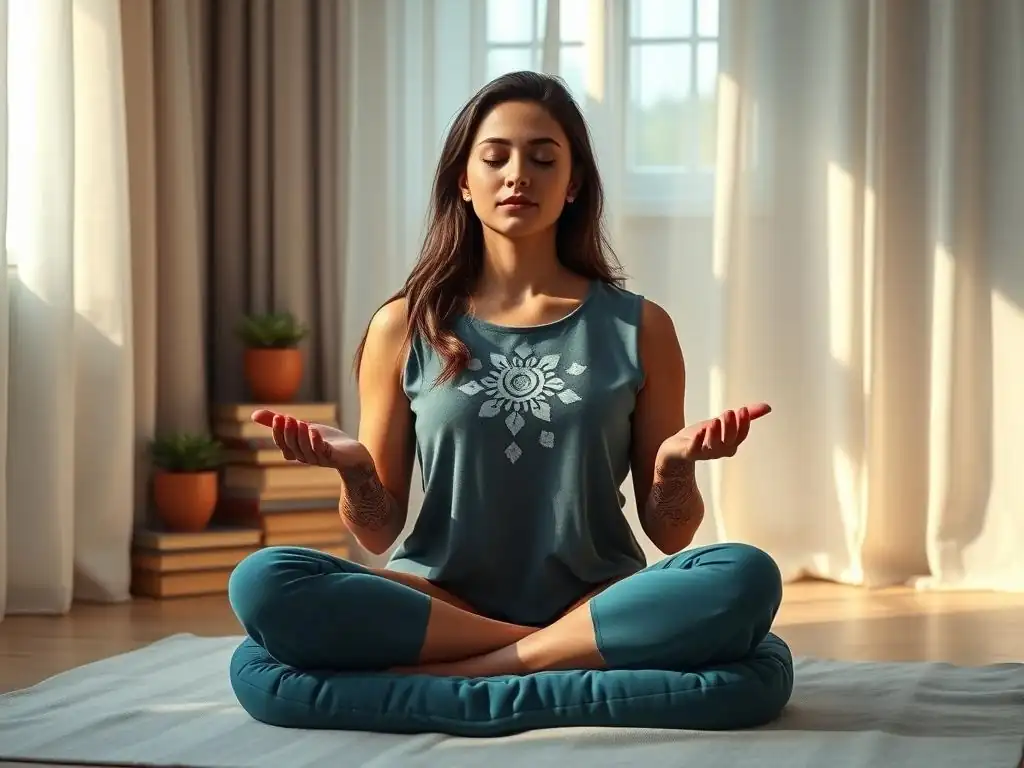
Welcome to Mind Care Guide, a sanctuary dedicated to nurturing your mental well-being. Feeling overwhelmed by anxiety? You're not alone. This week, we delve into the powerful practice of body scan meditation, exploring its profound benefits for anxiety and how it can help you reclaim inner peace. Curious to discover how this simple technique can transform your relationship with your body and mind? Let's begin your journey toward greater self-awareness and grounding...
Increase Self-Awareness and Grounding with Body Scan Meditation
- Introduction to Body Scan Meditation for Mental Well-being
- The Profound Benefits of Body Scan Meditation for Anxiety and Emotional Regulation
- Step-by-Step Guide to Practicing Body Scan Meditation
- Integrating Body Scan Meditation into Your Daily Routine
- Body Scan Meditation for Specific Mental Health Challenges
- Overcoming Challenges and Common Mistakes in Body Scan Meditation
- Advanced Techniques and Variations of Body Scan Meditation
- Scientific Evidence Supporting the Benefits of Body Scan Meditation
- Conclusion: Embracing Body Scan Meditation for a Healthier Mind
-
Frequently Asked Questions
- What is body scan meditation and how does it relate to anxiety?
- What are the primary body scan meditation benefits anxiety sufferers can expect?
- How often should I practice body scan meditation to see body scan meditation benefits anxiety reduction?
- What kind of support and resources does Mind Care Guide offer regarding body scan meditation benefits anxiety?
- Is body scan meditation a substitute for professional mental health treatment for anxiety?
- Final Reflection: Unfurling the Power Within Through Body Scan Meditation
- Unveil Your Inner Calm: Start Your Body Scan Journey Today!
Introduction to Body Scan Meditation for Mental Well-being
Understanding Mindfulness and its Role in Mental Health
Mindfulness is the practice of paying attention to the present moment without judgment. It involves observing your thoughts, feelings, bodily sensations, and surrounding environment with a sense of curiosity and acceptance. This intentional awareness can significantly impact mental health by helping individuals develop a greater understanding of their internal experiences and reactions to stress and challenges. Regular mindfulness practice has been shown to reduce rumination, improve emotional regulation, and decrease symptoms associated with various mental health conditions.
Integrating mindfulness techniques into daily life can create a buffer against the pressures of modern living. By cultivating a non-reactive stance towards difficult emotions or thoughts, individuals can break cycles of negative thinking and worry. For instance, someone prone to anxiety might learn to observe anxious thoughts as temporary mental events rather than absolute truths, diminishing their power. This foundational shift in perspective is key to leveraging practices like body scan meditation for improved mental well-being and addressing concerns like anxiety.
What is Body Scan Meditation? A Beginner's Guide
Body scan meditation is a specific mindfulness technique that involves systematically bringing your attention to different areas of your body, noticing physical sensations without trying to change them. It's often one of the first practices taught in mindfulness-based programs like MBSR (Mindfulness-Based Stress Reduction). The goal isn't necessarily to relax, although that is a common outcome, but rather to cultivate present-moment awareness through the body and foster a non-judgmental attitude towards whatever arises.
The practice typically begins by lying down or sitting comfortably and bringing attention to the breath, which serves as an anchor. Then, awareness is gently directed to one part of the body, perhaps the toes, and held there for a few moments, noticing any sensations present – tingling, pressure, warmth, coolness, absence of sensation. This attention is then slowly moved through the body, area by area, until the entire body has been scanned. It's a powerful way to reconnect with the physical self and observe the constant flux of bodily experience.
Body Scan Meditation Benefits: Reducing Anxiety and Enhancing Self-Awareness
One of the most widely recognized benefits of body scan meditation is its effectiveness in reducing anxiety. By shifting focus from anxious thoughts or future worries to the concrete reality of present-moment bodily sensations, individuals can interrupt cycles of rumination that fuel anxiety. This practice helps ground you in the 'here and now,' making overwhelming thoughts feel less dominant. Research supports the notion that regular practice can lead to a significant decrease in reported anxiety levels.
Furthermore, body scan meditation greatly enhances self-awareness. It teaches you to notice subtle physical cues associated with different emotional states or stress levels that you might otherwise ignore. For example, you might become aware that anxiety often manifests as tightness in your chest or tension in your shoulders before the anxious thoughts become overwhelming. This increased awareness provides an opportunity to respond differently, perhaps by pausing or using coping strategies, rather than simply reacting automatically.
The Profound Benefits of Body Scan Meditation for Anxiety and Emotional Regulation
Body Scan Meditation Benefits Anxiety: A Detailed Look
Body scan meditation provides a direct path to mitigating anxiety symptoms by anchoring attention in the physical present. When the mind is caught in anxious loops, focusing on bodily sensations offers a tangible, non-conceptual point of focus. This process helps to interrupt the chain of anxious thoughts and reduce cognitive rumination. Studies, such as those reviewed in meta-analyses on mindfulness interventions, consistently show a moderate to large effect size in reducing self-reported anxiety symptoms in clinical and non-clinical populations.
Beyond simply distracting the mind, the body scan helps individuals become more aware of how anxiety feels in the body. This awareness can demystify the physical symptoms of anxiety (like rapid heartbeat, muscle tension, or stomach discomfort), making them less frightening. Instead of being overwhelmed by these sensations, you learn to observe them with a degree of detachment, recognizing them as temporary physical states rather than immediate threats. This shift in perception is a core mechanism through which body scan meditation benefits anxiety management.
How Body Scan Meditation Reduces Stress and Promotes Relaxation
The systematic process of bringing gentle, sustained attention to the body naturally activates the parasympathetic nervous system, often referred to as the "rest and digest" system. This counteracts the "fight or flight" response triggered by stress. As you move your awareness through the body, the focused, calm attention helps to downregulate the stress response, leading to physiological changes like a slower heart rate, reduced blood pressure, and relaxed muscles.
Regular practice trains your nervous system to respond to stress more effectively. Instead of getting stuck in a high-alert state, the body learns to return to a state of calm more quickly. For instance, someone practicing body scan daily for several weeks might notice that while a stressful situation still arises, their physical reaction (like a racing heart) subsides faster than before. This improved stress resilience is a significant outcome, contributing to overall well-being and reinforcing the Body scan meditation benefits anxiety reduction capabilities.
Improving Emotional Regulation Through Body Awareness
Emotional regulation is the ability to understand and manage your emotional responses. Body scan meditation enhances this capacity by increasing your awareness of the physical sensations that accompany emotions. Often, we experience an emotion physically before we cognitively label it or react to it. For example, anger might feel like heat or tightness, sadness like heaviness, and fear like shakiness or constriction.
By practicing body scan, you become more attuned to these subtle bodily signals. This allows you to identify emotions earlier in their trajectory, giving you a crucial window of opportunity to choose how to respond rather than being swept away by the feeling. Instead of reacting impulsively when you feel tension (which might be a sign of rising frustration), you can notice the sensation, acknowledge the potential emotion, and consciously decide on a skillful response. This enhanced emotional intelligence is a powerful benefit.
Enhancing Self-Awareness and Body Image with Body Scan
Body scan meditation is fundamentally a practice of deep self-awareness, specifically focusing on the physical dimension of experience. In a world that often emphasizes external appearance, the body scan encourages an internal focus, appreciating the body for its capacity to feel and sense, rather than just how it looks. This internal exploration can foster a more positive and accepting relationship with one's physical self, which is particularly helpful for individuals struggling with negative body image or disordered eating patterns.
By spending time simply being with your body and noticing sensations without judgment, you cultivate a sense of acceptance and non-criticism towards your physical form. This contrasts sharply with self-critical thoughts that often plague negative body image. While not a primary treatment for severe body image issues, the body scan can serve as a supportive practice, gently encouraging a shift from a critical external view to an accepting internal awareness. This internal focus is key to unlocking the Body scan meditation benefits anxiety and fostering a healthier relationship with oneself.
Step-by-Step Guide to Practicing Body Scan Meditation
Preparing for Your Body Scan Meditation Session: Setting the Stage
Creating a conducive environment is helpful for your body scan practice, especially when starting. Find a quiet space where you are unlikely to be interrupted for the duration of your practice, whether that's 10 minutes or 40 minutes. While silence is ideal, if that's not possible, minimize potential distractions. Turning off phones or putting them on silent is highly recommended.
Consider the time of day. Some people prefer practicing in the morning to start their day grounded, while others find it helpful in the evening to unwind before sleep. Experiment to find what works best for you. Having a dedicated time slot, even if short, can help establish consistency. Ensure the room temperature is comfortable, as being too hot or too cold can be distracting during the practice.
Finding a Comfortable Position for Body Scan Practice
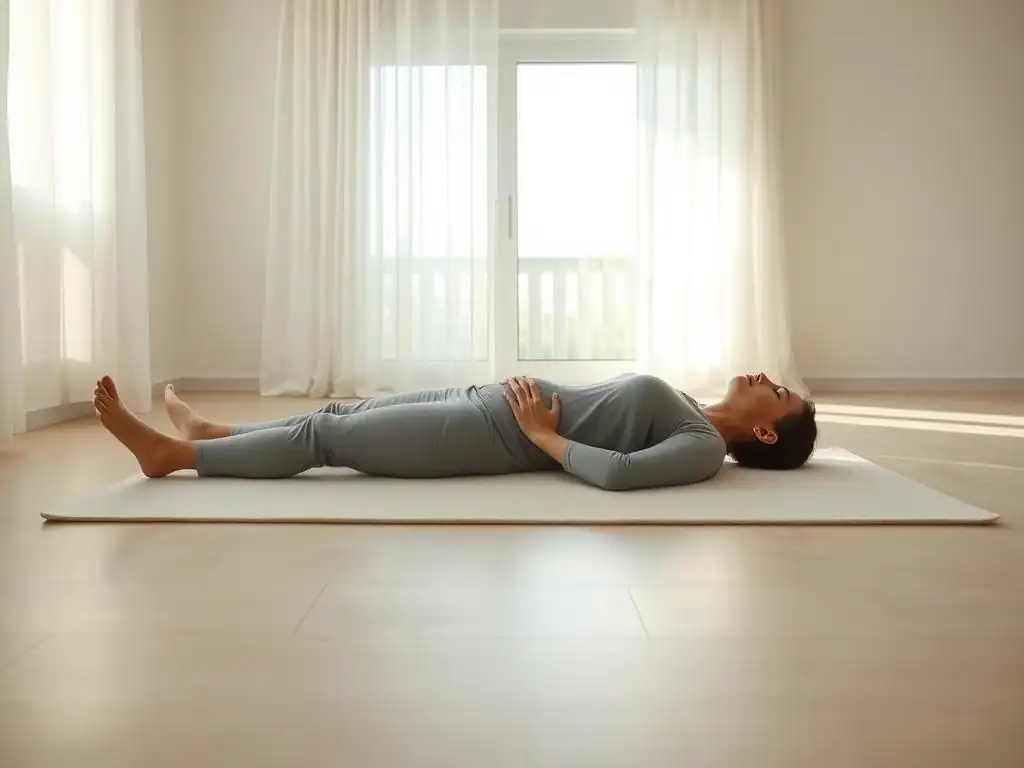
Traditionally, the body scan is practiced lying down, often on a yoga mat or firm surface, with arms resting gently by your sides and legs uncrossed. This allows for maximum relaxation and ease. If lying down tends to make you fall asleep, you can modify the position.
Alternatively, you can practice the body scan sitting upright in a chair with your feet flat on the floor and hands resting in your lap or on your thighs. If sitting, ensure your back is relatively straight but not rigid, allowing you to remain alert yet relaxed. The key is to find a position where you can be still and comfortable for the duration of the practice without experiencing unnecessary discomfort that pulls your attention away from the scan itself.
The Body Scan Technique: A Guided Meditation
Focusing on Your Breath: The Anchor
Begin by settling into your chosen comfortable position. Gently close your eyes if that feels comfortable, or soften your gaze. Take a few deeper breaths to help you settle in, exhaling slowly. Then, allow your breath to return to its natural rhythm.
Bring your attention to the physical sensation of the breath entering and leaving your body. Notice where you feel the breath most distinctly – perhaps the rise and fall of the abdomen, the expansion and contraction of the chest, or the sensation of air moving through your nostrils. Spend a minute or two simply observing the breath as an anchor to the present moment.
Systematically Scanning Your Body: From Toes to Head
Now, gently shift your attention away from the breath and bring it to a specific part of your body to begin the scan. It's common to start with the toes of one foot, then move to the sole, the top of the foot, the ankle. Then move up the leg to the calf, shin, knee, thigh, and hip. Repeat for the other leg.
Then move to the torso: the pelvic area, abdomen, lower back, upper back, chest, and shoulders. Move down one arm, hand, and fingers, then the other. Finally, bring attention to the neck, face, and head. Move slowly and mindfully through each area.
Noticing Sensations Without Judgment
As you bring your attention to each part of the body, pause and notice any sensations present. You might feel warmth, coolness, tingling, pressure, tightness, throbbing, or perhaps a lack of sensation. The key is to simply observe what is there without judgment, evaluation, or the need to change anything. If you notice discomfort, simply acknowledge it with curiosity. If your mind wanders (which it will! ), gently guide your attention back to the part of the body you were scanning. It's not about clearing your mind, but about practicing bringing attention back again and again.
Dealing with Discomfort During Body Scan Meditation
It's not uncommon to encounter areas of discomfort, pain, or tension during a body scan. When you encounter discomfort, you have options. You can gently bring your attention to the sensation itself, exploring its qualities (intensity, location, texture) with curiosity, rather than aversion. Sometimes simply bringing non-judgmental awareness to discomfort can soften it.
Alternatively, you can imagine breathing into the area of discomfort on the inhale and breathing out of it on the exhale, creating a sense of space. If the discomfort is too intense, you can gently broaden your awareness to include the discomfort and the area around it, or even the whole body, rather than fixating solely on the pain. Remember, the goal is awareness, not eradication of sensation.
Tips for Maintaining Focus During Body Scan Meditation
Maintaining focus during any meditation practice, including the body scan, is a skill that develops over time. Don't expect your mind to be completely still. The very act of noticing your mind has wandered and gently bringing it back is the practice. Think of your attention like a puppy – it will run off, and your job is just to kindly guide it back without scolding it.
Minimize external distractions by ensuring your environment is quiet and comfortable. If you find yourself consistently falling asleep when lying down, try practicing in a sitting position. If specific thoughts or emotions repeatedly pull your attention away, gently acknowledge them ("Ah, thinking about work") and then redirect your attention back to the body part you were scanning.
Consistency is more important than duration; even a short, consistent practice is beneficial. Using guided body scan meditations (available online or through apps) can also be very helpful, as the guide's voice provides gentle prompts and reminds you where to focus your attention.
Integrating Body Scan Meditation into Your Daily Routine

Establishing a Consistent Body Scan Meditation Practice
Consistency is key to experiencing the full Body scan meditation benefits anxiety reduction and increased self-awareness offers. Aim to practice regularly, even if it's just for 10-15 minutes a few times a week initially. Try scheduling it at the same time each day, perhaps first thing in the morning before the day's demands begin, or in the evening to wind down. Treat it like any other important appointment.
Start small to build momentum. A commitment to just 5-10 minutes daily is more sustainable than aiming for 45 minutes and quickly feeling overwhelmed. Once you've established a routine, you can gradually increase the duration if you wish. Tracking your practice in a journal or app can also provide motivation and a sense of accomplishment, helping you stay committed.
Short Body Scan Meditations for Busy Schedules
Even with a packed schedule, finding moments for mindfulness is possible. Short body scan meditations, lasting only 5-10 minutes, can still provide significant benefits. Instead of scanning the entire body in detail, you might choose to focus on larger areas (feet, legs, torso, arms, head) or simply bring awareness to the most prominent sensations in the body for a few minutes.
These shorter practices can be done almost anywhere – sitting at your desk, on a train, or even standing in line. The principle remains the same: bringing non-judgmental attention to present-moment physical sensations. Even a brief check-in with your body can help interrupt stress responses and bring a sense of grounding amidst busyness.
Combining Body Scan with Other Mindfulness Techniques
Body scan meditation pairs well with other mindfulness practices, creating a more holistic approach to well-being. For example, you might start your day with a short body scan to ground yourself, then follow with a few minutes of mindful breathing. If you're feeling strong emotions during the day, you could use a brief body scan to notice where you hold those emotions physically before engaging in a loving-kindness practice.
Mindful movement, like yoga or walking meditation, also complements the body scan by bringing awareness to the body in motion. Integrating body scan into a broader mindfulness routine can deepen your overall practice and enhance the benefits across different aspects of your life, reinforcing how Body scan meditation benefits anxiety, stress, and emotional balance.
Body Scan Meditation for Specific Mental Health Challenges
Body Scan Meditation for Anxiety Disorders: Practical Applications
For individuals managing anxiety disorders, body scan meditation can be a valuable tool, often used as part of a larger therapeutic approach like MBCT (Mindfulness-Based Cognitive Therapy). Regular practice helps individuals recognize the physical onset of anxiety symptoms earlier, such as chest tightness or a knot in the stomach. This early detection allows for the application of coping strategies before anxiety escalates.
The practice also helps to de-identify with anxious thoughts and sensations. Instead of thinking "I am anxious," the body scan helps cultivate the perspective of "I am noticing sensations in my body that I associate with anxiety." This subtle shift creates distance from the experience, making it less overwhelming. Clinical applications often involve guided sessions focusing on accepting uncomfortable sensations associated with panic or generalized worry, building tolerance and reducing fear responses.
Body Scan Meditation for Managing Chronic Pain
Chronic pain often involves a complex interplay between physical sensation and psychological distress, including anxiety and fear surrounding the pain. Body scan meditation helps by shifting the relationship with pain from one of resistance and aversion to one of acceptance and observation. Instead of fighting the pain, individuals learn to explore its qualities with curiosity – noticing its intensity, location, and how it changes moment by moment.
While body scan does not eliminate pain, studies indicate it can significantly reduce the distress associated with pain and improve functional capacity. For example, research on individuals with chronic back pain has shown that mindfulness practices including body scan can lead to a reported decrease in pain intensity by an average of 20-30% and improved ability to perform daily activities. By changing how the brain processes pain signals, it can reduce the suffering element, offering a powerful Body scan meditation benefits anxiety reduction for those whose anxiety is intertwined with their pain experience.
Body Scan Meditation for Improving Sleep Quality
Sleep difficulties, including insomnia, are often linked to an overactive mind, worry, and physical tension – all areas addressed by body scan meditation. Practicing the body scan before bed can help calm the nervous system, release physical tension accumulated during the day, and quiet racing thoughts. By systematically moving attention through the body, it provides a focus that can prevent the mind from getting caught in anxious loops that interfere with sleep.
Many people find that the relaxation induced by the body scan makes it easier to fall asleep. Even if sleep doesn't come immediately, the practice of resting with awareness in the body can be deeply restorative. Research suggests that mindfulness meditation, including body scan, can reduce sleep disturbances and increase total sleep time in individuals with chronic insomnia, offering a non-pharmacological approach to improving sleep hygiene.
Body Scan Meditation for Trauma Recovery: A Gentle Approach
For individuals healing from trauma, reconnecting with the body can be challenging, as the body may hold traumatic memories or be associated with feelings of unsafety. Body scan meditation, when approached gently and perhaps with the guidance of a trauma-informed therapist, can be a valuable tool for gradually and safely rebuilding a sense of connection and safety within the body.
The practice encourages a gradual, non-demanding exploration of bodily sensations. Participants are always encouraged to go at their own pace, to skip areas that feel overwhelming, and to focus on areas that feel neutral or pleasant if exploring difficult sensations is too activating. The emphasis on non-judgment and acceptance is crucial, helping individuals develop a more compassionate relationship with their bodies and the sensations they experience, including those linked to trauma responses or Body scan meditation benefits anxiety related to past events.
Overcoming Challenges and Common Mistakes in Body Scan Meditation
Dealing with Distractions and Wandering Thoughts
One of the most common challenges in body scan meditation is dealing with a wandering mind. Thoughts about the past, future worries (including anxious thoughts), to-do lists, or random distractions are inevitable. It's important to understand that this is not a sign of failure; it's simply what the mind does. The practice isn't about stopping thoughts, but about noticing when they arise and gently bringing your attention back to the body.
Think of each time you notice your mind has wandered and you return to the scan as a successful moment of mindfulness. It's like doing a bicep curl for your attention muscle. Be patient and compassionate with yourself. The more you practice, the easier it becomes to notice the wandering and redirect your focus without getting frustrated. This skill directly translates to managing intrusive thoughts outside of meditation, including those contributing to anxiety.
Addressing Resistance to Body Scan Meditation
Sometimes, individuals experience resistance to the body scan practice. This might manifest as boredom, restlessness, impatience, or even discomfort with being still or focusing inward. This resistance can stem from various sources, including a busy lifestyle, discomfort with certain bodily sensations, or underlying anxiety about what might arise when paying close attention.
Acknowledge the resistance without judgment. It's okay to feel restless or bored. Simply notice those feelings and gently proceed with the scan as best you can. If discomfort is significant, explore it gently as described earlier, or consult with a mindfulness teacher or therapist. Understanding that resistance is a normal part of the process for many people can help you approach it with more acceptance and less self-criticism, allowing you to continue exploring the Body scan meditation benefits anxiety relief can bring.
Avoiding Common Mistakes in Body Scan Meditation Practice
One common mistake is approaching the body scan with the goal of relaxing or feeling good. While relaxation is a frequent outcome, the primary intention is to cultivate awareness and acceptance of whatever is present, pleasant or unpleasant. If you focus solely on trying to relax, you might become frustrated when you encounter tension or discomfort.
Another mistake is judging your performance ("I'm bad at this," "My mind is too busy"). Mindfulness is a practice, not a performance. There's no right or wrong way to experience the scan; there's just your experience. Avoid forcing sensations or trying to make something happen. Simply arrive with curiosity and observe. Remember, the benefits, including how Body scan meditation benefits anxiety, come from the consistent practice of paying attention, not from achieving a specific state.
Advanced Techniques and Variations of Body Scan Meditation
Progressive Relaxation and Body Scan Meditation
Progressive Muscle Relaxation (PMR) is a technique often paired with or seen as a precursor to body scan. PMR involves tensing a specific muscle group intensely for a few seconds and then deliberately releasing the tension, noticing the contrast between tension and relaxation. A variation combines this with the body scan by first intentionally tensing and releasing each body part before scanning it mindfully.
This combined approach can be particularly helpful for individuals who struggle with identifying physical sensations or who hold significant physical tension due to stress or anxiety. The act of deliberately creating and releasing tension can heighten awareness of what relaxation feels like in contrast to tension, making the subsequent mindful scan of subtle sensations easier and potentially deepening the Body scan meditation benefits anxiety relief derived from physical release.
Body Scan Meditation with Visualization
While traditional body scan focuses purely on physical sensations, some variations incorporate gentle visualization. For example, as you scan each part of the body, you might imagine breathing light or warmth into that area, or imagine tension dissolving with each exhale. Another approach is to visualize a gentle wave of relaxation or awareness slowly moving through the body from head to toe.
Visualization can add another layer to the practice, potentially making it more engaging for some individuals or providing a specific intention, such as releasing tension in a particular area. However, it's important that the visualization supports the core practice of present-moment awareness rather than becoming a distraction or an attempt to force a specific outcome.
Body Scan Meditation for Emotional Release
The body scan can be adapted to specifically explore the physical manifestation of emotions. Instead of just scanning for general sensations, you might bring attention to areas where you typically hold emotions, such as the chest, throat, or stomach. When you encounter an area associated with a difficult emotion, you can gently bring your awareness there, observing the physical sensations of that emotion without trying to push them away.
This approach is often done with care and potentially with guidance, as it can sometimes bring up intense feelings. The intention is not to get rid of the emotion, but to develop a greater capacity to be with difficult feelings by experiencing them as physical sensations that are often transient, rather than overwhelming psychological states. This can be a powerful way to process and release stored emotional tension, contributing to the Body scan meditation benefits anxiety and emotional well-being.
Scientific Evidence Supporting the Benefits of Body Scan Meditation
Research on Body Scan Meditation and Anxiety Reduction
Numerous studies have investigated the impact of body scan meditation on anxiety. Randomized controlled trials comparing mindfulness-based interventions (which prominently feature body scan) to control groups or other therapies have shown significant reductions in anxiety symptoms. For example, participation in an 8-week MBSR program, which includes extensive body scan practice, has been associated with clinically significant decreases in generalized anxiety disorder (GAD) symptoms, often comparable to or exceeding the effects of some psychological therapies.
Neuroimaging studies also provide insights, showing changes in brain areas associated with emotion regulation and self-awareness, such as the prefrontal cortex and amygdala, after mindfulness training. These changes suggest a biological basis for how body scan meditation benefits anxiety by altering threat response and improving the ability to manage emotional reactions. While individual results vary, the collective body of research strongly supports its efficacy as a complementary approach.
Studies on Body Scan Meditation and Pain Management
Research consistently demonstrates the utility of body scan meditation in helping individuals manage chronic pain. Studies using self-report measures and functional MRI have shown that mindfulness practices can decouple the sensory experience of pain from the emotional reaction to it. Participants report lower levels of pain unpleasantness and suffering, even if the intensity of the sensation itself doesn't always change dramatically.
For example, a study on mindfulness meditation for chronic low back pain published in the Journal of the American Medical Association found that mindfulness was as effective as cognitive behavioral therapy in reducing pain and improving function. Participants reported average reductions in pain bothersomeness scores by approximately 3 points on a 10-point scale, along with improvements in physical function. This highlights the power of shifting one's relationship with physical sensations.
The Neuroscience of Body Scan Meditation: What's Happening in the Brain?
Neuroscientific research using fMRI and EEG is shedding light on the mechanisms by which body scan meditation impacts the brain. Regular practice appears to strengthen connections between areas involved in attention (like the dorsal anterior cingulate cortex) and areas involved in processing bodily sensations (like the insula). This enhanced connectivity may improve interoceptive awareness – the ability to sense the internal state of the body.
Furthermore, studies show decreased activation in the amygdala, the brain's fear center, in response to stressful stimuli after mindfulness training. This suggests that the practice helps regulate the threat response. There are also indications of increased activity in areas associated with positive emotions and self-compassion. These neural changes underpin the observed psychological and physical benefits, including how body scan meditation benefits anxiety reduction and promotes overall mental resilience.
Conclusion: Embracing Body Scan Meditation for a Healthier Mind
The Power of Body Awareness in Mental Well-being
Body awareness, cultivated through practices like body scan meditation, is a fundamental pillar of mental well-being. Our bodies provide constant feedback about our emotional state, stress levels, and overall health, yet we often live disconnected from these signals. By learning to tune into physical sensations with curiosity and acceptance, we gain invaluable insight into our inner landscape. This heightened awareness is the first step towards making conscious choices about how we respond to challenges rather than being driven by unconscious reactions or habitual patterns, particularly those related to anxiety.
Reconnecting with the body grounds us in the present moment, pulling us out of potentially overwhelming thoughts about the past or future. This simple act of present-moment physical awareness can be profoundly stabilizing, offering a reliable anchor amidst life's turbulence. The capacity to simply be with physical sensations, pleasant or unpleasant, builds resilience and emotional tolerance, skills that are essential for navigating mental health challenges effectively.
Continuing Your Journey with Body Scan Meditation
Embarking on the journey with body scan meditation is an investment in your self-awareness and mental health. Like any skill, it requires practice and patience. Don't be discouraged by a wandering mind or days when practice feels difficult. Each session is an opportunity to learn and cultivate greater presence and self-compassion. Start small, be consistent, and explore guided meditations or resources to support your practice.
As you continue, you may find that the Body scan meditation benefits anxiety you experience extend beyond reduced worry to a deeper sense of calm, improved sleep, better stress management, and a more accepting relationship with yourself. Embrace the process with curiosity and kindness, and discover the profound power of simply paying attention to the wisdom held within your own body.
Frequently Asked Questions
What is body scan meditation and how does it relate to anxiety?
Body scan meditation is a mindfulness technique that involves focusing on different parts of your body. It helps reduce anxiety by increasing self-awareness and promoting relaxation.
What are the primary body scan meditation benefits anxiety sufferers can expect?
The body scan meditation benefits anxiety by cultivating a greater sense of present moment awareness. This can lead to a reduction in stress hormones and an improved ability to manage anxious thoughts.
How often should I practice body scan meditation to see body scan meditation benefits anxiety reduction?
Consistency is key; practicing body scan meditation benefits anxiety best when done regularly. Aim for 10-20 minutes daily to experience noticeable improvements in managing your anxiety levels.
What kind of support and resources does Mind Care Guide offer regarding body scan meditation benefits anxiety?
Mind Care Guide offers detailed guides, audio meditations, and additional resources specifically designed to help individuals understand and utilize body scan meditation benefits anxiety relief.
Is body scan meditation a substitute for professional mental health treatment for anxiety?
No, body scan meditation is a complementary practice, not a replacement. If you are struggling with anxiety, it's crucial to seek professional help from a qualified therapist or psychiatrist.
Final Reflection: Unfurling the Power Within Through Body Scan Meditation
The pervasive anxiety of modern life demands accessible tools for self-regulation, and body scan meditation offers a potent antidote. Its simple yet profound practice provides a direct pathway to increased self-awareness, fostering a sense of calm and grounding that can significantly impact our daily experience. This isn't just a fleeting trend; it's a vital skill for navigating the complexities of the 21st century.
The impact of body scan meditation extends far beyond individual stress reduction; it's a ripple effect influencing our relationships, productivity, and overall well-being. By cultivating a deeper connection with our physical sensations, we become more attuned to our emotional landscape, fostering self-compassion and resilience. As Jon Kabat-Zinn eloquently stated, Mindfulness means paying attention in a particular way: on purpose, in the present moment, and non-judgmentally.
This perfectly encapsulates the essence of body scan meditation and its transformative potential. It's not about escaping our feelings, but about understanding them with greater clarity and acceptance.
Now, consider how you might integrate this practice into your own life. Perhaps begin with just five minutes a day, focusing on the subtle sensations in your body. Notice the rise and fall of your breath, the gentle pulse in your fingertips, the weight of your body against the surface beneath you.
This isn't about achieving perfection, but about cultivating a consistent practice of self-awareness. By nurturing this connection with your inner world, you'll unlock a reservoir of strength and resilience, empowering you to navigate life's challenges with greater ease and grace. Begin your journey today; your mind and body will thank you.
Unveil Your Inner Calm: Start Your Body Scan Journey Today!
Thanks for taking the time to explore the power of body scan meditation! We hope you gained valuable insights into cultivating self-awareness and grounding. Now, it's time to put your newfound knowledge into practice.
- Begin your first body scan meditation today: Even 5 minutes can make a significant difference. Find a quiet space, get comfortable, and let the guided practice begin within your own mind.
- Share your experience: Connect with our Mind Care Guide community on social media and share your thoughts and experiences with body scan meditation. Inspire others to find their inner peace!
- Explore additional resources: Dive deeper into mindfulness techniques by searching for guided meditations on our website. There's a whole world of calming practices waiting for you.
Ready to discover the transformative effects of regular body scan meditation on your well-being? What small step will you take today to prioritize your inner peace?