
StepbyStep: Getting Started with Biofeedback for Home Anxiety Control

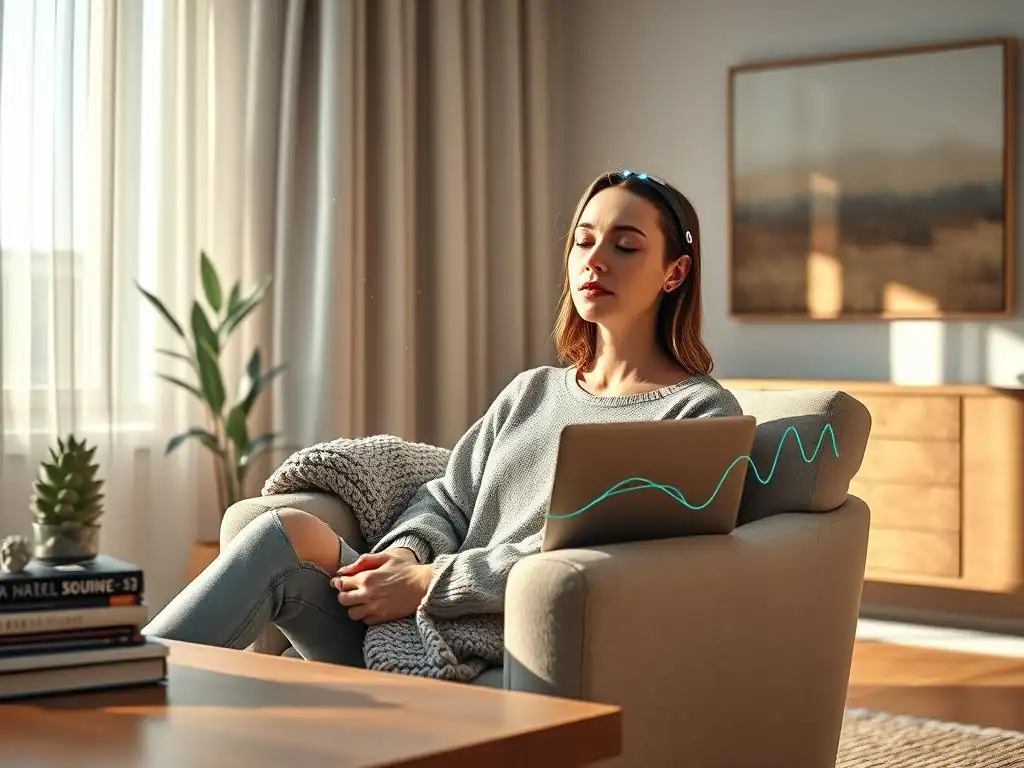
Welcome to Mind Care Guide, a safe space dedicated to nurturing your mental well-being. Feeling overwhelmed by anxiety in your own home? You're not alone. Discover how Biofeedback can be a powerful tool to reclaim your calm and take control of your anxiety. Let's explore a step-by-step approach to incorporating this technique into your daily life and unlock the potential for lasting relief. Curious to learn more? Let's begin!
Step-by-Step: Getting Started with Biofeedback for Home Anxiety Control
- Understanding Biofeedback for Anxiety Relief at Home: A Mind Care Guide Introduction
- Choosing the Right Biofeedback Device for Home Anxiety Management
- Setting Up Your Biofeedback System for Effective Anxiety Control
- Using Biofeedback Techniques to Lower Anxiety Levels at Home: A Practical Guide
- Tracking Your Progress and Optimizing Your Biofeedback Sessions for Better Results
- Real-Life Examples: How Biofeedback Has Helped People Reduce Anxiety at Home
- Maintaining Your Biofeedback Device and Ensuring Long-Term Anxiety Relief
- Advanced Biofeedback Techniques for Deeper Anxiety Management
- Conclusion: Taking Control of Your Anxiety with Biofeedback
-
Frequently Asked Questions
- How does biofeedback specifically help reduce anxiety at home?
- What equipment is typically needed to perform biofeedback at home for anxiety?
- How long does it usually take to see noticeable results when using biofeedback for home anxiety?
- Is biofeedback a safe and effective method for managing anxiety at home? Are there any potential risks?
- Where can I find reliable resources and guidance to begin practicing biofeedback for anxiety at home?
- Final Reflection: Harnessing Your Body's Wisdom to Conquer Home Anxiety
- Unlock Your Inner Calm: Start Your Biofeedback Journey Today!
Understanding Biofeedback for Anxiety Relief at Home: A Mind Care Guide Introduction
What is Biofeedback and How Can It Help Reduce Home Anxiety?
Biofeedback is a mind-body technique that involves using electronic sensors to monitor specific physiological states, such as heart rate, breathing patterns, muscle tension, and skin temperature. The device then "feeds back" this information to you in real-time, often through visual or auditory cues on a screen or app. This immediate feedback allows you to become more aware of your body's responses, particularly how they react under stress or anxiety. By seeing these responses as they happen, you can learn to consciously control them.
The power of biofeedback in helping individuals Biofeedback reduce home anxiety lies in its ability to teach self-regulation. When you feel anxious at home, your body often exhibits predictable physical symptoms – a racing heart, shallow breathing, tense muscles, clammy hands. A biofeedback device makes these subtle changes visible.
For example, if your heart rate spikes while thinking about a stressful situation, the device alerts you. With this awareness, you can then practice relaxation techniques, like deep breathing, and observe in real-time how these techniques affect your physiological state, seeing your heart rate decrease or your breathing pattern become more regular. This process builds a skill: the ability to intentionally shift your body out of a stress response, which is invaluable for managing anxiety in your personal space.
The Science Behind Biofeedback and Anxiety Management
The effectiveness of biofeedback for anxiety management is rooted in the connection between the autonomic nervous system (ANS) and our emotional state. The ANS controls involuntary bodily functions like heart rate, digestion, and breathing, and it has two main branches: the sympathetic nervous system (responsible for the "fight or flight" response) and the parasympathetic nervous system (responsible for "rest and digest"). Anxiety activates the sympathetic nervous system, leading to the physical symptoms we associate with stress.
Biofeedback training helps strengthen the parasympathetic nervous system's ability to counteract the sympathetic response. By monitoring physiological signals like heart rate variability (HRV) – the natural variation in time between heartbeats, which is a marker of ANS balance – individuals learn to increase parasympathetic activity. Higher HRV is generally associated with better stress resilience and emotional regulation.
A study published in the Journal of Consulting and Clinical Psychology back in 2004, for instance, highlighted how biofeedback, particularly thermal and electromyography (EMG) biofeedback, demonstrated significant efficacy in reducing generalized anxiety disorder symptoms, showing improvements comparable to or even exceeding some traditional therapies for certain individuals. Modern research continues to support these findings, focusing on the neural pathways and physiological changes facilitated by self-regulation training via biofeedback.
Biofeedback vs. Traditional Anxiety Treatments: Is It Right for You?
Traditional anxiety treatments often include psychotherapy (like Cognitive Behavioral Therapy or CBT), medication (such as SSRIs or benzodiazepines), or a combination of both. These methods are well-established and highly effective for many people. Psychotherapy helps individuals identify and change negative thought patterns and behaviors, while medication can help regulate brain chemistry to reduce symptoms. These approaches typically focus on the psychological or chemical aspects of anxiety.
Biofeedback offers a complementary or alternative approach that focuses on the physiological component. It's an active, skills-based therapy. Instead of relying solely on talking or medication to manage symptoms, biofeedback empowers you to learn to control your body's physical reactions to stress and anxiety.
It's non-invasive and drug-free, which is a significant advantage for individuals who prefer not to take medication or are looking for additional tools to supplement existing therapy. While biofeedback may not be a standalone solution for severe anxiety disorders for everyone, research often indicates its effectiveness, particularly when combined with other therapies.
For instance, some studies report that using biofeedback alongside CBT can lead to greater reductions in anxiety symptoms than either therapy alone, sometimes showing a combined effect that improves outcomes by an additional 15-20% in symptom reduction for certain populations. If you're seeking a method to gain more conscious control over your body's stress response and are willing to commit to regular practice, biofeedback to reduce home anxiety could be a highly beneficial addition to your mental wellness toolkit.
Choosing the Right Biofeedback Device for Home Anxiety Management
Types of Biofeedback Devices Available for Home Use
Home biofeedback devices vary primarily based on the physiological signal they measure. Understanding these differences is crucial for choosing the right tool to help Biofeedback reduce home anxiety. Each type targets a specific aspect of your body's stress response, offering unique insights and training opportunities.
Here are the most common types you'll encounter:
- Heart Rate Variability (HRV) Biofeedback Devices: These devices measure the tiny variations in the time intervals between consecutive heartbeats. High HRV is associated with greater resilience and a well-functioning autonomic nervous system. Training with HRV biofeedback involves learning to increase your HRV, often through paced breathing exercises, which promotes a state of physiological coherence.
- Electrodermal Activity (EDA) Biofeedback Devices: Also known as galvanic skin response (GSR), EDA devices measure changes in the electrical conductivity of the skin. Sweat gland activity, which is influenced by the sympathetic nervous system, causes these changes. Increased anxiety or stress typically leads to increased sweat production and higher skin conductivity. EDA biofeedback helps you become aware of these subtle changes and learn techniques to keep your skin conductivity lower, indicating a more relaxed state.
- EEG Biofeedback Devices (Neurofeedback): Electroencephalography (EEG) biofeedback, or neurofeedback, measures brainwave activity. Different brainwave frequencies (like alpha, beta, theta, delta) are associated with different mental states (relaxation, focus, sleep). Neurofeedback training involves learning to regulate your brainwave patterns, for example, increasing alpha waves (associated with relaxation) or decreasing high-beta waves (associated with anxiety and overthinking). This is generally a more complex form of biofeedback and home systems can vary significantly in sophistication.
Key Features to Consider When Selecting a Home Biofeedback Device
When looking for a device to help Biofeedback reduce home anxiety at home, several features can significantly impact your experience and the effectiveness of your training. Thinking through these points before purchasing will ensure you choose a device that aligns with your needs and lifestyle.
- Ease of Use and User-Friendliness: For home use, simplicity is key. The device should be easy to set up, wear, and connect to its accompanying software or app. The interface should be intuitive, making it easy to understand the feedback being provided and navigate through exercises. Complicated setups or confusing interfaces can be frustrating and may discourage consistent use. Look for devices with clear instructions and minimal calibration required.
- Data Tracking and Reporting Capabilities: A good biofeedback device doesn't just provide real-time feedback; it also tracks your progress over time. Look for features that allow you to view session summaries, track trends in your physiological data (like average HRV, skin conductivity levels, or brainwave patterns), and see how your performance improves with practice. This data can be highly motivating and help you identify what techniques are most effective for you in reducing anxiety levels. Some apps offer detailed graphs and historical data access.
- Compatibility with Mobile Devices and Apps: Most modern home biofeedback devices pair with a smartphone or tablet app via Bluetooth. Ensure the device is compatible with your specific operating system (iOS or Android). The app itself should be stable, well-designed, and offer a variety of training programs, guided exercises, and educational content. Reading app reviews in the app stores can provide insight into user experience and potential glitches.
- Cost and Subscription Models: The price of home biofeedback devices varies widely, from under $100 to several hundred or even thousands of dollars for more advanced systems. Consider your budget, but also look at the ongoing costs. Some devices require a monthly or annual subscription to access the full range of features, exercises, or data tracking. Factor these recurring costs into your decision when evaluating the long-term investment in using biofeedback to reduce home anxiety.
Top Recommended Biofeedback Devices for Reducing Anxiety at Home in 2024
Finding the right tool is a critical step when you aim to use Biofeedback reduce home anxiety. Here are a few popular and well-regarded options available for home use in 2024, each offering a slightly different approach to biofeedback.
Muse 2: A Comprehensive Review for Anxiety Relief
The Muse 2 is a multi-sensor meditation and biofeedback device worn as a headband. It's widely popular for its ease of use and integration into mindfulness practice, making it a strong contender for individuals seeking to use biofeedback to reduce home anxiety.
Features and Benefits
Muse 2 offers several types of biofeedback: EEG (brain activity), PPG (heart rate and HRV), Pulse Oximetry (blood oxygen), and Accelerometry (movement). It provides real-time audio feedback on your brainwaves ("weather sounds" that change with your mental state), heart activity (soothing sounds that respond to your heart rate), breathing (guiding tones), and body movements (subtle cues). The accompanying app offers guided meditations and post-session reports detailing your progress in each area.
This multi-modal approach provides a comprehensive view of your physiological state during meditation or relaxation exercises. Many users report feeling calmer and more centered after consistent use, attributing this to the objective feedback that helps them identify when their mind is wandering or their body is tense.
Pricing and Availability
As of early 2024, the Muse 2 typically retails for around $250-$300 USD. It's available directly from the manufacturer's website and through major online retailers. While the device is a one-time purchase, access to the full library of guided content and advanced tracking features usually requires a Muse Membership subscription, which adds a recurring monthly or annual cost (e.g., around $13/month or $95/year).
Why It's a Great Option for Home Anxiety Control
Muse 2 is particularly effective for those who want to integrate biofeedback into their meditation or mindfulness practice. The real-time audio feedback makes it easy to understand your physiological state without constantly looking at a screen. Its focus on brain activity (EEG) and heart rate variability (HRV) directly targets key physiological markers associated with anxiety. The guided sessions provide structure, making it easy for beginners to get started, and the data tracking helps users see tangible progress in their ability to calm their minds and bodies over time, directly supporting the goal to Biofeedback reduce home anxiety.
Inner Balance by HeartMath: Portable and Effective Biofeedback for On-the-Go Anxiety Management
HeartMath's Inner Balance is a highly focused biofeedback device centered specifically on Heart Rate Variability (HRV) coherence training. Its portability and simplicity make it ideal for quick anxiety relief sessions anytime, anywhere, including at home or on the go.
Features and Benefits
The Inner Balance uses an earlobe sensor to measure your pulse and track your HRV. The accompanying app provides real-time feedback on your "coherence level," which is a state where your heart rate rhythm is smooth and orderly, reflecting a balanced autonomic nervous system. The app guides you through breathing exercises designed to help you achieve and maintain this coherent state.
Features include various breathing pacers, challenges to improve your coherence score, and detailed session summaries tracking your average coherence, heart rate, and progress over time. The primary benefit is learning to quickly shift into a more balanced physiological state, which is highly effective for interrupting the stress response and helping Biofeedback reduce home anxiety. Users often report feeling calmer and more emotionally balanced after just a few minutes of practice.
Pricing and Availability
The Inner Balance sensor typically costs between $150 and $200 USD, depending on the model (some connect via Lightning port for older iPhones, others are Bluetooth). It's available on the HeartMath website and through various retailers. There is no mandatory subscription fee to use the core functionality of the Inner Balance app with the sensor, making it a more budget-friendly option for long-term use compared to some other devices that require subscriptions for full features.
Ideal for Busy Individuals Seeking Anxiety Reduction
Inner Balance is perfect for individuals who want a simple, focused tool for quick anxiety interventions. The earlobe sensor is easy to attach, and sessions can be as short as one minute, making it easy to fit practice into a busy schedule.
Its portability means you can use it not only at home but also before a meeting, during a commute, or whenever you feel anxiety starting to build. The focus on HRV coherence is a powerful way to directly impact the physiological root of many anxiety symptoms, providing a practical method to Biofeedback reduce home anxiety effectively and efficiently.
Neuroptimal: Advanced Neurofeedback for Deep Anxiety Relief
Neuroptimal is a more advanced type of neurofeedback system designed for home use. Unlike typical biofeedback devices that train conscious control over physiological signals, Neuroptimal works by providing feedback to the brain itself, encouraging it to self-regulate more efficiently.
Features and Benefits
Neuroptimal uses EEG sensors placed on the scalp to monitor brainwave activity across multiple frequencies simultaneously. The system identifies when the brain is about to shift into a less stable or efficient pattern (often associated with states like anxiety or stress). It then provides a brief auditory interruption in the music or audio you are listening to. These tiny pauses act as a "mirror" for the brain, prompting it to adjust and return to a more stable state.
The system focuses on dynamic neurofeedback, training the brain's overall flexibility and resilience rather than targeting specific frequencies. Users often report feeling calmer, clearer, and experiencing reduced anxiety and improved sleep over several sessions. The system also provides detailed session reports showing progress indicators.
Pricing and Availability
Neuroptimal is a significant investment compared to other home biofeedback devices. Purchasing a system typically ranges from $6,000 to $10,000+ USD, depending on the package. However, it is also available through rental programs, which can range from $600 to $1,000+ per month. It is primarily available directly from certified Neuroptimal representatives or through their official website. This higher cost reflects the sophistication of the technology and the comprehensive nature of the system.
Best for Users Seeking In-Depth Anxiety Management
Neuroptimal is suited for individuals seeking a more profound and potentially transformative approach to managing anxiety and other mental health challenges. It's often used by those who have not found sufficient relief from other methods or who are looking for a non-conscious training approach. The system is designed for consistent, long-term use, and while the initial investment is substantial, rental options make it more accessible for trying it out. For those committed to exploring advanced neurofeedback to significantly Biofeedback reduce home anxiety and improve overall brain function, Neuroptimal represents a powerful option.
Setting Up Your Biofeedback System for Effective Anxiety Control
Getting started with your new biofeedback device is an exciting step toward learning how to Biofeedback reduce home anxiety. Proper setup ensures you get accurate readings and have a smooth training experience.
Preparing Your Environment for a Successful Biofeedback Session
The environment where you practice biofeedback can significantly impact your ability to relax and focus. Choose a quiet space in your home where you won't be interrupted. This could be a comfortable chair in a bedroom, a quiet corner of the living room, or even a dedicated meditation space.
Ensure the lighting is soft and not too bright. Minimize distractions – turn off your phone notifications, close unnecessary tabs on your computer if using a desktop app, and let others in your household know you need some undisturbed time. A comfortable room temperature is also important; being too hot or too cold can be distracting. Think of this space as your personal sanctuary for learning to manage stress and practice using biofeedback to reduce home anxiety.
Step-by-Step Guide to Setting Up Your Biofeedback Device
Setting up your device will vary slightly depending on the model, but here's a general outline of the steps involved. Always refer to the manufacturer's specific instructions provided with your device.
- Unpack the Device: Carefully remove all components from the packaging. Check that everything listed in the manual is present.
- Charge the Device: Many devices have a built-in rechargeable battery. Connect the device to a power source using the provided cable and allow it to charge fully before your first use.
- Install the App/Software: Download the required mobile app from your device's app store (Apple App Store or Google Play Store) or the desktop software from the manufacturer's website.
- Create an Account: Open the app/software and follow the prompts to create a user account. This is often necessary for tracking your progress and accessing features.
- Pair the Device: Turn on the biofeedback device. Open the app and follow the instructions to pair the device via Bluetooth or connect it physically (if applicable). You may need to go into your phone's Bluetooth settings to complete the pairing.
- Perform Initial Calibration (If Required): Some devices may require a brief calibration process during the first setup to establish baseline readings. Follow the on-screen prompts.
- Check device battery level.
- Find a quiet, comfortable spot.
- Close distracting apps/windows.
- Ensure device is paired correctly.
- Follow in-app setup tutorial.
Understanding the Device's Sensors and Placement
Knowing where and how to place the sensors is crucial for accurate readings. Incorrect placement is a common reason for inaccurate data.
- HRV Devices (e.g., Inner Balance, Muse 2 PPG): These often use earlobe clips or finger sensors (like pulse oximeter types) to measure pulse. For earlobe clips, ensure it's comfortably but securely attached to the fleshy part of the earlobe. Finger sensors typically clip onto a fingertip; keep your hand still. Devices like Muse 2 also have PPG sensors on the forehead.
- EDA Devices (e.g., some specialized sensors): These usually involve electrodes that attach to the fingertips or palms, as these areas have a high concentration of sweat glands. Ensure good skin contact; clean and dry skin is usually recommended.
- EEG Devices (e.g., Muse, Neuroptimal): These use electrodes placed on the scalp. Headbands like Muse position electrodes on the forehead and behind the ears. More advanced systems like Neuroptimal use electrode paste to ensure good contact at specific points on the scalp. Follow the manual precisely for placement, as brainwave readings are highly sensitive to electrode position.
Proper sensor placement ensures the device accurately captures your physiological signals, providing reliable feedback to guide your efforts to Biofeedback reduce home anxiety.
Connecting to the Biofeedback App or Software
The app or software is your window into your physiological data and guides your training sessions.
Once the device is paired (usually via Bluetooth, indicated by an icon in the app or a light on the device), open the app. You should see a confirmation that the device is connected. The app will typically display real-time data streams (e.g., a heart rate graph, a brainwave display, a coherence score). The app is where you'll select guided sessions, track your progress, adjust settings, and view reports.
Ensure your phone or tablet's Bluetooth is enabled and that the app has permission to access it. A stable connection is necessary for uninterrupted feedback during your session. If connection issues arise, try restarting the app, the device, or your phone's Bluetooth.
Using Biofeedback Techniques to Lower Anxiety Levels at Home: A Practical Guide
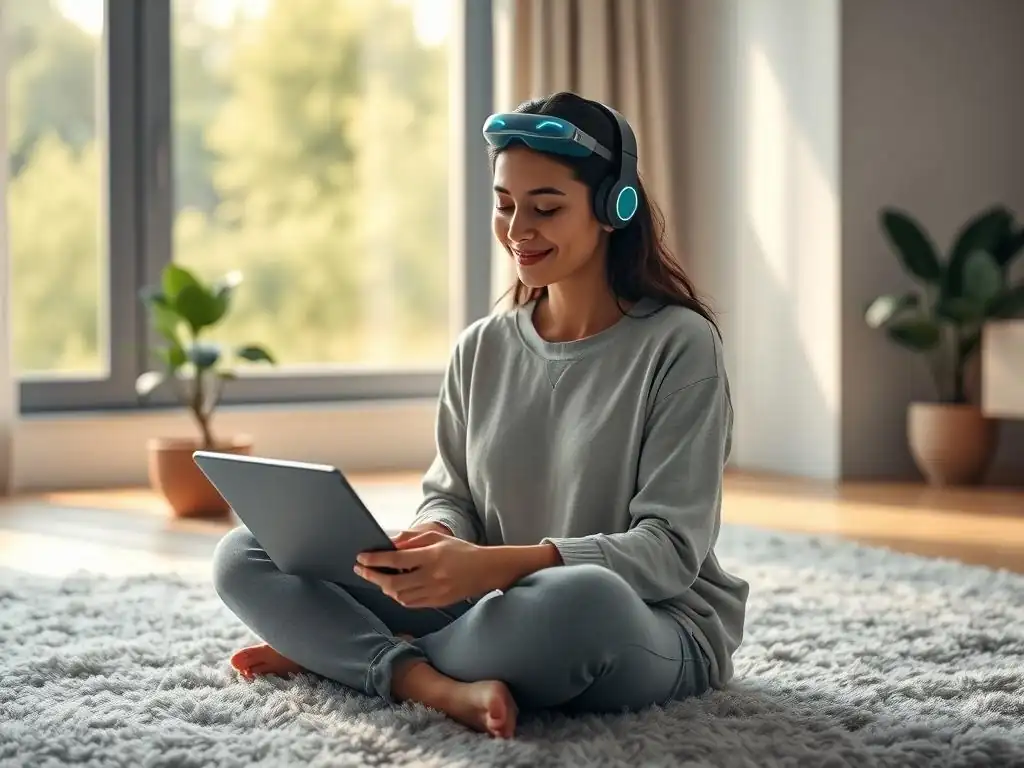
With your biofeedback system set up, you're ready to begin practicing techniques designed to help you Biofeedback reduce home anxiety. The key is to use the real-time feedback to learn what specific practices help shift your physiological state towards relaxation.
Mastering Basic Breathing Exercises for Anxiety Reduction
Breathing is one of the most accessible and powerful tools for influencing your autonomic nervous system. Biofeedback helps you see how your breathing affects your body's state.
Diaphragmatic Breathing Techniques for Biofeedback
Diaphragmatic breathing, also known as belly breathing, involves engaging the diaphragm, a large muscle located below the lungs, to pull air deep into the lungs. This type of breathing stimulates the vagus nerve, which activates the parasympathetic nervous system, promoting relaxation. During a biofeedback session (especially with HRV or breathing sensors), practice inhaling slowly through your nose, feeling your abdomen expand, and exhaling slowly through your mouth, letting your abdomen fall.
The biofeedback device will show you in real-time how this deeper, slower breathing affects your heart rate variability or breathing pattern coherence. Aim for a pace of about 5-7 breaths per minute. Seeing your HRV improve or your breathing pattern smooth out as you breathe diaphragmatically provides powerful positive reinforcement, teaching your body and mind that this technique is effective for calming down and helping Biofeedback reduce home anxiety.
Box Breathing for Calming the Nervous System
Box breathing (also known as square breathing) is another simple yet effective technique that can be practiced with biofeedback. It involves breathing in for a count, holding your breath for the same count, exhaling for the same count, and holding your breath again for the same count – creating a "box" or square rhythm.
A common count is four: inhale for 4, hold for 4, exhale for 4, hold for 4. Using biofeedback while practicing box breathing allows you to observe how this rhythmic pattern influences your physiological signals, such as heart rate or skin conductivity.
The structured pauses in breathing can help regulate the nervous system and interrupt the rapid, shallow breathing often associated with anxiety. Seeing your biofeedback readings become more stable or move towards a relaxed state during box breathing provides objective evidence of its calming effect, reinforcing the technique's utility in your efforts to Biofeedback reduce home anxiety.
Applying Biofeedback to Identify and Manage Anxiety Triggers
One significant benefit of using biofeedback at home is the ability to become more aware of your body's subtle reactions to internal and external stimuli. Over time, you can learn to identify specific thoughts, situations, or physical sensations that trigger your anxiety response before it escalates.
During a biofeedback session, you might think about a specific upcoming event that causes you stress or imagine a situation where you typically feel anxious. As you do, pay attention to the real-time feedback from your device – does your heart rate jump? Does your skin conductivity increase? Does your breathing become erratic?
By linking these physiological changes to specific thoughts or scenarios, you gain valuable insight into your personal triggers. Once a trigger is identified, you can immediately apply the relaxation techniques you're practicing (like paced breathing) while continuing to monitor your biofeedback. This allows you to practice managing your physical response in the moment the trigger occurs, building resilience and making it easier to Biofeedback reduce home anxiety when these triggers arise in real-life situations.
Visualizing Calm and Relaxation Techniques with Biofeedback
Visualization is a powerful mental technique where you create calming mental images or scenarios. Combining visualization with biofeedback can enhance its effectiveness by providing objective feedback on your body's response to your mental state.
During a session, while monitoring your biofeedback signals (e.g., HRV, muscle tension), close your eyes and imagine yourself in a peaceful place – perhaps a quiet beach, a serene forest, or a cozy room. Engage all your senses in the visualization: what do you see, hear, smell, feel? As you immerse yourself in this calming imagery, observe how your physiological readings change. Does your heart rate slow down?
Does muscle tension decrease? Seeing positive changes in your biofeedback data reinforces the power of your mind to influence your body. This practice teaches you that directing your thoughts towards calming imagery can directly contribute to reducing your body's stress response, providing another tool in your kit to effectively Biofeedback reduce home anxiety using your own mental resources guided by the device.
Incorporating Mindfulness and Meditation with Biofeedback for Anxiety Management
Mindfulness and meditation practices, which involve focusing attention on the present moment without judgment, are natural partners for biofeedback training. Biofeedback can provide objective validation of the subjective experience of mindfulness and meditation.
When you practice mindfulness or meditation while connected to a biofeedback device, you receive real-time feedback on your physiological state as your mind settles (or doesn't). For example, an EEG biofeedback device like Muse can give you auditory cues that indicate a calm or focused mental state.
An HRV device can show your heart rate variability increase as you deepen your meditative state. This feedback helps you understand what it feels like in your body when you are truly present and relaxed.
It can make the abstract concepts of mindfulness more concrete and help you identify the moments when your mind is wandering or becoming anxious, prompting you to gently redirect your attention back to your breath or the present moment. Consistently combining these practices helps build a stronger mind-body connection, making it easier to access states of calm and significantly Biofeedback reduce home anxiety as a regular part of your routine.
Tracking Your Progress and Optimizing Your Biofeedback Sessions for Better Results
Consistency and tracking are key to maximizing the benefits of using biofeedback to reduce home anxiety. Monitoring your data helps you understand your patterns, measure improvements, and fine-tune your practice.
Monitoring Your Physiological Data for Anxiety Trends
Most home biofeedback devices come with apps that record and display your session data. Take time after each session to review the information. Look for trends over days and weeks. Are your average heart rate or skin conductivity levels decreasing during sessions? Is your HRV coherence score or average alpha brainwave activity increasing? Pay attention to how your physiological state at the beginning of a session correlates with how you felt emotionally, and how it changes by the end of the session after practicing your techniques.
For instance, you might notice that on days you felt particularly stressed, your starting heart rate was higher or your initial coherence score was lower. By tracking this, you gain empirical evidence of your body's response to stress. Over several weeks, you should ideally see an overall trend towards more relaxed baseline readings or a faster ability to achieve a calm state during sessions. Many apps provide graphs showing performance over time, which can be highly motivating and validate your efforts to Biofeedback reduce home anxiety through regular practice.
Adjusting Your Techniques Based on Biofeedback Readings
The real power of biofeedback lies in using the data to inform and adjust your practice. The numbers aren't just scores; they are insights into what works for your body.
If you notice that a particular breathing pace consistently results in higher HRV or lower skin conductivity for you, make that your go-to technique when you feel anxious. If you find that visualizing a specific scene leads to a rapid decrease in muscle tension (if using EMG biofeedback), incorporate that visualization more often. Conversely, if a technique doesn't seem to move your readings towards a relaxed state, try modifying it or experimenting with a different approach.
For example, if paced breathing at 6 breaths per minute isn't improving your coherence, try slowing down to 5 breaths per minute and see if the data changes. By actively experimenting and observing the results via biofeedback, you personalize your anxiety management strategy, making your efforts to Biofeedback reduce home anxiety much more efficient and effective for your unique physiological responses.
Setting Realistic Goals and Celebrating Your Achievements in Anxiety Control
Setting small, achievable goals can help maintain motivation on your biofeedback journey. Your initial goal might simply be to complete a 10-minute session daily for a week. As you progress, you can set goals based on your data, such as increasing your average coherence score by a few points or spending a higher percentage of your session in a relaxed brainwave state.
It's important to celebrate your successes, no matter how small they seem. Did you notice your heart rate didn't spike as high during a stressful phone call today because you applied a technique you practiced with biofeedback? Did you achieve your highest coherence score yet? Acknowledge these milestones. Using biofeedback to reduce home anxiety is a skill that takes time and practice to develop. Recognizing your progress, both in the objective data and in how you feel and cope with anxiety in daily life, reinforces positive habits and keeps you engaged in the process.
Dealing with Plateaus and Challenges in Your Biofeedback Journey
Like any skill-building process, you may encounter plateaus where your progress seems to stall, or days when it feels harder to achieve a relaxed state. This is normal. Don't get discouraged.
If you hit a plateau, review your data logs over a longer period to confirm if it's a true plateau or just a temporary dip. Consider if external factors (like lack of sleep, illness, or increased life stress) might be impacting your sessions. Try varying your practice – experiment with different times of day, different breathing techniques, or different guided sessions offered by your app.
If your device offers different types of biofeedback, try focusing on a different metric for a while. Sometimes, simply changing your approach can help you break through. If you're consistently struggling, consider consulting with a mental health professional or a biofeedback therapist who can offer personalized guidance and help you troubleshoot specific issues, ensuring you continue to make progress in your goal to Biofeedback reduce home anxiety.
Real-Life Examples: How Biofeedback Has Helped People Reduce Anxiety at Home
Hearing about the experiences of others can provide valuable perspective and motivation when starting your own journey with biofeedback to reduce home anxiety. While these are illustrative examples based on common reports, they reflect the potential impact of consistent biofeedback practice.
Overcoming Panic Attacks with HRV Biofeedback
Meet Sarah, a 34-year-old who experienced unpredictable panic attacks, often occurring when she was alone at home. The physical symptoms – racing heart, shortness of breath, dizziness – were terrifying. She started using an HRV biofeedback device, practicing paced breathing exercises for 15-20 minutes daily.
In the beginning, her HRV coherence was low, especially when thinking about past panic episodes. With consistent practice over three months, her average coherence scores significantly improved. More importantly, she learned to recognize the subtle physical cues preceding a panic attack (like a slight increase in heart rate) and immediately apply her paced breathing technique while monitoring her HRV.
By actively shifting her physiology towards coherence, she was often able to prevent the attack from escalating or significantly reduce its intensity. She reported a ~60% reduction in the frequency of severe panic attacks within six months, feeling much more in control and less fearful of being alone at home.
John, a 28-year-old, struggled with social anxiety, particularly anticipating social interactions or having visitors over. His anxiety manifested physically as sweaty palms and a general feeling of nervousness. He decided to try an EDA biofeedback device, which measured his skin conductivity.
He practiced relaxation techniques, such as progressive muscle relaxation and guided imagery, while observing his EDA levels on the app. Initially, just thinking about an upcoming social event would cause his EDA readings to spike noticeably. Through regular practice (10 minutes daily), he learned to recognize the feeling of his skin conductivity rising and use his relaxation techniques to bring it down.
He started practicing this before social situations, such as 30 minutes before friends arrived at his home. Over several weeks, he noticed his baseline EDA levels were lower, and he felt less physically agitated in social situations. While his social anxiety didn't disappear entirely, he felt more capable of managing the physical symptoms, making social interactions, including hosting at home, less daunting.
Improving Sleep Quality and Reducing Anxiety with Neurofeedback
Emily, a 45-year-old, suffered from chronic insomnia linked to her anxiety. She would lie in bed with her mind racing, unable to shut off anxious thoughts, significantly impacting her ability to Biofeedback reduce home anxiety at night. She invested in a home neurofeedback system (like Neuroptimal) and committed to using it for 30-minute sessions several times a week.
The system provided auditory feedback that guided her brain towards more stable, efficient patterns, particularly encouraging brainwave activity associated with calm and sleep initiation. Unlike techniques that required conscious effort, Emily found the passive nature of the training helpful. After about two months of consistent sessions, she noticed a significant improvement in her ability to fall asleep faster and stay asleep longer.
Her anxious thoughts before bed became less persistent, and she felt generally calmer throughout the day. She estimated her sleep onset time decreased by an average of 45 minutes, and her overall anxiety levels felt reduced by roughly 40-50%, allowing her to feel more rested and less anxious in her home environment.
Maintaining Your Biofeedback Device and Ensuring Long-Term Anxiety Relief
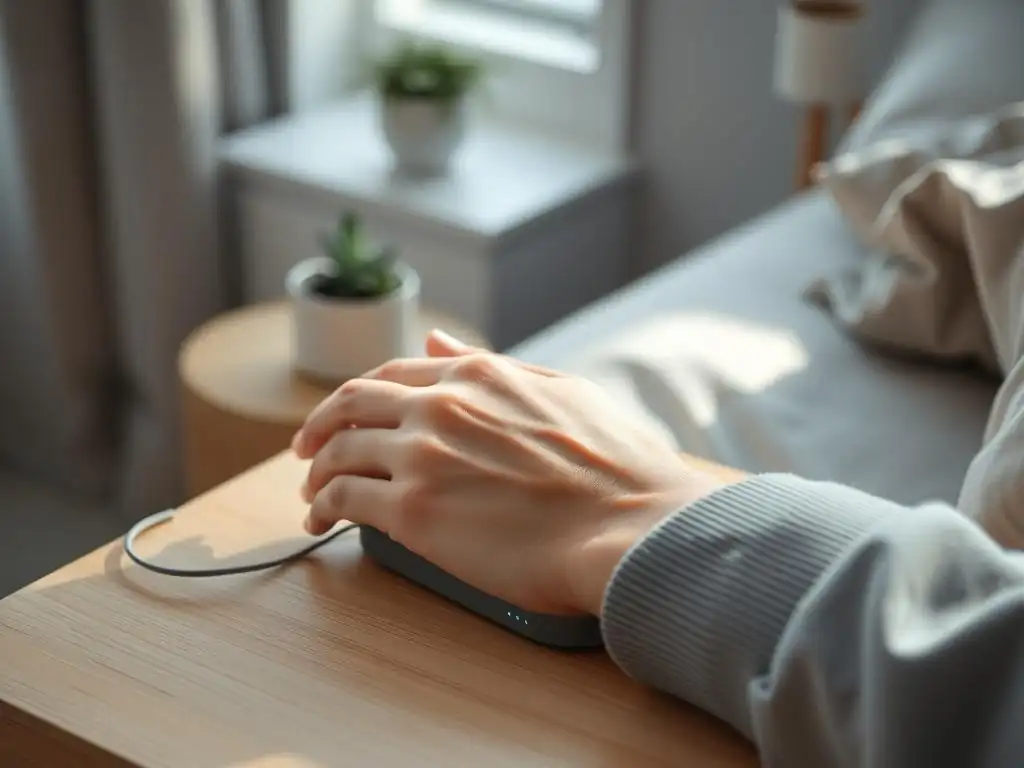
Proper care of your biofeedback device will ensure its longevity and continued effectiveness in helping you Biofeedback reduce home anxiety. Integrating biofeedback into your long-term routine is also key to sustained benefits.
Proper Cleaning and Storage of Your Biofeedback Device
Keeping your biofeedback device clean is important, especially for sensors that come into direct contact with skin (like electrodes, ear clips, or headbands). Always follow the manufacturer's cleaning instructions provided in the manual.
Generally, this involves gently wiping sensors and device surfaces with a soft, damp cloth. Avoid harsh chemicals, abrasive cleaners, or excessive moisture, as these can damage the electronics. For electrodes that use gel or paste, ensure all residue is removed after each use. Store your device in a cool, dry place, away from direct sunlight and extreme temperatures. Use the original case or a protective pouch if one was provided. Proper cleaning and storage prevent damage, maintain hygiene, and ensure the sensors provide accurate readings for consistent use in your efforts to Biofeedback reduce home anxiety.
Troubleshooting Common Biofeedback Issues
While home biofeedback devices are designed for ease of use, you might occasionally encounter minor issues. Knowing how to troubleshoot can save you frustration.
| Issue | Potential Cause | Troubleshooting Step |
|---|---|---|
| Inaccurate/Erratic Readings | Poor sensor contact | Ensure sensors are clean and properly placed according to the manual. Check skin contact. |
| Device Won't Connect | Bluetooth off, device not charged | Check phone/tablet Bluetooth settings. Ensure device is charged. Restart device/app. |
| App Freezing/Crashing | Software glitch, old version | Close and reopen the app. Check for app updates in the store. Restart phone/tablet. |
| Device Not Turning On | Battery dead, device malfunction | Charge the device fully. Try a different charging cable/port. Contact support if issue persists. |
| No Data Tracking | Account issue, session not saved | Log out and back into the app. Ensure you complete the session fully as prompted. |
If you encounter persistent issues that aren't resolved by basic troubleshooting, consult the device's user manual, visit the manufacturer's website for support FAQs, or contact their customer service. Many companies offer online support or phone assistance.
Integrating Biofeedback into Your Daily Routine for Sustained Anxiety Management
For biofeedback to provide long-term benefits in helping you Biofeedback reduce home anxiety, consistency is crucial. Aim to make biofeedback practice a regular part of your routine, much like brushing your teeth or exercising.
Even short, consistent sessions (e.g., 10-15 minutes daily) are often more effective than infrequent long sessions. Find a time that works best for you – perhaps in the morning to set a calm tone for the day, in the evening to unwind before bed, or during a midday break when you feel stress building. Consider pairing it with an existing habit, like doing a session right after your morning coffee or before your evening meditation.
As you become more skilled, you can also practice "micro-sessions" – briefly checking in with your body and applying a technique for just 1-2 minutes when you notice early signs of anxiety, even without the device connected (transferring the skill). Making biofeedback a regular practice reinforces the learned self-regulation skills, leading to sustained improvements in your ability to manage anxiety over time.
Advanced Biofeedback Techniques for Deeper Anxiety Management
Once you've mastered the basics of using biofeedback to reduce home anxiety and are comfortable with your device, you might want to explore more advanced techniques or integrate biofeedback with other therapeutic modalities for enhanced results.
Exploring Advanced Neurofeedback Protocols for Specific Anxiety Conditions
If you are using a neurofeedback system (EEG biofeedback), there are often more advanced protocols or training approaches available beyond basic relaxation training. These protocols might target specific brainwave frequencies or locations associated with particular anxiety conditions, such as obsessive-compulsive disorder (OCD), PTSD, or specific phobias.
For example, some neurofeedback protocols aim to reduce excessive high-beta activity, which is often linked to anxious rumination and worry. Others might focus on increasing alpha-theta activity, associated with deeper states of relaxation and accessing the subconscious mind. These advanced techniques typically require guidance from a trained neurofeedback practitioner, even if you are using a home system.
They can help assess your specific brainwave patterns and recommend the most appropriate protocols for your needs, tailoring the training to provide more targeted support in your efforts to Biofeedback reduce home anxiety related to specific challenges. While some home systems offer pre-set programs, consulting a professional can help optimize your training strategy.
Combining Biofeedback with Other Therapies for Enhanced Results
Biofeedback is often most powerful when used as an adjunct to other evidence-based therapies. Combining it with approaches like Cognitive Behavioral Therapy (CBT) or mindfulness-based therapies can create a synergistic effect, addressing both the psychological and physiological aspects of anxiety simultaneously.
For instance, while CBT helps you identify and challenge anxious thought patterns, biofeedback can help you manage the physical symptoms that those thoughts trigger. You can practice CBT techniques, like thought challenging, while monitoring your biofeedback to see how effectively you are reducing your body's stress response.
Similarly, using biofeedback during mindfulness meditation can deepen your practice by providing objective feedback on your state of relaxation. Research suggests that integrating biofeedback into comprehensive treatment plans can lead to more significant and lasting improvements in anxiety symptoms than using either approach alone.
For instance, one meta-analysis found that biofeedback combined with relaxation training or CBT showed superior outcomes compared to the individual therapies for certain anxiety disorders, sometimes resulting in an additional 20-30% improvement in symptom severity scores. Discussing how to integrate your home biofeedback practice with your therapist can create a more holistic and effective approach to managing and reducing home anxiety.
Conclusion: Taking Control of Your Anxiety with Biofeedback
Embarking on the journey of using biofeedback to reduce home anxiety is about empowering yourself with knowledge and tools to gain greater control over your body's response to stress. It's a skill-based approach that complements traditional methods and offers a non-invasive path to self-regulation.
The Future of Biofeedback in Home Anxiety Management
The field of home biofeedback technology is rapidly evolving. Devices are becoming more affordable, user-friendly, and sophisticated. We can anticipate even more integrated systems that track a wider range of physiological signals and offer personalized training programs powered by artificial intelligence.
The increasing availability of wearable technology with biofeedback capabilities means that monitoring and training can become even more seamless parts of daily life. As research continues to expand our understanding of the mind-body connection, biofeedback will likely play an even more prominent role in accessible, home-based mental wellness strategies, making it easier for individuals to proactively manage and Biofeedback reduce home anxiety whenever and wherever they need to.
Empowering Yourself with the Tools for a Calmer, More Balanced Life.
Ultimately, using biofeedback at home provides you with objective insight into your body's stress response and the means to consciously influence it. It requires practice and patience, but the ability to voluntarily calm your nervous system is a profoundly empowering skill. By incorporating biofeedback into your routine, you are not just reacting to anxiety; you are actively learning to cultivate states of calm and resilience.
This step-by-step guide has provided you with the foundational knowledge to get started – from understanding what biofeedback is, to choosing a device, setting it up, practicing techniques, and tracking your progress. With consistent effort, biofeedback can be a powerful ally in your quest for a calmer, more balanced life, enabling you to effectively Biofeedback reduce home anxiety and reclaim your sense of peace in your personal space.
Frequently Asked Questions
How does biofeedback specifically help reduce anxiety at home?
Biofeedback helps reduce home anxiety by teaching you to become aware of your body's physiological responses to stress, such as heart rate and muscle tension. This awareness allows you to learn techniques to consciously control these responses and reduce anxiety symptoms.
What equipment is typically needed to perform biofeedback at home for anxiety?
While professional settings use sophisticated equipment, home biofeedback often involves simpler tools. You might need a biofeedback device that measures heart rate variability (HRV), skin conductance, or muscle tension. Some apps also utilize smartphone sensors for basic biofeedback exercises.
How long does it usually take to see noticeable results when using biofeedback for home anxiety?
The time it takes to see results varies depending on the individual and the severity of their anxiety. However, with consistent practice (e.g., 15-30 minutes daily), many people start noticing improvements in their anxiety levels within a few weeks.
Is biofeedback a safe and effective method for managing anxiety at home? Are there any potential risks?
Biofeedback is generally considered a safe and non-invasive method for managing anxiety. However, it's essential to consult with a healthcare professional before starting, especially if you have underlying health conditions. Occasionally, some individuals may experience temporary discomfort or increased awareness of their physical sensations.
Where can I find reliable resources and guidance to begin practicing biofeedback for anxiety at home?
You can find reliable resources on websites like Mind Care Guide, which provides information and resources for mental well-being. Look for certified biofeedback therapists or qualified professionals who can offer personalized guidance and support. Also, explore reputable apps and online programs designed for home biofeedback practice.
Final Reflection: Harnessing Your Body's Wisdom to Conquer Home Anxiety
The accessibility of biofeedback technology is revolutionizing how we approach anxiety management at home, offering a powerful, personalized path to calm. No longer relegated to clinical settings, these tools empower individuals to take control of their nervous systems and cultivate a sense of inner peace within the familiar yet sometimes overwhelming spaces of their own homes.
The shift towards self-directed anxiety management is a significant cultural change, reflecting a growing awareness of mental health and a desire for proactive, holistic well-being. This movement underscores the importance of understanding our bodies' signals and learning to respond to them effectively. The body keeps the score,
as Bessel van der Kolk so aptly puts it, and biofeedback provides a tangible way to begin rewriting that score, one mindful breath and measured heart rate at a time. This personal journey of self-discovery and empowerment is incredibly rewarding, and I've witnessed firsthand the transformative power of this technology in helping individuals reclaim their sense of calm and control.
Now, consider your own relationship with anxiety. What small steps can you take today to begin incorporating biofeedback techniques into your daily routine? Perhaps it's a five-minute session of deep breathing exercises monitored with a simple app, or exploring the various biofeedback devices available to better understand your body's responses to stress. Remember, the journey to a calmer, more peaceful home begins with a single, conscious breath. Embrace the opportunity to learn your body's language, and unlock the profound potential within you to cultivate lasting tranquility.
Unlock Your Inner Calm: Start Your Biofeedback Journey Today!
Thanks for taking the time to explore the world of biofeedback and how it can help manage anxiety at home. You've now learned valuable techniques to take control of your well-being! Ready to put this knowledge into practice?
- Begin your personalized biofeedback practice: Start with just 10 minutes daily, focusing on the breathing exercises and mindfulness techniques outlined in the article. This small step will yield significant results over time.
- Share your experience: Tell a friend or family member about your biofeedback journey and invite them to join you! This creates support and accountability.
- Explore additional resources: Dive deeper into the science behind biofeedback by searching for reputable online articles or videos.
So, what specific anxiety trigger will you tackle first with your new biofeedback skills? Let's hear about it in the comments!