
Proof from the Lab: Scientific Evidence for Nature's Healing Power


Welcome to Mind Care Guide, a sanctuary for your mental well-being.
Are you seeking solace and strength amidst the complexities of life? Perhaps, like many, you instinctively feel a connection to nature, a sense of peace found in its embrace. But is it just a feeling? Dive into "Proof from the Lab: Scientific Evidence for Nature's healing power benefits mental health" and uncover the compelling data that validates what you already know in your heart. Discover how the natural world can be a powerful ally on your journey to holistic mental health. Intrigued? Let's explore...
Proof from the Lab: Scientific Evidence for Nature's Healing Power
- Introduction: Unveiling Nature's Therapeutic Impact on Mental Wellbeing
- Nature's Healing Power Benefits Mental Health: A Scientific Perspective
- The Science Behind Nature's Mental Health Benefits: Key Mechanisms
- Laboratory Studies Demonstrating Nature's Impact
- Specific Natural Environments and Their Unique Mental Health Advantages
- Nature-Based Interventions: Evidence-Based Practices for Mental Health Treatment
- Addressing Limitations and Future Research Directions
- Practical Applications: Integrating Nature into Daily Life for Enhanced Mental Wellbeing
- Conclusion: Embracing Nature's Healing Power for a Healthier Mind
-
Frequently Asked Questions
- How does spending time in nature directly impact my mental well-being?
- What specific types of natural environments offer the most significant mental health benefits?
- Is there a minimum amount of time I need to spend in nature to experience its positive effects?
- What are some practical ways to incorporate nature into my daily routine, even with a busy schedule?
- Are there any potential risks or downsides to using nature as a mental health intervention?
- Final Reflection: The Untapped Potential of Nature's Pharmacy
- Unlock Nature's Healing Potential: Your Next Steps
Introduction: Unveiling Nature's Therapeutic Impact on Mental Wellbeing
For centuries, people have instinctively turned to nature for solace and rejuvenation. Whether seeking peace in a quiet forest, finding calm by the ocean, or simply enjoying a moment in a local park, the connection between green and blue spaces and a sense of inner peace seems undeniable. This intuitive understanding is now being rigorously examined by the scientific community, moving from anecdotal evidence to quantifiable data. The growing body of research explores how the simple act of being in nature can profoundly influence our psychological state, offering tangible benefits for mental health challenges.
This article delves into the compelling scientific evidence that supports the long-held belief that nature possesses a remarkable healing power. We will explore the key mechanisms through which exposure to natural environments impacts our brain and body, review findings from laboratory studies and real-world observations, and discuss how these insights are shaping new approaches to mental health care. Understanding the 'why' behind nature's positive effects empowers us to intentionally integrate it into our lives, unlocking its therapeutic potential for enhanced wellbeing.
Nature's Healing Power Benefits Mental Health: A Scientific Perspective
Understanding the Link Between Nature and Mental Health
The relationship between humans and the natural world is deeply ingrained in our evolutionary history. For millennia, our ancestors lived in close harmony with their environment, relying on it for sustenance and shelter. This long period of co-evolution suggests a fundamental connection that might still influence our physiological and psychological responses today. While modern life often distances us from natural settings, this inherent bond appears to persist, manifesting as a sense of calm, restoration, and reduced stress when we spend time outdoors.
Scientists hypothesize that this connection isn't merely cultural or aesthetic but is rooted in our biology. Theories such as the Biophilia Hypothesis propose that humans have an innate need to affiliate with other living organisms and natural systems. This hypothesis suggests that exposure to natural elements satisfies a deep-seated psychological requirement, leading to improved emotional states and cognitive function. Exploring this fundamental link is the first step in scientifically validating the profound ways nature's healing power benefits mental health.
The Growing Body of Evidence: Research Supporting Nature's Positive Effects
In recent decades, research into the health benefits of nature has exploded, yielding a significant body of evidence. Numerous studies across various disciplines—psychology, public health, environmental science, and neuroscience—consistently demonstrate a positive correlation between nature exposure and improved mental wellbeing. These studies range from large epidemiological surveys linking green space access to lower rates of mental illness to controlled experiments measuring physiological changes in response to natural stimuli.
For example, a meta-analysis combining findings from dozens of studies involving thousands of participants found a strong association between increased exposure to green spaces and reduced symptoms of depression and anxiety. Furthermore, population-level data from countries like the Netherlands have shown that residents living within a kilometer of green space reported fewer health complaints, including mental health issues, compared to those with less access. This accumulating evidence moves the concept of nature's healing power benefits mental health from a pleasant idea to an evidence-backed reality.
The Science Behind Nature's Mental Health Benefits: Key Mechanisms
Stress Reduction Through Nature: Lowering Cortisol Levels
One of the most well-documented benefits of nature exposure is its ability to reduce stress. When we experience stress, our bodies release hormones like cortisol. Chronically elevated cortisol levels are linked to a range of negative health outcomes, including anxiety, depression, sleep problems, and impaired cognitive function. Spending time in natural environments has been shown to counteract this stress response effectively.
Numerous studies have measured cortisol levels in individuals before and after exposure to nature versus urban settings. For instance, research on office workers found that a short walk in a park led to significantly lower salivary cortisol levels compared to a walk in a busy city street.
Another study involving students during exam periods showed that those who spent time in a forest experienced a greater drop in cortisol and reported feeling less stressed than those in an urban environment. These physiological changes provide concrete evidence of how nature's healing power benefits mental health by directly mitigating the body's stress response.
The Role of Phytoncides: Boosting Immunity and Mood
Forests, in particular, release organic compounds called phytoncides into the air. These volatile compounds are emitted by trees and plants, serving functions like defense against insects and fungi. When humans inhale phytoncides, they can have measurable physiological effects, including boosting the activity of natural killer (NK) cells, a type of white blood cell crucial for immune defense. This link between forest air and immune function is a key component of the practice known as "Shinrin-Yoku" or forest bathing.
Beyond immune benefits, phytoncides are also thought to contribute to mood elevation. Studies in Japan have shown that breathing air rich in phytoncides can lead to reduced levels of stress hormones and lower blood pressure. Participants in forest environments also report feelings of vigor and decreased feelings of depression and anxiety compared to those in urban control groups. While research is ongoing, the presence of these natural aromatic compounds offers a compelling biochemical explanation for some aspects of nature's healing power benefits mental health, particularly in woodland settings.
Attention Restoration Theory (ART): Recharging Cognitive Function in Natural Environments
Modern life, especially in urban settings, constantly demands our 'directed attention'—the ability to focus on specific tasks while filtering out distractions. This type of attention is effortful and can lead to mental fatigue, irritability, and decreased cognitive performance. Attention Restoration Theory (ART), proposed by environmental psychologists Rachel and Stephen Kaplan, suggests that natural environments are particularly effective at restoring this depleted capacity.
According to ART, nature engages our 'soft fascination'—a type of effortless attention drawn by intriguing but non-demanding stimuli like rustling leaves, flowing water, or cloud formations. This allows our directed attention mechanisms to rest and recover. Studies using cognitive tests have supported ART, showing that participants perform better on tasks requiring focus and problem-solving after spending time in nature compared to built environments.
For example, a study found that a walk through an arboretum significantly improved proofreading ability compared to a walk on a city street. This restorative effect on cognitive resources is a vital way nature's healing power benefits mental health by combating mental fatigue.
Nature and the Brain: Neural Pathways Activated by Green Spaces
Neuroimaging studies are beginning to reveal the specific ways nature interacts with our brain activity. Functional Magnetic Resonance Imaging (fMRI) and Electroencephalography (EEG) are used to observe brain responses during or after exposure to natural stimuli or actual nature visits. These studies are providing tangible evidence of how different brain regions are affected by green spaces.
Research has shown that viewing natural scenes or spending time in parks can lead to decreased activity in the subgenual prefrontal cortex, a brain region associated with rumination and negative thought patterns, which is often hyperactive in individuals with depression. Conversely, nature exposure appears to increase activity in areas related to positive emotion, empathy, and cognitive control.
For instance, a study comparing brain activity after a 90-minute walk in urban versus natural settings found reduced activity in the subgenual prefrontal cortex only after the nature walk. These findings offer a neural basis for understanding how nature's healing power benefits mental health at a fundamental level.
Laboratory Studies Demonstrating Nature's Impact
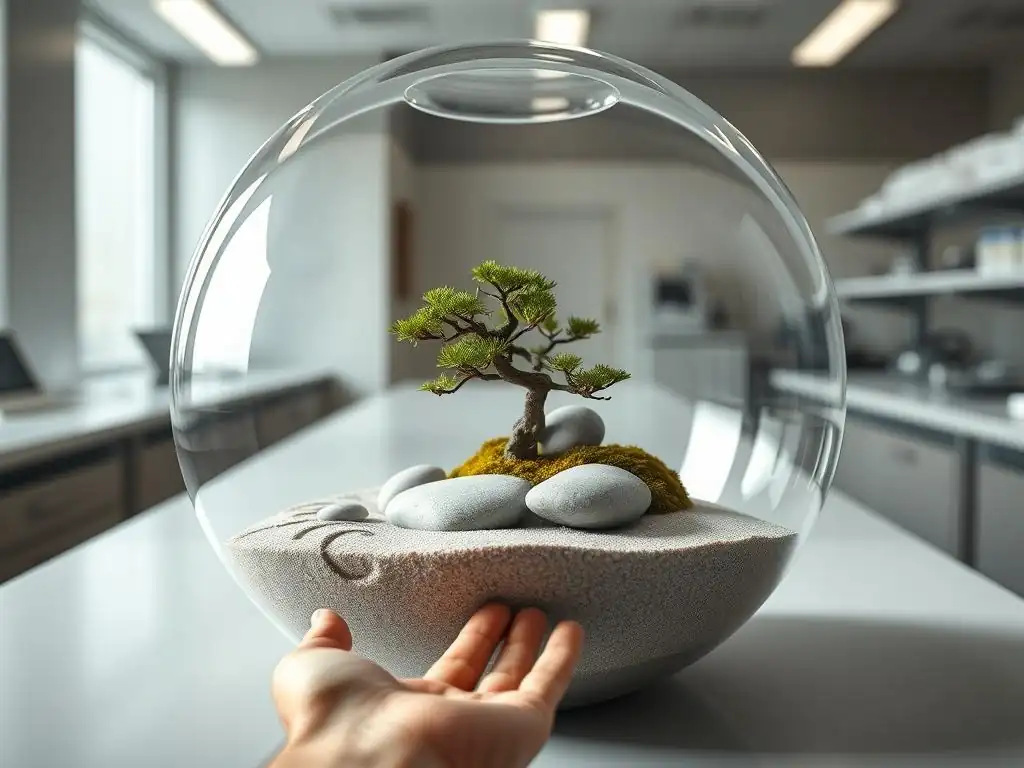
Controlled Experiments: Measuring the Effects of Nature Exposure on Anxiety and Depression
Controlled laboratory experiments provide valuable insights by minimizing confounding variables. Researchers often use standardized stimuli, such as viewing nature videos or images, listening to nature sounds, or even creating simulated natural environments, and compare participants' responses to those exposed to urban or neutral stimuli. These studies frequently measure changes in mood, self-reported stress levels, and physiological markers.
For example, a study had participants view either nature scene videos or urban scene videos after a stressful task. Those who watched nature videos reported significantly lower levels of anxiety and stress afterward compared to the urban group.
Another experiment involved placing participants in rooms with varying degrees of natural elements (plants, natural light) versus sterile environments and found that exposure to nature elements led to reduced negative mood and increased feelings of calmness. While not identical to real-world nature exposure, these controlled settings isolate variables and provide strong evidence that nature's healing power benefits mental health outcomes like anxiety and depression symptoms.
Physiological Responses: Analyzing Heart Rate Variability and Blood Pressure in Natural Settings
Beyond subjective reports, physiological measurements offer objective data on nature's impact. Heart rate variability (HRV), a measure of the variation in time between heartbeats, is a key indicator of the autonomic nervous system's balance between its sympathetic (fight-or-flight) and parasympathetic (rest-and-digest) branches. Higher HRV generally indicates better stress regulation and overall health. Blood pressure is another vital sign commonly measured.
Studies have consistently shown that spending time in natural environments or viewing natural stimuli leads to beneficial changes in these physiological markers. For instance, research comparing walks in forests versus cities found that forest walks resulted in lower heart rates and blood pressure and higher HRV, indicating a shift towards a more relaxed physiological state. Similar findings have been observed even with short exposures, such as sitting by a window with a view of nature. These objective physiological responses underscore the tangible ways nature's healing power benefits mental health by promoting relaxation and reducing physiological stress.
Cognitive Performance: Assessing Memory and Attention After Nature Immersion
The impact of nature on cognitive function, particularly attention and memory, has been a focus of experimental research. As mentioned with Attention Restoration Theory, natural environments are thought to restore depleted cognitive resources. Studies have used various tasks to measure this effect, including those requiring sustained attention, working memory, and inhibitory control.
In one notable experiment, participants were given a demanding cognitive task to induce mental fatigue. Afterward, they were asked to take a walk in either a park or a busy street. Following the walk, their performance on subsequent cognitive tests was measured.
The group who walked in the park showed significant improvement on tasks requiring directed attention, while the urban walk group did not. Similar results have been found with visual exposure to nature and even brief interactions like tending indoor plants. These findings highlight how nature's healing power benefits mental health not only emotionally but also by enhancing crucial cognitive abilities.
Specific Natural Environments and Their Unique Mental Health Advantages
Forests and Woodlands: The Power of Forest Bathing (Shinrin-Yoku) for Mental Clarity
Forests offer a unique sensory experience: the scent of earth and trees, the dappled light filtering through leaves, the sounds of birdsong and rustling branches. The Japanese practice of Shinrin-Yoku, often translated as "forest bathing," emphasizes slow, mindful immersion in a forest atmosphere, not as exercise but as a way to connect with nature through the senses. Scientific studies on Shinrin-Yoku have provided compelling evidence for its mental health benefits.
Research conducted primarily in Japan and South Korea has shown that forest bathing can lead to reduced psychological stress, decreased depressive symptoms, and improved mood. Participants often report feeling more relaxed, less anxious, and experiencing greater mental clarity after spending time in woodlands. These effects are attributed not only to the calming visual and auditory stimuli but also, as discussed earlier, to the inhalation of phytoncides, which have measurable effects on stress hormones and immune activity. The growing body of evidence supports the idea that forest environments hold particular power in how nature's healing power benefits mental health.
Blue Spaces: The Calming Effects of Water on Stress and Anxiety
While green spaces receive significant attention, environments featuring water—known as "blue spaces"—also have distinct mental health benefits. These include oceans, lakes, rivers, waterfalls, and even fountains. The sight and sound of water are often associated with feelings of tranquility and peace across many cultures. Scientific inquiry is now validating these perceptions.
Studies exploring the impact of blue spaces have found that proximity to coastlines, lakes, and rivers is associated with lower levels of psychological distress in populations. Experimental research shows that listening to water sounds or viewing images of blue spaces can induce a meditative state, reduce physiological stress markers like heart rate and cortisol, and promote feelings of calm and relaxation. The rhythmic sounds and visual vastness of water are thought to provide a restorative experience that differs slightly from green spaces but equally contributes to how nature's healing power benefits mental health, particularly in alleviating stress and anxiety.
Urban Green Spaces: The Importance of Parks and Gardens in City Life
For the majority of the world's population living in urban areas, large forests or coastlines may not be easily accessible. However, even small pockets of nature within cities—parks, community gardens, tree-lined streets, and even private gardens—play a crucial role in supporting mental wellbeing. These urban green spaces provide vital opportunities for nature exposure amidst the built environment.
Research consistently shows that access to urban green spaces is associated with numerous mental health benefits for city dwellers. Studies have found that individuals living closer to parks report lower levels of stress and depression and higher levels of life satisfaction. Utilizing urban parks for activities like walking, picnicking, or simply sitting and observing nature has been shown to improve mood and reduce rumination. The accessibility of these spaces makes them essential components in leveraging nature's healing power benefits mental health for large populations, serving as crucial oases of calm in otherwise stimulating environments.
Nature-Based Interventions: Evidence-Based Practices for Mental Health Treatment
Horticultural Therapy: Using Gardening to Improve Mood and Cognitive Function
Horticultural therapy is a formal practice utilizing gardening and plant-related activities as therapeutic interventions. It is used in various settings, including hospitals, rehabilitation centers, schools, and community programs, for individuals facing physical or mental health challenges. The activities can range from planting seeds and caring for plants to harvesting vegetables and designing gardens.
Studies on horticultural therapy have demonstrated significant benefits for mental health. Participants often report reduced stress, anxiety, and depressive symptoms. The physical activity involved can improve overall health, while the nurturing aspect of caring for plants can foster feelings of purpose and responsibility. Furthermore, the sensory engagement and problem-solving involved in gardening can enhance cognitive function and attention. For example, programs for veterans or individuals with dementia have shown improvements in mood, social interaction, and reduced agitation. This evidence highlights how hands-on interaction with nature, guided therapeutically, clearly demonstrates nature's healing power benefits mental health.
Animal-Assisted Therapy: The Therapeutic Benefits of Interactions with Animals
Animal-assisted therapy (AAT) involves the use of trained animals, most commonly dogs, but also cats, horses, and others, in therapeutic settings to facilitate healing and rehabilitation. The interaction with animals can provide comfort, reduce stress, improve mood, and encourage communication and social interaction, particularly in individuals who may struggle with human interactions.
Research on AAT has shown positive effects on various mental health conditions. Studies with individuals experiencing depression or anxiety have found that interactions with therapy animals can lead to decreased levels of cortisol and increased levels of oxytocin, a hormone associated with bonding and trust.
AAT has also been effective in reducing feelings of loneliness and isolation in older adults and improving emotional regulation in children. While not strictly "nature" in the environmental sense, AAT leverages the human-animal bond, a fundamental connection within the broader natural world, showcasing a different facet of how nature's healing power benefits mental health through interspecies relationships.
Wilderness Therapy: Utilizing Outdoor Adventures for Personal Growth and Resilience
Wilderness therapy is a unique approach that uses outdoor activities and expeditions in natural settings to address behavioral and mental health issues, particularly in adolescents and young adults. Programs often involve activities like hiking, camping, climbing, and group challenges in remote natural environments. The challenges of the wilderness setting, combined with therapeutic group processes, are designed to promote personal growth, self-reliance, and resilience.
Evidence suggests that wilderness therapy can be effective in treating issues such as substance abuse, depression, anxiety, and behavioral problems. Participants often develop improved self-esteem, problem-solving skills, and coping mechanisms.
The removal from familiar environments and daily stressors, coupled with the physical demands and immersive nature experience, appears to facilitate significant psychological shifts. While rigorous controlled trials can be challenging in this context, outcome studies consistently report positive changes in participants' mental wellbeing and behavior, underscoring the profound impact of challenging, extended engagement with nature as a form of therapy, further illustrating how nature's healing power benefits mental health through transformative experiences.
Addressing Limitations and Future Research Directions

Challenges in Studying Nature's Impact: Confounding Variables in Natural Settings
While the evidence for nature's benefits is compelling, studying its precise impact presents unique challenges. Natural environments are complex and variable. Factors such as weather, season, specific types of flora and fauna present, noise levels (even in nature), and the individual's prior experiences and preferences all contribute to the overall experience. This makes it difficult to isolate the effects of specific natural elements or determine the 'active ingredients' of a nature exposure intervention.
Furthermore, it can be challenging to conduct truly blinded or placebo-controlled studies when comparing nature exposure to control conditions. Participants are usually aware of whether they are in a park or a lab, which can introduce expectation bias. Quantifying the 'dose' of nature exposure is also complex – is it time spent, distance walked, biodiversity of the location, or quality of the experience? Addressing these methodological complexities requires innovative research designs and careful consideration of potential confounding variables to strengthen the scientific claims about how nature's healing power benefits mental health.
Future Research: Exploring the Long-Term Effects of Nature Exposure
Much of the existing research on nature's mental health benefits focuses on immediate or short-term effects, such as changes in mood or stress levels after a single visit or a short program. While these findings are valuable, there is a significant need for more research exploring the long-term impacts of regular, sustained exposure to nature. How does consistent access to green space over months or years affect the trajectory of mental health conditions? Does childhood exposure have lasting effects into adulthood?
Future studies should aim to follow participants over extended periods, tracking mental health outcomes in relation to their ongoing engagement with nature. This could involve longitudinal studies tracking populations in areas with varying levels of green space or intervention studies that provide nature access over several months or years and measure changes in clinical symptoms and overall wellbeing. Understanding the cumulative and lasting effects is crucial for developing public health recommendations and therapeutic strategies based on how nature's healing power benefits mental health over a lifetime.
Personalized Nature Prescriptions: Tailoring Nature-Based Interventions to Individual Needs
Just as medical treatments are increasingly personalized, there is potential for tailoring nature-based interventions to individual needs and preferences. Not everyone responds to nature in the same way; some may find solace in a quiet forest, while others prefer the energy of a coastline or the social opportunities of an urban park. Factors like personality, cultural background, physical ability, and specific mental health challenges may influence which types of nature exposure are most beneficial.
Future research could explore how to create "nature prescriptions" that are personalized. This might involve developing assessments to match individuals with specific types of natural environments or activities (e.g., solitary walks vs. group gardening) that are most likely to support their particular mental health goals. Understanding the nuances of individual responses will allow clinicians and public health professionals to more effectively harness how nature's healing power benefits mental health, moving beyond general recommendations to targeted, effective strategies.
Practical Applications: Integrating Nature into Daily Life for Enhanced Mental Wellbeing
Creating Green Spaces at Home and Work: Incorporating Indoor Plants and Natural Light
Even without easy access to outdoor parks or forests, it's possible to bring elements of nature indoors. Incorporating indoor plants into living and working spaces has been shown to have positive effects on mood and concentration. Studies suggest that having plants in a room can reduce stress and fatigue and improve air quality, subtly contributing to a more positive mental state.
Maximizing exposure to natural light is another effective strategy. Positioning workspaces near windows, using sheer curtains instead of heavy drapes, and taking breaks near sunlit areas can help regulate circadian rhythms, which are crucial for sleep and mood stability. Even small steps like adding a few potted plants to a desk or ensuring windows are clean can create a micro-environment that leverages a bit of nature's healing power benefits mental health within the confines of buildings.
Mindful Nature Walks: Practicing Sensory Awareness in Natural Environments
Simply being in nature is beneficial, but engaging with it mindfully can amplify the mental health benefits. A mindful nature walk involves paying deliberate attention to sensory experiences—the feel of the breeze on your skin, the scent of pine needles or damp earth, the sounds of birds or insects, the sight of intricate patterns in leaves or bark. This practice encourages presence and reduces rumination on stressors.
Instead of walking while distracted by thoughts or devices, dedicate time to fully immerse yourself in the natural surroundings. Notice the colors, textures, and movements around you. This form of engagement activates different parts of the brain and promotes a deeper connection to the environment, enhancing the restorative effects. Regular mindful engagement during nature walks is a powerful way to intentionally access how nature's healing power benefits mental health.
Connecting with Nature in Urban Environments: Utilizing Community Gardens and Local Parks
For those living in urban areas, connecting with nature requires utilizing available resources. Community gardens offer a fantastic opportunity not only for nature exposure but also for physical activity, learning new skills (like horticultural therapy), and social connection, all of which contribute to mental wellbeing. Participating in a community garden can provide a sense of purpose and belonging.
Local parks, even small ones, provide accessible green oases. Making a habit of visiting a nearby park for a short walk, sitting on a bench to observe the surroundings, or engaging in recreational activities can offer a valuable dose of nature exposure. Utilizing these accessible urban green spaces regularly is a practical way for city residents to tap into how nature's healing power benefits mental health without needing to travel far from home.
Conclusion: Embracing Nature's Healing Power for a Healthier Mind
The scientific evidence is increasingly clear: nature is not just a pleasant backdrop to our lives; it is a powerful resource for mental health. From reducing stress hormones and boosting immune function to restoring cognitive vitality and improving mood, the benefits of connecting with the natural world are measurable and significant. Research from laboratories, clinical settings, and epidemiological studies consistently demonstrates that nature's healing power benefits mental health across diverse populations and environments.
While research continues to refine our understanding, the existing body of evidence provides a strong foundation for integrating nature into our strategies for mental wellbeing. Whether through dedicated time in forests or by water, utilizing urban green spaces, engaging in nature-based therapies, or simply bringing plants and natural light into our homes, making conscious efforts to connect with nature can yield profound improvements in our psychological state. Embracing this connection is an accessible, effective, and deeply rewarding path toward a healthier, more resilient mind.
Frequently Asked Questions
How does spending time in nature directly impact my mental well-being?
Studies show that exposure to nature lowers stress hormones like cortisol and increases the production of feel-good chemicals like serotonin and dopamine. This helps reduce anxiety and improve mood.
What specific types of natural environments offer the most significant mental health benefits?
While any exposure to nature is beneficial, green spaces like forests and parks, and blue spaces like oceans and lakes, are particularly effective due to their calming sensory experiences.
Is there a minimum amount of time I need to spend in nature to experience its positive effects?
Even short periods, such as 20-30 minutes a day, can significantly reduce stress and improve focus. Regular, longer exposures provide even greater and more sustained benefits.
What are some practical ways to incorporate nature into my daily routine, even with a busy schedule?
Simple actions like walking in a park during lunch, adding plants to your workspace, or listening to nature sounds can make a difference. Even looking at pictures of nature can have a positive impact.
Are there any potential risks or downsides to using nature as a mental health intervention?
For some individuals, especially those with allergies or phobias (e.g., fear of insects), exposure to certain natural environments might trigger anxiety. It's always best to start slowly and be mindful of your own comfort levels.
Final Reflection: The Untapped Potential of Nature's Pharmacy
The scientific evidence is clear: nature's healing power is not just a comforting metaphor, but a tangible force with profound impacts on our mental well-being. This article has explored the burgeoning field of research demonstrating the positive effects of natural environments on stress reduction, mood elevation, and even cognitive function. The implications are vast, particularly in a world increasingly grappling with mental health challenges.
The integration of nature into our lives, both personally and systematically, is no longer a luxury but a necessity. We've seen how exposure to green spaces can lower cortisol levels, boost serotonin production, and foster a sense of connection and peace. This resonates deeply with my own experiences finding solace and clarity amidst the quiet strength of the natural world. In every walk with nature, one receives far more than he seeks.
- John Muir. This quote perfectly encapsulates the restorative power that nature offers, a power we are only beginning to fully understand and harness.
Consider, for a moment, how you can incorporate more nature into your daily life. Is there a nearby park you can visit during your lunch break? Can you incorporate a short walk in nature into your daily routine? Even small acts of engagement – tending a houseplant, listening to the sounds of birdsong, or simply gazing at the sky – can have a cumulative effect on your mental and emotional well-being. Let the evidence presented in this article inspire you to seek out the healing balm of nature, and discover the transformative power it holds for you.
Unlock Nature's Healing Potential: Your Next Steps
Thanks for exploring the incredible ways nature supports our well-being! You've now learned about the powerful scientific backing for nature's healing touch. Ready to integrate these benefits into your life?
- Prioritize a daily dose of nature: Even 15 minutes in a park or green space can make a difference. Notice the impact on your mood and energy levels.
- Share your nature experiences: Tell a friend or family member about the positive effects of nature, encouraging them to join you on your next outdoor adventure.
- Explore nature-based therapies: Research local options like forest bathing (Shinrin-yoku) or nature walks guided by professionals.
What's one small step you can take today to connect more deeply with nature's restorative power?