
Sleep Better, Worry Less: How Biofeedback Can Help AnxietyRelated Insomnia

Welcome to Mind Care Guide, a sanctuary dedicated to nurturing your mental well-being.
Struggling with sleepless nights fueled by anxiety? You're not alone. Discover how biofeedback can offer a powerful and personalized path to reduce anxiety and reclaim restful sleep. Read on to explore this innovative technique and unlock a calmer, more balanced you. What if the key to better sleep was already within you?
Sleep Better, Worry Less: How Biofeedback Can Help Anxiety-Related Insomnia
- Understanding the Anxiety-Insomnia Connection
- Biofeedback for Anxiety Insomnia: A Practical Guide
- Choosing the Right Biofeedback Device for Anxiety-Related Insomnia
- Integrating Biofeedback into Your Sleep Routine
- Real-Life Success Stories: Biofeedback and Anxiety-Related Sleep Improvement
- Beyond Devices: Professional Biofeedback Therapy for Insomnia
- Overcoming Common Challenges with Biofeedback for Insomnia
- Is Biofeedback a solution for anxiety-induced sleep problems? Final thoughts
-
Frequently Asked Questions
- How does biofeedback work to reduce anxiety and insomnia?
- What types of anxiety-related insomnia can biofeedback help with?
- How long does it typically take to see results from biofeedback therapy for anxiety and insomnia?
- Is biofeedback a safe and side-effect-free treatment option for anxiety and insomnia?
- Where can I find a qualified biofeedback therapist to treat my anxiety and insomnia?
- Final Reflection: Harnessing Biofeedback for a Restful Future
- Unlock Your Restful Night: Take Control of Your Sleep
Understanding the Anxiety-Insomnia Connection
The Vicious Cycle: How Anxiety Fuels Sleeplessness
Anxiety triggers the body's "fight or flight" response, also known as the sympathetic nervous system activation. This physiological state is characterized by an increased heart rate, rapid breathing, heightened muscle tension, and the release of stress hormones like cortisol and adrenaline. When this state persists, particularly as you try to wind down for sleep, it creates an internal environment that is fundamentally incompatible with falling asleep. The body is primed for action or escape, not rest and repair, making it incredibly difficult to transition into sleep or stay asleep through the night.
Furthermore, the psychological component of anxiety, primarily excessive worrying, plays a significant role. Racing thoughts about daily stressors, future uncertainties, or even the anxiety about not sleeping itself can keep the mind highly active. This mental arousal prevents the cognitive slowing down necessary for sleep onset. The combination of physiological hyperarousal and cognitive rumination creates a powerful barrier to sleep, trapping individuals in a state of wakefulness despite feeling exhausted.
Anxiety-related insomnia often presents with specific symptoms that differentiate it from other sleep disorders. A primary indicator is significant difficulty initiating sleep (sleep onset insomnia), where individuals lie awake for extended periods, often for 30 minutes or more, feeling restless and mentally active. Another common symptom is difficulty maintaining sleep (sleep maintenance insomnia), characterized by frequent awakenings during the night, often accompanied by a return of anxious thoughts or physical tension, making it hard to fall back asleep.
Beyond the sleep disruption itself, the symptoms are intertwined with anxiety. People experience excessive worry specifically about sleep, fearing the consequences of another sleepless night. This fear amplifies bedtime anxiety. Physical symptoms like a racing heart, shortness of breath, trembling, or muscle twitching may occur while trying to sleep. There's often a pervasive feeling of being "wired and tired" – exhausted but unable to relax enough to sleep, leading to non-restorative sleep where individuals feel unrefreshed upon waking, regardless of the total hours slept.
The Role of Biofeedback in Anxiety and Sleep Management
Biofeedback is a therapeutic technique that teaches individuals to gain conscious control over physiological processes that are normally involuntary, such as heart rate, muscle tension, and brainwave activity. By using sensors to measure these signals and providing real-time feedback (visual or auditory), biofeedback allows a person to see their body's responses and learn techniques to modify them. This is profoundly relevant to anxiety and sleep, as anxiety is rooted in physiological arousal.
For individuals struggling with anxiety-related insomnia, biofeedback offers a direct pathway to address the underlying physiological hyperarousal. By learning to lower heart rate, reduce muscle tension, or shift brainwave patterns towards a calmer state, individuals can counteract the body's fight-or-flight response. This skill empowers them to actively reduce the physiological barriers to sleep.
Essentially, biofeedback helps individuals learn to activate their parasympathetic nervous system – the body's "rest and digest" state – making it possible to transition from anxiety-driven wakefulness to a relaxed state conducive to sleep. This process helps Biofeedback reduce anxiety insomnia by targeting the physical manifestations of worry.
Biofeedback for Anxiety Insomnia: A Practical Guide
What is Biofeedback and How Does It Work for Sleep?
Biofeedback utilizes electronic instruments to measure physiological signals from the body. Common signals measured include skin temperature, sweat gland activity (galvanic skin response or GSR), breathing rate and pattern, heart rate and heart rate variability (HRV), muscle tension (electromyography or EMG), and brainwave activity (electroencephalography or EEG). These measurements are then translated into a form that the user can easily understand, such as a graph on a screen, an auditory tone, or a visual display that changes color or shape based on the signal.
The working principle for sleep is simple: you learn to associate certain mental states or relaxation techniques with changes in your physiological signals that are beneficial for sleep. For example, if using EMG biofeedback, you might see a graph showing high muscle tension. As you practice a relaxation exercise, you watch the graph decline, confirming that the technique is working. With consistent practice, you develop the ability to intentionally produce these physiological changes without the device, enabling you to calm your body and mind before bedtime, thereby helping Biofeedback reduce anxiety insomnia.
Types of Biofeedback Techniques for Insomnia Relief
Different biofeedback modalities target distinct physiological pathways involved in anxiety and sleep. While a professional might use multiple types, home devices often focus on one or two key metrics. Understanding these techniques helps in choosing the most suitable approach for your specific symptoms.
Heart Rate Variability (HRV) Biofeedback: Calming the Nervous System
Heart Rate Variability (HRV) is the natural beat-to-beat variation in your heart rate. High HRV is generally associated with a more flexible and resilient autonomic nervous system, indicating a healthy balance between the sympathetic (fight or flight) and parasympathetic (rest and digest) branches. Low HRV is often linked to stress, anxiety, and poor health outcomes, including sleep disturbances. HRV biofeedback measures this variability, often using a sensor clipped to a finger or earlobe.
During HRV biofeedback training, users are typically guided to breathe slowly and evenly, often at a rate of around 5-6 breaths per minute. This specific breathing pattern is known to increase HRV and promote a state called "coherence," where heart rate, breathing, and blood pressure rhythms become more synchronized. The feedback shows the user how their breathing is affecting their HRV and coherence level.
By practicing achieving a high coherence state, individuals train their nervous system to shift towards parasympathetic dominance, reducing the physiological markers of anxiety and making it easier to relax and fall asleep. Research, such as a 2017 meta-analysis published in Applied Psychophysiology and Biofeedback, indicates that HRV biofeedback can lead to moderate reductions in anxiety symptoms, which directly impacts anxiety-related insomnia.
Electromyography (EMG) Biofeedback: Relaxing Tense Muscles
Electromyography (EMG) biofeedback measures the electrical activity in muscles, which is directly related to muscle tension. Sensors are placed on the skin over specific muscle groups, such as the forehead (frontalis muscle, often tense during worry), neck, or shoulders. The device provides feedback on the level of tension, often through a visual display or an auditory tone that changes pitch or speed as tension increases or decreases.
Anxiety frequently manifests as chronic muscle tension, which can be a significant barrier to relaxation and sleep. By seeing their muscle tension levels in real-time, individuals become more aware of when and where they hold tension. They then practice relaxation techniques, such as progressive muscle relaxation or deep breathing, while observing the feedback. The goal is to learn to consciously reduce muscle activity and achieve a state of physical relaxation. This process helps alleviate the physical restlessness associated with anxiety-related insomnia, making it easier for the body to settle down for sleep.
Neurofeedback (EEG Biofeedback): Training Your Brain for Sleep
Neurofeedback, or EEG biofeedback, measures brainwave activity from electrodes placed on the scalp. Different brainwave frequencies are associated with different states: Delta waves (0.5-4 Hz) are prominent in deep sleep, Theta waves (4-8 Hz) are associated with relaxed, drowsy states and light sleep, Alpha waves (8-12 Hz) are linked to relaxed wakefulness, and Beta waves (12-30 Hz) are associated with alert, active thinking (high beta often linked to anxiety).
In neurofeedback for anxiety-related insomnia, the goal is often to train the brain to produce more Alpha and Theta waves and less high Beta activity, particularly in brain regions associated with wakefulness and worry. The user receives feedback (e.g., a movie plays or music plays when the desired brainwave pattern is produced, and stops or changes when it doesn't) based on their real-time brainwave activity.
Through repeated sessions, the brain learns to regulate its own activity, shifting towards patterns that are more conducive to relaxation and sleep onset. While often requiring professional guidance, studies suggest neurofeedback can improve sleep parameters; for instance, some research indicates improvements in sleep efficiency (percentage of time in bed spent asleep) by 15-20% in individuals with insomnia.
Home Biofeedback Devices: Convenience and Accessibility
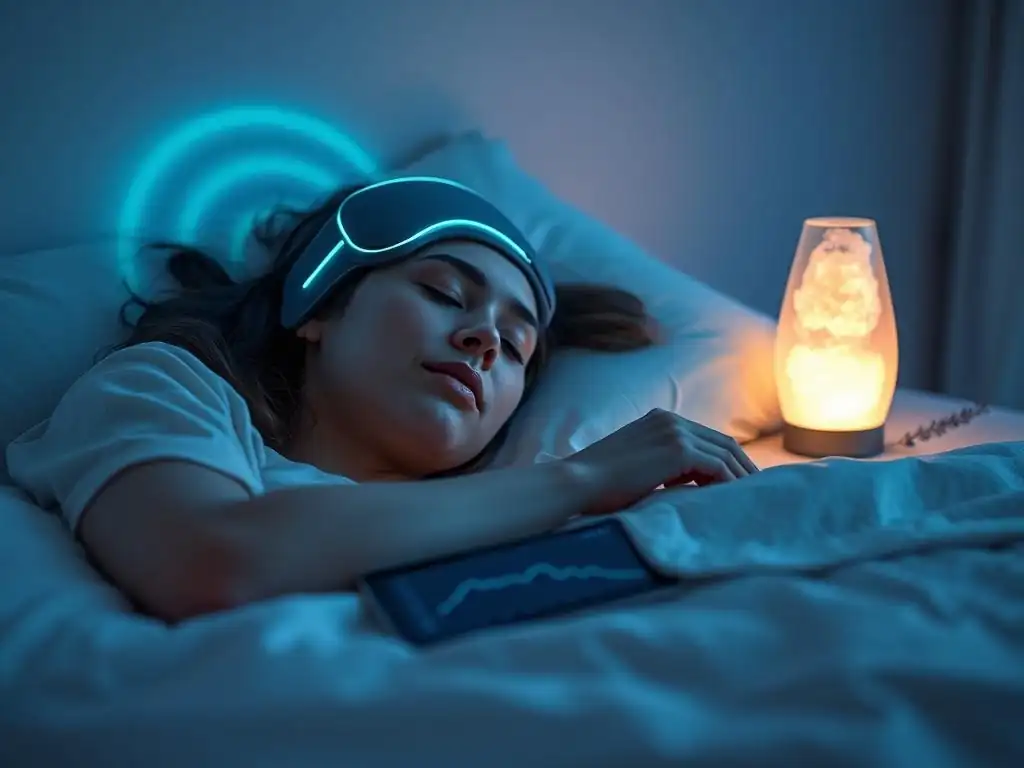
The rise of consumer-friendly technology has made biofeedback more accessible than ever through home devices. These devices offer significant convenience, allowing individuals to practice biofeedback techniques daily or even multiple times a day without the need for scheduled appointments with a therapist. This frequency of practice can be crucial for learning physiological self-regulation skills.
Home devices are also often more cost-effective in the long run compared to a full course of professional biofeedback sessions, which can range from $100 to $400 per session and may require 10-40 sessions. While clinical-grade equipment can offer more precise data and professional oversight provides tailored protocols, many home devices provide sufficient accuracy and guidance for individuals seeking to use biofeedback to manage anxiety and improve sleep on their own schedule.
Key Features to Look for in a Biofeedback Device for Sleep
When selecting a home biofeedback device specifically for anxiety-related insomnia, certain features can significantly enhance its effectiveness and usability. Consider how the device measures physiological signals, how it provides feedback, and how well it fits into your lifestyle and goals.
Data Tracking and Analysis: Monitoring Your Progress
A crucial feature for any biofeedback device is its ability to accurately track your physiological data over time and present it in an understandable format. Seeing objective data, such as your average heart rate, HRV coherence scores, or muscle tension levels decreasing over weeks of practice, provides tangible evidence of your progress. This can be incredibly motivating and help you identify which techniques are most effective for you.
Look for devices that offer clear charts, graphs, and summary reports of your sessions. Features like historical data comparison, daily/weekly/monthly trends, and integration with apps that might track sleep patterns can provide valuable insights into how your biofeedback practice is impacting your sleep quality and anxiety levels. Without good data tracking, it's harder to assess effectiveness and stay consistent.
Guided Meditations and Relaxation Exercises: Maximizing Effectiveness
Simply measuring a physiological signal isn't enough; you need to know how to change it. The most effective home biofeedback devices integrate guided exercises, such as paced breathing protocols, guided meditations, progressive muscle relaxation scripts, or visualization techniques, directly into the user experience. These exercises are specifically designed to help you elicit the desired physiological changes (e.g., lower heart rate, increased HRV, reduced muscle tension).
The biofeedback then acts as a real-time coach, confirming whether your efforts are working. For example, a guided breathing exercise combined with real-time HRV feedback helps you learn exactly what kind of breathing produces the best coherence score. This combination of guidance and feedback accelerates the learning process and makes the practice sessions more effective and engaging, particularly for beginners using biofeedback to reduce anxiety insomnia.
Device Compatibility and User-Friendliness: Ease of Use
For a biofeedback device to be consistently used, it must be easy to set up, operate, and integrate into your daily or nightly routine. Consider the device's form factor (headband, finger sensor, chest device), how sensors are attached (sticky electrodes vs. simple clips or bands), and its compatibility with your existing technology (iOS or Android app quality is often key).
An intuitive user interface, clear instructions, and reliable connectivity are essential. A device that is frustrating to use or requires complex setup is likely to end up unused, defeating its purpose. Read reviews regarding ease of use and app stability before purchasing. Remember, consistency is paramount for skill-building, and a user-friendly device removes barriers to regular practice, helping you consistently use biofeedback to reduce anxiety insomnia.
Comparing Top Biofeedback Devices for Insomnia Relief
Several popular home biofeedback devices are available, each focusing on different physiological signals or approaches. Here's a brief overview of some commonly discussed options relevant to anxiety and sleep:
Muse 2: Brainwave Tracking for Enhanced Meditation
Muse 2 is an EEG biofeedback device designed as a comfortable headband worn during meditation or relaxation sessions. It measures brainwave activity (EEG) from the forehead.
Its features include real-time brainwave feedback (often translated into auditory cues, like weather sounds that become calmer as your mind settles), guided meditations tailored to different goals (including sleep), and basic sleep tracking capabilities if worn overnight (though primarily an awake-state training tool). The benefits reported by users include improved focus during meditation, reduced feelings of anxiety, and better overall sleep quality, likely due to enhanced pre-sleep relaxation. The price is typically around $249.99.
Sensate: Vagus Nerve Stimulation for Relaxation
Sensate is a device that uses vibroacoustic technology placed on the chest bone to send infrasonic sound waves through the body, aiming to stimulate the vagus nerve. While not traditional biofeedback measuring the user's signal, it's designed to influence the physiological state (specifically, promoting parasympathetic activation via the vagus nerve pathway) in a way that aligns with the goals of biofeedback for relaxation and sleep.
Its features include vibroacoustic stimulation paired with app-guided sessions featuring soundscapes and timed protocols. The reported benefits include rapid stress reduction, improved heart rate variability (an indirect measure of parasympathetic tone), and promotion of deeper relaxation, which can aid in falling asleep. The price is around $299.
EmWave2: Portable Heart Rate Variability Training
EmWave2 is a portable HRV biofeedback device that uses a finger or earlobe sensor to measure pulse and calculate heart rate variability. It focuses specifically on training heart rhythm coherence through paced breathing exercises.
Its features include real-time HRV feedback displayed visually on the device or a connected computer/app, guided coherence training exercises, and session tracking. The benefits reported are improved emotional regulation, reduced feelings of anxiety and stress, and enhanced resilience to stress, all of which contribute to a calmer state conducive to sleep. The price is approximately $199.
Integrating Biofeedback into Your Sleep Routine
Setting Up Your Biofeedback Device for Optimal Results
Proper setup is the first step to getting the most out of your biofeedback device. Begin by thoroughly reading the manufacturer's instructions, as each device has specific requirements for placement, charging, and software installation. Ensure the sensors are clean and positioned correctly according to the guide – poor sensor contact is a common issue that leads to inaccurate readings and frustrating sessions.
Find a quiet, comfortable space where you won't be disturbed during your practice sessions. This helps create an environment conducive to relaxation. If possible, use the device at roughly the same time each day, ideally as part of your wind-down routine before bed. Start with the recommended session length (often 5-10 minutes) and gradually increase the duration as you become more comfortable and skilled. Pay attention to any calibration steps required by the device and ensure the associated app or software is correctly installed and updated on your phone or computer.
Creating a Relaxing Bedtime Routine with Biofeedback
Integrating biofeedback into your evening routine can serve as a powerful signal to your body and mind that it's time to transition from the day's activities to preparing for sleep. Aim to use your biofeedback device 30 to 60 minutes before your planned bedtime. This provides a buffer period after the session to complete other pre-sleep activities without rushing.
Start your routine by dimming the lights, putting away electronic devices that emit blue light, and getting into comfortable clothing. Then, dedicate your biofeedback session as the central relaxation activity. Use the guided exercises provided by the device or practice the techniques you've learned while observing the feedback.
Focus on letting go of the day's worries and cultivating a sense of calm. After your session, continue with other relaxing activities like reading a physical book, listening to calming music, or gentle stretching before getting into bed. Consistency is key; doing this routine nightly helps condition your body to associate these steps with winding down for sleep.
Combining Biofeedback with Other Sleep Hygiene Practices
While biofeedback is a powerful tool for learning physiological self-regulation, it works best when combined with fundamental healthy sleep hygiene practices. Think of biofeedback as enhancing your ability to relax, but good sleep hygiene provides the optimal conditions for sleep to occur naturally.
The Importance of a Consistent Sleep Schedule
Maintaining a regular sleep schedule is perhaps the single most important aspect of good sleep hygiene. Going to bed and waking up at roughly the same time every day, including weekends, helps regulate your body's internal clock, or circadian rhythm. This consistent rhythm makes it easier to fall asleep when you go to bed and wake up feeling more refreshed naturally.
A consistent schedule reinforces the effectiveness of your biofeedback practice. By using the device at a similar time each evening, you help train your body to enter a relaxed state at a predictable point in your circadian cycle, strengthening the association between your pre-sleep routine and the onset of sleep.
Optimizing Your Sleep Environment
Your bedroom environment significantly impacts your ability to fall and stay asleep. The ideal sleep environment is dark, quiet, and cool. Darkness signals to your brain that it's time to produce melatonin, the sleep hormone. Minimize light exposure by using blackout curtains or an eye mask. Quiet reduces disruptions; consider earplugs or a white noise machine if necessary.
Temperature is also critical; most experts recommend a bedroom temperature between 60-67°F (15-19°C) as cooler temperatures facilitate sleep. Ensure your bedding is comfortable. By optimizing these environmental factors, you remove common external barriers to sleep, allowing the relaxation achieved through biofeedback to be more effective.
Avoiding Stimulants Before Bed
Certain substances can significantly interfere with sleep due to their stimulating effects. Caffeine, found in coffee, tea, soda, and chocolate, is a well-known culprit that can increase alertness and heart rate for several hours after consumption. Nicotine is another stimulant that disrupts sleep.
Alcohol, while initially causing drowsiness, metabolizes later in the night and can lead to fragmented, non-restorative sleep. It's generally recommended to avoid caffeine after noon and alcohol within 3 hours of bedtime. By eliminating these stimulants, you prevent physiological arousal that counteracts the relaxation efforts of biofeedback and other wind-down techniques, making it easier for Biofeedback reduce anxiety insomnia.
Case Study 1: Overcoming Decades of Insomnia with Neurofeedback
Sarah, a 58-year-old graphic designer, had struggled with insomnia for over 25 years. Her sleep problems began during a period of high work stress and evolved into chronic difficulty falling asleep, often taking two hours or more, coupled with frequent awakenings throughout the night. She described her mind as constantly "on," especially at bedtime, filled with worries about work, family, and her inability to sleep. She had tried various medications and therapies with limited, temporary success. An assessment revealed high levels of fast beta brainwave activity even when she was attempting to relax.
Sarah committed to a course of 30 sessions of neurofeedback therapy over 15 weeks. The protocol focused on training her brain to increase alpha and theta wave production and decrease high beta activity in frontal and central brain regions associated with rumination and alertness. After about 10 sessions, she noticed a slight reduction in her racing thoughts at bedtime.
By the end of the training, she consistently reported falling asleep within 20-30 minutes on most nights. Her middle-of-the-night awakenings decreased significantly, and when she did wake up, she found it easier to fall back asleep. Objectively, her sleep efficiency improved from roughly 60% to over 80%, adding an average of 1.5 hours of sleep per night.
Case Study 2: Managing Generalized Anxiety and Improving Sleep Quality with HRV Biofeedback
David, a 32-year-old marketing manager, suffered from generalized anxiety disorder that manifested as persistent worry, physical restlessness, and significant trouble falling asleep. He felt a constant low level of tension in his body and often lay awake for an hour or more, feeling his heart race and his mind churn. His HRV was consistently low, indicating a dominant sympathetic nervous system response.
David decided to try a home HRV biofeedback device, practicing for 15 minutes daily, usually in the late evening. He focused on paced breathing exercises guided by the device's app, aiming to increase his coherence score. Initially, he found it challenging to slow his breathing and quiet his mind, and his coherence scores were low (averaging below 2).
However, with consistent practice over three months, he noticed a significant shift. His average coherence score rose to over 4, and his baseline HRV increased by approximately 30%. He reported feeling calmer throughout the day and found the biofeedback sessions particularly effective at helping him unwind before bed.
His time to fall asleep decreased from over an hour to around 20 minutes, and the time he spent awake during the night after initial sleep onset decreased by an average of 45 minutes. This case illustrates how consistent home use of Biofeedback reduce anxiety insomnia by improving autonomic regulation.
Beyond Devices: Professional Biofeedback Therapy for Insomnia
When to Consider Professional Biofeedback Treatment
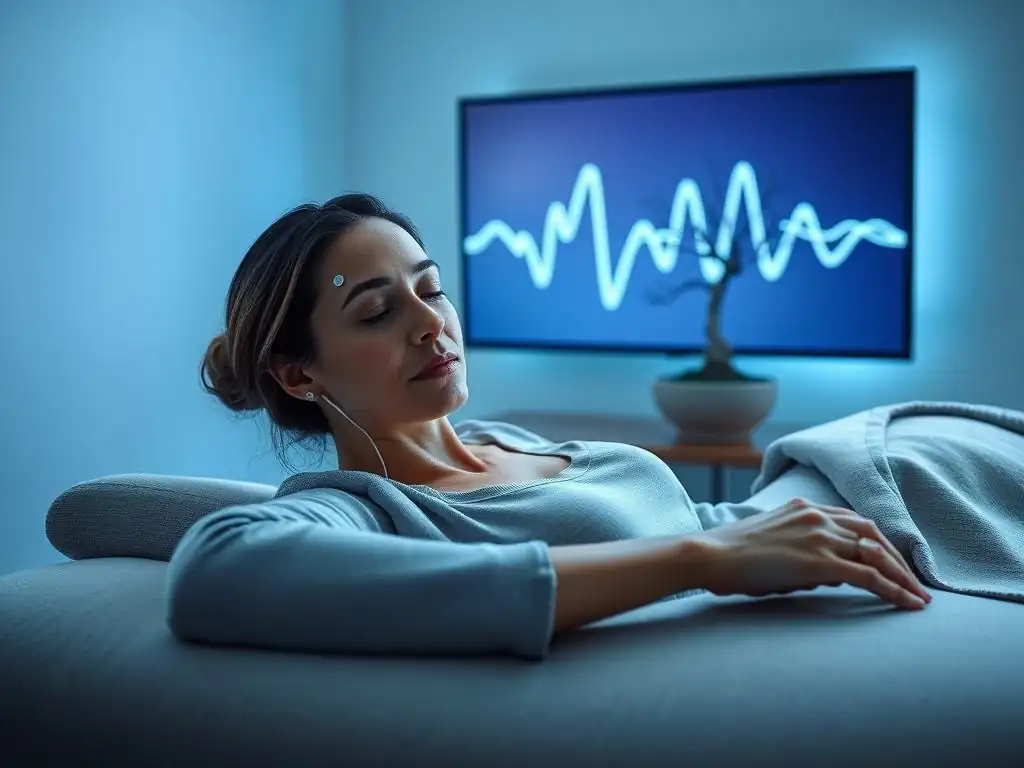
While home biofeedback devices offer convenience and a good starting point, there are situations where professional biofeedback treatment is a more appropriate or necessary step. Consider seeking professional help if your insomnia is severe, chronic, or hasn't responded adequately to home-based methods and other standard treatments like sleep hygiene or over-the-counter aids. Professionals use more sophisticated equipment that can provide more precise and comprehensive physiological data, allowing for a more accurate assessment of the specific patterns contributing to your sleep issues.
Professional guidance is also invaluable in complex cases, such as when insomnia co-occurs with other significant health conditions (like chronic pain, migraines, or other mental health disorders) or when identifying the specific physiological targets (e.g., which muscle groups are most tense, which brainwave frequencies are problematic) requires expert assessment. If you find home devices confusing to use, struggle with interpreting the data, or lack the motivation for consistent independent practice, working with a qualified therapist can provide the structure, personalized protocols, and support needed for success.
Professionals can also integrate biofeedback within a broader therapeutic framework, such as Cognitive Behavioral Therapy for Insomnia (CBT-I), for a more holistic approach.
Finding a Qualified Biofeedback Therapist
If you decide to pursue professional biofeedback therapy, it's crucial to find a qualified and experienced practitioner. Look for therapists who are certified in biofeedback by a recognized body, such as the Biofeedback Certification International Alliance (BCIA). BCIA certification (e.g., BCB for general biofeedback, BCB-HRV for HRV, BCN for neurofeedback) indicates that the therapist has met rigorous educational and training standards and adheres to ethical practice guidelines.
You can search online directories provided by certification bodies or professional organizations related to biofeedback or applied psychophysiology. When contacting potential therapists, inquire about their specific experience treating insomnia and anxiety. Ask about the types of biofeedback modalities they use (EMG, HRV, Neurofeedback, etc.) and how they tailor their treatment approach to individual needs. A good therapist will explain the process, set realistic expectations, and work collaboratively with you towards your sleep goals.
Overcoming Common Challenges with Biofeedback for Insomnia
Troubleshooting Device Issues and Data Interpretation
Using a home biofeedback device isn't always seamless, and you might encounter technical glitches or confusion about the data. Common issues include sensors not connecting properly, app freezing, or inconsistent readings. If you face device problems, first consult the user manual and the manufacturer's website or support resources – they often have extensive troubleshooting guides and FAQs. Online forums or communities related to your specific device can also be helpful for peer support and solutions.
Interpreting the data can also be challenging, especially at the beginning. It's normal for physiological signals to fluctuate, and progress is rarely linear. Don't get discouraged by a single "bad" session. Focus on trends over time: Is your average HRV increasing? Is your average muscle tension decreasing over weeks? If the data seems contradictory or you're unsure how to interpret it in the context of your symptoms, consider reaching out to the device's customer support or consulting a healthcare professional familiar with biofeedback.
Maintaining Motivation and Consistency with Biofeedback Training
One of the biggest challenges with home biofeedback, or any skill-based therapy, is maintaining consistent practice, especially when results aren't immediately apparent. Biofeedback is a skill that takes time and repetition to develop – think of it like learning a musical instrument or a new sport. It typically requires consistent daily practice for several weeks or even months to see significant, lasting changes in anxiety and sleep.
To stay motivated, integrate your biofeedback sessions into an existing, non-negotiable part of your routine, such as your established bedtime wind-down. Set realistic expectations; understand that improvement is gradual. Use the device's data tracking feature to review your progress over time, celebrating small victories like a slightly higher coherence score or a session where you felt particularly relaxed. Consider finding an accountability partner or scheduling your sessions like appointments. Remind yourself regularly of your goal: achieving better sleep and reducing anxiety through empowering self-regulation. Consistency truly is the key to making Biofeedback reduce anxiety insomnia effectively.
Is Biofeedback a solution for anxiety-induced sleep problems? Final thoughts
The long-term benefits of Biofeedback for insomnia and anxiety relief
Biofeedback offers a compelling long-term solution for anxiety-related insomnia because it teaches a fundamental skill: physiological self-regulation. Unlike medications that manage symptoms externally, biofeedback empowers individuals to learn how to calm their own nervous system and reduce physical tension. This skill is portable and sustainable; once learned, it can be applied whenever anxiety or sleeplessness arises, often without needing the device itself for maintenance practice.
The ability to consciously influence physiological states builds resilience to stress and anxiety over time. Regular biofeedback practice can lead to a more balanced autonomic nervous system, reducing baseline anxiety levels and making the body less reactive to stressors that previously triggered insomnia. This creates a virtuous cycle where reduced anxiety leads to better sleep, and better sleep further helps in managing anxiety, offering a sustainable path to lasting relief.
Biofeedback: a holistic approach to improve sleep and mental wellbeing.
Biofeedback is more than just a sleep aid; it's a tool for enhancing overall mental and physical well-being. By addressing the physiological underpinnings of anxiety – the racing heart, tense muscles, and overactive brainwaves – it helps individuals gain a greater sense of control over their internal state. This can lead to reduced stress, improved emotional regulation, and a greater capacity for relaxation, all of which contribute significantly to better mental health.
As a non-invasive, drug-free modality, biofeedback complements other healthy lifestyle choices and therapeutic approaches. It offers a powerful way for individuals to actively participate in improving their sleep and managing anxiety. For those struggling with the frustrating cycle of anxiety and insomnia, learning how Biofeedback reduce anxiety insomnia provides a promising, empowering path towards more restful nights and calmer days.
Frequently Asked Questions
How does biofeedback work to reduce anxiety and insomnia?
Biofeedback teaches you to control bodily functions like heart rate and muscle tension, which are often elevated during anxiety and insomnia. By learning to self-regulate these functions, you can reduce the physical symptoms that contribute to these conditions.
Biofeedback can be beneficial for insomnia linked to generalized anxiety disorder, panic disorder, and even stress-induced insomnia. It helps address the underlying anxiety that fuels sleep disturbances.
How long does it typically take to see results from biofeedback therapy for anxiety and insomnia?
The timeline varies, but many people experience improvements within 8-12 sessions. Consistent practice and commitment to the techniques learned are crucial for optimal results.
Is biofeedback a safe and side-effect-free treatment option for anxiety and insomnia?
Yes, biofeedback is generally considered a safe and non-invasive treatment. It has minimal side effects when administered by a qualified professional.
Where can I find a qualified biofeedback therapist to treat my anxiety and insomnia?
You can search online directories like the Biofeedback Certification International Alliance (BCIA) or ask your doctor for a referral to a licensed mental health professional specializing in biofeedback.
Final Reflection: Harnessing Biofeedback for a Restful Future
In a world where anxiety-related insomnia has become a common struggle for many, the exploration of biofeedback as a solution is not just timely but essential. As we navigate the complexities of modern life, the need for effective strategies to combat anxiety and improve sleep quality has never been more pressing. The insights shared in this article highlight how biofeedback can serve as a powerful tool in reducing anxiety and promoting restful sleep, ultimately transforming lives for the better.
The impact of biofeedback on our cultural and social landscape is profound. As we become more aware of the mind-body connection, the acceptance and integration of alternative therapies like biofeedback are gaining momentum. This shift not only empowers individuals to take control of their mental health but also fosters a community that values holistic approaches to well-being. The greatest weapon against stress is our ability to choose one thought over another.
– William James. This quote encapsulates the essence of biofeedback, reminding us that our thoughts and physiological responses can be harnessed to create a more peaceful state of mind.
As we conclude this exploration of biofeedback and its potential to alleviate anxiety-related insomnia, I invite you to reflect on your own relationship with sleep and stress. Consider how you might incorporate biofeedback techniques into your daily routine to foster a more restful night and a calmer mind. Embrace the journey of self-discovery and healing, and remember that the path to better sleep and reduced anxiety is within your reach. Take the first step today, and unlock the transformative power of biofeedback for a brighter, more restful future.
Unlock Your Restful Night: Take Control of Your Sleep
Thanks for taking the time to explore how biofeedback can help you conquer anxiety-related insomnia. You've now learned valuable techniques to improve your sleep and reduce worry – let's put that knowledge into action!
- Start your biofeedback journey today: Research local practitioners or explore online biofeedback apps to find the perfect fit for your needs. This is the key step to transforming your sleep.
- Share your experience: Let others know how biofeedback is working for you! Start a conversation in the comments below—your insights could inspire someone else struggling with sleep.
- Consider adding a relaxation technique: Combine biofeedback with simple mindfulness exercises or deep breathing techniques for even better results.
Ready to embrace a more peaceful night's sleep? What small step will you take this week to prioritize your sleep health?