
Unpacking the Prefrontal Cortex: Your Brain's CEO and Its Struggle with Depression

Welcome to Mind Care Guide.
Feeling lost in the fog of depression? It might be more than just a mood. We understand the frustration and uncertainty that comes with mental health struggles. This week, we're diving deep into the neuroscience of it all, specifically exploring the role of your brain's "CEO," the prefrontal cortex, and how its dysfunction can manifest in specific prefrontal cortex depression symptoms. Curious about what this means for you? Let's unpack this crucial connection and discover pathways to healing, together.
Unpacking the Prefrontal Cortex: Your Brain's CEO and Its Struggle with Depression
- Understanding the Prefrontal Cortex and Its Role in Mental Health
- The Link Between Prefrontal Cortex Dysfunction and Depression
- Specific Prefrontal Cortex Areas Affected by Depression
- The Neurochemistry of Depression and the Prefrontal Cortex
- Identifying Prefrontal Cortex Depression Symptoms: A Comprehensive Checklist
-
Treatment Strategies for Prefrontal Cortex Dysfunction in Depression
- Pharmaceutical Interventions: Antidepressants Targeting Prefrontal Cortex Activity
- Cognitive Behavioral Therapy (CBT) and Prefrontal Cortex Rehabilitation
- Transcranial Magnetic Stimulation (TMS) for Depression: Targeting the DLPFC
- Lifestyle Changes to Support Prefrontal Cortex Health: Diet, Exercise, and Sleep
- The Future of Prefrontal Cortex Research in Depression Treatment
- Living with Prefrontal Cortex Dysfunction and Depression: Support and Resources
-
Frequently Asked Questions
- What is the role of the prefrontal cortex (PFC) and how does it relate to mental well-being?
- What are some common depression symptoms directly linked to prefrontal cortex dysfunction?
- How does depression specifically impact the prefrontal cortex?
- What treatments or therapies can help improve prefrontal cortex function in individuals with depression?
- Where can I find resources for understanding and managing prefrontal cortex depression symptoms?
- Final Reflection: The CEO's Struggle – Understanding Depression's Neural Roots
- Unlock Your Brain's Potential: Take Charge of Your Mental Wellbeing
Understanding the Prefrontal Cortex and Its Role in Mental Health
What is the Prefrontal Cortex (PFC)? A Neuroscientific Overview
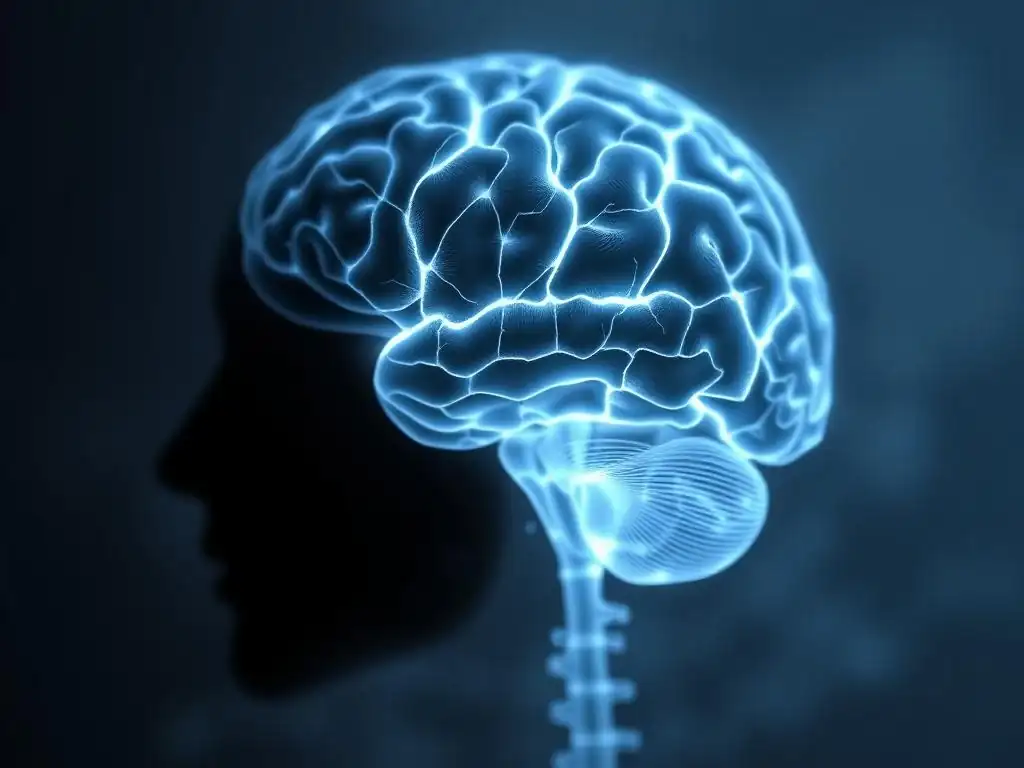
The prefrontal cortex (PFC) is the most anterior part of the frontal lobe of the brain, located right behind your forehead. It's a relatively large and complex region, making up a significant portion of the cerebral cortex, particularly in humans. This area is considered the pinnacle of brain evolution, playing a crucial role in uniquely human cognitive abilities.
Its development continues well into early adulthood, typically reaching maturity around the age of 25, which explains why executive functions and decision-making skills improve significantly throughout adolescence. The PFC is highly interconnected with many other brain regions, including limbic structures involved in emotion (like the amygdala) and memory centers (like the hippocampus), allowing it to integrate information from across the brain to guide behavior.
Neuroanatomically, the PFC can be broadly divided into several subregions, such as the dorsolateral prefrontal cortex (DLPFC), ventromedial prefrontal cortex (VMPFC), orbitofrontal cortex (OFC), and anterior cingulate cortex (ACC). While these regions work together, they each contribute distinct functions. For example, the DLPFC is heavily involved in working memory and planning, while the VMPFC is more associated with processing risk and fear. Understanding these subdivisions is critical when examining conditions like depression, as different prefrontal cortex depression symptoms may relate to dysfunction in specific areas.
The PFC as Your Brain's Executive: Core Functions Explained
Often referred to as the "executive control center" or the "brain's CEO," the prefrontal cortex is responsible for a suite of high-level cognitive processes known collectively as executive functions. These functions are essential for goal-directed behavior and navigating complex situations. They include abilities like planning, organizing, decision-making, problem-solving, inhibiting impulses, switching between tasks, and regulating attention. Imagine trying to plan a complex project at work, resist an unhealthy snack while dieting, or stay focused on a difficult task despite distractions – these all heavily rely on a well-functioning PFC.
These executive functions allow us to evaluate potential outcomes, make rational choices based on future consequences rather than immediate gratification, and maintain focus on long-term goals. When the PFC is impaired, these abilities suffer. This can manifest as difficulty starting or completing tasks, poor decision-making, impulsivity, and problems with working memory. Many of the cognitive and behavioral changes observed in depression, often described as prefrontal cortex depression symptoms, are directly related to deficits in these executive functions controlled by the PFC.
The Prefrontal Cortex's Involvement in Emotional Regulation
Beyond its role in cold cognition, the prefrontal cortex is deeply involved in processing and regulating emotions. It works in concert with subcortical areas like the amygdala, which is responsible for detecting threats and generating fear responses.
The PFC, particularly areas like the VMPFC and OFC, helps to evaluate the emotional significance of events, modulate the intensity of emotional responses, and allow us to respond to emotional stimuli in a flexible and context-appropriate manner. For instance, the PFC can inhibit an automatic fear response from the amygdala when you realize a loud bang was just a car backfiring, not a threat.
This regulatory role is crucial for mental well-being. A healthy PFC allows us to appraise situations, understand the emotional states of others, and manage our own feelings effectively. Dysfunction in these prefrontal regions can lead to difficulties in emotional processing, such as heightened reactivity to negative stimuli, reduced responsiveness to positive stimuli, or difficulty regulating intense emotions. These issues are core features of many mood disorders, including depression, and contribute significantly to the emotional prefrontal cortex depression symptoms experienced by individuals.
The Link Between Prefrontal Cortex Dysfunction and Depression
How Depression Impacts Prefrontal Cortex Activity
Research using neuroimaging techniques like fMRI (functional Magnetic Resonance Imaging) and PET (Positron Emission Tomography) has consistently shown altered activity and structure in the prefrontal cortex in individuals with major depressive disorder (MDD). A common finding is reduced activity in certain PFC regions, particularly the dorsolateral prefrontal cortex (DLPFC), during tasks requiring cognitive effort, such as working memory or problem-solving tests. Conversely, some studies show increased activity in areas like the ventromedial prefrontal cortex (VMPFC) or subgenual anterior cingulate cortex (sgACC) when processing negative emotional information.
This pattern of altered activity suggests that depression doesn't just cause a general shutdown; it disrupts specific circuits. The decreased activity in areas like the DLPFC may underpin the cognitive deficits seen in depression, while increased activity in other areas might contribute to excessive rumination or heightened negative emotional responses. These findings highlight that the prefrontal cortex depression symptoms are not merely psychological but have a clear neurobiological basis linked to how this critical brain region functions.
Prefrontal Cortex Depression Symptoms: Identifying Executive Function Deficits
One of the significant, though often under-recognized, aspects of depression is the presence of cognitive impairment, which stems largely from prefrontal cortex dysfunction. These cognitive issues are often described as prefrontal cortex depression symptoms and can significantly impact daily life and functioning. Individuals may report feeling "foggy" or that their thinking is slow. Specific symptoms related to executive function deficits include difficulty concentrating, problems with memory (especially working memory), indecisiveness, and trouble planning or organizing tasks.
For example, someone experiencing these symptoms might struggle to follow a recipe, manage their finances, or even plan simple daily activities like getting out of bed and dressed. These aren't just signs of low motivation; they reflect a real impairment in the brain's executive control systems. Studies suggest that a substantial percentage of depressed individuals, potentially up to 70-80% in clinical samples, experience significant cognitive deficits, indicating that these prefrontal cortex depression symptoms are a widespread feature of the illness, not just a secondary effect.
Executive Dysfunction in Depression: Focus, Planning, and Decision-Making
Delving deeper into executive dysfunction, specific areas like focus, planning, and decision-making are particularly affected by prefrontal cortex changes in depression. Difficulty focusing attention is a hallmark prefrontal cortex depression symptom. Individuals may find it nearly impossible to concentrate on reading, conversations, or work tasks, leading to frustration and feelings of inadequacy. This isn't just distractibility; it's an impaired ability to sustain attention and filter out irrelevant information, a key function of the DLPFC.
Planning becomes challenging because it requires sequencing steps, anticipating outcomes, and holding information in working memory – all processes mediated by the PFC. Simple tasks like grocery shopping or paying bills can feel overwhelming because the brain struggles to create and follow a logical plan. Decision-making is also compromised; faced with choices, individuals may feel paralyzed by indecision or make poor choices due to an inability to evaluate options and consequences effectively. This widespread impact on executive functions underscores the centrality of prefrontal cortex health to overall well-being and highlights the specific nature of prefrontal cortex depression symptoms.
Specific Prefrontal Cortex Areas Affected by Depression
Dorsolateral Prefrontal Cortex (DLPFC) and Cognitive Symptoms of Depression
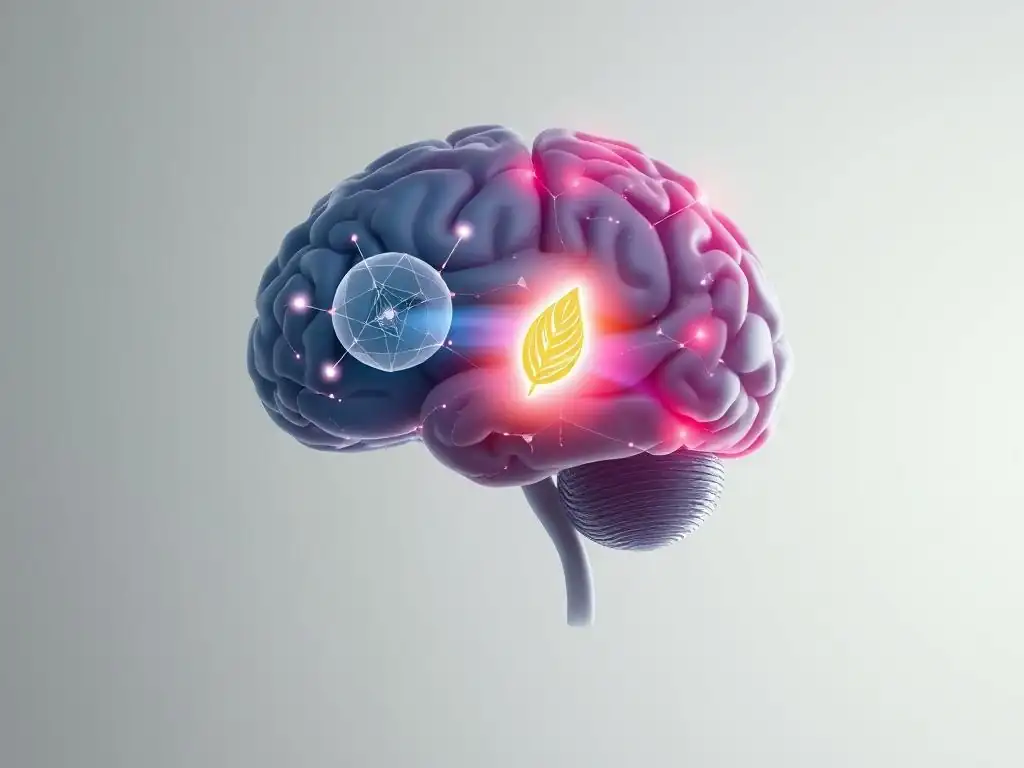
The dorsolateral prefrontal cortex (DLPFC) is located in the upper-outer part of the prefrontal region and is a primary hub for executive functions. It's critically involved in working memory (holding and manipulating information in the mind), planning, problem-solving, and sustained attention. Neuroimaging studies in depressed individuals often reveal reduced gray matter volume and decreased activity in the DLPFC, particularly during cognitive tasks. This hypoactivity is strongly correlated with the severity of cognitive prefrontal cortex depression symptoms.
For instance, when asked to perform tasks requiring working memory, such as remembering a list of items or solving complex puzzles, individuals with depression often show less activation in their DLPFC compared to healthy controls. This neural difference provides a biological explanation for why they report difficulty concentrating, forgetfulness, and struggles with complex thought processes. The impaired function of the DLPFC thus directly contributes to the cognitive suite of prefrontal cortex depression symptoms, making it a key target for therapeutic interventions aimed at improving cognitive function.
Ventromedial Prefrontal Cortex (VMPFC) and Emotional Processing in Depression
Situated in the lower-middle part of the prefrontal cortex, above the orbits of the eyes, the ventromedial prefrontal cortex (VMPFC) plays a significant role in emotional regulation, processing reward and punishment, and making value-based decisions. It's heavily interconnected with limbic structures like the amygdala. In depression, the VMPFC, and its closely related subgenual anterior cingulate cortex (sgACC) component, often show altered activity patterns. Some studies indicate increased resting-state activity in the VMPFC/sgACC in depressed individuals, which has been linked to increased rumination and negative self-referential thought.
Furthermore, while some areas show reduced activity, the balance of connectivity between the VMPFC and other brain regions is also disrupted. For example, there might be excessive connectivity between the VMPFC (involved in processing self and emotion) and the amygdala (involved in fear/threat detection), potentially contributing to heightened anxiety and negative emotional states characteristic of depression. This imbalance in VMPFC function and connectivity contributes significantly to the emotional prefrontal cortex depression symptoms, such as pervasive sadness, guilt, and negative self-worth.
Orbitofrontal Cortex (OFC) and Reward Processing: Anhedonia and Depression
The orbitofrontal cortex (OFC) is located just above the eye sockets and is a key player in processing reward, evaluating the pleasantness of stimuli, and guiding decision-making based on expected outcomes. It helps us learn which actions lead to rewards and adjust our behavior accordingly. A core symptom of depression is anhedonia – the loss of interest or pleasure in activities that were once enjoyable. This symptom is strongly linked to dysfunction in the brain's reward circuits, including the OFC and its connections to areas like the striatum.
Studies have shown altered activity and connectivity in the OFC in individuals experiencing anhedonia. For example, the OFC might show reduced responsiveness to positive stimuli (like winning a small amount of money or seeing pleasant images) or altered processing of anticipated rewards. This diminished ability to experience pleasure or anticipate positive outcomes is a direct manifestation of impaired reward processing pathways involving the OFC, contributing significantly to the constellation of prefrontal cortex depression symptoms related to motivation, interest, and joy.
The Neurochemistry of Depression and the Prefrontal Cortex
Neurotransmitter Imbalances: Serotonin, Dopamine, and Norepinephrine in the PFC
The proper functioning of the prefrontal cortex relies heavily on the balance of key neurotransmitters, including serotonin, dopamine, and norepinephrine. These chemical messengers facilitate communication between neurons and play critical roles in mood, motivation, attention, and cognitive function. In depression, imbalances in these neurotransmitter systems are widely implicated, and these imbalances profoundly affect prefrontal cortex activity. For example, reduced levels or signaling efficiency of serotonin in the PFC can impair its ability to regulate mood and emotional responses.
Dopamine is crucial for reward processing, motivation, and executive functions like working memory and attention, areas heavily dependent on the PFC. Deficits in dopamine signaling in prefrontal circuits are thought to contribute significantly to symptoms like anhedonia, apathy, and cognitive slowing – key prefrontal cortex depression symptoms. Norepinephrine is involved in attention, arousal, and stress response modulation, also impacting PFC function. Antidepressants often target these neurotransmitter systems to restore balance, indirectly or directly influencing prefrontal cortex activity and alleviating many associated symptoms.
The Role of Inflammation in Prefrontal Cortex Dysfunction and Depression
Emerging research highlights the role of neuroinflammation – inflammation within the brain – in the development and maintenance of depression and its associated prefrontal cortex dysfunction. Chronic low-grade inflammation in the body can lead to the release of inflammatory molecules (cytokines) that cross the blood-brain barrier and affect brain function. These cytokines can disrupt neurotransmitter metabolism (like serotonin and dopamine), impair synaptic plasticity (the ability of connections between neurons to change), and even reduce neurogenesis (the birth of new neurons), particularly in areas like the prefrontal cortex and hippocampus.
Studies have shown elevated inflammatory markers in the blood and cerebrospinal fluid of individuals with depression. This inflammation can directly impair the function of glial cells (support cells in the brain) and neurons in the PFC, leading to the observed reductions in activity and structural changes. This inflammatory process may contribute to the cognitive deficits and emotional dysregulation seen in depression, adding another layer to the complex biological basis of prefrontal cortex depression symptoms. Understanding this link opens new avenues for potential treatments targeting inflammation.
Identifying Prefrontal Cortex Depression Symptoms: A Comprehensive Checklist
Recognizing the signs of prefrontal cortex dysfunction in depression is crucial for seeking appropriate help and management strategies. These symptoms often overlap with general depression symptoms but specifically point to difficulties with "executive" functions. While a formal diagnosis requires evaluation by a mental health professional, being aware of these signs can be empowering. Below are checklists categorizing common prefrontal cortex depression symptoms.
It's important to remember that experiencing some of these occasionally doesn't necessarily mean you have depression or PFC dysfunction. However, if several of these symptoms are persistent, significantly impact your daily life, and occur alongside other core depression symptoms (like persistent low mood or loss of pleasure), it warrants professional attention.
Cognitive Symptoms Checklist: Memory, Attention, and Problem-Solving
These symptoms relate to how you think, focus, and process information. They are some of the most prominent prefrontal cortex depression symptoms and often reflect DLPFC dysfunction.
-
- [ ] Difficulty concentrating or maintaining focus on tasks (e.g., reading, conversations, work).
-
- [ ] Problems with short-term memory (working memory), such as forgetting what you were just doing or saying.
-
- [ ] Feeling like your thinking is slow or "foggy."
-
- [ ] Difficulty making decisions, even simple ones.
-
- [ ] Struggling with problem-solving or finding solutions to issues that you could handle before.
-
- [ ] Trouble planning or organizing tasks, leading to procrastination or feeling overwhelmed.
-
- [ ] Making more mistakes than usual at work or in daily activities.
-
- [ ] Feeling mentally fatigued after relatively short periods of cognitive effort.
Emotional Symptoms Checklist: Apathy, Irritability, and Emotional Blunting
While depression is fundamentally a mood disorder, specific emotional changes linked to PFC dysfunction include altered emotional reactivity and regulation, often tied to VMPFC and OFC function. These are also considered prefrontal cortex depression symptoms.
-
- [ ] Apathy: A lack of feeling or emotion, particularly regarding things that used to evoke a strong response.
-
- [ ] Emotional blunting: Feeling numb or unable to experience a full range of emotions (both positive and negative).
-
- [ ] Increased irritability or frustration, especially when faced with challenges or cognitive demands.
-
- [ ] Reduced emotional responsiveness to positive events (anhedonia).
-
- [ ] Difficulty empathizing with others or understanding their emotional states.
-
- [ ] Feeling emotionally overwhelmed more easily than before.
These behavioral changes are often a consequence of the cognitive and emotional deficits stemming from PFC dysfunction. They represent observable prefrontal cortex depression symptoms in daily behavior.
-
- [ ] Social withdrawal: Avoiding social interactions or finding them too mentally taxing.
-
- [ ] Loss of motivation: Difficulty initiating or following through on activities, even those you once enjoyed.
-
- [ ] Procrastination: Delaying starting tasks due to feeling overwhelmed or lacking the mental energy to plan.
-
- [ ] Decreased productivity at work or school.
-
- [ ] Neglecting personal hygiene or household responsibilities.
-
- [ ] Difficulty adapting to changes or unexpected situations.
-
- [ ] Impulsivity or poor judgment in certain situations (though sometimes reduced impulsivity is seen due to overall slowing).
Treatment Strategies for Prefrontal Cortex Dysfunction in Depression
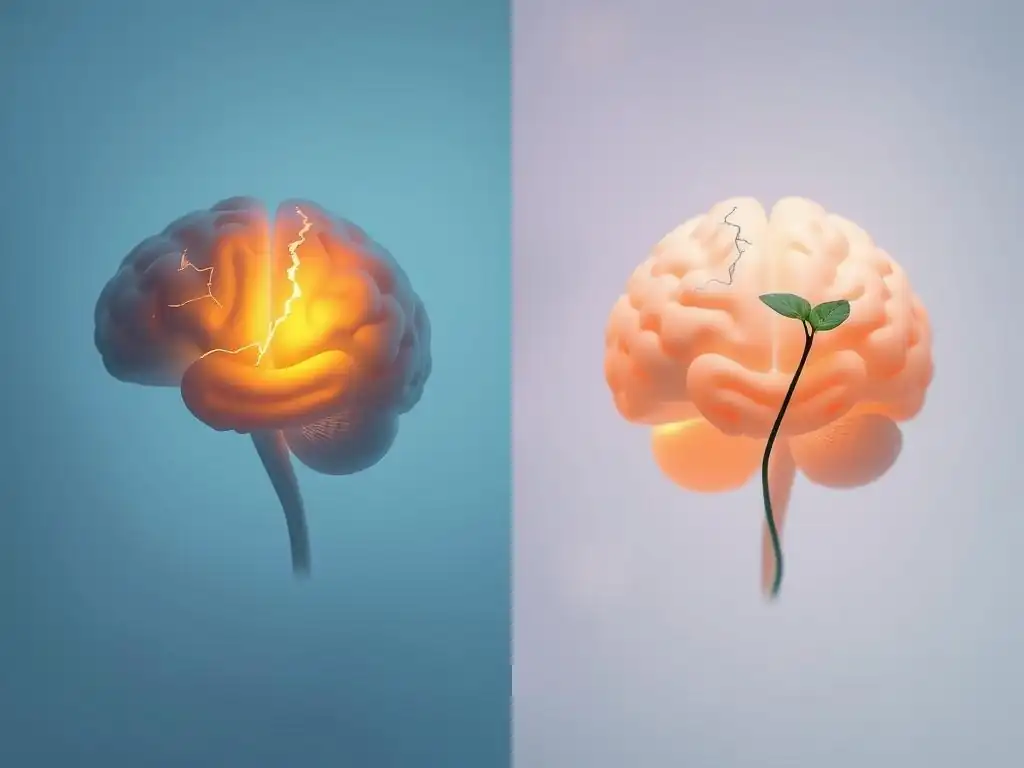
Addressing prefrontal cortex dysfunction is an implicit goal of many depression treatments, even if they don't explicitly target the PFC by name. Effective treatment strategies aim to restore neurotransmitter balance, improve neural connectivity, and potentially promote neuroplasticity in affected areas. A multi-faceted approach often yields the best results, combining pharmacological, psychological, and lifestyle interventions. Targeting these underlying neural issues is key to alleviating the cognitive and emotional prefrontal cortex depression symptoms.
It's crucial to work with a qualified mental health professional to develop a personalized treatment plan. What works for one person may not work for another, and treatment effectiveness often involves trial and error. Consistency and patience are vital throughout the treatment process aimed at improving prefrontal cortex function.
Pharmaceutical Interventions: Antidepressants Targeting Prefrontal Cortex Activity
Antidepressants, particularly selective serotonin reuptake inhibitors (SSRIs), serotonin-norepinephrine reuptake inhibitors (SNRIs), and norepinephrine-dopamine reuptake inhibitors (NDRIs), are frontline treatments for depression. While their primary action is on neurotransmitter levels in the synapse, this ultimately influences neural activity throughout the brain, including the prefrontal cortex. By increasing the availability of serotonin, norepinephrine, and/or dopamine, these medications can help modulate activity in prefrontal circuits, potentially improving mood, motivation, and cognitive function.
For example, SSRIs primarily affect serotonin, which is important for mood regulation and has modulatory effects on PFC neurons. SNRIs affect both serotonin and norepinephrine, which is particularly relevant for attention and executive functions mediated by the PFC. NDRIs like bupropion primarily affect dopamine and norepinephrine, and are often used when anhedonia and lack of motivation (symptoms closely linked to PFC reward circuits) are prominent prefrontal cortex depression symptoms. While not a direct "PFC pill," these medications work by correcting neurochemical imbalances that contribute to PFC dysfunction.
Cognitive Behavioral Therapy (CBT) and Prefrontal Cortex Rehabilitation
Cognitive Behavioral Therapy (CBT) is a psychotherapy approach that helps individuals identify and change negative thought patterns and behaviors contributing to their depression. While seemingly focused on thoughts and behaviors, CBT has been shown in neuroimaging studies to influence brain activity, including in the prefrontal cortex. By teaching coping strategies, problem-solving skills, and techniques for challenging distorted thinking, CBT can help individuals exercise and strengthen their executive functions.
Through repeated practice of CBT techniques, such as behavioral activation (scheduling enjoyable activities to combat anhedonia) or cognitive restructuring (identifying and challenging negative self-talk), individuals essentially train their brains to engage prefrontal circuits more effectively. This process can be viewed as a form of "prefrontal cortex rehabilitation," helping to improve decision-making, planning, and emotional regulation. Studies have shown that successful CBT treatment is associated with normalization of activity in areas like the DLPFC and VMPFC, suggesting it can directly address the neural basis of prefrontal cortex depression symptoms.
Transcranial Magnetic Stimulation (TMS) for Depression: Targeting the DLPFC
Transcranial Magnetic Stimulation (TMS) is a non-invasive brain stimulation technique approved for the treatment of major depression, particularly when other treatments haven't been fully effective. TMS involves placing an electromagnetic coil on the scalp, typically over the left dorsolateral prefrontal cortex (DLPFC). The coil delivers magnetic pulses that generate small electrical currents in the underlying brain tissue, stimulating neural activity in that region.
Given that hypoactivity in the DLPFC is a common finding in depression and contributes to many prefrontal cortex depression symptoms like cognitive deficits, TMS is specifically designed to increase activity in this underactive area. A typical course of TMS treatment involves daily sessions over several weeks. Clinical trials have demonstrated that TMS can lead to significant improvements in mood and, in some cases, cognitive function in individuals with depression, providing direct evidence that modulating DLPFC activity can alleviate symptoms.
Lifestyle Changes to Support Prefrontal Cortex Health: Diet, Exercise, and Sleep
Lifestyle factors have a profound impact on brain health and can significantly influence prefrontal cortex function. Adopting healthy habits related to diet, exercise, and sleep can be powerful complementary strategies for managing depression and improving prefrontal cortex depression symptoms.
Regular physical exercise has been shown to increase blood flow to the brain, promote the release of neurotrophic factors (like BDNF, Brain-Derived Neurotrophic Factor) that support neuron growth and survival, and improve neurotransmitter balance – all of which benefit the PFC. Aiming for at least 150 minutes of moderate-intensity aerobic exercise per week, as recommended by health guidelines, can have positive effects.
A balanced diet rich in omega-3 fatty acids, antioxidants, vitamins, and minerals supports overall brain health. For instance, omega-3s are building blocks for brain cells, and antioxidants protect neurons from damage. Conversely, diets high in processed foods and sugar can promote inflammation, which, as mentioned earlier, negatively impacts the PFC. Prioritizing sufficient, quality sleep (typically 7-9 hours per night for adults) is also critical, as sleep deprivation impairs prefrontal cortex functions like attention, decision-making, and emotional regulation. Incorporating these lifestyle changes can create a supportive environment for prefrontal cortex recovery and resilience.
The Future of Prefrontal Cortex Research in Depression Treatment
Research into the prefrontal cortex's role in depression is an active and rapidly evolving field, promising more targeted and effective treatments in the future. Scientists are continuously refining our understanding of the specific circuits and mechanisms involved, which is paving the way for innovative therapeutic approaches. The focus is increasingly on understanding individual differences in brain structure and function to personalize treatment strategies.
Future directions in research and treatment aim to move beyond broad interventions to highly specific methods that can precisely modulate activity in dysfunctional prefrontal circuits. This includes exploring novel brain stimulation techniques, developing pharmaceuticals that target specific neural pathways within the PFC, and leveraging technology like neurofeedback to help individuals gain control over their own brain activity patterns.
Emerging Therapies: Neurofeedback and Novel Pharmacological Approaches
Neurofeedback is an emerging therapy that allows individuals to see their brain activity in real-time (often using EEG or fMRI) and learn to regulate it. For individuals with depression showing hypoactivity in the DLPFC, for example, neurofeedback training could involve learning techniques to increase activity in that specific region. While still largely experimental for depression targeting the PFC, this approach holds promise for directly addressing the neural underpinnings of prefrontal cortex depression symptoms by empowering individuals to modify their own brain function.
Simultaneously, pharmaceutical research is exploring novel compounds that go beyond the traditional monoamine neurotransmitters. This includes drugs that target glutamate, a major excitatory neurotransmitter involved in synaptic plasticity, or inflammatory pathways, as discussed earlier. Developing medications that can specifically enhance cognitive function or emotional regulation by acting on precise receptors or pathways within the PFC could offer more targeted relief for the diverse range of prefrontal cortex depression symptoms.
Personalized Medicine: Tailoring Treatments to Individual Prefrontal Cortex Profiles
One of the biggest challenges in treating depression is predicting who will respond best to which treatment. Research into the prefrontal cortex is moving towards a personalized medicine approach. Using neuroimaging techniques, researchers are trying to identify specific patterns of prefrontal cortex activity or connectivity that characterize different subtypes of depression or predict treatment response. For example, studies might investigate whether individuals with pronounced DLPFC hypoactivity respond better to TMS targeting that region, or if those with specific VMPFC/sgACC activity patterns are more likely to benefit from certain types of psychotherapy or medication.
The goal is to use an individual's unique "prefrontal cortex profile" – perhaps identified through fMRI scans or EEG patterns – to guide treatment selection. This could involve choosing a specific antidepressant, recommending a particular type of therapy, or opting for brain stimulation techniques based on objective neural markers. This tailored approach based on the underlying neurobiology, including specific prefrontal cortex depression symptoms and their neural correlates, holds the potential to significantly improve treatment outcomes and reduce the trial-and-error process that many individuals with depression currently face.
Living with Prefrontal Cortex Dysfunction and Depression: Support and Resources
Coping with depression, especially when it involves significant prefrontal cortex dysfunction and the resulting executive function deficits, can be incredibly challenging. Everyday tasks may feel overwhelming, and the ability to plan, focus, and stay motivated can be severely impaired. However, it's important to know that you are not alone and that strategies and support are available to help manage these difficulties and improve your quality of life.
Living with prefrontal cortex depression symptoms requires patience and often adapting how you approach daily activities. It's about finding practical strategies to compensate for executive function challenges while also pursuing treatment that addresses the underlying depression and brain dysfunction. Building a strong support system and accessing professional help are critical steps on the path to recovery and better management of these symptoms.
Coping Strategies for Managing Executive Function Challenges
Managing executive function deficits linked to prefrontal cortex dysfunction often involves implementing structure and external aids to compensate for internal organizational difficulties. Breaking down large tasks into smaller, manageable steps can make them less overwhelming. Using calendars, planners, reminder apps, or to-do lists can help with memory and organization. Setting specific times for tasks and minimizing distractions during those times can improve focus.
Prioritizing tasks and being realistic about what you can accomplish in a day is also crucial. Don't aim for perfection; aim for progress. Externalizing tasks – writing things down instead of trying to remember them, using checklists – can free up working memory. For decision-making difficulties, try limiting options or using simple pros and cons lists. Patience with yourself is key; acknowledge that these are genuine prefrontal cortex depression symptoms and not a personal failing. Celebrate small victories and be gentle when things don't go according to plan.
Seeking Professional Help: Finding a Therapist or Psychiatrist Specializing in Depression and Cognitive Issues
If you suspect you are experiencing prefrontal cortex depression symptoms or any other signs of depression, seeking professional help is the most important step. A mental health professional can provide an accurate diagnosis, assess the severity of your symptoms, and recommend appropriate treatment. Look for therapists (psychologists, licensed counselors) or psychiatrists who have experience treating depression and are knowledgeable about cognitive symptoms and executive dysfunction.
Psychiatrists can evaluate whether medication might be beneficial, potentially prescribing antidepressants that can help restore neurochemical balance affecting prefrontal function. Therapists can provide evidence-based psychotherapies like CBT or other approaches that teach coping skills and address underlying thought patterns. Don't hesitate to ask potential providers about their experience with patients who have cognitive challenges related to depression. Finding a good fit with a provider is essential for successful treatment.
Support Groups and Online Communities for Individuals with Depression and Executive Dysfunction
Connecting with others who understand what you're going through can provide invaluable emotional support and practical advice. Support groups, whether in-person or online, offer a space to share experiences, challenges, and coping strategies with peers facing similar difficulties, including prefrontal cortex depression symptoms. Hearing how others manage their executive function deficits, navigate treatment options, or cope with the emotional toll of depression can be incredibly validating and empowering.
Many organizations dedicated to mental health offer resources, forums, and support group directories. Online communities can be accessed anytime and anywhere, providing a sense of connection and reducing feelings of isolation. While these groups are not a substitute for professional medical treatment, they can be a vital component of a comprehensive support system, offering encouragement, reducing stigma, and providing a sense of belonging to those living with depression and its impact on the prefrontal cortex.
Frequently Asked Questions
What is the role of the prefrontal cortex (PFC) and how does it relate to mental well-being?
The PFC is your brain's executive function center, responsible for planning, decision-making, and emotional regulation. It plays a crucial role in maintaining overall mental well-being.
What are some common depression symptoms directly linked to prefrontal cortex dysfunction?
Symptoms often include difficulty concentrating, impaired decision-making, and a noticeable decline in motivation. Changes in emotional regulation can also be observed.
How does depression specifically impact the prefrontal cortex?
Depression can lead to reduced activity and even structural changes within the PFC. This disruption impacts its ability to effectively manage cognitive and emotional processes.
What treatments or therapies can help improve prefrontal cortex function in individuals with depression?
Therapies like Cognitive Behavioral Therapy (CBT) and Transcranial Magnetic Stimulation (TMS) can help restore functionality and improve connectivity in the PFC. Medication may also play a supportive role.
Where can I find resources for understanding and managing prefrontal cortex depression symptoms?
Websites like Mind Care Guide offer information, support, and resources. Consulting with a qualified mental health professional is also strongly recommended for personalized guidance.
Final Reflection: The CEO's Struggle – Understanding Depression's Neural Roots
The prefrontal cortex, our brain's executive control center, is not immune to the debilitating effects of depression; understanding this crucial connection is paramount to developing effective treatments and fostering compassion. The intricate relationship between this vital brain region and the pervasive symptoms of depression highlights the urgent need for continued research and a shift towards a more holistic understanding of mental illness. This isn't just about neurotransmitters; it's about the very architecture of our decision-making, planning, and emotional regulation.
The impact of depression on the prefrontal cortex is profound and far-reaching, affecting not only an individual's mental well-being but also their social interactions, professional life, and overall quality of life. It's a struggle that touches countless lives, leaving individuals feeling isolated and misunderstood. The mind is its own place, and in itself can make a Heaven of Hell, a Hell of Heaven.
– John Milton. This quote, while not directly about depression, speaks to the internal struggle that those affected experience, a struggle deeply rooted in the malfunctioning of the prefrontal cortex. The ongoing research into this connection offers hope for more targeted interventions and a greater understanding of the complex interplay between brain function and mental health.
Now, consider your own life. Think about the moments when you've struggled with decision-making, felt overwhelmed by negative emotions, or experienced a lack of motivation. These experiences, while perhaps not indicative of clinical depression, offer a glimpse into the crucial role the prefrontal cortex plays in our daily lives.
Take this knowledge as a starting point for self-compassion and a deeper understanding of mental health. Seek support if you need it, and remember that understanding the biological underpinnings of depression can empower you to navigate its challenges with greater awareness and resilience. Let's continue to unravel the mysteries of the brain and, in doing so, foster a more compassionate and informed approach to mental well-being.
Unlock Your Brain's Potential: Take Charge of Your Mental Wellbeing
Thanks for taking the time to explore the fascinating world of the prefrontal cortex and its connection to depression! We hope you gained valuable insights into this crucial part of your brain and its role in your mental health. Now it's time to put that knowledge to work.
- Prioritize mindfulness practices: Even 5 minutes a day of focused breathing or meditation can significantly impact your prefrontal cortex's function and resilience. This is your primary action to improve focus and emotional regulation.
- Share this article with someone who might benefit: Knowledge is power, and helping others understand the brain-depression connection can make a significant difference.
- Explore additional resources: Search MindCareGuide.org for more articles on stress management and brain health techniques.
What small step will you take today to nurture your prefrontal cortex and enhance your mental wellbeing?