
Is Your PFC Underperforming? Understanding Executive Dysfunction in Depression


Welcome to Mind Care Guide, a sanctuary for understanding and nurturing your mental well-being. Are you struggling with focus, planning, or decision-making, especially alongside depression? You're not alone. This article delves into executive dysfunction – a common yet often overlooked aspect of depression – and explores practical executive dysfunction depression treatment strategies that can help you reclaim control and find clarity. Curious to learn how your brain's frontal lobe plays a role? Let's unlock the science and discover pathways to a more focused and fulfilling life.
Is Your Executive Function Underperforming? Understanding Executive Dysfunction in Depression
- Mind Care Guide: Navigating Executive Dysfunction in Depression
- What is Executive Dysfunction in Depression?
- The Prefrontal Cortex (PFC) and Depression: A Closer Look
- Diagnosing Executive Dysfunction in Depression
- Treatment Strategies for Executive Dysfunction in Depression: A Comprehensive Overview
- Practical Strategies for Managing Executive Dysfunction in Daily Life
- Long-Term Outlook and Recovery from Executive Dysfunction in Depression
- Resources for Individuals and Families Affected by Executive Dysfunction and Depression
-
Frequently Asked Questions
- What exactly is executive dysfunction in the context of depression?
- How does depression specifically impact the Prefrontal Cortex (PFC) and contribute to executive dysfunction?
- What are some common symptoms of executive dysfunction that someone with depression might experience?
- What are some common treatment strategies for executive dysfunction related to depression?
- Where can I find more resources and support for managing executive dysfunction related to depression, besides this article?
- Final Reflection: Reclaiming Your Executive Function: Hope and Action for Depression
- Reclaim Your Focus: Next Steps to Managing Executive Dysfunction
Neuroscience of Mental Health: Prefrontal Cortex and Executive Function
The field of neuroscience has made significant strides in understanding the complex interplay between brain function and mental health conditions like depression. At the core of many cognitive processes, including executive function, lies the prefrontal cortex (PFC). This region, located at the front of the brain, acts like the brain's command center, orchestrating planning, decision-making, working memory, and behavioral regulation. Its intricate network of connections allows us to set goals, manage time, and adapt our behavior to changing circumstances – skills collectively known as executive functions.
Research in neuroscience consistently points to the PFC's critical role in mood regulation and cognitive processing. Disruptions in the structure or activity of different subregions within the PFC are frequently observed in individuals experiencing depression. These disruptions can manifest not only as changes in mood but also as noticeable difficulties with executive functions, impacting a person's ability to perform daily tasks and maintain their quality of life. Understanding the neural basis of these difficulties is the first step towards developing effective strategies for managing executive dysfunction in depression.
What is Executive Dysfunction in Depression?
Defining Executive Function and Its Role in Daily Life
Executive function refers to a set of higher-level cognitive processes controlled primarily by the prefrontal cortex. These functions are essential for goal-directed behavior and include capabilities such as planning, organizing, prioritizing, initiating tasks, shifting between activities, inhibiting impulses, and regulating emotions. Essentially, executive functions are the cognitive tools we use to manage ourselves and our resources to achieve a goal.
In daily life, strong executive function is vital for everything from simple tasks like getting ready in the morning or following a recipe, to more complex activities like managing a budget, meeting deadlines at work, or navigating social situations effectively. When executive functions are working well, we can easily initiate tasks, stay focused, solve problems, and adapt when things don't go as planned. Difficulties in these areas, known as executive dysfunction, can significantly impair a person's ability to function independently and successfully in various aspects of life.
The Connection Between Depression and Cognitive Impairment
Depression is widely recognized as a mood disorder, but it frequently involves significant cognitive symptoms that can be just as debilitating as the emotional ones. Studies indicate that a large percentage of individuals with depression, potentially up to 85%, report experiencing cognitive difficulties, with executive dysfunction being particularly common. These cognitive impairments are not merely a byproduct of feeling low energy; they represent a distinct set of challenges related to how the brain processes information and manages tasks.
The relationship between depression and cognitive impairment appears to be bidirectional. Depression can exacerbate existing cognitive weaknesses or induce new ones, while cognitive difficulties like poor problem-solving or impaired decision-making can make it harder to cope with depressive symptoms, potentially prolonging episodes or increasing their severity. Recognizing and addressing these cognitive aspects, especially executive dysfunction, is crucial for comprehensive depression treatment.
Identifying Executive Dysfunction Symptoms in Depressed Individuals
Symptoms of executive dysfunction in depression can vary in severity but often include difficulties with initiation (starting tasks), planning and organization (structuring activities or thoughts), working memory (holding information in mind to complete a task), cognitive flexibility (switching between tasks or adapting to change), and inhibition (controlling impulses or irrelevant thoughts).
- Common signs of executive dysfunction in someone with depression might include:
- Trouble getting started on simple tasks like getting out of bed or doing chores.
- Feeling overwhelmed by multi-step instructions or projects.
- Difficulty managing time or meeting deadlines.
- Struggling to make decisions, even minor ones.
- Forgetting appointments or misplacing items frequently.
- Finding it hard to switch focus from one activity to another.
- Becoming easily distracted or unable to maintain attention.
- Difficulty regulating emotions or controlling impulsive reactions.
These symptoms can profoundly impact a person's ability to function at work, maintain relationships, and manage personal responsibilities, often leading to frustration, decreased self-esteem, and a worsening of depressive symptoms.
The Prefrontal Cortex (PFC) and Depression: A Closer Look
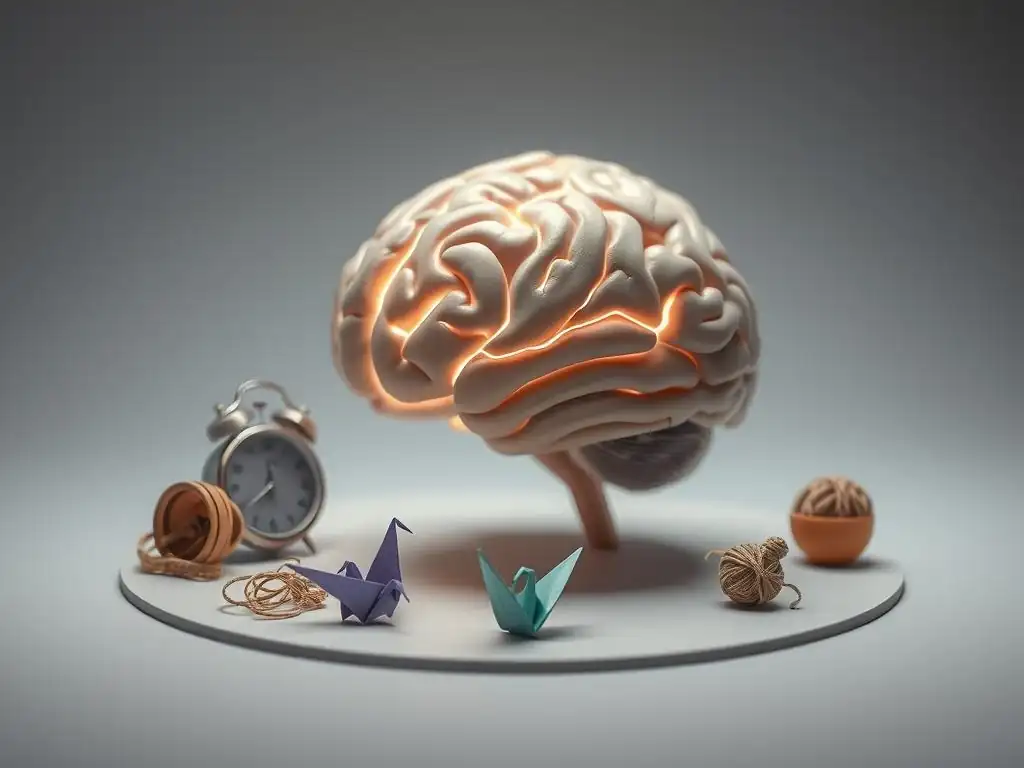
How Depression Impacts PFC Functionality
Depression is associated with complex changes in brain structure and function, particularly within the prefrontal cortex. Research using techniques like fMRI (functional magnetic resonance imaging) and PET (positron emission tomography) has consistently shown altered activity and connectivity in the PFC of individuals with depression compared to healthy individuals. These alterations can include reduced metabolic activity, decreased blood flow, and changes in the volume of gray matter in specific PFC subregions.
These functional and structural changes are believed to underlie many of the cognitive and emotional symptoms of depression, including executive dysfunction. For example, impaired connectivity between the PFC and other brain areas involved in emotion processing, such as the amygdala, may contribute to difficulties in regulating mood and responding appropriately to emotional stimuli. Similarly, altered activity within the PFC itself can directly impact the neural circuits responsible for planning, decision-making, and working memory, leading to observable executive function deficits.
Neuroimaging Studies: PFC Activity in Individuals with Depression and Executive Dysfunction
Numerous neuroimaging studies have investigated PFC activity in the context of depression and executive dysfunction. For instance, fMRI studies examining brain activity during cognitive tasks often reveal reduced activation in the dorsolateral prefrontal cortex (dlPFC) in depressed patients, particularly during tasks requiring working memory, planning, or cognitive control. One meta-analysis pooling data from multiple studies found consistent hypoactivity in the dlPFC during executive tasks in depressed populations.
Other studies have focused on resting-state connectivity, showing disrupted networks involving the PFC in depression. For example, altered connectivity within the default mode network (DMN), which includes parts of the medial PFC and is typically active when the mind is wandering, has been observed. Furthermore, connectivity between the DMN and task-positive networks (which include the dlPFC) is often abnormal in depression, potentially contributing to difficulties in disengaging from internal rumination to focus on external tasks – a core aspect of executive dysfunction.
Specific PFC Areas Affected by Depression (e.g., Dorsolateral PFC, Ventromedial PFC)
While the entire PFC is involved in executive functions, specific subregions appear to be particularly affected in depression and contribute to executive dysfunction. The dorsolateral prefrontal cortex (dlPFC) is strongly implicated in "cold" cognitive functions like working memory, planning, and problem-solving. Reduced activity or volume in the dlPFC is a common finding in depressed individuals with significant executive dysfunction. This aligns with the observed difficulties in organizing tasks, maintaining focus, and planning future actions.
Another key area is the ventromedial prefrontal cortex (vmPFC), which plays a crucial role in "hot" cognitive functions, including decision-making based on emotional value, reward processing, and social cognition. While the vmPFC is often associated more with emotional symptoms like anhedonia (loss of pleasure) and altered self-perception in depression, its dysfunction can also impact executive functions related to value-based decision-making and goal selection. The orbitofrontal cortex (OFC), a part of the vmPFC, is involved in evaluating outcomes and flexible behavior, and its dysregulation in depression can contribute to impaired decision-making and difficulty adapting to changed circumstances.
Diagnosing Executive Dysfunction in Depression
Cognitive Assessments and Neuropsychological Testing for Executive Function
Diagnosing executive dysfunction in the context of depression typically involves a combination of clinical evaluation and formal cognitive assessments. Neuropsychological testing is the gold standard for objectively measuring specific cognitive abilities, including various components of executive function. These tests are administered by trained neuropsychologists and can help differentiate between cognitive deficits related to depression and those caused by other conditions.
Common tests used to assess executive function include the Wisconsin Card Sorting Test (WCST), which measures cognitive flexibility and rule learning; the Stroop Test, which assesses inhibitory control and selective attention; tests of verbal and non-verbal fluency, measuring the ability to generate responses based on criteria; and various planning and problem-solving tasks like the Tower of London or Maze tests. Performance on these tests provides quantitative data that can highlight specific areas of executive difficulty, such as impaired planning, poor inhibition, or reduced cognitive flexibility, offering valuable insights for tailoring executive dysfunction depression treatment strategies.
Distinguishing Executive Dysfunction from General Depression Symptoms
It is important to differentiate symptoms of executive dysfunction from the general fatigue, lack of motivation, and concentration difficulties that are core symptoms of depression. While there is overlap, executive dysfunction refers to specific deficits in the processes of planning, organizing, initiating, etc., rather than just a general feeling of being slowed down or unable to concentrate.
For example, a person with general depression might struggle to concentrate on reading a book due to low energy and pervasive sadness. A person with significant executive dysfunction in depression might also struggle to concentrate, but specifically because they cannot initiate the task of reading, organize their thoughts about the content, or inhibit distracting thoughts, even if they want to read. Neuropsychological testing helps clarify these specific cognitive deficits by measuring performance on tasks requiring these distinct executive skills, providing a clearer picture beyond subjective reports of fatigue or poor concentration.
When to Seek Professional Help for Executive Dysfunction and Depression
If you or someone you know is experiencing symptoms of depression accompanied by noticeable difficulties with planning, organizing, decision-making, or completing tasks, it is important to seek professional help. These cognitive challenges can significantly impact daily functioning and quality of life.
Consulting with a mental health professional, such as a psychiatrist, psychologist, or licensed therapist, is the first step. They can conduct a thorough evaluation to diagnose depression and assess the severity of any co-occurring executive dysfunction. Based on this assessment, they can recommend appropriate executive dysfunction depression treatment strategies, which may include medication, therapy, and cognitive interventions. Addressing both the mood and cognitive aspects of depression is essential for a more complete recovery and improved long-term functioning.
Treatment Strategies for Executive Dysfunction in Depression: A Comprehensive Overview
Developing effective executive dysfunction depression treatment strategies requires a multifaceted approach that targets both the underlying depression and the specific cognitive deficits. Treatment typically involves a combination of pharmaceutical interventions, various forms of therapy, and lifestyle modifications. The goal is not only to alleviate depressive symptoms but also to improve cognitive function and equip individuals with practical skills to manage daily challenges.
Pharmaceutical Interventions for Depression and Cognitive Symptoms
Medications are a cornerstone of depression treatment and can indirectly or directly impact executive function. The choice of medication depends on the individual's specific symptoms, medical history, and response to treatment.
Antidepressants and Their Impact on Executive Function
Antidepressants, particularly selective serotonin reuptake inhibitors (SSRIs), serotonin-norepinephrine reuptake inhibitors (SNRIs), and atypical antidepressants, are the most commonly prescribed medications for depression. While their primary action is on mood, many individuals report improvements in cognitive symptoms, including concentration and motivation, as their depression lifts. Some antidepressants, like SNRIs (e.g., venlafaxine, duloxetine) which affect both serotonin and norepinephrine, might have a more direct positive impact on cognitive function, as norepinephrine is involved in attention and executive control.
However, the effect of antidepressants on executive function can vary. For some individuals, cognitive improvements are a direct result of reduced depressive severity. For others, particularly those with more pronounced baseline executive dysfunction, residual cognitive deficits may persist even after mood symptoms improve. Research continues to explore the precise mechanisms by which different classes of antidepressants influence cognitive circuits, including those in the prefrontal cortex.
Considerations for Stimulant and Non-Stimulant Medications
In cases where executive dysfunction is particularly severe and persistent despite adequate antidepressant treatment, or when there is a co-occurring condition like ADHD, healthcare providers might consider other medications. Stimulants, such as methylphenidate or amphetamines, are sometimes used off-label or in specific clinical contexts to target symptoms like poor focus, initiation difficulties, and fatigue, which overlap with executive dysfunction. These medications primarily affect dopamine and norepinephrine systems, neurotransmitters known to play a role in executive function.
Non-stimulant medications, like atomoxetine or modafinil, may also be considered. Atomoxetine, an NRI, can improve attention and executive control. Modafinil, a wakefulness-promoting agent, has shown some promise in improving cognitive performance in certain populations. However, the use of these medications for executive dysfunction specifically in depression requires careful consideration, weighing potential benefits against side effects and interactions. These are typically not first-line treatments and are used cautiously, often under the guidance of a specialist, as part of comprehensive executive dysfunction depression treatment strategies.
Therapeutic Approaches for Improving Executive Function in Depression
Psychological therapies offer essential tools and strategies for managing executive dysfunction in depression. These therapies can help individuals develop skills to compensate for cognitive deficits, improve their awareness of difficulties, and learn new ways of approaching tasks.
Cognitive Remediation Therapy (CRT) for Executive Dysfunction
Cognitive Remediation Therapy (CRT) is a therapeutic approach specifically designed to improve cognitive skills through structured exercises and practices. It targets various cognitive domains, including attention, memory, and executive functions. CRT programs often involve computer-based training exercises, group activities, and therapist-led sessions focused on improving cognitive processes.
For individuals with executive dysfunction in depression, CRT might involve tasks designed to improve planning, working memory, or cognitive flexibility. The exercises are often tailored to the individual's specific deficits and gradually increase in difficulty. The goal is not just to improve performance on the exercises themselves, but to generalize these improvements to real-life situations. Studies have shown that CRT can lead to modest but significant improvements in cognitive function in individuals with various conditions, including depression and other psychiatric disorders.
Metacognitive Therapy (MCT) for Improving Cognitive Awareness
Metacognitive Therapy (MCT) focuses on changing dysfunctional metacognitive beliefs and processes – that is, beliefs about thinking itself and strategies used to control thinking. In the context of executive dysfunction, MCT can help individuals become more aware of their cognitive difficulties (e.g., recognizing when they are having trouble focusing or planning) and develop more effective strategies for managing them.
MCT addresses processes like excessive worry and rumination, which are common in depression and can significantly impair executive function. By helping individuals gain distance from these thought patterns and teaching them to disengage from unhelpful thinking styles, MCT can free up cognitive resources and improve executive control. This therapy empowers individuals to become better managers of their own cognitive processes, which is a key aspect of overcoming executive dysfunction.
Problem-Solving Therapy (PST) for Enhancing Executive Skills
Problem-Solving Therapy (PST) is a structured cognitive-behavioral intervention that teaches individuals a systematic approach to dealing with life's problems. Since executive dysfunction often manifests as difficulty with problem-solving and decision-making, PST can be a highly relevant therapeutic approach within executive dysfunction depression treatment strategies.
PST involves several steps: defining the problem, brainstorming possible solutions, evaluating the pros and cons of each solution, selecting the best solution, implementing it, and evaluating the outcome. By working through these steps with a therapist, individuals can improve their planning, decision-making, and organizational skills in a practical, applied context. This therapy helps individuals break down overwhelming problems into manageable parts and develop confidence in their ability to tackle challenges, directly addressing core deficits associated with executive dysfunction.
Lifestyle Modifications to Support Executive Function Recovery
Beyond medication and formal therapy, several lifestyle factors play a significant role in brain health and can support the recovery of executive function in individuals with depression.
The Role of Diet and Exercise in Brain Health
Nutrition and physical activity are increasingly recognized for their impact on cognitive function. A balanced diet rich in omega-3 fatty acids, antioxidants, vitamins, and minerals supports overall brain health and neurotransmitter function. Foods like fatty fish, fruits, vegetables, nuts, and whole grains are particularly beneficial. Avoiding processed foods, excessive sugar, and unhealthy fats can help reduce inflammation and support cognitive vitality.
Regular physical exercise has been shown to have profound positive effects on brain structure and function. Aerobic exercise increases blood flow to the brain, promotes the growth of new neurons (neurogenesis), and enhances the production of neurotrophic factors like BDNF (Brain-Derived Neurotrophic Factor), which supports neuron survival and synaptic plasticity. Studies suggest that consistent exercise can improve executive functions, memory, and attention, making it a valuable component of executive dysfunction depression treatment strategies. Aiming for at least 150 minutes of moderate-intensity aerobic exercise per week is a common recommendation.
Sleep Hygiene and Its Impact on Cognitive Performance
Adequate and quality sleep is crucial for cognitive function, including executive processes. During sleep, the brain consolidates memories, clears metabolic waste products, and restores neurotransmitter systems. Chronic sleep deprivation or poor sleep quality, both common in depression, can significantly impair attention, working memory, decision-making, and emotional regulation.
Establishing good sleep hygiene is essential. This includes maintaining a consistent sleep schedule, creating a relaxing bedtime routine, ensuring a dark, quiet, and cool sleep environment, and avoiding caffeine, alcohol, and screens before bed. Improving sleep quality can directly lead to improvements in alertness, concentration, and overall executive function, contributing positively to managing executive dysfunction in depression.
Stress Management Techniques for Reducing Cognitive Load
High levels of stress can impair prefrontal cortex function and exacerbate executive dysfunction. Chronic stress can flood the brain with cortisol, a stress hormone that, in excess, can damage neurons and disrupt neural circuits involved in executive control and memory. Learning effective stress management techniques is therefore vital.
Techniques such as mindfulness meditation, deep breathing exercises, yoga, progressive muscle relaxation, and engaging in enjoyable hobbies can help lower stress levels and improve resilience. By reducing the cognitive load imposed by stress and anxiety, these practices can free up mental resources, allowing the prefrontal cortex to function more effectively and supporting the recovery of executive function. Integrating stress management into daily routines is a key element of comprehensive executive dysfunction depression treatment strategies.
Practical Strategies for Managing Executive Dysfunction in Daily Life

While pursuing formal treatment, individuals can also implement practical strategies to help manage the day-to-day challenges posed by executive dysfunction. These techniques focus on compensating for difficulties and building structure.
Implementing Organizational Techniques and Time Management Skills
Executive dysfunction often makes organization and time management difficult. Implementing simple systems can help.
- Use planners, calendars (digital or physical), and to-do lists to keep track of appointments and tasks.
- Prioritize tasks using methods like the Eisenhower Matrix (Urgent/Important) or simply numbering tasks 1-3 for the day.
- Set specific times for tasks and try to stick to them (time blocking).
- Keep workspaces and living areas tidy to reduce visual clutter and make it easier to find things.
- Use filing systems or designated spots for important items like keys, wallet, and phone.
These external aids and structured approaches reduce the cognitive load required for planning and organization, making it easier to initiate and complete tasks despite executive difficulties.
Breaking Down Tasks into Smaller, More Manageable Steps
Large or complex tasks can feel overwhelming when executive function is impaired. Breaking them down into smaller, more achievable steps makes them less daunting and provides opportunities for small successes.
- For example, instead of "Clean the house," break it into "Clean the kitchen," then "Wash dishes," "Wipe counters," "Sweep floor."
- Write down each small step.
- Focus on completing just one step at a time.
- Check off steps as they are completed to track progress and feel a sense of accomplishment.
This strategy leverages the power of momentum and reduces the burden on planning and initiation functions by making the goal feel less distant and more attainable.
Utilizing Assistive Technology and External Aids
Various technologies and simple external aids can significantly assist individuals with executive dysfunction.
- Smartphone apps: Use reminder apps, task managers (e.g., Todoist, Microsoft To Do), calendar apps with alerts, and note-taking apps.
- Timers: Use timers for time blocking, Pomodoro technique (work for a set time, then take a break), or to limit time spent on distracting activities.
- Checklists: Create simple checklists for routine tasks (e.g., morning routine, packing for work) to ensure all steps are completed.
- Visual cues: Use sticky notes, whiteboards, or visual schedules to remember tasks or steps.
- Noise-canceling headphones: Can help reduce distractions and improve focus, especially for individuals with attention difficulties.
These tools act as external scaffolding, supporting cognitive processes that are underperforming and helping individuals stay on track with their goals and responsibilities.
Building a Support System: Connecting with Others and Seeking Guidance
Executive dysfunction can be isolating and frustrating. Building a strong support system is crucial for emotional well-being and practical assistance.
- Talk to trusted friends, family members, or partners about the challenges you are facing. Sharing your experiences can reduce feelings of shame and isolation.
- Educate your support system about executive dysfunction so they can better understand your difficulties and offer appropriate help.
- Don't hesitate to ask for specific help with tasks that are particularly challenging (e.g., help with planning an event, organizing a space).
- Consider joining a support group for individuals with depression or cognitive challenges. Connecting with others who understand can provide valuable insights and encouragement.
A strong support network provides emotional comfort, practical help, and accountability, all of which are vital when navigating the difficulties associated with executive dysfunction in depression.
Long-Term Outlook and Recovery from Executive Dysfunction in Depression
Recovery from depression and the associated executive dysfunction is often a journey, not a destination. While challenges may persist, significant improvement is possible with consistent effort and appropriate strategies.
The Importance of Ongoing Treatment and Management
Maintaining long-term recovery from executive dysfunction in depression typically requires ongoing engagement with treatment and management strategies. This may involve continuing medication as prescribed, regular therapy sessions (perhaps less frequent than during acute phases), and consistently applying learned coping skills and lifestyle modifications.
Relapses in depression can lead to a resurgence of executive dysfunction symptoms. Therefore, continuing to monitor mood and cognitive function, and seeking professional help if symptoms worsen, is critical. A proactive approach to managing both mood and cognition increases the likelihood of sustained improvement and prevents minor setbacks from escalating. Ongoing professional support can also help individuals adjust strategies as their needs change over time.
Building Resilience and Coping Mechanisms
Developing resilience – the ability to bounce back from adversity – is key to long-term well-being when managing chronic conditions like depression with executive dysfunction. Resilience is not an innate trait but a set of skills that can be learned and strengthened.
This involves building effective coping mechanisms, such as realistic self-talk, stress reduction techniques, problem-solving skills, and the ability to seek support when needed. It also involves accepting that there may be good days and bad days, and learning to navigate the bad days without letting them completely derail progress. Focusing on strengths, celebrating small victories, and maintaining hope are also vital components of building resilience in the face of persistent challenges related to executive dysfunction.
Success Stories of Managing Executive Dysfunction and Depression
While individual experiences vary, many people successfully manage both depression and executive dysfunction, leading fulfilling lives. Success stories often highlight the importance of perseverance, finding the right combination of treatments, and actively implementing practical strategies.
For example, someone who struggled with initiating tasks might find that using a detailed checklist and setting small, timed goals makes a significant difference. Another person who felt overwhelmed by planning might benefit greatly from Cognitive Remediation Therapy and learning to break down projects. Stories of recovery often emphasize the gradual nature of progress, the value of self-compassion, and the power of a strong support system. These personal accounts serve as powerful reminders that with the right executive dysfunction depression treatment strategies and support, significant improvement in both mood and cognitive function is achievable.
Resources for Individuals and Families Affected by Executive Dysfunction and Depression
Navigating the challenges of executive dysfunction in depression is easier with access to reliable information and support. Numerous resources are available to help individuals and their families understand these conditions and find assistance.
Relevant Organizations and Support Groups
Several national and local organizations provide information, advocacy, and support for individuals with mental health conditions, including depression and cognitive difficulties.
- Organizations like the National Alliance on Mental Illness (NAMI) and the Depression and Bipolar Support Alliance (DBSA) offer educational materials, local support groups, and helplines.
- Organizations focused on cognitive disorders or brain health may also offer relevant resources or programs, even if not specific to depression.
- Online forums and communities can provide peer support and a space to share experiences and strategies for managing executive dysfunction in depression.
Connecting with these groups can provide a sense of community, reduce isolation, and offer practical advice from others who have similar experiences.
Recommended Books and Articles on Executive Function and Depression
Reading about executive function and depression can deepen understanding and provide additional strategies. Look for books written by mental health professionals or researchers that explain the science behind executive function, its connection to depression, and practical tips for improvement.
Many reputable websites and academic journals also publish articles and research findings on executive dysfunction in depression treatment strategies. While navigating academic literature can be challenging, summaries and articles written for a general audience are often available through mental health organizations or popular science outlets. Always ensure the source is credible and based on scientific evidence.
Online Tools and Apps for Cognitive Training and Support
A variety of online tools and mobile applications are available that can support cognitive function and aid in managing daily tasks.
- Cognitive training apps offer exercises designed to improve attention, memory, and executive skills. While results can vary, some individuals find these helpful as a supplement to other treatments.
- Organization and productivity apps (mentioned earlier) are invaluable for managing schedules, tasks, and reminders.
- Mood tracking apps can help individuals monitor their emotional state and identify patterns that might influence their executive function.
- Mindfulness and meditation apps can support stress management and improve focus.
These digital tools can be convenient and accessible resources for practicing skills and maintaining structure throughout the day, complementing comprehensive executive dysfunction depression treatment strategies.
Frequently Asked Questions
What exactly is executive dysfunction in the context of depression?
Executive dysfunction refers to cognitive difficulties impacting your ability to plan, organize, and manage tasks. In depression, this can manifest as trouble focusing, making decisions, and initiating or completing activities.
How does depression specifically impact the Prefrontal Cortex (PFC) and contribute to executive dysfunction?
Depression can lead to reduced activity and structural changes in the PFC. This area is crucial for executive functions, so impairments here directly contribute to the cognitive symptoms and difficulties with goal-directed behavior observed in depression.
What are some common symptoms of executive dysfunction that someone with depression might experience?
Common symptoms include problems with planning and organization, difficulty concentrating, forgetfulness, procrastination, and struggling to start or finish tasks. These can significantly impact daily functioning.
Treatment often involves a combination of medication for depression, therapy such as Cognitive Behavioral Therapy (CBT) to address cognitive distortions and develop coping strategies, and lifestyle adjustments like regular exercise and structured routines.
Resources include mental health professionals (psychiatrists, therapists), online support groups, and websites like the Mind Care Guide that offer information and tools for managing mental well-being and specific conditions like depression.
Final Reflection: Reclaiming Your Executive Function: Hope and Action for Depression
The struggle with executive dysfunction in depression is not a personal failing; it's a neurological challenge impacting millions, hindering daily life and recovery. Understanding the intricate connection between these two conditions is crucial, not just for diagnosis, but for effective treatment and a path towards a more fulfilling life. This understanding empowers us to move beyond simple symptom management and towards targeted strategies that address the root of the problem.
The pervasive impact of executive dysfunction on the lives of those experiencing depression cannot be overstated. It affects everything from simple tasks like remembering appointments to complex goals like maintaining employment or healthy relationships. The feeling of being overwhelmed, of having lost control of your own mind, is a hallmark of depression, and executive dysfunction is a key player in that experience.
This quote highlights the profound sense of helplessness that often accompanies this condition, emphasizing the urgent need for effective interventions and a supportive environment. The journey to recovery is not solely about alleviating depressive symptoms; it's about rebuilding the cognitive scaffolding that allows us to navigate daily life with confidence and purpose.
You now possess a deeper understanding of executive dysfunction and its role in depression. This knowledge is a powerful tool. Take this opportunity to reflect on your own experiences. Are there areas where you've noticed struggles with planning, organization, or self-regulation? Consider seeking professional help – a therapist or psychiatrist can provide a proper diagnosis and recommend tailored treatment strategies, including cognitive behavioral therapy (CBT), medication, or other interventions. Remember, reclaiming your executive function is a journey, not a destination, and with the right support and understanding, you can navigate this path towards a healthier, more empowered you.
Reclaim Your Focus: Next Steps to Managing Executive Dysfunction
Thanks for taking the time to learn about executive dysfunction and its connection to depression. We hope this article provided valuable insights into understanding and addressing this often-overlooked challenge. Now, let's put that knowledge into action!
- Prioritize one small task: Identify a single area where executive dysfunction impacts you most (e.g., planning, organization, time management). Choose one small, manageable task related to that area to tackle today. This could be as simple as making your bed or writing down three to-do items. Small wins build momentum!
- Explore tailored coping strategies: Consider journaling about your challenges with executive function, focusing on specific situations and how they impact your daily life. This self-reflection can provide valuable insights for developing personalized strategies.
- Share your experience (optional): Connect with others in the Mind Care Guide community (or your own network) to share your insights or discuss the challenges you’ve faced. Sometimes, simply talking about it helps.
Ready to reclaim your focus and take control? What small step will you take today to manage your executive dysfunction?