
The Role of Serotonin in Social Behavior and Connection


Welcome to Mind Care Guide, where we illuminate the path to mental well-being. Are you feeling disconnected and wondering why? Discover the surprising link between serotonin and social connection benefits. Could this key neurotransmitter be the secret to unlocking deeper, more fulfilling relationships? Dive in to explore the neuroscience behind it and how it impacts your life, leaving you with actionable insights to cultivate stronger bonds and a happier you.
- The Role of Serotonin in Social Behavior and Connection: A Mind Care Guide
- Serotonin and Social Connection: Exploring the Neuroscience
- Serotonin Deficiency and Social Challenges: Identifying the Connection
- Boosting Serotonin for Improved Social Well-being: Practical Strategies
- Serotonin, Social Behavior, and Mental Health: A Holistic View
- Seeking Professional Help for Serotonin-Related Social Difficulties
-
Frequently Asked Questions
- What is serotonin and how does it relate to social connection?
- How does low serotonin impact social behavior?
- What are the benefits of serotonin for social connection?
- Can increasing serotonin levels improve social connections?
- Are there any risks associated with artificially manipulating serotonin levels for social gain?
- Final Reflection: Unlocking the Power of Connection Through Serotonin
- Unlock Your Social Potential: Boosting Connection Through Serotonin
What is Serotonin and How Does it Work?
Serotonin, scientifically known as 5-hydroxytryptamine (5-HT), is a crucial neurotransmitter that plays a significant role in regulating various bodily functions, including mood, sleep, appetite, and digestion. While often associated primarily with the brain, a vast majority—around 90%—of the body's serotonin is actually produced in the gut. This chemical messenger is synthesized from the essential amino acid tryptophan, which we obtain through our diet.
In the brain, serotonin acts by transmitting signals between nerve cells (neurons). It is released from one neuron and binds to specific receptors on another neuron, influencing its activity. The effects of serotonin depend heavily on the type of receptor it binds to and the specific brain region involved. Its widespread distribution and complex receptor system underscore its multifaceted influence on both physical and mental processes, laying the groundwork for understanding its impact on Serotonin social connection benefits.
Serotonin is perhaps best known for its profound influence on mood. Optimal levels are associated with feelings of well-being, calmness, and emotional stability. Conversely, imbalances in serotonin activity, particularly lower levels or impaired signaling, have been strongly linked to mood disorders such as depression and anxiety.
A stable and positive mood is fundamental to healthy social interaction. When mood is regulated effectively by sufficient serotonin activity, individuals are often more inclined to engage with others, experience less irritability, and possess greater emotional resilience in social settings. This foundational role in mood regulation is a critical prerequisite for fostering positive Serotonin social connection benefits.
Research indicates a direct correlation between serotonin levels and various aspects of social functioning. Studies have shown that individuals with higher levels of serotonin availability in certain brain regions tend to exhibit more prosocial behaviors, such as cooperation and altruism. They may also appear more confident and less prone to impulsive or aggressive reactions in social contexts.
Conversely, lower serotonin levels or impaired serotonin signaling have been associated with difficulties in navigating social situations. This can manifest as increased shyness, social withdrawal, or heightened sensitivity to social rejection. Understanding this link is key to recognizing how optimizing serotonin activity can potentially unlock significant Serotonin social connection benefits.
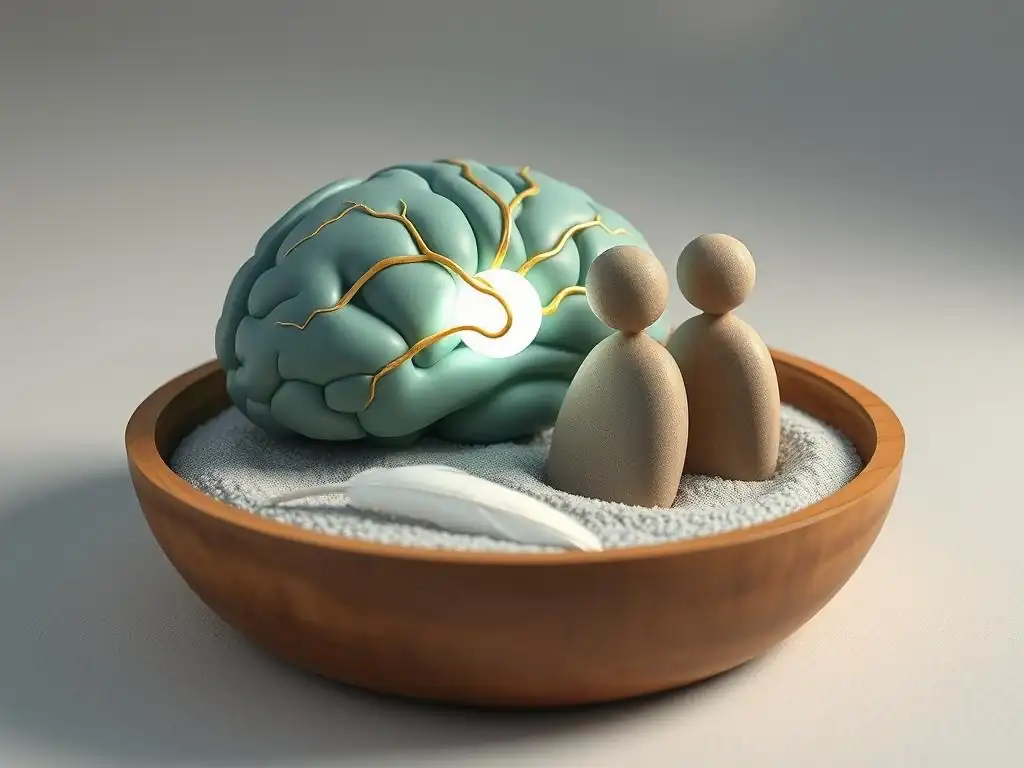
Serotonin plays an intricate role in the complex processes underlying social bonding and the formation of relationships. While oxytocin is often highlighted as the "bonding hormone," serotonin interacts with and influences its effects, contributing to feelings of trust, attachment, and comfort within social relationships. Studies, often involving animal models, demonstrate changes in serotonin activity during social interactions and pair bonding behaviors.
In humans, neuroimaging research suggests that serotonin signaling is involved in the brain's reward pathways that are activated during positive social experiences. This can reinforce the desire for social interaction and strengthen emotional connections. Effective serotonin function thus contributes to the positive reinforcement cycles that sustain healthy bonds, contributing to Serotonin social connection benefits.
Empathy, the ability to understand and share the feelings of others, is a cornerstone of meaningful social connection. Serotonin influences brain regions critical for social cognition and empathy, including the prefrontal cortex and the amygdala. Adequate serotonin activity is thought to help regulate emotional responses and improve the processing of social cues, such as facial expressions and tone of voice.
Dysregulation of serotonin can impair these cognitive processes, making it harder to accurately perceive or respond empathetically to others. For example, altered serotonin function has been observed in conditions characterized by difficulties in social understanding. By modulating activity in these key areas, serotonin supports the cognitive foundation necessary for successful social interactions and realizing Serotonin social connection benefits.
One of the most significant impacts of serotonin on social behavior is its influence on anxiety, particularly social anxiety. Lower serotonin activity or altered receptor sensitivity in certain brain circuits, such as those involving the amygdala (a region associated with fear processing), can heighten feelings of fear and apprehension in social situations. This can lead to intense social anxiety disorder.
Individuals struggling with social anxiety often experience an overwhelming fear of being judged or scrutinized by others, which can result in avoidance of social gatherings and significant social withdrawal. Medications like Selective Serotonin Reuptake Inhibitors (SSRIs) are commonly prescribed to treat social anxiety, working by increasing serotonin availability in the brain and helping to reduce fear and avoidance, thereby facilitating Serotonin social connection benefits.
There is a clear correlation observed between indicators of low serotonin activity and increased tendencies towards social isolation. While not the sole cause, impaired serotonin function can reduce motivation for social engagement, amplify negative feelings associated with interaction, and decrease the capacity to cope with social stress. This is frequently seen in individuals experiencing depressive episodes, where social withdrawal is a common symptom.
Research exploring genetic variations related to serotonin transport has also suggested that certain genetic profiles associated with less efficient serotonin signaling may predispose individuals to traits like shyness or increased sensitivity to negative social experiences, potentially leading to self-imposed isolation. Addressing potential serotonin imbalances can be a part of strategies aimed at fostering Serotonin social connection benefits and combating isolation.
Serotonin is involved in the complex neural networks that govern communication and interaction. Difficulties in these areas can manifest in various ways, such as trouble initiating conversations, understanding non-verbal cues, or modulating emotional responses during dialogue. While complex, studies suggest serotonin dysregulation can contribute to these challenges.
For instance, some research points to altered serotonin activity in individuals with conditions affecting social communication, although this is an area of ongoing investigation. The ability to smoothly navigate social interactions, respond appropriately, and feel comfortable expressing oneself relies, in part, on balanced neurotransmitter function, including adequate serotonin signaling.
The brain's reward system, involving neurotransmitters like dopamine and serotonin, plays a crucial role in motivating behavior, including social engagement. Positive social interactions are inherently rewarding for most people, reinforcing the desire to connect further. Serotonin contributes to this reward circuitry, influencing how pleasurable or fulfilling social experiences feel.
When serotonin activity is low or impaired, the perceived reward from social interaction might diminish. This can reduce the motivation to seek out or participate in social activities, potentially leading to a cycle of withdrawal and reduced opportunities for positive social experiences. Boosting serotonin function could therefore potentially enhance the rewarding aspects of social connection, promoting Serotonin social connection benefits.

Diet and Nutrition for Optimal Serotonin Production
While directly increasing brain serotonin through diet is complex due to the blood-brain barrier, consuming tryptophan-rich foods can provide the necessary building block. Foods like turkey, chicken, eggs, cheese, nuts (walnuts, almonds), seeds (pumpkin, sesame), and tofu are good sources of tryptophan. However, tryptophan competes with other amino acids to cross into the brain.
Consuming tryptophan-rich foods alongside complex carbohydrates (like whole grains, fruits, and vegetables) can help. Carbohydrates trigger insulin release, which helps clear competing amino acids from the bloodstream, making it easier for tryptophan to enter the brain. Adequate intake of B vitamins (especially B6) and omega-3 fatty acids also supports overall neurotransmitter synthesis and brain health, potentially indirectly supporting Serotonin social connection benefits.
Exercise and Sunlight: Natural Serotonin Boosters
Regular aerobic exercise has been shown to increase tryptophan levels in the blood and may facilitate its transport into the brain, potentially boosting serotonin synthesis and release. Engaging in moderate exercise, such as brisk walking, jogging, or cycling for 30-60 minutes several times per week, can have positive effects on mood and energy levels, which in turn can improve social motivation and capacity.
Exposure to bright light, particularly sunlight, is also linked to serotonin production. Research indicates that serotonin levels in the brain tend to be higher during brighter seasons and lower during darker months, a phenomenon thought to contribute to Seasonal Affective Disorder (SAD). Spending time outdoors, especially in the morning light (aiming for 10-15 minutes daily when possible), can help regulate circadian rhythms and potentially enhance serotonin activity, contributing to Serotonin social connection benefits.
Mindfulness and meditation practices focus on present moment awareness and emotional regulation. While the direct impact on serotonin levels is still being researched, these practices are known to reduce stress hormones like cortisol, which can negatively impact serotonin function over time. By fostering a sense of calm and reducing anxiety, mindfulness can create a more favorable internal state for social interaction.
Regular meditation can also improve self-awareness and emotional intelligence, skills essential for navigating social situations effectively. By helping individuals manage social anxiety, reduce rumination on negative social experiences, and increase their presence during interactions, these practices can indirectly support improved social behavior and facilitate Serotonin social connection benefits.
For individuals diagnosed with conditions like depression or severe social anxiety linked to serotonin dysregulation, healthcare professionals may prescribe medications that affect serotonin levels, most commonly SSRIs (Selective Serotonin Reuptake Inhibitors). These drugs work by blocking the reabsorption (reuptake) of serotonin in the brain, increasing its availability in the synaptic clefts between neurons.
While primarily prescribed for mood and anxiety symptoms, the increase in serotonin availability can significantly reduce social fear, improve emotional stability, and increase energy and motivation, thereby making social engagement less daunting and more rewarding for many. It's important to note that medication effects vary, and they are typically used as part of a broader treatment plan, often alongside therapy, to maximize Serotonin social connection benefits.
The relationship between serotonin, social support, and overall mental well-being is deeply interconnected and reciprocal. Adequate serotonin function can enhance one's capacity to seek out and maintain positive social relationships by reducing anxiety and improving mood. In turn, strong social support networks provide emotional buffering against stress, offer perspective, and contribute to feelings of belonging – all factors that can positively influence mood and potentially support healthy neurotransmitter balance over time.
This creates a positive feedback loop: feeling emotionally stable and socially connected fosters mental well-being, while good mental health facilitates the ability to build and nurture supportive relationships. Recognizing this interplay highlights the importance of both biological factors like serotonin and environmental factors like social support in achieving optimal Serotonin social connection benefits.
While optimizing serotonin activity can be a valuable component in addressing social challenges, it is rarely a standalone solution. A comprehensive approach typically involves multiple strategies tailored to the individual's specific needs. This might include lifestyle adjustments focusing on diet, exercise, and light exposure, as discussed earlier.
Furthermore, therapeutic interventions, such as cognitive-behavioral therapy (CBT) or social skills training, are often essential. These therapies help individuals identify and modify negative thought patterns about social situations and develop practical skills for engaging with others more effectively. Integrating these approaches with potential serotonin-modulating strategies offers a more robust pathway to improving social well-being and maximizing Serotonin social connection benefits.
An exciting and rapidly evolving area of research is the gut-brain axis, which explores the bidirectional communication between the gut microbiome and the brain. As mentioned, the majority of the body's serotonin is produced in the gut by specialized cells called enterochromaffin cells, and the gut microbiome influences this production. Emerging evidence suggests that the composition and health of the gut microbiome can impact mood, stress levels, and potentially social behavior.
Studies are beginning to investigate how modulating the gut microbiome through diet, probiotics, or prebiotics might influence neurotransmitter production and signaling, with potential implications for mental health conditions characterized by social difficulties. While still in its early stages, this research underscores the holistic nature of well-being and the potential for novel approaches to support Serotonin social connection benefits.
It is advisable to seek professional help if social difficulties are persistent, cause significant distress, or interfere with daily life, work, or relationships. Symptoms such as chronic social withdrawal, intense fear or panic in social situations, inability to form or maintain close relationships, or a pervasive sense of loneliness despite opportunities for connection could indicate an underlying issue potentially related to mood or anxiety disorders involving neurotransmitter imbalances like serotonin.
A mental health professional, such as a psychiatrist, psychologist, or licensed therapist, can conduct a thorough evaluation to determine the root cause of these difficulties. They can assess for conditions like social anxiety disorder, depression, or other related issues and discuss potential treatment options, which may include therapeutic interventions, lifestyle recommendations, and, if appropriate, medication to address neurotransmitter function and facilitate Serotonin social connection benefits.
Cognitive Behavioral Therapy (CBT) is a highly effective form of psychotherapy for addressing social anxiety and related challenges. CBT helps individuals identify and challenge negative or irrational thought patterns that fuel social fear and avoidance (e.g., "Everyone is judging me," "I have nothing interesting to say"). By gradually exposing individuals to feared social situations in a controlled manner, CBT helps reduce anxiety responses and build confidence.
Social skills training is often used alongside or as a component of CBT. This practical approach focuses on teaching specific skills needed for successful social interaction, such as initiating and maintaining conversations, active listening, understanding non-verbal cues, and assertiveness. By combining therapeutic work on underlying anxieties with practical skill-building, individuals can significantly improve their comfort and competence in social settings, enhancing their ability to experience Serotonin social connection benefits.
Frequently Asked Questions
Serotonin is a neurotransmitter that plays a crucial role in regulating mood and behavior. Research suggests it significantly influences our social interactions, impacting feelings of trust, empathy, and connection with others.
Low serotonin levels can lead to increased social anxiety, irritability, and a decreased desire for social interaction. This can result in social isolation and difficulties in forming or maintaining relationships.
Serotonin promotes feelings of well-being and positive emotions, making individuals more receptive to social interaction. It can enhance feelings of empathy, trust, and social bonding, leading to stronger relationships.
While not a guaranteed solution, strategies like exercise, sunlight exposure, and a healthy diet (containing tryptophan) can naturally boost serotonin levels. This may contribute to improved mood and a greater willingness to engage in social activities.
Yes, manipulating serotonin levels with medication should only be done under the guidance of a qualified healthcare professional. Self-treating with supplements or medications can have serious side effects and potential interactions with other medications.
Final Reflection: Unlocking the Power of Connection Through Serotonin
The intricate dance between serotonin and social connection is not merely a scientific curiosity; it's the very foundation upon which our well-being rests. Understanding this relationship offers a powerful lens through which to view our social interactions and ultimately, improve our lives. The benefits extend far beyond simple happiness; they touch upon our mental health, resilience, and overall capacity for meaningful relationships.
The exploration of serotonin's influence on social behavior has profoundly shifted my understanding of human interaction. It's no longer simply a matter of personality or circumstance; the neurochemical underpinnings play a crucial role. This understanding fosters empathy and compassion, reminding us that the struggles of others are often rooted in complex biological processes. The most basic of all human needs is the need to understand and be understood.
– Ralph Nichols. This quote underscores the importance of recognizing the neurobiological factors contributing to social difficulties, paving the way for more effective support and understanding.
Now, consider your own social connections. How might a deeper understanding of serotonin's role influence your interactions? Are you proactively nurturing environments that promote healthy serotonin levels, fostering connection and well-being?
Take a moment to reflect on your relationships, your social habits, and the ways in which you contribute to the social fabric of your community. By consciously cultivating positive social interactions and prioritizing self-care, you can harness the power of serotonin to enhance your life and the lives of those around you. The journey towards deeper connection begins with understanding the science, and then, applying that knowledge to build a richer, more meaningful life.
Thanks for taking the time to explore the fascinating world of serotonin and its impact on social connection! We hope you gained valuable insights into how this crucial neurotransmitter shapes your interactions and relationships. Now it's time to put that knowledge to work.
- Prioritize activities that naturally boost serotonin: Engage in regular exercise, spend time in sunlight, practice mindfulness, and nurture meaningful relationships. This is your primary step towards feeling more connected and confident in social situations.
- Share your newfound knowledge: Discuss what you've learned with friends or family – you might be surprised by the conversations it sparks! It can be a powerful way to strengthen existing connections and form new ones.
- Explore further resources: Dive deeper into the topic of serotonin and social well-being by researching related articles or books – expand your understanding to unlock even more potential.
Ready to take the first step toward enriching your social life? What small change can you make today to increase your serotonin levels and improve your social connections?