
Decoding the Signals: How Your Gut Communicates Distress to Your Brain

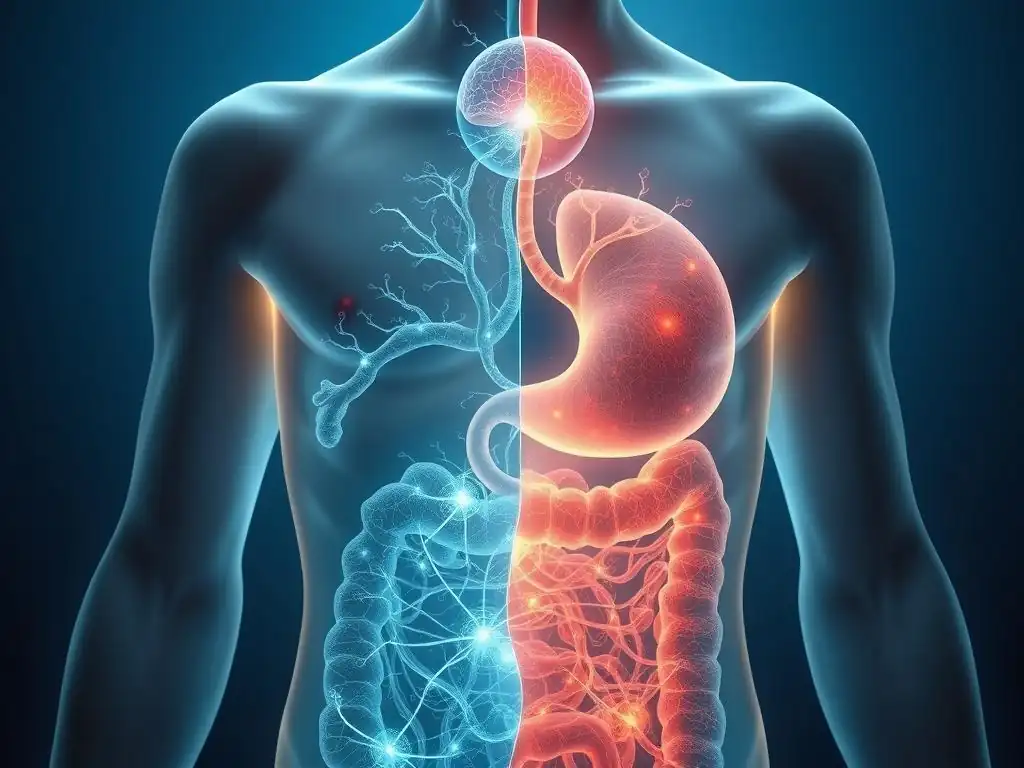
Welcome to Mind Care Guide, a sanctuary dedicated to nurturing your mental well-being. Feeling disconnected or overwhelmed? You're not alone. In this space, we delve into the intricate connections within you, starting with a fascinating exploration of Gutbrain communication mental health. Could your gut be silently influencing your mood and thoughts? Let's unravel this complex relationship together and discover pathways to a healthier, happier you.
- Decoding the Signals: Understanding Gut-Brain Communication and Mental Health
- The Gut-Brain Axis: A Two-Way Street for Mental Health
- Signals of Distress: How Your Gut Talks to Your Brain
- The Gut Microbiome's Influence on Mental State
- Common Gut Issues and Their Mental Health Manifestations
- Identifying Your Gut's Distress Signals: A Self-Assessment Guide
-
Strategies for Improving Gut Health and Mental Well-being
- Diet and Nutrition for a Healthy Gut-Brain Axis
- Probiotics and Prebiotics: Supporting a Balanced Gut Microbiome
- Stress Management Techniques: Reducing the Impact of Stress on the Gut
- The Importance of Fiber for Gut Health and Mental Clarity
- Incorporating Fermented Foods: Enhancing Gut Microbiome Diversity
- Lifestyle Adjustments for Enhanced Gut-Brain Communication
- The Future of Gut-Brain Research and Mental Health Treatment
- Conclusion: Empowering Your Mental Health Through Gut Awareness
-
Frequently Asked Questions
- How does the gut actually communicate with the brain in the context of mental health?
- Can problems in my gut directly contribute to mental health issues like anxiety or depression?
- What are some common signs that my gut health might be impacting my mental well-being?
- What dietary changes can I make to improve my gut health and potentially benefit my mental health?
- Where can I find additional resources and support for understanding and addressing the gut-brain connection for mental well-being?
- Final Reflection: Listening to the Whispers of Your Gut
- Unlock Your Gut's Wisdom: Listen to Your Body's Signals
Decoding the Signals: Understanding Gut-Brain Communication and Mental Health
Mind Care Guide: Exploring the Neuroscience of Mental Well-being
Welcome to Mind Care Guide, where we delve into the intricate connections that shape your mental landscape. Our exploration of the neuroscience of mental health wouldn't be complete without understanding one of the body's most fascinating communication networks: the gut-brain axis. This vital link, often overlooked, plays a profound role in influencing our moods, cognitive function, and overall psychological state.
This article focuses on how this complex system operates, particularly how distress signals originating in your gut can impact your brain and mental well-being. By understanding this intricate gutbrain communication mental health link, you gain powerful insights into holistic approaches to wellness.
The Gut-Brain Axis: A Two-Way Street for Mental Health
Understanding the Gut-Brain Connection: A Key to Mental Wellness
The relationship between your gut and your brain is far more significant than simply processing food. Research increasingly shows that this bidirectional highway is fundamental to your mental health. Individuals experiencing chronic digestive issues, such as Irritable Bowel Syndrome (IBS) or Inflammatory Bowel Disease (IBD), report significantly higher rates of anxiety and depression compared to the general population.
For instance, studies indicate that up to 60% of people with IBS also experience clinically significant anxiety or depression. This highlights that digestive distress isn't just physical; it's deeply intertwined with our emotional and psychological state, underscoring the importance of healthy gutbrain communication mental health.
Recognizing this connection empowers you to approach mental wellness from a more comprehensive perspective. It suggests that addressing underlying gut health issues could be a critical component in managing or improving certain mental health challenges, moving beyond traditional symptom management to target root causes within the gut-brain axis.
Introducing the Gut-Brain Axis: The Body's Communication Superhighway
The gut-brain axis is a complex network involving the central nervous system (brain and spinal cord), the enteric nervous system (ENS - a vast network of neurons in the gut lining, often called the "second brain"), hormonal pathways, immune system signaling, and critically, the gut microbiome. This axis allows for constant communication, sending signals back and forth. For example, the gut can influence brain function and mood via neurotransmitters and metabolites produced by gut bacteria, while the brain can affect gut motility, secretion, and even the composition of the gut microbiome through stress responses.
Think of the gut-brain axis as a sophisticated superhighway with multiple lanes: nervous signals travel rapidly via the vagus nerve, hormonal signals are sent through the bloodstream, and immune signals coordinate responses that affect both systems. Understanding these different communication channels is key to appreciating how disruptions in the gut can have far-reaching effects on mood, behavior, and cognitive function, impacting overall gutbrain communication mental health.
Signals of Distress: How Your Gut Talks to Your Brain
Your gut has its own language of distress, and learning to interpret it is crucial for understanding its impact on your mental state. Symptoms like persistent bloating, abdominal pain, nausea, or significant changes in bowel habits (such as chronic constipation or diarrhea) are not merely physical discomforts; they can be signals traveling along the gut-brain axis, influencing your mood and cognitive function. For example, individuals experiencing frequent abdominal pain are often more prone to anxiety, as the continuous discomfort sends stress signals to the brain.
Beyond the obvious digestive symptoms, subtle signs like unexplained fatigue, difficulty concentrating (often referred to as "brain fog"), or increased irritability can also be linked to underlying gut issues. These symptoms underscore the pervasive influence of gut health on overall well-being and highlight how disruptions in gutbrain communication mental health can manifest in varied ways, affecting both body and mind.
Gut Microbiome and Mental Health: The Role of Bacteria in Brain Function
The trillions of microorganisms living in your gut, collectively known as the gut microbiome, are surprisingly powerful players in gutbrain communication mental health. These bacteria produce a vast array of compounds, including short-chain fatty acids (SCFAs) like butyrate, propionate, and acetate, which provide energy for gut cells and can influence brain function. They also play a role in producing or influencing levels of neurotransmitters and their precursors, such as serotonin and GABA.
Furthermore, the gut microbiome interacts with the immune system, influencing inflammation throughout the body, including the brain. An imbalanced microbiome, known as dysbiosis, can lead to increased inflammation and altered production of microbial metabolites, sending distress signals along the gut-brain axis that can contribute to mood disorders, anxiety, and cognitive issues. Research is actively exploring specific microbial profiles associated with different mental health conditions.
The Vagus Nerve: Direct Line of Communication Between Gut and Brain
The vagus nerve is a major cranial nerve that serves as a primary communication pathway between the gut and the brain. It's a key component of the parasympathetic nervous system, often associated with the "rest and digest" state. This nerve transmits signals from the gut lining to the brain, providing real-time information about the state of your digestive system, including sensations of fullness, discomfort, and even the presence of certain chemicals produced by gut bacteria.
Studies have shown that stimulating the vagus nerve can have positive effects on mood and anxiety, and disruptions in vagal tone (the activity level of the vagus nerve) have been linked to both digestive issues and mood disorders. The vagus nerve acts as a crucial conduit, ensuring that signals related to gut health are promptly communicated to the central nervous system, directly influencing aspects of gutbrain communication mental health like stress response and emotional regulation.
The Gut Microbiome's Influence on Mental State
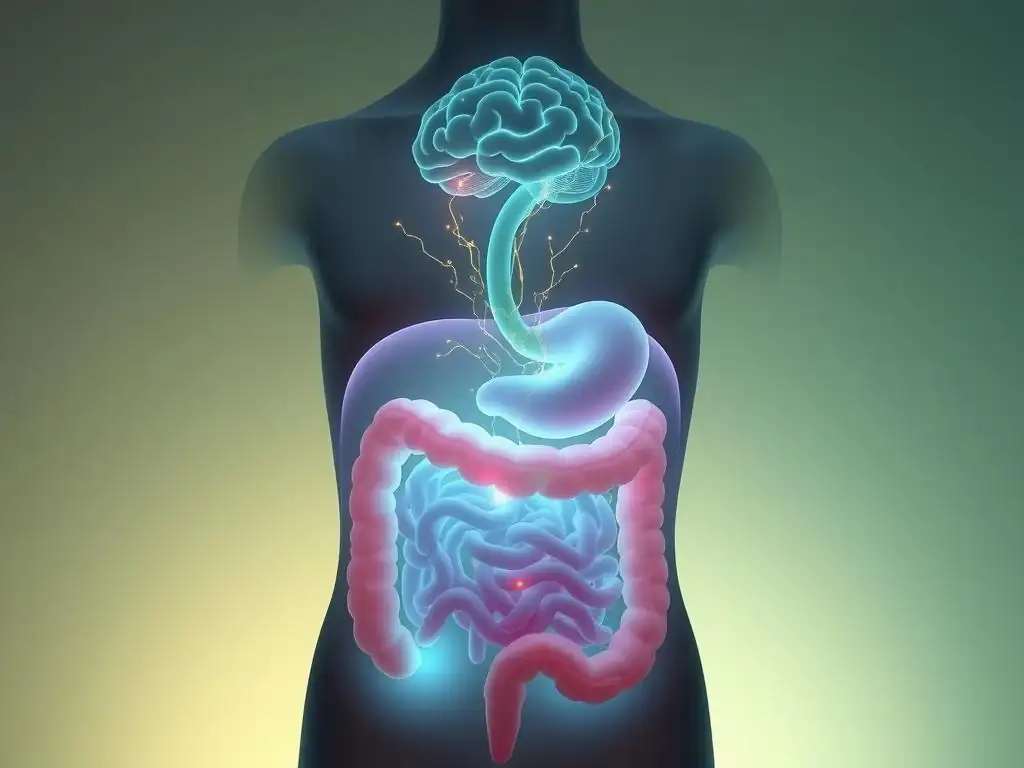
Gut Bacteria and Neurotransmitter Production: Serotonin, Dopamine, and GABA
The gut microbiome has a remarkable influence on neurotransmitter systems that are critical for mood, behavior, and cognitive function. It's estimated that approximately 90% of the body's serotonin, a neurotransmitter vital for regulating mood, sleep, and appetite, is produced in the gut.
While most of this gut-produced serotonin acts locally within the ENS, it also plays a role in gut motility and can influence the signaling pathways that communicate with the brain. Certain gut bacteria can directly produce neurotransmitters like gamma-aminobutyric acid (GABA), which has calming effects and is involved in reducing anxiety, or influence the production of dopamine precursors, affecting motivation and reward pathways.
An imbalance in the gut microbiome can disrupt this delicate process, leading to altered levels of these crucial neurochemicals. For example, dysbiosis might reduce the production of beneficial compounds or increase substances that interfere with neurotransmitter signaling, directly impacting gutbrain communication mental health and potentially contributing to conditions like depression or anxiety.
Inflammation and the Gut-Brain Axis: How Gut Issues Can Impact Mood
Chronic low-grade inflammation is increasingly recognized as a contributing factor in various mental health conditions, including depression. The gut, particularly when its barrier function is compromised or the microbiome is imbalanced, can become a significant source of systemic inflammation. Inflammatory molecules produced in the gut can enter the bloodstream and reach the brain, or they can send inflammatory signals via the vagus nerve.
Once in the brain, these inflammatory signals can activate glial cells, alter neurotransmitter metabolism, and impair neurogenesis (the creation of new neurons), all of which can negatively impact mood and cognitive function. Conditions like IBD, characterized by chronic gut inflammation, are strongly associated with higher rates of depression and anxiety, providing a clear example of how gut inflammation disrupts gutbrain communication mental health.
Intestinal Permeability (Leaky Gut): A Potential Trigger for Mental Health Problems
Intestinal permeability, often referred to as "leaky gut," occurs when the tight junctions between the cells lining the intestinal wall become compromised, allowing substances that should remain in the gut (like toxins, bacteria, and undigested food particles) to leak into the bloodstream. This triggers a systemic immune response and inflammation.
This inflammation can travel along the gut-brain axis, impacting the brain. The increased permeability can also potentially affect the blood-brain barrier, another protective layer. While the concept of leaky gut as a primary cause of mental illness is still being researched, the inflammation and immune activation it causes are known factors that can exacerbate or contribute to symptoms of anxiety, depression, and cognitive dysfunction, influencing gutbrain communication mental health.
Common Gut Issues and Their Mental Health Manifestations
Irritable Bowel Syndrome (IBS) and Anxiety: A Close Correlation
The link between Irritable Bowel Syndrome (IBS) and anxiety is one of the most well-documented examples of the gut-brain connection at play. Individuals with IBS frequently experience anxiety, and conversely, people with anxiety disorders often report significant digestive symptoms. This bidirectional relationship means that stress and anxiety can trigger or worsen IBS symptoms, while the chronic discomfort and unpredictability of IBS can significantly increase anxiety levels. Studies show that between 40% and 60% of individuals diagnosed with IBS also meet the criteria for an anxiety disorder.
The mechanisms behind this correlation involve altered gut motility, increased visceral sensitivity (feeling pain more intensely in the gut), changes in the gut microbiome composition, and dysregulation of the gut-brain axis signaling, all contributing to impaired gutbrain communication mental health. Addressing either the gut symptoms or the anxiety can potentially improve the other, highlighting the importance of a holistic approach.
Inflammatory Bowel Disease (IBD) and Depression: Understanding the Link
Inflammatory Bowel Disease (IBD), which includes Crohn's disease and Ulcerative Colitis, is characterized by chronic inflammation of the digestive tract. Beyond the significant physical burden, IBD is strongly associated with increased rates of depression and anxiety. Research indicates that individuals with active IBD are roughly twice as likely to experience depression compared to the general population. This link is likely mediated by the chronic systemic inflammation inherent in IBD, which, as discussed earlier, can directly impact brain function and mood via the gut-brain axis.
Furthermore, the stress of managing a chronic illness, dealing with pain, unpredictable symptoms, and potential social limitations can contribute significantly to psychological distress. The interplay between physical inflammation and psychological stress creates a complex picture where impaired gutbrain communication mental health is a key factor in the overall burden of the disease.
Bloating, Constipation, and Mental Fog: The Gut's Impact on Cognitive Function
Common digestive complaints like chronic bloating, constipation, or excessive gas might seem minor, but they can have a tangible impact on cognitive function and overall mental clarity. Many individuals experiencing these symptoms report feeling mentally sluggish, having difficulty concentrating, or experiencing "brain fog." While the exact mechanisms are complex, they likely involve the gut-brain axis.
Dysbiosis or slow gut transit time can lead to increased production of certain metabolites or toxins by gut bacteria, which could potentially influence brain function. Additionally, the discomfort and stress associated with chronic digestive issues can contribute to fatigue and reduced cognitive performance. This connection illustrates how even seemingly less severe gut problems can affect gutbrain communication mental health, specifically impacting cognitive processes.
Identifying Your Gut's Distress Signals: A Self-Assessment Guide
Frequency of Abdominal Pain: Assessing its Impact on Daily Life
Paying attention to the frequency, intensity, and nature of any abdominal pain you experience is a crucial first step in understanding your gut's signals. Is the pain constant, or does it come and go? Does it occur at specific times, like after meals or during stressful periods? Consider using a journal to track pain episodes over a couple of weeks, noting when they happen, what you were doing, and what you ate beforehand.
More importantly, assess how this pain impacts your daily life. Does it prevent you from working, socializing, or engaging in activities you enjoy? Does the anticipation of pain cause anxiety? Understanding the pattern and impact of abdominal pain provides valuable information about potential gut-brain axis dysregulation and its effect on your gutbrain communication mental health.
Changes in Bowel Habits: Identifying Patterns and Triggers
Monitoring your bowel habits is another essential self-assessment tool. Note the frequency of your bowel movements – are they significantly more or less frequent than usual? Observe the consistency using a simple scale like the Bristol Stool Scale (Type 1-2 indicates constipation, Type 6-7 indicates diarrhea, Type 3-5 is considered healthy). Look for patterns related to diet, stress levels, travel, or medication changes.
Sudden or persistent changes in bowel habits can indicate underlying issues that are sending signals along the gut-brain axis. Identifying potential triggers for these changes can help you understand what factors might be negatively impacting your gut health and consequently affecting your gutbrain communication mental health.
Presence of Digestive Discomfort: Evaluating Bloating, Gas, and Nausea
Beyond pain and bowel habits, note the presence and severity of other digestive discomforts such as bloating, excessive gas, belching, or nausea. When do these symptoms occur? Are they associated with specific foods, times of day, or emotional states? Even seemingly minor discomforts, when chronic, can be indicative of gut dysbiosis, slow digestion, or increased gut sensitivity.
These symptoms, while uncomfortable physically, can also contribute to feelings of fatigue, irritability, and anxiety, demonstrating the direct link between gut discomfort and mental state via gutbrain communication mental health pathways. Consistent tracking can help you identify potential correlations and understand your body's unique signals.
When to Seek Professional Help: Recognizing When Gut Issues Impact Mental Health
It's important to recognize when self-assessment indicates a need for professional guidance. If you experience persistent or severe digestive symptoms, unexplained weight loss, blood in your stool, or if your gut symptoms are significantly impacting your quality of life or mental health, it's time to consult a healthcare professional. This could be a primary care physician, a gastroenterologist for the digestive symptoms, or a mental health professional if anxiety, depression, or stress are prominent.
A proper diagnosis is crucial to rule out serious conditions and to develop an effective management plan that addresses both your gut health and your mental well-being. Remember, optimizing gutbrain communication mental health often requires a collaborative approach involving different medical specialties.
Strategies for Improving Gut Health and Mental Well-being
Diet and Nutrition for a Healthy Gut-Brain Axis
Nourishing your gut with the right foods is perhaps the most fundamental strategy for supporting a healthy gut-brain axis. A diet rich in diverse plant-based foods provides the fiber that beneficial gut bacteria thrive on. Aim for a wide variety of fruits, vegetables, legumes, nuts, and seeds. These foods are packed with prebiotics, which are non-digestible fibers that feed beneficial bacteria, and polyphenols, plant compounds with antioxidant and anti-inflammatory properties that also benefit the gut microbiome.
Conversely, limiting processed foods, excessive sugar, and unhealthy fats can help reduce inflammation and prevent the growth of less beneficial bacteria. Focusing on nutrient-dense whole foods supports a balanced gut microbiome, creating a more favorable environment for positive gutbrain communication mental health.
Probiotics and Prebiotics: Supporting a Balanced Gut Microbiome
Incorporating probiotics and prebiotics into your diet can directly support a balanced gut microbiome. Probiotics are live beneficial bacteria found in fermented foods or supplements. They can help replenish and diversify the gut microbial community. Prebiotics are specific types of fiber that selectively feed beneficial bacteria already present in your gut. Excellent sources include garlic, onions, leeks, asparagus, bananas, and oats.
While research on specific strains and dosages for mental health is ongoing, supporting overall microbial diversity and the growth of beneficial bacteria through diet and targeted supplementation (under guidance) is a promising approach to improving gut health and potentially enhancing gutbrain communication mental health.
Stress Management Techniques: Reducing the Impact of Stress on the Gut
Stress has a profound and often immediate impact on the gut, influencing motility, increasing sensitivity, and altering gut microbiome composition. Chronic stress can disrupt the gut-brain axis, leading to or exacerbating digestive issues and negatively affecting mental health. Implementing effective stress management techniques is therefore vital for improving gut health and gutbrain communication mental health.
Practices such as deep diaphragmatic breathing, meditation, yoga, spending time in nature, or engaging in hobbies can activate the parasympathetic nervous system, which helps to calm the gut. Finding strategies that work for you to reduce daily stress can significantly improve both digestive comfort and emotional well-being.
The Importance of Fiber for Gut Health and Mental Clarity
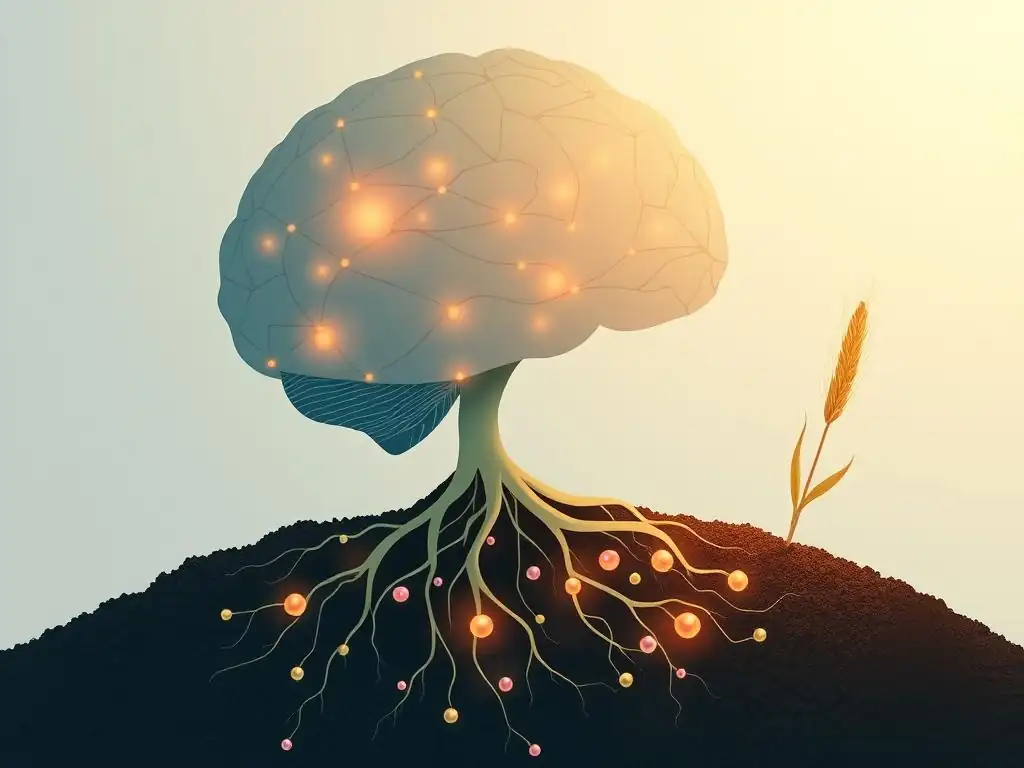
Dietary fiber is absolutely essential for a healthy gut and plays a crucial role in gutbrain communication mental health. Fiber is the primary food source for many beneficial gut bacteria, which ferment it to produce short-chain fatty acids (SCFAs), including butyrate. Butyrate is a major energy source for the cells lining the colon, helps maintain the integrity of the gut barrier, and has anti-inflammatory properties. SCFAs can also cross the blood-brain barrier and directly influence brain function, mood, and cognitive health.
Most adults in Western countries consume significantly less fiber than recommended (the recommended daily intake is around 25-30 grams). Increasing fiber intake through whole grains, fruits, vegetables, and legumes not only promotes regular bowel movements but also nourishes the gut microbiome, fostering a healthier environment for improved gutbrain communication mental health and cognitive function.
Incorporating Fermented Foods: Enhancing Gut Microbiome Diversity
Adding fermented foods to your diet is a delicious way to introduce beneficial bacteria (probiotics) into your gut and enhance microbial diversity. Examples include yogurt (with live and active cultures), kefir, sauerkraut, kimchi, tempeh, and kombucha. These foods undergo a process where microorganisms convert carbohydrates into other compounds, often producing probiotics and beneficial metabolites.
Regular consumption of a variety of fermented foods can help populate your gut with a wider range of beneficial microbes, supporting a more resilient and balanced ecosystem. This increased diversity is associated with better gut health and may positively influence gutbrain communication mental health pathways.
Lifestyle Adjustments for Enhanced Gut-Brain Communication
Exercise and Physical Activity: Boosting Gut Health and Mental Well-being
Regular physical activity is a powerful tool for enhancing both gut health and mental well-being, acting positively on the gut-brain axis. Exercise can influence the composition and diversity of the gut microbiome, often increasing the abundance of beneficial bacteria species. It can also improve gut motility and reduce transit time, which can help alleviate constipation and reduce exposure to potential toxins.
Beyond its direct effects on the gut, exercise is a well-known stress reliever and mood booster, reducing inflammation throughout the body, including the brain. This multi-faceted impact makes exercise a key lifestyle factor in optimizing gutbrain communication mental health. Aim for consistent, moderate activity that you enjoy.
Sleep Hygiene: Optimizing Sleep for a Healthy Gut and Mind
The relationship between sleep and the gut microbiome is bidirectional and impacts gutbrain communication mental health. Poor sleep can disrupt the balance of gut bacteria and increase inflammation, while an unhealthy gut can negatively affect sleep quality through altered neurotransmitter production and inflammatory signaling. Prioritizing sleep hygiene – establishing a regular sleep schedule, creating a relaxing bedtime routine, ensuring a dark and quiet sleep environment – is therefore crucial for both gut health and mental clarity.
Aim for 7-9 hours of quality sleep per night. Improving sleep can help regulate the gut-brain axis, reduce stress, and support a healthier microbiome, leading to improvements in both digestive comfort and mental state.
Mindfulness and Meditation: Reducing Stress and Improving Gut Function
Mindfulness and meditation are powerful practices for managing stress, which, as we've seen, is intricately linked to gut health. These techniques help calm the nervous system, reducing the activation of the stress response (sympathetic nervous system) and promoting the "rest and digest" state governed by the parasympathetic nervous system, which includes the vagus nerve.
By reducing stress and enhancing vagal tone, mindfulness and meditation can improve gut motility, decrease visceral sensitivity, and potentially influence gut microbiome composition. Incorporating even a few minutes of mindfulness or meditation daily can have a positive ripple effect throughout the gut-brain axis, supporting better gutbrain communication mental health.
The Future of Gut-Brain Research and Mental Health Treatment
Emerging Therapies: Targeting the Gut Microbiome for Mental Health Improvement
The growing understanding of the gut-brain axis is paving the way for exciting new therapeutic approaches for mental health conditions. While still largely experimental for psychiatric disorders, interventions directly targeting the gut microbiome are being explored. These include the use of specific probiotic strains (sometimes referred to as "psychobiotics") that have shown promise in animal studies and small human trials for reducing anxiety and depression symptoms.
Other emerging therapies involve prebiotics designed to selectively nourish beneficial bacteria, or even more complex interventions like Fecal Microbiota Transplantation (FMT), which has shown efficacy for Clostridioides difficile infection and is being cautiously investigated for other conditions, including those affecting gutbrain communication mental health. These approaches aim to restore a healthy microbial balance to positively influence brain function.
Personalized Medicine: Tailoring Gut-Based Interventions for Individual Needs
The future of gut-brain axis interventions is likely to be highly personalized. Just as each individual's gut microbiome is unique, the most effective strategies for improving gut health and mental well-being may vary from person to person. Advances in microbiome sequencing technology are making it increasingly possible to analyze an individual's specific microbial profile.
This personalized approach could allow healthcare professionals to recommend tailored dietary changes, specific prebiotic or probiotic supplements, or other gut-targeted therapies based on an individual's unique gut ecosystem and mental health profile. This move towards precision medicine holds significant promise for optimizing gutbrain communication mental health in a way that is most effective for each person.
Conclusion: Empowering Your Mental Health Through Gut Awareness
Taking Control of Your Gut-Brain Connection for Improved Mental Well-being
Understanding the profound and intricate relationship between your gut and your brain is a powerful step towards taking control of your mental well-being. Your gut is not just a digestive organ; it's a complex ecosystem in constant dialogue with your brain, influencing your moods, stress response, and cognitive function through vital gutbrain communication mental health pathways. Recognizing the signals your gut sends and understanding how they impact your brain empowers you to make informed choices about your health.
By focusing on nourishing your gut through diet, managing stress effectively, ensuring adequate sleep, and staying physically active, you can positively influence this critical axis. These lifestyle adjustments are not just about preventing digestive upset; they are fundamental strategies for supporting a resilient mind.
Gut Health and Mental Health: A Holistic Approach to Wellness
The connection between gut health and mental health underscores the importance of a holistic approach to wellness. You cannot truly address one without considering the other. Symptoms of anxiety or depression might have roots, or be exacerbated by, issues within the gut-brain axis, just as chronic stress can negatively impact digestive function.
Embracing strategies that support a healthy gut – a diet rich in fiber and fermented foods, stress reduction techniques, regular exercise, and good sleep hygiene – is an investment not just in your physical health but directly in your emotional and psychological well-being. By nurturing your gut, you are nurturing your mind, optimizing gutbrain communication mental health for a more balanced and resilient life.
Frequently Asked Questions
How does the gut actually communicate with the brain in the context of mental health?
The gut-brain axis is a bidirectional communication network involving the nervous system, immune system, and endocrine system. This pathway influences mental health by transmitting signals related to gut health and inflammation to the brain.
Can problems in my gut directly contribute to mental health issues like anxiety or depression?
Yes, disruptions in the gut microbiome, often linked to poor diet or stress, can influence the production of neurotransmitters like serotonin. This altered neurotransmitter balance can contribute to anxiety and depression.
What are some common signs that my gut health might be impacting my mental well-being?
Symptoms like persistent bloating, constipation, or diarrhea, especially when coupled with increased anxiety, fatigue, or mood swings, may indicate a gut-brain connection impacting your mental health.
What dietary changes can I make to improve my gut health and potentially benefit my mental health?
Focus on a diet rich in fiber, prebiotics, and probiotics found in foods like fruits, vegetables, yogurt, and fermented foods. Limiting processed foods and sugars can also reduce inflammation and support a healthy gut microbiome.
Where can I find additional resources and support for understanding and addressing the gut-brain connection for mental well-being?
The Mind Care Guide offers comprehensive information, support, and resources on various mental health challenges, including the gut-brain connection. Seek guidance from a qualified healthcare professional for personalized advice.
Final Reflection: Listening to the Whispers of Your Gut
The intricate dialogue between our gut and brain is no longer a scientific curiosity; it's a crucial understanding for navigating the complexities of mental health. Ignoring the signals our gut sends can lead to a cascade of physical and emotional distress, highlighting the urgent need to understand this powerful connection. This understanding is not just about alleviating symptoms; it's about fostering a deeper, more holistic approach to well-being.
The impact of gut-brain communication on our daily lives is profound and far-reaching. From the subtle anxieties that manifest as digestive issues to the more severe mental health challenges linked to gut dysbiosis, the influence is undeniable. The gut is the second brain,
a phrase often used, is more than just a catchy slogan; it's a testament to the intricate neural pathways and hormonal exchanges that constantly shape our emotional and mental states. Understanding this connection empowers us to take proactive steps towards better mental health, moving beyond a purely pharmaceutical approach to encompass lifestyle changes and mindful self-care.
Now, consider your own relationship with your body. Are you truly listening to the whispers of your gut? Do you pay attention to the subtle cues – the butterflies in your stomach, the persistent bloating, the unexplained fatigue? I urge you to take this knowledge and apply it to your own life. Start by incorporating gut-friendly foods into your diet, managing stress effectively, and prioritizing sleep. By fostering a harmonious relationship between your gut and brain, you're not just improving your digestive health; you're investing in a future of greater mental clarity, resilience, and overall well-being.
Unlock Your Gut's Wisdom: Listen to Your Body's Signals
Thanks for taking the time to explore the fascinating connection between your gut and your brain! You've now learned valuable insights into how your digestive health impacts your overall well-being. Let's put this knowledge into action.
- Prioritize your gut health: Start by incorporating one new gut-friendly food into your diet this week – fermented foods like yogurt or kefir are a great place to begin.
- Pay attention to your body's cues: Notice any changes in your digestion or mood and consider journaling them to identify potential patterns.
- Share your insights: Discuss this article with a friend or family member who might also benefit from understanding the gut-brain connection. Let's spread the word!
What small step will you take today to nurture your gut and improve your overall well-being?