
Is Neurofeedback Right for You? A Question Guide


Welcome to Mind Care Guide, your trusted companion on the path to mental well-being.
Feeling overwhelmed by anxiety? You're not alone. We understand the profound impact it can have on your life. But what if there was a way to gently retrain your brain to find calm and resilience? In this guide, we delve into the fascinating world of Neurofeedback benefits anxiety sufferers, exploring its potential to offer lasting relief. Could neurofeedback be the key to unlocking a brighter, more peaceful future for you? Let's find out together.
Is Neurofeedback Right for You? A Guide to Anxiety Management
- Understanding Neurofeedback and its Potential for Anxiety Relief
- Identifying Potential Benefits: Can Neurofeedback Help Your Anxiety?
-
Key Questions to Ask Yourself Before Considering Neurofeedback
- Question 1: What are Your Specific Anxiety-Related Goals?
- Question 2: Have You Explored Other Anxiety Management Techniques?
- Question 3: Are You Dedicated to the Neurofeedback Training Schedule?
- Question 4: What are Your Realistic Expectations for Neurofeedback's Impact?
- Question 5: What is Your Budget for Neurofeedback Treatment?
- Evaluating Your Candidacy: Who Benefits Most from Neurofeedback?
- Finding the Right Neurofeedback Practitioner
- Understanding the Neurofeedback Process and What to Expect
- Exploring Potential Sensations and Considerations of Neurofeedback
- Neurofeedback vs. Other Anxiety Treatments: A Comparative Overview
- Making an Informed Decision: Is Neurofeedback the Right Choice for Your Anxiety?
-
Frequently Asked Questions
- What exactly is neurofeedback, and how does it work?
- How does neurofeedback help with anxiety specifically?
- How long does a typical neurofeedback treatment last?
- Are there any potential side effects associated with neurofeedback?
- How do I know if neurofeedback is the right treatment option for my anxiety?
- Final Reflection: Unlocking the Potential of Neurofeedback for Anxiety
- Unlock Your Brain's Potential: Take the Next Step
Understanding Neurofeedback and its Potential for Anxiety Relief
What is Neurofeedback and How Does it Work for Anxiety?
Neurofeedback, also known as EEG biofeedback, is a non-invasive form of biofeedback that measures brainwave activity and provides real-time feedback to the individual. The process typically involves placing sensors on the scalp to detect electrical signals produced by the brain. This activity is then displayed on a screen in a way the individual can understand, often through a game, video, or auditory signal.
The goal is to train the brain to regulate specific brainwave patterns associated with various states, including anxiety. For instance, anxiety is often linked to excessive high-beta or low-alpha activity in certain brain regions.
Neurofeedback aims to help individuals learn to decrease these patterns and increase more desirable ones, like alpha or theta waves, which are associated with calm and focus. This learning process is operant conditioning; the brain is rewarded (e.g., the video plays smoothly, or a sound is emitted) when it produces the desired brainwave pattern.
The mechanism by which neurofeedback benefits anxiety sufferers lies in this learned self-regulation. Over multiple sessions, the brain gradually learns to maintain healthier patterns outside of the training environment. This can lead to a reduction in common anxiety symptoms such as excessive worry, restlessness, difficulty concentrating, and physical tension.
By directly addressing dysfunctional brain activity patterns, neurofeedback offers a unique approach compared to therapies that primarily focus on thoughts or behaviors. It's akin to teaching the brain to modulate its own activity, similar to how someone might learn to control their heart rate through biofeedback. The cumulative effect of these training sessions can lead to lasting changes in brain function and a significant decrease in the frequency and intensity of anxiety episodes, demonstrating how neurofeedback benefits anxiety sufferers by targeting the root neurological patterns.
Neurofeedback: A Non-Invasive Approach to Training Brainwaves for Calm
One of the primary advantages of neurofeedback is its non-invasive nature. Unlike treatments that involve medication or surgical procedures, neurofeedback simply involves placing sensors on the scalp. There are no electrical currents or signals sent into the brain; the sensors only read the brain's activity.
This makes it a safe option for many individuals, including children and those who may be sensitive to medication side effects or prefer non-pharmacological interventions. The feedback is typically visual or auditory, allowing the individual to passively observe their brain activity and learn to influence it through subtle internal adjustments. This gentle method makes it accessible and comfortable for a wide range of people seeking relief from anxiety.
The core principle is teaching the brain to operate in a calmer state by reinforcing desired brainwave patterns. For someone struggling with anxiety, their brain might be stuck in a hyper-aroused state, characterized by fast beta waves. Neurofeedback training can be designed to reward the brain for producing more alpha or theta waves, which are associated with relaxation and a calm focus.
Through repeated practice, the brain learns to spend more time in these calmer states naturally. This learned self-regulation is what contributes to the lasting effects reported by many who have undergone neurofeedback training for anxiety. The non-invasive nature ensures that this learning process is safe and free from the potential systemic side effects associated with some traditional anxiety treatments.
Exploring the Neuroscience Behind Neurofeedback for Anxiety Reduction
The effectiveness of neurofeedback for anxiety is rooted in the brain's remarkable capacity for neuroplasticity – the ability to reorganize itself by forming new neural connections throughout life. Anxiety disorders are often associated with dysregulation in specific brain networks, such as the limbic system (involved in emotion) and the prefrontal cortex (involved in executive functions and regulation).
Studies using quantitative electroencephalography (qEEG), which maps brainwave activity, often show distinct patterns in individuals with anxiety compared to those without. For example, heightened activity in the amygdala, a key structure in the limbic system associated with fear processing, is frequently observed in anxiety states.
Neurofeedback protocols for anxiety are often designed based on these qEEG findings. By identifying specific areas and brainwave frequencies that are dysregulated, practitioners can create targeted training programs. For instance, a protocol might aim to decrease excessive beta activity in frontal or parietal regions or increase alpha/theta activity in areas related to emotional regulation.
The real-time feedback allows the brain to "see" its own activity and learn to modify it. Over time, this repeated training strengthens new, healthier neural pathways and weakens the dysfunctional ones associated with anxiety. This neurological retraining is the foundation upon which neurofeedback benefits anxiety sufferers, leading to potentially long-term improvements in emotional regulation and a reduction in anxiety symptoms.
Identifying Potential Benefits: Can Neurofeedback Help Your Anxiety?
Neurofeedback Benefits for Anxiety: Exploring the Evidence-Based Research
Research into neurofeedback for anxiety has grown significantly over the past few decades, with numerous studies exploring its efficacy. While the field continues to evolve, existing evidence suggests that neurofeedback can be a promising treatment option for anxiety. A review published in Child and Adolescent Psychiatric Clinics of North America in 2014 noted neurofeedback's potential in regulating specific brain activity patterns associated with anxiety and other internalizing disorders.
Furthermore, meta-analyses and systematic reviews, such as one published in Applied Psychophysiology and Biofeedback in 2018, have indicated moderate to large effect sizes for neurofeedback in reducing anxiety symptoms across various populations. These studies often highlight improvements in subjective anxiety ratings, as well as objective measures like heart rate variability.
Specific studies provide more granular insights into how neurofeedback benefits anxiety sufferers. For example, research has shown that training individuals to increase alpha brainwave activity, which is linked to relaxed states, can lead to significant reductions in self-reported anxiety levels. Other protocols targeting beta waves or specific connectivity patterns have also demonstrated positive outcomes.
While study designs and sample sizes vary, the consistent finding across much of the literature is that neurofeedback training can lead to clinically meaningful reductions in anxiety symptoms for many individuals. It's important to note that research is ongoing to fully understand the long-term effects and identify which specific anxiety profiles respond best to different neurofeedback protocols.
Assessing Your Anxiety Levels: Is Neurofeedback a Suitable Option?
Determining if neurofeedback is a suitable option for your anxiety involves a careful assessment of your specific symptoms, their severity, and how they impact your daily life. Neurofeedback is generally considered for individuals who experience persistent or significant anxiety that interferes with their functioning, even after trying other approaches or as a complementary therapy.
It's often beneficial for generalized anxiety disorder (GAD), panic disorder, social anxiety, and anxiety associated with PTSD or OCD. A qualified neurofeedback practitioner will typically conduct a thorough intake, including a detailed history of your anxiety, a discussion of previous treatments, and potentially a quantitative EEG (qEEG) assessment.
The qEEG assessment involves recording your brainwave activity in various states (e.g., eyes open, eyes closed) and comparing it to a normative database. This helps identify specific patterns of dysregulation that may be contributing to your anxiety. Based on this assessment and your clinical presentation, the practitioner can determine if neurofeedback is likely to be beneficial and design a personalized training protocol.
While neurofeedback can be effective for a range of anxiety presentations, it's particularly suited for those who are interested in a drug-free approach and are committed to a structured training regimen. Understanding your own anxiety profile and discussing it openly with a professional is the first step in evaluating neurofeedback's potential.
Neurofeedback has shown promise across a spectrum of anxiety-related disorders, including social anxiety, Post-Traumatic Stress Disorder (PTSD), and Obsessive-Compulsive Disorder (OCD). For individuals with social anxiety, which is characterized by intense fear of social situations, neurofeedback protocols might focus on reducing overactivity in brain regions associated with fear processing and increasing activity in areas related to social engagement and self-confidence. While specific research on social anxiety neurofeedback is still developing, studies on broader anxiety often include participants with social anxiety symptoms, showing positive trends.
In the case of PTSD, which involves significant anxiety and dysregulation following trauma, neurofeedback protocols often target hyperarousal and emotional reactivity. Training might focus on calming overactive brain regions linked to the fear response (like the amygdala) and enhancing the regulatory function of the prefrontal cortex. Research, including studies published in journals like the Journal of Neurotherapy, has demonstrated that neurofeedback can lead to significant reductions in PTSD symptoms, including anxiety, nightmares, and hypervigilance.
For OCD, characterized by intrusive thoughts and compulsive behaviors driven by anxiety, neurofeedback might target circuits involved in worry, rumination, and impulse control. While research is less extensive than for GAD or PTSD, some studies and clinical reports suggest that neurofeedback can help modulate the brain activity patterns underlying OCD anxiety, offering a complementary approach to traditional therapies.
Beyond Anxiety: Other Conditions Potentially Improved by Neurofeedback
While this guide focuses on how neurofeedback benefits anxiety sufferers, it's important to note that neurofeedback is also explored and used for a variety of other neurological and psychological conditions. The brain's plasticity allows neurofeedback to potentially help regulate patterns associated with conditions beyond anxiety. One of the most researched areas is Attention-Deficit/Hyperactivity Disorder (ADHD), where neurofeedback protocols often target increasing SMR (Sensory Motor Rhythm) and beta waves while decreasing theta waves, leading to improvements in focus and impulse control. Numerous studies and meta-analyses support the efficacy of neurofeedback for ADHD symptoms.
Other conditions where neurofeedback is being explored or utilized include sleep disorders, chronic pain, depression, epilepsy, and even cognitive enhancement. For sleep disorders, training might focus on increasing theta waves during the early stages of sleep onset. For depression, protocols might aim to balance activity between the left and right frontal lobes, which is often asymmetrical in depression.
While the evidence base varies for each condition, the underlying principle remains the same: training the brain to regulate its own activity for improved function. This broad applicability underscores the potential of neurofeedback as a tool for promoting brain health and addressing various forms of dysregulation.
Key Questions to Ask Yourself Before Considering Neurofeedback
Before embarking on any treatment, including neurofeedback, it's crucial to clearly define your specific goals regarding your anxiety. Simply stating "I want less anxiety" is a start, but becoming more specific will help you and your potential practitioner determine if neurofeedback aligns with your needs and expectations. Are you aiming to reduce the frequency of panic attacks? Do you want to feel more comfortable in social situations? Is your goal to decrease constant worrying or physical tension? Perhaps you want to improve your sleep quality, which is often disrupted by anxiety.
Identifying measurable or observable goals will provide a benchmark for assessing progress during neurofeedback training. For example, a goal might be to "attend a social gathering without overwhelming panic" or "reduce daily worry time from 3 hours to 30 minutes." Discussing these specific objectives with a neurofeedback practitioner will allow them to tailor the training protocols to your unique challenges and help you understand what realistic outcomes might look like. Knowing your goals is essential for evaluating if neurofeedback benefits anxiety sufferers like yourself in the ways you hope for.
Question 2: Have You Explored Other Anxiety Management Techniques?
Neurofeedback is one of many tools available for managing anxiety. Before committing to it, it's helpful to consider what other approaches you have already tried and their outcomes. Have you explored traditional talk therapy like Cognitive Behavioral Therapy (CBT) or Dialectical Behavior Therapy (DBT)? Have you tried mindfulness practices, meditation, or relaxation techniques? What about lifestyle changes such as exercise, diet modifications, or sleep hygiene improvements? Have you discussed medication options with a healthcare provider?
Reflecting on your past experiences with other treatments can provide valuable context. If certain approaches haven't yielded the desired results, or if you are looking for a non-pharmacological alternative or complement, neurofeedback might be a suitable next step. It's not uncommon for individuals to pursue neurofeedback after finding limited success with other methods, or to use it in conjunction with ongoing therapy or medication. Understanding your history helps you and your practitioner position neurofeedback within your overall anxiety management strategy.
Question 3: Are You Dedicated to the Neurofeedback Training Schedule?
Neurofeedback is not a quick fix; it requires commitment and consistency to achieve lasting results. A typical course of neurofeedback training involves multiple sessions, often ranging from 20 to 40 sessions or more, depending on the individual and the severity of their symptoms. Sessions are typically conducted one to three times per week. This means integrating regular appointments into your schedule for several months. Success with neurofeedback relies heavily on the brain's ability to learn through repetition and consistent practice.
Consider whether you have the time, resources, and motivation to adhere to this kind of schedule. Missing sessions frequently can interrupt the learning process and potentially diminish the effectiveness of the training. Being dedicated means prioritizing your appointments and understanding that the cumulative effect of consistent training is key. If your schedule is highly unpredictable or you anticipate difficulty committing to regular visits, it's important to factor this into your decision-making process about whether neurofeedback is feasible for you at this time.
Question 4: What are Your Realistic Expectations for Neurofeedback's Impact?
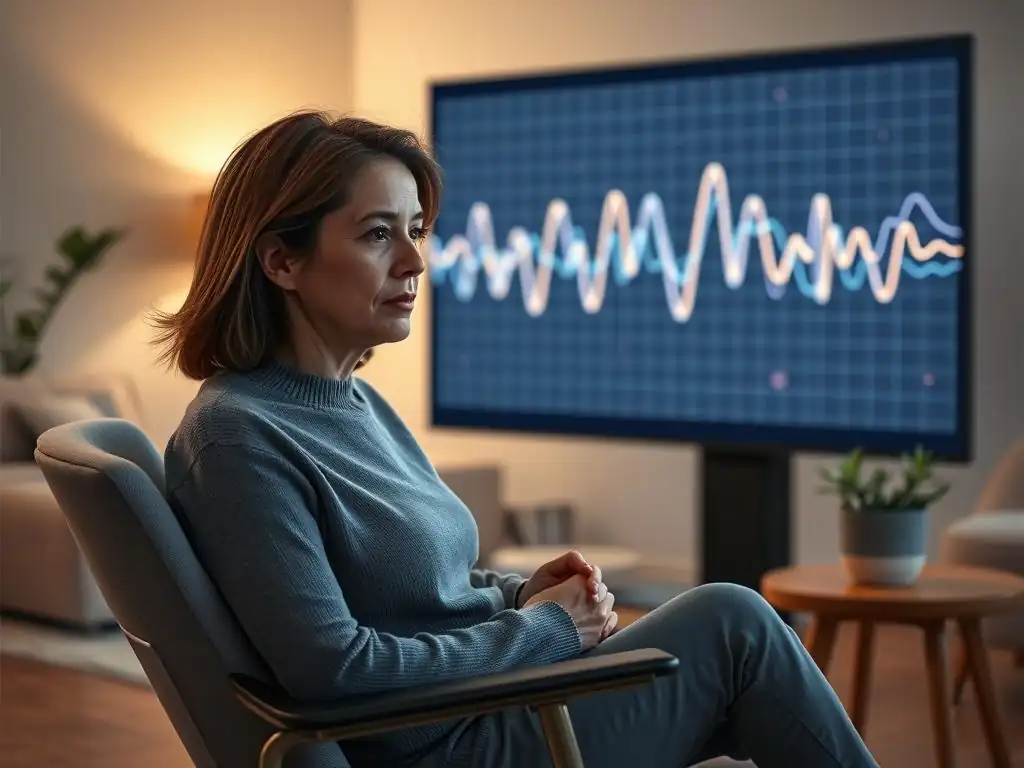
It's crucial to have realistic expectations about what neurofeedback can achieve for your anxiety. While many individuals experience significant improvements, neurofeedback is not a guaranteed cure, and results can vary from person to person. Factors influencing outcomes include the severity and type of anxiety, individual differences in brain plasticity, adherence to the training schedule, and the skill of the practitioner. It's important to discuss potential outcomes and limitations with your practitioner during the initial consultation.
Realistic expectations involve understanding that progress is often gradual and may not be linear. You might notice subtle changes initially, with more significant improvements becoming apparent over time. Some individuals may achieve complete remission of symptoms, while others might experience a substantial reduction in severity or frequency, making their anxiety more manageable. Neurofeedback aims to teach your brain better regulation, which can lead to improved emotional control and reduced reactivity, but it doesn't erase life stressors or challenges. Understanding these nuances helps manage expectations and appreciate the progress made throughout the training process.
Question 5: What is Your Budget for Neurofeedback Treatment?
Neurofeedback treatment typically involves a series of sessions, and the cost can vary depending on the practitioner, location, and the number of sessions required. Sessions often range from $100 to $200 or more each. With a typical course involving 20-40 sessions, the total cost can range from $2,000 to $8,000 or higher. It's essential to understand the financial commitment involved and explore your options for payment and potential insurance coverage.
While some health insurance plans may offer partial or full coverage for neurofeedback, coverage is not universal and can vary significantly. It is important to contact your insurance provider directly to inquire about coverage for "biofeedback" or "neurofeedback" services and understand any referral or pre-authorization requirements. Some clinics may offer payment plans, package deals for multiple sessions, or sliding scale fees based on income. Discussing the total estimated cost and payment options upfront with the neurofeedback provider is crucial for making an informed decision and ensuring the treatment is financially feasible for you.
Evaluating Your Candidacy: Who Benefits Most from Neurofeedback?
Ideal Candidates: Those Seeking Long-Term Anxiety Regulation
Ideal candidates for neurofeedback are often individuals who are seeking a non-pharmacological or complementary approach to achieve long-term regulation of their anxiety. They are typically motivated to commit to the training process, which requires consistent sessions over several weeks or months. These individuals often have a clear understanding of how their anxiety impacts their life and are actively looking for a way to address the underlying brain patterns contributing to their symptoms. They may have tried traditional therapies or medications with limited success, or they may prefer to avoid medication due to side effects or personal philosophy.
Furthermore, individuals who are receptive to the concept of brain training and are able to engage with the feedback provided during sessions tend to be good candidates. While neurofeedback doesn't require conscious effort to "control" brainwaves, the ability to pay attention to the feedback and make subtle internal adjustments can enhance the learning process. Those who see anxiety as something rooted, at least partly, in biological dysregulation and are open to addressing it at that level are well-suited. The commitment to the process and the desire for sustainable change are key indicators of who might benefit most from neurofeedback.
Considerations: When Neurofeedback Might Not Be the Primary Solution
While neurofeedback benefits anxiety sufferers in many cases, it may not be the primary or sole solution for everyone. For individuals with severe, acute anxiety or panic attacks that require immediate stabilization, medication or intensive crisis intervention may be necessary before or alongside neurofeedback. Neurofeedback is a learning process that takes time, and it may not provide rapid relief in acute situations. Similarly, individuals with complex co-occurring conditions, such as active substance abuse or severe personality disorders, may require stabilization and treatment for these conditions before or concurrently with neurofeedback.
Furthermore, individuals who are unable or unwilling to commit to the required number of sessions and frequency may not achieve optimal results. The success of neurofeedback hinges on consistent training. Those who lack the financial resources, time, or motivation to attend regular sessions may find it less effective.
It's also important to consider if your anxiety is primarily situational or reactive to specific external factors that might be better addressed through environmental changes or targeted behavioral strategies first. A thorough consultation with a qualified practitioner can help determine if neurofeedback is the most appropriate treatment path for your specific situation.
Neurofeedback and Age: Suitability Across Different Life Stages
Neurofeedback is generally considered suitable for individuals across a wide range of ages, from young children to older adults. The brain's capacity for neuroplasticity, which is fundamental to how neurofeedback works, is present throughout the lifespan, although it may vary in degree. For children and adolescents experiencing anxiety, neurofeedback can be a particularly appealing option as it is non-pharmacological and can be engaging due to the game-like feedback interfaces. Studies have explored neurofeedback for anxiety in pediatric populations, often showing positive outcomes and good tolerability.
In adults, neurofeedback is a well-established intervention for various forms of anxiety. Protocols can be adapted to suit the individual's specific brain patterns and goals, regardless of age. For older adults, neurofeedback can also be beneficial, potentially helping to improve emotional regulation and cognitive function alongside anxiety reduction. While brainwave patterns naturally change with age, qualified practitioners are trained to interpret age-specific qEEG data and design appropriate protocols. The suitability of neurofeedback is less dependent on age itself and more on the individual's specific condition, cognitive capacity to engage with the process, and commitment to the training schedule.
Finding the Right Neurofeedback Practitioner
The Importance of a Board-Certified Neurofeedback Therapist
Choosing a qualified and experienced neurofeedback practitioner is paramount to the success and safety of your treatment. Look for practitioners who are board-certified in neurofeedback by reputable organizations such as the Biofeedback Certification International Alliance (BCIA). BCIA certification requires practitioners to meet rigorous educational and training standards, pass a comprehensive exam, and adhere to ethical guidelines. This certification indicates that the practitioner has a solid foundation in the principles and practice of neurofeedback.
A board-certified practitioner will have the necessary knowledge to conduct a proper assessment, including potentially a qEEG, interpret the data accurately, and design an individualized training protocol tailored to your specific anxiety profile. They will also be skilled in conducting the sessions effectively, monitoring your progress, and making adjustments to the protocol as needed. Working with a certified professional ensures that you are receiving treatment based on established best practices and increases the likelihood of achieving positive outcomes for your anxiety.
Essential Questions to Ask Potential Neurofeedback Providers
When considering a neurofeedback practitioner, prepare a list of essential questions to help you evaluate their suitability. Ask about their training and certifications (specifically BCIA certification). Inquire about their experience working with clients who have anxiety disorders similar to yours. Ask about their approach to assessment – do they use qEEG, and how do they use the results to design protocols? Understand the typical duration and frequency of sessions they recommend for anxiety and the estimated total cost of treatment.
It's also important to ask about their theoretical orientation and how they integrate neurofeedback with other potential therapeutic approaches, if applicable. Ask how they track progress and what measures they use to assess changes in anxiety symptoms. Finally, inquire about their understanding of contraindications or situations where neurofeedback might not be appropriate. A good practitioner will be transparent, willing to answer your questions thoroughly, and make you feel comfortable and confident in their expertise.
Verifying Credentials and Experience in Neurofeedback for Anxiety
Beyond asking questions, take steps to verify the practitioner's credentials and experience. You can search the BCIA website directory to confirm a practitioner's certification status. Look for online reviews or testimonials, though approach these with a critical eye. If possible, ask for references from past clients, keeping in mind client confidentiality may limit this. During the initial consultation, observe the practitioner's professionalism and their clinic environment.
Specifically for anxiety, inquire about their specific experience and success rates (anonymized and aggregated, of course) with anxiety clients. A practitioner specializing in mental health or anxiety may have more refined protocols and a deeper understanding of the nuances of treating anxiety with neurofeedback. Don't hesitate to ask about their ongoing training or involvement in professional development in the field. Verifying credentials and experience helps ensure you are entrusting your care to a competent and qualified professional dedicated to helping neurofeedback benefits anxiety sufferers effectively.
Understanding the Neurofeedback Process and What to Expect
What Happens During a Typical Neurofeedback Session for Anxiety?
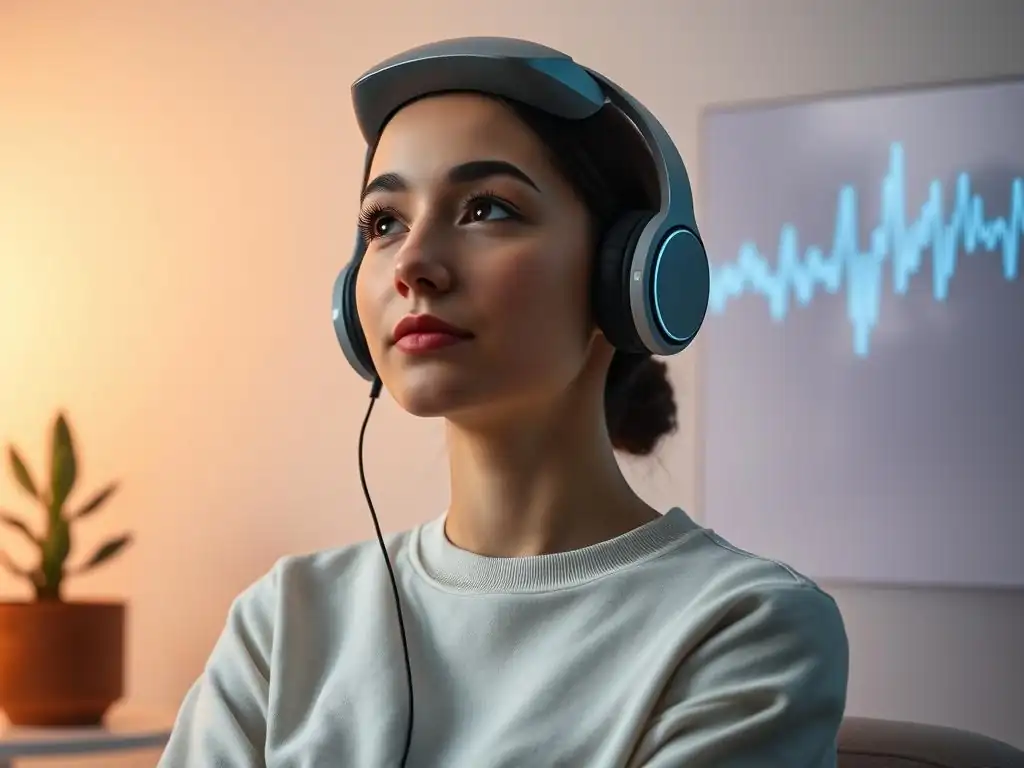
A typical neurofeedback session for anxiety is relatively straightforward and comfortable. When you arrive for a session, the practitioner will place small sensors (electrodes) on your scalp using a conductive paste or gel. These sensors are non-invasive and simply read the electrical activity of your brain. The number and placement of sensors depend on the specific protocol designed for your needs based on the initial assessment. Once the sensors are in place, you will usually sit in a comfortable chair facing a computer screen.
The session then begins, typically lasting between 30 and 60 minutes. Your brainwave activity is displayed in real-time on the screen, often presented as a video game, movie, or abstract visual display. The software is configured to provide positive feedback (e.g., the video plays smoothly, the game character moves forward, a pleasant sound is heard) when your brain produces the desired brainwave patterns (e.g., more alpha, less high-beta) and negative feedback (e.g., the video pauses, the screen dims, an unpleasant sound) when it produces undesirable patterns.
Your role is simply to observe the screen and allow your brain to learn through this reward system. You don't consciously try to control your brainwaves; the learning happens subconsciously.
How Many Neurofeedback Sessions Are Recommended for Anxiety Relief?
The number of neurofeedback sessions recommended for anxiety relief varies significantly depending on individual factors, including the severity and chronicity of the anxiety, the presence of co-occurring conditions, individual response to training, and the specific protocol used. However, a common range is between 20 and 40 sessions. Some individuals may begin to notice subtle changes within the first 5-10 sessions, while more significant and lasting improvements typically require a longer course of training.
Consistency is key, which is why sessions are usually scheduled 1 to 3 times per week. Completing the recommended course of sessions is crucial for consolidating the learning and achieving stable, long-term changes in brain function. Your practitioner will monitor your progress throughout the treatment and provide guidance on the expected number of sessions for your specific case. In some instances, booster sessions may be recommended periodically after the initial course is completed to maintain the gains.
Tracking Your Progress: Monitoring Anxiety Reduction Through Neurofeedback
Tracking progress is an integral part of neurofeedback treatment for anxiety. Practitioners use a combination of methods to monitor how you are responding to training. Subjective reports from you are essential; you will likely be asked to rate your anxiety levels, frequency of panic attacks, worry duration, sleep quality, and other relevant symptoms regularly. Keeping a personal journal of your symptoms and experiences outside of sessions can also be helpful.
Objective measures are also used. The neurofeedback software itself records your brain's performance during each session, showing improvements in your ability to produce the desired brainwave patterns. Some practitioners may also administer standardized questionnaires or rating scales specifically designed to measure anxiety symptoms (e.g., GAD-7, PHQ-9, Beck Anxiety Inventory) at regular intervals throughout the treatment. In some cases, follow-up qEEG assessments may be conducted to see how your brainwave patterns have changed. Discussing your progress openly with your practitioner allows for adjustments to the protocol if needed and helps you visualize the positive changes occurring.
Exploring Potential Sensations and Considerations of Neurofeedback
Are There Any Common Sensations Associated with Neurofeedback Training?
Neurofeedback is generally well-tolerated and does not typically cause significant or unpleasant sensations. Most individuals report feeling relaxed or calm during and after sessions, which is often a desired outcome, particularly for anxiety. Some may experience a slight tingling or warmth at the electrode sites, but this is usually minimal and temporary. Occasionally, individuals might feel tired or drowsy after a session, especially early in treatment, as their brain adjusts to the new patterns.
Less commonly, some individuals might experience mild, temporary side effects such as headache, fatigue, or feeling slightly "off" after a session. These sensations are usually transient and resolve quickly. They are often related to the brain beginning to shift its activity patterns. It is crucial to communicate any sensations or feelings you experience during or after a session to your practitioner. They can help you understand what you are feeling and make minor adjustments to the protocol if necessary to ensure your comfort and optimize the training.
Possible Considerations and How to Address Them During Treatment
While neurofeedback is safe for most people, there are a few considerations to keep in mind. Individuals with certain neurological conditions, such as active seizures (unless neurofeedback is being specifically used for seizure management under expert guidance), severe head injuries, or certain psychotic disorders, may require special consideration or may not be suitable candidates. It's vital to provide your practitioner with a complete medical history during the initial intake.
If you experience any discomfort, unusual symptoms, or if your anxiety symptoms seem to worsen temporarily during treatment, communicate this immediately to your practitioner. They are trained to identify potential issues and modify the training protocol accordingly. Open and honest communication about your experiences is key to ensuring the treatment is safe and effective. Your practitioner is your partner in this process and can address any concerns you have as they arise.
Neurofeedback and Medications: Coordination with Your Healthcare Provider
Neurofeedback is often used as a complementary therapy alongside existing treatments, including medication for anxiety. It is crucial not to discontinue or change your medication regimen without consulting the prescribing physician. Neurofeedback practitioners typically work in coordination with your healthcare team, including your psychiatrist or primary care physician. They should be informed that you are undergoing neurofeedback training.
As your anxiety improves with neurofeedback, your prescribing physician may consider adjusting your medication dosage or potentially tapering off medication, but this decision should always be made by the prescribing doctor based on your overall clinical picture. Neurofeedback practitioners do not prescribe or manage medication. Effective coordination between your neurofeedback provider and your prescribing physician ensures that all aspects of your care are integrated and that any medication adjustments are made safely and appropriately as you progress through treatment and neurofeedback benefits anxiety sufferers like you.
Neurofeedback vs. Other Anxiety Treatments: A Comparative Overview
Neurofeedback vs. Medication for Anxiety: Benefits and Drawbacks
Comparing neurofeedback and medication for anxiety reveals distinct benefits and drawbacks for each approach. Medications, such as SSRIs, SNRIs, or benzodiazepines, can often provide relatively rapid relief from anxiety symptoms by altering brain chemistry. They are widely available and can be effective for many individuals. However, medications come with potential side effects, which can range from mild (e.g., nausea, fatigue) to more significant (e.g., weight gain, sexual dysfunction, dependence). They primarily manage symptoms and do not necessarily teach the brain new patterns of regulation; symptoms may return if medication is stopped.
Neurofeedback, conversely, is a non-invasive process that aims to teach the brain self-regulation. It typically has minimal to no side effects, making it appealing for those sensitive to medication. The goal is to create lasting changes in brain function, potentially leading to sustained reductions in anxiety even after training is complete. The main drawbacks are the time commitment required (multiple sessions over weeks/months) and the cost, which is often not fully covered by insurance. While medication offers quicker symptom management, neurofeedback offers a potentially more fundamental and lasting approach to altering the brain patterns underlying anxiety.
Neurofeedback vs. Cognitive Behavioral Therapy (CBT) for Anxiety: Complementary Approaches
Neurofeedback and Cognitive Behavioral Therapy (CBT) are both effective, evidence-based treatments for anxiety, but they work through different mechanisms and are often complementary rather than mutually exclusive. CBT focuses on identifying and modifying negative thought patterns and behaviors that contribute to anxiety. It teaches coping skills and strategies for managing anxious thoughts and confronting fearful situations. CBT is highly effective for many individuals and provides valuable tools for managing anxiety in daily life.
Neurofeedback, on the other hand, directly targets the physiological and neurological patterns associated with anxiety. It doesn't require conscious cognitive effort to change thoughts or behaviors; instead, it trains the brain at a subconscious level to regulate its activity. While CBT works "top-down" by changing thoughts to influence feelings and behavior, neurofeedback works "bottom-up" by changing brain activity to influence feelings, thoughts, and behavior. Combining neurofeedback with CBT can be a powerful approach, as neurofeedback may make the brain more receptive to the cognitive and behavioral changes taught in therapy, enhancing the overall effectiveness of both interventions.
Combining Neurofeedback with Other Therapies for Comprehensive Anxiety Management
A holistic approach to anxiety management often involves combining multiple therapeutic modalities tailored to the individual's needs. Neurofeedback can integrate well with various other therapies, including talk therapy (CBT, DBT, psychodynamic therapy), mindfulness and meditation practices, exercise, nutritional counseling, and lifestyle adjustments. For example, someone undergoing neurofeedback might also work with a therapist to process underlying emotional issues or learn specific coping skills.
Combining neurofeedback with mindfulness or meditation can be particularly synergistic, as both practices involve self-regulation of internal states. Neurofeedback can potentially make it easier for individuals to achieve the focused, calm states aimed for in meditation. Integrating neurofeedback into a comprehensive treatment plan acknowledges that anxiety is a complex condition influenced by biological, psychological, and social factors. By addressing the neurological component with neurofeedback alongside psychological and lifestyle factors with other therapies, individuals can build a robust strategy for managing their anxiety and improving their overall well-being. This multi-modal approach can significantly enhance how neurofeedback benefits anxiety sufferers.
Making an Informed Decision: Is Neurofeedback the Right Choice for Your Anxiety?
Weighing the Potential Benefits and Considerations of Neurofeedback
Deciding whether neurofeedback is the right choice for your anxiety requires carefully weighing its potential benefits against the associated considerations. On the benefit side, neurofeedback offers a non-invasive, drug-free approach that targets the underlying brain dysregulation contributing to anxiety. It holds the potential for long-lasting effects by teaching the brain self-regulation. Many studies and clinical reports indicate that neurofeedback benefits anxiety sufferers by reducing symptoms like worry, panic, and physical tension, and improving overall emotional regulation and quality of life.
However, there are significant considerations. Neurofeedback requires a considerable time commitment (multiple sessions per week for several months) and financial investment, which may not be feasible for everyone. Results can vary, and it is not a guaranteed cure. It's crucial to have realistic expectations about the process and outcomes. Weighing these factors involves assessing your personal circumstances, financial situation, availability, and willingness to commit to the training process.
Seeking Professional Guidance for Personalized Anxiety Treatment
Given the complexity of anxiety and the various treatment options available, seeking guidance from qualified mental health professionals is essential for making an informed decision. Consult with a licensed therapist, psychiatrist, or a board-certified neurofeedback practitioner. Discuss your specific anxiety symptoms, history, previous treatments, goals, and any concerns you have about neurofeedback.
A professional can help you understand whether neurofeedback is a suitable option based on your individual profile and potentially recommend a qEEG assessment to get a clearer picture of your brain activity patterns. They can also help you explore other evidence-based treatments and determine how neurofeedback might fit into a broader, personalized treatment plan. Gathering information and perspectives from multiple qualified sources will empower you to make the best choice for your anxiety management journey.
Neurofeedback: A Potential Pathway to Improved Anxiety Regulation and Well-being
For many individuals struggling with anxiety, neurofeedback represents a promising pathway towards improved regulation and enhanced well-being. By offering a direct method to train the brain to operate in a calmer, more balanced state, it addresses a fundamental aspect of anxiety disorders. While it requires commitment and investment, the potential for lasting changes in brain function offers hope for reducing the burden of chronic anxiety. The growing body of research supports the notion that neurofeedback benefits anxiety sufferers, providing a valuable tool in the arsenal of mental health treatments.
Ultimately, the decision to pursue neurofeedback is a personal one, best made after careful consideration and consultation with qualified professionals. For those seeking a non-pharmacological, brain-based approach to complement or potentially replace traditional treatments, neurofeedback offers a scientifically grounded method to teach the brain new ways of responding to stress and fear. It's a journey of learning and self-discovery that can lead to greater emotional resilience and a significant improvement in the quality of life for many.
Frequently Asked Questions
What exactly is neurofeedback, and how does it work?
Neurofeedback is a type of biofeedback that trains your brain. It uses real-time displays of brain activity – usually via EEG – to reward healthier patterns and inhibit unhealthy ones.
How does neurofeedback help with anxiety specifically?
It can help anxiety sufferers by training the brain to self-regulate its activity. This leads to a calmer, more focused state, reducing the physical and mental symptoms associated with anxiety.
How long does a typical neurofeedback treatment last?
Treatment durations vary, but a typical neurofeedback protocol for anxiety involves 20-40 sessions, scheduled over several weeks or months. The precise number depends on the individual's progress and the severity of their anxiety.
Are there any potential side effects associated with neurofeedback?
Side effects are generally mild and temporary. Some people may experience fatigue, headaches, or increased anxiety initially, but these usually subside as the brain adjusts to the training process.
How do I know if neurofeedback is the right treatment option for my anxiety?
Consult with a qualified neurofeedback practitioner or mental health professional. They can assess your individual needs and determine if neurofeedback is a suitable and potentially beneficial treatment for your specific type of anxiety.
Final Reflection: Unlocking the Potential of Neurofeedback for Anxiety
The rising tide of anxiety in our modern world demands innovative solutions, and neurofeedback offers a compelling pathway towards lasting relief. Its ability to empower individuals to self-regulate their brainwave activity represents a significant shift in how we approach mental health, moving beyond symptom management to address the root causes of anxiety.
The journey of exploring neurofeedback's potential for anxiety sufferers is deeply personal, highlighting the intricate connection between our minds and our well-being. It's a testament to the power of neuroplasticity – our brain's ability to change and adapt – and the potential for self-directed healing. The brain is the most complex organ in the body, and it's also the most adaptable. With the right tools and techniques, we can learn to harness its power for positive change.
This quote encapsulates the hope and empowerment that neurofeedback offers, moving beyond passive treatment to active participation in one's own mental health journey.
Consider the questions posed throughout this article: Is neurofeedback the right fit for your unique needs and circumstances? What are your expectations, and how can you best prepare for this journey of self-discovery? The answers lie within you, and by thoughtfully considering these questions, you can embark on a path towards a calmer, more resilient you. Take the time to research further, consult with professionals, and ultimately, make an informed decision that empowers you to take control of your anxiety. Your journey towards a more peaceful mind begins with a single, conscious step.
Unlock Your Brain's Potential: Take the Next Step
Thank you for taking the time to explore the world of neurofeedback! We hope this guide has provided you with valuable insights into its potential benefits. Now, it's time to turn that knowledge into action.
Here's how to move forward:
- Schedule a consultation with a qualified neurofeedback practitioner. This is the crucial first step to determine if neurofeedback is right for your specific needs and goals. Don't hesitate to ask questions – finding the right practitioner is key!
- Share this article with someone you know who might benefit from neurofeedback. Helping others discover this powerful technique is a rewarding experience.
- Explore additional resources on our website. Dive deeper into specific applications of neurofeedback and discover success stories from others who have experienced its transformative effects.
Ready to discover how neurofeedback can improve your focus, mood, and overall well-being? What’s the first step you'll take to explore this transformative therapy further?