
Wearables for Anxiety & Stress: Finding Relief Through Data

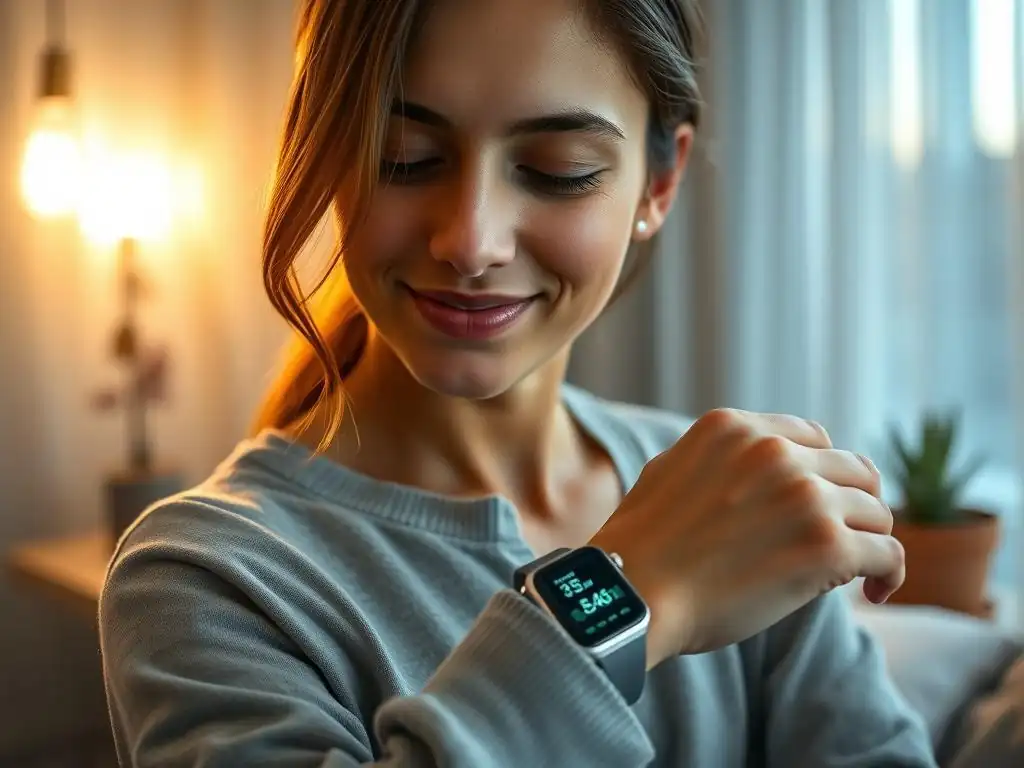
Welcome to Mind Care Guide, a sanctuary for your mental well-being.
Feeling overwhelmed by anxiety? You're not alone. Discover how wearable technology can offer a powerful new perspective on managing your stress levels. Dive into our exploration of wearable anxiety tracking benefits and learn how data can empower you to take control of your mental health journey. Ready to unlock a deeper understanding of your anxiety patterns and find personalized relief? Let's begin.
Wearables for Anxiety & Stress: Finding Relief Through Data
- Understanding Wearable Anxiety Tracking Benefits for Stress Management
- Exploring the Landscape: Top Wearable Stress Trackers
- In-Depth Look at Top Contenders: Features, Accuracy, and Benefits
- Maximizing the Benefits: Using Data from Wearables to Manage Anxiety
- The Future of Wearable Anxiety Tracking: Trends and Innovations
- Conclusion: Empowering Mental Well-being with Wearable Technology
-
Frequently Asked Questions
- What are the main benefits of using wearables for anxiety tracking?
- How accurately do wearables track anxiety levels?
- What types of wearables are most suitable for anxiety and stress management?
- Can wearable data replace professional mental health advice?
- Are there any potential drawbacks to using wearables for anxiety tracking?
- Final Reflection: Harnessing Data, Finding Peace: The Future of Wearable Anxiety Relief
- Unlock Your Inner Calm: Take Control of Your Stress
Understanding Wearable Anxiety Tracking Benefits for Stress Management
The Rising Need for Wearable Stress Trackers in Mental Well-being
In today's fast-paced world, chronic stress and anxiety are increasingly prevalent, impacting millions globally. The World Health Organization (WHO) estimates that depression and anxiety disorders cost the global economy US$ 1 trillion each year in lost productivity. Traditional methods of managing stress, while vital, often rely on subjective self-reporting or periodic assessments. This leaves a gap in understanding our physiological responses to daily stressors in real-time. The need for objective, continuous monitoring tools has become apparent, offering a way to gain deeper insights into individual stress patterns and triggers.
This growing demand has fueled the development and adoption of wearable technology specifically designed to track physiological indicators related to stress and anxiety. Wearable anxiety tracking benefits individuals by providing data-driven insights into their body's state throughout the day and night. Unlike a one-time check-in, these devices offer a continuous stream of information, helping users recognize patterns they might otherwise miss. This objective data can be a powerful tool for self-awareness and proactive stress management, moving beyond just coping mechanisms to truly understanding the root of the issue.
How Wearable Tech is Revolutionizing Anxiety and Stress Monitoring
Wearable technology is transforming how we approach mental well-being by providing continuous, passive monitoring of physiological signals that are linked to stress and anxiety. Devices worn on the wrist, chest, or finger collect data such as heart rate, heart rate variability (HRV), skin temperature, electrodermal activity (EDA), sleep patterns, and activity levels. These metrics, when analyzed together, can paint a picture of a person's physiological stress load and recovery status. For example, a sudden drop in HRV or an increase in resting heart rate might indicate a stressor, even if the individual doesn't consciously feel overwhelmed at that moment.
The key revolution lies in the accessibility and continuity of this data. Historically, obtaining such physiological data required clinical settings or cumbersome equipment. Now, a person can wear a discreet device while going about their daily life, collecting thousands of data points automatically. This allows for the identification of specific times, activities, or environments that correlate with increased stress responses. The wearable anxiety tracking benefits are significant: users receive timely alerts, personalized insights, and trends over time, enabling them to make informed adjustments to their lifestyle, work habits, or stress-reduction practices based on tangible evidence.
Exploring the Landscape: Top Wearable Stress Trackers
A Comparative Analysis of Leading Wearable Devices for Anxiety
The market for wearable devices capable of tracking stress is diverse, with options ranging from feature-rich smartwatches to dedicated fitness trackers and specialized rings or patches. Leading contenders like the Fitbit Sense, Garmin Vivosmart, Apple Watch, and Whoop band each offer unique approaches to monitoring and interpreting physiological signals related to stress and recovery. While most track heart rate and sleep, their methods for quantifying stress and presenting insights differ. Some use proprietary algorithms based on HRV, while others incorporate features like guided breathing exercises or electrodermal activity sensors.
Comparing these devices involves looking beyond basic step counts. For individuals focused on wearable anxiety tracking benefits, the crucial features include accurate HRV measurement, reliable sleep stage detection, and specialized stress monitoring metrics like Garmin's Body Battery or Fitbit's EDA scans. Accuracy in these physiological measurements is paramount, though it can vary between devices and placement on the body. Understanding how each device processes and presents this data – whether through simple stress scores, energy levels, or detailed recovery metrics – is key to finding the best fit for managing anxiety.
Key Features to Consider When Choosing a Wearable for Anxiety Relief
When selecting a wearable device with wearable anxiety tracking benefits, several key features should guide your decision. Firstly, look for devices that offer robust heart rate variability (HRV) tracking, as HRV is a widely accepted physiological marker for autonomic nervous system balance and stress levels. A device's ability to accurately measure and interpret HRV over time is crucial for understanding your body's stress response and recovery capacity.
Secondly, consider the device's approach to sleep tracking. Quality sleep is fundamental to stress management and recovery. A good wearable should accurately track sleep stages (light, deep, REM) and provide insights into sleep duration, quality, and consistency. Features like smart alarms that wake you during a lighter sleep stage can also be beneficial. Other important features include guided breathing exercises, biofeedback capabilities (like EDA sensors), battery life (as continuous wear is needed), and the clarity and actionability of the data presented in the accompanying app. Finally, consider comfort and discretion if you plan to wear the device continuously.
In-Depth Look at Top Contenders: Features, Accuracy, and Benefits
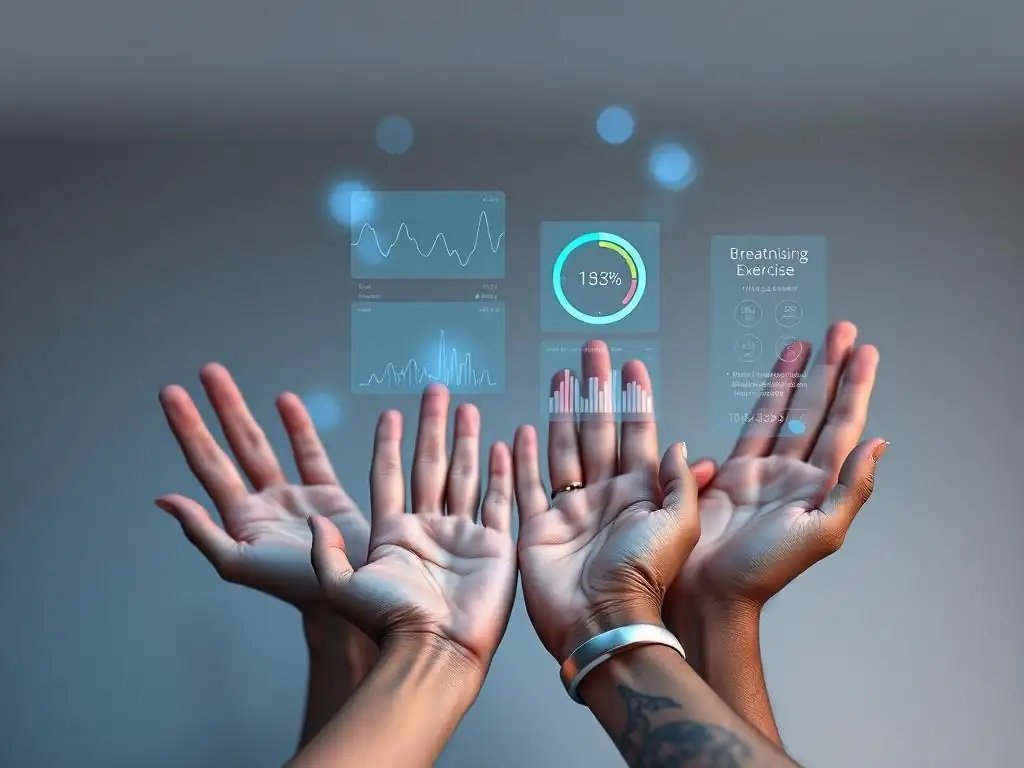
Fitbit Sense 2: Comprehensive Health Metrics for Stress Management
The Fitbit Sense 2 positions itself as a health-focused smartwatch with a strong emphasis on stress management through a suite of sensors and software features. It tracks a wide range of metrics including heart rate, resting heart rate, HRV, skin temperature variation, SpO2, and sleep stages. Its standout feature for stress tracking is the continuous electrodermal activity (cEDA) sensor, which works in conjunction with the Body Response feature to identify potential stress moments throughout the day. When a Body Response is detected, the watch prompts the user to log their mood and offers suggestions for mindfulness or relaxation.
Beyond the cEDA sensor, the Sense 2 provides a daily Stress Management Score based on your activity levels, sleep patterns, and HRV data. A higher score indicates your body is showing fewer signs of physical stress. This score, combined with the Body Response notifications, offers a multi-faceted approach to understanding and reacting to stress. For instance, if your score is consistently low or you receive frequent Body Response alerts, it signals a need to evaluate your daily routine or incorporate more stress-reducing activities, highlighting significant wearable anxiety tracking benefits.
Assessing Fitbit Sense 2's EDA Scan App for Anxiety Detection
The EDA (electrodermal activity) Scan app on the Fitbit Sense 2 measures small electrical changes in your skin's sweat levels, which are controlled by the sympathetic nervous system and can be indicators of stress or emotional arousal. While the original Sense required manual initiation of an EDA scan, the Sense 2 features a continuous EDA (cEDA) sensor that monitors activity passively throughout the day. This allows the device to detect "Body Responses" – moments where your body shows physiological signs of stress or excitement – without you needing to actively perform a scan.
When a Body Response is detected, the Sense 2 sends a notification, prompting the user to reflect on what might be causing the physiological change. This feature is particularly valuable for individuals seeking wearable anxiety tracking benefits as it helps connect physiological responses to real-world triggers, even subtle ones. For example, a user might notice a Body Response notification during a challenging meeting or while navigating busy traffic. By logging their mood and activity at that moment, they can build a clearer picture of their personal stress triggers and develop coping strategies.
Monitoring Heart Rate Variability (HRV) with Fitbit Sense 2: A Key Indicator of Stress
Heart Rate Variability (HRV) is a crucial metric tracked by the Fitbit Sense 2, offering deep insights into the state of your autonomic nervous system (ANS). HRV is the variation in time between consecutive heartbeats, and generally, a higher HRV indicates better resilience to stress and a well-functioning ANS, while a lower HRV can be associated with stress, fatigue, or illness. The Sense 2 measures your HRV during sleep, providing a single average value for the night in the Fitbit app.
Tracking HRV with the Fitbit Sense 2 contributes significantly to wearable anxiety tracking benefits by offering an objective measure of your body's recovery and stress load over time. Changes in your baseline HRV can serve as an early warning sign that you might be overstressed, underslept, or on the verge of getting sick.
For instance, if your average nightly HRV drops significantly below your usual range, it could indicate that your body is under strain, prompting you to prioritize rest or stress-reduction techniques. While the Sense 2 provides a nightly average, consistent monitoring allows users to identify long-term trends and understand how lifestyle factors impact their physiological stress response.
Garmin Vivosmart 5: Discreet and Effective Stress Tracking
The Garmin Vivosmart 5 is a slim, screen-based fitness tracker that offers robust health monitoring features, including continuous stress tracking, in a more discreet form factor than a full smartwatch. It utilizes heart rate data, specifically Heart Rate Variability (HRV), to estimate your stress levels throughout the day. The device displays a stress score on the wrist and in the Garmin Connect app, ranging from 0 to 100, categorizing levels as Rest, Low, Medium, or High stress.
One of the key wearable anxiety tracking benefits of the Vivosmart 5 is its proactive approach. When the device detects high stress levels, it prompts the user with a relaxation reminder and suggests engaging in a guided breathing exercise directly on the device. This immediate feedback loop helps users become aware of their stress in the moment and provides a tool to manage it. The simplicity and long battery life (up to 7 days) make it a practical choice for continuous monitoring without frequent recharging.
Body Battery Feature: Understanding Your Energy Reserves with Garmin
The Body Battery feature, available on the Garmin Vivosmart 5 and other Garmin devices, is a unique metric that estimates your body's energy reserves throughout the day. It uses a combination of HRV, stress levels, sleep quality, and activity data to generate a score from 0 to 100. Think of it as a car's fuel gauge for your body. Activities like exercise or experiencing high stress deplete your Body Battery, while rest and sleep recharge it.
For individuals managing anxiety, the Body Battery is an incredibly insightful tool providing wearable anxiety tracking benefits. A consistently low Body Battery score, even after a full night's sleep, can indicate chronic stress, inadequate recovery, or poor sleep quality contributing to anxiety. Conversely, seeing your Body Battery recharge after implementing stress-reduction techniques or getting good rest provides positive reinforcement. For example, a user might notice their Body Battery plummets after a particularly stressful meeting but recovers significantly after a walk or meditation session, offering tangible evidence of what helps them recharge.
All-Day Stress Monitoring with Garmin Vivosmart 5: A Detailed Overview
The Garmin Vivosmart 5 provides continuous, all-day stress monitoring by analyzing the intervals between your heartbeats (HRV). This constant analysis results in a stress score that is updated throughout the day, offering a dynamic view of how different activities, interactions, and environments impact your physiological state. The device's ability to differentiate between periods of rest and periods of stress is a core wearable anxiety tracking benefit.
The Garmin Connect app visualizes this data, showing your stress levels over a 24-hour period, broken down into categories. This allows users to pinpoint specific times of day or activities that correlate with elevated stress. For instance, reviewing the data might reveal that your stress levels consistently spike during your morning commute or immediately after checking work emails. This objective data empowers users to identify patterns and proactively implement coping strategies or make lifestyle adjustments to mitigate these stressors, moving beyond subjective feelings to data-driven insights.
Apple Watch Series 9: Integrating Mindfulness and Stress Reduction Apps
The Apple Watch Series 9, while not solely dedicated to stress tracking, offers powerful capabilities through its health sensors and extensive app ecosystem, providing significant wearable anxiety tracking benefits. It tracks heart rate, HRV, and blood oxygen, and features built-in apps like Mindfulness and Sleep tracking. Its integration with the iPhone allows access to a vast array of third-party mental wellness applications that leverage the watch's data and features.
The Apple Watch's strength lies in its versatility and the seamless integration of health data within the Apple Health framework. Users can monitor trends in their resting heart rate and HRV over time, which are key indicators of stress and recovery. The Breathe app provides on-demand guided breathing sessions, a simple yet effective tool for managing acute stress in the moment. The watch's haptic feedback can guide users through these sessions discreetly.
Utilizing the Breathe App on Apple Watch for Guided Meditation
The Breathe app, now part of the Mindfulness app on the Apple Watch, offers guided breathing exercises designed to help users relax and focus. Users can set reminders to take a moment to breathe throughout the day, or initiate a session whenever they feel stressed. The app uses gentle haptic pulses to guide the inhale and exhale, making it easy to follow along without needing to look at the screen.
This feature provides an immediate, accessible tool for managing moments of anxiety or stress, contributing directly to wearable anxiety tracking benefits. Taking even a minute or two for focused breathing can help activate the parasympathetic nervous system, counteracting the body's stress response. Integrating these short mindfulness breaks throughout the day, prompted by the watch, can help users build healthier habits and become more mindful of their physiological state, using the watch as a gentle reminder and guide.
Combining Apple Watch with Third-Party Anxiety Management Apps
The Apple Watch's open platform allows it to integrate with numerous third-party apps focused on mental well-being, significantly enhancing its wearable anxiety tracking benefits. Apps like Calm, Headspace, and Moodpath can utilize data collected by the watch (like heart rate during meditation sessions or activity levels) to provide more personalized insights and experiences.
For example, a meditation app might track your heart rate during a session and provide feedback on how well you were able to lower it, offering a tangible measure of the session's effectiveness. Other apps might prompt you to log your mood and correlate it with data like your sleep duration or activity from the previous day, helping identify patterns. This ecosystem of apps allows users to tailor their stress management approach, leveraging the watch's data collection capabilities with specialized tools for mindfulness, cognitive behavioral techniques, or mood tracking.
Whoop 4.0: Focus on Recovery and Understanding Your Body's Response to Stress
The Whoop 4.0 is a screenless, subscription-based wearable designed primarily for serious athletes but increasingly popular among those focused on optimizing health and recovery, including stress management. It continuously measures physiological data like heart rate, HRV, skin temperature, blood oxygen, and sleep. Whoop's core metrics are Strain, Recovery, and Sleep, providing a comprehensive view of how your body is handling stress from workouts, daily life, and lack of sleep.
Whoop's approach to wearable anxiety tracking benefits centers on understanding your body's capacity to handle stress (Strain) based on its recovery status. The Recovery score (0-100%, color-coded Green, Yellow, Red) is calculated using your HRV, resting heart rate, sleep performance, and respiratory rate. A low Recovery score (Yellow or Red) indicates your body is under significant strain and may not be ready for intense physical or mental stress, acting as a powerful indicator of physiological stress load.
Strain and Recovery Metrics: Gauging Your Body's Capacity with Whoop
Whoop's Strain metric quantifies the physiological load on your body from both exercise and daily life stressors on a scale from 0 to 21. It's calculated based on your heart rate data throughout the day. Recovery, on the other hand, measures how well your body has recovered from previous strain, primarily based on your sleep and key physiological metrics like HRV and resting heart rate.
These two metrics provide a powerful framework for understanding wearable anxiety tracking benefits. High daily Strain combined with low Recovery indicates that your body is being pushed hard without adequate time to bounce back. This state of physiological stress can significantly exacerbate feelings of anxiety.
By monitoring these scores, users can learn to balance their daily demands with sufficient rest and recovery, recognizing when their body is signaling that it needs a break. For example, a user might see a low Recovery score after a poor night's sleep and a stressful workday, prompting them to plan a lighter day or prioritize relaxation the following day.
Sleep Tracking and Analysis: Improving Sleep Quality for Anxiety Management
Whoop 4.0 offers exceptionally detailed sleep tracking and analysis, which is critical for stress and anxiety management. It automatically detects when you fall asleep and wake up, tracks time spent in each sleep stage (Slow Wave Sleep, REM, Light Sleep), and measures disturbances. It provides a Sleep Performance score based on how much sleep you got relative to your individual sleep need, calculated by Whoop.
High-quality sleep is fundamental to recovery and resilience against stress. Poor sleep is a significant contributor to anxiety symptoms. Whoop's detailed sleep data helps users understand the impact of their habits on sleep quality. For instance, the app might show that consuming caffeine late in the day or experiencing high Strain before bed negatively impacts REM or SWS sleep. By using this data, users can make targeted changes to their sleep hygiene, improving their ability to recover and, in turn, potentially reducing their anxiety levels – a core aspect of wearable anxiety tracking benefits.
Maximizing the Benefits: Using Data from Wearables to Manage Anxiety
Interpreting Your Stress Data: Understanding HRV, EDA Scans, and Sleep Patterns
To truly leverage wearable anxiety tracking benefits, understanding the data your device provides is essential. Heart Rate Variability (HRV) is a key indicator; a declining trend often signals increased stress or insufficient recovery. Learn your baseline HRV and pay attention to significant drops. Electrodermal Activity (EDA) scans or continuous monitoring can highlight moments of physiological arousal; observing when these occur helps identify triggers. Sleep patterns – duration, quality (time in deep and REM sleep), and consistency – are fundamental; poor sleep significantly impacts stress resilience.
Look for correlations in your data. Does your HRV drop on days you have specific stressful meetings? Do you get EDA alerts during your commute? Does poor sleep precede days where you feel more anxious? Most wearable apps provide historical data and trends, allowing you to see patterns over weeks or months. For example, consistently low nightly HRV coupled with frequent Body Battery depletion (on Garmin) or low Recovery scores (on Whoop) are strong signals that your overall stress load is too high and requires attention beyond just managing acute moments.
Actionable Steps: Using Wearable Insights to Implement Stress Reduction Techniques
Interpreting your wearable data is only the first step; the real value lies in using those insights to take action. If your data consistently shows elevated stress during certain times or activities, you can implement targeted strategies. For instance, if your stress spikes during work breaks spent scrolling through social media, try replacing that with a short walk or a guided breathing exercise using your watch's app. If low HRV indicates poor recovery after late-night work sessions, prioritize ending your workday earlier.
Wearable anxiety tracking benefits become tangible when data guides behavior change. Many devices offer built-in tools like guided breathing or meditation prompts. Use these when your watch signals high stress. If your sleep data is poor, focus on improving sleep hygiene – setting a consistent bedtime, creating a relaxing pre-sleep routine, or optimizing your bedroom environment. The data provides the "why" and the "when," empowering you to choose the right stress-reduction technique for your specific situation. For example, seeing your Body Battery recharge after a mindfulness session provides positive reinforcement, encouraging you to continue that practice.
Integrating Wearable Data with Therapy and Professional Guidance
Wearable data can be a valuable supplement to professional mental health support, not a replacement. Sharing your stress, sleep, and recovery data with a therapist or counselor can provide objective information that complements your subjective self-reporting. For example, you might tell your therapist you had a stressful week, but showing them a graph of your consistently low HRV or frequent stress spikes from your wearable provides concrete evidence of your body's response.
This objective data can help your therapist identify patterns, understand triggers, and tailor strategies more effectively. It can also help track the impact of interventions; are your stress levels or HRV improving after implementing new coping mechanisms or therapy techniques? Discussing your wearable anxiety tracking benefits and the insights they provide can lead to more productive conversations and a deeper understanding of your unique stress physiology, enhancing the effectiveness of your overall mental well-being plan.
The Future of Wearable Anxiety Tracking: Trends and Innovations

Emerging Technologies: Enhanced Sensor Technology for Improved Stress Detection
The future of wearable anxiety tracking benefits is being shaped by advancements in sensor technology. While current devices primarily rely on heart rate, HRV, and EDA, next-generation wearables are exploring even more sophisticated measurements. This includes more accurate and continuous blood pressure monitoring from the wrist, which can be a direct indicator of stress.
Research is also ongoing into using other physiological signals, such as respiratory rate patterns, skin temperature fluctuations, and even potentially biomarkers detectable through non-invasive means (like sweat analysis), to gain a more nuanced understanding of stress responses. Improved sensor accuracy and the ability to measure a wider array of physiological indicators will lead to more precise stress detection, better differentiation between physical exertion and mental stress, and more personalized insights for managing anxiety.
The Role of AI and Personalized Insights in Anxiety Management
Artificial intelligence (AI) is playing an increasingly significant role in enhancing wearable anxiety tracking benefits. Current devices use algorithms to interpret raw data, but future applications will likely employ more advanced machine learning models. These models can analyze vast amounts of data from an individual over time, identifying subtle patterns and correlations that might be missed by simpler algorithms.
AI could enable highly personalized stress predictions and interventions. Imagine a wearable that not only tells you you're stressed but predicts when you are likely to experience elevated stress based on your calendar, location data, and past physiological responses. It could then proactively suggest specific coping strategies known to be effective for you, such as a particular breathing exercise, a short walk, or listening to calming music, tailored to the predicted stressor and your current physiological state. This level of personalized insight and proactive guidance represents a major leap forward in using technology for anxiety management.
Addressing Privacy Concerns and Ethical Considerations in Wearable Health Tech
As wearable devices collect increasingly sensitive health data, including detailed physiological responses linked to stress and anxiety, addressing privacy concerns and ethical considerations is paramount. Users are sharing intimate details about their mental and physical state, raising questions about how this data is stored, who has access to it, and how it is used.
Companies developing wearable technology for mental well-being must prioritize robust data encryption, transparent data usage policies, and giving users control over their information. There are also ethical considerations around the potential for data to be used in ways that could be discriminatory (e.g., by insurance companies) or to create undue anxiety by constantly highlighting stress levels without providing adequate support or context. Ensuring user trust through strong privacy protections and ethical data handling practices is crucial for the continued adoption and positive impact of wearable anxiety tracking benefits.
Conclusion: Empowering Mental Well-being with Wearable Technology
Choosing the Right Wearable for Your Individual Needs and Preferences
Selecting the ideal wearable device to harness wearable anxiety tracking benefits requires careful consideration of your personal needs and preferences. Do you want a full-featured smartwatch with access to a wide range of apps, or a more discreet tracker focused purely on physiological data? Consider which metrics are most important to you – is it detailed sleep analysis, continuous stress scores, or biofeedback like EDA?
Evaluate the accuracy of the sensors, the clarity and actionability of the data presented in the app, and the battery life. Think about how seamlessly the device will integrate into your daily life and whether the subscription costs (if any) fit your budget. Reading reviews and comparing specific features like HRV tracking precision, stress scoring algorithms, and guided relaxation options across different models like the Fitbit Sense 2, Garmin Vivosmart 5, Apple Watch Series 9, or Whoop 4.0 is crucial to finding the best tool to support your mental well-being journey.
The Potential of Wearable Anxiety Tracking to Improve Mental Health Outcomes
The integration of wearable technology into mental well-being strategies holds significant potential to improve outcomes for individuals managing anxiety and stress. By providing objective, continuous data on physiological responses, these devices empower users with self-awareness, helping them identify triggers, understand patterns, and track the effectiveness of their coping mechanisms. The wearable anxiety tracking benefits extend beyond simple monitoring, offering tools like guided breathing and personalized insights that encourage proactive management.
While wearables are not a substitute for professional mental healthcare, they serve as valuable complements, providing data that can enrich therapeutic conversations and track progress. As sensor technology and AI continue to evolve, the capabilities of these devices will only increase, offering more precise detection, personalized interventions, and deeper insights into the mind-body connection. Embracing wearable technology as a tool for understanding and managing stress represents a promising step towards more empowered and data-informed mental well-being.
Frequently Asked Questions
What are the main benefits of using wearables for anxiety tracking?
Wearables offer real-time data on physiological markers like heart rate and sleep, allowing you to identify anxiety triggers. This data-driven approach enables more personalized coping strategies.
How accurately do wearables track anxiety levels?
While not a direct measure, wearables track physiological signs associated with anxiety, such as heart rate variability (HRV) and skin conductance. These metrics provide indicators but should be interpreted alongside self-reported feelings.
What types of wearables are most suitable for anxiety and stress management?
Fitness trackers with heart rate monitoring are a good starting point. Smartwatches offer more features, including stress tracking algorithms and guided breathing exercises.
Can wearable data replace professional mental health advice?
No, wearable data is a tool to supplement professional care. It should not replace consultations with therapists or psychiatrists. Wearable data can inform and enhance treatment plans.
Are there any potential drawbacks to using wearables for anxiety tracking?
Over-reliance on data can increase anxiety. Constantly monitoring can lead to obsessive behavior and heightened self-awareness, potentially worsening anxiety in some individuals.
Final Reflection: Harnessing Data, Finding Peace: The Future of Wearable Anxiety Relief
The ability to quantify anxiety, once a seemingly impossible task, is now within reach thanks to the advancements in wearable technology. This offers a powerful new tool not just for diagnosis and treatment, but also for fostering a deeper understanding of our own mental well-being. The potential for personalized self-care strategies based on real-time data is truly transformative.
The impact of wearable anxiety trackers extends beyond individual benefit; they are reshaping our understanding of mental health on a societal level. By normalizing the discussion around anxiety and stress, and providing objective data to support subjective experiences, these devices are helping to dismantle the stigma surrounding mental illness. The greatest barrier to mental health treatment is not the lack of effective therapies, but the stigma that prevents people from seeking help.
This quote highlights the crucial role technology plays in breaking down these barriers and empowering individuals to take control of their mental health journeys.
Consider this: what if you could proactively identify your personal anxiety triggers, understand your body's response to stress, and adjust your lifestyle accordingly? This is the promise of wearable anxiety tracking. I urge you to explore the possibilities, to research the available technologies, and to consider how this innovative approach might benefit your own well-being. Take the first step towards a more mindful, and potentially less anxious, future.
Unlock Your Inner Calm: Take Control of Your Stress
Thanks for taking the time to explore the world of wearables and anxiety management with us! We hope you gained valuable insights into how technology can support your well-being. Ready to take the next step?
- Start your personalized stress-tracking journey: Identify your personal triggers and patterns by choosing a wearable that suits your needs. Explore different options and find the perfect fit for your lifestyle.
- Share your experience: Connect with our community on social media and share your thoughts on using wearables for stress reduction. Let's build a supportive network together!
- Consider journaling: Reflect on your daily stress levels and how technology is helping you manage your anxiety. This extra step will provide valuable insights into your progress.
What personalized strategies will you implement to improve your stress management using the power of data?