
Choosing a Wearable Stress Tracker: Your Comprehensive Feature Checklist

Welcome to Mind Care Guide, your sanctuary for navigating the complexities of mental well-being. Feeling overwhelmed by daily pressures? You're not alone. Discover how the right wearable can become your personal ally in understanding and managing stress. Let's delve into the world of stress tracker features benefits and unlock a path towards a calmer, more balanced you. Curious to know which features truly make a difference? Read on to find out!
- Understanding the Benefits of Wearable Stress Trackers for Mental Wellbeing
- Essential Stress Tracker Features: Accuracy and Reliability
- Advanced Features for Deeper Stress Insights
- Beyond the Core Features: Additional Considerations
- Comparing Popular Wearable Stress Trackers: [Garmin Vivosmart 5, Fitbit Sense 2, Whoop 4.0]
- Making the Right Choice: Matching Features to Your Needs
- Investing in Your Mental Wellbeing: The Value of a Wearable Stress Tracker
-
Frequently Asked Questions
- What are the key benefits of using a wearable stress tracker?
- How do the stress tracker features help with managing anxiety?
- What features should I prioritize when choosing a stress tracker for personal use?
- Can stress tracker features replace professional mental health support?
- How can I use the data from stress tracker features to improve my overall mental well-being?
- Final Reflection: Unlocking Inner Peace: The Power of Informed Choice in Stress Management
- Unleash Your Inner Calm: Take Control of Your Stress Today!
Understanding the Benefits of Wearable Stress Trackers for Mental Wellbeing
The Growing Need for Stress Management Tools: An Introduction
In today's fast-paced world, stress has become an almost constant companion for many. Chronic stress can significantly impact both physical and mental health, contributing to conditions like anxiety, depression, cardiovascular issues, and weakened immune function. Recognizing and managing stress effectively is no longer a luxury but a necessity for maintaining overall well-being.
The increasing awareness of this widespread challenge has fueled a demand for accessible, personal tools that can help individuals gain insight into their stress levels and develop coping strategies. Wearable technology has emerged as a promising solution, offering a non-invasive way to monitor physiological signals related to stress throughout the day.
The market for stress management tools is expanding rapidly, driven by this growing need. People are seeking proactive ways to understand their body's responses to daily life, identify stressors, and track the effectiveness of their stress-reducing activities. A wearable stress tracker provides a continuous data stream that can reveal patterns and trends that might otherwise go unnoticed. This objective data empowers individuals to take informed action, moving beyond subjective feelings to a data-driven approach to stress management. The benefits of wearable stress trackers extend beyond simple measurement, offering potential pathways to better health and greater peace of mind.
How Wearable Tech Can Help You Monitor and Manage Stress Levels
Wearable technology, such as smartwatches and fitness bands, utilizes a suite of sensors to collect physiological data that is correlated with stress. The most common metrics include heart rate, heart rate variability (HRV), skin temperature, and electrodermal activity (EDA), which measures changes in sweat gland activity. By continuously monitoring these signals, a wearable stress tracker can provide real-time or near real-time assessments of your body's stress response. This allows you to see how different activities, environments, or interactions impact your physiological state throughout the day.
Beyond just monitoring, many wearable stress trackers offer features designed to help you manage stress. This can include nudges or alerts when your stress level is detected as high, suggesting it might be time to take a break or use a relaxation technique. Some devices integrate guided breathing exercises or mindfulness prompts directly on the wrist.
The historical data collected provides valuable insights into your stress patterns over time, helping you identify common triggers or periods of elevated stress. Understanding these patterns is a crucial step in developing effective coping mechanisms and improving your overall resilience to stress. The stress tracker features benefits users by providing data, awareness, and tools for intervention.
Key Features to Look for in a Stress Tracker: A Comprehensive Overview
When choosing a wearable stress tracker, several key features contribute to its effectiveness and usefulness. The core function relies on accurate physiological data collection, primarily heart rate variability and sometimes skin conductance. The quality and reliability of these sensors are paramount for providing meaningful stress assessments. Beyond data acquisition, the device's ability to interpret and present this data in an understandable way is crucial. Look for features like continuous stress monitoring, stress pattern analysis, and clear data visualization in the accompanying mobile app.
Additional features enhance the overall user experience and utility. Guided breathing exercises or integrations with mindfulness apps can provide immediate stress relief tools. Sleep tracking is also vital, as sleep quality and stress are closely linked. Furthermore, considerations like battery life, design comfort, data privacy, and the user-friendliness of the interface and app are important for ensuring you'll actually use the device consistently and feel secure about your personal data. Evaluating these stress tracker features benefits you by helping you find a device that aligns with your specific needs and goals for stress management.
Essential Stress Tracker Features: Accuracy and Reliability
Heart Rate Variability (HRV) Monitoring: A Core Feature for Stress Assessment
Understanding HRV and its Correlation to Stress Levels
Heart Rate Variability (HRV) is the variation in the time interval between consecutive heartbeats. It's not simply how fast your heart is beating, but how the rhythm changes. A higher HRV generally indicates that your autonomic nervous system (ANS) is balanced and adaptable, suggesting good recovery and lower stress.
Conversely, lower HRV is often associated with the dominance of the sympathetic nervous system (the "fight or flight" response), which can be a sign of stress, fatigue, illness, or overtraining. Monitoring HRV over time provides a valuable window into your body's resilience and ability to handle demands, making it a core metric for stress assessment in wearable devices.
HRV is influenced by numerous factors, including physical activity, sleep, diet, hydration, and psychological stress. By tracking HRV trends, a wearable stress tracker can help you understand how different lifestyle choices and stressors impact your nervous system balance. For example, a significant drop in your typical nightly HRV might indicate that you didn't recover well from the previous day's stress or workout, or that you're coming down with an illness. Understanding these fluctuations through accurate HRV monitoring is one of the primary stress tracker features benefits.
Accuracy of HRV Measurements in Different Wearable Stress Trackers: [Garmin vs. Polar]
The accuracy of wrist-based HRV measurements can vary between devices and is generally considered less precise than chest strap monitors, which are often used in clinical or research settings. Brands like Polar, with a long history in heart rate technology, and Garmin, a leader in fitness tracking, both offer devices that measure HRV, typically during sleep or specific resting periods. Polar's H10 chest strap, for instance, is widely regarded as one of the most accurate consumer-grade HR and HRV sensors available, often used as a benchmark.
Wrist-based sensors, like those found in the Garmin Vivosmart 5 or Polar Ignite 3, rely on optical heart rate technology (photoplethysmography, or PPG). While these have improved significantly, their accuracy can be affected by factors like skin perfusion, movement, and how tightly the device is worn.
Studies comparing wrist-based HRV to ECG chest straps often show moderate to high correlation for trends, but absolute values can differ. For example, research might show a correlation coefficient of around 0.85-0.90 between a wrist-based sensor and a chest strap for certain HRV metrics under controlled conditions.
While wrist-based sensors might not capture the precise millisecond variations as accurately as a chest strap, they can still provide valuable trend data over days and weeks, which is often sufficient for personal stress monitoring and understanding recovery patterns. Users seeking the absolute highest accuracy might still prefer a chest strap for specific measurements, but the convenience of wrist-based tracking makes it practical for continuous monitoring.
Skin Conductance (EDA) Sensors: Measuring Stress Through Sweat
How EDA Sensors Work and What They Tell You
Electrodermal Activity (EDA), also known as galvanic skin response (GSR), measures tiny changes in the electrical conductivity of the skin. These changes are primarily influenced by the activity of sweat glands, which are controlled by the sympathetic nervous system. When you experience stress, fear, or strong emotions, your sympathetic nervous system activates, causing your sweat glands to become more active, even if you don't visibly sweat. This increased moisture on the skin's surface lowers the electrical resistance, which EDA sensors can detect.
An EDA sensor typically involves two electrodes that gently touch the skin. A small, imperceptible electrical current is passed between them, and the sensor measures the resistance. Fluctuations in this resistance indicate changes in sympathetic nervous system arousal. Unlike HRV, which reflects overall nervous system balance and recovery, EDA often captures more immediate, acute emotional responses or moments of stress activation. It provides a complementary data point that can help paint a fuller picture of your physiological stress response.
The Effectiveness of EDA Sensors in Real-World Stress Tracking: [Workplace Stress Case Study]
EDA sensors in wearables, such as those found in some Fitbit models, are designed to detect moments of elevated stress or physiological arousal. While they don't provide a continuous stress score in the same way as HRV-based systems, they can prompt users to reflect on what might have caused a spike in their EDA reading. For example, in a hypothetical workplace stress case study involving a small team, anonymized wearable data might show that several individuals experienced significant EDA spikes during high-pressure situations like client presentations or tight project deadlines.
Imagine a user, Sarah, who wears a tracker with an EDA sensor. Her app logs an "EDA Moment" around 2:30 PM. Sarah can then log how she was feeling or what she was doing at that time – perhaps she was dealing with a difficult email or rushing to finish a task.
Over time, she might notice a pattern: her EDA readings frequently spike during specific types of interactions or tasks. For instance, she might observe that her average daily EDA moments increase by 20% on days with back-to-back meetings compared to focus days. While EDA sensors are still evolving in wearable tech and can be influenced by factors like temperature and movement, they offer a unique physiological signal that, when combined with other data and user reflection, can be a valuable tool for identifying real-world stress triggers and understanding immediate reactions.
Sleep Tracking: An Indirect Indicator of Stress and Wellbeing
The Link Between Sleep Quality and Stress Levels
Sleep and stress have a complex, bidirectional relationship. Stress can significantly disrupt sleep, making it harder to fall asleep, stay asleep, or achieve restorative sleep stages. Conversely, poor sleep can increase stress levels, impairing your ability to cope with daily challenges, affecting mood, concentration, and physiological regulation. Chronic sleep deprivation is itself a major stressor on the body and mind. Therefore, tracking sleep patterns and quality provides essential context for understanding your overall stress burden and recovery.
A good night's sleep allows the body and mind to recover from the day's stressors, helping to regulate hormones like cortisol (a key stress hormone) and restore nervous system balance. When sleep is poor – whether due to insufficient duration, frequent awakenings, or reduced time in deep and REM sleep – this recovery process is hindered. Analyzing sleep data alongside stress metrics can reveal crucial insights.
For instance, consistently low sleep scores or reduced deep sleep might correlate with higher stress levels reported during the day or lower HRV readings the following morning. Recognizing this link is vital for effective stress management, as improving sleep often has a positive ripple effect on stress resilience.
Evaluating Sleep Tracking Features in Wearable Stress Trackers: [Sleep Stage Analysis, Sleep Score]
Wearable stress trackers often include robust sleep tracking capabilities, automatically detecting when you fall asleep and wake up. More advanced devices offer detailed sleep stage analysis, attempting to estimate the time spent in light sleep, deep sleep, and REM sleep, as well as periods of wakefulness.
Some provide a single "Sleep Score" that summarizes the night's rest based on factors like duration, quality, and time in different stages. For example, a device might give you a sleep score out of 100, with 80+ indicating good sleep, based on metrics like getting at least 7 hours of sleep and achieving sufficient deep and REM sleep.
The accuracy of sleep stage detection via wrist-based wearables is an area of ongoing research and development. While they can generally differentiate between sleep and wakefulness with reasonable accuracy (often reported around 90-95% agreement with polysomnography for total sleep time), distinguishing between specific sleep stages (particularly light vs. deep or REM) is more challenging and accuracy rates vary, sometimes falling into the 70-85% range compared to lab-based methods. However, for personal use, tracking trends in sleep duration, consistency, and relative time in different stages can still be highly informative when correlated with stress data.
Look for devices that offer detailed breakdowns, consistent tracking night after night, and a clear sleep score or metric that helps you quickly assess your rest quality. The stress tracker features benefits are significantly enhanced by reliable sleep data.
Advanced Features for Deeper Stress Insights
Continuous Stress Monitoring: Tracking Stress Throughout the Day
Benefits of 24/7 Stress Monitoring
Continuous stress monitoring, often described as 24/7 tracking, provides a dynamic view of how your stress levels fluctuate throughout your day and night. Instead of just capturing snapshots, this feature analyzes physiological data, typically HRV and heart rate, constantly to estimate your stress level in near real-time. This allows you to see how different activities – commuting, working, exercising, relaxing – impact your stress response as they happen or shortly after. The benefit is gaining a much deeper understanding of your personal stress triggers and recovery periods.
Seeing a graph of your stress levels across 24 hours can be incredibly insightful. You might discover that your stress peaks during your morning commute, drops during a lunch break, and remains low during an evening relaxation routine. Or you might notice unexpected spikes during seemingly calm moments, prompting you to investigate potential underlying factors. This continuous data stream allows for timely interventions, such as taking a break when the device signals high stress, and helps validate the effectiveness of your coping strategies. Understanding these daily patterns is a significant stress tracker features benefits.
Battery Life Considerations for Continuous Stress Tracking: [Smartwatch vs. Fitness Band]
Implementing continuous stress monitoring places a higher demand on the device's battery, as the sensors and processing need to be active much more frequently. This is a key consideration when choosing a wearable. Smartwatches, with their larger displays and more power-hungry features like GPS, cellular connectivity, and app ecosystems, typically have shorter battery lives, often requiring charging every 1-4 days. Examples include the Apple Watch or many Wear OS watches.
Fitness bands or dedicated health trackers, on the other hand, often have fewer features but are designed for longer battery life, making them better suited for continuous monitoring over several days or even weeks. A fitness band like the Garmin Vivosmart 5 can offer up to 7 days of battery life even with continuous stress tracking enabled, while a dedicated tracker like the Whoop 4.0 is designed for continuous wear and typically lasts 4-5 days on a single charge.
If continuous, uninterrupted data collection is a priority, a fitness band or health tracker with extended battery life might be a more practical choice than a full-featured smartwatch.
Stress Pattern Analysis: Identifying Triggers and Trends
How Stress Trackers Can Help You Identify Stressful Situations
Beyond just showing a real-time stress level, effective wearable stress trackers use the collected data to analyze patterns over time. By correlating your physiological stress data with timestamps and potentially user-logged activities or calendar events, the device's app can help you identify recurring stressful situations or periods. For example, if your stress levels consistently spike every Tuesday morning, you might realize that's when you have a particularly demanding meeting or deadline.
Some apps allow you to annotate your data or provide context for high-stress moments. By reviewing your stress graph alongside your daily schedule or notes, you can start to connect the dots between your physiological responses and external events. Over weeks and months, this aggregated data can reveal long-term trends – perhaps your average stress score is higher during certain months of the year, or your recovery (indicated by overnight HRV) is poorer after specific types of activities. Identifying these patterns is a powerful stress tracker features benefits, enabling you to proactively avoid or better prepare for known stressors.
Data Visualization and Reporting: Making Sense of Your Stress Data
The utility of a stress tracker's data is heavily dependent on how it is presented. Clear, intuitive data visualization in the accompanying mobile app is essential for making sense of your stress levels and patterns. Look for apps that offer easy-to-read graphs showing your stress levels throughout the day, trends over weeks or months, and comparisons of your average stress on different days or during different activities.
Good reporting features might include daily summaries, weekly insights, or monthly recaps highlighting significant trends. For instance, an app might report that your average stress level last week was 10% higher than your baseline, or that your recovery scores have been consistently low, suggesting a need for more rest. Some apps offer correlations between stress and other metrics, such as activity levels, sleep quality, or even logged food intake. The ability to see your data clearly, identify trends, and receive actionable insights is one of the most valuable stress tracker features benefits for long-term stress management.
Guided Breathing Exercises and Mindfulness Integration
The Role of Guided Breathing in Stress Reduction
Guided breathing exercises are a simple yet powerful technique for managing acute stress. By focusing on slow, deep, and rhythmic breathing, you can activate the parasympathetic nervous system, which is responsible for the "rest and digest" response. This helps counteract the sympathetic nervous system's "fight or flight" reaction, lowering heart rate, reducing muscle tension, and promoting a sense of calm. Incorporating guided breathing into your routine, especially during moments of elevated stress, can provide immediate relief.
Many healthcare professionals recommend breathing exercises as a frontline strategy for managing anxiety and stress. A structured approach, such as box breathing (inhale for four, hold for four, exhale for four, hold for four) or 4-7-8 breathing (inhale for four, hold for seven, exhale for eight), provides a focus that can help distract from stressful thoughts and regulate physiological responses. Having access to these exercises readily available on your wrist can make them much easier to implement consistently when needed.
Wearable Stress Trackers with Built-in Breathing Exercises: [Calm Integration]
Several wearable stress trackers include built-in guided breathing features. These can range from simple on-screen prompts guiding your inhales and exhales to more sophisticated programs. Some devices offer exercises of varying lengths (e.g., 2-minute, 5-minute sessions) or allow customization. For example, a device might detect a period of high stress and suggest a "Relax" breathing exercise directly on the watch face.
Some trackers go further by integrating with popular mindfulness or meditation apps. While a full Calm Integration allowing complete access to their library directly from the watch might be limited to specific smartwatch platforms, some wearables offer features that work in conjunction with such apps or provide similar functionalities.
For instance, Fitbit devices have a "Relax" guided breathing session based on your real-time heart rate, and some devices might offer shortcuts or simplified experiences linked to mindfulness practices. The convenience of having a guided breathing exercise accessible on your wrist, often triggered by the device detecting high stress, is a significant stress tracker features benefits, providing an immediate tool for intervention.
Beyond the Core Features: Additional Considerations
Data Privacy and Security: Protecting Your Sensitive Health Information
Understanding Data Encryption and Privacy Policies
When you use a wearable stress tracker, you are entrusting it with highly personal and sensitive health data, including your heart rate, HRV, sleep patterns, and potentially location or activity data. It is crucial to understand how this data is collected, stored, and protected. Reputable companies utilize data encryption both when the data is transmitted from the device to your phone/cloud (data in transit) and when it is stored on their servers (data at rest). Encryption scrambles your data, making it unreadable to unauthorized parties.
Reading the privacy policy of the device manufacturer and the associated app is essential. Understand what data is collected, how it is used (e.g., solely for providing insights to you, used anonymously for research, or shared with third parties), and your rights regarding your data. Look for companies that are transparent about their data practices and adhere to relevant data protection regulations (like GDPR in Europe or HIPAA considerations for health data, though consumer wearables are often in a grey area).
Choosing a Stress Tracker with Robust Security Measures
Prioritize wearable stress trackers from established companies with a proven track record in data security. Look for explicit mentions of data encryption standards (e.g., AES-256) and secure server infrastructure. Consider if the company offers options for data export or deletion. While no system is entirely foolproof, choosing a device from a company that prioritizes user privacy and implements strong security measures is vital for protecting your sensitive health information from potential breaches or misuse. This peace of mind is an often overlooked but critical stress tracker features benefits.
User Interface and App Experience: Ease of Use and Accessibility
The Importance of a User-Friendly Interface
A wearable stress tracker should be easy to use on a daily basis. This means having a clear and intuitive interface on both the device itself and the accompanying mobile app. On the wearable, information like your current stress level, prompts for breathing exercises, or basic stats should be easily accessible with minimal navigation. If the device is cumbersome to interact with, you're less likely to use its features consistently.
The companion mobile app is where you'll typically access detailed data, historical trends, and insights. A user-friendly app features a well-organized dashboard, clear graphs, and straightforward menus. It should be easy to find the information you're looking for and understand what the data means. Confusing interfaces or complex navigation can be frustrating and deter you from engaging with the valuable insights the tracker provides.
Evaluating the Mobile App: [Customizable Dashboards, Trend Analysis]
When evaluating a stress tracker, pay close attention to the quality of its mobile app. Does it offer customizable dashboards, allowing you to prioritize the metrics you care about most, like daily stress levels, HRV, and sleep score? Is the trend analysis robust, letting you easily view your data over days, weeks, months, or even years? Can you correlate stress data with other metrics like activity, workouts, or sleep?
Look for apps that provide actionable insights based on your data, rather than just raw numbers. For example, an app might identify that your stress is consistently high on Mondays and suggest preparing for the week on Sunday evening. The ability to log notes or activities within the app to provide context for your data is also a valuable feature. A well-designed app makes the stress tracker features benefits tangible and helps you translate data into meaningful lifestyle changes.
Design and Comfort: Finding a Wearable You’ll Actually Wear
Factors to Consider: Size, Weight, and Materials
For a wearable stress tracker to be effective, you need to wear it consistently, ideally throughout the day and night for comprehensive data collection. This makes design and comfort critical factors. Consider the size and weight of the device – is it bulky or lightweight? Will it interfere with your daily activities or sleep? The materials used are also important; look for hypoallergenic bands and a design that allows your skin to breathe, reducing the risk of irritation.
Some devices are designed to be worn on the wrist like traditional watches or fitness bands, while others, like the Whoop strap, are designed to be worn on the upper arm or wrist and have a lower profile. If you plan to wear the device while sleeping, ensuring it's comfortable enough not to disrupt your rest is paramount. Try to get a sense of the device's physical presence before purchasing if possible.
Style and Aesthetics: Choosing a Tracker That Fits Your Lifestyle
While functionality is key, the appearance of the wearable also matters. Since you'll be wearing it frequently, choose a design that you find aesthetically pleasing and that fits your personal style and lifestyle. Some trackers resemble traditional watches, while others have a more sporty or minimalist look.
Consider if you need a device that looks professional enough to wear to work, or if a rugged design for outdoor activities is more important. Many devices offer interchangeable bands, allowing you to switch styles depending on the occasion. Finding a wearable stress tracker that you want to wear because of its look and feel, in addition to its stress tracker features benefits, significantly increases the likelihood of consistent use and long-term success in managing your stress.
Comparing Popular Wearable Stress Trackers: [Garmin Vivosmart 5, Fitbit Sense 2, Whoop 4.0]
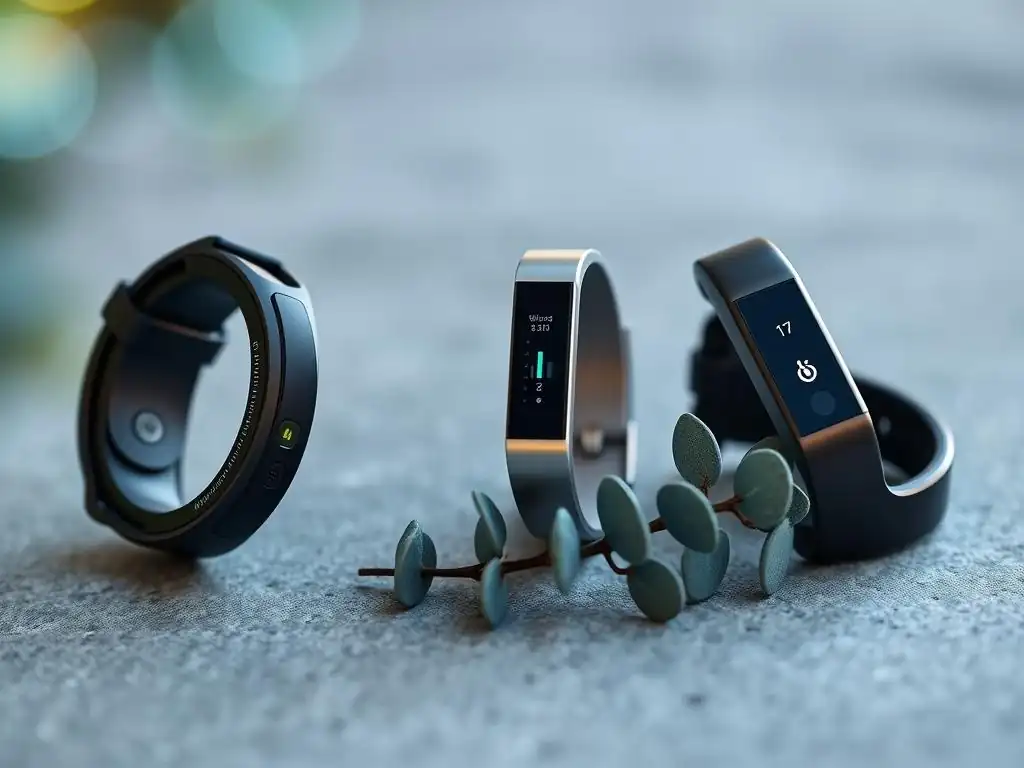
[Garmin Vivosmart 5]: Features, Pros, and Cons – A Detailed Analysis
The Garmin Vivosmart 5 is a slim, screen-based fitness tracker that includes stress monitoring features based primarily on Heart Rate Variability (HRV). It offers all-day stress tracking with alerts for high stress and guided "Relax Reminders" (breathing exercises). Its strengths lie in its simple design, long battery life (up to 7 days), and integration into the comprehensive Garmin Connect ecosystem, which provides detailed insights into various health and fitness metrics alongside stress data.
Pros: Lightweight and comfortable, good battery life, integrates well with Garmin's broader fitness tracking, provides clear stress level graphs and relaxation prompts. Cons: Smaller, monochrome screen compared to smartwatches, no EDA sensor, HRV measurement is wrist-based and primarily used for the all-day stress score and Body Battery™ metric rather than raw HRV analysis, limited smart features. It's a solid option for users seeking basic, continuous stress tracking within a familiar fitness ecosystem.
HRV Accuracy: [Specific Data and Metrics]
The Vivosmart 5 uses its Elevate™ V4 optical heart rate sensor to calculate HRV throughout the day and night. Garmin's primary stress metric, displayed on a 0-100 scale, is derived from HRV. While Garmin doesn't typically publish raw HRV data (like RMSSD) directly to the user on this model, the underlying calculation for the stress score and the "Body Battery" feature (which estimates energy levels based on stress, recovery, and activity) relies heavily on HRV.
User reviews and comparisons suggest that Garmin's wrist-based HRV tracking is generally reliable for identifying trends and relative changes in stress and recovery throughout the day, although absolute values may differ from chest strap standards. For instance, users often report seeing their stress score rise during challenging meetings and fall during periods of rest, indicating the feature effectively captures physiological responses to daily stressors.
EDA Sensor Performance: [User Reviews and Independent Testing]
The Garmin Vivosmart 5 does not include an EDA (Electrodermal Activity) sensor. Its stress tracking relies solely on HRV and heart rate data. Therefore, it does not provide insights into acute, moment-by-moment physiological arousal detected by changes in skin conductivity, which is a feature found in some other stress trackers like the Fitbit Sense 2. Users looking specifically for EDA-based stress detection would need to consider a different device.
Sleep Tracking Capabilities: [Comparison with Other Trackers]
The Vivosmart 5 offers automatic sleep tracking, providing total sleep time, time spent in light, deep, and REM sleep stages, and periods of wakefulness. It also assigns a "Sleep Score" and provides insights into factors affecting sleep quality. Compared to basic trackers, its sleep stage detection is reasonably detailed.
However, compared to devices like the Whoop 4.0 or Fitbit Sense 2, which often leverage additional data like HRV, breathing rate, and restlessness for their sleep analysis and recovery metrics, the Vivosmart 5's sleep tracking is considered competent but perhaps less in-depth in its physiological correlations. For example, while it tracks sleep stages, the actionable recovery insights derived from sleep combined with other metrics might be less pronounced than on a dedicated recovery-focused tracker.
[Fitbit Sense 2]: Features, Pros, and Cons – A Detailed Analysis
The Fitbit Sense 2 is a health-focused smartwatch with a strong emphasis on stress management, featuring a dedicated continuous EDA sensor (called cEDA by Fitbit) in addition to HRV monitoring. It offers all-day stress detection, prompts for reflection during stress moments, and guided breathing/mindfulness sessions directly on the wrist. Its strengths include the innovative cEDA sensor for real-time reactions, a user-friendly app, and robust sleep tracking.
Pros: Dedicated continuous EDA sensor for real-time stress detection, comprehensive stress management features, excellent sleep tracking and analysis, large color touchscreen display, integrates with Fitbit's health ecosystem. Cons: Shorter battery life than many fitness bands (around 6 days with typical use), smart features are less extensive than full smartwatches (e.g., limited third-party apps compared to Apple Watch or Wear OS), some advanced insights require a Fitbit Premium subscription. It's ideal for users who prioritize detailed stress and sleep insights, particularly wanting to track acute stress responses.
HRV Accuracy: [Specific Data and Metrics]
The Fitbit Sense 2 measures HRV, but primarily uses it as one factor contributing to its overall "Stress Management Score" and for providing nightly HRV data within the Fitbit Premium service. Fitbit's implementation focuses on the trend in nightly average HRV rather than intraday fluctuations. Users can see their average nightly HRV (often presented in milliseconds, e.g., 30-80ms range being common depending on age/fitness) and compare it against their personal baseline and population averages.
While its wrist-based HRV is subject to the same limitations as other optical sensors compared to chest straps, user data suggests it provides a consistent baseline for tracking personal changes over time. Fitbit emphasizes the trend in HRV as a key indicator of recovery and stress resilience.
EDA Sensor Performance: [User Reviews and Independent Testing]
The Sense 2's continuous EDA sensor (cEDA) is a key differentiator. Unlike previous versions or other trackers that require you to manually initiate an EDA scan, the cEDA sensor constantly monitors for small electrical changes on your skin. When it detects significant fluctuations indicative of potential stress or emotional arousal, it logs an "EDA Moment" and may prompt you to reflect on your state.
Users report that this feature is effective in highlighting periods of physiological stress response throughout the day, from work-related pressure to unexpected events. For example, a user might see an EDA spike logged during a tense phone call or while navigating heavy traffic. While interpreting these spikes requires user context, the sensor's ability to passively detect these moments is a valuable component of its stress tracking capabilities.
Sleep Tracking Capabilities: [Comparison with Other Trackers]
Fitbit is widely recognized for its strong sleep tracking, and the Sense 2 is no exception. It automatically tracks sleep duration, time in sleep stages (light, deep, REM), restlessness, and provides a daily "Sleep Score" based on quality, duration, and recovery. It also measures estimated oxygen variation and breathing rate during sleep, adding further layers of insight.
Compared to the Garmin Vivosmart 5, Fitbit's sleep analysis is often considered more detailed and integrated into overall health and recovery metrics, particularly within the Premium subscription which provides a breakdown of your sleep score components and personalized insights. Its sleep stage accuracy is generally on par with other high-end wrist-based trackers, providing reliable trends for personal monitoring.
[Whoop 4.0]: Features, Pros, and Cons – A Detailed Analysis
The Whoop 4.0 is a screenless, subscription-based wearable focused purely on health, fitness, and recovery, with stress being a core component of its "Strain" and "Recovery" metrics. It continuously tracks a wide range of physiological data, including HRV, resting heart rate, respiratory rate, and sleep cycles, to provide a daily Recovery score and Strain score. Stress is implicitly integrated into these scores, as high stress negatively impacts recovery and contributes to strain. Its strengths lie in its deep data analysis, focus on recovery, and comfortable, screenless design intended for 24/7 wear.
Pros: Excellent accuracy for a wrist/arm-based sensor (often considered among the best optical sensors), in-depth recovery and strain analysis, comfortable and screenless design, long battery life (4-5 days). Cons: Requires an ongoing subscription, no screen on the device itself (all data viewed in the app), primarily focused on athletes/serious health enthusiasts, higher overall cost due to subscription. It's best suited for users who want detailed physiological data and recovery insights, understanding that stress is a key factor influencing these metrics.
HRV Accuracy: [Specific Data and Metrics]
Whoop places a significant emphasis on HRV as a key marker for recovery and readiness. The Whoop 4.0 measures HRV continuously during sleep and uses the average of the last five minutes of slow-wave sleep as its primary nightly HRV metric (RMSSD).
This approach is considered by many to provide a more stable and representative HRV value compared to simply averaging across the entire night. Whoop's optical sensor is widely regarded as one of the most accurate wrist/arm-based sensors available, with studies and user comparisons often showing high correlation (e.g., R-values above 0.90) with chest strap data under controlled conditions.
Users can view their raw nightly RMSSD value (typically ranging from 20ms to over 100ms depending on the individual) and track trends over time, which is a core component of their daily Recovery score. This focus on accurate and usable HRV data is a major stress tracker features benefits for users prioritizing recovery.
EDA Sensor Performance: [User Reviews and Independent Testing]
The Whoop 4.0 does not include a dedicated EDA (Electrodermal Activity) sensor. Its stress and recovery analysis is based on a combination of HRV, resting heart rate, respiratory rate, sleep data (duration, stages, efficiency), and user-logged behavior (like alcohol intake, stress, illness). While it doesn't capture acute stress moments via skin conductivity like the Fitbit Sense 2, its comprehensive analysis of other physiological signals provides a robust picture of how stress impacts your overall system and recovery over longer periods.
Sleep Tracking Capabilities: [Comparison with Other Trackers]
Whoop offers highly detailed sleep tracking, automatically detecting sleep and wake times and accurately measuring time spent in light, deep (Slow Wave Sleep), and REM sleep stages. It calculates sleep efficiency, sleep consistency (timing), and provides a "Sleep Need" recommendation based on your physiological strain from the day. Its analysis is considered among the most comprehensive among wearables, leveraging HRV and respiratory rate alongside movement data to inform sleep stage detection and overall recovery assessment.
Compared to Fitbit or Garmin, Whoop's sleep insights are more directly integrated into its core recovery score, emphasizing sleep's critical role in bouncing back from stress and strain. For example, a night with poor sleep quality or insufficient duration will significantly lower your Recovery score, directly highlighting the physiological cost of inadequate rest.
Making the Right Choice: Matching Features to Your Needs
Identifying Your Specific Stress Management Goals
Before choosing a wearable stress tracker, take some time to identify what you hope to achieve. Are you looking for real-time alerts to help you manage stress in the moment? Do you want to understand your long-term stress patterns and identify triggers? Is your primary goal to see how stress impacts your recovery and sleep? Or are you simply curious about your physiological responses to daily life?
Your specific goals will help you prioritize which stress tracker features benefits you the most. If you want real-time intervention, features like continuous stress monitoring and on-wrist breathing exercises are key. If you're focused on recovery, detailed HRV and sleep analysis (like that offered by Whoop or higher-end Garmin/Fitbit models) is crucial. Knowing your objectives is the first step in navigating the variety of options available.
Prioritizing the Features That Matter Most to You
Once you've defined your goals, prioritize the features that directly support them. If identifying acute stress moments is important, an EDA sensor is a must-have. If understanding overall resilience and recovery is your focus, prioritize accurate HRV tracking and comprehensive sleep analysis. If you want a device that helps you build mindfulness habits, look for integrated breathing exercises or app integrations.
Consider your lifestyle as well. Do you need a long battery life for multi-day trips? Is a discreet design important for work? Do you prefer a color touchscreen or is a simpler display sufficient? By listing your must-have features and desirable features, you can narrow down the options. Remember that the best stress tracker features benefits you most when they align with how you intend to use the device and what insights you value.
Consulting with a Healthcare Professional: A Personalized Approach
While wearable stress trackers provide valuable personal data, they are not medical devices (unless explicitly stated and FDA-approved, which is rare for general stress features) and should not be used for diagnosing or treating any health condition. Stress is complex, and physiological data is only one piece of the puzzle. Lifestyle factors, mental health history, and underlying medical conditions all play a significant role.
If you are experiencing significant or chronic stress, anxiety, or symptoms that concern you, it is highly recommended to consult with a healthcare professional, such as a doctor, therapist, or counselor. They can provide personalized guidance, recommend appropriate strategies or treatments, and help you understand how the data from your wearable fits into your overall health picture. A wearable stress tracker can be a useful tool to support your well-being journey, but it is not a substitute for professional medical or mental health care.
Investing in Your Mental Wellbeing: The Value of a Wearable Stress Tracker
Choosing the right wearable stress tracker is an investment in understanding and improving your mental wellbeing. By providing objective data on your body's response to stress, these devices offer insights that can empower you to make healthier choices, identify triggers, and track the effectiveness of your coping strategies. The stress tracker features benefits users by moving stress management from a purely subjective feeling to a more data-informed practice.
Whether you prioritize accurate HRV for recovery insights, EDA for real-time stress detection, comprehensive sleep analysis, or convenient on-wrist tools like guided breathing, there is a wearable designed to meet your needs. By carefully considering the essential and advanced stress tracker features benefits discussed, along with practical considerations like comfort and battery life, you can select a device that will become a valuable ally in your journey towards greater resilience and peace of mind.
Frequently Asked Questions
What are the key benefits of using a wearable stress tracker?
Wearable stress trackers provide real-time feedback on your stress levels, helping you identify stress triggers and patterns. This allows for proactive stress management techniques.
How do the stress tracker features help with managing anxiety?
By monitoring physiological indicators like heart rate variability, stress trackers can help you become more aware of anxiety symptoms early on. This awareness facilitates the use of coping mechanisms before anxiety escalates.
What features should I prioritize when choosing a stress tracker for personal use?
Look for trackers with continuous heart rate monitoring, sleep tracking, and guided breathing exercises. Also consider user-friendly interfaces and reliable data accuracy.
Can stress tracker features replace professional mental health support?
No, stress trackers are tools for self-monitoring and awareness, not replacements for professional help. If you are experiencing significant mental health challenges, seek guidance from a qualified therapist or psychiatrist.
How can I use the data from stress tracker features to improve my overall mental well-being?
Analyze the data to identify stressful situations and patterns in your behavior. Use this information to make lifestyle adjustments and develop effective stress-reduction strategies.
Final Reflection: Unlocking Inner Peace: The Power of Informed Choice in Stress Management
The overwhelming prevalence of stress in modern life makes choosing the right tools for self-care more crucial than ever. Understanding the features and benefits of wearable stress trackers isn't just about gadgetry; it's about reclaiming control over your well-being. This knowledge empowers you to make informed decisions, leading to a more balanced and fulfilling life.
The journey towards stress management is deeply personal, and the impact of technology on this journey is profound. The sheer variety of stress trackers available can be daunting, but understanding their capabilities – from heart rate variability monitoring to sleep analysis – allows for a personalized approach to self-care. This understanding transcends mere technological advancement; it represents a cultural shift towards prioritizing mental and physical health. The greatest wealth is health.
– Ralph Waldo Emerson. This quote rings truer than ever in our fast-paced world, where the pursuit of well-being is no longer a luxury, but a necessity.
Now, consider your own relationship with stress. What are your biggest stressors? What aspects of your well-being do you want to improve? This article provided a framework; now it's your turn to apply it. Take the time to research, compare, and choose a wearable stress tracker that aligns with your individual needs and goals. Embrace the opportunity to gain insight into your body's responses to stress, and use that knowledge to cultivate a healthier, happier you. Your journey to inner peace starts with a single, informed choice.
Unleash Your Inner Calm: Take Control of Your Stress Today!
Thanks for taking the time to explore the world of wearable stress trackers with us! We hope this guide armed you with the knowledge to find the perfect device for your needs. Now it's time to put that knowledge into action.
- Find Your Perfect Fit: Research and compare the top-rated stress trackers highlighted in the article, paying close attention to the features most important to you. This is your first step towards a more mindful and balanced life!
- Share Your Insights: Do you have a favorite stress-tracking method or device that wasn't mentioned? Share your experience in the comments below – your insights could help others on their journey to wellness.
- Start Your Stress-Free Journey: Schedule a 15-minute meditation session today. Even a small step can make a big difference in managing your stress levels.
Ready to embrace a calmer, healthier you? What's the first feature you'll prioritize when choosing your stress tracker?