
The Void: What Happens to Your Mental Health Without Strong Social Support?


Welcome to Mind Care Guide, a space dedicated to nurturing your mental well-being. We understand that navigating the complexities of mental health can feel isolating, and that's why we're here.
Have you ever wondered about the profound impact of connection? In this article, we delve into how social support impacts mental health, exploring the vital role that strong relationships play in our overall well-being. Discover the surprising ways connection can be a lifeline and uncover practical strategies for building a supportive network. Ready to explore the depths of human connection and its power to heal?
The Impact of Limited Access to Nature on Mental Well-being
- Understanding the Crucial Role of Nature in Mental Health
- The Impact of Limited Nature Access: Exploring the Consequences
- The Link Between Limited Nature Access and Specific Mental Health Conditions
- Recognizing the Signs of Nature Deficit
- Increasing Access to Nature: Reconnecting with the Natural World
- The Importance of Professional Help When Nature Deficit Contributes to Mental Health Issues
- Practical Tips for Improving Mental Health Through Nature Engagement
- Nature as a Protective Factor: Preventing Mental Health Decline
- Conclusion: Investing in Nature Access for a Healthier Mind
-
Frequently Asked Questions
- How does a lack of social support directly impact mental health?
- What are some examples of social support that positively impact mental well-being?
- How can I build stronger social connections if I currently lack them?
- What are the warning signs that a lack of social support is negatively affecting my mental health?
- Where can I find professional help if I'm struggling with my mental health due to a lack of social support, and building these connections feels overwhelming?
- Final Reflection: Bridging the Void: The Indispensable Role of Social Connection
- Rediscover Your Connections: Strengthen Your Social Support Network
Understanding the Crucial Role of Nature in Mental Health
Defining Nature Exposure and Its Different Forms
Nature exposure encompasses a wide spectrum of interactions with the natural world, extending beyond just visiting national parks or remote wilderness areas. It includes contact with elements like trees, plants, water, sunlight, soil, and wildlife, whether encountered in sprawling forests, local city parks, community gardens, or even through views from a window or the presence of indoor plants. The key is a connection, sensory or visual, with non-artificial environments and living organisms. This broad definition acknowledges that even small doses of nature within urban settings can contribute to mental well-being.
These forms vary significantly in intensity and duration. Passive exposure might involve simply looking at trees outside an office window or having houseplants indoors. More active forms include walking in a park, gardening, hiking, swimming in natural water bodies, or engaging in birdwatching. Urban green spaces, riparian areas along rivers, schoolyards with trees, and even well-maintained street trees contribute to the daily nature dose available to individuals, highlighting the importance of accessible green infrastructure in populated areas.
Why Connection to Nature is Vital for Mental Health
The connection between humans and nature is deeply rooted, often explored through concepts like the Biophilia Hypothesis, which suggests an innate human tendency to connect with nature and other living systems. This inherent bond implies that separation from nature can lead to psychological costs. Research across various disciplines supports this, demonstrating that exposure to natural environments can significantly impact mood, reduce stress, and improve cognitive function. It offers a restorative escape from the demands of modern life, particularly the constant directed attention required in urban or digital environments.
From a physiological standpoint, interacting with nature has been shown to lower levels of stress hormones like cortisol, reduce blood pressure, and decrease heart rate. Psychologically, it can foster feelings of calm, reduce rumination (repetitive negative thoughts), and increase feelings of vitality and positive affect. Studies, such as those involving "forest bathing" (Shinrin-yoku) in Japan, have provided empirical data supporting these physiological and psychological benefits, indicating that even relatively short periods spent immersed in a natural setting can yield measurable improvements in well-being.
The Impact of Limited Nature Access: Exploring the Consequences
The Mental Health Consequences of Nature Deprivation
Limited access to nature, often referred to as "nature deprivation" or contributing to a "nature deficit," can have significant negative consequences for mental health. When individuals, particularly those living in dense urban areas with limited green infrastructure, have infrequent or no contact with natural environments, they miss out on the restorative and stress-reducing benefits that nature provides. This deficit can lead to increased levels of psychological distress, a diminished capacity to cope with stress, and a general decline in overall mental well-being. It essentially removes a natural buffer against the pressures of daily life.
The absence of nature means a lack of opportunities for involuntary, effortless attention, which is characteristic of engaging with natural stimuli like rustling leaves or flowing water. This contrasts with the directed attention required in most artificial environments, which can lead to mental fatigue. Without access to nature's restorative qualities, individuals may experience increased irritability, difficulty concentrating, and a reduced sense of calm, contributing to a state of chronic low-grade stress and mental exhaustion that can predispose them to more significant mental health challenges over time.
Stress Reduction and the Role of Natural Environments
Natural environments play a crucial role in stress reduction, a function severely hampered by limited access. According to the Stress Reduction Theory (SRT), viewing or being in nature triggers a psycho-physiological response that reduces stress. This involves a shift from the sympathetic nervous system (responsible for the "fight or flight" response) towards the parasympathetic nervous system (responsible for "rest and digest"), leading to lower heart rate, blood pressure, and cortisol levels. Urban environments, conversely, are often filled with stressors like noise, crowds, and artificial stimuli that can keep the sympathetic system activated.
When access to natural settings is restricted, individuals lose this potent and accessible tool for stress recovery. The constant exposure to urban stressors without the counterbalancing effect of nature can lead to elevated baseline stress levels. For example, studies have shown that hospital patients with views of nature recover faster and require less pain medication than those with views of a brick wall. Similarly, research indicates that even a 20-minute walk in a park can significantly lower cortisol levels compared to walking in an urban street, highlighting the profound physiological impact that limited access removes from people's lives.
How Limited Nature Exposure Contributes to Mental Health Issues
Limited nature exposure contributes to mental health issues through several interconnected pathways. Firstly, it removes a vital source of psychological restoration, leaving individuals more vulnerable to the effects of chronic stress and mental fatigue. The lack of accessible green spaces also often correlates with reduced opportunities for physical activity, which is a known protective factor for mental health, further exacerbating the risk. Urban environments with less nature may also have higher levels of air and noise pollution, which have been linked to increased rates of anxiety and depression.
Secondly, disconnection from nature can impact social interactions and community cohesion. Parks and green spaces often serve as important community hubs, facilitating social connections and reducing feelings of isolation. Limited access to such spaces can indirectly contribute to social isolation, another significant risk factor for various mental health conditions. For instance, a study published in Nature Human Behaviour in 2019 found that spending at least 120 minutes a week in nature was associated with good health and well-being, suggesting that falling below this threshold, common with limited access, could have detrimental effects.
The Link Between Limited Nature Access and Specific Mental Health Conditions
Increased Risk of Depression Due to Lack of Nature Connection
A growing body of research indicates a strong correlation between limited access to nature and an increased risk of depression. Individuals living in areas with fewer green spaces or who spend less time in nature tend to report higher rates of depressive symptoms. One prominent study in Environmental Health Perspectives found that people with greater access to green space had lower rates of depression and anxiety. The mechanisms are thought to include reduced stress buffering, decreased physical activity, less exposure to natural light regulating mood, and potentially increased social isolation if nature spaces serve as community gathering points.
Furthermore, the cognitive benefits of nature, such as improved mood and reduced rumination, are absent when access is limited. For someone predisposed to depression, the lack of nature's positive influence can remove a valuable coping resource. For example, a meta-analysis of studies published in Environmental Research in 2020 concluded that residential green space exposure was associated with a lower risk of depression, highlighting that simply living near nature provides a protective effect that is lost when such access is denied or limited.
Anxiety Disorders and the Absence of Natural Calm
Natural environments are often perceived as calming and peaceful, offering a stark contrast to the potentially anxiety-provoking stimuli of urban life. The absence of this natural calm due to limited access can exacerbate symptoms of anxiety disorders. Exposure to nature has been shown to reduce physiological markers of stress and anxiety, such as heart rate variability and amygdala activity (the brain region associated with fear and threat). Without regular access to these calming environments, individuals may find it harder to manage their anxiety responses.
Studies have demonstrated that even brief exposures to nature can reduce self-reported anxiety levels. For example, research involving participants walking in either a natural or urban setting showed reduced anxiety and rumination after the nature walk, but not the urban walk. For individuals with generalized anxiety disorder, panic disorder, or social anxiety, the lack of accessible natural spaces means missing out on opportunities for relaxation, stress reduction, and potentially less overwhelming environments for gentle exposure or social interaction compared to crowded urban settings.
Nature Deprivation's Impact on Attention and Focus
Nature has a remarkable ability to restore directed attention, according to Attention Restoration Theory (ART). Spending time in nature allows the prefrontal cortex, which is responsible for effortful attention, to rest, while engaging the more effortless, involuntary attention drawn by natural stimuli. This restoration process improves cognitive function, including focus, problem-solving abilities, and creativity. Limited nature access means this vital restorative process is hindered, leading to directed attention fatigue.
Symptoms of directed attention fatigue include irritability, distractibility, impaired judgment, and difficulty focusing. These symptoms can mimic or exacerbate conditions like Attention-Deficit/Hyperactivity Disorder (ADHD) or simply make daily tasks requiring concentration more challenging for anyone. Research involving children with ADHD has shown that exposure to green spaces can significantly reduce symptoms. For adults, even short nature breaks during workdays have been shown to improve subsequent performance on attention-demanding tasks, illustrating what is lost when nature exposure is limited.
The Connection Between Limited Nature Access and Sleep Disturbances
Exposure to natural light is a primary regulator of the body's circadian rhythm, the internal clock that governs sleep-wake cycles. Spending time outdoors, particularly in the morning, helps to reinforce this rhythm, promoting better sleep quality at night. Limited nature access often means spending more time indoors under artificial light, which can disrupt the natural timing of melatonin production, the hormone that signals sleepiness. This disruption is a common contributor to sleep disturbances like insomnia and poor sleep quality.
Furthermore, the stress-reducing effects of nature also indirectly benefit sleep. High stress levels are a significant cause of sleep problems. By mitigating stress, nature exposure can make it easier to fall asleep and stay asleep. A study published in Environmental Health Perspectives found that increased residential green space was associated with a lower risk of sleep insufficiency. Therefore, limited access to nature means missing out on both the circadian regulation benefits of natural light and the stress-reducing effects that contribute to restful sleep.
Recognizing the Signs of Nature Deficit
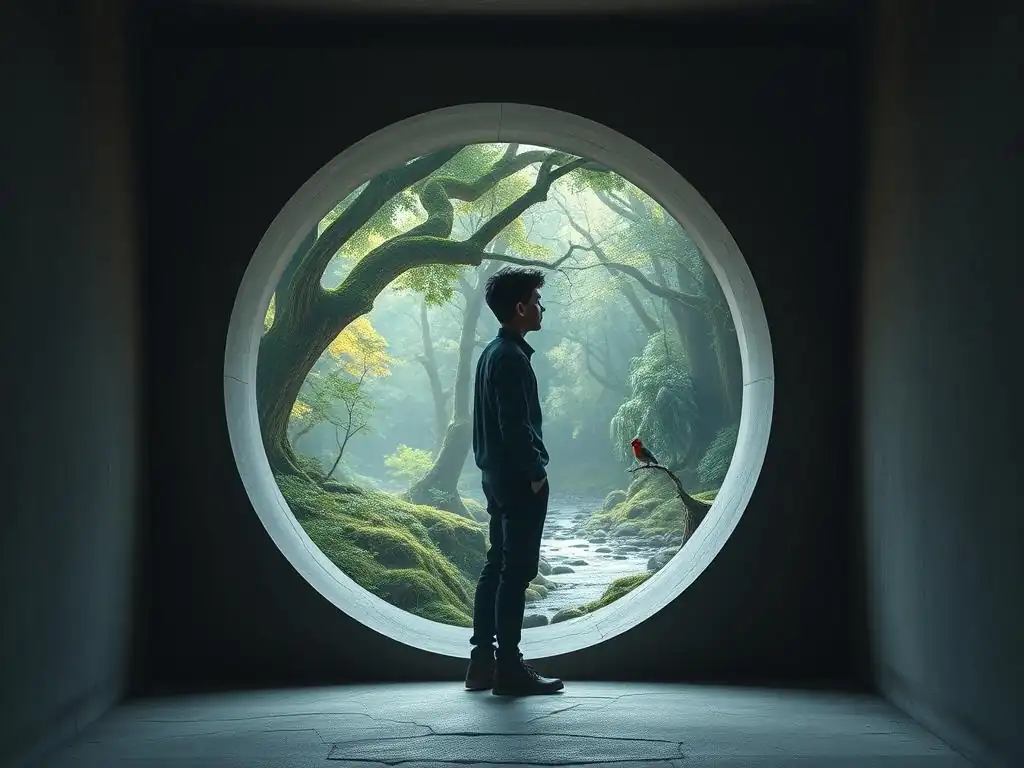
Identifying Feelings of Restlessness and Irritability
One of the subtle signs that you might be experiencing a form of nature deficit is a persistent feeling of restlessness or increased irritability. This can manifest as a sense of being "stir crazy" or feeling agitated without a clear cause. Often, these feelings stem from a lack of mental restoration and a build-up of stress that nature could help alleviate. When your environment primarily consists of artificial stimuli and demands constant directed attention, the mind doesn't get the chance to relax and wander in the effortless way that nature facilitates.
This restlessness isn't just physical; it's a mental agitation. You might find it harder to sit still, feel easily annoyed by minor inconveniences, or experience a general sense of unease. For instance, after spending a long week primarily indoors or in urban concrete jungles, many people report feeling a strong urge to get outside, to breathe fresh air, or see something green – this craving is often the body and mind signaling a need for the restorative qualities of nature.
Recognizing Changes in Mood and Focus
Changes in mood, such as feeling more down, anxious, or less joyful than usual, can also be indicators of limited nature exposure impacting your mental state. As discussed, nature has a proven effect on mood elevation and stress reduction. When this natural resource is unavailable or underutilized, individuals may find themselves more susceptible to negative emotional states. This isn't to say lack of nature is the sole cause of mood disorders, but it can be a significant contributing factor or exacerbate existing vulnerabilities.
Alongside mood changes, difficulty with attention, concentration, and mental clarity can signal a nature deficit. If you find yourself easily distracted, struggling to focus on tasks, or experiencing mental fog, it could be a sign of directed attention fatigue that nature exposure helps to alleviate. Consider whether these difficulties coincide with periods where you've spent very little time outdoors or in green spaces. For example, someone working long hours indoors in a city center might notice reduced productivity and increased errors late in the week compared to a week where they took regular park breaks.
A Craving for Green Spaces: A Warning Sign
Perhaps the most direct sign of nature deficit is a conscious or unconscious craving for green spaces, natural landscapes, or simply the outdoors. This isn't just a preference; for many, it can feel like a genuine need or longing. You might find yourself scrolling through pictures of forests or beaches, feeling drawn to parks you pass, or experiencing a strong desire to escape the urban environment. This craving is your mind and body's way of telling you that you are missing something essential for your well-being.
This yearning for nature is often strongest after periods of intense stress, mental exertion, or prolonged confinement indoors. It reflects an intuitive understanding that natural environments offer a form of respite and rejuvenation that artificial settings cannot replicate. Recognizing this craving and understanding it as a signal can be the first step towards actively seeking out opportunities for nature exposure and addressing the deficit before it contributes to more significant mental health challenges.
Increasing Access to Nature: Reconnecting with the Natural World
Identifying Opportunities for Nature Exposure in Daily Life
Increasing access to nature doesn't always require a trip to a remote wilderness area; often, opportunities exist within or near your daily routine. Start by evaluating your current environment and habits. Could you take a different route to work that goes through a park or along a tree-lined street? Is there a green space near your workplace where you could eat lunch or take a short walk during a break? Even small adjustments, like spending your morning coffee time on a balcony with plants or opening blinds to see trees outside, can make a difference.
Consider integrating nature into existing activities. If you need to talk on the phone, try doing it while walking outside. If you listen to podcasts, listen while walking in a park. Look for local community gardens, public parks, or nature trails within a short distance of your home or work. Even visiting a local botanical garden or a park with significant tree cover can provide a substantial dose of nature. The key is to be intentional about seeking out and utilizing the natural resources available to you, no matter how limited they may seem at first glance.
Strategies for Creating Green Spaces in Urban Environments
In urban areas where public green space is scarce, creating your own pockets of nature can be a vital strategy. This can range from simple actions like filling your living space with houseplants, which have been shown to improve air quality and provide a visual connection to nature, to more involved projects like container gardening on balconies or windowsills. Growing herbs, vegetables, or flowers can provide a tangible connection to the natural world and the cycles of growth.
Beyond individual efforts, advocating for and participating in community greening initiatives is crucial. This might involve joining a community garden, participating in tree-planting events, or supporting local organizations that work to create and maintain urban parks and green infrastructure. Some cities are implementing ambitious plans, like New York City's MillionTreesNYC initiative or Barcelona's "superblocks" designed to create more pedestrian and green areas, demonstrating that significant urban greening is possible and beneficial for residents' mental health.
Nurturing Appreciation for Nature Through Education
Developing a deeper appreciation for nature can significantly enhance the mental health benefits derived from exposure. Learning about local ecology, identifying plants and birds, understanding natural cycles, or simply reading about the wonders of the natural world can transform a passive encounter into an engaging and mentally stimulating experience. This increased engagement fosters a stronger connection and makes spending time in nature more meaningful and rewarding.
Education can take many forms: joining a local nature group, using field guides or apps to identify species, watching nature documentaries, reading books about environmental science or natural history, or taking a class on botany or ecology. For example, learning to identify different bird calls on a walk can turn a simple stroll into an active listening exercise that enhances mindfulness and connection to the environment. This nurtured appreciation encourages more frequent and mindful interactions with nature, amplifying its positive impact on well-being.
Overcoming Barriers to Nature Access [e.g., Accessibility, Safety]
Accessing nature can be challenging due to various barriers, including physical accessibility for people with disabilities, safety concerns in certain areas or times, lack of transportation, or simply not having enough time. Addressing these barriers requires both individual strategies and broader community efforts. For physical accessibility, research trails and parks that are specifically designed to be accessible for wheelchairs or those with mobility issues; many park systems provide this information online. If safety is a concern, visit parks during daylight hours when more people are around, go with a friend or group, or choose well-maintained and monitored public spaces.
Transportation can be a major hurdle, especially for individuals in low-income areas often underserved by public transit to green spaces. Exploring bus routes, carpooling with friends, or using ride-sharing services specifically for park visits can help. For those with severe mobility limitations or who live in areas with no accessible green space, bringing nature indoors with plants, natural light lamps, and nature-themed art or sounds can offer some benefit. Advocating for equitable access to green spaces in all neighborhoods is a long-term solution requiring community involvement and policy changes.
The Importance of Professional Help When Nature Deficit Contributes to Mental Health Issues
While increasing nature exposure is a powerful tool for supporting mental health, it is not a standalone cure for significant mental health conditions. If you suspect that limited nature access is contributing to persistent feelings of stress, anxiety, depression, or difficulty focusing that are impacting your daily life, work, or relationships, it is crucial to seek professional help. Signs that warrant professional intervention include symptoms that are severe, long-lasting (more than a few weeks), or interfere with your ability to function normally.
A mental health professional, such as a therapist or counselor, can help you understand the root causes of your distress, which may be multifaceted and extend beyond environmental factors. They can provide evidence-based treatments like Cognitive Behavioral Therapy (CBT) or other therapeutic modalities to address underlying issues, develop coping strategies, and manage symptoms effectively. While you can discuss the role of nature in your well-being with them, professional therapy offers a comprehensive approach to mental health challenges.
Nature-Based Therapy and Its Role in Improving Well-being
For individuals interested in integrating their connection to nature with their therapeutic journey, nature-based therapies offer a promising approach. These therapies, also known as ecotherapy, green therapy, or wilderness therapy, incorporate natural environments and activities into the therapeutic process. Examples include walking therapy in a park, horticultural therapy (gardening as therapy), animal-assisted therapy, or wilderness expeditions. These methods leverage the known benefits of nature exposure to facilitate psychological healing and growth.
Nature-based therapy can be particularly effective for reducing stress, improving mood, increasing self-esteem, and enhancing social skills. For instance, horticultural therapy has been shown to reduce symptoms of depression and anxiety in various populations. Wilderness therapy programs, often used with adolescents, can build resilience, teamwork, and self-reliance. These approaches view the human-nature relationship as integral to mental health and utilize direct interaction with the natural world as a therapeutic medium.
Finding Mental Health Professionals Who Understand the Importance of Nature
If you are interested in exploring the connection between nature and your mental health within a therapeutic setting, you can seek out mental health professionals who have training or interest in ecotherapy or nature-based approaches. While not all therapists specialize in this area, many are open to discussing the role of lifestyle factors, including environment, in mental well-being. When searching for a therapist, you can inquire about their perspective on the human-nature connection or if they incorporate any outdoor elements into their practice (where appropriate and safe).
Some therapists may offer "walk and talk" therapy sessions in a park, while others might integrate discussions about your relationship with nature and strategies for increasing nature exposure into traditional office-based sessions. Resources like the Ecotherapy Network or professional directories can sometimes help locate practitioners with relevant experience. Finding a therapist who understands and values the importance of nature can help you integrate this powerful tool into your overall mental health strategy.
Practical Tips for Improving Mental Health Through Nature Engagement
Spending Time in Parks, Gardens, and Forests
One of the most direct ways to improve mental health through nature is by intentionally spending time in green spaces like parks, gardens, and forests. Aim for regular visits, even if they are short. Research suggests that spending at least 120 minutes per week in nature is associated with good health and well-being, and benefits can be seen even with shorter durations, such as a 20-minute walk. Plan specific times in your week for nature visits, treating them with the same importance as other appointments.
When visiting these spaces, try to engage your senses. Notice the colors of the leaves or flowers, listen to the sounds of birds or wind, feel the texture of bark or leaves, and breathe in the fresh air or the scent of damp earth. Simply sitting quietly and observing the natural world around you can be incredibly restorative. Vary the locations you visit to experience different types of natural environments, from manicured gardens to more wild, forested areas.
Bringing Nature Indoors: Plants and Natural Light
When outdoor access is limited, bringing elements of nature indoors can still offer some mental health benefits. Filling your living and working spaces with houseplants can improve air quality, reduce stress, and provide a visual connection to the natural world. Studies have shown that having plants in an office setting can reduce tension and anxiety among employees. Choose plants that are easy to care for if you are new to plant ownership.
Maximizing exposure to natural light indoors is also crucial for regulating circadian rhythms and improving mood. Arrange your furniture to be near windows, open blinds and curtains during the day, and consider using full-spectrum light bulbs if natural light is scarce, especially during darker months. If possible, set up a workspace or relaxation area near a window with a view of trees or green space. Even a view of nature from indoors has been shown to have restorative effects.
Engaging in Outdoor Activities: Hiking, Gardening, and Birdwatching
Combining physical activity or engaging hobbies with nature exposure can amplify the mental health benefits. Activities like hiking in a forest, gardening in your yard or a community plot, or birdwatching in a local park provide both the restorative effects of nature and the positive impacts of physical exercise or focused engagement. These activities can also offer opportunities for social connection if done with others, further boosting well-being.
Hiking provides cardiovascular exercise and immersion in natural landscapes. Gardening offers a sense of accomplishment, connection to the earth, and gentle physical activity. Birdwatching encourages mindfulness and observation skills while connecting you to local wildlife. Choose activities that resonate with your interests and fitness level. Even short, regular engagement in these activities can significantly contribute to reduced stress, improved mood, and enhanced cognitive function.
Practicing Mindfulness in Natural Settings
Mindfulness, the practice of paying attention to the present moment without judgment, can be particularly powerful when combined with nature exposure. Nature provides a rich sensory environment that lends itself well to mindful observation. Instead of rushing through a park or trail, try slowing down and intentionally noticing the sights, sounds, smells, and textures around you. Feel the ground beneath your feet, listen to the sounds of nature, observe the details of a leaf or flower, and pay attention to the feeling of the air on your skin.
Mindful walking, sitting meditation in a park, or simply spending a few minutes mindfully observing a tree can deepen your connection to nature and enhance its restorative effects. This practice can reduce rumination, increase feelings of calm, and improve your ability to stay present. By consciously engaging with nature through mindfulness, you can transform simple exposure into a profound therapeutic experience that supports your mental well-being.
Nature as a Protective Factor: Preventing Mental Health Decline
Building Resilience Through Connection to Nature
Regular connection to nature can act as a powerful protective factor against mental health decline by helping to build psychological resilience. Resilience is the ability to adapt and recover from stress and adversity. Nature provides a consistent, predictable, and often peaceful environment that can serve as a reliable source of comfort and restoration during challenging times. Spending time in nature can help individuals develop better coping mechanisms, improve emotional regulation, and gain perspective on their problems.
Engaging with the natural world can foster a sense of perspective, reminding us that we are part of something larger than ourselves. This can reduce feelings of isolation and overwhelm. For instance, observing the cyclical nature of seasons or the persistence of life in challenging conditions can offer lessons in patience and resilience. Regular nature exposure essentially builds a reserve of mental and emotional strength, making individuals better equipped to handle life's inevitable stressors without experiencing significant mental health deterioration.
The Long-Term Benefits of Prioritizing Nature Exposure
Prioritizing nature exposure offers cumulative, long-term benefits for mental health. Consistent engagement with natural environments over time can lead to sustained improvements in mood, reduced chronic stress levels, and enhanced cognitive function. It can also encourage healthier lifestyle choices, such as increased physical activity and a greater likelihood of spending leisure time constructively rather than passively. These combined effects contribute to overall well-being and can help prevent the onset or worsening of various mental health conditions.
Investing time and effort in connecting with nature regularly is an investment in your long-term mental health. It's not just about immediate stress relief; it's about building a foundation of resilience and well-being that can support you throughout your life. Making nature a consistent part of your routine, whether daily short doses or weekly longer visits, can lead to lasting positive changes in how you feel, think, and cope with the demands of modern life.
Conclusion: Investing in Nature Access for a Healthier Mind
The Power of Nature in Promoting Mental Well-being
Nature is not merely a pleasant backdrop or a luxury; it is a fundamental component of human well-being, with profound implications for mental health. The evidence is clear: limited access to nature is associated with increased stress, higher rates of anxiety and depression, reduced cognitive function, and poorer sleep. Conversely, consistent engagement with natural environments, even in small doses, can significantly lower stress hormones, improve mood, restore attention, and build psychological resilience. The power of nature lies in its inherent ability to calm, restore, and rejuvenate the human mind and body.
Recognizing the vital role of nature means understanding that access to green spaces is not just an environmental issue but a public health imperative. As urban populations grow, ensuring equitable access to parks, green infrastructure, and natural light becomes increasingly critical for supporting the mental health of communities. On an individual level, making conscious efforts to connect with nature, whether through daily walks, indoor plants, or mindful observation, is a powerful, accessible strategy for enhancing mental well-being and building a healthier, more resilient mind.
Frequently Asked Questions
A lack of social support can lead to feelings of isolation and loneliness, which are significant risk factors for developing or worsening mental health conditions like depression and anxiety. This lack of connection can also impair your ability to cope with stress.
Positive social support includes having trusted individuals to talk to, receiving emotional encouragement, and participating in shared activities that foster a sense of belonging and connection. These interactions can significantly buffer against stress.
Start by joining groups or clubs related to your interests, volunteering in your community, or reconnecting with old friends and family. Actively initiating contact and being open to new relationships is key.
Watch out for increased feelings of sadness, irritability, withdrawal from social activities, and difficulty concentrating. These symptoms may indicate that your mental well-being is suffering due to social isolation.
Mind Care Guide offers resources, including directories of therapists and support groups, that can provide professional assistance. Don't hesitate to seek help if you're finding it difficult to improve your situation on your own, as professional support can make a significant difference.
The pervasive loneliness epidemic gripping our increasingly interconnected world underscores the critical importance of strong social support for mental well-being. Ignoring the profound impact of social connection on our mental health is not only short-sighted but actively detrimental to individual and societal flourishing. We've explored the tangible links between social isolation and a range of mental health challenges, from increased anxiety and depression to heightened vulnerability to chronic illnesses. This isn't simply a matter of feeling a little down; it's a serious public health concern demanding immediate attention.
The ongoing erosion of traditional community structures, coupled with the isolating effects of technology, has created a perfect storm for mental health struggles. We've seen how the constant comparison and curated perfection presented on social media can exacerbate feelings of inadequacy and loneliness, ironically undermining the very connection it promises. The greatest happiness of life is the conviction that we are loved; loved for ourselves, or rather, loved in spite of ourselves.
– Victor Hugo. This quote highlights the inherent human need for unconditional acceptance and belonging – a need often unmet in our modern, fragmented society. The article's exploration of this fundamental need, and its consequences when unmet, is a crucial step towards fostering a more empathetic and supportive environment.
Now, consider your own life. Who are the people who truly lift you up? Who provides you with a sense of belonging and unconditional support? Take a moment to actively nurture these relationships, and consciously seek out new connections that enrich your life. Reach out to someone you haven't spoken to in a while.
Join a club or group that aligns with your interests. Volunteer your time to a cause you care about. Building and maintaining strong social support networks isn't a luxury; it's a vital investment in your mental and emotional well-being – an investment that yields immeasurable returns. Let's collectively work towards bridging the void and fostering a society where everyone feels seen, heard, and truly connected.
Thanks for taking the time to explore the vital role of social support in maintaining strong mental health. We hope you gained valuable insights into building and nurturing those crucial relationships. Now it's time to put that knowledge into action!
- Prioritize one meaningful connection this week: Reach out to a friend, family member, or colleague you haven't spoken to in a while. A simple phone call or coffee date can make a world of difference. This is your primary action.
- Join a local community group: Find an activity that interests you – a book club, hiking group, or volunteer organization – and take the first step towards building new connections.
- Share this article with someone: Help spread awareness about the importance of social support and encourage others to prioritize their mental wellbeing. Perhaps spark a conversation!
What small step will you take today to strengthen your social network and nurture your mental health?