
Are Your StepChildren Thriving? A Mental Wellness Check

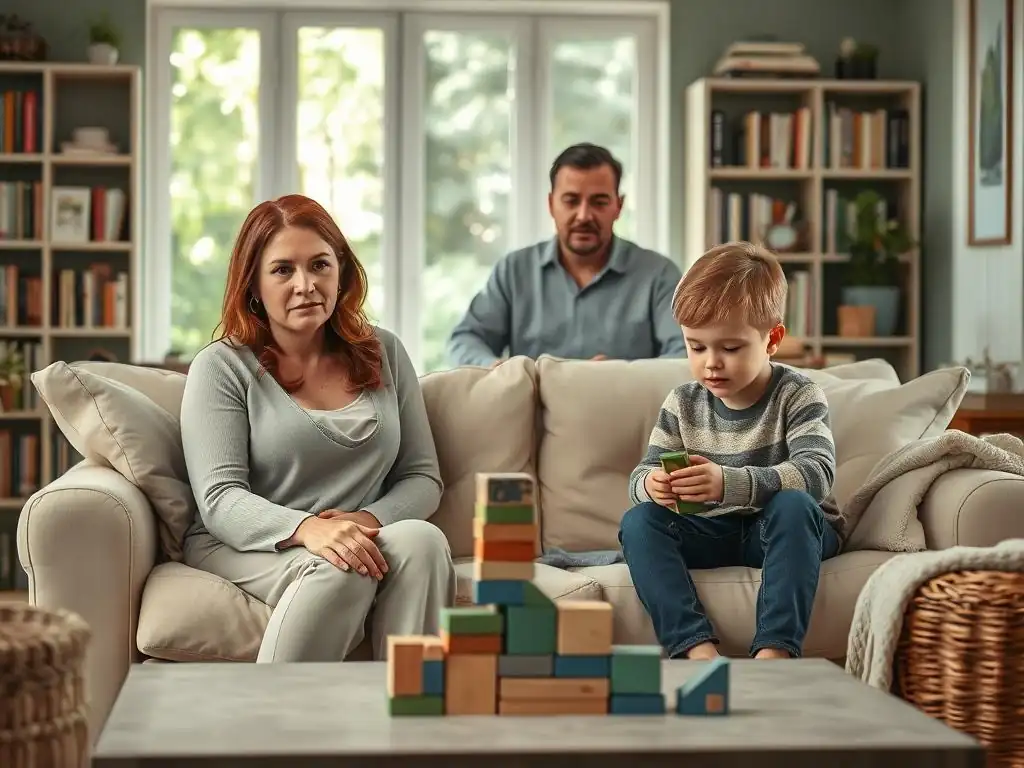
Welcome to Mind Care Guide, a safe space dedicated to nurturing mental well-being.
Feeling uncertain about how to best support the mental health of your blended family? You're not alone. Navigating these dynamics can be challenging, and the well-being of your stepchildren is paramount. Are you truly equipped to provide the support they need to thrive? Dive into our comprehensive guide on Stepchild Mental Wellness Support to discover practical strategies and resources that can make a real difference in your family's journey to happiness and stability. Let's explore how to build a stronger, more resilient family, one step at a time.
- Understanding the Unique Challenges of Stepchildren
- Recognizing Mental Health Indicators in Stepchildren
- Strategies for Fostering Well-being
- Addressing Common Issues Affecting Mental Health
- Seeking Professional Help
- Promoting Self-Esteem and Confidence
- Resources and Support Networks
- Long-Term Strategies for Success
- Conclusion: Prioritizing Mental Well-being in Blended Families
-
Frequently Asked Questions
- What are some common mental health challenges faced by stepchildren?
- How can I, as a stepparent, create a supportive environment for my stepchild's mental wellness?
- What are some signs that my stepchild might be struggling with their mental health?
- What resources are available to support stepchildren's mental well-being?
- How important is communication in fostering stepchild mental wellness?
- Final Reflection: Cultivating Thriving Stepfamilies
- Unlock Your Stepfamily's Potential: A Path to Thriving
Understanding the Unique Challenges of Stepchildren
For many stepchildren, navigating their identity within a blended family structure presents unique challenges. They may feel torn between their two biological parents' households, each with its own rules, traditions, and expectations. This duality can make it difficult to establish a consistent sense of self and belonging.
A child might feel like they need to be one version of themselves at their mother's house and another at their father's house, especially if there are differing family cultures or levels of acceptance towards the new stepparent and stepsiblings. This constant adjustment can lead to confusion about where they truly fit in and who they are meant to be. Providing consistent stepchild mental wellness support is crucial during this phase.
Furthermore, the introduction of new family members – stepparents, stepsiblings, and even extended stepfamily – adds layers of complexity to a child's social world. They must integrate these new relationships while maintaining their existing ones. This can involve navigating new family dynamics, establishing new roles, and sometimes feeling like an outsider.
For example, a teenager might struggle to find their place in a stepfamily where the stepsiblings are much younger or older, or where established family rituals don't include them naturally. Supporting their sense of identity requires patience, understanding, and creating opportunities for them to feel valued and connected within the new family unit, a key aspect of effective stepchild mental wellness support.
The Impact of Family Transitions on Mental Health
Family transitions, such as divorce, remarriage, and the formation of a blended family, are significant life events that can profoundly impact a child's mental health. Children may experience a range of emotions, including grief over the loss of the original family structure, anxiety about the unknown future, anger towards the changes, or sadness about feeling displaced.
These feelings are normal responses to major upheaval, but if left unaddressed, they can contribute to more significant mental health challenges. Studies suggest that children experiencing parental separation and remarriage may face increased risks for adjustment difficulties compared to children in intact families, highlighting the need for proactive mental wellness support for stepchildren.
The stress associated with adapting to a new living situation, new family members, and potentially new schools or communities can be overwhelming for a child. They may feel a loss of control over their environment and struggle to cope with the rapid changes.
For instance, a child moving into a stepparent's home might have to share a bedroom for the first time, adjust to different house rules, and navigate new relationships simultaneously. This period of adjustment typically lasts at least one to two years, and consistent emotional support and understanding from both biological and stepparents are vital during this time to promote their mental well-being and provide essential stepchild mental wellness support.
Recognizing Mental Health Indicators in Stepchildren
Identifying Signs of Anxiety and Stress
Anxiety and stress can manifest differently in children than in adults, making them sometimes difficult to spot. In stepchildren navigating blended family dynamics, signs might include increased irritability, difficulty sleeping, changes in appetite (eating significantly more or less), or physical complaints like headaches or stomachaches with no clear medical cause. A child might also become withdrawn, less communicative, or exhibit clingy behavior towards a biological parent. For example, a previously independent child might suddenly resist going to school or refuse to be left alone, expressing worries that seem disproportionate to the situation.
Other indicators of anxiety or stress can involve changes in school performance, such as declining grades or difficulty concentrating. A child might also display excessive worry about future events, struggle with separation anxiety, or become overly perfectionistic. Observe if they are constantly seeking reassurance or seem keyed up and restless. Recognizing these subtle shifts in behavior and emotional state is a crucial first step in providing timely stepchild mental wellness support and helping them develop coping strategies for the pressures they face within their evolving family structure.
Understanding Depression in Stepchildren
Depression in children, including stepchildren, can look different from adult depression. While some children may exhibit sadness or tearfulness, others might primarily show irritability, anger, or defiant behavior. Persistent low mood, loss of interest in activities they once enjoyed (like hobbies, playing with friends, or family outings), significant changes in sleep patterns (insomnia or excessive sleeping), and changes in weight or appetite are key indicators. A child might also express feelings of worthlessness, hopelessness, or excessive guilt.
Pay attention if your stepchild seems persistently withdrawn from family activities or friends, talks about feeling "numb" or empty, or exhibits low energy levels. School problems, such as frequent absences, difficulty completing assignments, or conflicts with peers, can also be signs. In some cases, older children or teenagers might talk about death or suicide, which should always be taken seriously and requires immediate professional help. Understanding these varied presentations of depression is essential for providing appropriate stepchild mental wellness support and intervention.
Recognizing Behavioral Changes: A Guide for Parents
Behavioral changes are often the most noticeable indicators of underlying emotional distress in children. In the context of a blended family, stepchildren might exhibit behaviors such as increased defiance towards rules, aggression towards siblings (biological or step), or withdrawal from family interaction. Younger children might regress to earlier behaviors like thumb-sucking or bedwetting. Older children and teenagers might engage in riskier behaviors, such as substance use, truancy, or associating with a negative peer group.
Significant shifts in behavior that are out of character for the child warrant attention. For instance, a previously outgoing child becoming isolated, or a generally compliant child becoming consistently rebellious, could signal distress. These behaviors are often communication signals that the child is struggling to cope with the complexities of their family life or other stressors. Open communication about these changes, coupled with an empathetic approach to understanding their root cause, is vital for effective stepchild mental wellness support.
Strategies for Fostering Well-being
Creating a Stable and Supportive Home
Establishing a stable and predictable home environment is paramount for the mental well-being of stepchildren. This involves creating clear and consistent routines, rules, and expectations. Knowing what to expect helps children feel secure and reduces anxiety. While blended families naturally involve complexity, striving for consistency in daily life – meal times, homework schedules, bedtime routines – can provide a much-needed sense of order. This stability acts as a foundation for emotional security.
Furthermore, a supportive home is one where children feel loved, accepted, and safe to express their emotions without fear of judgment. This means validating their feelings, even if they are negative or directed towards the blended family situation. Ensuring that the child has a dedicated space that feels like their own, whether it's a bedroom or a corner in a shared room, can also contribute to their sense of security and belonging. Prioritizing a stable and supportive atmosphere is a cornerstone of providing effective stepchild mental wellness support.
Encouraging Open Communication
Open communication is vital in any family, but it's particularly crucial in blended families where relationships are being built and navigated. Create opportunities for regular family discussions where everyone feels heard. Encourage stepchildren to talk about their feelings, concerns, and experiences related to the blended family, school, friends, or anything else on their minds. This requires active listening and a willingness to understand their perspective, even if it differs from your own.
It's also important to communicate clearly and honestly with stepchildren about changes affecting the family, such as future moves, changes in custody schedules, or the arrival of new siblings. Providing age-appropriate information in advance allows them time to process and adjust. Avoid discussing adult-level conflicts or negative feelings about the ex-spouse or biological parent with the child, as this puts them in a difficult position. Fostering an environment where open and honest communication is the norm is a key element of successful stepchild mental wellness support.
Building Positive Relationships in the Family
Building strong, positive relationships between all family members is fundamental to a well-functioning blended family and supports stepchild mental wellness. This involves fostering connections between stepparents and stepchildren, as well as among stepsiblings. Spend quality time together as a family, engaging in activities that everyone enjoys. This could be game nights, family outings, or simply sharing meals and conversation. These shared experiences create positive memories and strengthen bonds.
Encourage one-on-one time between stepparents and stepchildren, allowing the relationship to develop naturally without the pressure of the biological parent's presence. Stepparents can build trust by showing genuine interest in the child's life, attending their events, and offering support. Similarly, facilitate positive interactions between stepsiblings by encouraging cooperation and mutual respect. While sibling rivalry is normal, setting clear boundaries and promoting empathy can help build stronger sibling relationships, contributing significantly to overall stepchild mental wellness support.
Addressing Common Issues Affecting Mental Health

Managing Loyalty Conflicts and Sibling Rivalry
Loyalty conflicts are common for stepchildren who may feel they have to choose sides between their biological parents or between their biological parent and stepparent. This can be emotionally draining and create immense stress. Parents should reassure the child that it is okay to love and have relationships with all their parents and family members. Avoid putting the child in the middle of adult disputes or asking them to carry messages between households. For example, a parent should never ask a child to report back on what is happening in the other parent's home.
Sibling rivalry can also intensify in blended families as children compete for parental attention, resources, or space. This is a natural dynamic but can be exacerbated by feelings of insecurity or displacement. Encourage cooperation rather than competition. Establish fair rules and expectations for all children, regardless of biological relationship. Recognize each child's individual strengths and provide opportunities for them to shine. Addressing loyalty conflicts and managing sibling rivalry with sensitivity are crucial components of providing effective stepchild mental wellness support.
Differences in discipline and parenting styles between biological parents and stepparents can be a significant source of conflict and confusion for stepchildren, negatively impacting their mental health. It is essential for the parenting adults in the blended family to establish a united front on discipline. This doesn't mean they must have identical styles, but they should agree on core rules, consequences, and approaches. Presenting a consistent message avoids the child exploiting divisions or feeling unsure about expectations.
Biological parents should ideally take the lead in disciplining their own children, especially in the early stages of the blended family, while the stepparent supports the biological parent's authority and gradually builds their relationship with the stepchild. Stepparents can initially focus on building rapport and being a supportive adult figure before stepping into a primary disciplinary role. Discussing and aligning parenting philosophies openly and respectfully is key to minimizing stress for the child and ensuring consistent stepchild mental wellness support.
Supporting Children Through Grief and Loss
Blended families are often formed after significant losses, such as the death of a parent or the divorce of biological parents. Stepchildren may still be grieving the loss of their original family structure, the absence of a non-resident parent, or even the loss of familiar routines and traditions. This grief can be complex and resurface at different times. It's important to acknowledge these losses and provide space for the child to mourn. Avoid minimizing their feelings or expecting them to "just get over it" because a new family is forming.
Allow children to talk about their memories of the past and maintain connections with important people from their previous life, such as extended family members, if appropriate and healthy. Commemorating significant dates related to the loss, such as anniversaries or birthdays of a deceased parent, can also be important for the grieving process. Recognizing that grief is not linear and offering ongoing emotional support is a vital part of stepchild mental wellness support, helping them process the past while building a future.
Seeking Professional Help
Recognizing When Therapy is Needed
It can be challenging to determine when a stepchild's difficulties are typical adjustment issues versus signs that professional help is needed. Seek therapy if the child's behavioral changes are persistent, severe, or significantly impacting their functioning at home, school, or with peers. This includes prolonged sadness, anxiety, withdrawal, aggression, academic decline, or engaging in risky behaviors. If you notice changes that last for several weeks or months and don't improve with home-based support, it's a strong indicator that professional intervention is necessary for comprehensive stepchild mental wellness support.
Additionally, if the child expresses thoughts of self-harm, suicide, or hopelessness, or if family conflict is severely impacting the child's emotional state, professional help is immediately warranted. Sometimes, even if the child isn't exhibiting extreme symptoms, family therapy can be beneficial to help all members navigate the complexities of blending and improve communication and relationships. Trust your intuition as a parent; if you are worried about your stepchild's well-being, consulting a professional is always a good step.
Finding a Qualified Therapist
Finding the right therapist for your stepchild and potentially the family requires careful consideration. Look for licensed mental health professionals experienced in working with children, adolescents, and families, particularly those with experience in blended family dynamics. Types of professionals include licensed clinical social workers (LCSW), licensed professional counselors (LPC), marriage and family therapists (MFT), and clinical psychologists (PsyD or PhD). You can search online directories of professional organizations, ask for referrals from the child's pediatrician or school counselor, or check with your insurance provider for in-network options.
When contacting potential therapists, inquire about their approach to working with children and blended families. A good fit is crucial; the child needs to feel comfortable and safe with the therapist. You might also consider therapists who offer family therapy sessions, as addressing family dynamics can be very beneficial. Don't hesitate to schedule initial consultations to assess the therapist's rapport with your child and their understanding of your family's specific situation. Finding the right match is key to effective stepchild mental wellness support through therapy.
Talking to Your Stepchild About Therapy
Approaching the topic of therapy with a stepchild requires sensitivity and honesty. Frame therapy as a tool for support and growth, not as a punishment or an indication that something is "wrong" with them.
Explain that therapy is a place where they can talk about their feelings and challenges in a safe, confidential environment with someone who is trained to help kids navigate difficult situations, especially in changing families. For example, you might say, "Our family is going through a lot of changes, and sometimes it helps to talk things through with an expert who can give you tools to manage big feelings."
Allow the child to ask questions and express any anxieties they might have about therapy. Reassure them that the therapist's job is to listen and help them feel better, not to take sides or report back everything they say (within legal limits regarding safety). Involving them in the process, perhaps by letting them meet the therapist briefly before the first session or having them help choose a therapist if possible, can increase their sense of control and reduce resistance. Presenting therapy positively is part of providing comprehensive stepchild mental wellness support.
Promoting Self-Esteem and Confidence
Encouraging Hobbies and Activities
Encouraging stepchildren to participate in hobbies and activities they enjoy is a powerful way to promote their self-esteem and confidence. These pursuits provide opportunities for skill development, positive social interaction, and a sense of accomplishment outside of the potentially challenging family environment. Whether it's sports, art, music, coding, or joining a club, finding activities that resonate with the child's interests allows them to discover their talents and build competence.
Participation in activities also provides a sense of belonging and identity outside the family unit. Being part of a team or group can foster friendships and provide a supportive network. For instance, joining a local theater group might help a shy stepchild find their voice and build confidence through performance. Support their interests by attending their games or performances, providing necessary resources, and celebrating their efforts and progress. These external successes contribute significantly to their overall self-worth and are an important aspect of stepchild mental wellness support.
Celebrating Successes and Strengths
Actively recognizing and celebrating a stepchild's successes and strengths, no matter how small, is crucial for building their confidence. In a blended family, children might feel overshadowed or that their achievements aren't as important as those of their biological siblings or stepsiblings. Make a conscious effort to acknowledge their accomplishments, whether it's getting a good grade on a test, mastering a new skill, showing kindness, or simply trying their best. Specific praise is more effective than general praise; instead of saying "You did good," say "I'm really proud of how you persevered through that difficult math problem."
Focusing on effort and progress, not just outcomes, is also important. Celebrate their unique qualities and talents. Help them identify their strengths and find ways to utilize them. For example, if a stepchild is particularly empathetic, acknowledge and praise their kindness towards others. Creating a family culture that values individual contributions and celebrates each member's strengths helps build a positive self-image and reinforces their value within the family unit, serving as a vital component of stepchild mental wellness support.
Fostering a Positive Self-Image
A positive self-image is fundamental to a child's mental well-being. Parents and stepparents play a significant role in shaping how stepchildren see themselves. This involves consistently communicating unconditional love and acceptance. Avoid making negative comparisons between stepchildren and biological children or stepsiblings. Be mindful of the language used; refrain from making disparaging remarks about the child's biological parent in their presence, as this can negatively impact the child's self-perception and create loyalty binds.
Encourage healthy habits, such as good nutrition, adequate sleep, and physical activity, as these contribute to feeling good physically and mentally. Help them develop realistic expectations for themselves and understand that making mistakes is a normal part of learning and growth. Provide opportunities for them to make choices and take on responsibilities appropriate for their age, fostering a sense of competence and control. Consistently reinforcing their worth and capabilities is essential for building a resilient and positive self-image, providing lasting stepchild mental wellness support.
Resources and Support Networks
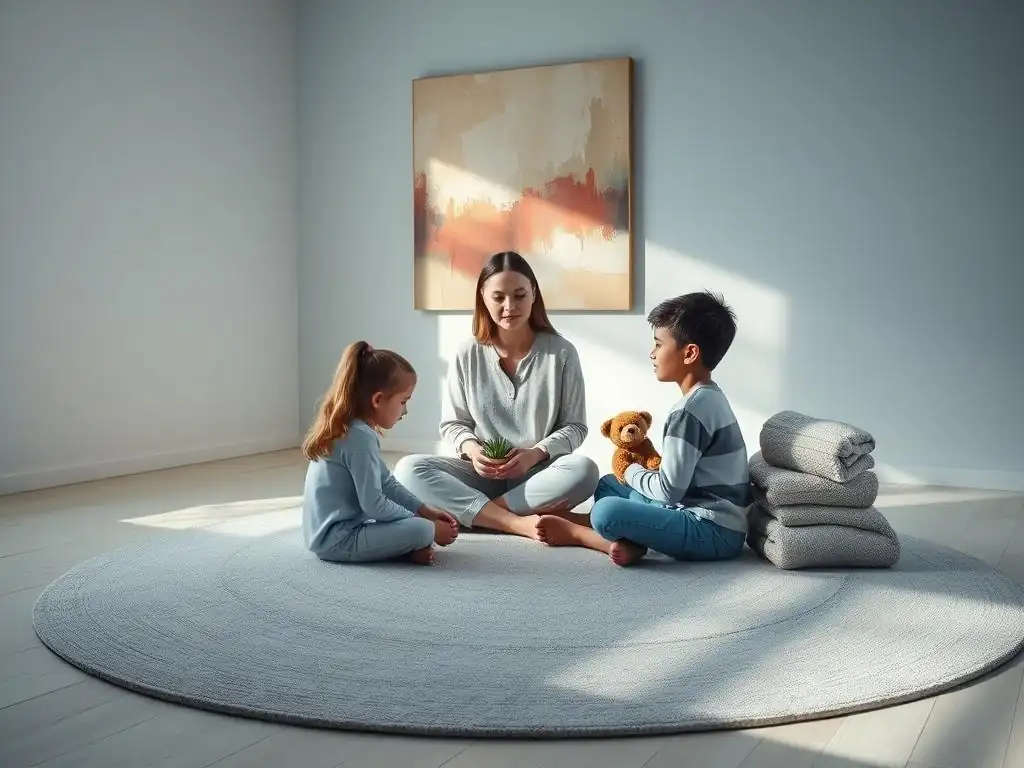
Online Communities for Blended Families
Connecting with others who understand the unique challenges of blended families can be incredibly validating and provide valuable support. Online communities, forums, and social media groups dedicated to blended families offer a platform for parents and stepparents to share experiences, ask questions, and offer advice. These communities can provide emotional support and practical tips from people who are navigating similar situations. For example, finding a forum where stepparents discuss discipline strategies or managing holidays can offer new perspectives and reduce feelings of isolation.
While online communities can be a great source of support, it's important to choose reputable and moderated groups. Look for communities that promote positive communication and focus on healthy family dynamics. Sharing experiences with others who are actively working towards strong family bonds can be empowering and provide a sense of shared purpose in supporting stepchild mental wellness.
Books and Articles on Stepfamily Dynamics
Educating yourself about the common dynamics and potential challenges of stepfamilies is an invaluable resource. Many excellent books and articles offer insights into topics such as the stepfamily life cycle, the role of the stepparent, sibling relationships, and managing loyalty issues. Reading about these topics can help normalize difficulties you might be experiencing and provide strategies for navigating them effectively. For example, a book on the "stepfamily cycle" might explain that conflict is a normal stage of integration and offer ways to move towards acceptance.
Look for resources written by family therapists or researchers specializing in blended families. These resources can offer evidence-based approaches and practical tools for improving communication, building relationships, and addressing common conflicts. Staying informed about stepfamily dynamics empowers parents and stepparents to be more empathetic and effective in their roles, directly contributing to better stepchild mental wellness support.
Child and Adolescent Mental Health Services
Knowing how to access professional mental health services for children and adolescents is crucial. Local mental health clinics, community service boards, and private practices offer a range of services, including individual therapy, family therapy, and group therapy. School counselors and psychologists can also be excellent resources for identifying needs and providing initial support or referrals. Pediatricians are often the first point of contact and can provide guidance on seeking help.
Many regions also have crisis hotlines or walk-in clinics for urgent situations. Understanding the available resources in your area and knowing the process for accessing them can make it easier to get timely help when your stepchild needs it. Don't wait until a crisis occurs; familiarize yourself with local child and adolescent mental health services as part of your ongoing commitment to stepchild mental wellness support.
Long-Term Strategies for Success
Maintaining Consistent Support
Supporting a stepchild's mental well-being is not a one-time effort but an ongoing commitment. Blended families evolve, and children's needs change as they grow. Maintaining consistent emotional support involves being reliably present, available for conversation, and responsive to their changing needs. This means continuing to prioritize quality time, listen actively, and offer encouragement throughout their childhood and adolescence. Consistency builds trust and reinforces that they have a stable support system in the blended family.
Even as relationships within the blended family mature, new challenges may arise, such as navigating puberty, dating, or preparing for college. Continuing to provide a safe space for them to discuss these issues and offering guidance demonstrates unwavering support. Consistent stepchild mental wellness support over the long term helps them build resilience and navigate future life transitions more effectively.
Adapting to Evolving Needs
As stepchildren move through different developmental stages, their needs and how they express them will change. What works for a young child adjusting to a new stepparent may not be effective for a teenager navigating complex sibling relationships or loyalty conflicts. Parents and stepparents must be willing to adapt their parenting approaches and support strategies accordingly. For example, a teenager might need more independence and privacy than a younger child, and communication might shift from direct instruction to more collaborative problem-solving.
Staying informed about child and adolescent development can help anticipate these evolving needs. Be open to adjusting family rules, communication styles, and disciplinary approaches as the children grow. Regularly check in with your stepchild to understand what kind of support they feel they need. Flexibility and a willingness to adapt are key to providing relevant and effective stepchild mental wellness support throughout their journey.
Fostering Healthy Family Bonds
Ultimately, the long-term success of a blended family and the well-being of its members, including stepchildren, depend on fostering healthy, respectful, and loving family bonds. This involves ongoing effort from all adults to nurture relationships, resolve conflicts constructively, and create a sense of shared family identity, even while respecting individual histories and connections to biological families. Celebrate shared milestones and create new family traditions that include everyone.
Prioritize the marital relationship between the biological parent and stepparent, as a strong couple foundation provides stability for the entire family. Continue to work on communication, empathy, and understanding within the adult relationships. By fostering a positive and cohesive family environment where everyone feels valued and connected, you create the optimal conditions for stepchildren to thrive and ensure that stepchild mental wellness support is woven into the fabric of daily family life.
Conclusion: Prioritizing Mental Well-being in Blended Families
Navigating the landscape of a blended family presents unique challenges and opportunities for growth. For stepchildren, the transition can be particularly complex, impacting their sense of identity, security, and overall mental well-being. Recognizing the signs of stress, anxiety, or depression is the first critical step in providing necessary support. By creating a stable and supportive home environment, encouraging open communication, and actively working to build positive relationships, parents and stepparents lay a strong foundation for their stepchild's emotional health. Addressing common issues like loyalty conflicts, sibling rivalry, and navigating discipline with empathy and consistency further strengthens this foundation.
Seeking professional help when needed is a sign of strength and commitment to your stepchild's thriving. Utilizing available resources, from online communities to books and professional services, equips parents with the knowledge and tools to navigate complex dynamics. Ultimately, prioritizing stepchild mental wellness support through consistent, adaptable strategies and by fostering healthy family bonds is essential. It requires patience, understanding, and a dedication to creating a nurturing environment where every child, regardless of how the family was formed, feels loved, secure, and empowered to reach their full potential. Your commitment makes all the difference.
Frequently Asked Questions
What are some common mental health challenges faced by stepchildren?
Stepchildren often experience adjustment difficulties, feelings of loss and grief related to their original family structure, and loyalty conflicts between their biological and step-parents.
How can I, as a stepparent, create a supportive environment for my stepchild's mental wellness?
Focus on building a strong, trusting relationship through active listening and showing genuine interest in their lives. Avoid competing with their biological parent.
What are some signs that my stepchild might be struggling with their mental health?
Look for changes in behavior, mood, or appetite, increased withdrawal or isolation, and difficulty concentrating or sleeping. These can indicate underlying issues.
What resources are available to support stepchildren's mental well-being?
Family therapy can be extremely beneficial for addressing complex family dynamics. Individual counseling provides a safe space for stepchildren to process their unique experiences and emotions.
How important is communication in fostering stepchild mental wellness?
Open and honest communication is absolutely crucial. Encouraging your stepchild to express their feelings and concerns, and actively listening without judgment, fosters a sense of security and belonging.
Final Reflection: Cultivating Thriving Stepfamilies
The well-being of stepchildren is not merely a family matter; it's a societal imperative. Ignoring the unique mental health challenges faced by children navigating blended families leaves a generation vulnerable and underserved. The statistics are stark, the need for understanding is urgent, and the potential for positive change is immense.
The journey of building a healthy stepfamily is a complex and often emotionally charged one. It requires constant communication, empathy, and a willingness to adapt and learn. The most important thing is to create a safe and loving environment where everyone feels valued and respected.
This simple truth, often overlooked in the whirlwind of merging households and adjusting family dynamics, is the cornerstone of a thriving stepfamily. My own experiences, both personal and professional, have underscored the profound impact of a supportive environment on a child's mental health, regardless of family structure.
Now, consider your own role in fostering a supportive environment. Are you actively listening to the needs of your stepchildren? Are you creating opportunities for connection and open communication? Are you seeking professional help when needed, without stigma or hesitation? Take a moment to reflect on your actions and consider how you can contribute to a more nurturing and understanding environment for stepchildren everywhere. The future of these children, and the strength of our communities, depend on it.
Unlock Your Stepfamily's Potential: A Path to Thriving
Thanks for taking the time to explore the vital topic of stepfamily mental wellness! You've gained valuable insights into fostering a supportive and thriving environment. Now, let's put that knowledge into action.
- Prioritize one small, positive change this week: This could be dedicating 15 minutes daily to focused connection with your stepchild, trying a new family activity, or simply sending a thoughtful text. Small steps lead to big transformations.
- Share your experiences (anonymously if you prefer): Your insights can help other stepfamilies navigate their unique challenges. Leave a comment below – your perspective matters!
- Explore additional resources: Dive deeper into relevant topics on our site to further enrich your understanding and support network.
Ready to nurture a stronger, healthier stepfamily dynamic? What's one small change you'll implement today to prioritize your stepchild's well-being?