
The Science of Mood Food: Research Behind AntiInflammatory Diets for Mental Wellness

Welcome to Mind Care Guide, your sanctuary for cultivating inner peace and understanding.
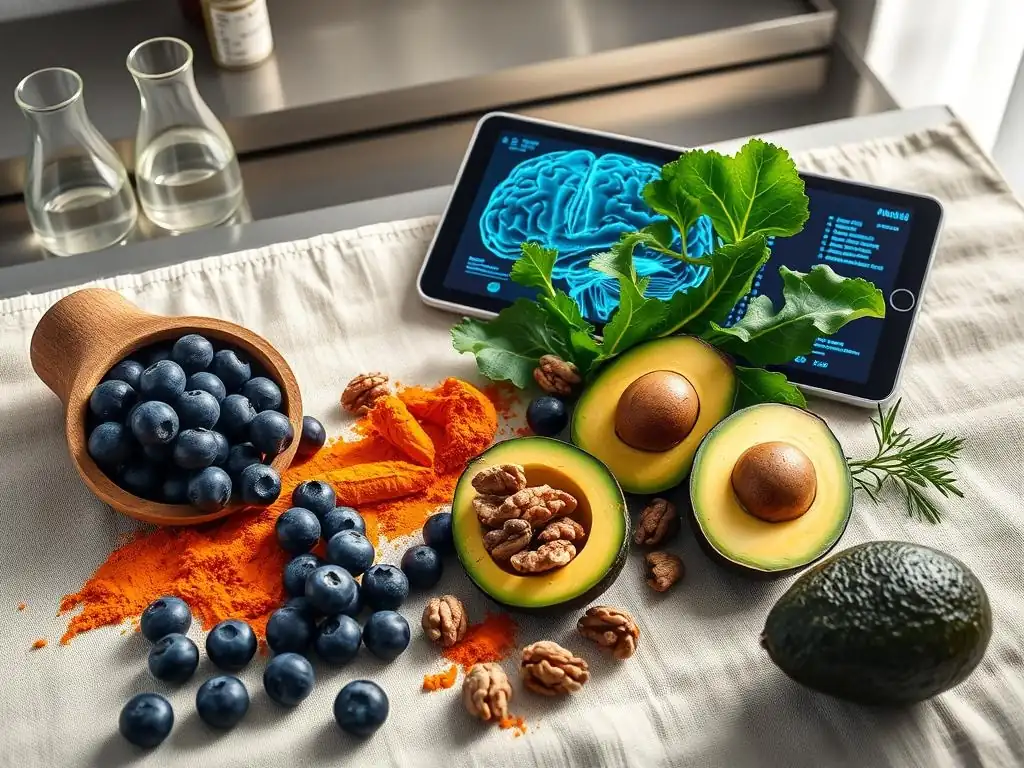
Feeling like your mood is a rollercoaster? You're not alone. Dive into "The Science of Mood Food" and discover how an antiinflammatory diet can be a powerful, evidence-based tool in your journey towards mental wellness. Could the key to a brighter mind be hiding in your grocery basket? Let's explore the fascinating connection between what you eat and how you feel.
The Science of Mood Food: Research Behind Anti-Inflammatory Diets for Mental Wellness
- Introduction: Connecting Diet and Mental Well-being
- What is an Anti-Inflammatory Diet and How Does it Relate to Mental Health?
- The Gut-Brain Axis: The Crucial Link Between Food and Mood
- Scientific Evidence: Research Supporting Anti-Inflammatory Diets for Mental Wellness
- Specific Foods to Include in Your Anti-Inflammatory Diet for Mental Health
- Foods to Avoid: Inflammatory Foods That Can Worsen Mental Health
- Implementing an Anti-Inflammatory Diet: Practical Tips and Considerations
- The Long-Term Benefits of an Anti-Inflammatory Diet for Mental Wellness
- Conclusion: Embracing the Power of Food for a Healthier Mind
-
Frequently Asked Questions
- How does an anti-inflammatory diet impact mental wellness?
- What are the key components of an anti-inflammatory diet for mental wellness?
- What types of mental health conditions might benefit from an anti-inflammatory diet?
- How long does it take to see a noticeable impact on mental wellness after starting an anti-inflammatory diet?
- Are there any potential risks or considerations when adopting an anti-inflammatory diet for mental wellness?
- Final Reflection: Nourishing the Mind through Anti-Inflammatory Diets
- Unlock Your Best Mood: Nourish Your Mind & Body
Introduction: Connecting Diet and Mental Well-being
Understanding the Growing Interest in Anti-Inflammatory Diet Mental Wellness
In recent years, there has been a significant surge in interest regarding the profound connection between what we eat and how we feel, particularly concerning mental health. People are increasingly looking beyond traditional approaches and exploring how dietary choices can influence mood, cognitive function, and overall psychological well-being. This growing curiosity is fueled by emerging scientific research that highlights the intricate relationship between nutrition and the brain, pointing towards specific dietary patterns that may offer therapeutic benefits. The concept of an anti-inflammatory diet mental wellness strategy is gaining traction as a powerful, complementary approach.
This evolving understanding recognizes that mental health is not solely determined by psychological or genetic factors but is deeply intertwined with physiological processes, including inflammation. Chronic, low-grade inflammation, often referred to as "silent inflammation," has been implicated in a range of health issues, including mood disorders like depression and anxiety.
Consequently, dietary strategies aimed at reducing inflammation are being investigated for their potential to support mental wellness. The focus is shifting towards dietary patterns that nourish both the body and the mind, making the anti-inflammatory diet mental wellness connection a key area of exploration for individuals seeking holistic health solutions.
Focusing on Holistic Mental Health & Self-Care
A holistic approach to mental health acknowledges that well-being is multifaceted, encompassing physical, emotional, social, and environmental factors. Within this framework, self-care involves actively engaging in practices that support overall health, rather than just addressing symptoms. Diet is a cornerstone of this holistic view, recognized not merely for its role in physical health but for its direct impact on brain function and emotional stability. Adopting an anti-inflammatory diet mental wellness perspective aligns perfectly with this philosophy, empowering individuals to take proactive steps in managing their mental state through conscious food choices.
Embracing self-care through diet involves understanding which foods promote health and which might contribute to inflammation and negatively affect mood. This includes prioritizing nutrient-dense foods rich in antioxidants, healthy fats, and fiber, while minimizing processed items, excessive sugar, and unhealthy fats. It's about creating sustainable eating patterns that nourish the body and support optimal brain function, thereby enhancing resilience against stress and improving overall quality of life. This shift towards integrating an anti-inflammatory diet into one's self-care routine represents a powerful, accessible pathway to improved mental wellness.
What is an Anti-Inflammatory Diet and How Does it Relate to Mental Health?
Defining Systemic Inflammation and Its Impact on the Brain
Systemic inflammation is a complex biological response where the body's immune system is activated throughout the body, rather than being confined to a specific injury or infection site. While acute inflammation is a necessary process for healing, chronic low-grade systemic inflammation can persist for months or years, often without obvious symptoms.
This prolonged immune activation can damage tissues and organs, and crucially, it has been shown to cross the blood-brain barrier, affecting brain structure and function. Research indicates a strong correlation between elevated inflammatory markers in the blood, such as C-reactive protein (CRP) and pro-inflammatory cytokines like IL-6 and TNF-alpha, and the incidence and severity of mood disorders.
Within the brain, chronic inflammation can disrupt neurotransmitter balance, impair neurogenesis (the creation of new neurons), and damage glial cells that support neuronal health. Studies have observed increased inflammatory markers in the brains of individuals diagnosed with depression and anxiety. For instance, a meta-analysis published in Molecular Psychiatry in 2018 found significantly elevated levels of inflammatory cytokines in patients with major depressive disorder compared to healthy controls. This suggests that inflammation isn't just a consequence of mental illness but may play a causal or perpetuating role, highlighting why an anti-inflammatory diet mental wellness strategy is gaining scientific support.
Key Components of an Anti-Inflammatory Diet: A Nutritional Overview
An anti-inflammatory diet isn't a strict, temporary regimen but rather a pattern of eating focused on nutrient-dense, whole foods that possess natural anti-inflammatory properties. It emphasizes a high intake of fruits, vegetables, whole grains, legumes, nuts, and seeds. These foods are rich in antioxidants, vitamins, minerals, and fiber. A cornerstone of this diet is the inclusion of healthy fats, particularly monounsaturated fats found in olive oil and avocados, and polyunsaturated fats, especially omega-3 fatty acids abundant in fatty fish like salmon, mackerel, and sardines, as well as flaxseeds and walnuts.
Conversely, the diet limits or avoids foods known to promote inflammation. This typically includes refined carbohydrates, added sugars, processed foods, unhealthy fats like trans fats and excessive saturated fats, and sometimes excessive red and processed meats. Beverages like sugary drinks and excessive alcohol are also minimized. The focus is on balance and variety, ensuring a broad spectrum of nutrients that work synergistically to dampen inflammatory pathways in the body, thereby supporting the anti-inflammatory diet mental wellness connection.
How Diet Reduces Inflammation: The Biochemical Mechanisms
The anti-inflammatory effects of specific dietary components are mediated through various biochemical pathways. Omega-3 fatty acids, for example, are metabolized into specialized pro-resolving mediators (SPMs), such as resolvins and protectins, which actively help to resolve inflammation. They also influence cell membrane structure and function, affecting signaling pathways involved in immune responses. A typical Western diet is often high in omega-6 fatty acids (found in vegetable oils like corn, soybean, and sunflower oil) and low in omega-3s, leading to an imbalanced ratio that can promote inflammation. Increasing omega-3 intake helps restore a healthier balance.
Antioxidants found in colorful fruits and vegetables, such as vitamins C and E, carotenoids, and polyphenols, combat oxidative stress, which is closely linked to inflammation. Oxidative stress occurs when there's an imbalance between free radicals and antioxidants in the body. By neutralizing free radicals, antioxidants reduce cellular damage and the activation of inflammatory pathways.
Fiber, particularly soluble fiber found in oats, beans, and some fruits, is fermented by gut bacteria into short-chain fatty acids (SCFAs) like butyrate, propionate, and acetate. SCFAs have potent anti-inflammatory effects, both locally in the gut and systemically, by influencing immune cell function. This biochemical interplay underscores the power of an anti-inflammatory diet mental wellness strategy.
The Gut-Brain Axis: The Crucial Link Between Food and Mood
Exploring the Microbiome's Role in Mental Health
The human gut is home to trillions of microorganisms, collectively known as the gut microbiota or microbiome. This complex community of bacteria, viruses, fungi, and other microbes plays a critical role in digestion, nutrient absorption, and immune system development. Emerging research has revealed that the gut microbiome also exerts a significant influence on brain function and mental health. A diverse and balanced microbiome is associated with positive health outcomes, while dysbiosis, an imbalance in the microbial community, has been linked to various conditions, including mood disorders.
The gut microbes produce a wide array of neuroactive compounds, including neurotransmitters like serotonin (a significant portion of the body's serotonin is produced in the gut), dopamine, and GABA. They also produce SCFAs, which can cross the blood-brain barrier and influence brain function. Furthermore, the microbiome trains the immune system, preventing excessive inflammatory responses.
Disruptions to the microbiome, often caused by poor diet, stress, or antibiotic use, can lead to increased gut permeability ("leaky gut"), allowing inflammatory molecules and bacterial products to enter the bloodstream and contribute to systemic inflammation, including neuroinflammation. This highlights the microbiome as a key intermediary in the anti-inflammatory diet mental wellness connection.
How Inflammation in the Gut Affects Brain Function and Neurotransmission
Inflammation originating in the gut can directly and indirectly impact brain function. When the gut lining is compromised due to dysbiosis and inflammation, substances that would normally be contained within the gut lumen can leak into the circulation. These include lipopolysaccharides (LPS), components of the cell walls of certain bacteria, which are potent triggers of inflammation. Once in the bloodstream, LPS and other inflammatory molecules can travel to the brain, activating glial cells (microglia and astrocytes) and inducing neuroinflammation.
This neuroinflammation can disrupt the synthesis, release, and reuptake of neurotransmitters crucial for mood regulation, such as serotonin, dopamine, and norepinephrine. For example, chronic inflammation can activate enzymes that divert tryptophan, a precursor to serotonin, towards the production of kynurenine, a metabolite that can be neurotoxic and is associated with depression.
Studies have shown that individuals with irritable bowel syndrome (IBS), a condition often associated with gut inflammation, have a higher prevalence of anxiety and depression. This provides a clinical example of how gut health and inflammation are intrinsically linked to mental state, reinforcing the importance of considering gut health in an anti-inflammatory diet mental wellness strategy.
The Vagus Nerve: The Direct Communication Line Between Gut and Brain
The vagus nerve is the longest cranial nerve in the body and serves as a major bidirectional communication pathway between the gut and the brain. It transmits signals from the gut to the brain (afferent signals) and from the brain to the gut (efferent signals). This neural link is crucial for regulating digestion, appetite, and immune responses. The gut microbiota can influence the vagus nerve through various mechanisms, including the production of neurotransmitters and SCFAs, and by interacting with specialized cells in the gut lining.
Studies have demonstrated that stimulating the vagus nerve can influence mood and reduce symptoms of depression. Conversely, inflammation in the gut can impact vagal nerve signaling, sending inflammatory messages to the brain. This direct neural connection provides a rapid pathway through which dietary changes affecting the gut environment and inflammation levels can influence brain function and mood. For instance, dietary fiber, which promotes SCFA production by beneficial bacteria, can enhance vagal tone, potentially contributing to improved mood and reduced anxiety. Understanding the vagus nerve's role underscores the physiological basis for the anti-inflammatory diet mental wellness connection.
Scientific Evidence: Research Supporting Anti-Inflammatory Diets for Mental Wellness
Studies on Anti-Inflammatory Diets and Depression
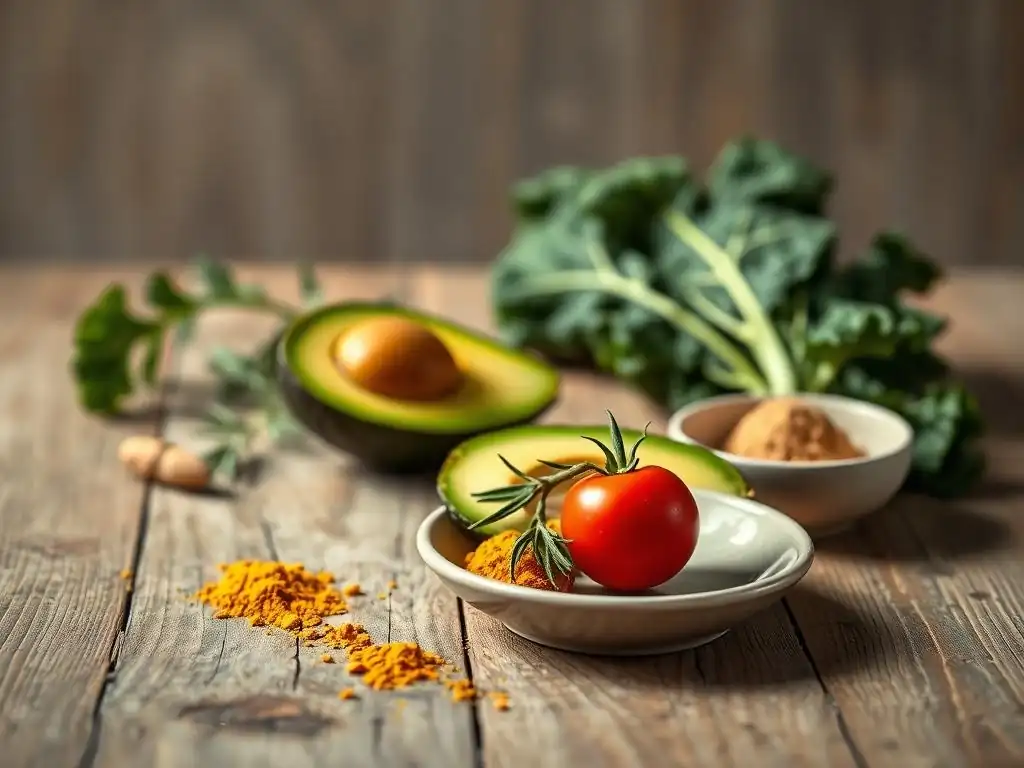
Numerous studies have explored the link between dietary patterns and depression, with a growing focus on the role of inflammation. Observational studies have consistently shown that individuals who adhere to dietary patterns rich in fruits, vegetables, whole grains, fish, and olive oil (like the Mediterranean diet, which is inherently anti-inflammatory) have a lower risk of developing depression compared to those consuming diets high in processed foods, refined grains, and sugar.
A large meta-analysis published in BMC Medicine in 2017, pooling data from 41 studies involving over 36,000 participants, found that a "healthy" dietary pattern characterized by high intake of fruits, vegetables, and fish was associated with a 24% lower risk of depression.
More compellingly, randomized controlled trials (RCTs) have begun to test the efficacy of dietary interventions for treating depression. The "SMILES" trial, published in BMC Medicine in 2017, was a groundbreaking RCT that assigned adults with moderate to severe depression to either a dietary intervention group (receiving nutritional counseling based on an anti-inflammatory-like diet) or a social support control group.
After 12 weeks, 32% of participants in the dietary intervention group achieved remission criteria for depression, compared to only 8% in the control group. This trial provided strong clinical evidence supporting the therapeutic potential of an anti-inflammatory diet mental wellness approach in managing depressive symptoms.
Anti-Inflammatory Diets for Anxiety Disorders: Emerging Research
While research on anti-inflammatory diets and anxiety is less extensive than for depression, emerging evidence suggests a similar protective effect. Observational studies indicate that dietary patterns associated with lower inflammation are linked to reduced anxiety levels. For example, a study published in General Hospital Psychiatry in 2015 found that a higher intake of fruits and vegetables was associated with lower anxiety symptoms among middle-aged and older adults. Conversely, diets high in processed foods and sugar have been correlated with increased anxiety.
Mechanistically, anxiety is also associated with neuroinflammation and disruptions in neurotransmitter systems, particularly GABA and serotonin. Dietary components that reduce inflammation and support gut health, such as omega-3 fatty acids, probiotics, and fiber, are being investigated for their anxiolytic effects. While large-scale RCTs specifically targeting anxiety with anti-inflammatory diets are still needed, the biological plausibility and observational data support the potential benefit. Incorporating an anti-inflammatory diet mental wellness strategy may therefore offer a valuable complementary approach for individuals managing anxiety symptoms.
The Role of Specific Nutrients in Mood Regulation: Focus on Omega-3s, Vitamin D, and Antioxidants
Certain nutrients are particularly noteworthy for their direct impact on brain health and mood regulation, often through anti-inflammatory pathways. Omega-3 fatty acids, especially EPA (eicosapentaenoic acid) and DHA (docosahexaenoic acid), are essential components of brain cell membranes and play critical roles in neurotransmitter function and reducing neuroinflammation. Numerous studies, including meta-analyses of RCTs, have shown that omega-3 supplementation can be effective in reducing symptoms of depression, particularly when used as an adjunct to standard treatment. A 2014 meta-analysis in Molecular Psychiatry found that omega-3 polyunsaturated fatty acids significantly reduced depressive symptoms compared with placebo.
Vitamin D, often synthesized in the skin upon sun exposure, also functions as a neurosteroid and plays a role in immune modulation and reducing inflammation. Vitamin D receptors are found in areas of the brain involved in mood regulation. Low levels of vitamin D have been associated with an increased risk of depression and anxiety in observational studies.
While intervention studies are mixed, maintaining adequate vitamin D levels through diet, sunlight exposure, or supplementation may be important for mood. Antioxidants, abundant in fruits and vegetables, protect brain cells from damage caused by oxidative stress and inflammation. Nutrients like vitamin C, vitamin E, selenium, and various phytonutrients (e.g., curcumin in turmeric, resveratrol in berries) have demonstrated anti-inflammatory and neuroprotective effects in preclinical studies, further supporting the value of an anti-inflammatory diet mental wellness approach.
Specific Foods to Include in Your Anti-Inflammatory Diet for Mental Health
Top Anti-Inflammatory Foods for a Healthy Brain: A Detailed List
Incorporating specific foods known for their potent anti-inflammatory and brain-supportive properties is key to an effective anti-inflammatory diet mental wellness plan. Fatty fish like salmon, mackerel, herring, and sardines are rich sources of omega-3 fatty acids (EPA and DHA), crucial for reducing neuroinflammation. Aim for at least two servings per week. Berries (such as blueberries, strawberries, raspberries, and blackberries) are packed with antioxidants, particularly anthocyanins, which have been shown to cross the blood-brain barrier and exert protective effects.
Leafy green vegetables (like spinach, kale, and collard greens) are excellent sources of vitamins, minerals, and antioxidants, including folate, vitamin K, and lutein, all linked to cognitive health and reduced inflammation. Nuts and seeds (walnuts, almonds, flaxseeds, chia seeds) provide healthy fats, fiber, and antioxidants; walnuts are particularly high in alpha-linolenic acid (ALA), a plant-based omega-3. Olive oil, especially extra virgin olive oil, is rich in monounsaturated fats and polyphenols with strong anti-inflammatory properties. Other notable foods include turmeric (containing curcumin), ginger, garlic, green tea, and dark chocolate (in moderation, with high cocoa content).
Recipes and Meal Planning for Mental Wellness
Creating meals around anti-inflammatory foods doesn't have to be complicated; it's about making simple swaps and focusing on whole ingredients. A typical anti-inflammatory diet mental wellness meal plan might include breakfast with oatmeal topped with berries and nuts, or scrambled eggs with spinach and avocado. Lunch could be a large salad with leafy greens, various colorful vegetables, lean protein (like grilled chicken or lentils), and an olive oil-based dressing. Dinner might feature baked salmon with roasted vegetables (like broccoli and sweet potatoes) and quinoa.
Snacks can include a handful of almonds, a piece of fruit, or Greek yogurt with berries. Planning meals in advance helps ensure you have the right ingredients on hand and reduces the temptation to opt for less healthy, processed options. For instance, batch-cooking grains like quinoa or brown rice, chopping vegetables ahead of time, and preparing simple protein sources can make healthy eating more convenient throughout the week. Exploring recipes that use herbs and spices like turmeric, ginger, and rosemary not only adds flavor but boosts the anti-inflammatory power of your meals.
The Importance of Fiber for Gut Health and Mood
Dietary fiber is a critical component of an anti-inflammatory diet mental wellness strategy, primarily due to its profound impact on gut health. Fiber acts as a prebiotic, feeding the beneficial bacteria in the gut microbiome. As mentioned earlier, these bacteria ferment fiber to produce SCFAs, which nourish the gut lining, reduce gut permeability, and exert systemic anti-inflammatory effects. A high-fiber diet promotes microbial diversity, which is associated with improved mood and reduced risk of depression and anxiety.
Aim for a variety of fiber sources, including fruits, vegetables, legumes (beans, lentils, chickpeas), and whole grains (oats, barley, brown rice, whole wheat). Most adults in Western countries consume far less fiber than the recommended daily intake (around 25-30 grams). Gradually increasing fiber intake is important to avoid digestive discomfort. Adequate fiber intake supports regular bowel movements, helps regulate blood sugar levels (preventing energy crashes that can affect mood), and contributes significantly to the gut-brain axis communication that underpins the anti-inflammatory diet mental wellness connection.
Foods to Avoid: Inflammatory Foods That Can Worsen Mental Health
Identifying Common Culprits: Processed Foods, Sugar, and Trans Fats
Certain foods are known to promote inflammation in the body and should be limited or avoided when focusing on an anti-inflammatory diet mental wellness plan. Highly processed foods, such as packaged snacks, sugary cereals, fast food, and ready-to-eat meals, are often high in refined carbohydrates, unhealthy fats, and additives, while being low in essential nutrients and fiber. These foods can contribute to gut dysbiosis and systemic inflammation.
Added sugars, particularly in sugary drinks, sweets, and many processed foods, can trigger inflammatory responses and lead to rapid spikes and crashes in blood sugar, negatively impacting mood and energy levels. Studies have linked high sugar intake to an increased risk of depression. Trans fats, often found in hydrogenated oils used in fried foods, baked goods, and margarine, are highly inflammatory and detrimental to cardiovascular and brain health. While many countries have phased out artificial trans fats, some processed foods may still contain small amounts. Limiting these common culprits is a crucial step in reducing dietary inflammation.
The Impact of Gluten and Dairy on Mental Well-being: Addressing Potential Sensitivities
For some individuals, gluten (a protein found in wheat, barley, and rye) and dairy (milk products) can contribute to inflammation and negatively affect mental well-being, even in the absence of classic celiac disease or lactose intolerance. Non-celiac gluten sensitivity and dairy sensitivity are increasingly recognized conditions where individuals experience symptoms, including gastrointestinal issues, fatigue, and mood changes, after consuming these foods. These sensitivities may involve immune responses that contribute to inflammation.
If you suspect gluten or dairy might be affecting your mental health, a carefully managed elimination diet under the guidance of a healthcare professional or registered dietitian can help identify potential sensitivities. It's important not to unnecessarily restrict these food groups unless there is a clear indication of sensitivity, as they can be sources of important nutrients. However, for those who are sensitive, removing these items can significantly reduce inflammation and improve symptoms, including those related to mood, thus supporting their anti-inflammatory diet mental wellness efforts.
Limiting Alcohol and Caffeine for Optimal Mental Health
While moderate consumption might be acceptable for some, excessive alcohol intake is well-known to negatively impact mental health. Alcohol disrupts sleep, can worsen anxiety and depression symptoms, and contributes to inflammation, particularly in the gut and liver, which can then impact the brain. Chronic alcohol use can also lead to nutrient deficiencies that are vital for brain function.
Caffeine's effects are more varied. While moderate caffeine intake can improve alertness and focus for some, excessive consumption can trigger anxiety, nervousness, and disrupt sleep, all of which negatively impact mental wellness. Caffeine can also affect gut motility in some individuals. For those sensitive to caffeine or experiencing anxiety, limiting intake, especially later in the day, is advisable. Finding a balance with alcohol and caffeine consumption is an important aspect of optimizing the anti-inflammatory diet mental wellness approach.
Implementing an Anti-Inflammatory Diet: Practical Tips and Considerations
Starting Slowly: Gradual Dietary Changes for Sustainable Results
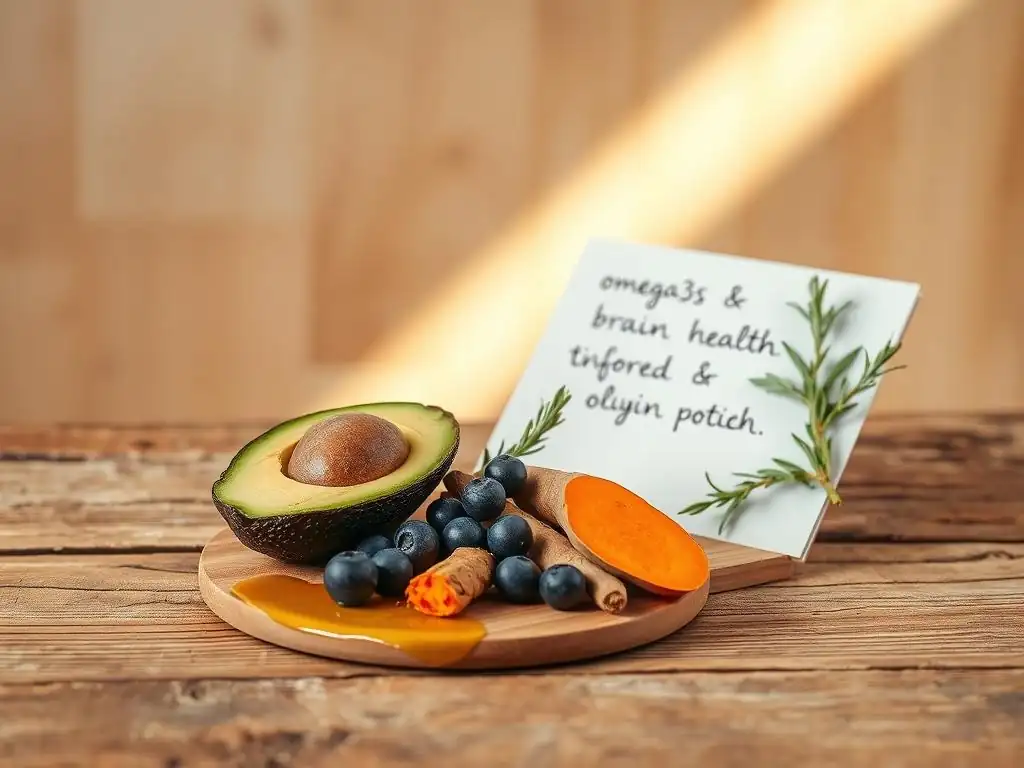
Overhauling your diet can feel overwhelming, and attempting to make too many drastic changes at once often leads to burnout and abandonment. A more sustainable approach to adopting an anti-inflammatory diet mental wellness plan is to start slowly and make gradual changes. Begin by incorporating one or two new anti-inflammatory foods into your daily routine. For example, swap your morning toast for oatmeal with berries and nuts, or add an extra serving of vegetables to your dinner.
Focus on reducing one category of inflammatory foods at a time. Perhaps start by cutting back on sugary drinks, then move on to limiting processed snacks. Small, consistent changes are more likely to stick long-term than strict, restrictive diets. Celebrate small victories and be patient with yourself. The goal is to build sustainable habits that support your mental wellness over time, not to achieve perfection overnight.
Working with a Healthcare Professional or Registered Dietitian
While the principles of an anti-inflammatory diet mental wellness strategy are generally safe and beneficial, individuals with underlying health conditions, nutrient deficiencies, or specific dietary needs should consult with a healthcare professional or a registered dietitian (RD). An RD can provide personalized guidance, assess your current nutritional status, help identify potential sensitivities, and create a tailored meal plan that meets your individual needs and preferences.
Working with a professional ensures that you are implementing the diet safely and effectively, avoiding potential pitfalls like nutrient deficiencies that could arise from poorly planned elimination or restriction. They can also help integrate dietary changes with other aspects of your mental health care plan and monitor your progress. This expert support can be invaluable in navigating the complexities of dietary changes and maximizing the benefits for your mental wellness.
Addressing Potential Nutrient Deficiencies: Supplementation Strategies
While a well-planned anti-inflammatory diet is nutrient-dense, certain individuals may still be at risk of specific nutrient deficiencies, particularly if they have absorption issues, dietary restrictions, or increased needs. Common deficiencies linked to mood disorders include omega-3 fatty acids, vitamin D, B vitamins (especially B12 and folate), magnesium, and zinc.
Before starting any supplements, it is best to get your nutrient levels checked by a healthcare provider. If deficiencies are identified, your provider or an RD can recommend appropriate supplementation. For example, individuals who don't eat fatty fish might benefit from an omega-3 supplement containing EPA and DHA. Those with low sun exposure may need a vitamin D supplement. Supplements should be seen as complementing a healthy diet, not replacing it. They can help bridge nutritional gaps to support your anti-inflammatory diet mental wellness goals.
The Long-Term Benefits of an Anti-Inflammatory Diet for Mental Wellness
Beyond Mood: The Positive Impact on Overall Health and Longevity
Adopting an anti-inflammatory diet mental wellness approach extends its benefits far beyond just improving mood and reducing symptoms of depression and anxiety. Chronic inflammation is a key driver in the development of numerous chronic diseases, including cardiovascular disease, type 2 diabetes, certain cancers, autoimmune disorders, and neurodegenerative conditions like Alzheimer's disease. By consistently reducing inflammation through diet, you simultaneously lower your risk for these serious health issues.
This dietary pattern supports healthy aging by protecting cells from damage, maintaining healthy blood sugar and cholesterol levels, and supporting optimal immune function. The increased intake of fiber promotes digestive health, while antioxidants protect against cellular damage. Essentially, the same dietary choices that foster an anti-inflammatory environment for better mental health also build a foundation for robust physical health and increased longevity, offering a comprehensive return on investment for your well-being.
Maintaining a Balanced and Sustainable Anti-Inflammatory Lifestyle
Sustainability is key to reaping the long-term benefits of an anti-inflammatory diet mental wellness strategy. This isn't about temporary deprivation but about cultivating a balanced and enjoyable eating pattern that you can maintain indefinitely. It involves finding ways to incorporate anti-inflammatory foods into meals you love and making mindful choices most of the time, while allowing for occasional flexibility.
Focus on progress, not perfection. Understand that occasional deviations are normal and don't derail your efforts. The goal is to build a positive relationship with food, viewing it as nourishment and a tool for well-being rather than something to be feared or strictly controlled. Integrating regular physical activity, stress management techniques, and adequate sleep alongside your dietary changes will further amplify the benefits for both your physical and mental health, creating a truly holistic anti-inflammatory lifestyle.
Future Research Directions in Anti-Inflammatory Diet Mental Wellness
The field of nutritional psychiatry and the study of the anti-inflammatory diet mental wellness connection are rapidly evolving. Future research is expected to delve deeper into the specific mechanisms by which diet influences the gut microbiome, neuroinflammation, and brain function. Scientists are exploring how personalized nutrition approaches, potentially based on an individual's genetic profile or microbiome composition, could optimize dietary interventions for mental health.
More large-scale, long-term randomized controlled trials are needed to further solidify the evidence base for specific dietary patterns and nutrients in preventing and treating various mental health conditions. Research is also focusing on how dietary interventions can be effectively integrated into standard mental health care and made accessible to a wider population. The continued exploration of this fascinating link promises to unlock new strategies for improving mental wellness through the power of food.
Conclusion: Embracing the Power of Food for a Healthier Mind
Summarizing the Key Takeaways on Anti-Inflammatory Diets and Mental Health
This exploration into the science of mood food reveals a compelling body of evidence linking dietary choices, inflammation, and mental well-being. Chronic inflammation, influenced significantly by diet, can negatively impact brain function, neurotransmitter balance, and the gut-brain axis, contributing to mood disorders like depression and anxiety. Conversely, an anti-inflammatory diet, rich in fruits, vegetables, whole grains, healthy fats, and fiber, provides the body with the nutrients and compounds needed to reduce inflammation and support optimal brain health.
Key takeaways include the critical role of the gut microbiome and the vagus nerve in mediating the gut-brain connection, and the growing scientific support from observational studies and randomized controlled trials demonstrating the benefits of anti-inflammatory dietary patterns, such as the Mediterranean diet, for mental health. Specific nutrients like omega-3s, vitamin D, and antioxidants play vital roles. By limiting inflammatory culprits like processed foods, sugar, and unhealthy fats, and focusing on nutrient-dense whole foods, individuals can actively reduce systemic inflammation and foster a healthier brain environment, making the anti-inflammatory diet mental wellness link a powerful tool for self-care.
Encouraging Readers to Prioritize Their Mental Wellness Through Diet
Understanding the science behind the anti-inflammatory diet mental wellness connection empowers you to take proactive steps in managing your mental health. Food is not just fuel; it is information that communicates with every cell in your body, including your brain. By choosing foods that nourish and protect, you are making a powerful investment in your psychological well-being.
We encourage you to explore incorporating anti-inflammatory principles into your daily eating habits. Start small, focus on progress over perfection, and be patient with yourself. Listen to your body and observe how different foods make you feel. Remember that dietary changes are a complementary approach to mental health care and should be discussed with healthcare professionals, especially if you have existing conditions or are taking medications. Embracing the power of food is a tangible and effective way to prioritize your mental wellness journey.
Commitment to Providing Evidence-Based Information for Holistic Well-being
At Mind Care Guide, we are committed to providing evidence-based information to support your journey towards holistic well-being. We understand that navigating the vast landscape of health information can be challenging, and we strive to present complex scientific concepts in an accessible and actionable way. The research on the anti-inflammatory diet mental wellness link is a prime example of how physical and mental health are deeply interconnected.
We will continue to monitor and share the latest research in nutritional psychiatry and related fields to help you make informed decisions about your health. Our goal is to equip you with the knowledge and resources needed to integrate effective strategies, like adopting an anti-inflammatory diet, into your self-care routine. Your mental wellness is a priority, and we are here to support you with reliable information rooted in scientific understanding.
Frequently Asked Questions
How does an anti-inflammatory diet impact mental wellness?
An anti-inflammatory diet can positively impact mental wellness by reducing systemic inflammation, which is increasingly linked to mental health disorders like depression and anxiety. By reducing inflammation, the diet supports brain health and function.
What are the key components of an anti-inflammatory diet for mental wellness?
The diet emphasizes foods rich in antioxidants and omega-3 fatty acids, such as fruits, vegetables, and fatty fish. It limits processed foods, sugary drinks, and refined carbohydrates, which are known to promote inflammation in the body. It also focuses on gut health.
What types of mental health conditions might benefit from an anti-inflammatory diet?
Research suggests that conditions like depression, anxiety, and even cognitive decline may benefit from an anti-inflammatory diet. Reducing inflammation can improve mood regulation and overall cognitive function.
How long does it take to see a noticeable impact on mental wellness after starting an anti-inflammatory diet?
The timeline varies, but some individuals report experiencing improvements in mood and energy levels within a few weeks. Sustained adherence to the diet is key for long-term benefits to mental wellness.
Are there any potential risks or considerations when adopting an anti-inflammatory diet for mental wellness?
While generally safe, it's important to consult with a healthcare professional or registered dietitian, especially if you have pre-existing health conditions or dietary restrictions. Sudden dietary changes can sometimes lead to digestive discomfort or nutrient deficiencies if not properly managed.
Final Reflection: Nourishing the Mind through Anti-Inflammatory Diets
In our fast-paced world, the connection between diet and mental wellness has never been more crucial. As we navigate the complexities of modern life, understanding how an anti-inflammatory diet can bolster our mental health offers a beacon of hope. The research presented in this article underscores the profound impact that what we eat has on our mood and cognitive function, reminding us that our daily choices can either uplift or undermine our mental well-being.
The ongoing dialogue surrounding mental health and nutrition is reshaping our cultural landscape, encouraging a more holistic approach to wellness. By embracing an anti-inflammatory diet, we not only nourish our bodies but also cultivate a healthier mind. As we witness a growing recognition of the mind-body connection, it becomes clear that our dietary habits play a pivotal role in shaping our emotional states. Let food be thy medicine, and medicine be thy food.
This timeless wisdom from Hippocrates resonates deeply today, urging us to consider the nutritional foundations of our mental health.
As you reflect on the insights shared in this article, I invite you to take a moment to assess your own relationship with food and its impact on your mental wellness. Consider how you can incorporate more anti-inflammatory foods into your diet, not just as a trend but as a commitment to nurturing your mind and body. Together, let us embrace the power of mindful eating and make choices that foster resilience, joy, and mental clarity in our lives.
Unlock Your Best Mood: Nourish Your Mind & Body
Thanks for taking the time to explore the powerful connection between food and mental wellness! We hope you gained valuable insights into the science behind anti-inflammatory diets and their impact on your mood. Now it's time to put this knowledge into action.
- Prioritize Anti-Inflammatory Foods: Start small – add just one or two new anti-inflammatory foods to your diet this week. Think colorful fruits and vegetables, healthy fats, and lean protein. See how you feel!
- Share Your Journey: Inspire others by sharing your experience with anti-inflammatory eating on social media. Use #MoodFoodRevolution to connect with a supportive community.
- Dive Deeper: Explore our other articles on MindCareGuide.org for more recipes and resources on optimizing your mental and physical health through nutrition.
Ready to experience the transformative power of mood-boosting foods? What’s one anti-inflammatory recipe you’re excited to try this week?