
Integrating Vipassana into Your Daily Life for Lasting Peace

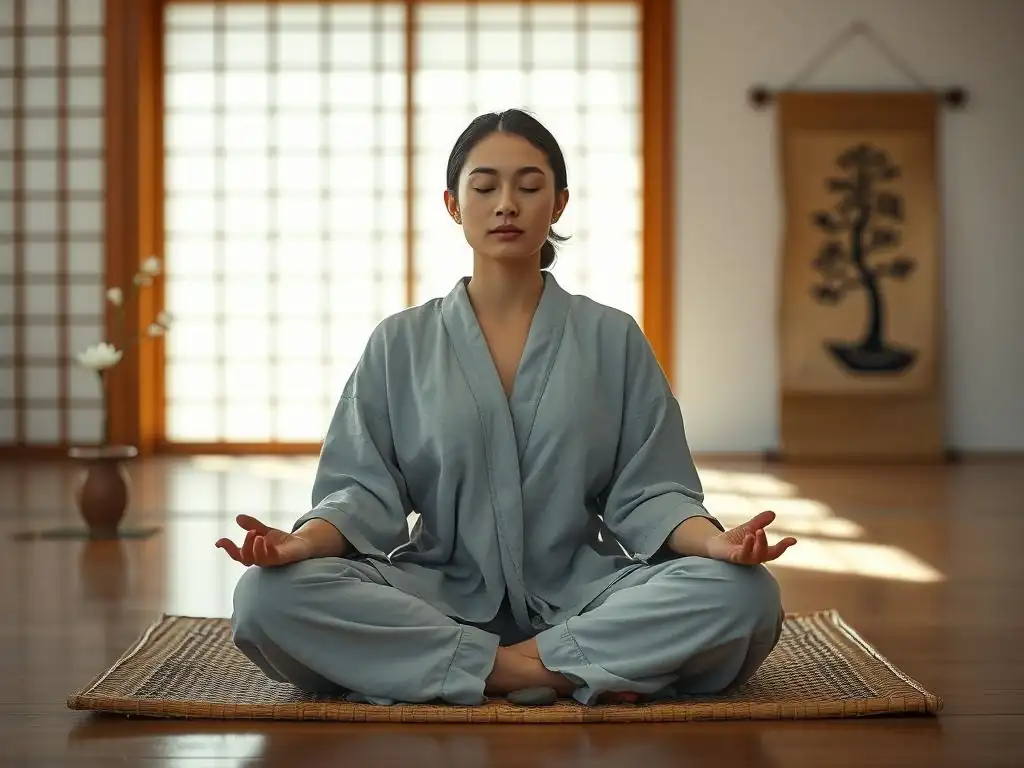
Welcome to Mind Care Guide, your sanctuary for navigating the complexities of mental well-being.
Feeling overwhelmed by the daily grind? Discover how Vipassana meditation, our featured practice for finding daily peace, can be seamlessly integrated into your life to cultivate lasting calm and clarity. Curious to unlock the potential within you? Let's begin your journey toward a more peaceful and present you...
Integrating Vipassana into Your Daily Life for Lasting Peace
- Introduction: Finding Daily Peace Through Vipassana Meditation
- Preparing for Daily Vipassana Practice: Setting the Stage for Inner Peace
- Practical Techniques for Daily Vipassana Meditation
- Integrating Vipassana into Everyday Activities: Mindfulness in Action
- Overcoming Challenges in Daily Vipassana Practice
- Advanced Vipassana Techniques for Deeper Peace
- The Long-Term Benefits of Daily Vipassana: A Path to Lasting Peace
- Resources for Learning More About Vipassana Meditation
- Conclusion: Embracing Vipassana for a More Peaceful Life
-
Frequently Asked Questions
- What is Vipassana meditation, and how does it differ from other meditation techniques?
- How can Vipassana meditation contribute to daily peace and mental well-being?
- How often should I practice Vipassana meditation to experience noticeable benefits?
- Are there any specific resources or guided meditations available for learning Vipassana?
- Is Vipassana meditation suitable for everyone, and are there any potential contraindications?
- Final Reflection: Cultivating Inner Peace Through Daily Vipassana
- Unlock Your Inner Calm: Start Practicing Vipassana Today
Introduction: Finding Daily Peace Through Vipassana Meditation
Integrating Vipassana meditation for daily peace is a profound journey into the self, offering a pathway to understanding the nature of reality as it is. This ancient Indian meditation technique, meaning "to see things as they really are," is not a ritual or a philosophy, but a practical method of self-observation that develops awareness and insight into one's own mind and body.
By diligently practicing Vipassana, individuals can begin to dismantle the deep-seated patterns of reactivity that contribute to suffering and cultivate a stable, peaceful inner state. This article serves as a comprehensive guide to weaving Vipassana into the fabric of your everyday life, unlocking its transformative power for lasting tranquility.
The pursuit of daily peace in our modern, often chaotic world can feel like an elusive goal. Stress, anxiety, and mental clutter frequently dominate our experience, leaving us feeling overwhelmed and disconnected. Vipassana meditation offers a powerful antidote to this pervasive dis-ease. It teaches us to observe our internal landscape—sensations, thoughts, emotions—with equanimity, without judgment or reaction. This non-reactive awareness is the key to finding genuine peace, not by changing external circumstances, but by changing our internal relationship to them. Embracing a daily Vipassana practice is a commitment to cultivating this inner resilience and clarity.
Understanding Vipassana: The Core Principles of Insight Meditation
Vipassana, as taught in the tradition of S.N. Goenka, is based on the teachings of the Buddha, focusing on the experiential understanding of impermanence (anicca), suffering (dukkha), and non-self (anatta). The core principle is the observation of physical sensations throughout the body, recognizing their constantly changing nature. This practice trains the mind to remain balanced and equanimous in the face of both pleasant and unpleasant sensations, thereby weakening the habit of craving and aversion that fuels suffering. It is a systematic process of mental purification through self-observation.
This insight meditation technique begins with focusing attention on the breath (Anapana meditation) to calm and concentrate the mind. After the mind has gained some stability, the practice moves to scanning the body systematically, observing any and all sensations that arise without reacting to them. For example, one might notice a tingling in the hands, an itch on the nose, warmth in the chest, or tension in the shoulders.
The instruction is simply to observe these sensations objectively, understanding intellectually and experientially that they are impermanent, arising and passing away. This direct experience of anicca is fundamental to developing insight and moving towards lasting peace.
Why Integrate Vipassana into Your Daily Routine? Benefits for Mental Well-being
Integrating Vipassana meditation for daily peace offers profound benefits for mental well-being, moving beyond temporary relaxation to cultivate deep-seated psychological health. Regular practice has been shown to significantly reduce levels of stress and anxiety. Participants in meditation studies often report a noticeable decrease in perceived stress, sometimes by as much as 20-30% over just an 8-week period of consistent daily practice. This reduction is attributed to the training of the mind to observe stressful thoughts and sensations without getting entangled in them, fostering a sense of calm amidst life's challenges.
Furthermore, daily Vipassana practice enhances emotional regulation and resilience. By observing emotions as transient phenomena—just like physical sensations—practitioners learn to detach from overwhelming feelings such as anger, sadness, or fear. Instead of being swept away, they can experience the emotion fully while maintaining a sense of perspective. This skill is invaluable in navigating difficult situations and interpersonal conflicts, leading to more balanced responses. Research indicates that long-term meditators exhibit increased activity in brain regions associated with emotional control, suggesting a physiological basis for this enhanced resilience.
Preparing for Daily Vipassana Practice: Setting the Stage for Inner Peace
Preparing adequately for your daily Vipassana practice is crucial for establishing a sustainable habit and maximizing its benefits. It involves creating a conducive physical environment and cultivating the right mental attitude. Think of this preparation as setting the stage for a productive internal exploration, minimizing external distractions so you can focus on the subtle work of self-observation. This initial effort lays the groundwork for achieving daily peace through consistent Vipassana meditation.
Just as an athlete prepares their body and mind before a performance, a meditator prepares their space and schedule for practice. This isn't about creating a perfect, sterile environment, but rather one that supports stillness and focus. It involves practical steps like choosing a suitable time and place, gathering any necessary props like a cushion or blanket, and informing household members of your intention to meditate. These seemingly small preparations signal to your mind that this is a dedicated time for inner work, helping to transition from the busyness of daily life to the quiet introspection of Vipassana.
Creating a Dedicated Meditation Space for Vipassana
Having a dedicated space, however small, can significantly impact the consistency and quality of your daily Vipassana practice. This space becomes an anchor, a physical cue that signals it's time to turn inwards. It doesn't need to be an entire room; a quiet corner in a bedroom, a comfortable spot in a living area, or even just a designated chair can suffice. The key is that it should be a place where you can generally be undisturbed and feel a sense of peace and privacy during your meditation time.
Consider making this space simple and clutter-free to minimize visual distractions. Some people find it helpful to include a cushion or bench specifically used for meditation, perhaps a blanket, or a small table for a timer. The consistency of using the same spot helps to build a routine and associate the location with the practice of Vipassana meditation for daily peace. While elaborate altars or decorations are not necessary for Vipassana, keeping the space tidy and comfortable supports a calm state of mind before you even begin to sit.
Establishing a Consistent Vipassana Meditation Schedule
Consistency is paramount when integrating Vipassana into your daily routine. Establishing a regular schedule helps to build the habit and makes it less likely that practice will be skipped. Aim for a specific time each day that you can realistically commit to, whether it's early morning before the day begins, during a lunch break, or in the evening before bed. Even a short, consistent period—say, 15-20 minutes daily—is far more beneficial than occasional long sessions.
Choosing a time when you are less likely to be interrupted is important. For many, early morning works well as the mind is often clearer and the world is quieter. However, the "best" time is ultimately the one you can stick to consistently. Try setting a reminder on your phone or integrating it into your morning or evening routine, much like brushing your teeth. Over time, this dedicated slot for Vipassana meditation for daily peace will become a natural and valued part of your day.
Preparing Your Mind: Cultivating Mindfulness Before Sitting
Beyond the physical preparations, cultivating a mindful attitude before you sit for Vipassana can greatly enhance your practice. This involves a brief transition from your previous activity to the quiet focus required for meditation. You might take a few deep breaths, gently stretch, or simply pause for a moment to acknowledge the shift you are about to make. This mental preparation helps to settle the mind, making it easier to enter the meditative state.
Before you begin the formal Vipassana technique, take a few moments to simply sit quietly and observe your current state. Notice how your body feels, what thoughts are present, and what emotions are stirring. There's no need to change anything, just observe with gentle awareness. This brief period of informal mindfulness serves as a bridge, helping you to leave behind the day's distractions and bring your attention into the present moment, ready to engage with the structured practice of Vipassana meditation for daily peace.
Practical Techniques for Daily Vipassana Meditation
Vipassana meditation involves specific techniques to develop insight and awareness. While longer courses introduce the full body scan, daily practice often incorporates foundational elements that cultivate focus and sensitivity. These techniques are designed to be practiced diligently, allowing the meditator to observe reality directly through their own experience. Mastering these practical methods is key to unlocking the benefits of Vipassana meditation for daily peace.
The essence of these techniques lies in non-reactive observation. Whether focusing on breath, scanning the body, or observing thoughts, the instruction is always to simply notice what is present without judgment, craving, or aversion. This simple yet profound approach gradually weakens the conditioned responses that cause suffering and builds equanimity. Regular application of these techniques allows the insights gained during formal sitting to permeate everyday life.
Focusing on Your Breath: The Foundation of Vipassana Awareness
Focusing on the breath, known as Anapana meditation, is the initial step in Vipassana training and remains a vital part of a daily practice, especially for beginners or as a way to settle the mind before the body scan. The breath is an ever-present, neutral object of attention. The practice involves observing the natural incoming and outgoing breath at the entrance of the nostrils or the upper lip area. The aim is not to control the breath, but simply to notice its presence, its length, its depth, and its texture (warm, cool, rough, smooth).
This simple act of observing the breath helps to gather the scattered mind and bring it into the present moment. When the mind wanders, which it inevitably will, the instruction is to gently bring the attention back to the breath without self-criticism. This repeated act of returning to the breath strengthens concentration and trains the mind to be more attentive. Even just 5-10 minutes of focused breath observation can significantly calm the nervous system and prepare the mind for deeper Vipassana meditation for daily peace.
Body Scan Meditation: Developing Sensory Awareness Through Vipassana
The systematic body scan is a core technique in Vipassana, developing sensitivity to physical sensations and cultivating equanimity towards them. After settling the mind with Anapana, the meditator moves their attention systematically through the body, from the top of the head down to the tips of the toes, observing any sensations that arise in each area. These sensations might be subtle (tingling, vibrations) or gross (pain, itching, warmth, coolness).
The crucial element of the body scan is observing these sensations objectively, without reacting with liking or disliking. If a pleasant sensation arises, one notes its presence but doesn't try to prolong it. If an unpleasant sensation like pain arises, one observes its qualities (throbbing, sharp, dull) without tensing up or wishing it away, understanding that it, too, is impermanent.
This practice builds the capacity to face physical and mental discomfort with equanimity, a vital skill for maintaining daily peace and navigating life's inevitable challenges. Consistent daily practice enhances the ability to perceive sensations more clearly and maintain balance in their presence.
Observing Thoughts and Emotions Without Judgment: Vipassana's Core Skill
While Vipassana primarily uses physical sensation as the object of meditation, the practice naturally leads to the observation of thoughts and emotions. A key skill developed through Vipassana is the ability to witness the stream of mental activity—thoughts, feelings, memories, images—without getting lost in it or identifying with it. When a thought arises, the meditator simply observes it as a thought, perhaps labeling it internally as "thinking," and then gently returns attention to the primary object (breath or body sensation).
Similarly, when an emotion arises, whether pleasant or unpleasant, it is observed without judgment or analysis. One might notice the physical sensations associated with the emotion (e.g., tightness in the chest with anxiety, warmth with joy) and observe those sensations with equanimity, understanding that the emotion, like the sensation, is impermanent. This practice weakens the power of reactive patterns, allowing emotions to be experienced and processed without leading to habitual, often unhelpful, behaviors. Developing this skill is fundamental to achieving lasting daily peace through Vipassana meditation.
Walking Meditation: Extending Vipassana Practice Beyond the Cushion
Vipassana is not limited to sitting; walking meditation is another valuable technique for integrating mindfulness into movement and extending the practice of Vipassana meditation for daily peace. This involves walking slowly and deliberately, paying close attention to the sensations in the feet and legs as they move through each step: lifting, moving forward, placing down. The focus is entirely on the physical experience of walking.
Walking meditation can be particularly helpful when feeling restless or sleepy during sitting practice, or simply as a way to bring mindful awareness into a different posture. It trains the mind to remain present and aware even during activity, demonstrating that Vipassana can be practiced not just in stillness but throughout the day. A typical walking meditation might last 10-20 minutes, often done in a quiet space where you can walk back and forth without interruption.
Integrating Vipassana into Everyday Activities: Mindfulness in Action
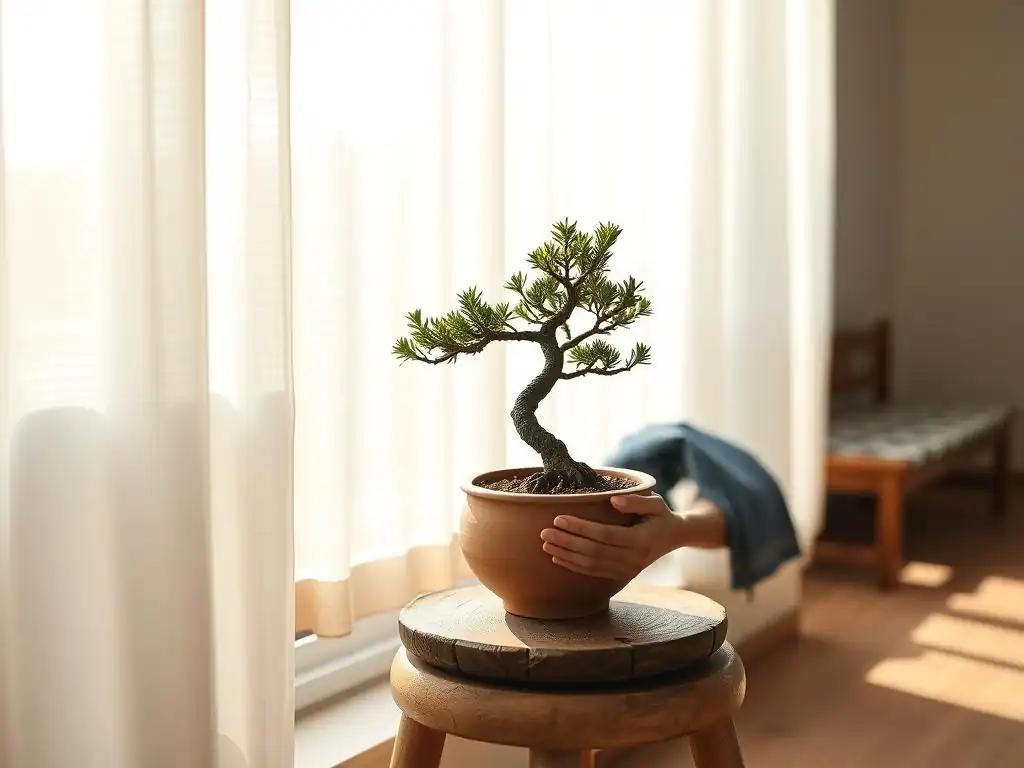
The ultimate goal of Vipassana meditation is not just to have peaceful meditation sittings, but to integrate the awareness and equanimity cultivated on the cushion into all aspects of daily life. This is where the true transformative power of Vipassana for daily peace lies. By bringing mindful attention to ordinary activities, we can reduce stress, improve focus, and enhance our interactions with the world and others.
This integration involves consciously applying the principles of awareness and non-reactivity learned during formal practice to moments throughout the day. It's about being fully present while eating, listening, working, or even performing mundane tasks. This continuous practice reinforces the insights gained in meditation and helps to dismantle habitual patterns of mindlessness and reactivity that contribute to suffering.
Mindful Eating: Applying Vipassana to Your Meals
Applying Vipassana principles to eating transforms a routine activity into an opportunity for mindful awareness. Instead of rushing through a meal while distracted by thoughts or devices, mindful eating involves paying full attention to the experience of eating. This means noticing the process of preparing the food, observing its appearance, smelling its aroma, and paying attention to the physical sensations of chewing, tasting, and swallowing.
Mindful eating encourages you to notice the textures and flavors of the food, the feeling of satiety developing in the body, and the impulses to eat quickly or finish everything on the plate. By observing these sensations and impulses without judgment, you can develop a healthier relationship with food, reduce overeating, and gain greater enjoyment from your meals. This simple practice of integrating Vipassana into mealtimes contributes to overall well-being and daily peace.
Mindful Communication: Enhancing Relationships Through Vipassana Principles
Mindful communication, informed by Vipassana principles, involves being fully present and attentive when interacting with others. This means listening deeply without formulating your response while the other person is still speaking. It also involves speaking consciously, choosing words carefully, and being aware of your tone and body language. The equanimity cultivated in meditation helps you to remain calm and centered, even during challenging conversations.
By observing your own reactions—the impulse to interrupt, the rise of irritation, the desire to defend—without acting on them immediately, you can respond more thoughtfully and compassionately. For example, instead of reacting angrily to criticism, you might observe the feeling of defensiveness arise, note it, and then respond calmly. This practice fosters clearer understanding, reduces conflict, and strengthens connections, significantly contributing to daily peace in your relationships.
Mindful Work: Increasing Focus and Reducing Stress with Vipassana
Bringing mindful awareness to your work can dramatically improve focus, productivity, and reduce work-related stress. Instead of multitasking or letting your mind wander, mindful work involves dedicating your full attention to the task at hand. When working on a report, for instance, you focus solely on that task, noticing when your mind drifts to other things and gently bringing it back.
This practice also involves observing your reactions to work challenges, such as frustration with a difficult problem or anxiety about a deadline. By applying the Vipassana principle of observing sensations and emotions without reaction, you can navigate these challenges with greater calm and clarity. Taking short, mindful breaks—perhaps just a few moments to focus on your breath or the sensations in your body—can also help to refresh the mind and maintain focus throughout the workday, promoting a sense of daily peace even in a busy environment.
Overcoming Challenges in Daily Vipassana Practice
Establishing and maintaining a daily Vipassana practice is not always easy. Challenges inevitably arise, whether they are external distractions, internal resistance, difficult emotions, or flagging motivation. Recognizing that these are normal parts of the process and learning how to navigate them effectively is key to sustaining your commitment to Vipassana meditation for daily peace.
It's important to approach these challenges with the same gentle awareness and equanimity that you cultivate on the cushion. View them as opportunities to deepen your understanding of yourself and the nature of your mind. Patience and perseverance are essential; setbacks are not failures, but simply moments to observe and learn from before returning to the practice.
Dealing with Distractions During Meditation
Distractions are perhaps the most common challenge in meditation. They can come from the external world (noise, interruptions) or the internal world (thoughts, physical discomfort, emotions). It's important to understand that the mind will wander; this is its nature. The practice isn't about eliminating distractions, but about developing the skill to recognize when the mind has wandered and gently bringing it back to the object of attention (breath or sensation) without judgment.
When a distraction arises, simply notice it. If it's a thought, observe it as "thinking" and return to the breath. If it's a sound, notice the sound and return to the breath. If it's physical discomfort, observe the sensations of the discomfort with equanimity.
The act of repeatedly recognizing distraction and returning to the object of attention is the practice. Be kind to yourself; it's estimated that even experienced meditators spend a significant portion of their sit bringing their mind back from wandering. Persistence in this gentle redirection is how concentration is built, supporting your Vipassana meditation for daily peace.
Managing Difficult Emotions That Arise During Vipassana
Sometimes, sitting in meditation can bring difficult emotions to the surface. This is a natural part of the process as awareness deepens. Emotions like sadness, anger, fear, or restlessness may arise with intensity, accompanied by strong physical sensations. The inclination might be to suppress them, get lost in them, or stop meditating. However, Vipassana teaches us to face these emotions with equanimity.
When a difficult emotion arises, acknowledge its presence without judgment. Notice where you feel it in your body and observe the physical sensations associated with it, just as you would any other sensation during the body scan. Understand that this emotion, like all phenomena, is impermanent; it has arisen and will pass away. By observing it with awareness and non-reactivity, you weaken its hold and develop the capacity to process difficult feelings in a healthy way, rather than being controlled by them. This courageous practice is vital for finding daily peace.
Staying Motivated with Your Daily Vipassana Practice
Maintaining motivation for daily Vipassana practice over the long term can be challenging. Life gets busy, results aren't always immediately apparent, and inertia can set in. It's helpful to remember why you started practicing—likely for greater peace, clarity, or reduced suffering. Reconnecting with this intention can reignite your commitment.
Consider tracking your practice, perhaps simply noting the days you sit. This can provide a sense of accomplishment and highlight periods where you might be slipping. Connecting with other meditators, through local groups or online communities, can offer support and shared experience. Remind yourself that even short sits (10-15 minutes) are beneficial and help maintain consistency. View daily Vipassana not as another chore, but as a valuable investment in your mental and emotional well-being, a consistent step towards lasting daily peace.
Advanced Vipassana Techniques for Deeper Peace
While the core techniques of Anapana and body scanning form the foundation, the Vipassana path includes further practices and opportunities to deepen understanding and cultivate more profound states of peace and insight. These advanced steps build upon the base of equanimity and awareness developed through consistent daily practice.
Exploring these avenues allows practitioners to refine their skills, gain new perspectives, and integrate the principles of Vipassana more deeply into their being. They represent opportunities for continued growth and a more complete realization of the potential for lasting daily peace.
Metta Meditation (Loving-Kindness): Cultivating Compassion
Metta meditation, or loving-kindness meditation, is often practiced alongside Vipassana, particularly towards the end of a meditation session or retreat. While Vipassana focuses on insight into reality as it is, Metta cultivates positive emotions, specifically unconditional friendliness and compassion towards oneself and others. It involves systematically directing thoughts of loving-kindness towards oneself, loved ones, neutral people, difficult people, and finally, all beings.
This practice complements Vipassana by balancing the observational awareness with the cultivation of positive emotional states. It helps to soften the mind, reduce negativity, and strengthen feelings of connection and empathy. For example, one might mentally repeat phrases like "May I be happy," "May I be peaceful," "May all beings be free from suffering." Regular Metta practice can significantly enhance overall well-being and contribute to a more compassionate approach to achieving daily peace, both internally and externally.
Vipassana Retreats: Deepening Your Practice
Attending a residential Vipassana retreat, typically 10 days in length following the tradition of S.N. Goenka, is considered a crucial step for deepening one's practice significantly. Retreats provide an intensive environment free from daily distractions, allowing for sustained, deep meditation for many hours a day. This immersion accelerates the process of self-observation and allows practitioners to experience the technique's benefits on a deeper level.
During a retreat, participants follow a strict schedule, including noble silence (no talking, reading, writing, or external communication), allowing all energy to be directed inwards. The extended periods of meditation, guided by experienced teachers, facilitate a more profound exploration of the mind-body connection and the nature of impermanence. While daily practice is essential, a retreat offers a powerful catalyst for breaking through mental barriers and solidifying the foundation for lasting daily peace rooted in Vipassana.
Seeking Guidance from Experienced Vipassana Teachers
Learning Vipassana meditation, especially the systematic approach taught in the Goenka tradition, is best done under the guidance of qualified teachers. While books and apps can provide introductory information, the nuances of the technique, the challenges that arise, and the progressive steps require experienced guidance. Teachers provide instructions, answer questions, and offer support, ensuring the practice is understood and applied correctly.
Seeking guidance helps prevent misunderstandings of the technique and provides a valuable resource for navigating difficulties that may arise during practice. Teachers, often individuals with decades of personal meditation experience, can offer insights tailored to a student's specific challenges and progress. This support network and guidance are invaluable for anyone serious about integrating Vipassana meditation for daily peace effectively and safely.
The Long-Term Benefits of Daily Vipassana: A Path to Lasting Peace
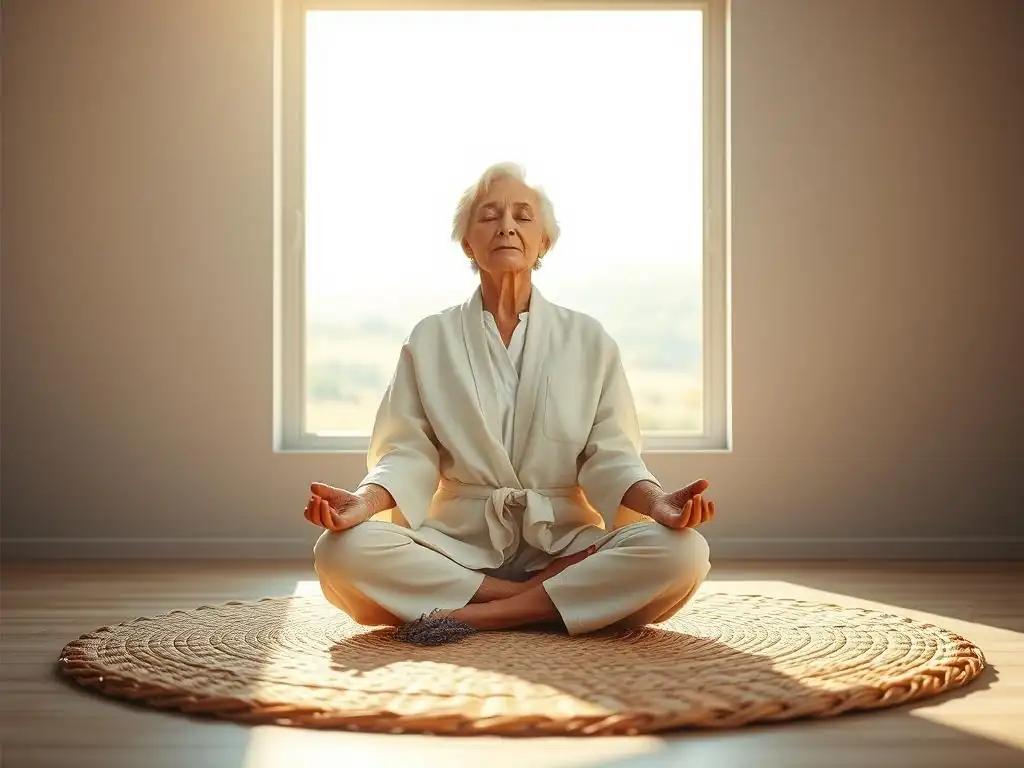
Committing to daily Vipassana meditation yields cumulative benefits that extend far beyond the meditation cushion, paving a path towards lasting peace and profound transformation. These long-term effects are not instantaneous but develop gradually through consistent effort and patient observation. They touch upon various aspects of mental, emotional, and even physical well-being.
The sustained practice of observing reality as it is, without reaction, fundamentally alters the mind's habitual patterns. This leads to a reduction in suffering caused by craving and aversion, fostering a state of equanimity that remains present amidst the ups and downs of life. The benefits are not just about feeling good occasionally, but about cultivating a stable foundation for genuine and enduring daily peace.
Reduced Stress and Anxiety Through Regular Vipassana Practice
Regular Vipassana practice has been consistently linked to significant reductions in stress and anxiety levels. By training the mind to observe thoughts and physical sensations associated with stress without getting overwhelmed, practitioners develop a greater capacity to tolerate discomfort and respond skillfully to challenging situations. Studies, such as those conducted on participants in Vipassana retreats, often show marked decreases in reported stress levels and physiological markers of stress like cortisol.
For instance, a study published in the Journal of Consulting and Clinical Psychology found that participants in a mindfulness-based program (incorporating Vipassana principles) experienced a nearly 40% reduction in anxiety symptoms compared to a control group. This is not about eliminating stressor, but about changing your relationship to them. The ability to observe stress as a transient phenomenon, rather than an overwhelming identity, is a powerful tool for cultivating daily peace.
Improved Emotional Regulation and Resilience
One of the most significant long-term benefits of Vipassana is the improvement in emotional regulation. Through repeated observation of emotions as impermanent experiences—like waves in the ocean—practitioners learn not to be swept away by intense feelings. They develop the capacity to feel emotions fully while maintaining a degree of detachment and perspective. This leads to increased emotional resilience, the ability to bounce back from adversity more effectively.
By understanding the impermanent nature of all phenomena, including emotions, the mind becomes less reactive to unpleasant states and less attached to pleasant ones. This equanimity allows for more balanced responses to life's challenges. For example, someone who previously reacted to criticism with intense anger might, after consistent Vipassana practice, observe the anger arise, feel its physical sensations, and choose a more constructive response. This cultivated resilience is fundamental to experiencing lasting daily peace.
Enhanced Self-Awareness and Understanding
Vipassana meditation is fundamentally a practice of self-observation, leading to profound enhancement in self-awareness and understanding. Through diligent attention to the ever-changing landscape of mind and body, practitioners gain direct insight into their own habitual patterns, conditioning, and the root causes of their suffering. This includes recognizing recurring thought patterns, emotional triggers, and physical tensions held in the body.
This heightened self-awareness is not merely intellectual; it is experiential. You learn about yourself by directly observing your own reactions and the impermanent nature of your internal world. This understanding fosters a greater sense of authenticity and allows for conscious choices rather than being driven by unconscious impulses. This deeper connection with oneself, free from judgment and illusion, is a cornerstone for building genuine and lasting daily peace.
Resources for Learning More About Vipassana Meditation
Embarking on or deepening your journey with Vipassana meditation is supported by a wealth of resources. While direct instruction from a teacher is highly recommended, especially through a retreat, various materials can supplement your learning and practice. These resources offer different avenues for understanding the philosophy, techniques, and practical application of Vipassana for daily peace.
Exploring these resources can provide context, answer questions, and offer guidance as you integrate Vipassana into your life. They serve as valuable companions on the path towards cultivating insight and equanimity.
Recommended Books on Vipassana
Several influential books provide comprehensive introductions and deeper insights into Vipassana meditation. Titles like "The Art of Living: Vipassana Meditation as Taught by S.N. Goenka" by William Hart offer a detailed overview of the technique and philosophy as taught in the Goenka tradition. This book is often recommended for those who have completed a 10-day retreat or are considering attending one.
Other books, such as Joseph Goldstein's "Mindfulness: A Practical Guide to Awakening," explore insight meditation from different perspectives, often incorporating Vipassana principles alongside other mindfulness practices. These books can help clarify concepts, offer guidance on technique, and provide inspiration for maintaining a consistent daily Vipassana practice.
Online Vipassana Meditation Courses and Apps
In the digital age, numerous online resources and mobile applications can support your Vipassana journey. While they cannot replace the experience of a residential retreat or in-person teaching, they can be valuable tools for daily practice and learning. Many apps offer guided meditations, timers, and progress tracking features.
Some platforms also provide online courses or introductory talks on Vipassana, explaining the basic principles and techniques. While using apps for guidance, it's helpful to ensure they align with established Vipassana traditions and emphasize the core principles of observation and equanimity. These tools can make it easier to incorporate Vipassana meditation for daily peace into a busy schedule.
Vipassana Meditation Centers and Retreats Worldwide
The most traditional and often recommended way to learn Vipassana in depth is by attending a residential retreat at a dedicated center. The tradition of S.N. Goenka has established numerous centers worldwide, offering 10-day introductory courses free of charge (supported by donations from past students). These centers provide a structured environment for intensive practice under the guidance of qualified teachers.
Locating a Vipassana center near you can be a significant step. These centers offer the immersive experience necessary to truly grasp the technique and lay a strong foundation for daily practice. Attending a retreat provides the concentrated time and space needed to develop the skills of awareness and equanimity, which are then applied in daily life to cultivate lasting daily peace.
Conclusion: Embracing Vipassana for a More Peaceful Life
Embracing Vipassana meditation as a daily practice is a transformative commitment to cultivating lasting peace from within. It is not a quick fix or a superficial technique, but a profound path of self-discovery and mental purification. By diligently observing the impermanent nature of the mind and body, without reaction, we gradually dismantle the patterns of craving and aversion that are the root cause of suffering.
Integrating Vipassana daily, even for short periods, builds resilience, enhances self-awareness, and improves emotional regulation. It allows us to navigate the complexities of modern life with greater calm and clarity, finding peace not by escaping reality, but by seeing it as it truly is. The journey requires patience, perseverance, and compassion towards oneself. As you continue to practice Vipassana meditation for daily peace, you unlock the potential for a life lived with greater equanimity, wisdom, and genuine happiness.
Frequently Asked Questions
What is Vipassana meditation, and how does it differ from other meditation techniques?
Vipassana, meaning "to see things as they really are," is an ancient Indian meditation technique focusing on self-observation of breath and body sensations. Unlike some techniques that use mantras, Vipassana emphasizes bare attention to the present moment.
How can Vipassana meditation contribute to daily peace and mental well-being?
Vipassana fosters mindfulness and self-awareness, helping you observe thoughts and emotions without judgment. This leads to reduced reactivity to stressors and a greater sense of inner calm.
How often should I practice Vipassana meditation to experience noticeable benefits?
While individual experiences vary, aiming for at least 10-20 minutes daily is a good starting point. Consistent practice is key to cultivating lasting peace and improved mental well-being.
Are there any specific resources or guided meditations available for learning Vipassana?
"Mind Care Guide" offers resources and information on Vipassana. You can also find guided Vipassana meditations online or through meditation apps to support your practice.
Is Vipassana meditation suitable for everyone, and are there any potential contraindications?
Vipassana is generally safe, but individuals with severe mental health conditions should consult with a healthcare professional before starting. It's important to approach it with patience and self-compassion.
Final Reflection: Cultivating Inner Peace Through Daily Vipassana
The practice of Vipassana meditation, once considered esoteric, is now increasingly recognized as a vital tool for navigating the complexities of modern life. Its ability to foster inner peace and resilience in the face of stress and uncertainty is more relevant than ever in our fast-paced, demanding world. The insights gained through consistent practice offer a powerful antidote to the pervasive anxiety and dissatisfaction that many experience.
The transformative power of Vipassana lies not just in its ability to calm the mind, but in its capacity to cultivate genuine self-awareness and compassion. This journey of self-discovery, of witnessing thoughts and emotions without judgment, profoundly impacts how we interact with ourselves and the world around us. As the Buddha himself said, Peace comes from within. Do not seek it without.
This simple yet profound statement encapsulates the core essence of Vipassana and its enduring legacy in fostering a more peaceful and compassionate existence. The ripple effect of this inner peace extends outwards, influencing our relationships, our work, and our contribution to society.
Now, consider your own life. Where do you feel the need for more peace and clarity? I invite you to take a small step today towards integrating Vipassana into your daily routine. Even five minutes of mindful breathing can make a difference. Begin with a small commitment, and gradually increase your practice as you experience the transformative benefits. Remember, the journey to inner peace is a personal one, but the rewards are immeasurable. Embrace the opportunity to cultivate lasting peace within, and watch as it radiates outwards, enriching every aspect of your life.
Unlock Your Inner Calm: Start Practicing Vipassana Today
Thanks for taking the time to explore the power of Vipassana meditation! We hope this article provided you with valuable insights into finding lasting peace within. Now, it's time to put your newfound knowledge into practice.
- Begin your daily Vipassana practice: Start with just 10 minutes each day, focusing on your breath and body sensations. Consistency is key!
- Share this article with a friend: Spread the wisdom and inspire someone else to embark on this transformative journey.
- Explore different guided Vipassana meditations online: Many free resources are available to deepen your practice and discover what resonates best with you.
Ready to experience the transformative effects of regular Vipassana meditation? What small step will you take today to cultivate more peace in your daily life?